






— Blogs —
—Products—
 Consumer hotline +8618073152920
 WhatsApp:+8615367865107
Address:Room 102, District D, Houhu Industrial Park, Yuelu District, Changsha City, Hunan Province, China
Product knowledge
Time:2025-12-07 17:23:33 Popularity:152
NiuBoL Forest Weather Station: Building an All-Weather Fire Prevention and Early Warning System
Protecting the Green Barrier: How NiuBoL Forest Weather Station Constructs an All-Weather Fire Prevention and Early Warning System
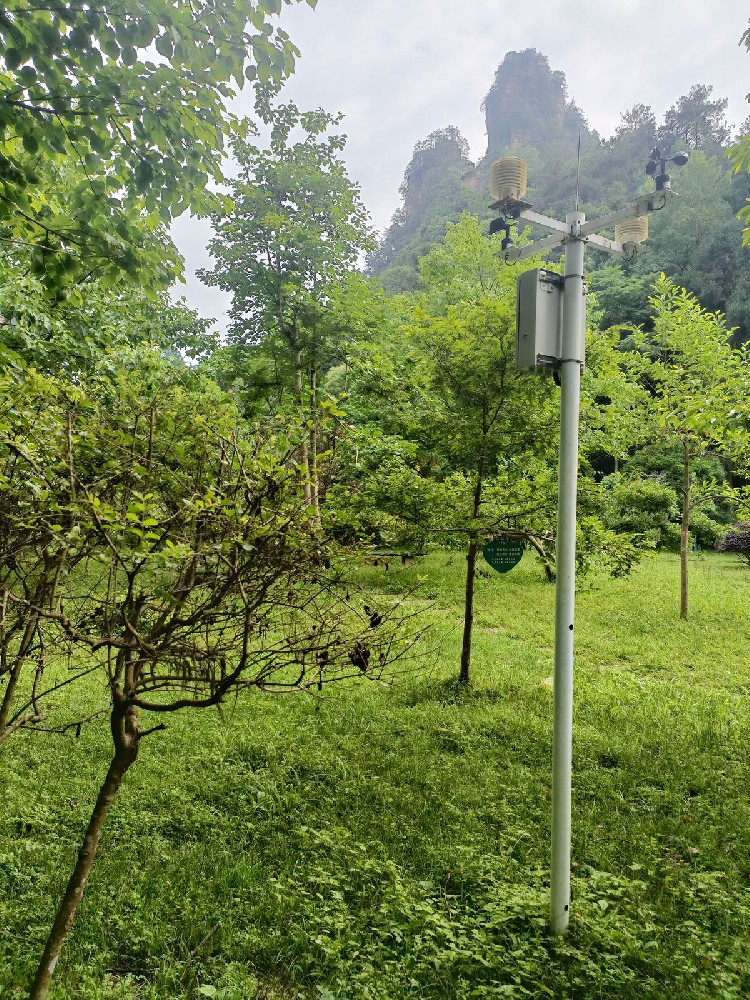
Forests are a cornerstone of the national economy and ecological environment, yet forest fires cause severe damage to forest resources and ecological balance. The forest weather station is a key technical equipment for preventing and controlling forest fires and maintaining ecological security.
What is a Forest Weather Station?
A forest weather station, also known as a forest meteorological fire risk monitoring station, is an automated device specifically designed to monitor in real time the meteorological elements closely related to fire occurrence in forest and grassland environments. It typically consists of a forest fire prevention weather station and an environmental monitoring cloud platform, capable of real-time forest environment monitoring, remote data transmission, video viewing, and over-limit alarms.
Core Value of Fire Prevention and Early Warning
Through real-time, continuous, and high-density collection of key data, forest weather stations achieve a shift from passive firefighting to active early warning and scientific management:
• Predict Fire Risk Levels: By analyzing data such as temperature, humidity, wind speed, wind direction, and precipitation, it can predict forest fire risk levels and issue timely warnings to management departments.
• Guide Preventive Measures: When forecasts indicate upcoming adverse weather conditions such as high temperature, low humidity, and strong winds, it reminds managers to intensify patrols and restrict or prohibit activities that may trigger fires.
• Develop Scientific Strategies: Long-term collection and analysis of meteorological data help grasp the patterns of forest fire occurrence, providing a scientific basis for formulating fire prevention plans and emergency response mechanisms.
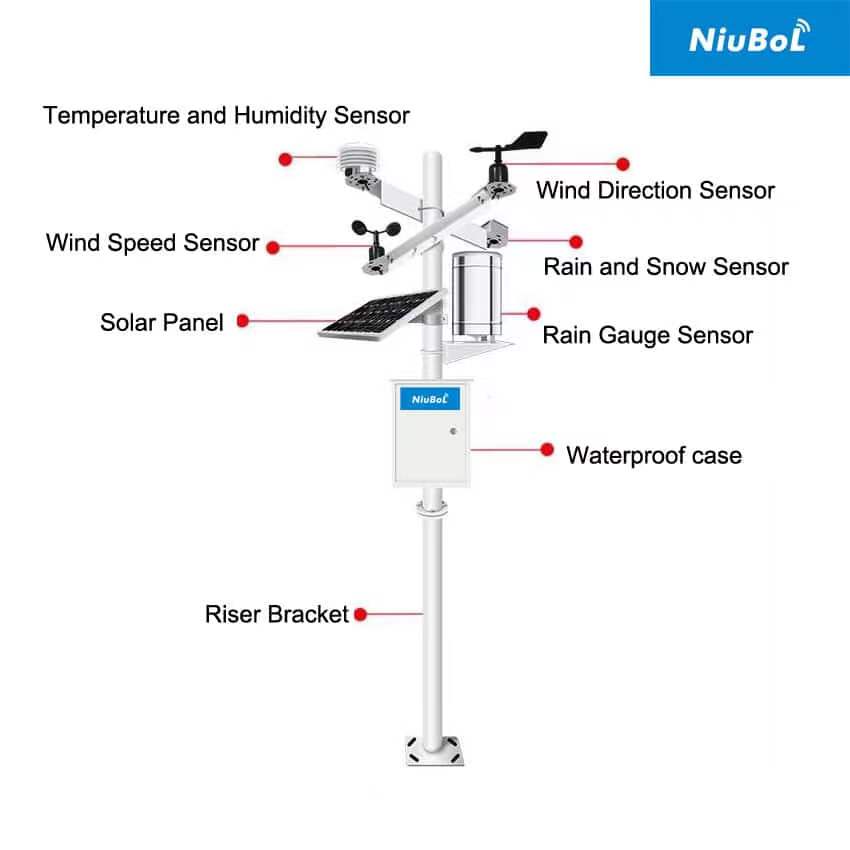
The NiuBoL forest meteorological monitoring system fully considers the particularities of forest environments and adopts innovative designs to ensure the accuracy and continuity of monitoring data.
Core Structure Analysis and Intelligent Linkage
The NiuBoL forest meteorological monitoring system is a highly integrated data processing and management center:
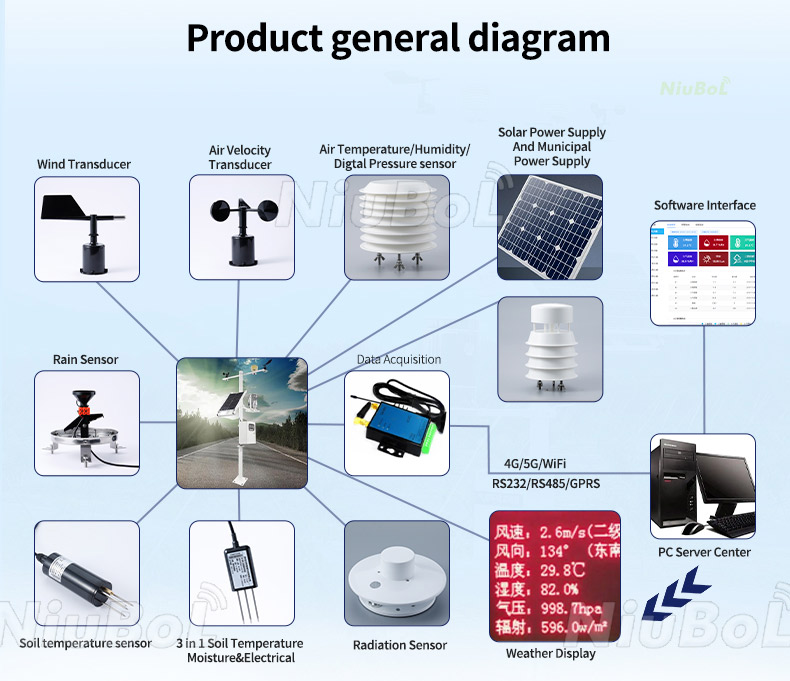
• Professional Sensor Cluster: Equipped with multiple sensors to collect in real time precipitation, evaporation, wind speed, wind direction, air temperature and humidity, solar radiation intensity, and various key soil indicators.
• Data Acquisition and Transmission: Automatically uploads collected data to the environmental monitoring cloud platform for storage, analysis, and management.
• Video Monitoring System Integration: Combined with a video monitoring system, it forms a more comprehensive monitoring network capable of timely detecting fire points and smoke through image recognition technology, achieving early detection and early handling.
Special Design Advantages for Forest Environments
To cope with understory vegetation and complex environments, NiuBoL adopts the following designs:
Anti-clogging and anti-entanglement design: Uses measurement technologies that are not easily blocked or obscured by understory vegetation. Avoids sensors with mechanical structures to prevent entanglement and failure caused by plant growth.
Non-consumable measurement: Does not use consumable sensors prone to wear, reducing maintenance costs and frequency.
Innovative Measurement Technologies:
• Ultrasonic Anemometry: Uses sound waves to measure wind speed and direction, effectively preventing sensors from being jammed by plants or freezing in cold weather.
• Radar Rain Measurement: Uses radar to accurately measure rainfall, avoiding blockage of traditional rain gauges by leaves and ensuring rainfall data accuracy.
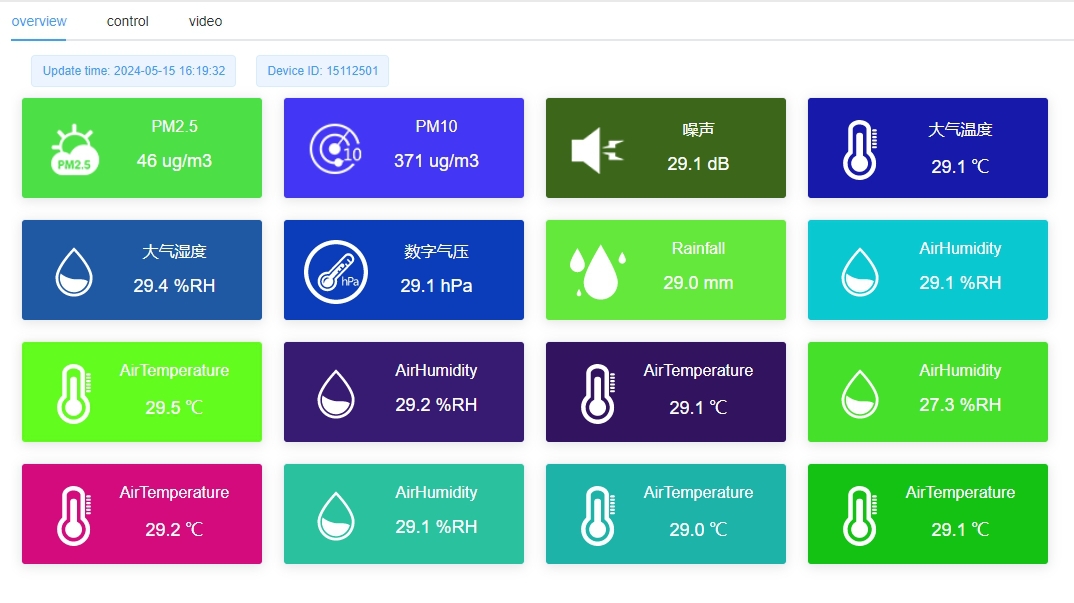
The NiuBoL forest weather station provides effective technical support for forest fire prevention through precise measurement of fire risk factors.
| Fire Risk Factor | Measurement Role | NiuBoL Technical Advantage |
|---|---|---|
| Wind Speed / Direction | Affects fire spread speed and direction — key for warning and emergency response | Ultrasonic measurement technology — stable, reliable, unaffected by mechanical wear or vegetation entanglement |
| Temperature / Humidity | Humidity is key for assessing combustible moisture content; high temperature accelerates evaporation | High-precision sensors with accurate data for predicting forest fire risk levels |
| Precipitation | Helps managers understand soil moisture and combustible water content, assessing fire susceptibility | Radar rain measurement ensures accurate data unaffected by understory interference |
| Soil Indicators | Soil moisture is an important supplementary indicator for assessing forest combustible water content | Flexible configuration according to user needs to meet different scenario requirements |
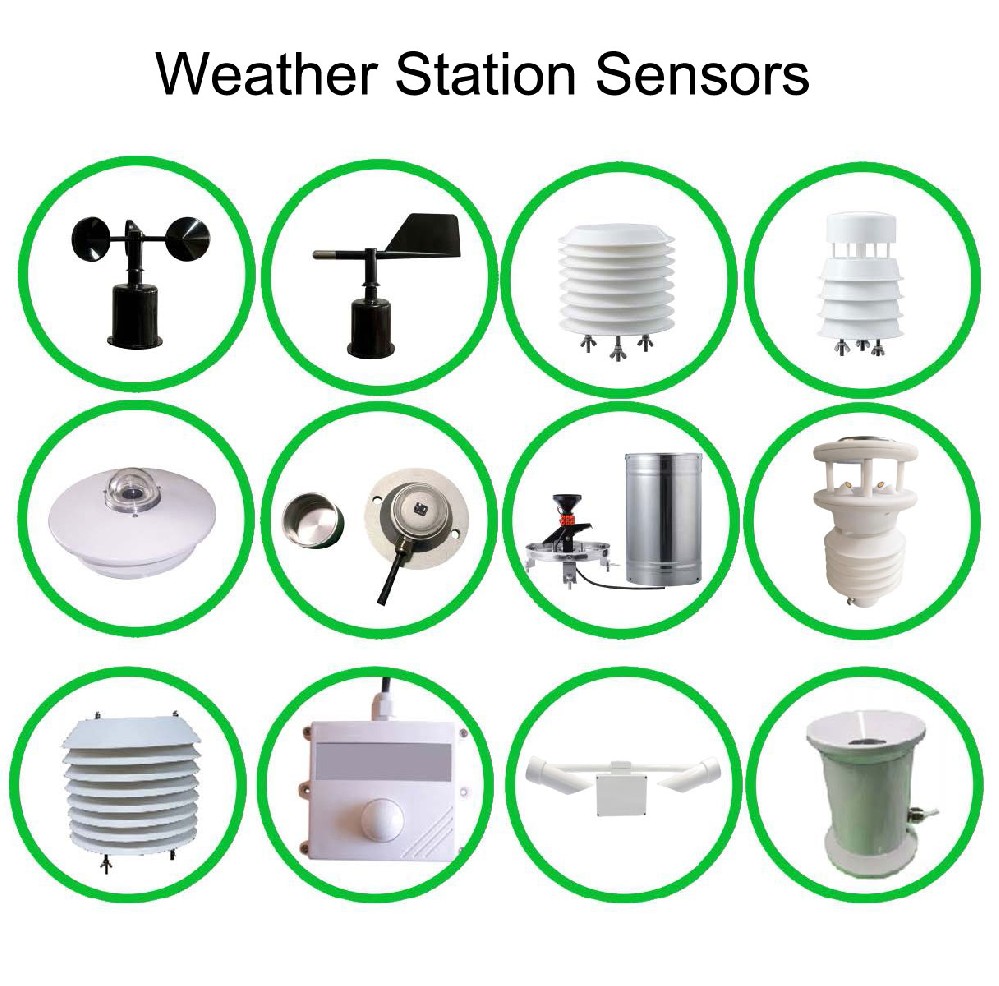
Application Value of Weather Stations in Preventing Mountain Fires
• Early Warning and Rapid Response: The environmental monitoring cloud platform has intelligent warning functions. Once abnormal data (such as high temperature, low humidity, strong wind) or exceeding preset safety thresholds is detected, the system automatically issues alarms, reminding managers to take countermeasures and achieving early detection and rapid response to forest fires.
• Dynamic Patrol Guidance: Weather stations can remind managers to intensify patrols and restrict or prohibit activities that may trigger fires.
• Ecological Security Maintenance: By effectively preventing and controlling forest fires, protecting forest resources, maintaining ecological balance, and promoting sustainable development.
When installing forest meteorological fire risk monitoring stations, the particularities of the forest environment must be fully considered to ensure the effectiveness and representativeness of monitoring data.
Installation Specifications and Key Points
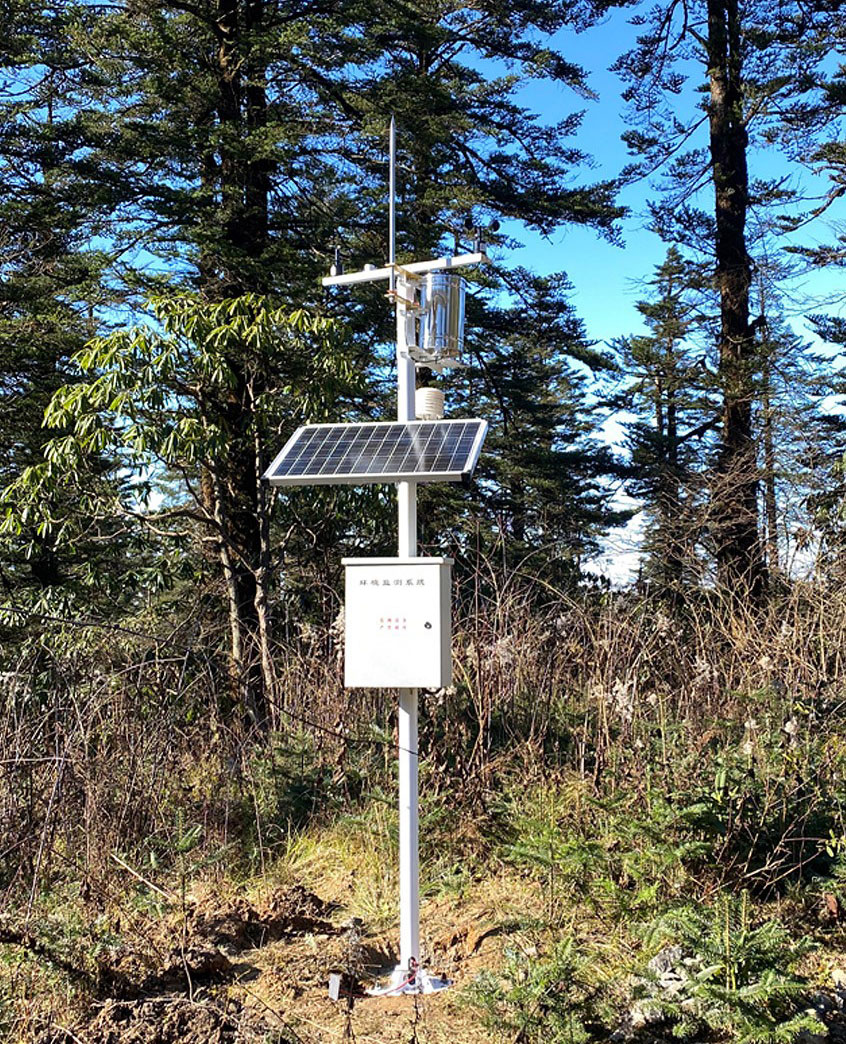
• Representative site selection: Should be installed in areas with high fire risk and representative forest land to ensure collected data truly reflects regional fire risk factors.
• Obstacle avoidance and installation height: Installation must ensure key sensors like wind speed and direction can effectively acquire data, avoiding severe obstruction by understory vegetation or tree crowns.
• Lightning protection and power supply: Given forest environments are prone to lightning strikes, lightning protection grounding must be properly implemented. Since most forests lack grid power, a stable and reliable solar power system should be configured.
NiuBoL Forest Weather Station Selection Recommendations
• Core technology: Prioritize devices using innovative measurement technologies such as ultrasonic anemometry and radar rain measurement — non-mechanical structure, not easily blocked — to cope with forest environment particularities.
• Integration and linkage: Ensure the weather station supports integration with video monitoring systems, featuring image recognition and over-limit alarm functions to form a more comprehensive forest fire prevention monitoring network.
• Platform functions: Examine whether the environmental monitoring cloud platform can process and deeply analyze large amounts of data in real time with intelligent warning and information sharing capabilities.
• Maintenance cost: Choose monitoring stations that avoid mechanical structures and consumable sensors in design to provide a stable, reliable, and easy-to-maintain solution.
| Symptom | Common Cause | Quick Troubleshooting & Solution |
|---|---|---|
| Wind speed data continuously low or zero | (Traditional mechanical) Sensor entangled by plants; (Ultrasonic) Frost or dirt on probe surface | Check and clear entanglements; clean ultrasonic probe surface |
| Rainfall data missing or abnormal | (Traditional rain gauge) Collection port blocked by leaves | Check and clean rain gauge collection port and internal tipping bucket |
| Data acquisition interrupted | Solar panel blocked by branches or fallen leaves; insufficient power | Check and clear obstructions on solar panel; check battery voltage |
| Video monitoring fails to link | Communication link failure or configuration error between weather station and video system | Check network connection and configuration to ensure image recognition works properly |
A1: The weather station can monitor in real time temperature, humidity, wind speed, wind direction, precipitation, solar radiation intensity, and various key soil indicators — all critical factors for predicting forest fire risk levels.
A2: By inputting real-time monitored adverse weather data (high temperature, low humidity, strong wind) into a preset forest fire risk meteorological forecasting model for analysis, it predicts current fire risk levels.
A3: Ultrasonic anemometry has no moving mechanical parts, effectively avoiding failures caused by plant entanglement, icing, or wear in traditional cups/vanes, ensuring data accuracy and continuity in complex forest environments.
A4: The environmental monitoring cloud platform has over-limit alarm function. Once data is abnormal or exceeds thresholds, the system automatically sends alerts via SMS, APP push, or phone.
A5: Yes. The weather station supports solar power system, ensuring stable and long-lasting operation in forest environments where electricity is difficult to reach.
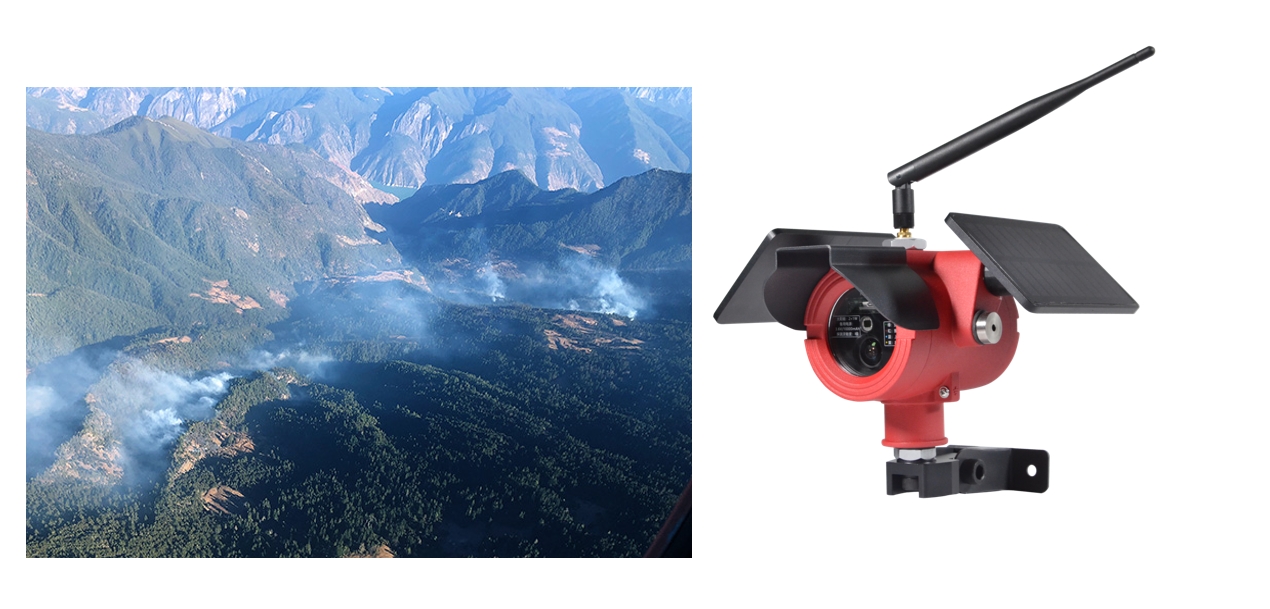
A6: NiuBoL weather stations are usually combined with video monitoring systems and use image recognition technology to detect fire points and smoke in real time, achieving early detection and handling.
A7: Yes. Long-term collection and analysis of meteorological data help grasp forest fire occurrence patterns, providing basis for scientific fire prevention plans and emergency response mechanisms.
A8: NiuBoL adopts measurement technologies (such as radar rain measurement) not easily blocked or obscured by understory vegetation and avoids easily affected mechanical sensors in design.
A9: The weather station can achieve real-time monitoring with high data acquisition frequency, providing continuous data streams, usually settable to minute-level or higher.
A10: Yes. The environmental monitoring cloud platform supports intelligent analysis and information sharing, helping improve early warning and rapid response to forest fires, and can provide data support for forestry, emergency management, and other departments.
A11: CE, ISO9001, RoHS, and nationally recognized meteorological calibration certificates.
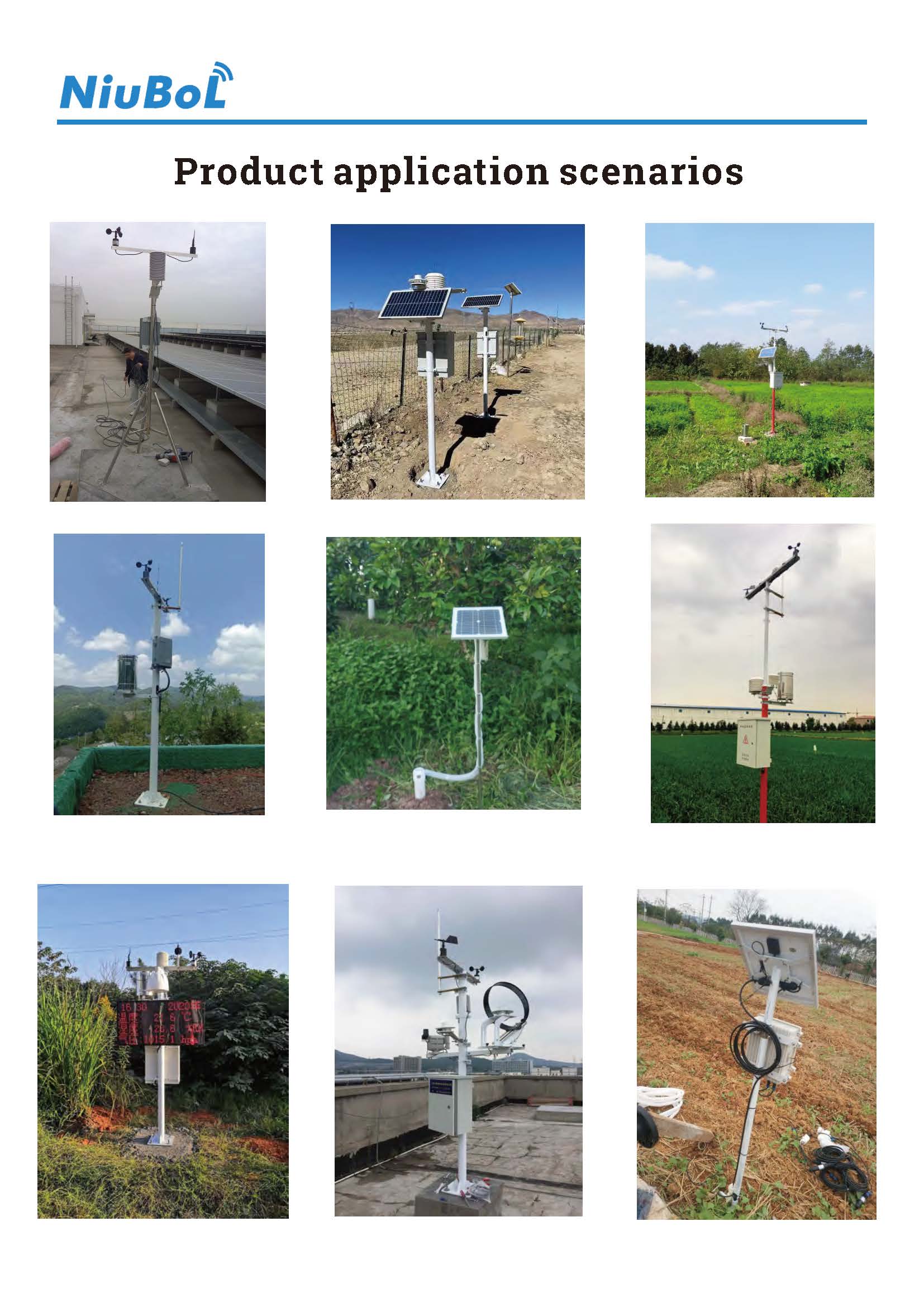
The NiuBoL forest weather station is key technical support for maintaining ecological security and promoting sustainable development. With its special design for forest environments, innovative non-mechanical measurement technology, and intelligent linkage with video monitoring, it greatly enhances the quality and efficiency of forest fire prevention work.
We are committed to providing a stable, reliable, and easy-to-maintain comprehensive monitoring solution, helping forestry management departments more effectively protect forest resources and reduce losses caused by natural disasters.
Contact NiuBoL immediately to deploy a scientific, efficient, and intelligent fire prevention and early warning system for your forest management area!
Related recommendations
Sensors & Weather Stations Catalog
 Agriculture Sensors and Weather Stations Catalog-NiuBoL.pdf
Weather Stations Catalog-NiuBoL.pdf
Agriculture Sensors Catalog-NiuBoL.pdf
Related products
 Combined air temperature and relative humidity sensor
 Soil Moisture Temperature sensor for irrigation
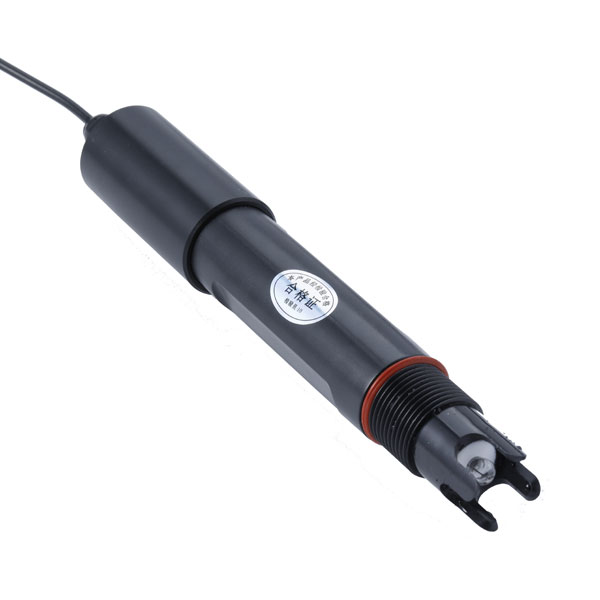 Soil pH sensor RS485 soil Testing instrument soil ph meter for agriculture
 Wind Speed sensor Output Modbus/RS485/Analog/0-5V/4-20mA
 Tipping bucket rain gauge for weather monitoring auto rainfall sensor RS485/Outdoor/stainless steel
 Pyranometer Solar Radiation Sensor 4-20mA/RS485

Screenshot, WhatsApp to identify the QR code
WhatsApp number:+8615367865107
(Click on WhatsApp to copy and add friends)

