





— Blogs —
—Products—
 Consumer hotline +8618073152920
 WhatsApp:+8615367865107
Address:Room 102, District D, Houhu Industrial Park, Yuelu District, Changsha City, Hunan Province, China
Product knowledge
Time:2026-04-08 10:51:10 Popularity:11
Water quality is the foundation of aquaculture and directly determines the growth rate, disease incidence and final breeding benefits of fish, shrimp and crabs. Pond water color is jointly determined by planktonic algae and suspended matter. Healthy yellow-green or yellow-brown water bodies usually contain abundant diatoms and green algae, with sufficient dissolved oxygen and low concentrations of harmful substances such as ammonia nitrogen and nitrite. Fish grow well and have low disease incidence. Red water, blue-green algae water, thick green water or black-brown water bodies indicate aging and deterioration of the water body, prone to hypoxia and pond flooding risks.
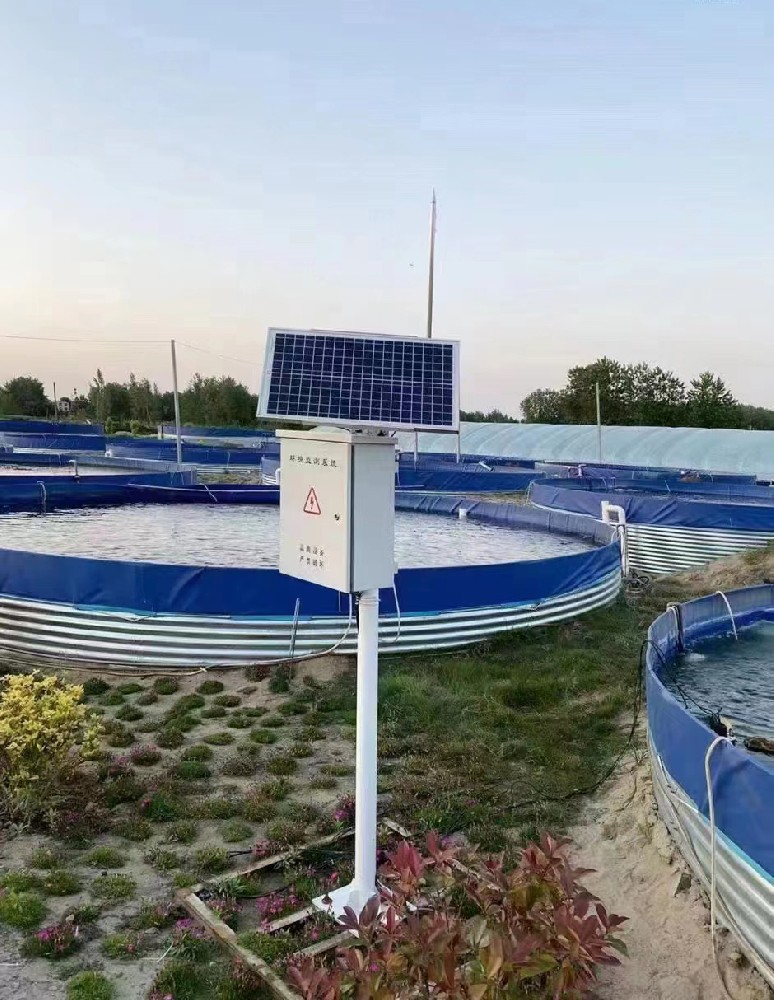
The industry commonly uses “fat, lively, tender, refreshing” as the comprehensive judgment standard for water quality: “fat” means thick water color and appropriate algae quantity; “lively” means regular changes in water color and transparency; “tender” means plankton is easy to digest and water color is stable; “refreshing” means water quality is fresh and not turbid. Reasonable regulation of these indicators during breeding is the premise for achieving stable and high yield.
Key factors affecting water quality include breeding density, feed input, organic fertilizer use and meteorological changes. In the high-temperature season of July-August, organic matter accumulation leads to increased pH, rising ammonia nitrogen and nitrite, and decreased water transparency, which can easily trigger bacterial diseases. Therefore, establishing an online water quality monitoring mechanism has become a necessary means for modern aquaculture.
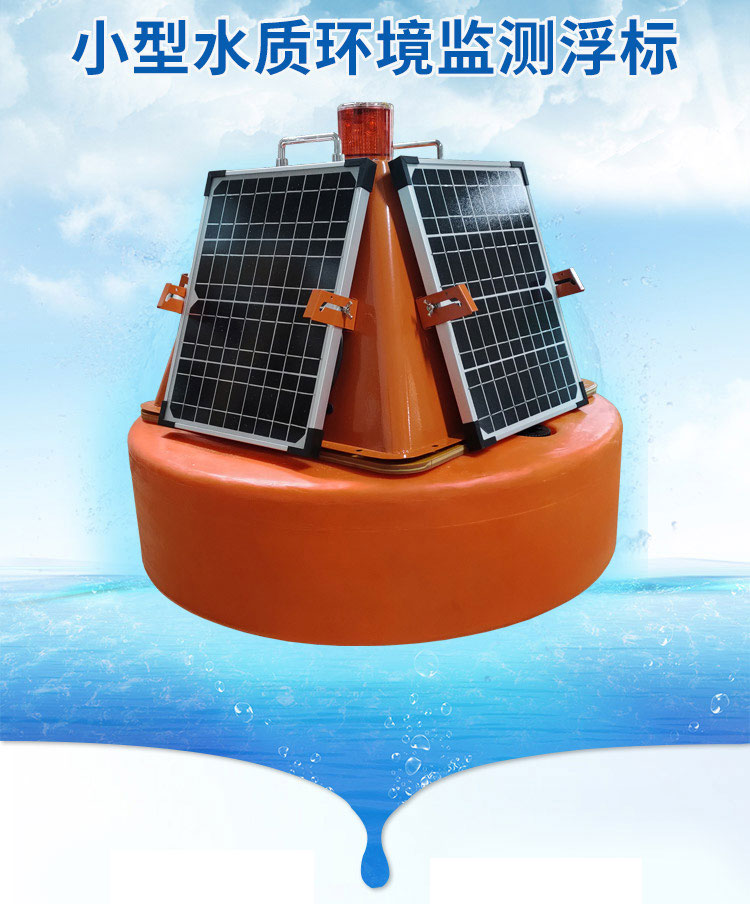
NiuBoL buoy water quality online monitoring system is a water quality online analysis device integrating real-time monitoring, data collection, transmission and analysis, specially designed for aquaculture scenarios. The system adopts buoy-type installation, flexible layout, no land occupation, and is suitable for deployment in ponds, lakes, rivers and breeding bases.
The system supports access to a variety of high-precision water quality sensors and can synchronously monitor parameters such as water temperature, conductivity, turbidity, dissolved oxygen (DO), pH, ammonia nitrogen (NH₃-N), COD, nitrate, blue-green algae, chlorophyll, chromaticity, liquid level, etc. At the same time, meteorological modules can be expanded to monitor environmental elements such as air temperature, air humidity, atmospheric pressure, wind speed, wind direction, rainfall and PM2.5. Data is transmitted to the cloud platform via GPRS/4G/5G wireless, and users can remotely log in to the backend to view real-time data and historical trends, achieving unattended remote monitoring.
The system has the characteristics of high precision and low power consumption, is easy to maintain, and has low overall operating costs. The buoy structure adapts to water surface fluctuations, and the sensors use corrosion-resistant materials to ensure long-term stable operation.
Dissolved Oxygen (DO)
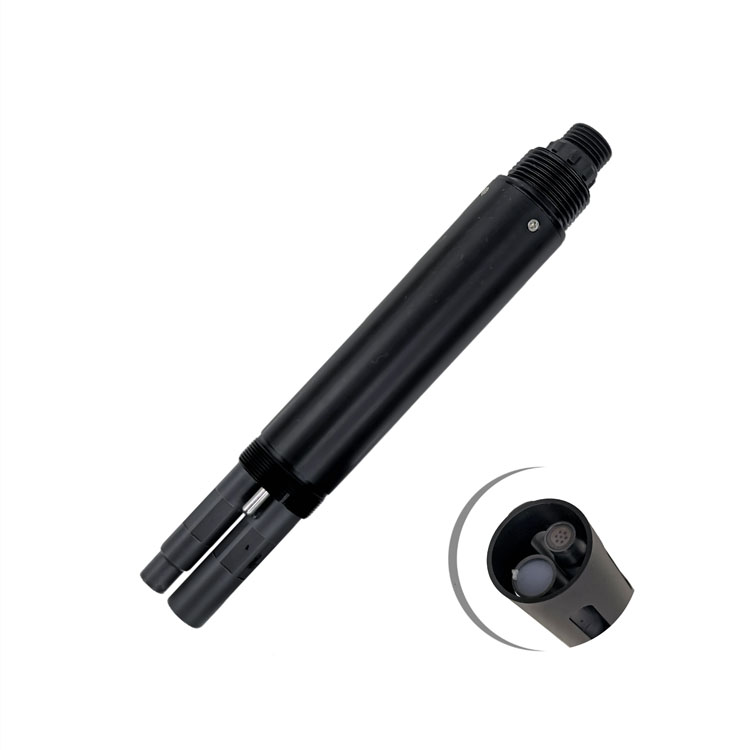
Fish respiration mainly depends on dissolved oxygen in water. Too low dissolved oxygen will cause “floating head” phenomenon and serious pond flooding; too high may induce bubble disease. NiuBoL system monitors DO concentration in real time (unit: mg/L) and triggers alarm at low oxygen threshold to guide timely activation of aerators.
pH Value
The suitable pH range for freshwater aquaculture is generally 6.5~9.0. Too low pH will reduce fish blood oxygen transport capacity and cause hypoxia; too high pH will corrode gills and enhance ammonia nitrogen toxicity. The system continuously monitors pH changes and provides data support for acid-base regulation.
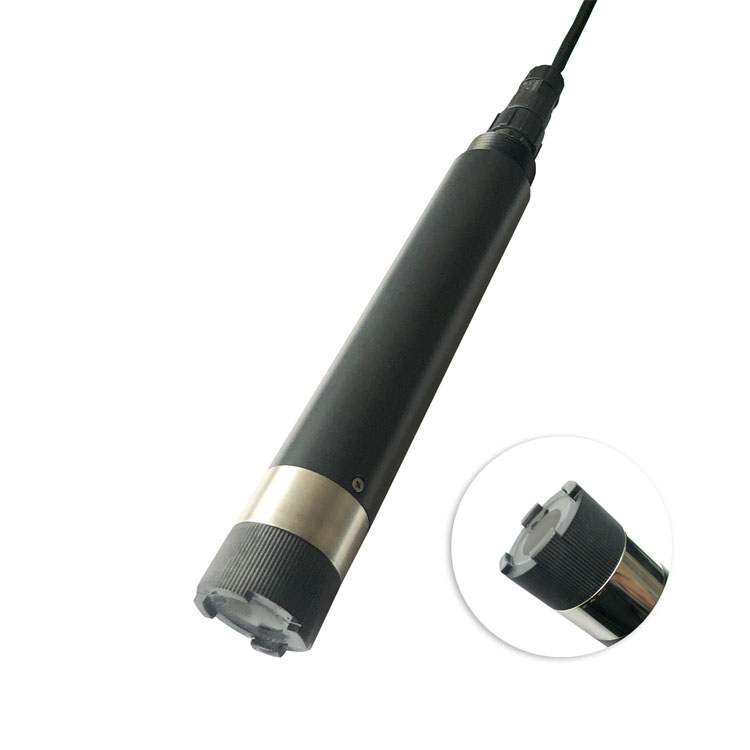
Ammonia Nitrogen (NH₃-N) and Nitrite
Ammonia nitrogen mainly comes from feed residues, excrement and organic fertilizers. Low concentration causes chronic poisoning, high concentration causes acute death. Nitrite oxidizes hemoglobin to methemoglobin, causing yellow blood disease. NiuBoL system can track these two indicators in real time and assist farmers in taking regulatory measures such as zeolite powder adsorption or water change.
Turbidity and Chlorophyll
Turbidity reflects suspended matter content in water, and chlorophyll indicates algae biomass. Both jointly affect water transparency and photosynthesis efficiency. The system achieves precise measurement through optical sensors to assist in judging the “fat, lively, tender, refreshing” state of water body.
Water Temperature and Meteorological Parameters
Water temperature directly affects fish metabolism and dissolved oxygen saturation. Combined with meteorological data such as air temperature, air pressure, wind direction and rainfall, it can predict the impact of temperature difference and density flow on water quality in advance and guide aeration and water exchange operations.

| Monitoring Parameter | Typical Range | Accuracy Index | Main Engineering Significance |
|---|---|---|---|
| Dissolved Oxygen (DO) | 0-20 mg/L | ±0.1 mg/L | Prevent hypoxia and pond flooding risks |
| pH Value | 0-14 | ±0.01 | Acid-base balance regulation, protect gill health |
| Ammonia Nitrogen (NH₃-N) | 0-10 mg/L | ±0.05 mg/L | Monitor poisoning risk, guide organic matter management |
| Turbidity | 0-1000 NTU | ±2% | Assess water transparency and suspended matter content |
| Water Temperature | -5~50℃ | ±0.2℃ | Metabolic rate and dissolved oxygen saturation judgment |
| Conductivity | 0-20000 μS/cm | ±1% | Indirectly reflect total ion content and salinity |
| Chlorophyll | 0-500 μg/L | ±5% | Algae biomass and water color assessment |
| Blue-green Algae | 0-200000 cells/mL | ±10% | Blue algae bloom warning |
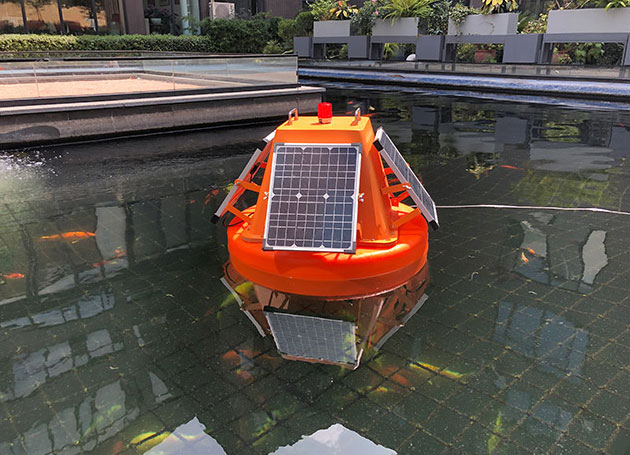
NiuBoL water quality online monitoring system is widely applicable to:
Pond and lake breeding bases: real-time monitoring of core indicators such as dissolved oxygen and ammonia nitrogen to prevent floating head and pond flooding.
Chinese mitten crab and shrimp-crab polyculture waters: precise water quality regulation to ensure high-quality aquatic product growth (the excellent quality of Yangcheng Lake hairy crabs often depends on stable water quality).
Different water body comparison breeding projects: through unified monitoring standards, analyze the impact of water quality differences on breeding benefits.
Smart fishery IoT platform: multi-buoy data unified upload, supporting remote centralized management and big data analysis.
High-temperature season water quality management: focus on monitoring organic matter accumulation and algae changes in July-August to reduce peak disease risk.
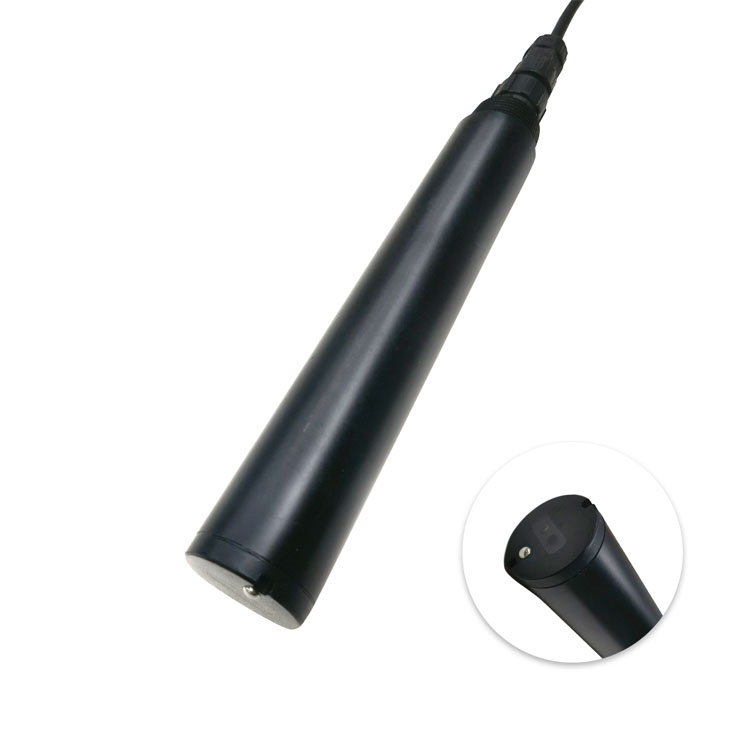
Engineering value is reflected in:
Data real-time: 24-hour continuous online collection, replacing manual pond patrol and reducing labor intensity.
Early warning capability: over-limit alarm function helps early intervention and reduces fish death losses.
Scientific decision-making: combined with meteorological parameters and water quality data to optimize aeration, feeding and water body regulation strategies.
Cost control: buoy design is flexible to install, easy to maintain, and overall operation and maintenance cost is low.
System integration: supports GPRS/4G/5G transmission and Modbus protocol, convenient for linkage with existing aerators, feeders and other equipment.
By combining with meteorological monitoring modules, the system can synchronously collect parameters such as air temperature, humidity, air pressure, wind direction and rainfall to help farmers analyze the impact of temperature difference, air pressure changes and “south-north collision” weather on dissolved oxygen, achieving coordinated management of water quality and meteorology.
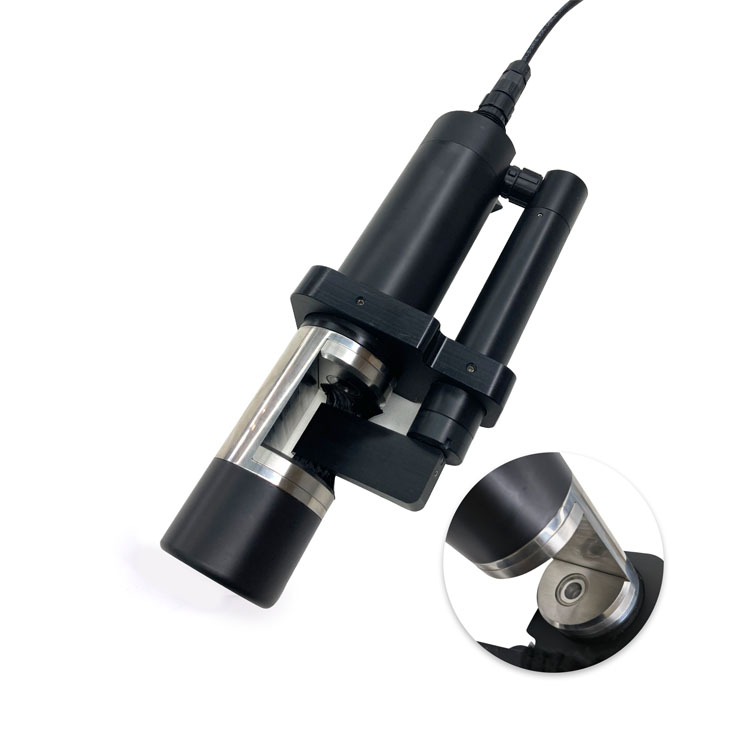
1. What are the most important water quality parameters in aquaculture?
A: Core parameters include dissolved oxygen, pH, ammonia nitrogen, nitrite, turbidity and water temperature. These indicators directly affect the respiration, metabolism and health of fish, shrimp and crabs.
2. What installation methods does NiuBoL buoy water quality monitoring system support?
A: Adopts buoy-type design, flexible layout, no land occupation, suitable for rapid deployment in various ponds and open waters.
3. How does the system help prevent pond flooding risks?
A: By monitoring dissolved oxygen concentration in real time, it issues alarms at low oxygen thresholds to guide timely activation of aeration equipment and avoid large-scale fish deaths caused by hypoxia.
4. Does the water quality online monitoring system support remote viewing?
A: Yes. Data is transmitted to the cloud platform via GPRS/4G/5G, and users can view real-time data and historical curves anytime on mobile phones or computers.
5. Can the system monitor meteorological parameters?
A: Yes. The expansion module can synchronously monitor air temperature, humidity, air pressure, wind speed, wind direction and rainfall to achieve joint analysis of water quality and meteorology.
6. What indicators should be focused on in water quality management during high-temperature season?
A: Focus on monitoring changes in pH, ammonia nitrogen, nitrite and dissolved oxygen, and timely regulate organic matter accumulation to prevent water deterioration.
7. How many types of sensors does NiuBoL system support?
A: Supports access to various water quality and meteorological sensors, which can be flexibly configured according to specific breeding species and water body conditions.
8. How to choose the appropriate water quality monitoring configuration during project integration?
A: According to breeding scale, water body type and key parameters of concern, choose basic dissolved oxygen + pH type or full-parameter expansion type scheme, and give priority to low power consumption and high protection design.
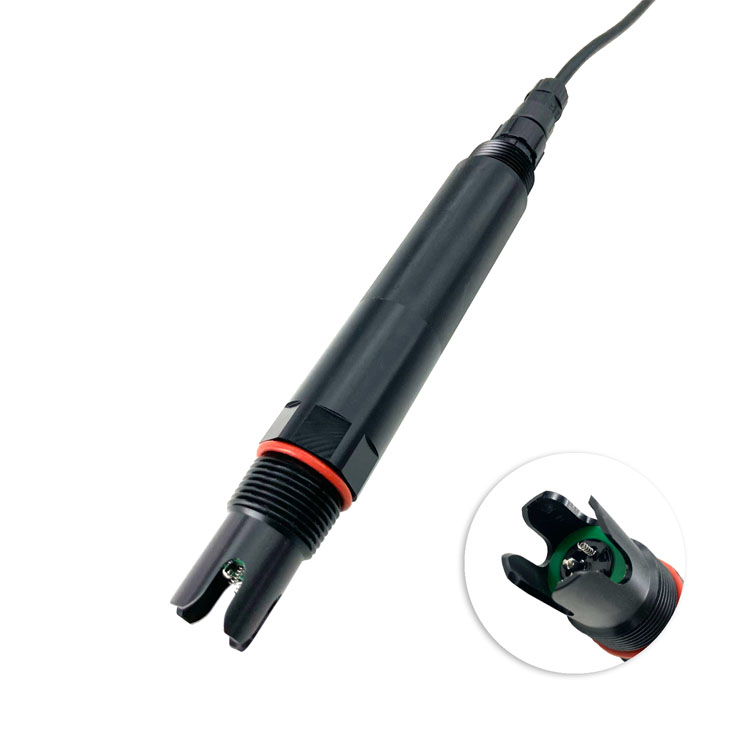
Water quality online monitoring is the core technical means for modern aquaculture to achieve “raise fish first, raise water first”. NiuBoL water quality online monitoring system features high-precision sensor arrays, flexible buoy installation and wireless data transmission, providing reliable comprehensive water quality and meteorological monitoring solutions for system integrators, IoT solution providers and engineering companies.
By grasping key indicators such as dissolved oxygen, pH and ammonia nitrogen in real time and analyzing in combination with meteorological changes, aquaculture enterprises can significantly reduce pond flooding and disease risks, and improve breeding benefits and aquatic product quality. If you need system configuration, technical parameters or integration scheme support for specific fish ponds, crab ponds or regional fishery projects, please contact the NiuBoL professional team to jointly promote the high-quality implementation of smart aquaculture monitoring projects.
 NBL-RDO-206 Online Fluorescence Dissolved Oxygen Sensor.pdf
NBL-COD-208 Online COD Water Quality Sensor.pdf
NBL-CL-206 Water Quality Sensor Online Residual Chlorine Sensor.pdf
Related recommendations
Sensors & Weather Stations Catalog
 Agriculture Sensors and Weather Stations Catalog-NiuBoL.pdf
Weather Stations Catalog-NiuBoL.pdf
Agriculture Sensors Catalog-NiuBoL.pdf
Related products
 Combined air temperature and relative humidity sensor
 Soil Moisture Temperature sensor for irrigation
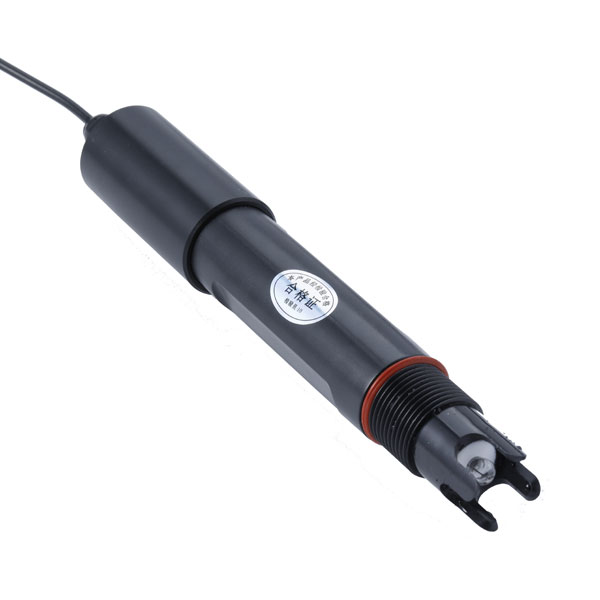 Soil pH sensor RS485 soil Testing instrument soil ph meter for agriculture
 Wind Speed sensor Output Modbus/RS485/Analog/0-5V/4-20mA
 Tipping bucket rain gauge for weather monitoring auto rainfall sensor RS485/Outdoor/stainless steel
 Pyranometer Solar Radiation Sensor 4-20mA/RS485

Screenshot, WhatsApp to identify the QR code
WhatsApp number:+8615367865107
(Click on WhatsApp to copy and add friends)

