






— Blogs —
—Products—
 Consumer hotline +8618073152920
 WhatsApp:+8615367865107
Address:Room 102, District D, Houhu Industrial Park, Yuelu District, Changsha City, Hunan Province, China
Product knowledge
Time:2026-01-23 10:05:51 Popularity:9
Optical water quality monitoring sensors represent a major advancement in modern water quality monitoring technology. They utilize the interaction between light and substances in water to achieve non-contact, continuous measurement of multiple key parameters. The NiuBoL optical water quality sensor series employs advanced ultraviolet-visible (UV-Vis), fluorescence, and scattering principles to monitor turbidity, chlorophyll-a, dissolved organic matter (CDOM), nitrate, dissolved oxygen, and other indicators in real time, supporting simultaneous multi-parameter acquisition. Data is uploaded to the cloud platform via GPRS/4G/5G or RS485 transmission, allowing users to remotely view real-time data, trend curves, and alarm information. This series of sensors is suitable for rivers and lakes, drinking water sources, aquaculture, wastewater treatment, and industrial wastewater monitoring, providing reliable and timely data support for water quality management, pollution early warning, and ecological protection.
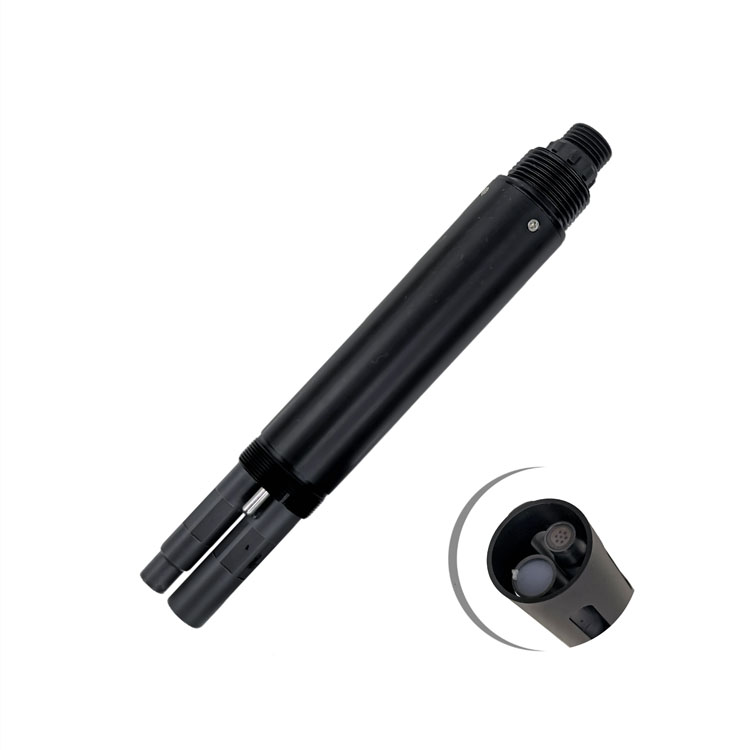
The core of optical water quality monitoring sensors lies in the interaction between light and substances in water, mainly including four types of optical phenomena: absorption, scattering, reflection, and fluorescence.
Absorption Method: Light of specific wavelengths (such as ultraviolet 254 nm or visible range) is absorbed by dissolved organic matter, nitrate, etc., in water. The degree of light intensity attenuation is proportional to the substance concentration.
Scattering Method: A light beam illuminates the water body, and suspended particles cause light scattering. The scattered light intensity reflects turbidity or total suspended solids (TSS).
Fluorescence Method: After excitation light irradiation, certain substances (such as chlorophyll, aromatic compounds) emit characteristic fluorescence. Fluorescence intensity or lifetime is used for quantitative analysis.
Reflection/Transmission Method: Measures the reflection or transmission characteristics of light by the water body to assess color, algae, or organic pollution.
NiuBoL optical sensors mostly use LED light sources (replacing traditional bulbs) and high-sensitivity photodetectors, combined with intelligent algorithms to compensate for interference factors such as temperature and turbidity, ensuring stable and reliable measurement. Compared with electrochemical sensors, optical methods require no frequent replacement of membranes or electrolytes, significantly reducing maintenance requirements.
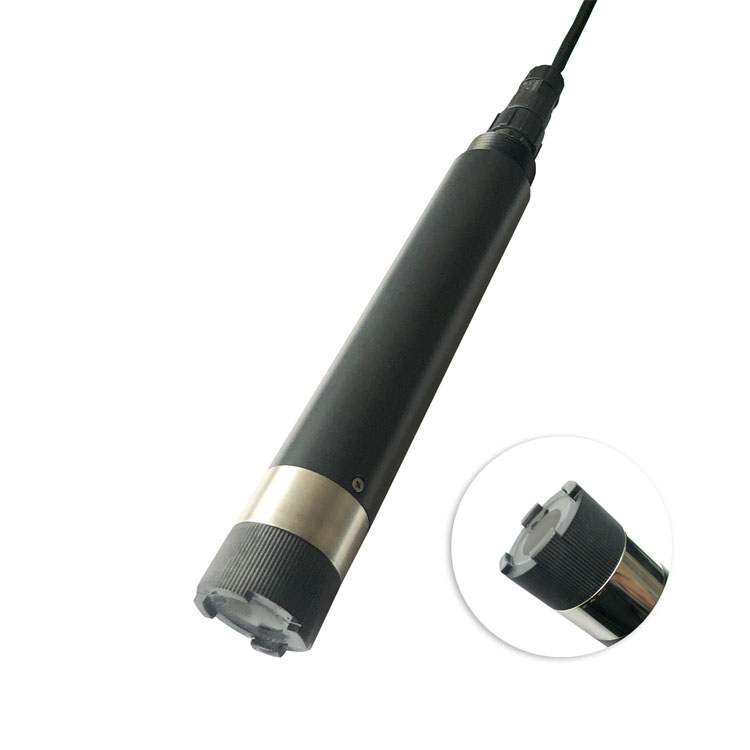
The NiuBoL series covers various optical sensor types, supporting single-parameter or multi-parameter integrated probes.
Turbidity Sensor: Based on 90° scattering (nephelometry) or back-scattering principle, measurement range 0~4000 NTU, accuracy ±1% FS.
Chlorophyll-a/Phycocyanin Sensor: Fluorescence excitation (typically 430~470 nm), emission peak 670~685 nm, used for monitoring algal biomass and cyanobacteria early warning.
Dissolved Organic Matter (CDOM/fDOM) Sensor: Ultraviolet fluorescence or absorption method, detects humic substances, protein-like materials, indicating organic pollution or microbial activity.
Nitrate Sensor: Deep ultraviolet absorption (about 220 nm), directly measures nitrate ion concentration without reagents.
UV254/UV-Vis Full-Spectrum Sensor: Wide spectral scanning, calculates comprehensive indicators such as COD, TOC, UVT, supports multi-parameter deconvolution.
Optical Dissolved Oxygen Sensor: Fluorescence quenching method, measures changes in fluorescence lifetime, range 0~20 mg/L, accuracy ±2%.
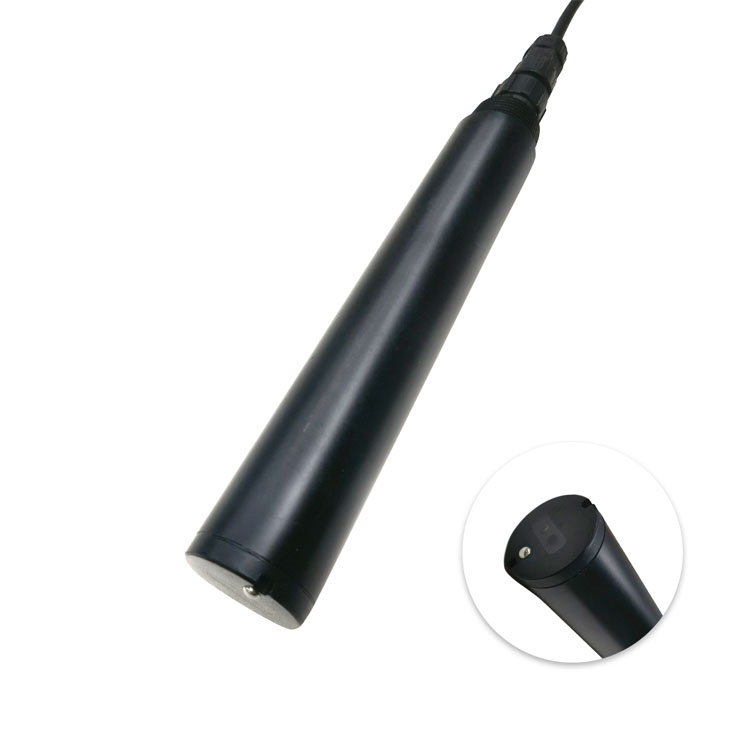
| Parameter Type | Measurement Principle | Typical Range | Accuracy/Resolution | Main Application Scenarios |
|---|---|---|---|---|
| Turbidity | Scattering Light Method | 0~4000 NTU | ±1% FS or ±0.01 NTU | Suspended solids, sediment monitoring |
| Chlorophyll-a | Fluorescence Method | 0~500 μg/L | ±3% | Algal bloom early warning, eutrophication assessment |
| CDOM/fDOM | Fluorescence/Absorption Method | 0~1000 ppb QSU | ±5% | Organic pollution, wastewater tracing |
| Nitrate | UV Absorption (220 nm) | 0~50 mg/L NO3-N | ±2% | Agricultural runoff, drinking water source monitoring |
| COD/TOC Estimation | UV-Vis Full Spectrum | 0~500 mg/L | ±5% | Wastewater treatment, industrial wastewater |
| Dissolved Oxygen (Optical) | Fluorescence Quenching Method | 0~20 mg/L | ±2% | Aquatic ecology, aquaculture optimization |
NiuBoL sensors are equipped with built-in automatic cleaning devices (such as wiper brushes or compressed air purging), effectively resisting biofouling and dirt accumulation, suitable for long-term submersion deployment.
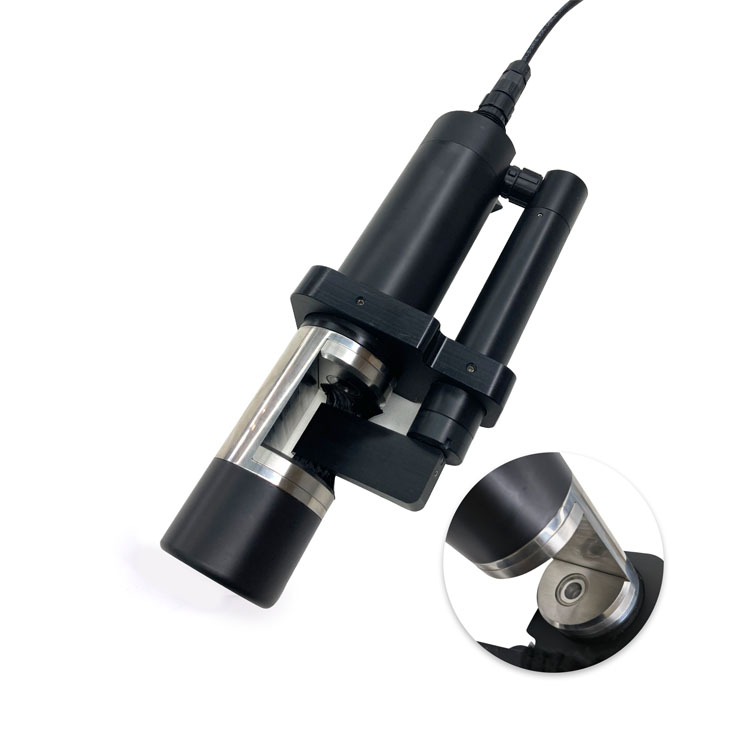
Compared to traditional electrochemical or laboratory methods, optical sensors excel in the following aspects:
Real-time Continuous Monitoring: Minute-level acquisition frequency provides high temporal resolution data and supports dynamic process tracking.
Multi-Parameter Integration: A single probe can measure 5~10 indicators simultaneously, reducing the number of devices and installation complexity.
Low Maintenance Requirements: No reagent consumption, no membrane replacement, long calibration cycle (typically 6~12 months), reducing operation and maintenance costs.
Strong Anti-Interference Capability: Optical methods are not affected by electrochemical drift or pH; combined with algorithms to compensate for turbidity, temperature, and other factors.
High Data Reliability: Minimizes human sampling errors, traceable data, compliant with environmental monitoring specifications.
Remote Intelligence: Integrates Modbus RTU/TCP protocols, supports cloud platform access for alarms, trend analysis, and big data applications.
In actual deployments, these advantages significantly improve monitoring efficiency, especially suitable for remote water areas or unattended stations.
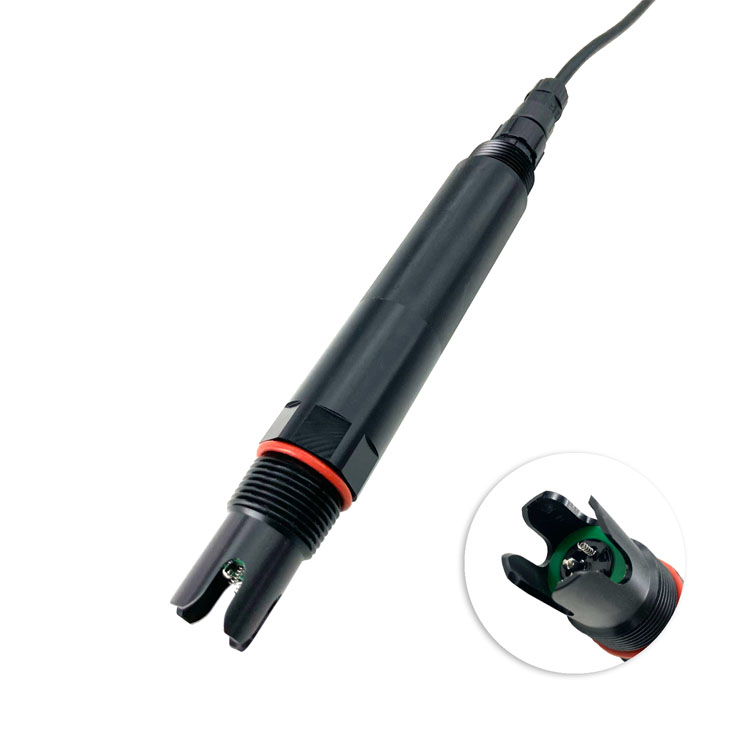
NiuBoL optical water quality monitoring sensors have been validated in multiple fields:
Drinking Water Sources: Real-time monitoring of nitrate, CDOM, and turbidity to ensure source safety.
River and Lake Ecology: Chlorophyll-a and phycocyanin data used for cyanobacteria early warning and eutrophication assessment.
Aquaculture: Optical dissolved oxygen and turbidity monitoring optimizes water environment and reduces diseases.
Wastewater Treatment: UV-Vis full-spectrum estimation of COD/TOC supports process adjustment and effluent compliance.
Industrial Discharge: Rapid detection of organic pollutants and suspended solids, assisting self-monitoring and regulation.
Actual cases show that this series of sensors plays a key role in capturing sudden pollution events and evaluating treatment effectiveness, helping users transition from passive response to proactive management.
Q1. What is the difference between optical water quality sensors and electrochemical sensors?
Optical sensors are based on light interaction, requiring no chemical reactions or electrode consumption, with low maintenance and strong anti-interference, but higher initial cost; electrochemical sensors respond quickly and are affordable but require regular component replacement.
Q2. Are optical sensors affected by water color or turbidity interference?
NiuBoL sensors incorporate built-in compensation algorithms (such as dual-beam or reference channels) to effectively correct for turbidity, color, and other interferences, ensuring measurement accuracy.
Q3. How does a chlorophyll-a sensor distinguish different algae types?
Through specific excitation/emission wavelength combinations (such as dedicated phycocyanin channels), it can preliminarily distinguish green algae, cyanobacteria, etc., with improved identification accuracy when combined with multi-parameter data.
Q4. How does the sensor maintain cleanliness during long-term submersion?
Equipped with automatic wiper or air purge cleaning mechanisms, combined with anti-fouling coatings, significantly extending maintenance-free operation time.
Q5. How is data transmitted and integrated?
Supports multiple interfaces including RS485 (Modbus), 4-20mA, GPRS/4G/5G, facilitating access to PLC, SCADA, or cloud platforms.
Q6. Are optical sensors suitable for seawater or high-salinity water bodies?
Most models support salinity compensation and are applicable to freshwater, brackish, or seawater environments; specific model selection should be confirmed.
NiuBoL optical water quality monitoring sensors, with advanced optical principles, multi-parameter integration, and low-maintenance characteristics, provide efficient and reliable technical means for water resource management and environmental protection. In the current context where water quality standards are becoming stricter and data-driven decision-making is mainstream, optical sensors enable real-time, precise, and continuous monitoring, significantly enhancing early warning capabilities and management levels. If you are seeking modern water quality monitoring solutions suitable for rivers, lakes, water sources, or aquaculture scenarios, the NiuBoL series is worth in-depth understanding and application to jointly promote the sustainable protection of water environments.
 NBL-RDO-206 Online Fluorescence Dissolved Oxygen Sensor.pdf
NBL-COD-208 Online COD Water Quality Sensor.pdf
NBL-CL-206 Water Quality Sensor Online Residual Chlorine Sensor.pdf
Related recommendations
Sensors & Weather Stations Catalog
 Agriculture Sensors and Weather Stations Catalog-NiuBoL.pdf
Weather Stations Catalog-NiuBoL.pdf
Agriculture Sensors Catalog-NiuBoL.pdf
Related products
 Combined air temperature and relative humidity sensor
 Soil Moisture Temperature sensor for irrigation
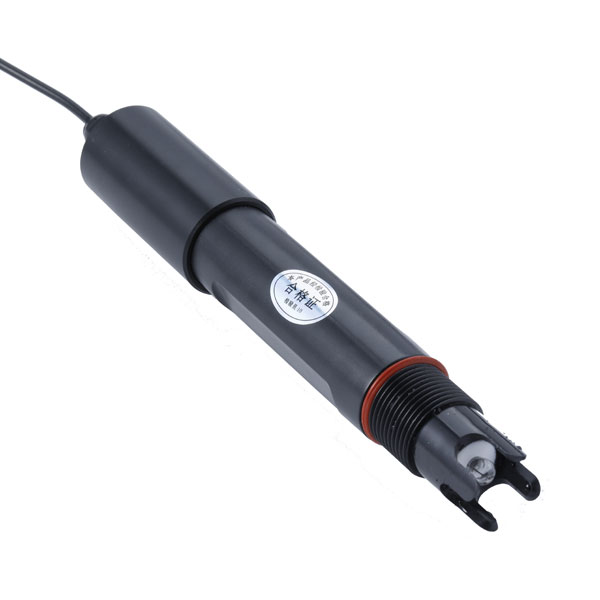 Soil pH sensor RS485 soil Testing instrument soil ph meter for agriculture
 Wind Speed sensor Output Modbus/RS485/Analog/0-5V/4-20mA
 Tipping bucket rain gauge for weather monitoring auto rainfall sensor RS485/Outdoor/stainless steel
 Pyranometer Solar Radiation Sensor 4-20mA/RS485

Screenshot, WhatsApp to identify the QR code
WhatsApp number:+8615367865107
(Click on WhatsApp to copy and add friends)

