





— Blogs —
—Products—
 Consumer hotline +8618073152920
 WhatsApp:+8615367865107
Address:Room 102, District D, Houhu Industrial Park, Yuelu District, Changsha City, Hunan Province, China
Product knowledge
Time:2025-12-16 21:33:32 Popularity:98
Aquaculture is an important industry for ensuring global food supply. However, traditional farming modes relying on manual experience face significant challenges in water quality fluctuations, disease outbreaks, and feed waste.
The introduction of sensor technology has brought revolutionary changes to aquaculture. They act as the “nervous system” of the water body, monitoring key environmental parameters in real time and accurately, enabling farmers to make scientific decisions quickly and achieve refined, automated, and sustainable modern farming.
This blog will focus on the most core types of sensors in aquaculture and their implementation in NiuBoL products.
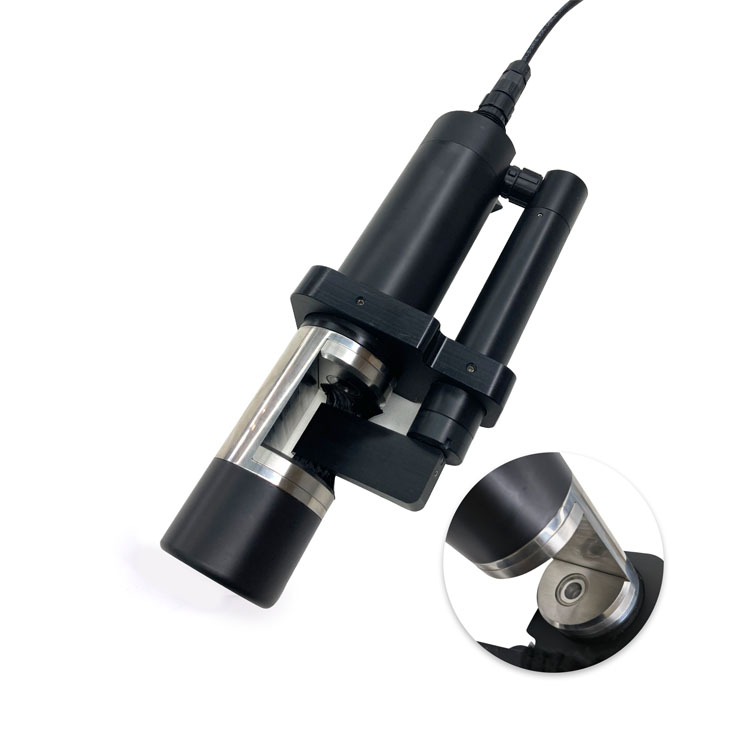
The key to successful aquaculture lies in clean and stable water quality. The following are several key parameters affecting the health and growth of aquatic organisms and their corresponding NiuBoL sensors.
Role and Function: Real-time monitoring of water body acidity and alkalinity (pH value). Appropriate pH values are crucial for fish osmoregulation balance, respiration, and immunity. Monitoring and adjustment can maintain water cleanliness and stability, promoting healthy fish growth.
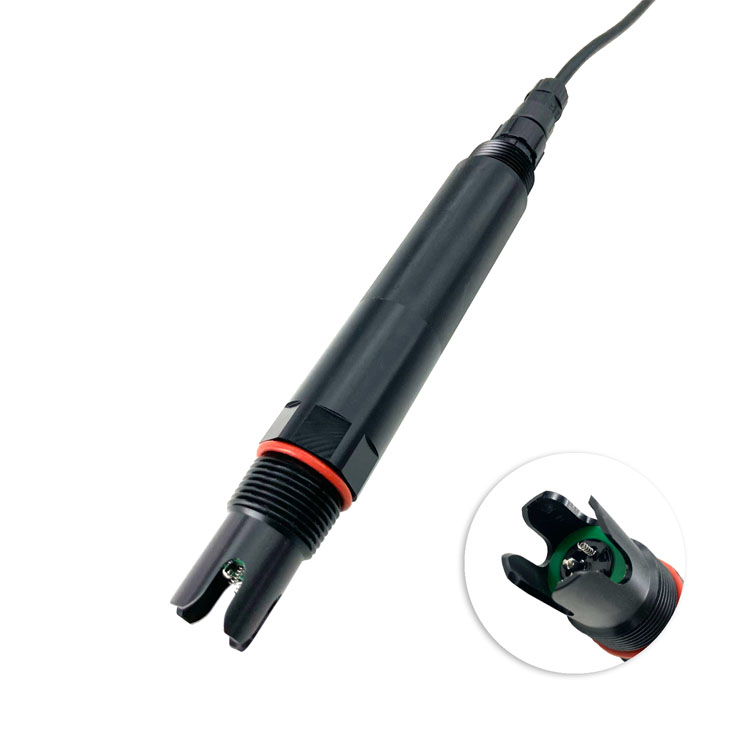
Working Principle: Electrochemical measurement method. The NBL-PHG-106 uses electrochemical principles, determining hydrogen ion concentration in the solution by measuring the potential difference between a dedicated electrode (electrochemical, 3mol/L KCl) and a reference electrode, thereby obtaining the pH value. Built-in Pt1000 ensures automatic temperature compensation.
NiuBoL NBL-PHG-106 pH Sensor Technical Parameters:
| Parameter | Value |
|---|---|
| Range | 0 - 14pH |
| Resolution | 0.01pH |
| Accuracy | ± 0.1pH, ± 0.3℃ |
| Operating Temperature | 0 - 50℃ |
| Signal Output | RS-485 (Modbus/RTU) |
| Protection Level | IP68 |
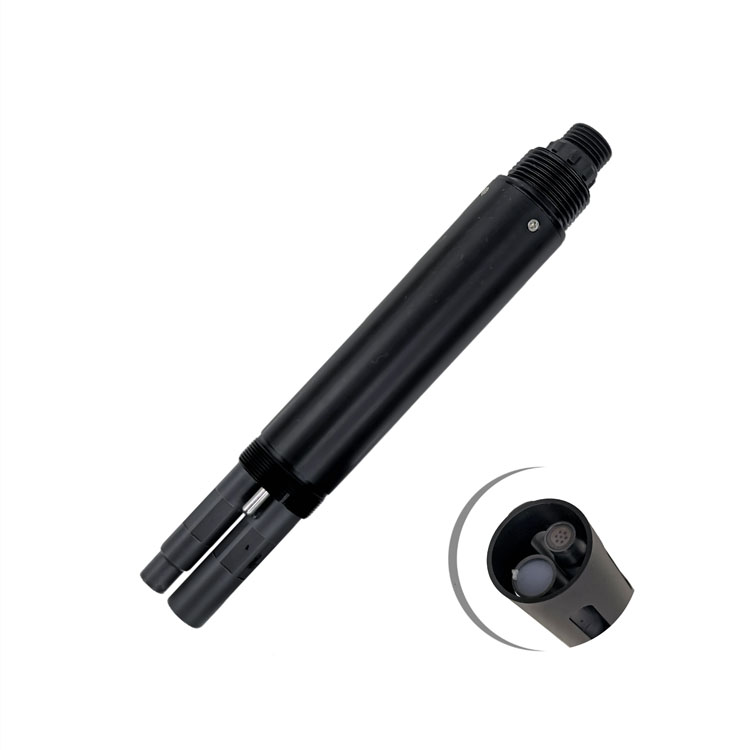
Role and Function: Measures dissolved oxygen content in water. DO is essential for survival and growth of aquatic animals. Timely oxygen supply adjustment can improve fish survival rate and growth speed.
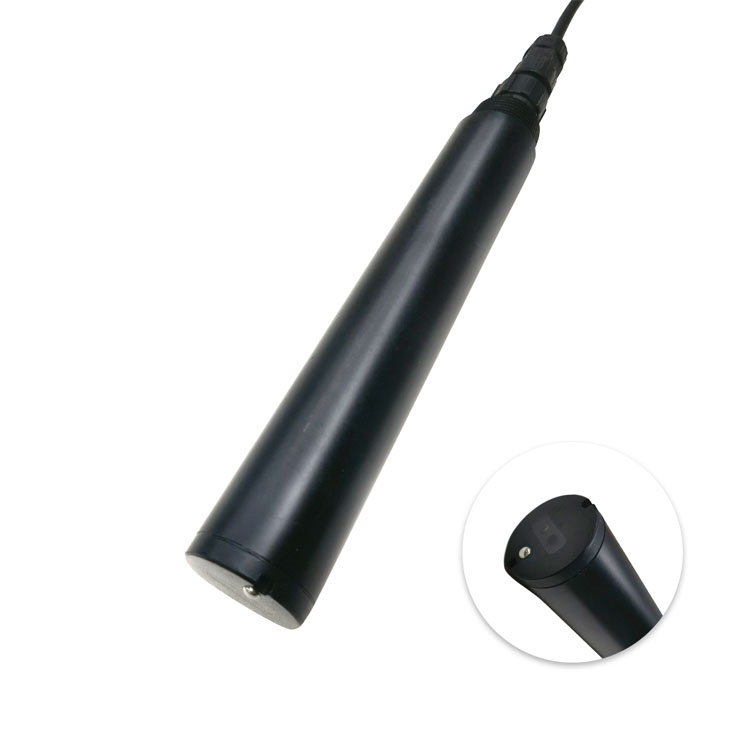
Working Principle: Fluorescence quenching method. The NBL-RDO-206 is designed based on fluorescence principle. After excitation, oxygen molecules in water quench this fluorescence. By measuring fluorescence intensity or phase change, dissolved oxygen concentration is precisely calculated. This method has no external transmitter, no electrode polarization, no liquid flow requirement, and high reliability.
NiuBoL NBL-RDO-206 Dissolved Oxygen (DO) Sensor Technical Parameters:
| Parameter | Value |
|---|---|
| Range | 0 - 20.00 mg/L or 0 - 200% saturation |
| Resolution | 0.01mg/L, 0.1℃ |
| Accuracy | ±2%, ± 0.3℃ |
| Operating Temperature | 0 - 50℃ |
| Signal Output | RS-485 (Modbus/RTU) (simultaneous measurement of dissolved oxygen and temperature) |
| Protection Level | IP68 |
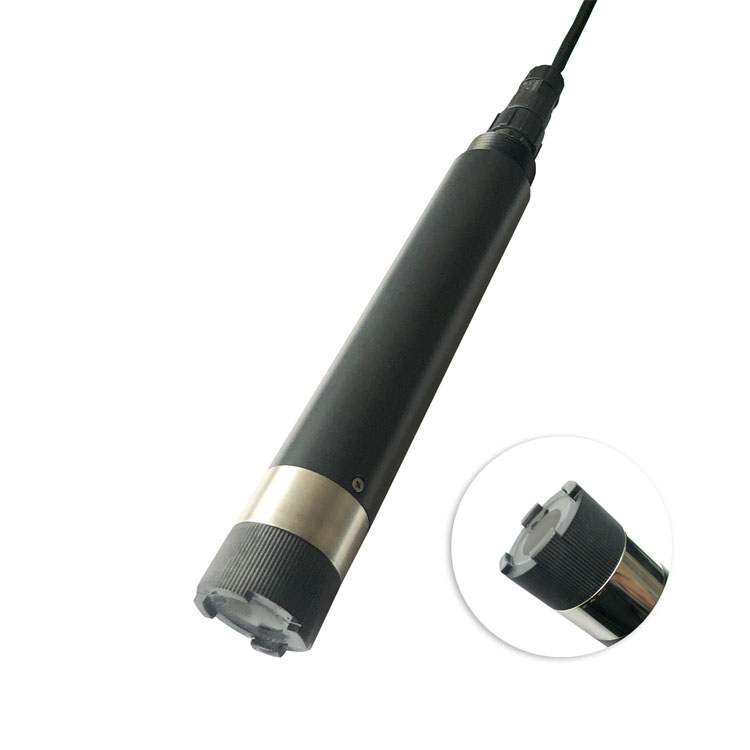
Role and Function: The TDS sensor reflects the total amount of dissolved ions, salts, organics, and inorganics in water by measuring conductivity. TDS is an important indicator for measuring water cleanliness and salinity, affecting osmoregulation of aquatic organisms.
Working Principle: Conductivity method. The probe is made of stainless steel, measuring the water's ability to conduct current. Higher dissolved ions lead to higher conductivity and higher converted TDS value. Features real-time measurement and temperature compensation.
NiuBoL NBL-DDM-106 Technical Features:
Measurement Principle: Conductivity method
Probe Material: Stainless steel
Performance Features: Real-time measurement, temperature compensation, high accuracy, strong corrosion resistance
Application Range: Suitable for general water treatment, reverse osmosis, seawater desalination, surface water, etc.
Role and Function: Measures water temperature. Water temperature directly affects fish metabolism, immunity, and appetite. Accurate temperature data is the basis for farmers to take regulatory measures.
Working Principle: Precision thermistor method. Uses precision thermistor as sensing element (e.g., Pt1000), utilizing resistance change with temperature. Built-in signal sampling amplification, zero drift, and temperature compensation functions ensure high precision and stability.
NiuBoL Temperature Sensor Features:
Sensing Element: Precision thermistor
Advantages: High measurement accuracy, good stability, sturdy and durable stainless steel housing.
Application Range: Automatic weather stations, reservoir water temperature detection, industrial automation monitoring, etc.
In addition to core water quality parameters, the following sensors are crucial for comprehensive automation and intelligent aquaculture:
| Sensor Category | Core Role and Significance | Smart Aquaculture Application |
|---|---|---|
| Feeding Behavior Sensor | Monitors fish feeding amount and frequency to understand diet habits and health status. | Smart Feeding: Adjusts feed supply based on feeding data, reducing waste and improving growth efficiency. Disease Warning: Sudden drop in feeding may signal health issues. |
| Water Flow Sensor | Measures flow speed and direction in water body. | Circulation Optimization: Optimizes water circulation and distribution, ensuring uniform oxygen and feed delivery, promoting fish health. |
| Water Level Sensor | Monitors water level changes in ponds or tanks. | Environmental Control: Helps farmers timely replenish or drain water, maintaining appropriate water level and volume. |
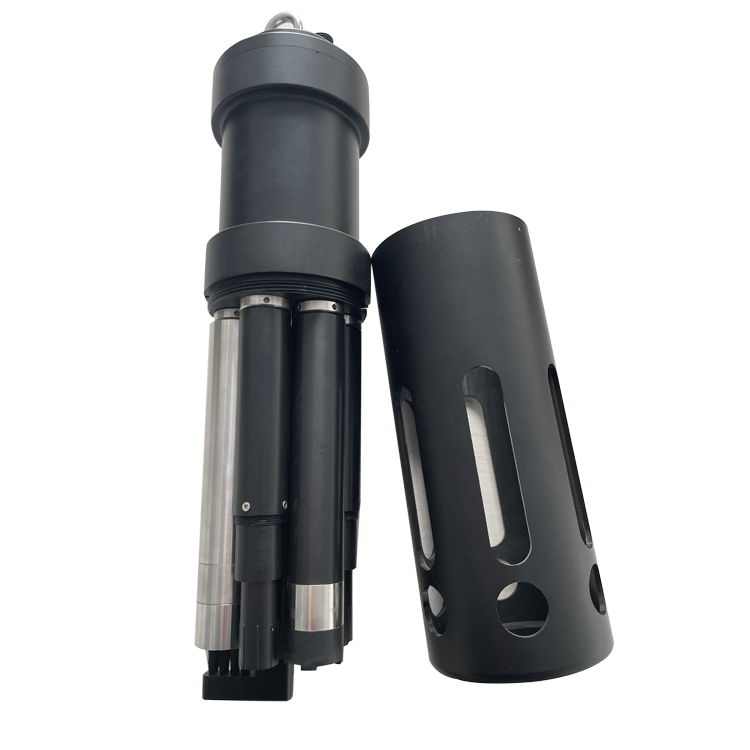
Correct operation is the foundation for ensuring long-term sensor reliability. NiuBoL sensors have industrial-grade reliability.
Submersible Installation: NiuBoL water quality sensors (e.g., pH, DO) use submersible installation and are fixed via 3/4 NPT pipe thread.
High Protection Level: Most water quality sensors have IP68 protection, meaning they can be submerged long-term with excellent waterproof and dustproof capabilities.
Power Supply and Output: Uniform 12-24VDC wide voltage power supply and industrial standard RS-485 (Modbus/RTU) protocol output ensure high reliability and long-distance data transmission.
Regular Cleaning: Recommended monthly electrode cleaning to remove biofilms and dirt, preventing measurement errors.
Regular Calibration: pH and dissolved oxygen sensors require periodic calibration. Recommended every three months; NBL-PHG-106 uses standard two-point calibration.
Electrode Replacement: pH electrodes are consumables; recommended replacement every year for optimal performance.
Q1: What are the main advantages of fluorescence dissolved oxygen sensors compared to traditional electrochemical (polarographic) methods?
A: The fluorescence method used in NiuBoL NBL-RDO-206 has the following advantages:
No Consumption, Low Maintenance: No need to replace electrolyte or membrane, basically maintenance-free.
No Flow Requirement: Does not consume oxygen during measurement, unaffected by liquid flow speed.
Long-Term Stability: Solves electrochemical method issues like ion interference and easy polarization, with higher long-term stability.
Q2: What is the role of the “automatic temperature compensation (Pt1000)” function in pH sensors?
A: Water pH value and electrochemical electrode output potential change with temperature in a non-linear way. Automatic temperature compensation (via built-in Pt1000 thermistor) measures water temperature in real time and automatically corrects pH measurement results based on temperature changes. This ensures accurate, true pH data output in environments with large water temperature fluctuations.
Q3: How to judge if water salinity is appropriate using a TDS sensor?
A: TDS (total dissolved solids) value is highly correlated with salinity.
Principle: Higher TDS value means more dissolved salts and other ions, harder water.
Application: For freshwater aquaculture, TDS should be low; for seawater or brackish water, TDS represents salinity. Through NBL-DDM-106 sensor monitoring, farmers can timely detect high-salinity seawater infiltration or low-salinity rainwater dilution, ensuring aquatic animals are in optimal osmoregulation environment.
The future of aquaculture lies in intelligence and data-driven approaches. High-precision sensors represented by NiuBoL, including NBL-PHG-106 pH sensor, NBL-RDO-206 dissolved oxygen sensor, and NBL-DDM-106 TDS sensor, form the core of modern aquaculture intelligent monitoring systems.
These sensors provide real-time, accurate, and highly reliable water environment data, enabling farmers to early warn diseases, optimize feeding efficiency, precisely regulate water quality, and ultimately significantly improve fish survival rate, growth speed, and economic benefits. By introducing and integrating NiuBoL sensor technology, the aquaculture industry is accelerating toward a more efficient and sustainable modern new stage.
NiuBoL is committed to providing comprehensive aquaculture sensor solutions, empowering your farm to achieve scientific and intelligent management.
 NBL-RDO-206 Online Fluorescence Dissolved Oxygen Sensor.pdf
NBL-COD-208 Online COD Water Quality Sensor.pdf
NBL-CL-206 Water Quality Sensor Online Residual Chlorine Sensor.pdf
Prev:Principle, Features, and Applications of Integrated Wind Speed and Direction Sensor
Next:Hydrometeorological Stations: Working Principle, Applications, and Future Value
Related recommendations
Sensors & Weather Stations Catalog
 Agriculture Sensors and Weather Stations Catalog-NiuBoL.pdf
Weather Stations Catalog-NiuBoL.pdf
Agriculture Sensors Catalog-NiuBoL.pdf
Related products
 Combined air temperature and relative humidity sensor
 Soil Moisture Temperature sensor for irrigation
 Soil pH sensor RS485 soil Testing instrument soil ph meter for agriculture
 Wind Speed sensor Output Modbus/RS485/Analog/0-5V/4-20mA
 Tipping bucket rain gauge for weather monitoring auto rainfall sensor RS485/Outdoor/stainless steel
 Pyranometer Solar Radiation Sensor 4-20mA/RS485

Screenshot, WhatsApp to identify the QR code
WhatsApp number:+8615367865107
(Click on WhatsApp to copy and add friends)

