





— Products —
 Consumer hotline +8618073152920
WhatsApp:+8615367865107
Address:Room 102, District D, Houhu Industrial Park, Yuelu District, Changsha City, Hunan Province, China
Water Quality Sensors
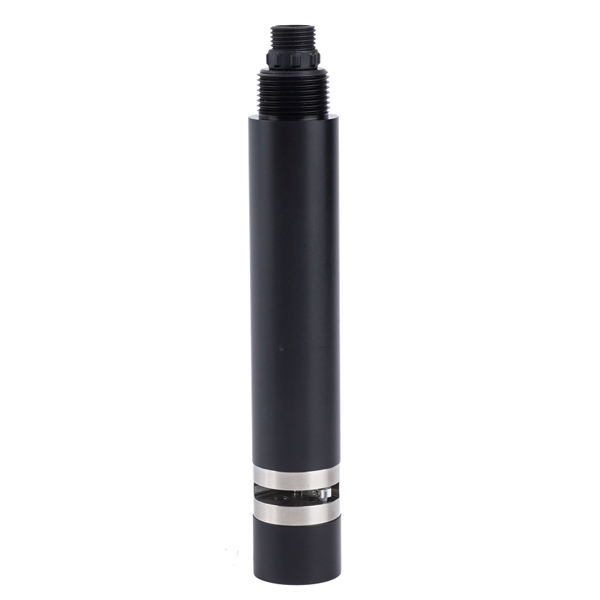
NBL-WQ-BOD-4A online optical BOD sensor with dual-wavelength fluorescence, 0–150 mg/L BOD estimate, turbidity monitoring, RS485 Modbus and self-cleaning brush.
Tel/WhatsApp:+8615367865107
Email:Arvin@niubol.com +Nearly 100 partner companies in more than 75 countries. We are committed to providing high-quality, practical products to meet your needs and help you solve problems. Our products comply with international standards and are certified with ISO, CE and RoHS.Product Details
The NiuBoL NBL-WQ-BOD-4A is an online optical BOD sensor designed to monitor changes in fluorescence-related organic matter in wastewater, rivers, lakes and industrial water systems. It uses a dual-wavelength fluorescence method to provide a continuous BOD-related estimate, together with turbidity and temperature measurements.
The sensor offers a BOD-indicated range of 0–150 mg/L, a turbidity range of 0–100 NTU and an RS485 Modbus RTU interface for connection to compatible PLCs, RTUs and data loggers. Its integrated cleaning brush helps reduce deposits on the optical measurement window.
The optical measurement provides rapid information about changing water quality conditions. It does not directly perform the biological incubation procedure used in a laboratory five-day biochemical oxygen demand (BOD5) test. A site-specific relationship with a suitable reference BOD method is important when the optical estimate is used for wastewater treatment decisions.
Dual-wavelength fluorescence: Uses ultraviolet excitation and a reference optical channel to monitor fluorescence-related organic matter.
Online BOD-related measurement: Provides a continuous optical estimate within a stated range of 0–150 mg/L.
Integrated turbidity measurement: Additional 0–100 NTU channel for monitoring optical water conditions.
Temperature measurement: Supplies water temperature data as a separate monitoring parameter.
Optical compensation: A reference light path and signal processing help reduce selected turbidity-related interference.
Self-cleaning brush: Helps remove deposits from the optical window during continuous operation.
Reagent-free online measurement: No continuous chemical reagent supply is required for the optical measurement.
RS485 Modbus RTU: Digital communication with compatible PLCs, RTUs and data loggers.
IP68 construction: POM and 316L stainless steel housing for compatible immersion installations.
Two-point calibration: Supports calibration of the BOD-related and turbidity channels.
Industrial power supply: 12–24 VDC, with a specified power consumption of 0.2 W at 12 VDC.
| Technical Parameter | Specification |
|---|---|
| Product Identification and Measurement | |
| Brand | NiuBoL |
| Model | NBL-WQ-BOD-4A Online Optical BOD Sensor |
| Product Type | Online Dual-Wavelength Fluorescence BOD Sensor |
| Measurement Principle | Dual-Wavelength Fluorescence |
| Measurement Parameters | Optical BOD Estimate, Turbidity and Water Temperature |
| BOD Indicated Range | 0–150 mg/L |
| BOD Resolution | 0.1 mg/L |
| Specified BOD Accuracy | ±5% F.S. |
| Turbidity Range | 0–100 NTU |
| Turbidity Resolution | 0.1 NTU |
| Turbidity Accuracy | ±5% F.S. |
| Calibration | Two-Point Calibration |
| Optical Cleaning | Integrated Automatic Cleaning Brush |
| Electrical and Communication Specifications | |
| Digital Output | RS485 Modbus RTU |
| Power Supply | 12–24 VDC |
| Specified Power Consumption | 0.2 W @ 12 VDC |
| Default Modbus Address | 6 |
| Default Baud Rate | 9600 bps |
| Serial Format | 8 Data Bits, No Parity, 1 Stop Bit |
| Modbus Read Function | 03 |
| Modbus Write Function | 06 |
| Configurable Device Address | 1–127 |
| Default Cleaning Interval | 30 Minutes |
| Cleaning Interval Setting | 6–6000 Minutes |
| Default Cleaning Cycles | 3 Rotations |
| Mechanical and Environmental Specifications | |
| Operating Temperature | 0–45°C |
| Operating Pressure | <0.1 MPa |
| Storage Temperature | −5 to 65°C |
| Housing Material | POM and 316L Stainless Steel |
| Protection Rating | IP68 |
| Installation Method | Immersion Mounting |
| Maximum Installation Depth | 2 m Below Water Surface |
| Minimum Submergence | 30 cm Below the Lowest Expected Water Level |
| Main Body Diameter | Approximately 32 mm |
| Mounting Thread | 3/4-inch NPT |
| Sensor Connector | M16-5 Waterproof Connector |
| Standard Cable | 5 m, Customizable |
Accuracy and resolution: The 0.1 mg/L BOD resolution describes the output increment. The specified ±5% F.S. corresponds to 7.5 mg/L across the 0–150 mg/L indicated range. This instrument specification does not include the additional uncertainty associated with correlation to a laboratory BOD reference method.
Many organic compounds dissolved in water absorb ultraviolet light and emit fluorescence. The NBL-WQ-BOD-4A measures an optical response associated with these fluorescent compounds.
The sensor uses two optical channels. One provides ultraviolet excitation for fluorescence-related measurement, while the reference channel helps evaluate turbidity-related optical effects.
Signal processing compensates for selected changes in the optical path and produces a BOD-related estimate. The sensor also provides turbidity and temperature readings.
This approach allows continuous monitoring without waiting for a biological incubation test. It is particularly useful when changes in fluorescence-related organic matter provide an indication of changing water quality.
However, not every biodegradable organic compound produces the same fluorescence response. Some fluorescent substances may also contribute relatively little to biological oxygen consumption.
Therefore, the relationship between optical fluorescence and biochemical oxygen demand depends on the composition of the water.
Biochemical Oxygen Demand (BOD) describes the oxygen consumed during biological decomposition of substances in water under specified conditions.
A laboratory five-day BOD test determines oxygen consumption over a controlled incubation period. An online optical BOD sensor uses a different measurement principle.
| Characteristic | NBL-WQ-BOD-4A Optical Sensor | Laboratory BOD5 |
|---|---|---|
| Measurement Principle | Dual-Wavelength Fluorescence | Biological Oxygen Consumption |
| Measurement Process | Continuous Optical Measurement | Controlled Laboratory Incubation |
| Measurement Target | Fluorescence-Related Organic Matter | Biochemical Oxygen Demand |
| Result | Optical BOD-Related Estimate | Reference Result of the Specified BOD Method |
| Main Application | Continuous Trend Monitoring | Laboratory Analysis and Applicable Compliance Testing |
Important: The NBL-WQ-BOD-4A does not directly reproduce a laboratory BOD5 result. For wastewater discharge compliance or formal reference measurements, retain the applicable laboratory method.
The optical sensor can provide useful information about changing organic matter conditions when the relationship between fluorescence response and the actual wastewater is understood.
For applications requiring a BOD-related process estimate, compare online readings with laboratory BOD results from representative samples.
A suitable evaluation should include normal water conditions, elevated organic loading, relevant treatment changes and seasonal variations where applicable.
Collect the optical and laboratory observations from comparable sampling locations and time periods. Record changes in turbidity, temperature and wastewater composition that could affect the optical response.
Where the comparison data support a reliable relationship, a site-specific correlation can be used to interpret the optical trend within the conditions evaluated.
After a significant change in wastewater composition, revisit the correlation before relying on the previous relationship for process decisions.
No universal conversion factor can be assumed between fluorescence intensity and laboratory BOD5 for every wastewater source.
Suspended particles can scatter and absorb light, which may influence fluorescence measurements.
The NBL-WQ-BOD-4A includes a reference optical channel and signal-processing functions to reduce selected turbidity-related effects.
Its integrated turbidity channel measures within a range of 0–100 NTU.
Optical compensation does not remove every source of measurement interference. High turbidity, floating oil, air bubbles, deposits on the optical window and unusual dissolved compounds may still affect readings.
For complex wastewater, evaluate the optical measurement under representative water conditions.
The NBL-WQ-BOD-4A can be used to monitor changes in fluorescence-related organic matter at suitable wastewater treatment locations.
Continuous optical data can help identify changes in incoming water quality or treatment conditions. Where a site-specific relationship has been established, the BOD-related estimate may provide an additional process monitoring indicator.
The selection should account for the expected organic loading, turbidity, water composition and access for maintenance.
Industrial wastewater can contain different combinations of biodegradable, non-biodegradable and fluorescent organic compounds.
The sensor may be evaluated for suitable industrial wastewater monitoring applications, including food processing, manufacturing and industrial treatment systems.
Because the fluorescence-to-BOD relationship depends on wastewater composition, a correlation established for one process may not apply to another.
Optical fluorescence can provide information about changes in certain dissolved organic compounds in rivers, lakes and reservoirs.
The NBL-WQ-BOD-4A can be connected to a water quality monitoring station for continuous measurement and data collection.
Installation design should consider sediment, water-level variations, algae, suspended particles and possible optical interference.
Centralized wastewater treatment facilities may receive wastewater from multiple sources with different organic compositions.
Continuous optical measurements can support investigation of changes in the monitored stream, while periodic laboratory analysis can help determine whether the optical relationship remains suitable.
For multi-source wastewater, changes in composition should be considered when interpreting an online BOD-related estimate.
The NBL-WQ-BOD-4A is designed for immersion installation. Position the sensor securely and ensure the optical measuring region remains submerged during operation.
The installation depth should not exceed 2 meters below the water surface. The sensor should also remain at least 30 cm below the lowest expected water level.
The sensor should be fixed horizontally with the measurement region facing the flow.
| Installation Item | Requirement |
|---|---|
| Installation Type | Immersion Mounting |
| Maximum Installation Depth | 2 m |
| Minimum Submergence | 30 cm Below Lowest Expected Water Level |
| Sensor Orientation | Horizontal, Measuring Region Facing Water Flow |
| Operating Temperature | 0–45°C |
| Operating Pressure | <0.1 MPa |
| Optical Measurement Area | Keep Free from Trapped Bubbles and Heavy Deposits |
Select a representative water monitoring location.
Fix the sensor securely to prevent movement or impact during strong flow.
Keep the measurement region submerged during normal operation.
Maintain the required installation depth and orientation.
Avoid locations with persistent air bubbles.
Prevent the sensor from striking tank walls, pipelines or other structures.
Protect the sensor cable using suitable supports or protective conduit.
Waterproof all external cable joints.
Provide access for cleaning, calibration and brush inspection.
The NBL-WQ-BOD-4A uses a four-core shielded cable for power supply and RS485 communication.
| Wire Color | Function | Connection |
|---|---|---|
| Red | Power Positive | 12–24 VDC + |
| Black | Ground | GND |
| Blue | RS485 A | Controller RS485 A |
| White | RS485 B | Controller RS485 B |
Verify power polarity and RS485 wiring before applying power. Protect all cable joints from water ingress.
The sensor can connect to compatible PLCs, RTUs, data loggers and industrial monitoring systems through RS485 Modbus RTU.
Typical connection: NBL-WQ-BOD-4A Sensor → RS485 Modbus RTU → PLC / RTU / Data Logger → Monitoring System.
The controller should identify the BOD-related estimate, turbidity and temperature as separate measurement channels.
For remote monitoring, an external compatible communication gateway may be used to transmit acquired data to the monitoring platform.
| Communication Parameter | Default Setting |
|---|---|
| Interface | RS485 |
| Protocol | Modbus RTU |
| Default Device Address | 6 |
| Address Range | 1–127 |
| Baud Rate | 9600 bps |
| Data Bits | 8 |
| Parity | None |
| Stop Bits | 1 |
| Read Function | 03 |
| Write Function | 06 |
The sensor provides separate register groups for BOD-related estimates, temperature and turbidity.
| Register Address | Measurement | Registers | Access |
|---|---|---|---|
| 0x0000 | BOD-Related Estimate | 2 | Read |
| 0x0002 | Water Temperature | 2 | Read |
| 0x0004 | Turbidity | 2 | Read |
Each measurement uses two consecutive 16-bit registers: one for the numerical measurement and one for the decimal-place count.
The measurement value is calculated as follows:
Engineering Value = Raw Integer / (10 raised to Decimal Places)
For example, a raw BOD-related value of 866 with one decimal place corresponds to 86.6 mg/L. A temperature raw value of 185 with one decimal place corresponds to 18.5°C.
For PLC integration, read the correct register group and apply the decimal scaling before displaying or storing the measurement.
| Register | Function |
|---|---|
| 0x1000 | BOD Zero-Point Calibration |
| 0x1004 | BOD Slope Calibration |
| 0x1010 | Temperature Calibration |
| 0x1020 | Turbidity Zero-Point Calibration |
| 0x1024 | Turbidity Slope Calibration |
| 0x1300 | Automatic Cleaning Interval |
| 0x1301 | Cleaning Rotation Count |
| 0x2002 | Modbus Device Address |
The NBL-WQ-BOD-4A includes an automatic cleaning brush designed to reduce biological fouling and deposits on the optical measurement window.
The default cleaning interval is 30 minutes, with three cleaning rotations per cycle.
The cleaning interval can be adjusted according to water conditions. A shorter interval may be useful in applications where deposits accumulate rapidly.
Automatic cleaning helps reduce certain optical-window deposits, but it does not eliminate the need for inspection, cleaning and maintenance.
Inspect the optical measurement window for contamination.
Clean the sensor exterior with clean water and a soft cloth.
Check the automatic brush for wear or damage.
Inspect the cable for damage or excessive tension.
Check the waterproof connection and mounting assembly.
Verify the measurement using suitable reference methods when required.
Review the cleaning interval according to actual fouling conditions.
The cleaning brush and dynamic sealing assembly require periodic attention. Inspection and servicing around 18 months of continuous use form part of the maintenance guidance; actual service needs depend on operating conditions.
The NBL-WQ-BOD-4A supports calibration of its optical measurement channels.
The recommended calibration sequence is temperature, turbidity and then the BOD-related channel.
Turbidity zero-point calibration uses a suitable zero-turbidity reference. A 100 NTU standard may be used for slope calibration.
Place the sensor in the appropriate reference liquid, ensure the optical paths are immersed and allow approximately 3–5 minutes for stabilization.
The BOD-related channel supports low-point and slope calibration using suitable reference solutions. Its calibration procedure includes nominal 5 mg/L and 100 mg/L reference points.
Keep the optical measurement paths submerged and free of bubbles during calibration.
Calibration of the optical signal is different from establishing a verified correlation with laboratory BOD5. Both should be considered separately when the application requires reference-method comparison.
| Problem | Possible Cause | Recommended Action |
|---|---|---|
| No Modbus Response | Power, wiring or communication configuration | Check 12–24 VDC, address 6, 9600 8N1 and RS485 A/B |
| Unstable Optical Reading | Air bubbles, deposits or changing water composition | Inspect installation and clean the optical window |
| Unexpectedly High or Low Reading | Optical interference or calibration changes | Check the sensing window, calibration and water conditions |
| Cleaning Brush Not Operating Normally | Brush wear, mechanical obstruction or cleaning configuration | Inspect the brush and cleaning mechanism |
| Difference from Laboratory BOD5 | Different measurement principles or wastewater composition | Review paired reference measurements and the site correlation |
Before choosing the NBL-WQ-BOD-4A, confirm the expected water quality conditions and how the optical BOD-related estimate will be used.
| Selection Item | Required Project Information |
|---|---|
| Water Type | Municipal Wastewater, Industrial Wastewater or Surface Water |
| Expected BOD Range | Normal and Maximum Reference BOD Results |
| Turbidity | Typical and Maximum NTU Values |
| Reference Method | Applicable Laboratory BOD Procedure |
| Intended Application | Trend Monitoring, Process Observation or Other Defined Use |
| Installation | Water Depth, Flow Conditions and Maintenance Access |
| Communication | RS485 Modbus RTU and Compatible Receiving Controller |
| Maintenance | Optical Window Fouling and Brush Servicing Requirements |
| Ordering Details | Cable Length, Quantity and Destination Country |
For a different optical BOD measurement range, see the NBL-WQ-BOD-4S Online UV Fluorescence BOD Sensor.
Explore the full NiuBoL Water Quality Sensor Range for BOD, COD, turbidity, dissolved oxygen, pH and other monitoring parameters.
A1. No. It uses dual-wavelength fluorescence to provide a BOD-related optical estimate. Laboratory BOD5 is determined using a separate biological incubation method.
A2. The indicated BOD range is 0–150 mg/L with 0.1 mg/L resolution. The turbidity channel measures 0–100 NTU.
A3. The specified optical BOD accuracy is ±5% F.S. over the 0–150 mg/L range. This does not establish the accuracy of a site-specific comparison with laboratory BOD5.
A4. Continuous optical measurement does not require a reagent supply. Suitable calibration materials and laboratory reference testing may still be needed.
A5. Yes. The sensor includes a reference optical channel to reduce selected turbidity-related effects, but high turbidity and changing water composition can still affect the measurement.
A6. Yes. The sensor includes a cleaning brush with a configurable cleaning interval. Regular inspection and maintenance remain necessary.
A7. The default device address is 6, with 9600 bps and 8N1 serial settings. The address can be configured from 1 to 127.
A8. Yes. The sensor communicates through RS485 Modbus RTU and can connect to compatible PLCs, RTUs and data loggers.
A9. The installation depth should not exceed 2 meters, and the sensor should remain at least 30 cm below the lowest expected water level.
A10. No. The relationship between fluorescence and biochemical oxygen demand depends on the wastewater composition. A site-specific comparison is recommended.
A11. The optical estimate does not automatically replace a specified laboratory BOD test. Use the applicable reference method where required for compliance or formal acceptance.
A12. Provide the wastewater type, expected BOD range, turbidity, temperature, installation depth, reference BOD method, intended use, receiving controller, cable length and quantity.
The technical manual includes product specifications, dimensions, installation requirements, electrical wiring, cleaning-brush maintenance, calibration procedures and Modbus RTU register information.
 NBL-WQ-BOD-4A Online BOD Sensor.pdf
The NBL-WQ-BOD-4A can provide continuous optical information about changes in fluorescence-related organic matter when its range, installation requirements and wastewater characteristics are suitable.
For a quotation or technical selection discussion, please provide the water source, expected BOD range, turbidity, temperature, operating pressure, installation conditions, required cable length, receiving PLC or data logger and quantity.
If the project requires comparison with laboratory BOD5, include the reference method and intended use of the optical estimate.
Please contact NiuBoL with your monitoring requirements to discuss the suitable NBL-WQ-BOD-4A configuration.
Prev:Industrial Online pH Sensor for Water Treatment | NBL-WQ-PH-4
Next:UV Fluorescence Online BOD Sensor Self-Cleaning Water Quality Probe|NBL-WQ-BOD-4S
Sensors & Weather Stations Catalog
 Agriculture Sensors and Weather Stations Catalog-NiuBoL.pdf
Weather Stations Catalog-NiuBoL.pdf
Agriculture Sensors Catalog-NiuBoL.pdf
Water Quality Sensor Catalog-NiuBoL.pdf
Related recommendations
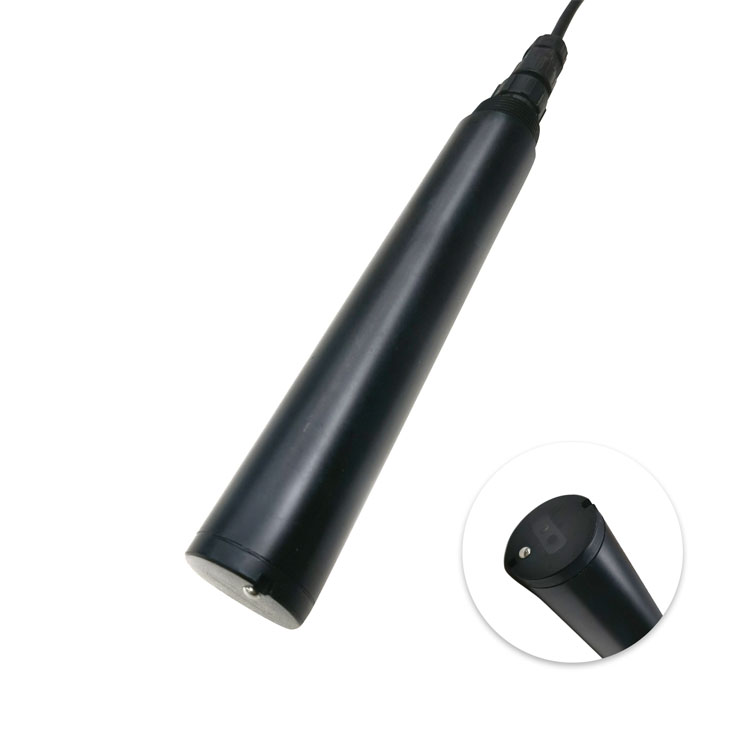 Online Turbidity Sensor RS485 Modbus | NBL-WQ-TS
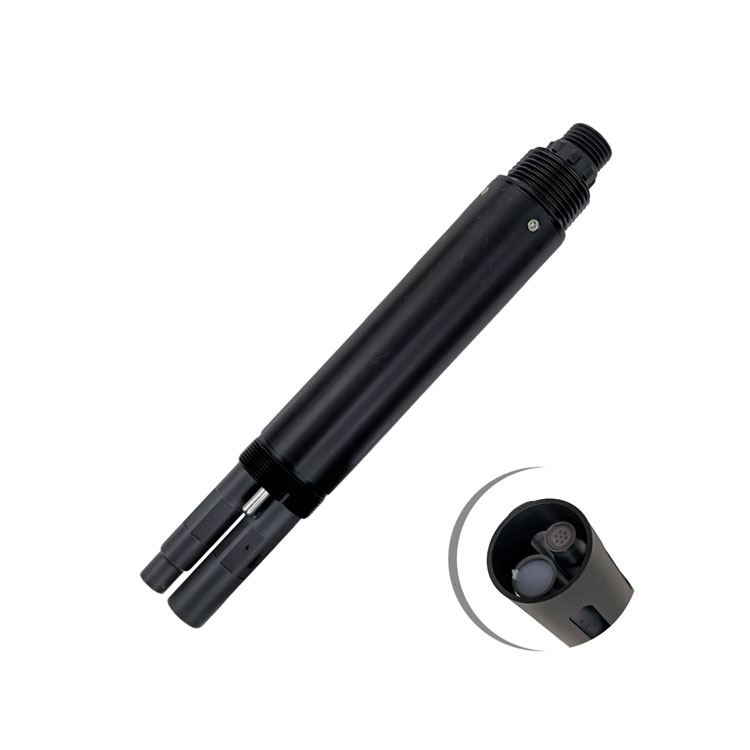 Online Ammonia Nitrogen Sensor (Ammonium ISE) | NBL-WQ-NHN
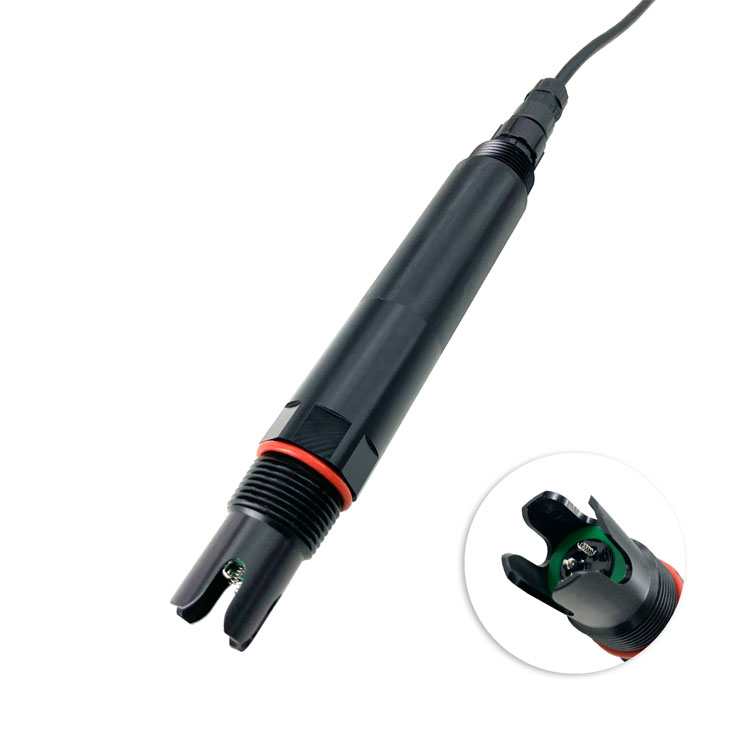 Online Residual Chlorine Sensor (HOCl) RS485 | Water Quality Sensor| NBL-WQ-CL
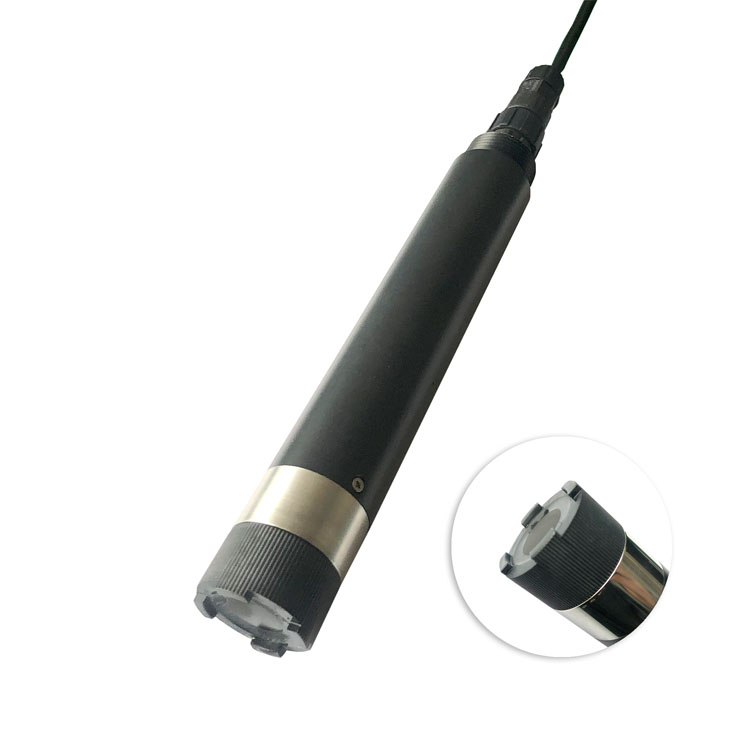 NBL-WQ-DO Online Fluorescence Dissolved Oxygen Sensor
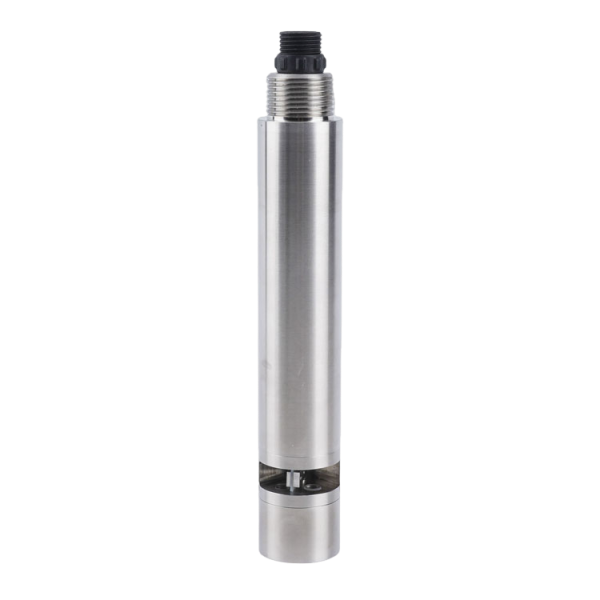 NBL-WQ-COD Online COD Water Quality Sensor
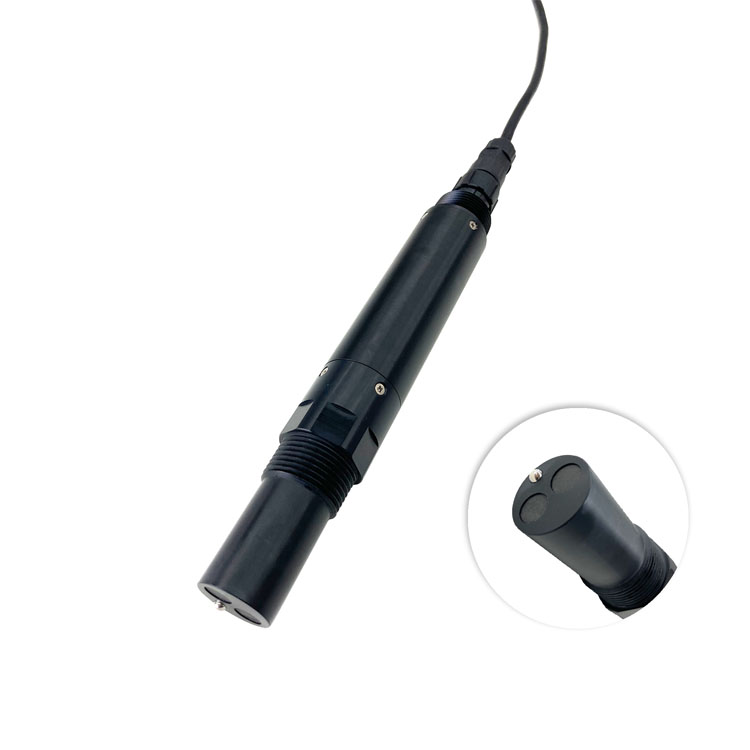 Water Conductivity EC Sensor RS485 Modbus IP68 | NBL-WQ-EC


Screenshot, WhatsApp to identify the QR code
WhatsApp number:+8615367865107
(Click on WhatsApp to copy and add friends)

