





— Blogs —
—Products—
 Consumer hotline +8618073152920
 WhatsApp:+8615367865107
Address:Room 102, District D, Houhu Industrial Park, Yuelu District, Changsha City, Hunan Province, China
Product knowledge
Time:2026-02-20 11:21:32 Popularity:8
In water conservancy project informatization, smart city sewage monitoring, and industrial process control, the accuracy of flow monitoring is directly related to the scientific allocation of water resources and compliance of environmental emissions. Traditional open channel flow measurement methods, such as Parshall flumes or triangular weirs, often fail to perform adequately in wide river channels, low-gradient slow flows, high sediment-laden water bodies, and non-full pipe pipelines due to stringent installation conditions or excessive head loss.
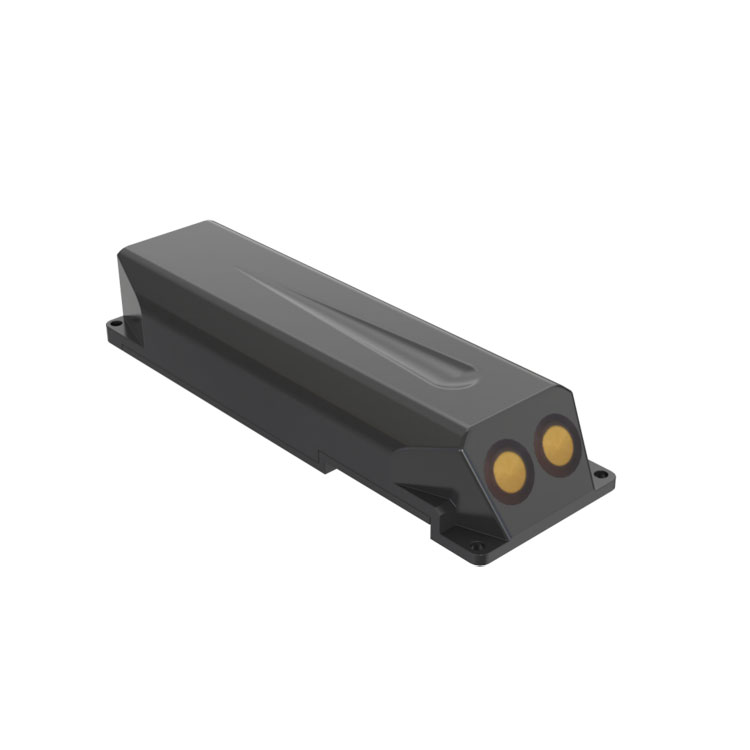
The NiuBoL flagship ultrasonic Doppler flowmeter (Doppler Ultrasonic Flowmeter), as a non-mechanical, highly integrated contact measurement terminal, has become the preferred solution for global system integrators and IoT project contractors in complex water environments thanks to its excellent electro-acoustic conversion efficiency and advanced signal processing algorithms.
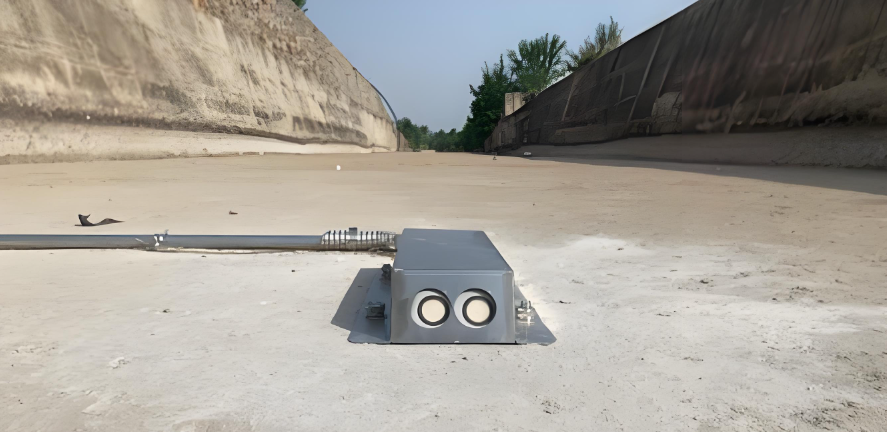
The underlying logic of the ultrasonic Doppler flowmeter is based on the Doppler frequency shift phenomenon in physics. The sensor probe emits high-frequency ultrasonic pulses into the fluid at a specific angle (usually obliquely upward).
Scattering Body Effect: Industrial sewage or natural river channels commonly contain tiny bubbles, suspended solid particles, or physical impurities. These scattering bodies move synchronously with the water flow.
Frequency Shift Capture: When the ultrasonic wave contacts these moving scattering bodies, the frequency of the acoustic wave reflected back to the receiving wafer of the probe shifts.
Calculation Model: The difference between the reflected frequency and the transmitted frequency is linearly proportional to the fluid velocity v. NiuBoL's internal high-speed DSP (digital signal processor) performs Fourier transform on the echo to filter out background noise and extract the true velocity component.
Unlike point velocimeters, the NiuBoL flagship model integrates velocity sensing, pressure-based water level monitoring, and temperature compensation into a single probe.
Dynamic Cross-Section Calculation: Integrators only need to preset channel cross-section parameters (such as rectangular, trapezoidal, circular, or custom U-shaped channels) in the backend system.
Real-Time Water Level Sensing: The built-in high-precision pressure sensor measures water depth h in real time, and the system automatically converts the current wetted area A according to geometric algorithms.
Instantaneous Flow Output: Finally, the instantaneous flow Q is output through the formula Q = A × vavg (where vavg is the cross-sectional average velocity corrected by mathematical models).
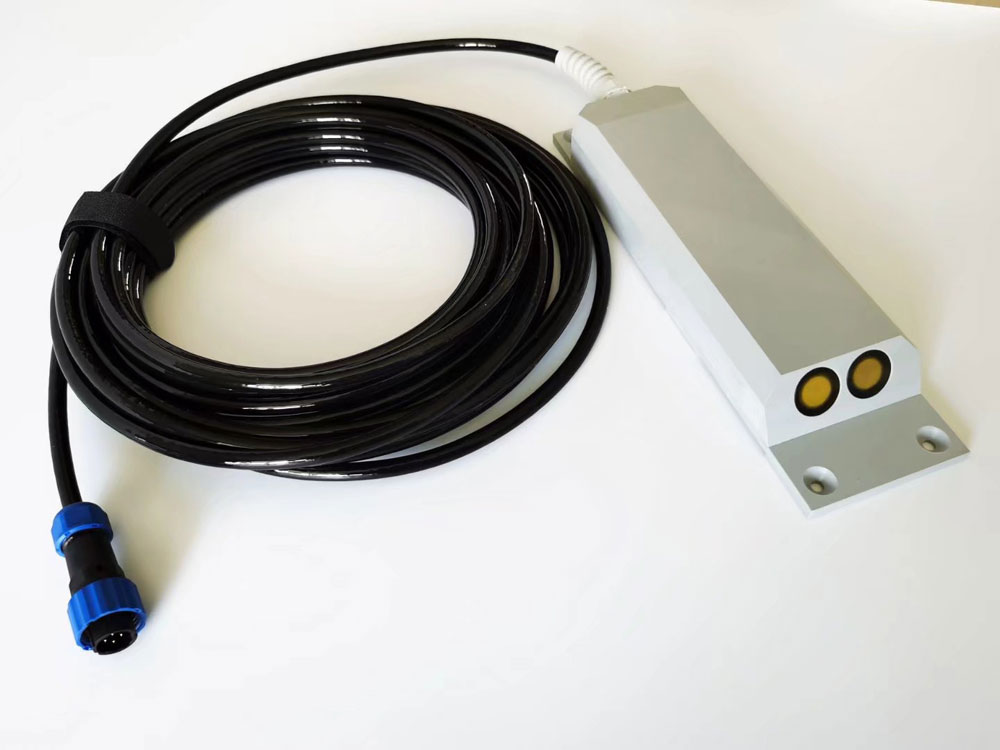
For hydrological projects, the robustness of the hardware and the precision of parameters are the cornerstone of project acceptance. The following is the detailed parameter table of the NiuBoL Doppler flowmeter:
| Physical Parameter Item | Specification Description | Engineering Value |
|---|---|---|
| Velocity Range | 0.03 m/s ~ 5.00 m/s | Covers high dynamic range from extremely slow flow to flood scouring |
| Velocity Accuracy | ±1.0% ± 1 cm/s | Meets national water conservancy measurement and reporting grade standards |
| Water Level Measurement Range | 0.03 m ~ 5.00 m | Pressure-based principle, unaffected by surface foam and floating objects |
| Water Level Comprehensive Accuracy | 0.3% ± 0.5 cm | Ensures extremely low error in cross-sectional area calculation |
| Temperature Measurement Range | -10℃ ~ 60℃ | Built-in compensation algorithm eliminates drift caused by sound velocity variation with temperature |
| Communication Interface | Standard RS485 (Modbus-RTU) | Easy access to DTU, PLC, and various brands of industrial gateways |
| Power Supply Scheme | DC 10 ~ 30V | Compatible with solar power supply systems and battery packs |
| Power Consumption Index | Measurement state < 1.3W | Ultra-low power consumption design, extends battery life at field stations |
| Protection Rating | IP68 (double-layer sealing) | Supports long-term underwater immersion up to 10 meters |
| Housing Material | Industrial-grade ABS + epoxy resin encapsulation | Resistant to chemical corrosion, impact, and no mechanical wear |
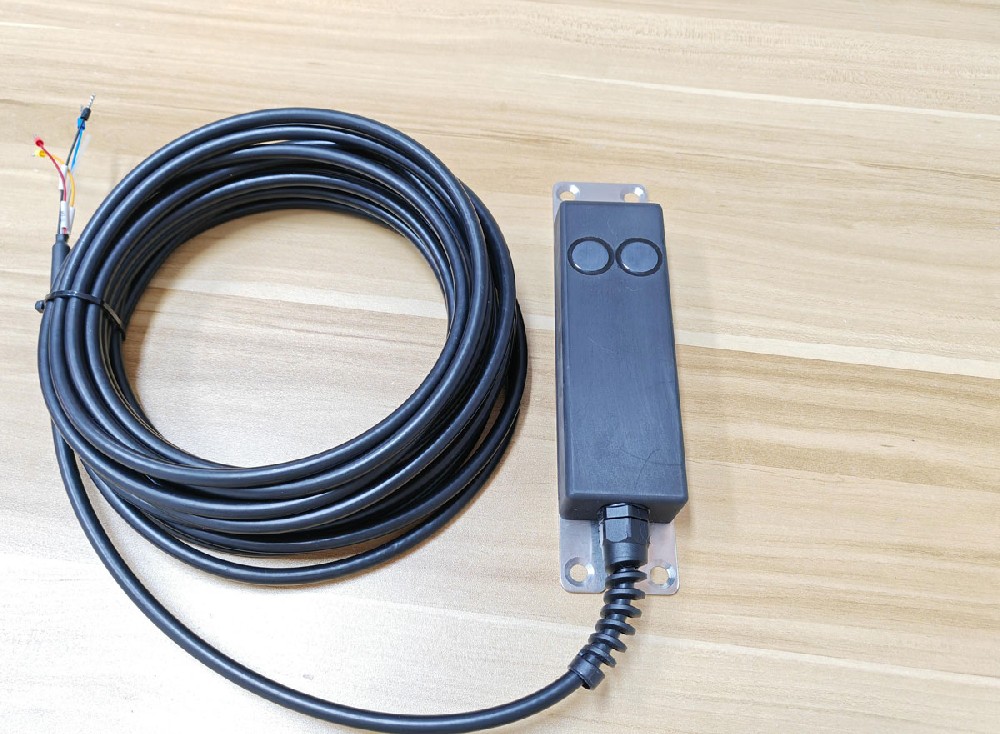
In large-scale agricultural irrigation district projects, irrigation district informatization construction is key to comprehensive agricultural water price reform.
Pain Points: Branch and lateral channels have varying cross-sectional shapes, with abundant weeds and sediment; conventional ultrasonic level gauges cannot measure accurately due to beam angle interference.
Solution: Deploy NiuBoL Doppler velocimeter. The device is installed directly at the channel bottom, utilizing the velocity-area method to achieve precise metering of water intake and drainage volumes.
Integration Effect: Data is transmitted via RS485 to the Hongdian intelligent sensing terminal, then aggregated to the irrigation district management platform through 4G/5G networks, realizing a closed-loop linkage between gate control and flow monitoring.
Urban stormwater-sewage separation pipe networks often operate in non-full pipe conditions.
Technical Adaptation: Doppler flowmeters can measure not only full pipe velocity but also accurately capture the water level-velocity relationship under non-full pipe conditions.
Condition Tolerance: Facing high concentrations of organic matter and tiny bubbles in sewage, Doppler sensors not only avoid false alarms but utilize these impurities as better reflective media, improving signal-to-noise ratio.
For enterprises in chemical, metallurgical, and other industries, exceeding emission limits incurs huge fines. NiuBoL flowmeters provide real-time, tamper-proof flow base accounts for environmental protection bureau online monitoring systems through digital output.
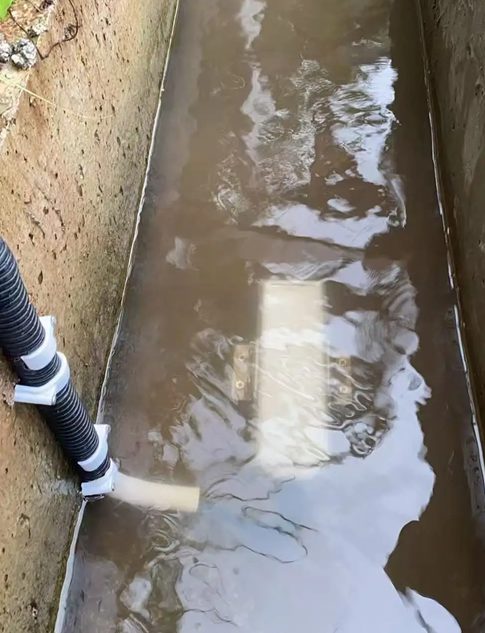
When conducting on-site surveys, system integrators must follow the following principles to ensure sensor performance:
Straight Pipe Section Requirements: At least 10 times the pipe diameter (D) of straight section upstream of the sensor and 5 times (D) downstream. Avoid installation near elbows, drops, gates, or pump outlets to prevent turbulence interference.
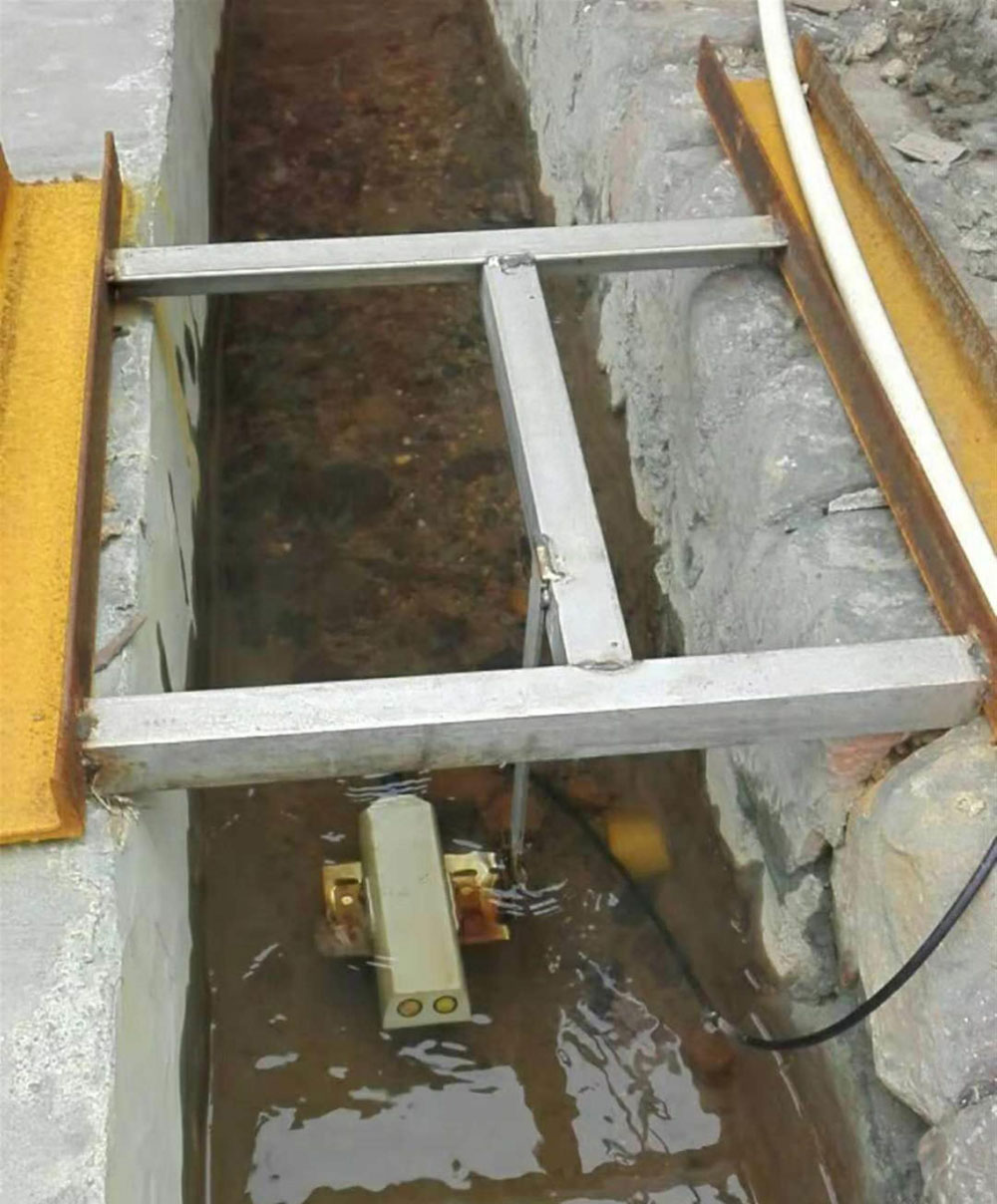
Avoid Silt: Install the sensor on a bracket, raising its bottom about 5-10 cm above the channel bed to prevent complete coverage of the wafer by bottom mud.
Downstream Principle: The probe emission surface must face the direction of water flow (towards incoming water), with the horizontal axis parallel to the flow direction, and deviation angle not exceeding 5°.
Internal Hoop Installation: For drainage pipes DN200-2000mm, stainless steel internal hoop structure can be used to securely lock the sensor at the pipe bottom without damaging the pipe wall.
Lead Protection: Use high-quality gas-guide cables and route them through explosion-proof flexible conduits or PE pipes for mechanical protection to prevent signal line damage from long-term water flow scouring.
Protocol Docking: All NiuBoL products support standard Modbus-RTU. When configuring PLC or DTU, integrators must pay attention to matching parity and stop bits (default 9600, 8, N, 1).
Lightning Protection: Field projects must install surge protectors, and reliably ground the shielding layer of signal lines to prevent induced lightning from damaging sensor circuits.
Q1: Does the NiuBoL flowmeter require the construction of a dedicated flow measurement flume (such as a Parshall flume)?
A: No. This is one of the core selling points of the product. It can be used in any channel with stable geometric cross-sections, directly calculating flow through built-in algorithms, significantly reducing civil engineering costs.
Q2: How to deal with large amounts of branches and floating debris in river channels?
A: It is recommended to install oblique grilles or diversion covers 1-2 meters upstream of the sensor to divert large-volume debris away from the sensor area, with regular cleaning.
Q3: What could cause unstable Modbus communication?
A: First, check if the RS485 bus is terminated with 120 ohm resistors; second, confirm if the shielding layer is grounded at one point; finally, verify there are no conflicts in baud rate or slave address. NiuBoL default baud rate is 9600 bps.
Q4: Can the device still measure at extremely low water levels (<5cm)?
A: Due to acoustic emission angle limitations and pressure sensor range lower limit, data may fluctuate when water level is below 3cm. In engineering schemes, it is recommended to build a small retaining weir downstream of the measurement point to ensure the sensor remains submerged during low flow.
Q5: Does the Doppler flowmeter require regular calibration?
A: Due to no mechanical wear and relatively stable physical parameters, it is recommended to perform an annual comparative verification (such as using a handheld radar velocimeter for cross-check) and correct the cross-section coefficient in the software backend.
Q6: Will excessively high sediment content in water (such as Yellow River water quality) affect measurement?
A: Moderate sediment enhances reflected signals. However, if sediment concentration is extremely high leading to acoustic penetration attenuation (acoustic blockage), appropriately shorten sampling intervals and use with an automatic cleaning system.
Q7: Will power supply voltage fluctuations affect measurement accuracy?
A: NiuBoL internally uses a wide-voltage regulator module; voltage fluctuations within DC 10V to 30V will not affect sensor accuracy, but avoid sharing power with large-power inductive loads.
Q8: Does it support custom cross-section shapes?
A: Yes. Users can write height-width mapping tables for cross-sections via NiuBoL configuration software or Modbus protocol to adapt to various irregular artificial channels or natural riverbeds.
Q9: Does the Doppler flowmeter have requirements for water transparency?
A: The Doppler principle relies on suspended particles or bubbles in the water for echo reflection. Therefore, it is not suitable for extremely pure deionized water. However, in most natural river channels and sewage, impurity concentrations fully meet measurement requirements.
Q10: How to handle sediment deposition at the riverbed bottom?
A: In bracket design, position the sensor slightly above the riverbed bottom (about 10-15cm) to avoid probe coverage by silt. Regular inspections are required to clean biological attachments on the probe surface.
Q11: Can the device measure bidirectional velocity (backflow)?
A: Yes. The positive and negative Doppler frequency shifts can distinguish flow direction, which is of great value for river monitoring affected by tides.

As the perceptual foundation of the smart water affairs era, the NiuBoL ultrasonic Doppler flowmeter is not just a sensor but a mature industrial field digitalization solution. Through extreme optimization of the “velocity-area method,” we help integrators break through the physical limitations of traditional weir slot measurement.
In the future, we will continue to optimize sensor recognition algorithms for complex flow fields and support richer edge computing capabilities. For project contractors seeking stable supply channels and in-depth technical support, NiuBoL provides complete OEM/ODM services as well as comprehensive integration manuals to help your projects demonstrate outstanding performance during acceptance.
Prev:Application Scheme of Ultrasonic Doppler Flowmeter in Drainage Pipe Network
Next:Application Solution of Ultrasonic Doppler Flowmeter in Irrigation District Water Measurement
Related recommendations
Sensors & Weather Stations Catalog
 Agriculture Sensors and Weather Stations Catalog-NiuBoL.pdf
Weather Stations Catalog-NiuBoL.pdf
Agriculture Sensors Catalog-NiuBoL.pdf
Related products
 Combined air temperature and relative humidity sensor
 Soil Moisture Temperature sensor for irrigation
 Soil pH sensor RS485 soil Testing instrument soil ph meter for agriculture
 Wind Speed sensor Output Modbus/RS485/Analog/0-5V/4-20mA
 Tipping bucket rain gauge for weather monitoring auto rainfall sensor RS485/Outdoor/stainless steel
 Pyranometer Solar Radiation Sensor 4-20mA/RS485

Screenshot, WhatsApp to identify the QR code
WhatsApp number:+8615367865107
(Click on WhatsApp to copy and add friends)

