





— Blogs —
—Products—
 Consumer hotline +8618073152920
 WhatsApp:+8615367865107
Address:Room 102, District D, Houhu Industrial Park, Yuelu District, Changsha City, Hunan Province, China
Product knowledge
Time:2026-02-19 10:15:14 Popularity:9
In the context of accelerating industrialization and increasingly stringent environmental compliance requirements, real-time and precise water quality monitoring has become a core demand in smart water affairs, landscape water treatment, and industrial wastewater management. As a water quality sensor manufacturer, NiuBoL is committed to providing system integrators and engineering contractors with highly integrated, low-power, and highly communication-compatible wireless water quality monitoring systems.
Our system solutions not only achieve 24-hour uninterrupted online monitoring but also support flexible deployment in various environments through modular design, ensuring that project parties can quickly go live and operate stably in complex engineering environments.
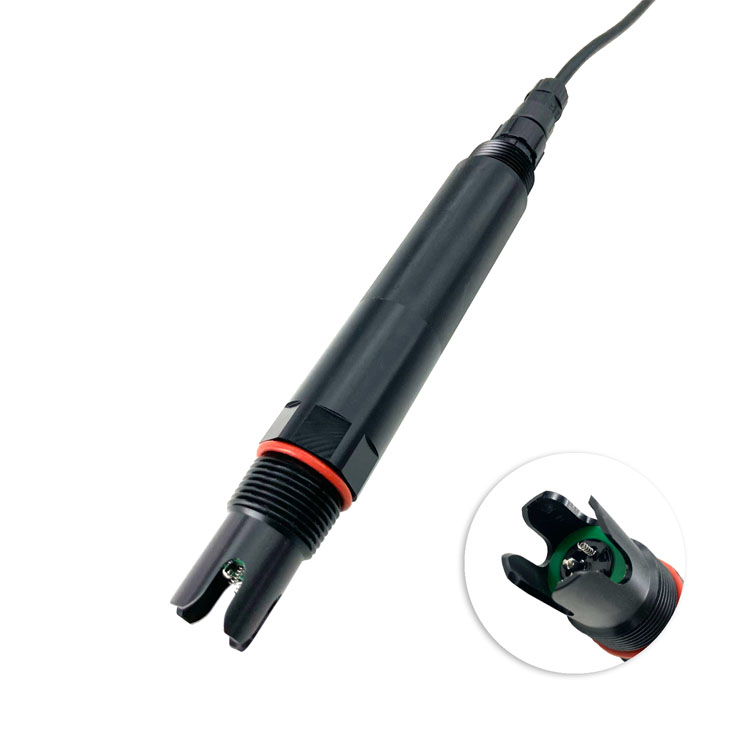
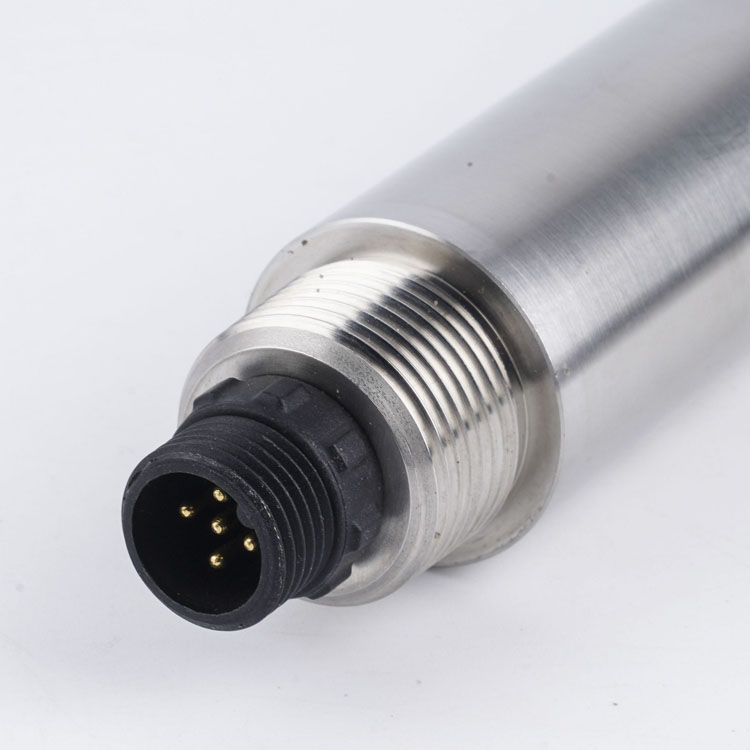
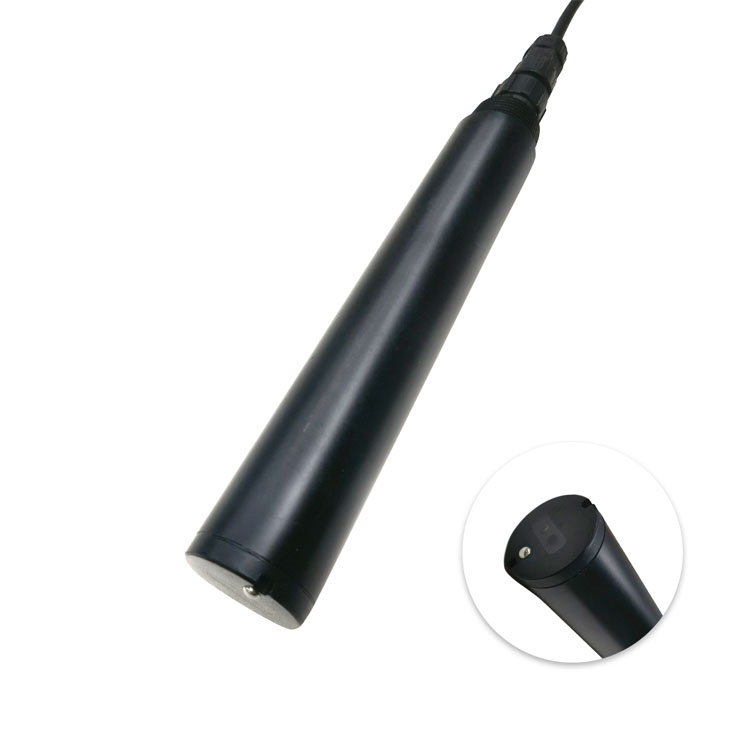
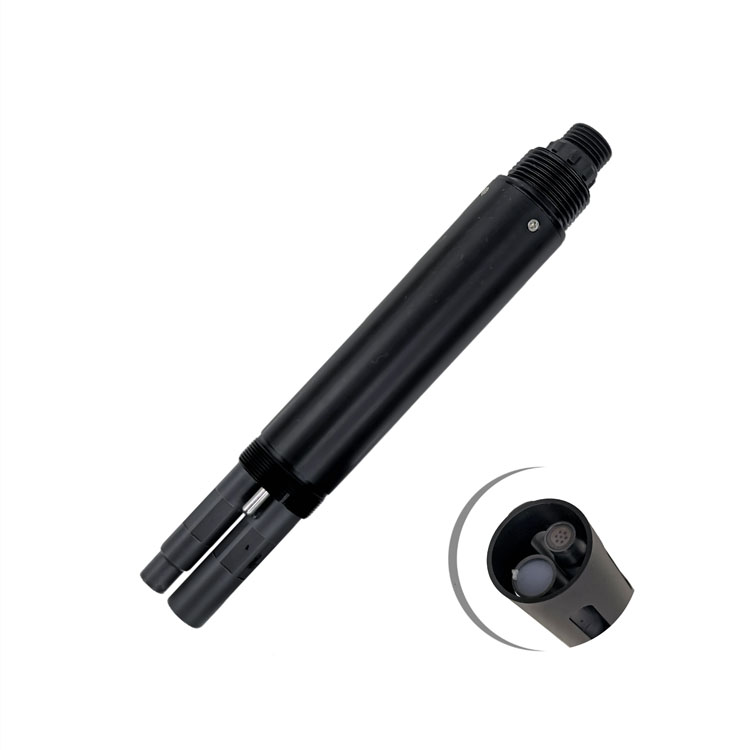
The foundation of the wireless water quality monitoring system lies in high-performance sensors. The series of sensors developed by NiuBoL are optimized for long-term outdoor online operation and support RS485 (Modbus-RTU) protocol, facilitating integration into various PLCs, RTUs, or edge computing gateways.
| Sensor Type | Measurement Parameter/Range | Protocol/Output Signal | Application Engineering Environment |
|---|---|---|---|
| Dissolved Oxygen (DO) | 0-20mg/L or 0-200% saturation | RS485 / 4-20mA | Aquaculture, sewage plant aeration tanks |
| pH/ORP | 0-14 pH / -2000 to +2000 mV | RS485 / 4-20mA | Industrial wastewater, chemical production, drinking water |
| Conductivity/TDS | 0-2000μS/cm or 0-20mS/cm | RS485 (Modbus) | Circulating cooling water, reverse osmosis pure water monitoring |
| Ultrasonic/Hydrostatic Water Level | 0-5m / 10m / 50m (optional) | RS485 / 4-20mA | Reservoirs, landscape lakes, municipal drainage networks |
| Turbidity/Suspended Solids | 0-1000 NTU / 0-20000mg/L | RS485 / 4-20mA | Water plants, river monitoring, sludge concentration control |
| Pressure/Flow Meter | Customized according to pipe diameter and range | RS485 / Pulse signal | Water supply and drainage network balance, irrigation pump station control |
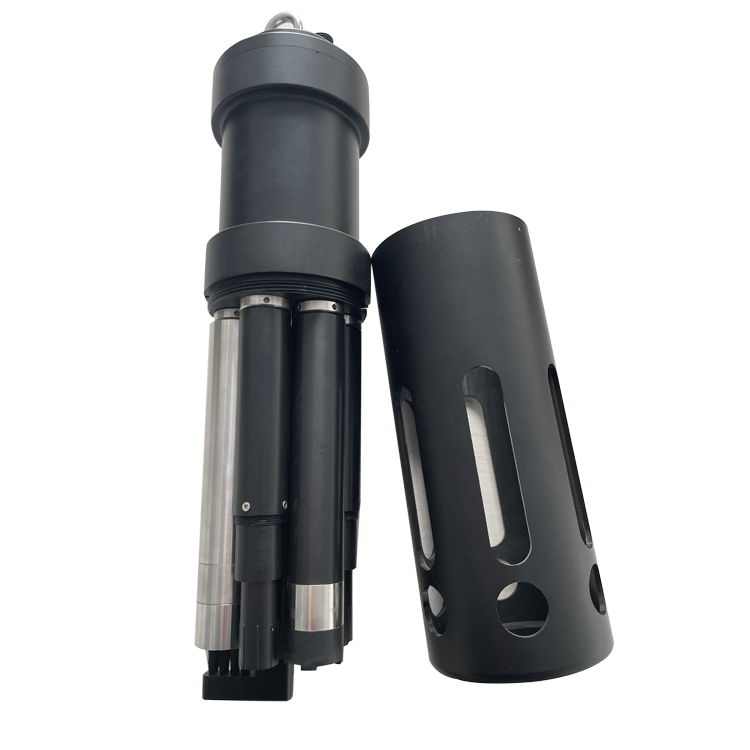
The NiuBoL wireless water quality monitoring system relies on IoT technology to connect the full chain from physical layer perception to application layer decision-making.
1. Communication Protocols and Transmission Links
The system supports multiple wireless transmission methods including 4G, 5G, WiFi, and LoRaWAN. Through the collector, sensor signals are uniformly encapsulated and pushed to the cloud at an upload frequency of once per minute. The data refresh rate can reach up to once every 3 seconds, ensuring extremely high real-time performance for management terminals (mobile phones, PCs).
2. Intelligent Control and Logic Linkage
In addition to data acquisition, the NiuBoL solution offers powerful scalability. The system can directly connect to intelligent valves, variable frequency pumps, and other actuators. Integrators can implement closed-loop automated water treatment control based on preset logic (e.g., automatically start aerators when dissolved oxygen falls below 4.0mg/L; automatically activate dosing pumps when pH exceeds the set range).
3. Modbus-RTU to MQTT Protocol Conversion
This enables seamless integration into mainstream bus architectures of smart cities without requiring integrators to develop complex protocol conversion plugins.
1. Continuous Monitoring of Industrial Wastewater Discharge
At discharge outlets of chemical plants, electroplating plants, etc., the system must handle complex chemical backgrounds. NiuBoL sensors feature high anti-interference capability and optional online self-cleaning function, ensuring monitoring accuracy even in environments with large fluctuations in permanganate index and total conductivity.
2. Municipal Water Supply and Pipe Network Water Quality Assessment
For tap water pipe networks, the system focuses on comprehensive monitoring of residual chlorine (customizable), pH, turbidity, and pressure. Through high-density monitoring point deployment, integrators can build a complete water supply safety overview map.
3. Water Environment Monitoring Buoy System
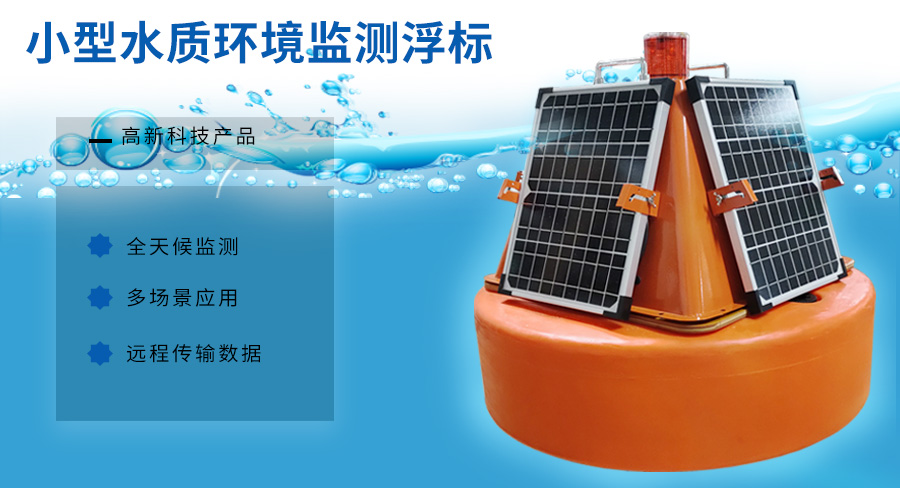
In rivers, lakes, and reservoirs, the NiuBoL water quality environment monitoring buoy is commonly used. This solution integrates solar power supply, wireless transmission, and corrosion-resistant buoys, enabling 24/7 online monitoring even in remote areas without mains power.
As a manufacturer, we deeply understand the complexity of project delivery. Therefore, we recommend paying attention to the following technical details during integration:
1. Impedance Matching and Signal Interference
When wiring multiple sensors centrally, shielded twisted-pair cables must be used, and 120Ω terminating resistors should be ensured on the 485 bus to prevent signal distortion over long distances.
2. Sensor Installation Angle
Dissolved oxygen and pH sensors are recommended to be installed at 45° to 90° to the water flow direction to avoid bubble accumulation or impurity adhesion affecting measurement accuracy.
3. Power Management Logic
In solar power schemes, battery capacity for continuous cloudy and rainy days must be calculated. The NiuBoL system supports low-power mode and enters deep sleep when data is not uploading.
4. Calibration Cycle
Industrial-grade sensors require regular calibration (typically every 3-6 months). During system design, calibration ports or manual bypasses should be reserved in the integrated control cabinet.
| Question | Answer |
|---|---|
| 1. Is the system's communication protocol open? | Yes, NiuBoL provides a complete Modbus-RTU register manual, supporting docking with third-party host computers, PLCs, or mainstream IoT cloud platforms (such as Alibaba Cloud, ThingsBoard, etc.). |
| 2. What to do if wireless transmission signals are unstable in remote areas? | Our gateway features breakpoint continuation. When the wireless network is interrupted, data is temporarily stored in local SD card or Flash memory and automatically retransmitted after signal recovery, ensuring continuity of historical data. |
| 3. Can the sensors handle strong acid and strong alkali environments? | For special conditions, we provide PTFE or special glass electrodes equipped with automatic cleaning devices, effectively resisting highly corrosive media. |
| 4. What are the maintenance costs of the system? | Thanks to low-power design and long-life electrode technology, the entire system can operate stably for more than 3 years under normal conditions. Main maintenance involves periodic electrode cleaning and calibration. |
| 5. What is the cloud platform data storage period? | Default storage is more than 1 year; integrators can apply to extend to 3-5 years based on project needs and support one-click export to Excel reports. |
| 6. How is the buoy system's anti-wave capability in extreme weather? | Our buoys use high-density polyethylene (HDPE) material with excellent impact and UV resistance. The balanced center of gravity design ensures no capsizing under 6-8 level winds. |
| 7. Is remote technical support provided after purchasing sensors? | For all partners, NiuBoL provides 1-on-1 technical engineer support, assisting with wiring guidance, communication debugging, and cloud platform configuration throughout the project delivery process. |
| 8. Is sensor consumable replacement complicated? | We use modular electrode design. For pH and dissolved oxygen electrodes, the front sensing membrane or electrode head supports quick-plug replacement, allowing on-site technicians to complete replacement in 5 minutes without professional tools, greatly reducing lifecycle maintenance difficulty. |
With its deep technical accumulation and industry foresight, the NiuBoL wireless water quality monitoring system has become a powerful assistant for system integrators in the digital transformation of water affairs. We provide not only sensors but a complete technical ecosystem from hardware acquisition and wireless transmission to decision support.
In future projects, through more precise algorithms and more stable communication links, we will continue to assist engineering companies in delivering higher-standard water environment monitoring projects.
Do you need me to provide a detailed equipment list and quotation reference for a specific project (such as river remediation or chemical plant drainage)? Or do you need to obtain the Modbus communication protocol documentation for NiuBoL water quality sensors?
 NBL-RDO-206 Online Fluorescence Dissolved Oxygen Sensor.pdf
NBL-COD-208 Online COD Water Quality Sensor.pdf
NBL-CL-206 Water Quality Sensor Online Residual Chlorine Sensor.pdf
Prev:Highway Weather Stations: Core Infrastructure for Building Intelligent Traffic Safety Systems
Next:no more
Related recommendations
Sensors & Weather Stations Catalog
 Agriculture Sensors and Weather Stations Catalog-NiuBoL.pdf
Weather Stations Catalog-NiuBoL.pdf
Agriculture Sensors Catalog-NiuBoL.pdf
Related products
 Combined air temperature and relative humidity sensor
 Soil Moisture Temperature sensor for irrigation
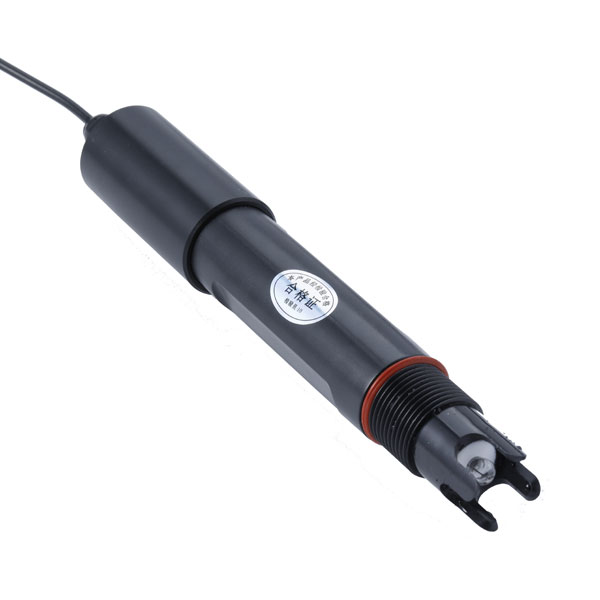 Soil pH sensor RS485 soil Testing instrument soil ph meter for agriculture
 Wind Speed sensor Output Modbus/RS485/Analog/0-5V/4-20mA
 Tipping bucket rain gauge for weather monitoring auto rainfall sensor RS485/Outdoor/stainless steel
 Pyranometer Solar Radiation Sensor 4-20mA/RS485

Screenshot, WhatsApp to identify the QR code
WhatsApp number:+8615367865107
(Click on WhatsApp to copy and add friends)

