






— Blogs —
—Products—
 Consumer hotline +8618073152920
 WhatsApp:+8615367865107
Address:Room 102, District D, Houhu Industrial Park, Yuelu District, Changsha City, Hunan Province, China
Product knowledge
Time:2026-03-28 16:34:24 Popularity:7
NiuBoL Road Weather Station (RWIS) – Providing high-reliability IoT hardware solutions for traffic system integrators and smart city project contractors.
With the continuous deepening of global infrastructure construction, the road traffic network has become the lifeline of the modern economy. However, meteorological factors have always been the biggest unstable variable threatening road traffic safety. According to statistics, about 25% of traffic accidents are directly related to bad weather.
For system integrators and project contractors, the Road Weather Information System (RWIS) is no longer just a simple data collection tool, but the perception foundation in the Intelligent Transportation System (ITS) to achieve "active warning, precise maintenance, and efficient passage". NiuBoL leverages its industrial-grade sensor manufacturing strength to provide global customers with standard, stable and easy-to-integrate traffic meteorological hardware solutions.
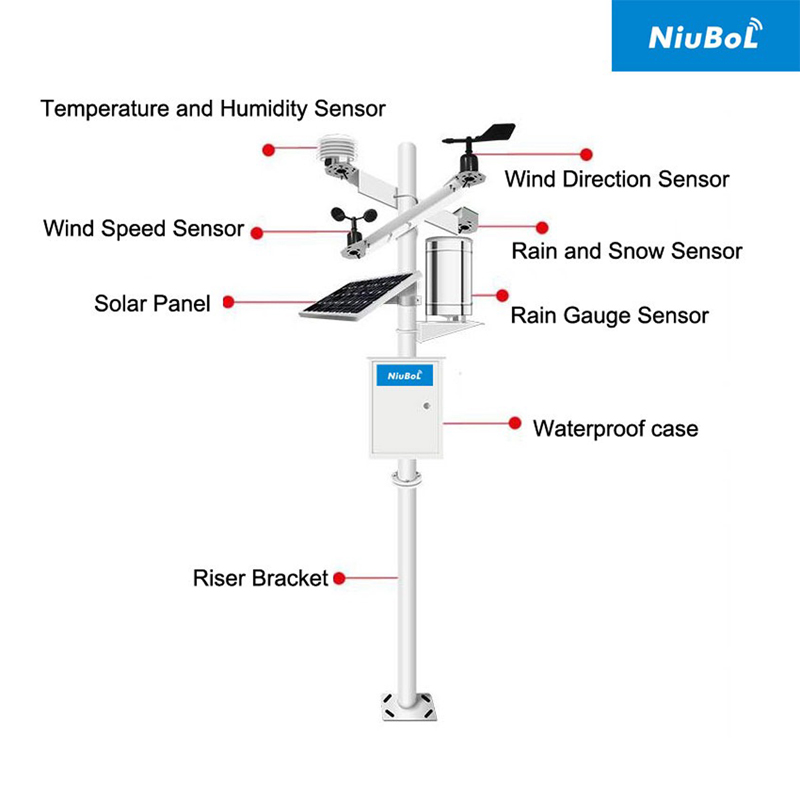
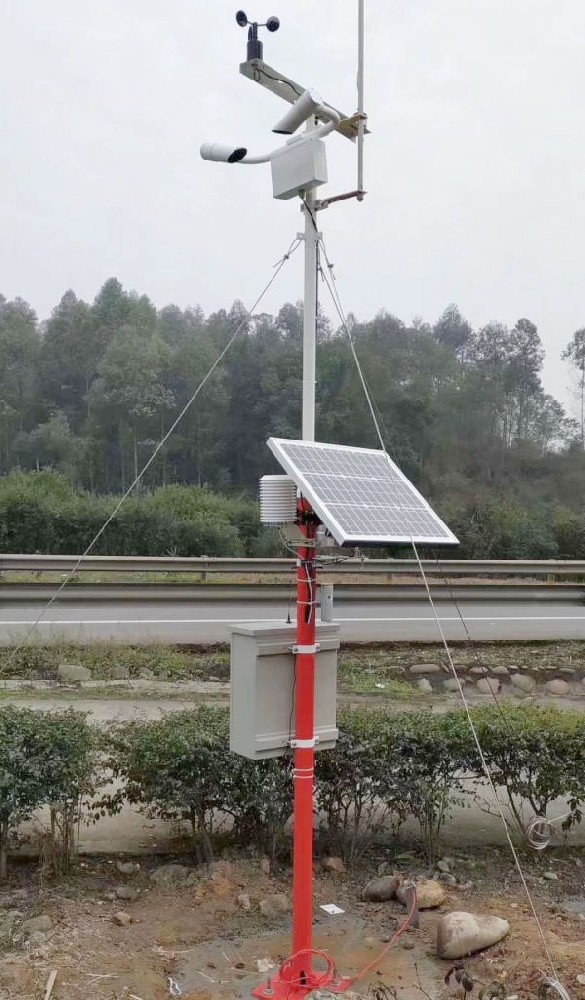
The road weather station is an industrial-grade monitoring system that integrates comprehensive acquisition control technology, computer software technology and multi-modal communication technology. It can perform 24/7 all-weather real-time detection of the micro-climate along the road.
High-precision sensor array: Covers visibility, non-contact road surface state, road surface temperature, snow depth and conventional meteorological elements.
Industrial-grade acquisition control unit (RTU): Supports edge computing, realizing high-speed conversion of analog and digital signals and local logic processing.
Multi-modal communication gateway: Adapts to 4G/5G or industrial Ethernet (RJ45) to ensure millisecond-level synchronization of data to the monitoring center.
Intelligent power supply module: Supports complementary mains power and solar power to ensure continuous operation capability in remote mountainous areas or extreme weather.
As a manufacturer, the sensor modules provided by NiuBoL are optimized for high-vibration and high-salt spray highway environments.
| Monitoring Dimension | Sensor Principle | Measurement Range | Communication Protocol |
|---|---|---|---|
| Visibility | Forward scattering method | 5m to 10000 m (customizable) | RS485 (Modbus) |
| Road State | Non-contact infrared remote sensing | Dry, wet, water accumulation, ice accumulation, snow | RS485 (Modbus) |
| Road Surface Temperature | Non-contact infrared temperature measurement | -40 to 80°C | RS485 (Modbus) |
| Water/Ice/Snow Thickness | Remote sensing measurement | 0 to 15 mm | RS485 (Modbus) |
| Ultrasonic Wind Speed and Direction | Time difference method (no wear) | 0 to 60 m/s; 0-360° | RS485 (Modbus) |
| Precipitation | Tipping bucket / Piezoelectric type | 0 to 4 mm/min | RS485 (Modbus) |
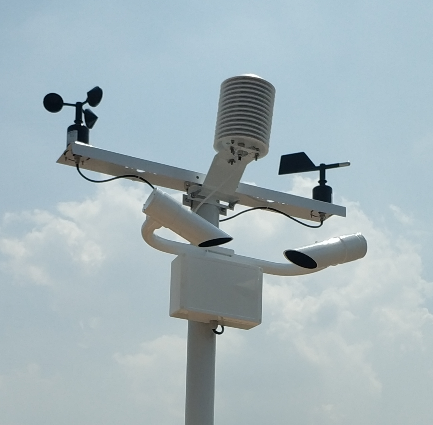
Fog (small water droplets) and haze (solid particulate matter) will cause a sharp deterioration in air transparency.
Engineering pain point: When visibility is below 50 meters, the driver's visual judgment distance is less than the safe braking distance, which can easily cause multi-vehicle rear-end collisions.
NiuBoL solution: Using forward scattering technology to capture atmospheric extinction coefficient in real time. The system can automatically link with fog light guidance systems or issue graded warnings on LED information boards (such as speed limit 20km/h or full line closure).
In northern and high-altitude areas, "black ice" after snow melting is an invisible killer of traffic accidents.
Engineering pain point: Traditional embedded sensors need to damage the road surface, installation is complex and easily affected by road maintenance.
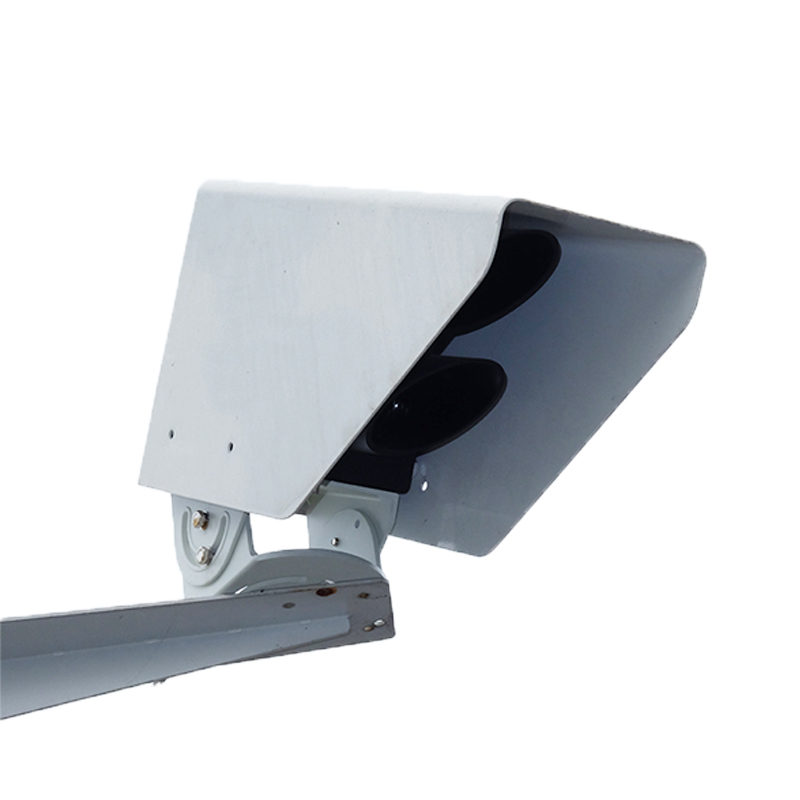
NiuBoL solution: Promote non-contact road surface sensors. By monitoring the process of road surface temperature dropping to the freezing point (0°C), combined with road surface water content data, the system can issue warnings 30-60 minutes before icing occurs.
On cross-sea bridges, viaducts or mountain pass sections, sudden crosswinds can cause high-center-of-gravity vehicles (such as long-distance trucks) to roll over.
Monitoring logic: Use ultrasonic technology to capture instantaneous gusts in real time. After RWIS data is aggregated, transportation departments can promptly close viaduct entrances or guide trucks to detour.
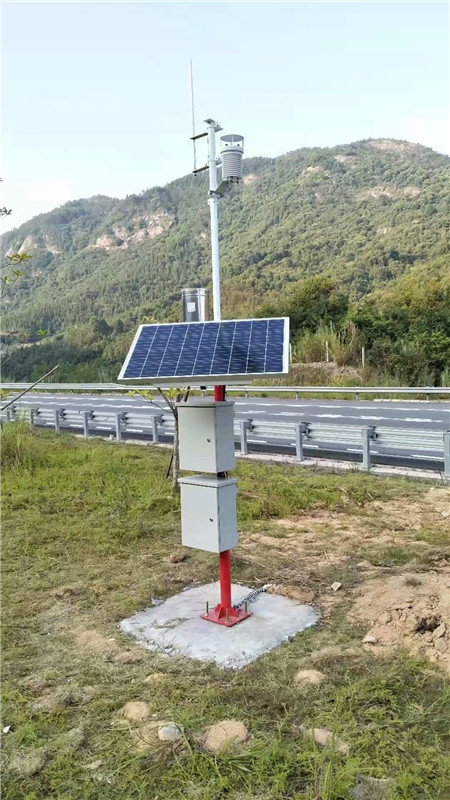
Using RWIS measured data, transportation departments can jointly issue short-term weather forecasts for specific kilometer pile numbers (K positions) with the meteorological bureau.
Based on snow depth monitoring, road administration departments can accurately allocate snow removal vehicles and apply de-icing agents. Data-driven reduction of excessive use of salt-based chemical agents not only protects road life but also reduces operating costs.
Reduce blind road closures caused by ambiguous information. Through real-time visibility and road surface conditions provided by RWIS, achieve "dynamic segmented control" and reduce time costs for long-distance freight.
Meteorological data is an indispensable environmental variable in autonomous driving and vehicle-road collaboration (V2X). The stable data flow provided by NiuBoL hardware provides safety boundaries for unmanned driving algorithms in extreme environments.
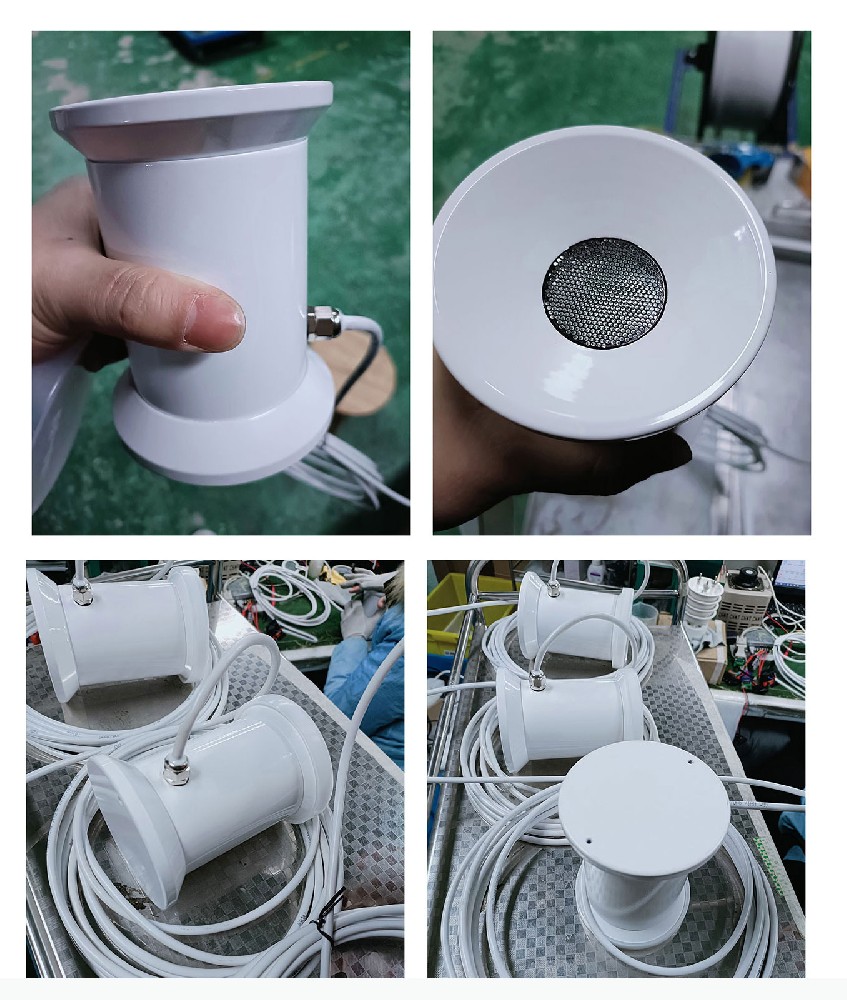
Integrators' requirements for hardware are "plug-and-play" and "long-term maintenance-free".
Full-line standard protocol: NiuBoL sensors uniformly support Modbus-RTU protocol. Integrators only need one shielded twisted pair to integrate all parameters such as wind speed, visibility and road surface state, greatly simplifying PLC or gateway program development.
Non-contact installation advantage: Road surface sensors are installed on roadside columns without cutting the road surface. This avoids the risk of sensor scrapping due to asphalt laying during later maintenance and significantly reduces total cost of ownership (TCO).
Edge computing processing: RTU supports data preprocessing and threshold alarms. When abnormal data occurs (such as sudden drop in visibility), the device can preferentially upload high-frequency data packets to ensure real-time emergency response.
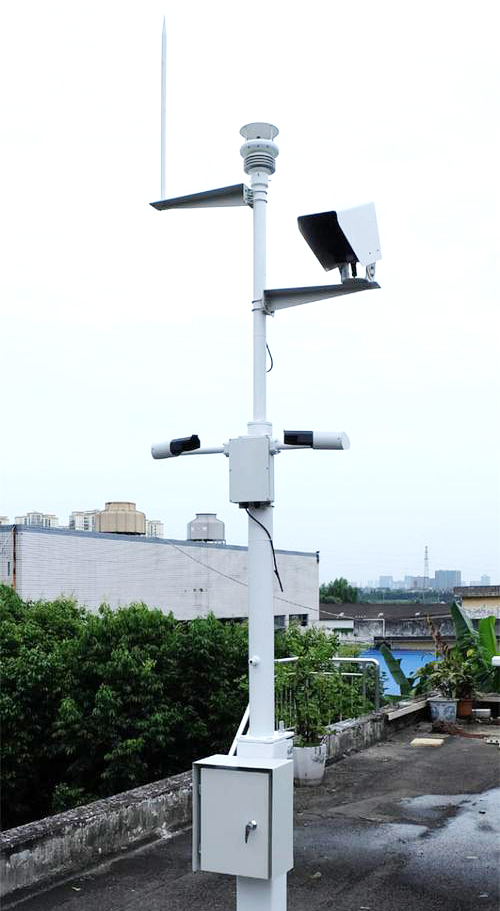
Q1: What is the industry standard for the installation spacing of road weather stations?
A: It is generally recommended to deploy one station every 20-30 kilometers on ordinary road sections; in areas with frequent团 fog, major bridges or long downhill sections prone to icing, it is recommended to densify to every 2-5 kilometers.
Q2: Can the data collection frequency be set by the integrator itself?
A: Yes. Through Modbus commands, users can freely set any sampling interval from 1 second to 24 hours.
Q3: Can non-contact road surface sensors measure specific ice thickness?
A: Yes. Through infrared spectrum absorption principle, the sensor can measure the physical thickness of road surface water film, ice layer and snow layer in real time (unit: mm), with accuracy up to 0.1mm.
Q4: How does the equipment cope with high-frequency vibration and exhaust corrosion along the highway?
A: We use special corrosion-resistant aluminum alloy shells and reinforced connectors. All interfaces meet industrial-grade sealing standards to ensure long-term stability under harsh traffic conditions.
Q5: What transmission protocols does the road weather station support?
A: The physical layer supports RS485/RS232, the protocol layer supports Modbus-RTU, and MQTT or HTTP protocol access to smart city cloud platforms is also optional.
Q6: How to solve power supply on road sections without power coverage in the field?
A: NiuBoL provides a complete solar power supply solution (including brackets, solar panels and control boxes). The system can still support stable operation for 7-10 days in continuous rainy weather.
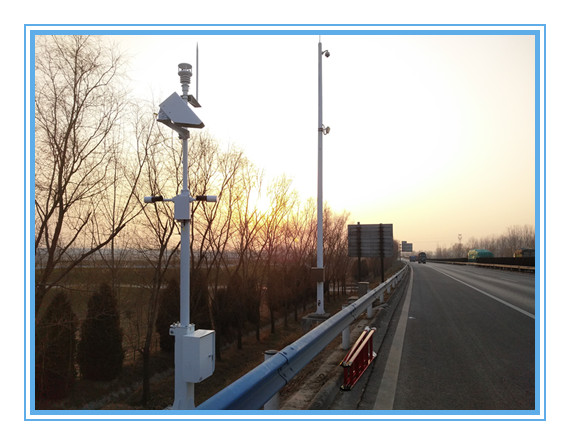
The road weather station (RWIS) is an indispensable perception node in the smart transportation nervous system. It transforms uncontrollable meteorological fluctuations into quantifiable digital assets. As a professional sensor manufacturer, NiuBoL is always committed to providing underlying hardware support for system integrators and project contractors.
Under the dual demands of "intrinsic safety" and "cost reduction and efficiency improvement", high-precision monitoring data is the only prerequisite for achieving scientific decision-making. NiuBoL will continue to promote the application of non-contact sensing technology to help global customers build safer and smarter transportation networks.
Related recommendations
Sensors & Weather Stations Catalog
 Agriculture Sensors and Weather Stations Catalog-NiuBoL.pdf
Weather Stations Catalog-NiuBoL.pdf
Agriculture Sensors Catalog-NiuBoL.pdf
Related products
 Combined air temperature and relative humidity sensor
 Soil Moisture Temperature sensor for irrigation
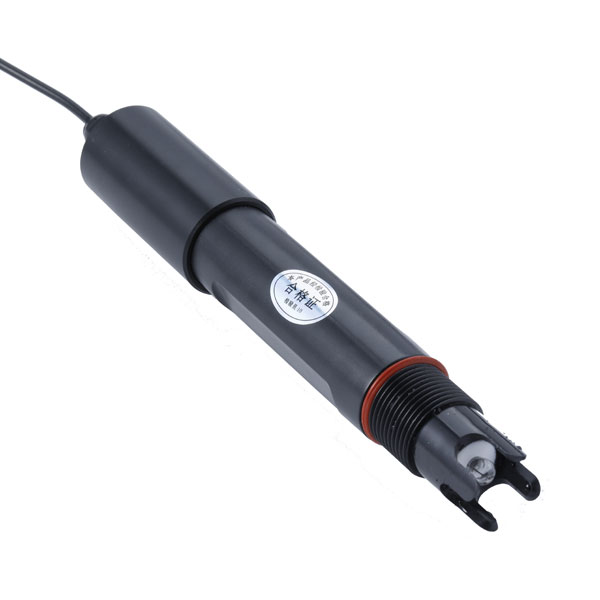 Soil pH sensor RS485 soil Testing instrument soil ph meter for agriculture
 Wind Speed sensor Output Modbus/RS485/Analog/0-5V/4-20mA
 Tipping bucket rain gauge for weather monitoring auto rainfall sensor RS485/Outdoor/stainless steel
 Pyranometer Solar Radiation Sensor 4-20mA/RS485

Screenshot, WhatsApp to identify the QR code
WhatsApp number:+8615367865107
(Click on WhatsApp to copy and add friends)

