






— Blogs —
—Products—
 Consumer hotline +8618073152920
 WhatsApp:+8615367865107
Address:Room 102, District D, Houhu Industrial Park, Yuelu District, Changsha City, Hunan Province, China
Product knowledge
Time:2026-04-15 15:07:49 Popularity:8
In the fields of water quality monitoring, chemical production, food processing, pharmaceutical, and environmental protection, pH value, as a key physicochemical parameter, directly affects reaction efficiency, product quality, and discharge compliance. pH measurement is a relative measurement and must rely on standard buffer solutions with known pHs values for regular calibration to ensure the traceability and consistency of measurement results. As a brand specializing in industrial sensors and environmental monitoring, NiuBoL provides high-stability pH composite electrodes and supporting buffer solution solutions to help enterprises build reliable process analysis systems.
The pH value is defined as the negative logarithm of the hydrogen ion activity aH⁺ in the solution:
pH = -lg aH⁺
This representation converts the extremely small hydrogen ion activity value into a scale that is easy to apply. Neutral solutions have pH=7, acidic solutions have pH<7 (the smaller the value, the stronger the acidity), and alkaline solutions have pH>7 (the larger the value, the stronger the alkalinity). In industrial production, precise pH control can avoid side reactions, optimize process conditions, and meet environmental discharge requirements.
pH measurement mainly adopts the potentiometric method, realized through a measurement cell composed of a pH indicating electrode and a reference electrode. Although the colorimetric method does not require calibration, its accuracy is limited; the potentiometric method must use standard buffer solutions for two-point or multi-point calibration, which is determined by the operational definition of electrochemical pH measurement.
The pH scale ranges from 0 to 14 and is determined by the pHs values of primary buffer solutions. There are multiple primary pH scales and single primary pH scales internationally. China adopts multiple primary pHs scales. The selection of primary buffer solutions must meet the characteristics of good reproducibility, large buffer capacity, small dilution value, and low temperature coefficient.
Common standard buffer solutions (25℃) include:
pH 4.00: 0.05 mol/kg potassium hydrogen phthalate solution
pH 6.86: 0.025 mol/kg potassium dihydrogen phosphate + 0.025 mol/kg disodium hydrogen phosphate mixed solution
pH 9.18: 0.01 mol/kg sodium tetraborate solution
For a wider range, pH 1.68 (potassium tetraoxalate), pH 10.01, or pH 12.46 can also be used. The pHs value changes at different temperatures. Temperature compensation or reference to the temperature-pH comparison table is required during calibration.
The following are reference pHs values of typical pH standard buffer solutions at different temperatures (approximate data, actual values shall be subject to the product certificate):
| Temperature (°C) | pH 4.00 Buffer | pH 6.86 Buffer | pH 9.18 Buffer |
|---|---|---|---|
| 5 | 4.00 | 6.95 | 9.39 |
| 15 | 4.00 | 6.90 | 9.28 |
| 25 | 4.00 | 6.86 | 9.18 |
| 35 | 4.02 | 6.84 | 9.11 |
| 45 | 4.04 | 6.83 | 9.04 |
pH standard buffer solutions can resist pH changes caused by small amounts of acid, alkali, or dilution. They have known accurate pHs values, good reproducibility, large buffer capacity, small dilution value, and low temperature coefficient, and are simple to prepare.
Preparation Key Points: Use deionized water boiled for 15–30 minutes (to remove CO₂), weigh the primary reagent according to the specified mass, dissolve it, make up to volume, and shake well. Alkaline buffer solutions should be stored in polyethylene bottles.
Storage and Use Specifications:
Store at low temperature (5–10℃) in glass or polyethylene bottles; generally usable for 1–2 months;
Discard immediately if turbidity, mold, or precipitation is found;
When using, dispense into small bottles, use after temperature equilibrium, and do not pour back into the large bottle after use;
Alkaline solutions (pH 9.18, 10.01, etc.) easily absorb CO₂, causing faster pH changes and relatively shorter shelf life.
Bottled pre-made pH buffer solutions are added with color indicators and preservatives, have different color identifications for easy distinction, and have a shelf life of up to one year at room temperature. Specifications include 50 ml, 500 ml, etc., suitable for quick use in industrial sites and laboratories.
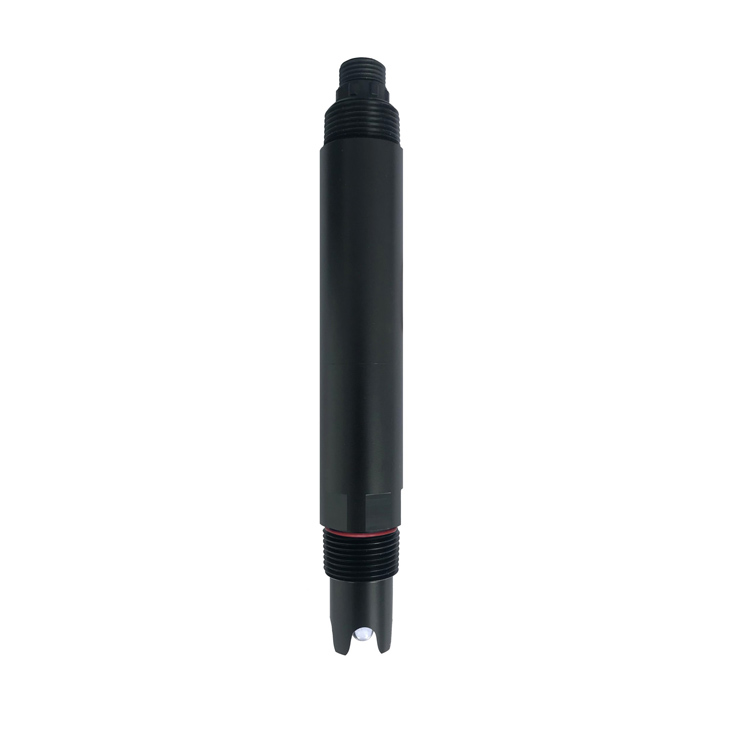
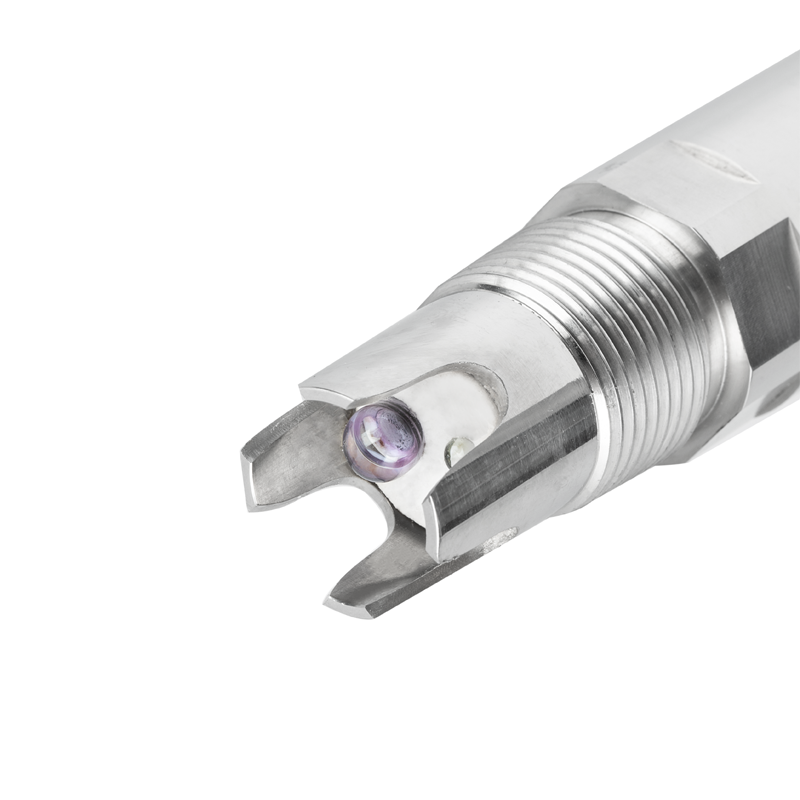
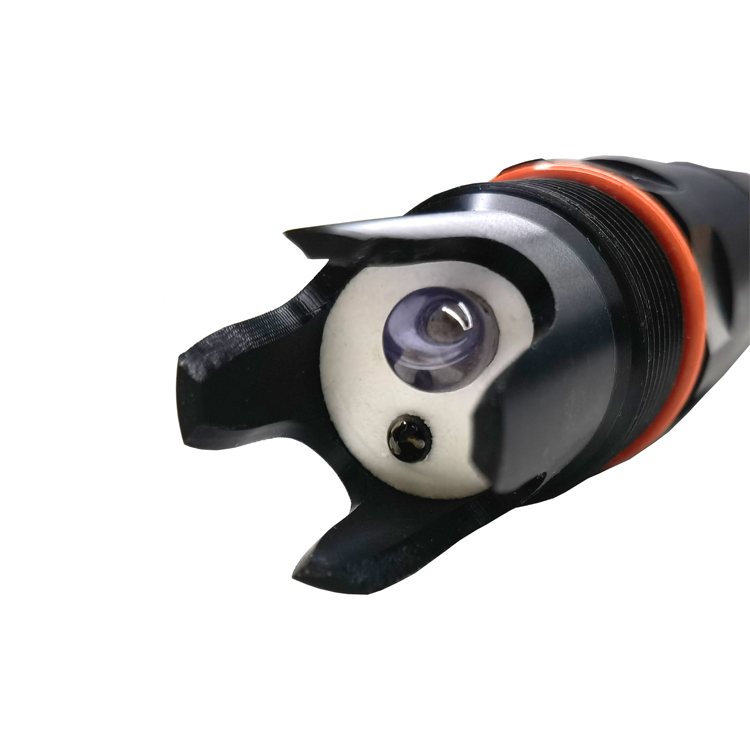
The pH indicating electrode mainly consists of a lithium glass membrane sensitive to H⁺ (thickness 0.1–0.2 mm, internal resistance <250 MΩ at 25℃), internal reference solution (usually pH 7 neutral phosphate + KCl mixture), and internal reference electrode (Ag/AgCl). Glass membrane shapes include spherical, planar, conical, etc., to adapt to different medium forms.
The reference electrode provides a constant potential. Commonly used are calomel electrodes or Ag/AgCl electrodes. Ag/AgCl electrodes have small temperature hysteresis and high temperature resistance, but need to remain stable in the external reference solution (3.3 mol/L KCl, pre-saturated with silver chloride).
The glass indicating electrode and reference electrode are integrated into one unit. The outer shell is divided into plastic shell (polycarbonate) and glass shell. The composite electrode structure includes:
Glass bulb (hydrogen-functional lithium glass)
Internal reference electrode (Ag/AgCl)
External reference solution (3.3 mol/L KCl gel or solution)
Liquid junction (ceramic sand core, fiber, porous material, or glass ground joint)
The liquid junction potential is minimized by high-concentration KCl solution (ionic strength much higher than the measured medium). Because the mobilities of K⁺ and Cl⁻ are close, the diffusion potential is stable.
Double liquid junction reference electrodes use inner and outer cavities (outer cavity KNO₃, inner cavity KCl), which can effectively reduce contamination of the measured solution and liquid junction blockage, and are suitable for industrial continuous monitoring.
Asymmetric potential: The difference between the inner and outer interfaces of the glass membrane produces a potential difference of several mV to tens of mV, which can be compensated by instrument positioning adjustment.
Zero potential: Usually set near pH 7, depending on the pH of the internal reference solution and chloride ion concentration.
Internal resistance: Mainly determined by the glass membrane, increasing exponentially as temperature decreases. Low internal resistance electrodes have lower requirements for instrument input impedance.
Alkaline error and acid error: At high pH, interference from alkali metal ions causes low readings; at extremely low pH (<1–2), acid error causes high readings. Choosing special high-temperature, strong acid/strong alkali, or low-temperature low-ionic-strength glass membranes can reduce errors.
Different sensitive glass membrane compositions determine applicable scenarios: conventional type, high-temperature type (130℃ steam), strong acid/strong alkali type, etc. Industrial pH electrodes emphasize long-term stability and anti-interference ability, while laboratory types focus on response speed and repeatability.
pH electrodes must be soaked and activated before use to form a hydrated gel layer and stabilize the asymmetric potential. pH composite electrodes are recommended to be soaked in pH 4.00 buffer solution containing 3.3 mol/L KCl to simultaneously activate the glass membrane and liquid junction.
Soaking Solution Preparation: Dissolve one pack of pH 4.00 buffer agent in 250 ml pure water, add 56 g analytical grade KCl, heat and stir to dissolve.
Usage Precautions:
No air bubbles at the front of the bulb; after inserting into the solution, gently stir to remove gas from the cavity;
Rinse with the measured solution or deionized water; avoid wiping with paper towels that may generate static electricity;
Thoroughly clean and reactivate after measuring viscous or oily samples;
Avoid prolonged contact with strong alkali, strong acid, or dehydrating media (such as absolute ethanol, concentrated sulfuric acid);
Refillable composite electrodes need regular replenishment of KCl solution and opening of the filling hole to increase hydraulic pressure; non-refillable types are simple to maintain and suitable for intermittent measurement.
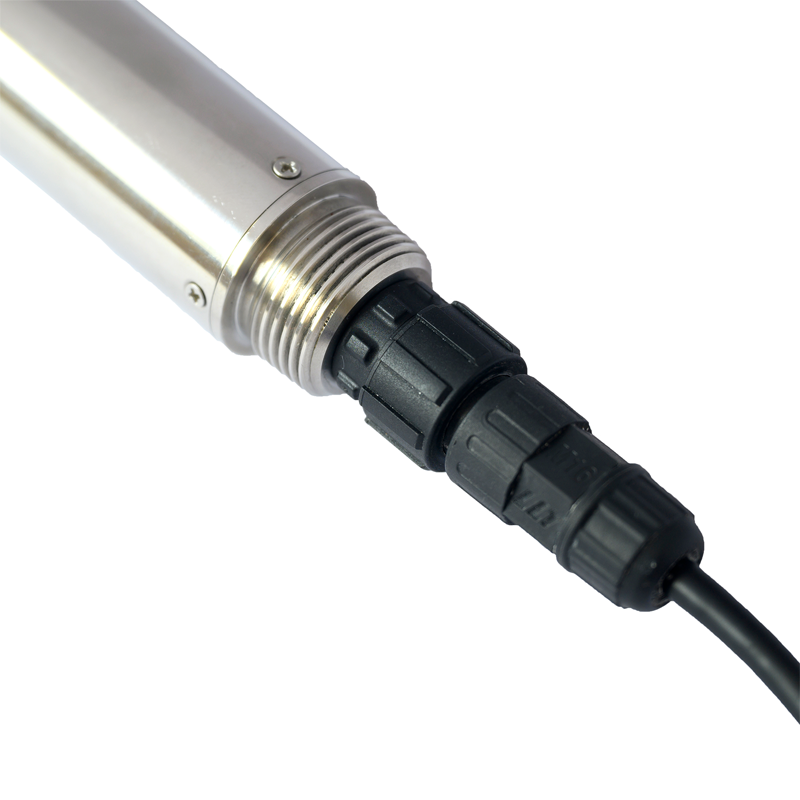
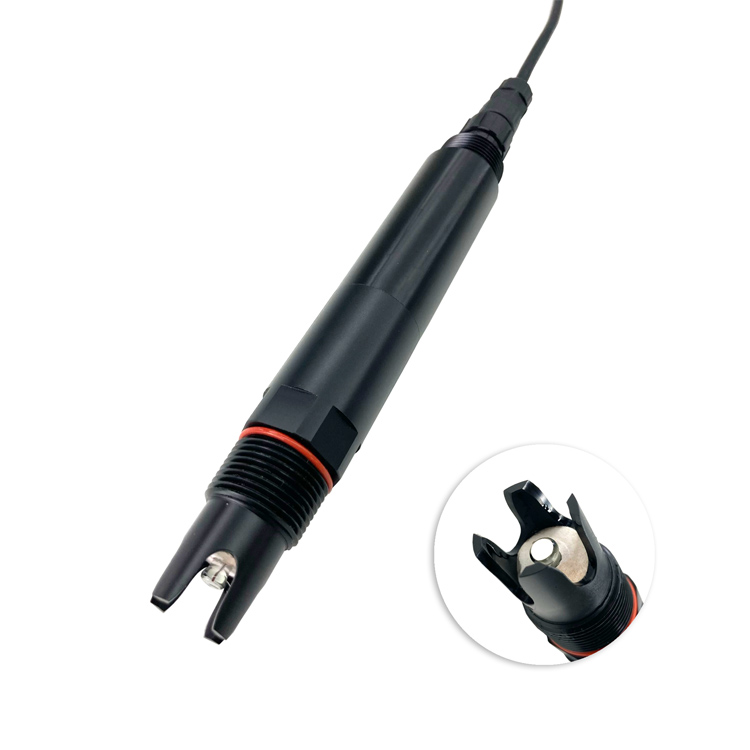
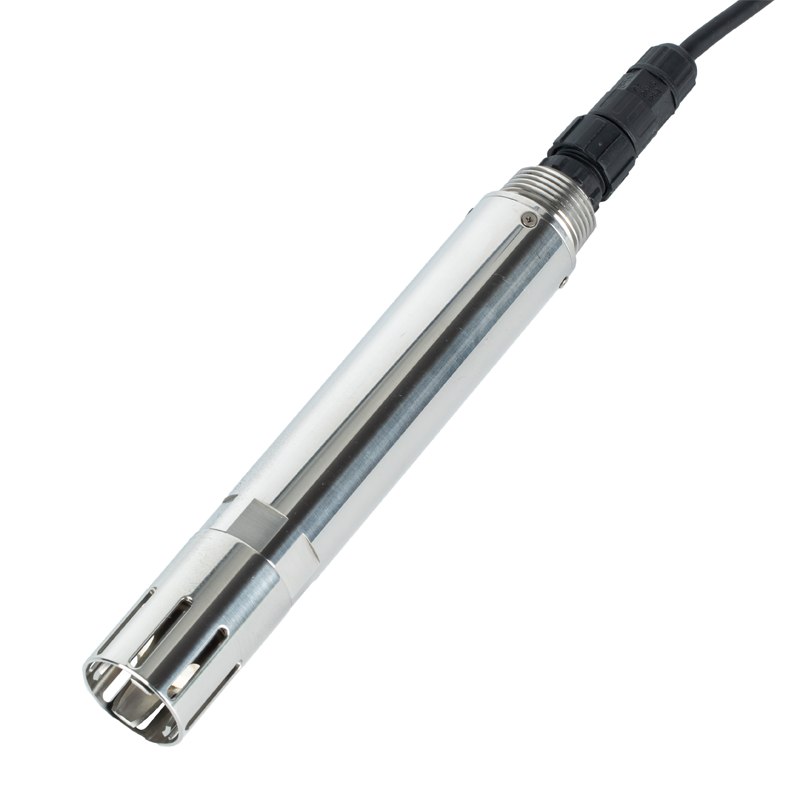
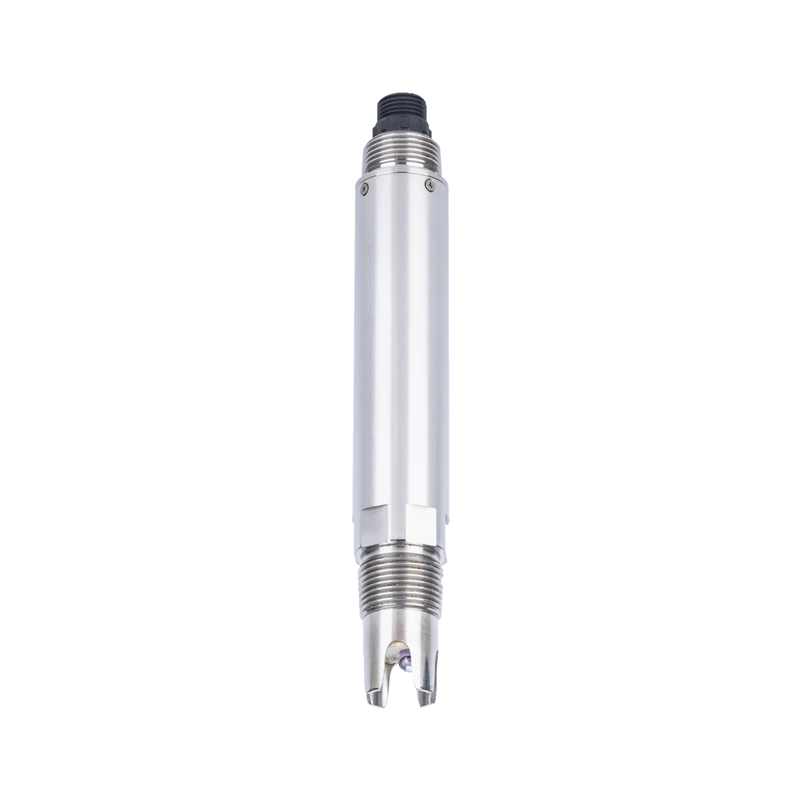
There are differences between laboratory pH electrodes and industrial pH electrodes in structure and performance requirements: the former pursues portability and fast response, while the latter emphasizes structural robustness, anti-electromagnetic interference, and long-term stability. NiuBoL industrial pH sensor series are optimized for harsh working conditions and support continuous online monitoring.
Q1. Why must pH measurement use standard buffer solutions for calibration?
pH measurement is a relative measurement. The potentiometric method relies on the pHs value of standard buffer solutions to establish value traceability. Uncalibrated instruments cannot guarantee accuracy.
Q2. What are the commonly used pH standard buffer solutions? What are their nominal values at 25℃?
Common ones include pH 4.00 (potassium hydrogen phthalate), pH 6.86 (mixed phosphate), and pH 9.18 (sodium tetraborate). Choose two-point or three-point calibration according to the measurement range.
Q3. Why is pH 4 buffer solution containing KCl recommended for soaking pH composite electrodes?
This solution can simultaneously activate the glass sensitive membrane and liquid junction, avoiding the decrease in KCl concentration and unstable liquid junction potential caused by soaking in water alone.
Q4. How does liquid junction potential affect measurement accuracy? How to reduce it?
The difference in ion diffusion rates on both sides of the liquid junction produces diffusion potential. High-concentration KCl solution (3.3 mol/L) can significantly reduce and stabilize this potential because the mobilities of K⁺ and Cl⁻ are close.
Q5. What is the main difference between refillable and non-refillable pH composite electrodes?
Refillable types allow replenishment of KCl solution, resulting in more stable liquid junction potential, suitable for high-precision requirements; non-refillable types use gel electrolyte, which is easy to maintain and suitable for most industrial and laboratory intermittent measurements.
Q6. What are the causes of alkaline error or acid error in pH electrodes and how to deal with them?
Alkaline error originates from interference by alkali metal ions at high pH; acid error occurs in extremely low pH ranges. Choosing matching special glass membrane compositions can effectively reduce errors.
Q7. How to select pH electrodes in industrial process control?
Consider medium characteristics (temperature, viscosity, corrosiveness), installation method, and long-term stability. NiuBoL industrial pH sensors provide plastic shell and glass shell options to adapt to different working conditions.
Q8. How to determine if a pH electrode needs replacement or reactivation?
When the slope after calibration deviates from the 95%–105% range, response time significantly slows down, or repeatability is poor, check soaking, cleaning, or replace the electrode.
pH standard buffer solutions and pH electrodes together form the accuracy foundation of electrochemical pH measurement. From scale establishment, buffer solution characteristics to composite electrode structure, liquid junction management, and daily maintenance, every link directly affects the reliability of measurement results. In industrial applications, selecting high-stability pH composite electrodes and strictly following calibration and maintenance specifications can significantly improve process control accuracy and system operation reliability. NiuBoL is committed to providing users with professional and stable pH measurement solutions to help various production scenarios achieve precise monitoring and compliant management. If you need electrode selection or calibration scheme support for specific working conditions, please communicate further based on actual application parameters.
 NBL-PHG-406-S online Water Quality pH Sensor.pdf
Next:no more
Related recommendations
Sensors & Weather Stations Catalog
Agriculture Sensors and Weather Stations Catalog-NiuBoL.pdf
Weather Stations Catalog-NiuBoL.pdf
Agriculture Sensors Catalog-NiuBoL.pdf
Water Quality Sensor Catalog-NiuBoL.pdf
Related products
 Combined air temperature and relative humidity sensor
 Soil Moisture Temperature sensor for irrigation
 Soil pH sensor RS485 soil Testing instrument soil ph meter for agriculture
 Wind Speed sensor Output Modbus/RS485/Analog/0-5V/4-20mA
 Tipping bucket rain gauge for weather monitoring auto rainfall sensor RS485/Outdoor/stainless steel
 Pyranometer Solar Radiation Sensor 4-20mA/RS485

Screenshot, WhatsApp to identify the QR code
WhatsApp number:+8615367865107
(Click on WhatsApp to copy and add friends)

