





— Blogs —
—Products—
 Consumer hotline +8618073152920
 WhatsApp:+8615367865107
Address:Room 102, District D, Houhu Industrial Park, Yuelu District, Changsha City, Hunan Province, China
Product knowledge
Time:2025-12-07 17:09:02 Popularity:372
NiuBoL Smart Agricultural Weather Station: Building a Full-Process Intelligent Monitoring and Management System for Field Microclimate
In the process of agriculture transforming toward industrialization and modernization, precise control of the field micro-environment (i.e., field microclimate) is the key to achieving high yield and high quality.
Definition of Smart Agricultural Weather Station
A smart agricultural weather station is an intensive, energy-saving, and rapidly deployable modern agricultural technology device. By introducing advanced smart equipment, Internet of Things technology, and big data analysis, it continuously and real-time monitors key meteorological parameters in the field microclimate area.
Its core goal is to build a full-process intelligent monitoring and management system that precisely guides ecological rotation, promotes crop growth, and ensures high efficiency, high quality, and environmental friendliness of agricultural products.
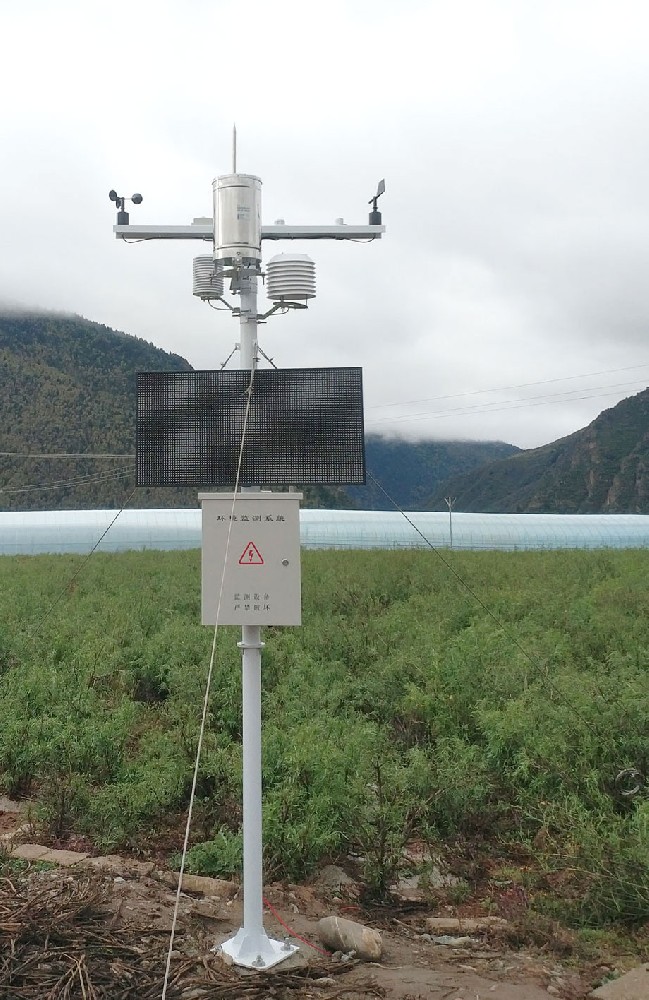
Intelligent Principles of the NiuBoL System (Four Pillars)
The NiuBoL smart agricultural weather station monitoring solution is built on four core pillars, forming an efficient closed-loop management system:
• Environmental Data Acquisition (Sensing): Through installing weather stations in planting bases, comprehensively monitor key indicators such as air temperature, humidity, light intensity, carbon dioxide concentration, soil temperature, and moisture that are closely related to crop growth. The system continuously monitors and collects these meteorological parameters.
• Wireless Networking and Transmission: Utilize wireless communication technology to achieve intelligent linkage and automatic networking with smart hardware, enabling real-time remote monitoring of environmental parameters in the planting base.
• Intelligent Control (Execution): Using collected environmental data, the system sets a series of parameter thresholds. When data reaches or exceeds preset values, the system can automatically trigger or allow remote manual operation to activate heaters, fertilization systems, irrigation equipment, ventilators, roller blinds, and other hardware for precise control.
• Remote Supervision (Application): Users can log in to their exclusive web client anytime, anywhere via mobile devices or personal computers to easily access real-time field data and systematically manage environmental conditions, meteorological status, and crop growth.
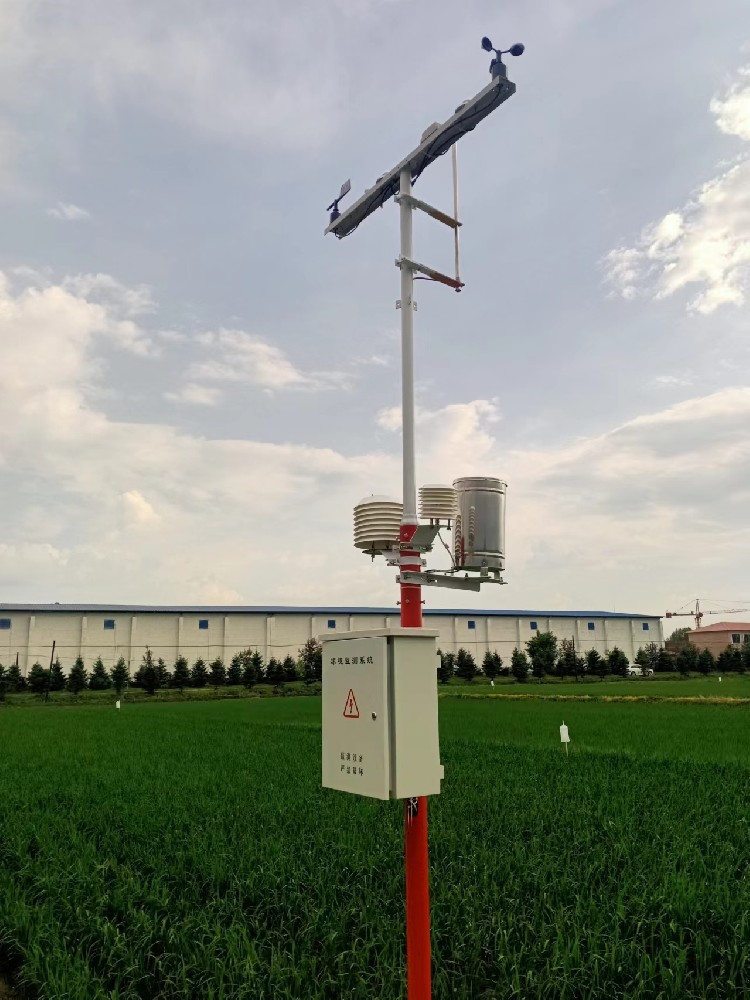
Field microclimate refers to a micro-environment with a vertical impact range of approximately a few meters to no more than 10 meters and a horizontal range from a few meters to hundreds of meters. Understanding and monitoring changes in this microclimate is crucial for assessing crop growth conditions.
Core Structure Analysis: Data Collection and Intelligent Linkage
The NiuBoL field microclimate monitoring system is an integrated automatic monitoring device. Its key components form the material foundation for intelligence:
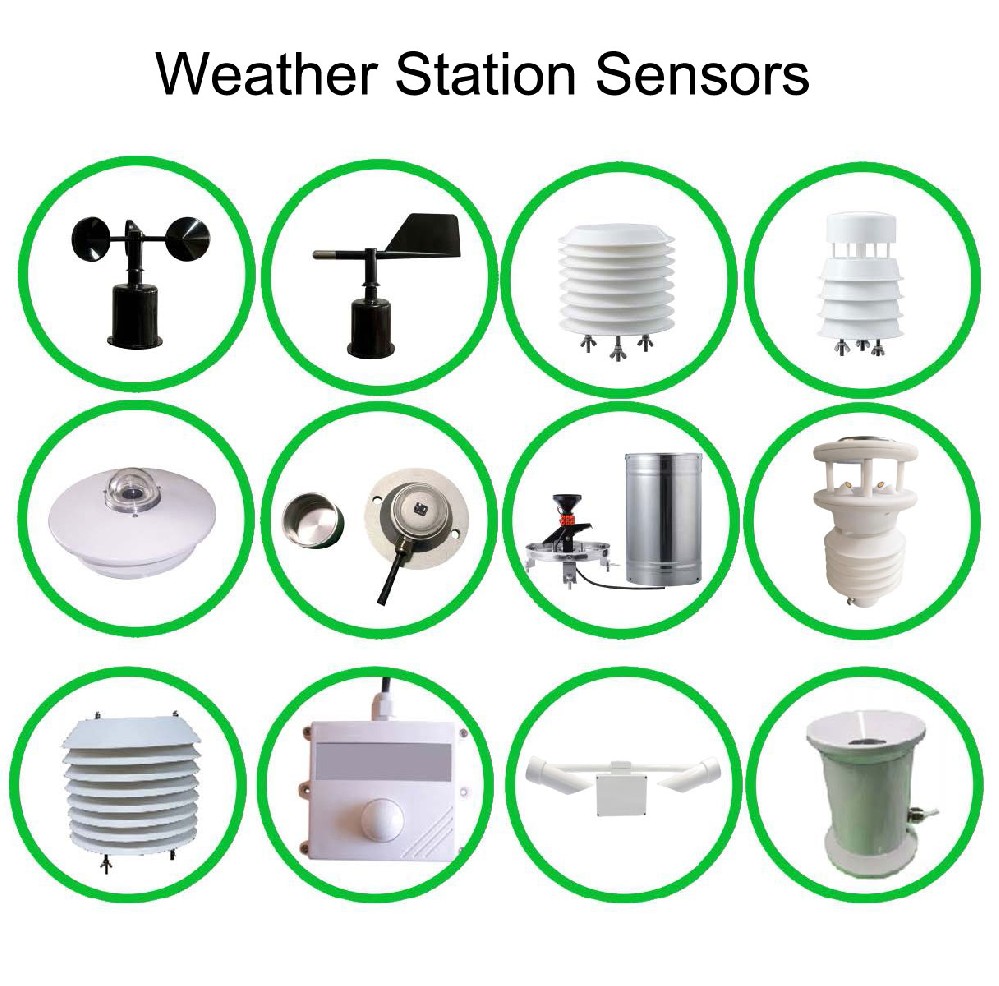
• Sensors (Multi-element Integration): Continuously monitor key meteorological indicators such as air temperature, humidity, rainfall, wind speed/direction, and solar radiation.
• Data Logger / Control Unit: Not only used for data transmission but also possesses intelligent control logic processing capability. It can set parameter thresholds using information collected by the environmental parameter acquisition system and trigger hardware.
• Wireless Communication Module: Achieves intelligent linkage with smart hardware and remote supervision.
• Execution Hardware: Various heaters, irrigation equipment, ventilators, roller blinds, etc., that precisely control temperature, moisture, nutrients, air circulation, and light required for crop growth.
Key Environmental Data Measurement Methods
The NiuBoL smart agricultural weather station can comprehensively monitor crop growth and development status as well as soil moisture conditions, primarily through high-precision sensors:
• Atmospheric Meteorological Parameters: Real-time monitoring of air temperature, humidity, rainfall, wind speed/direction, and solar radiation. These data play an important guiding role in predicting weather changes and guiding safe crop production.
• Soil Environmental Parameters: Monitoring soil temperature and moisture. This helps precisely determine the optimal timing and amount of irrigation, reducing unnecessary water waste.
• Crop Growth Environment Parameters (Facility Agriculture): Monitoring light intensity and carbon dioxide concentration. These data are key to optimizing the crop growth environment and improving yield and quality.
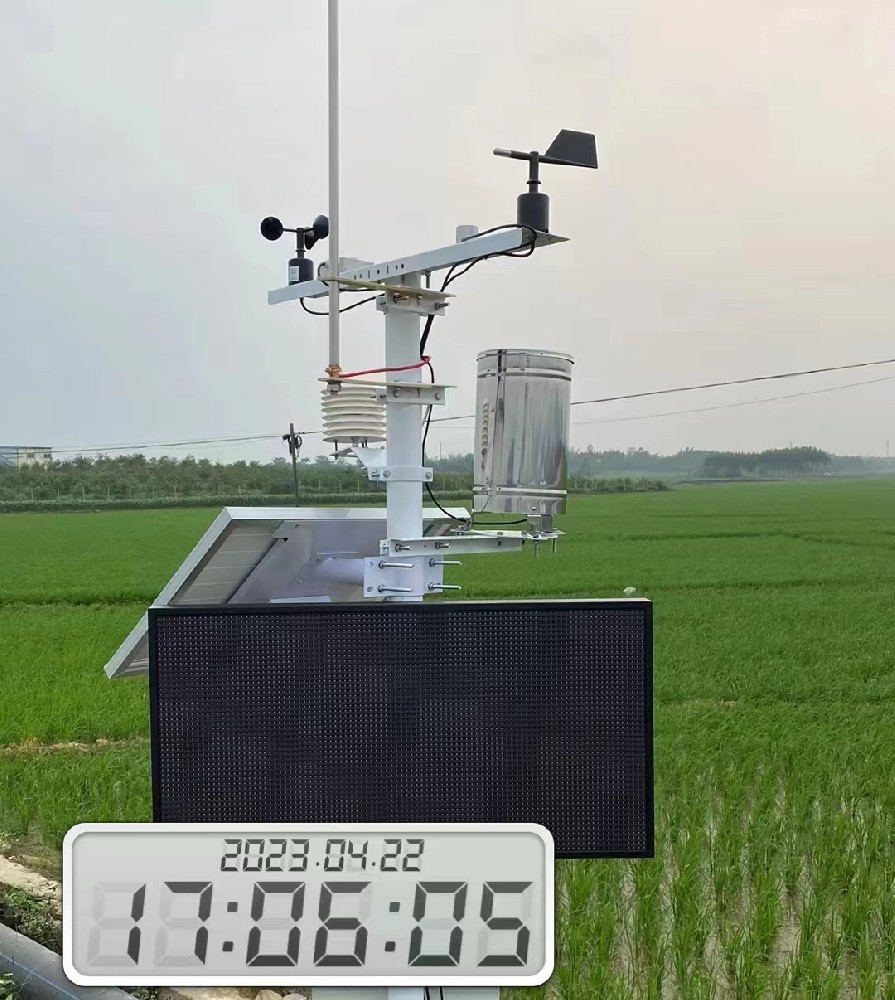
The NiuBoL monitoring solution is not just about acquiring data but about building a full-process intelligent monitoring and management system to elevate the intelligent level of agricultural production.
Core Application Scenarios of Smart Agricultural Monitoring
• Facility Agriculture (Greenhouse) Upgrade:
Implementation of this solution can technically upgrade traditional agricultural greenhouses, creating smart agricultural greenhouses.
Through linkage of environmental data acquisition and intelligent control, planting conditions are always maintained in the optimal state.
• Disaster Monitoring and Early Warning:
Establish an agricultural meteorological disaster monitoring and early warning system for real-time monitoring of disasters such as floods, droughts, frost, and extreme temperatures.
Provide timely warnings to farmers through the remote supervision platform to help them take preventive measures and reduce losses caused by agricultural disasters.
• Precision Guidance and Resource Optimization:
Combined with crop growth characteristics and ecological traits, the system can guide precise fertilization and irrigation, reduce resource waste, and achieve water conservation in agriculture.
Provides scientific data support for agricultural research, crop improvement, pest management, and agricultural production decision-making.
• Education, Research, and Market Expansion:
Forms a comprehensive smart agriculture education and research platform.
Enhances market competitiveness of agricultural products through online marketing and product traceability mechanisms, increasing farmers’ economic benefits and brand influence.
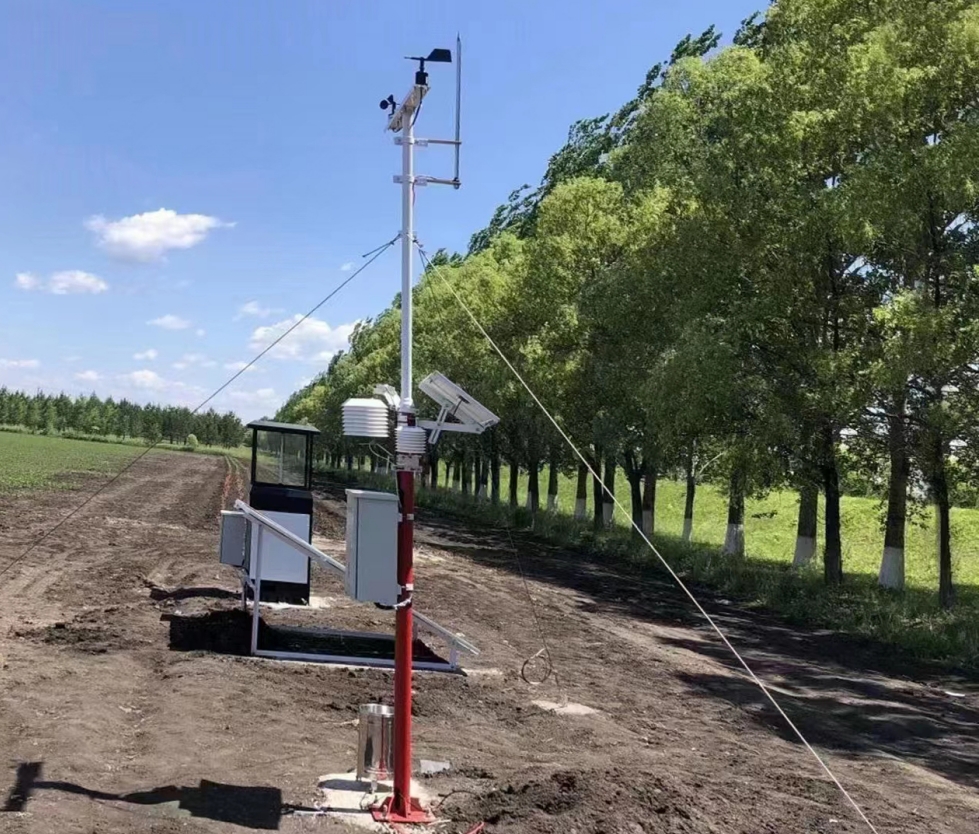
Choosing the right smart agricultural weather station requires comprehensive consideration of the planting environment, crop varieties, and intelligent needs.
NiuBoL Smart Agricultural Weather Station Selection Recommendations
• Clarify monitoring scope: For open-field farmland, focus on meteorological disaster indicators (wind speed, rainfall, frost temperature); for greenhouses or controlled environments, must monitor soil temperature/moisture, CO₂ concentration, and light intensity.
• Examine intelligent control capability: If automatic environmental regulation is needed, must select a data logger with control output ports and threshold setting functions to achieve intelligent linkage with heaters, ventilators, etc.
• Evaluate network environment: Ensure the selected device’s wireless communication technology (4G/5G) can automatically network and adapt to the planting base environment.
• Focus on data analysis and traceability: Check whether the central station software/cloud platform provides flexible data processing methods and supports online marketing and product traceability mechanisms.
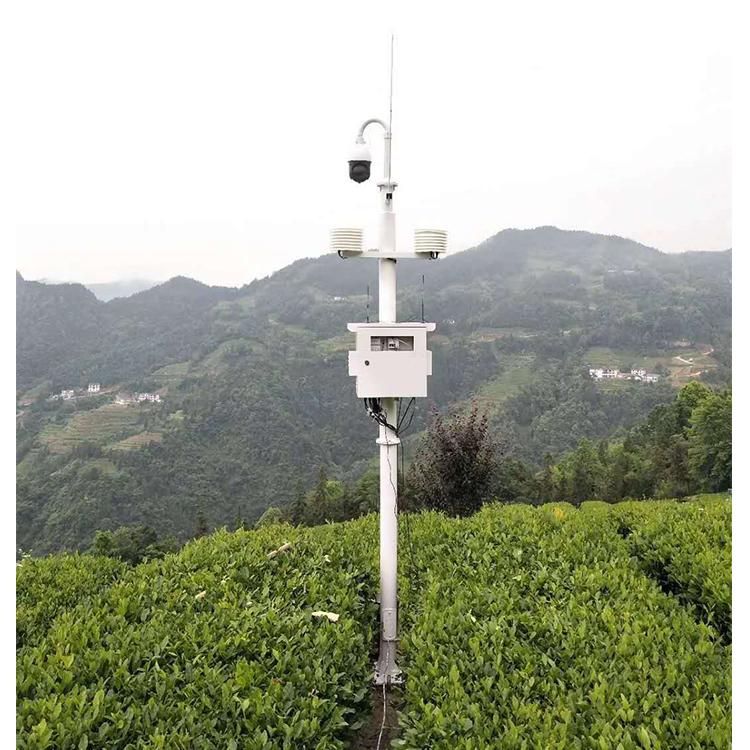
A1: The vertical impact range of field microclimate is approximately a few meters to no more than 10 meters, while horizontally it ranges from a few meters to hundreds of meters.
A2: NiuBoL weather stations use wireless communication technologies (such as 4G/5G or LoRa) to connect data loggers with smart hardware, forming an automated local area network that simplifies deployment and maintenance.
A3: The system can continuously monitor and collect data on soil temperature and moisture. Some advanced configurations can also extend to monitoring key indicators such as soil pH and EC values.
A4: By real-time monitoring of soil moisture, air temperature, and solar radiation, the system can calculate moisture evaporation and crop water deficit index based on crop growth needs and ecological characteristics, precisely determining the optimal irrigation timing and required water amount.
A5: Users can now log in to their exclusive web client anytime, anywhere via mobile devices (phones, tablets) or personal computers to easily access real-time field data.
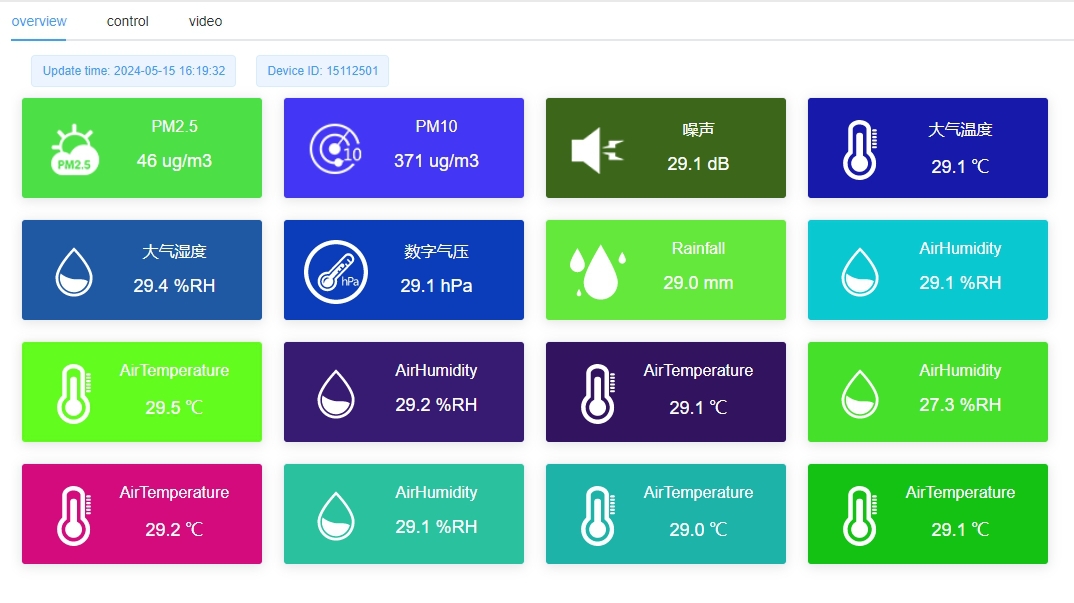
A6: Users can set upper and lower limits for each environmental parameter (such as temperature) in the system software. When collected data reaches or exceeds these preset values, the system automatically triggers corresponding execution hardware.
A7: The upgrade is reflected in improved intelligence level, precise environmental condition control, optimized crop growth environment, and ultimately enhanced market competitiveness through online marketing and product traceability mechanisms.
A8: The system can real-time monitor rainfall and soil moisture. When prolonged rainfall or poor drainage risk occurs, it promptly notifies farmers through the early warning system, helping them quickly take drainage or protective measures.
A9: Yes. This monitoring system provides scientific data support for agricultural research and crop improvement. Through precise data, it can evaluate crop growth and development status under different climatic conditions, guiding breeding and improvement decisions.
A10: Yes. The field microclimate monitoring system has automation functions that make irrigation and remote management more intelligent, while the system operation is simple, allowing farmers to quickly acquire and analyze required information.
A11: CE, ISO9001, RoHS, and nationally recognized meteorological calibration certificates.
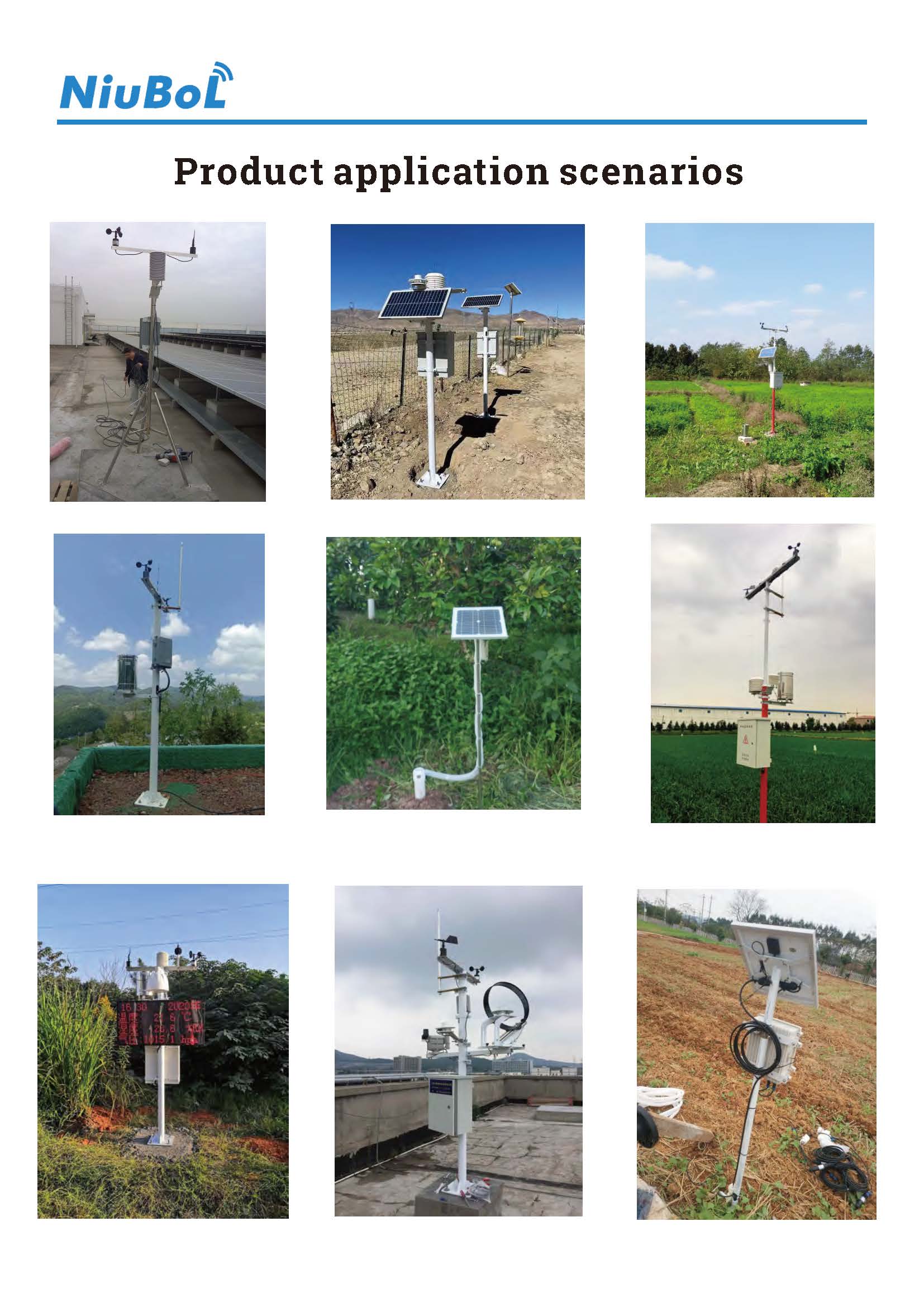
The NiuBoL smart agricultural weather station monitoring solution is the ideal choice for building a full-process intelligent monitoring and management system for modern agriculture. Through environmental data acquisition, intelligent linkage control, and convenient remote supervision, we solve the dependence and uncertainty of agricultural production on climatic environment.
This solution not only achieves precise control and optimization of the planting base environment, ensuring high efficiency and high quality of agricultural products, but also provides a solid foundation for agricultural research and market expansion. Choosing NiuBoL means choosing the key force driving agriculture toward higher quality, higher efficiency, and sustainable development.
Contact NiuBoL immediately to deploy a full-process intelligent meteorological monitoring and management system for your planting base!
Related recommendations
Sensors & Weather Stations Catalog
 Agriculture Sensors and Weather Stations Catalog-NiuBoL.pdf
Weather Stations Catalog-NiuBoL.pdf
Agriculture Sensors Catalog-NiuBoL.pdf
Water Quality Sensor Catalog-NiuBoL.pdf
Related products
 Combined air temperature and relative humidity sensor
 Soil Moisture Temperature sensor for irrigation
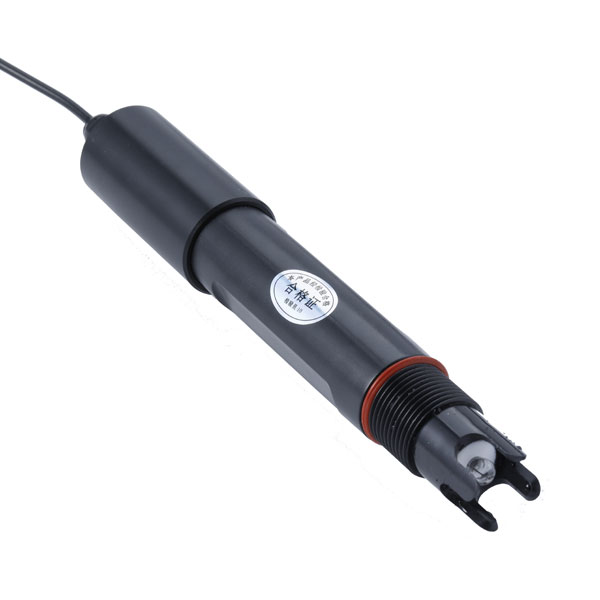 Soil pH sensor RS485 soil Testing instrument soil ph meter for agriculture
 Wind Speed sensor Output Modbus/RS485/Analog/0-5V/4-20mA
 Tipping bucket rain gauge for weather monitoring auto rainfall sensor RS485/Outdoor/stainless steel
 Pyranometer Solar Radiation Sensor 4-20mA/RS485

Screenshot, WhatsApp to identify the QR code
WhatsApp number:+8615367865107
(Click on WhatsApp to copy and add friends)

