






— Blogs —
—Products—
 Consumer hotline +8618073152920
 WhatsApp:+8615367865107
Address:Room 102, District D, Houhu Industrial Park, Yuelu District, Changsha City, Hunan Province, China
Product knowledge
Time:2025-12-07 17:00:12 Popularity:415
NiuBoL Smart Agricultural Weather Station: Precision Data Empowering Green and Efficient Planting
In modern agriculture, the smart agricultural weather station plays an indispensable role — it is the core tool for achieving intelligent agricultural production management.
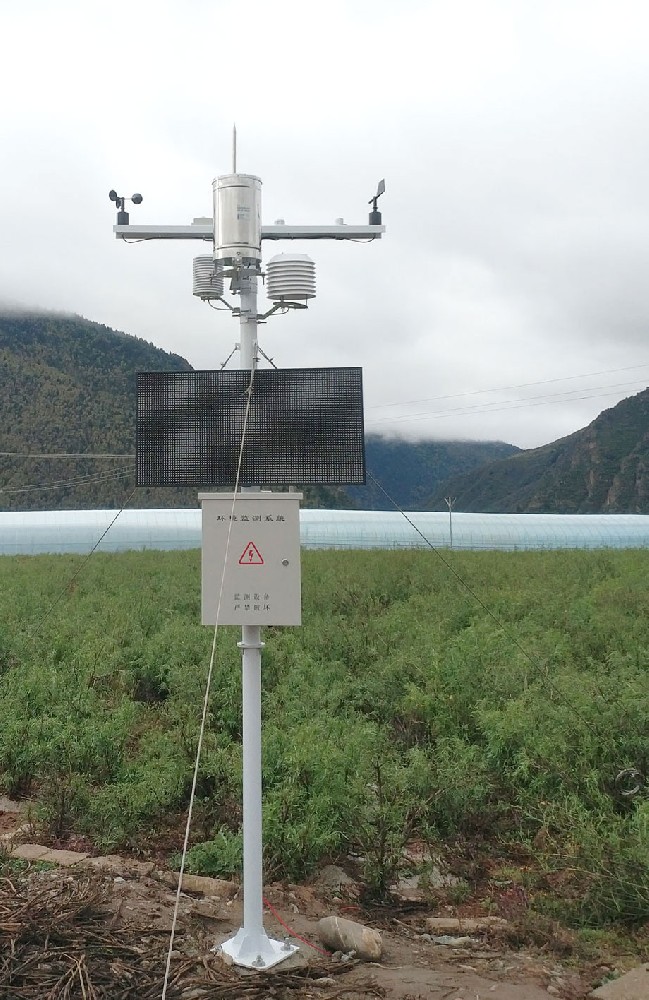
What is a Smart Agricultural Weather Station?
A smart agricultural weather station is an automated device that integrates sensor technology, Internet of Things communication, and data analysis. It not only monitors meteorological elements such as temperature, humidity, wind speed, precipitation, and light intensity, but also conducts systematic observation of agricultural organisms, analyzes the impact of meteorological factors on agricultural organisms, and provides scientific guidance for agriculture.
The functions of an agricultural weather station cover a wide range, from monitoring meteorological conditions and soil moisture to regularly reporting observation data and statistical reports to higher-level departments.
Core Advantages of NiuBoL Smart Agricultural Weather Station
NiuBoL focuses on the field of meteorological monitoring and provides smart agricultural weather stations with the following core advantages:
• Ultra-Strong Endurance Guarantee: Equipped with solar panels and high-capacity dedicated solar batteries, ensuring that even during continuous rainy weather, the device can operate continuously for more than seven days, greatly enhancing equipment reliability and practicality.
• Flexible Multi-Mode Communication: The control unit is equipped with multiple interfaces, including RS-232, RS-485, and mainstream 4G/5G communication methods. It can be adjusted according to the on-site environment and crop height, supporting single-station or multi-station networked operation, centrally managed by central station software.
• High Integration and Expandability: Flexible design for easy installation, adjustable according to on-site environment and crop height. Users can select different types of sensors, displays, cameras, etc., according to actual usage conditions, achieving one-stop multi-functional monitoring.
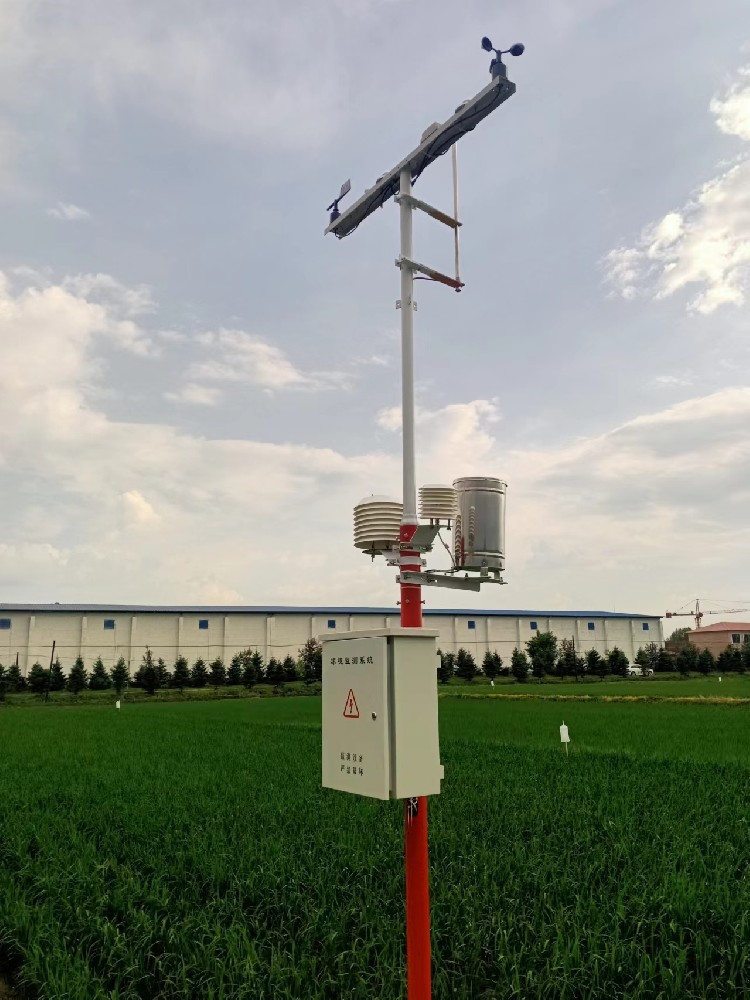
The NiuBoL Smart Agricultural Weather Station consists of five core components, and the advanced nature of its control unit is the key to achieving intelligence.
Core Structural Components
• Sensor Cluster: Real-time monitoring of meteorological parameters (such as atmospheric pressure, temperature, humidity, light intensity, CO₂ concentration, wind speed, wind direction) and soil moisture, etc.
• Data Logger / Control Unit: The core of the system, responsible for data acquisition, processing, storage, and communication control. NiuBoL’s control unit has multiple interfaces (RS-232, RS-485, 4G/5G).
• Pole & Mounting Bracket: Supports sensors; its flexible design allows adjustment according to on-site environment and crop height without affecting crop growth.
• Battery System: Equipped with solar panels and high-capacity dedicated batteries to provide long-lasting and stable energy.
• Central Station Software / Cloud Platform: Centralized management of data collection, processing, analysis, and early warning, achieving data visualization.
| Monitoring Element | Role & Guidance for Agriculture | NiuBoL Technical Features |
|---|---|---|
| Temperature / Humidity | Affects crop growth, pest and disease reproduction, and automatic regulation in facility agriculture. | High-precision, fast-response sensors that capture micro-environment changes in real time. |
| Light Intensity / CO₂ Concentration | Affects crop photosynthesis efficiency; it is a key indicator for intelligent management in facility agriculture. | High measurement accuracy, supports extension to Photosynthetically Active Radiation (PAR) and other parameters. |
| Wind Speed / Wind Direction | Affects pesticide spraying, moisture evaporation, and the spread of pests and diseases. | Supports ultrasonic sensors for fast and timely data transmission. |
| Soil Moisture | Guides precision irrigation and is the key to sustainable agricultural production. | Transmitted to the management platform via IoT technology for comprehensive monitoring. |
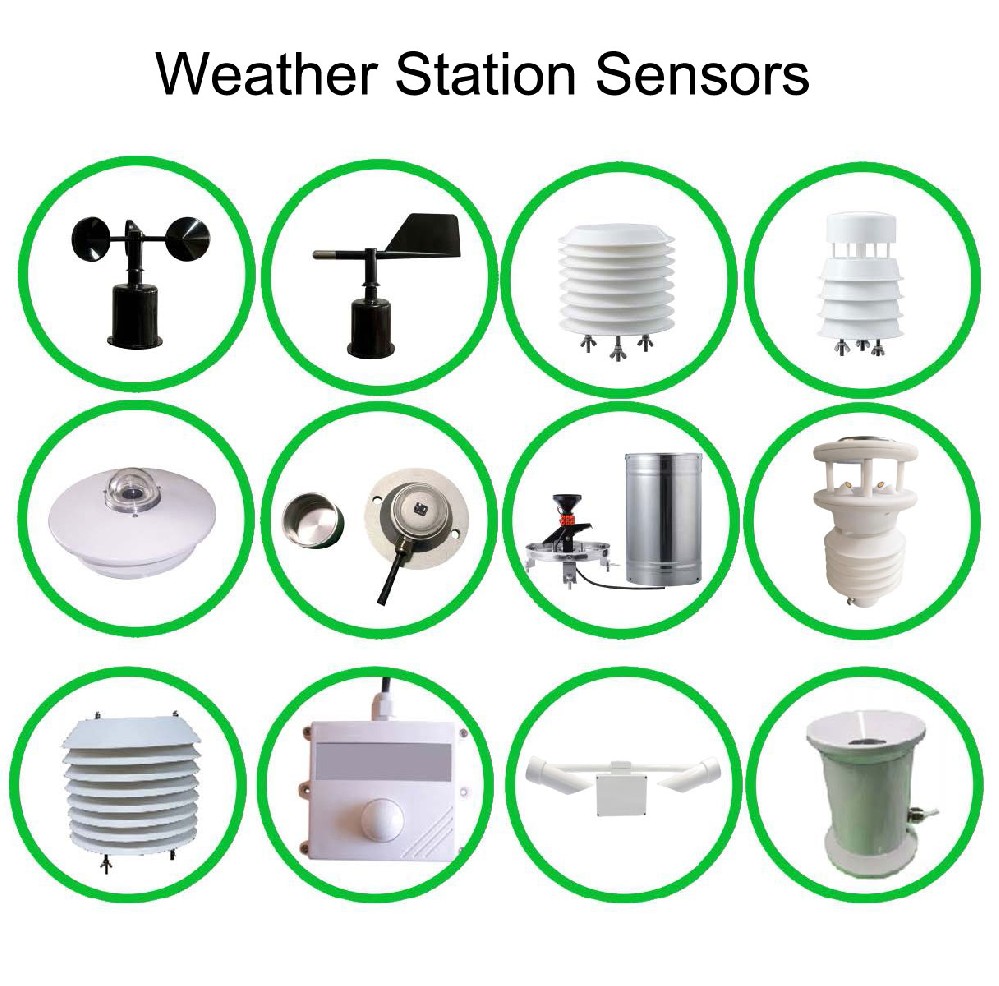
The design concept of the NiuBoL Smart Agricultural Weather Station is easy installation and simple operation, while ensuring data accuracy and observation standardization.
Installation Specifications and Methods
• Standard Site Selection: The observation field should be chosen in a representative area and ensure that meteorological element observations comply with WMO requirements for different types of agricultural weather stations (principal, general, auxiliary, special).
• Obstacle Avoidance and Adjustment: Large obstacles (such as trees and buildings) must be avoided. The pole and bracket are flexibly designed and can be adjusted according to crop height to ensure sensors are at the optimal observation height in the crop micro-environment without affecting crop growth.
• Level and Vertical Alignment: Ensure the pole is vertical and sensors such as rainfall, wind speed, and wind direction are strictly level during installation to guarantee data accuracy.
• Communication and Power Supply: When installing the solar panel, it should face sufficient sunlight and be connected to the high-capacity battery. Choose the appropriate wireless communication method (4G/5G) to ensure the system can transmit data to the cloud platform in real time.
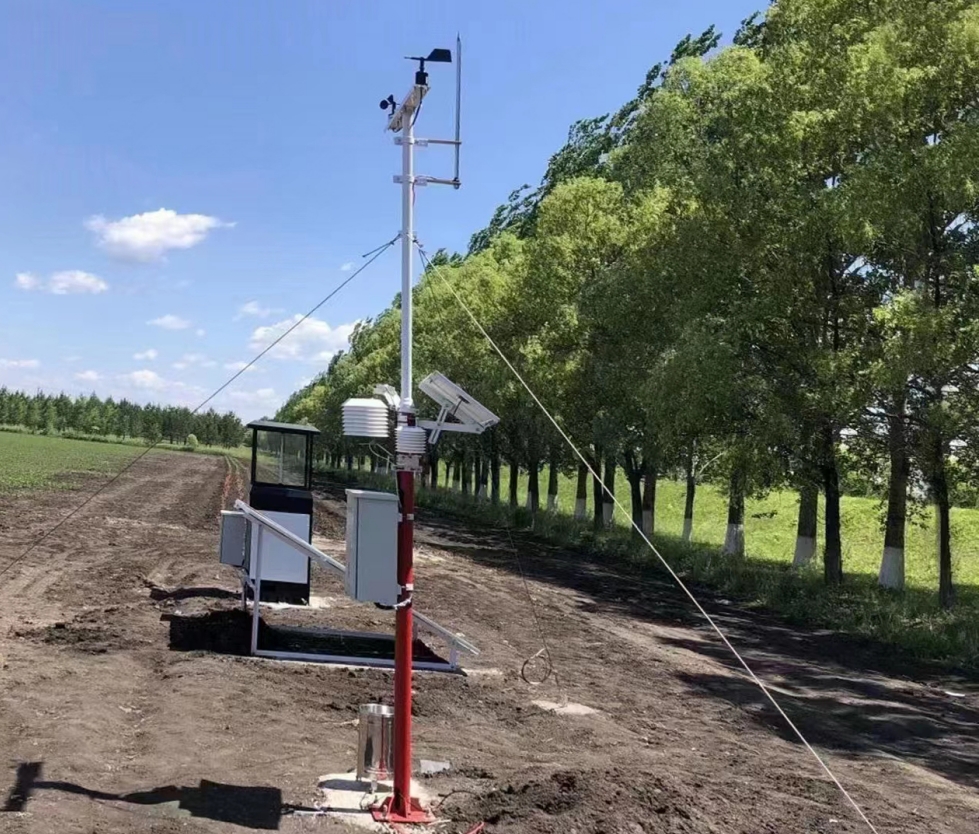
Wide Application Scenarios of NiuBoL Smart Agricultural Weather Instrument
The application of NiuBoL Smart Agricultural Weather Instrument promotes the development of ecological agriculture, smart agriculture, and green agriculture:
• Disaster Early Warning and Prevention:
Real-time understanding of weather conditions. In case of heavy rain or low-temperature frost, the weather station detects it and notifies promptly. Farmers can quickly take measures to protect crops and avoid damage caused by excessive rainfall or other severe weather.
• Intelligent Facility Agriculture:
By monitoring key indicators such as CO₂ concentration and light intensity, the system can achieve automatic environmental regulation and intelligent management, such as automatically activating ventilation, supplemental lighting, or cooling systems.
• Agricultural Biological Research:
Provides accurate meteorological data and statistical reports, supports systematic observation of agricultural organisms, and offers scientific guidance for agricultural production and research.
• Sustainable Management:
Comprehensive monitoring of air quality, irrigation water quality, environmental background values, soil conditions, etc., helps optimize agricultural production conditions and achieve long-term sustainable use of agricultural resources.
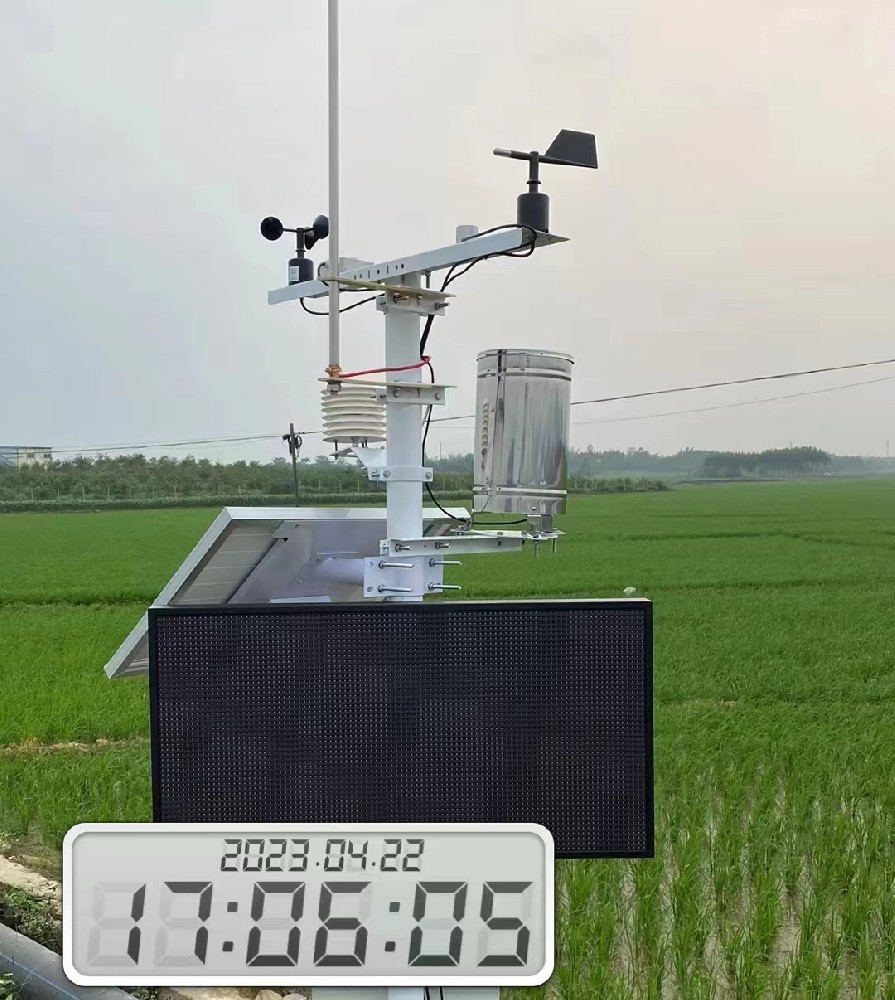
Among many smart agricultural weather station manufacturers, choosing NiuBoL means choosing a solution with high reliability, high integration, and strong endurance.
Selection Recommendations
• Determine monitoring needs: Distinguish whether a general weather station (temperature, humidity, wind, rain, light) or a special weather station (needs to add soil, CO₂, etc. sensors) is required.
• Examine communication capability: For multi-station networked centralized management, the system must support 4G/5G high-speed communication and central station software.
• Focus on endurance capability: Ensure the weather instrument is equipped with solar panels and high-capacity batteries, especially emphasizing the ability to operate continuously for more than seven days in rainy weather — NiuBoL’s design standard.
• Evaluate compatibility: Confirm whether the control unit interfaces (RS-232, RS-485) support future integration of cameras, displays, and other equipment.
NiuBoL Advantages Re-emphasized
The NiuBoL Smart Agricultural Weather Station, with its high precision, intelligent management, and flexible design, is an indispensable powerful assistant for modern agriculture. It not only makes agricultural management more efficient and convenient but also helps farmers increase crop yield and quality through providing key data.
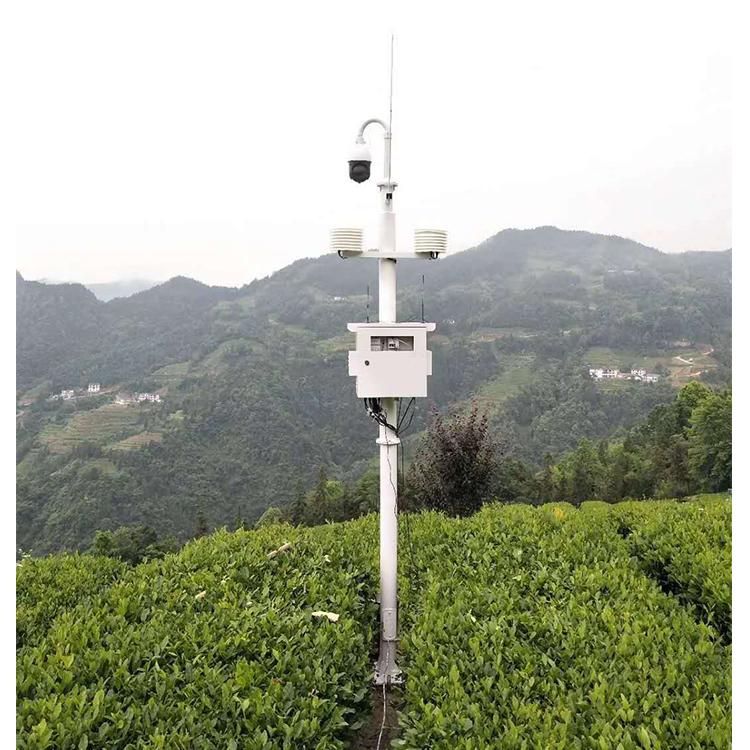
A1: Yes. The system uses 4G/5G and other wireless communication methods to transmit data to the cloud platform in real time, ensuring farmers can understand the weather conditions promptly.
A2: NiuBoL weather instrument is equipped with high-capacity dedicated solar batteries and is designed to ensure continuous operation for more than seven days in prolonged rainy weather.
A3: Users can custom-set meteorological parameter warning thresholds in the central station software or cloud platform. When the monitored data reaches or exceeds these values, the system automatically sends alerts to farmers via SMS or phone.
A4: The pole and bracket of the weather station are flexibly designed and can be adjusted according to the on-site environment and the growth height of different crops (such as greenhouse vegetables or tall corn) to achieve the best observation of the crop micro-environment.
A5: The weather instrument supports connected sensors that can monitor key indicators such as soil moisture and soil temperature and transmit them to the management platform via IoT technology.
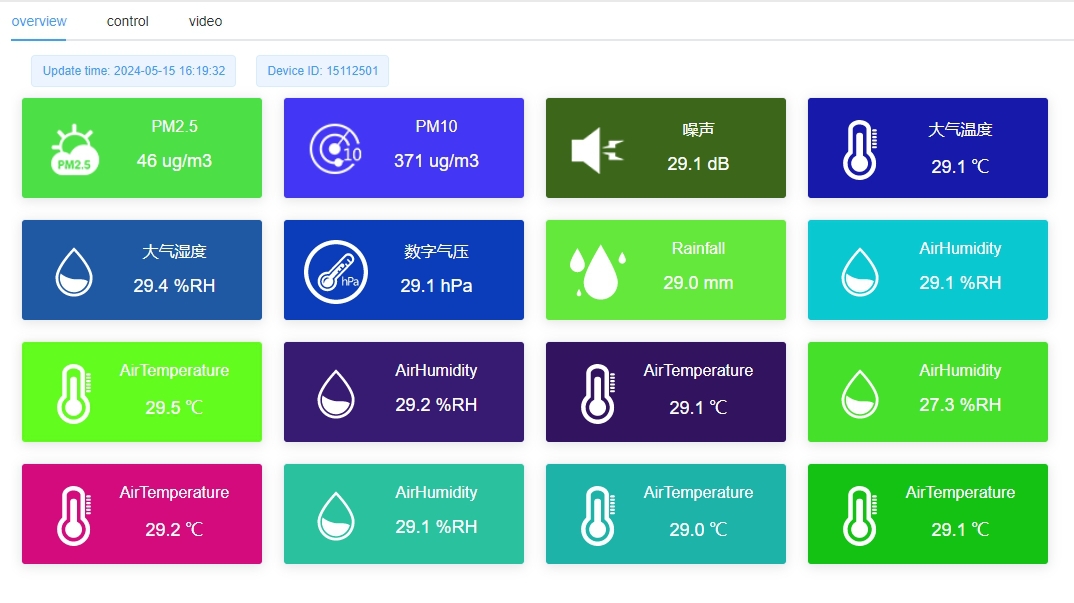
A6: Due to its fully automatic design and high reliability, the maintenance frequency is low. It is recommended to regularly (e.g., quarterly) clean the sensor surfaces and check the connection status of the solar panels.
A7: Yes. The system supports RS-485 and 4G/5G interfaces, enabling multi-station networked operation, with all data centrally managed by the central station software.
A8: It changes the previous experience-dependent planting method. Through precise monitoring and intelligent management, farmers can make scientific decisions based on actual data, improving the targeting, applicability, and timeliness of agricultural production.
A9: Yes. By connecting to a computer, the weather station can automatically collect, process, and store data, and allows users to export the data to Excel and other spreadsheet software for further analysis and chart creation.
A10: Through precise monitoring of meteorological and soil moisture conditions, the weather station guides precision irrigation and fertilization, reducing waste of water resources and chemical fertilizers, and promoting long-term sustainable use of agricultural resources.
A11: CE, ISO9001, RoHS, and nationally recognized meteorological calibration certificates.
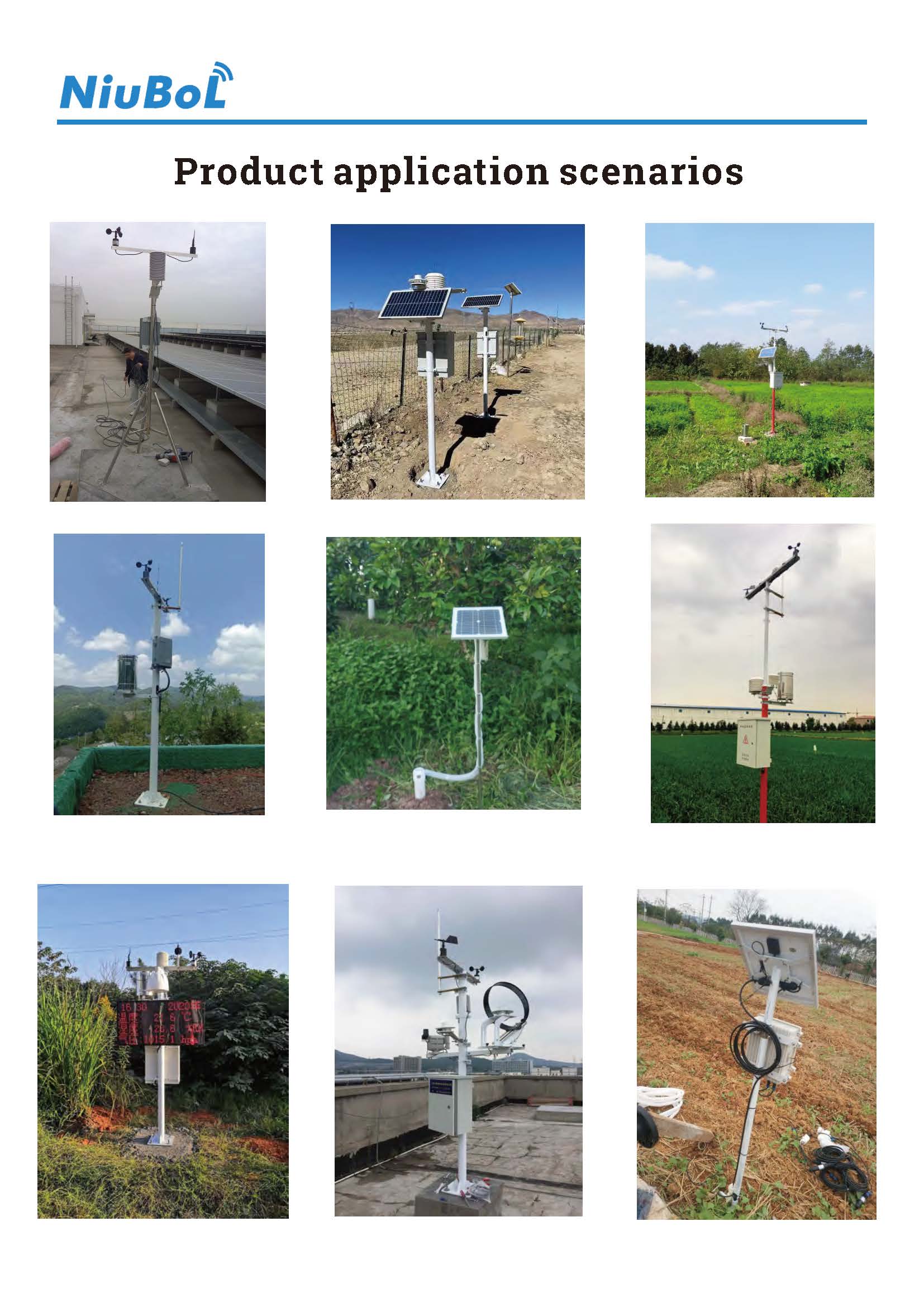
The NiuBoL Smart Agricultural Weather Station is the key support driving modern agriculture toward intelligence and high efficiency. It not only provides high-precision, multi-element meteorological monitoring data but also achieves comprehensive monitoring and timely intervention of agricultural resources through powerful IoT transmission, sufficient energy guarantee, and flexible installation design.
Choosing NiuBoL means adopting a sustainable agricultural production model, effectively enhancing agriculture’s risk resistance capability, and ultimately promoting the formation of a healthy, circular agricultural ecosystem.
Contact NiuBoL immediately to customize a WMO-compliant smart agricultural meteorological solution and achieve your sustainable agricultural development goals!
Prev:Structure, Functions, Applications & Selection Guide of Smart Agricultural Weather Stations
Next:Smart Agricultural Weather Station Monitoring Solution & Field Microclimate Observation Equipment
Related recommendations
Sensors & Weather Stations Catalog
 Agriculture Sensors and Weather Stations Catalog-NiuBoL.pdf
Weather Stations Catalog-NiuBoL.pdf
Agriculture Sensors Catalog-NiuBoL.pdf
Water Quality Sensor Catalog-NiuBoL.pdf
Related products
 Combined air temperature and relative humidity sensor
 Soil Moisture Temperature sensor for irrigation
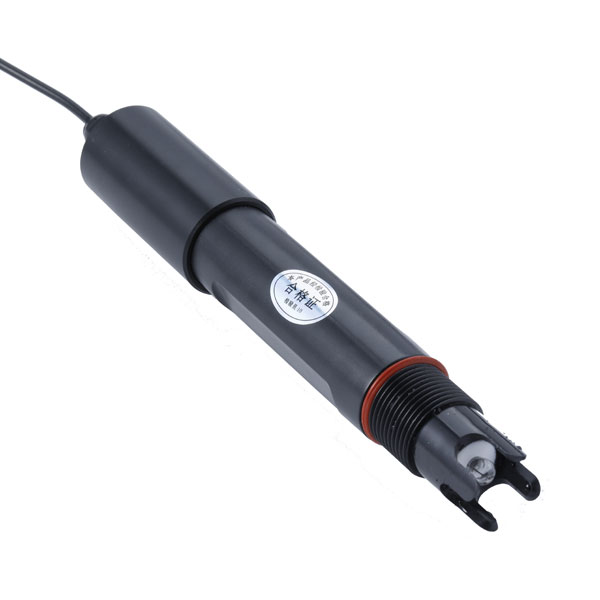 Soil pH sensor RS485 soil Testing instrument soil ph meter for agriculture
 Wind Speed sensor Output Modbus/RS485/Analog/0-5V/4-20mA
 Tipping bucket rain gauge for weather monitoring auto rainfall sensor RS485/Outdoor/stainless steel
 Pyranometer Solar Radiation Sensor 4-20mA/RS485

Screenshot, WhatsApp to identify the QR code
WhatsApp number:+8615367865107
(Click on WhatsApp to copy and add friends)

