





— Blogs —
—Products—
 Consumer hotline +8618073152920
 WhatsApp:+8615367865107
Address:Room 102, District D, Houhu Industrial Park, Yuelu District, Changsha City, Hunan Province, China
Product knowledge
Time:2026-04-20 15:05:33 Popularity:11
With increasingly stringent wastewater discharge standards, ammonia nitrogen (NH₃-N) and total nitrogen (TN) have become core indicators for wastewater treatment project assessment. Ammonia nitrogen exceedance not only affects nitrification efficiency but also triggers downstream total nitrogen non-compliance. Total nitrogen exceedance is directly related to the prevention and control of water body eutrophication. For system integrators, IoT solution providers, project contractors, and engineering companies, mastering the causes of ammonia nitrogen and total nitrogen exceedance and achieving closed-loop control through reliable online monitoring systems is the key to ensuring stable and compliant project delivery.
The NiuBoL industrial-grade water quality sensor series can provide real-time data for multiple parameters such as pH, dissolved oxygen (DO), and ammonia nitrogen, supporting the RS-485 Modbus RTU protocol for direct integration into PLC, DCS, or SCADA systems. This helps engineering teams promptly detect fluctuations, optimize process parameters, and reduce operation and maintenance risks.
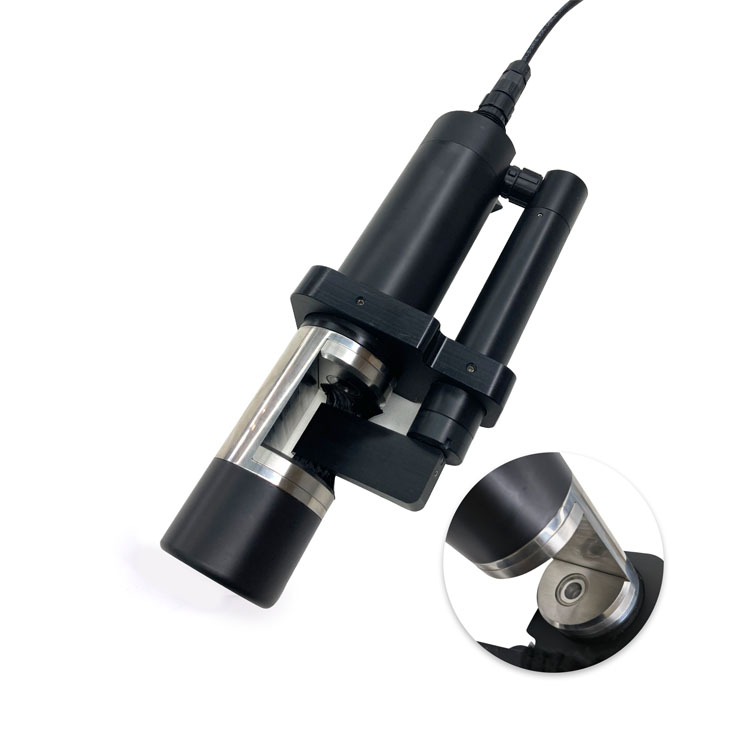
Ammonia nitrogen exceedance is essentially the obstruction of the nitrification system, where nitrifying bacteria (autotrophic bacteria, including AOB ammonia-oxidizing bacteria and NOB nitrite-oxidizing bacteria) cannot form dominant populations, resulting in ammonia nitrogen not being effectively converted into nitrate nitrogen. Common causes can be summarized as organic matter shock, abnormal reflux, pH and DO imbalance, insufficient sludge age, temperature effects, and shock loads.
When the C/N ratio in high-ammonia nitrogen wastewater is lower than 3, external carbon sources (such as methanol) are needed to maintain an appropriate range of 4–6 for denitrification. If carbon source dosing is out of control (e.g., storage tank valve failure), a large amount of methanol enters the anaerobic/anoxic tank and then the aerobic tank, triggering excessive proliferation of heterotrophic bacteria that compete for dissolved oxygen and trace elements. Nitrifying bacteria have weaker metabolic capacity and struggle to form dominant populations, leading to nitrification obstruction, elevated ammonia nitrogen, and possibly accompanied by rising COD and foam generation.
Engineering Response: Immediately stop influent, start aeration-only mode and maintain internal and external reflux; stop sludge discharge to maintain sludge concentration. If non-filamentous bulking occurs, add PAC to improve flocculation and use defoamers to control foam. Long-term prevention requires early warning of carbon source dosing through online COD and ammonia nitrogen monitoring.
Electrical failure of the internal reflux pump (trip but signal normal), mechanical failure (impeller detachment), or reverse installation can lead to insufficient nitrification liquid reflux. Nitrate nitrogen concentration in the anoxic tank decreases, and the overall environment tends toward anaerobic conditions. Organic matter only undergoes hydrolysis and acidification without sufficient metabolism, exacerbating oxygen competition when entering the aerobic tank and inhibiting nitrification.
Diagnosis and Solution: Judge by trends — nitrate nitrogen at the outlet of the oxidation tank increases, nitrate nitrogen in the anoxic tank drops to 0, and pH decreases. Prioritize repairing the internal reflux pump. If ammonia nitrogen has already risen, stop or reduce influent and perform aeration-only operation. In case of system collapse, add the same type of biochemical sludge to accelerate recovery.
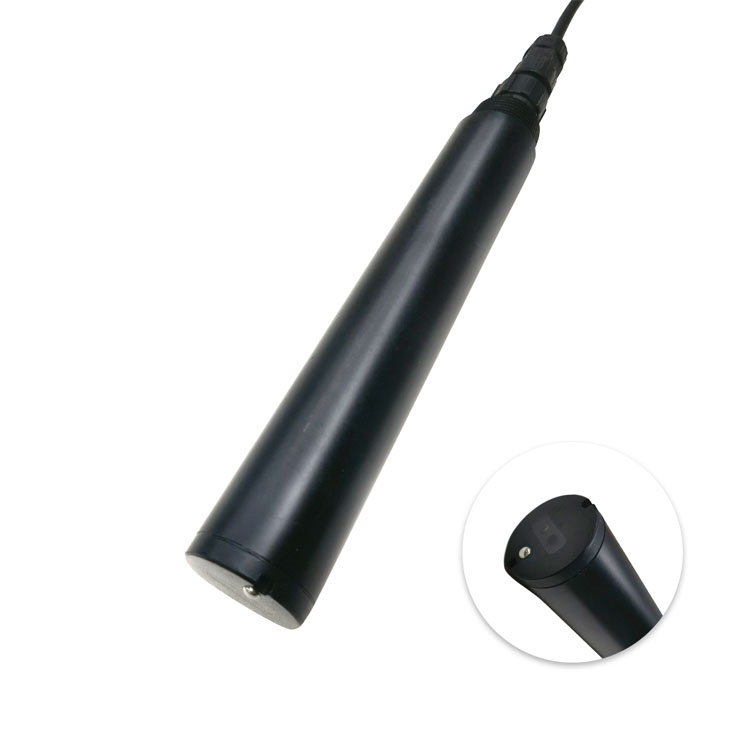
Low pH commonly occurs in three scenarios: excessive internal reflux or excessive aeration in the anoxic tank carries too much DO, destroying the anoxic environment and resulting in incomplete denitrification and insufficient alkalinity compensation; low influent C/N ratio reduces alkalinity production from denitrification; influent alkalinity itself is low.
Nitrifying bacteria have an optimal pH range of usually 7.0–8.0. Below this range, enzyme activity is inhibited. Although operators often intervene by adding alkali, continuous decline will still cause nitrification collapse.
Solution Path: Immediately add alkali to maintain stability when pH continuously decreases, while investigating the root cause. If pH has dropped to 5.8–6.0 and nitrification has not completely collapsed, first supplement alkalinity, then combine with aeration-only or sludge supplementation to restore the system.
In high-hardness wastewater, microporous aerators are prone to scaling and blockage, preventing DO from maintaining the level required for nitrification (aerobic tank DO is generally controlled at 2–4 mg/L). Aeration simultaneously undertakes oxygenation and stirring functions; blockage affects both.
Engineering Measures: Regularly inspect and replace aeration heads. In high-hardness cases, switch to macroporous aerators or jet aerators (note that jet requires monitoring tank effluent as power). Online DO monitors can provide real-time feedback on aeration efficiency to guide fan adjustment.
Excessive sludge discharge or unbalanced sludge return leads to shortened sludge retention time (SRT). Nitrifying bacteria have a long generation time, requiring SRT to be 3–4 times longer (usually 11–23 days); otherwise, dominant populations cannot accumulate.
Response: Reduce influent or perform aeration-only; add the same type of sludge; in case of unbalanced return, transfer part of the sludge to the problematic series while ensuring normal series operation.
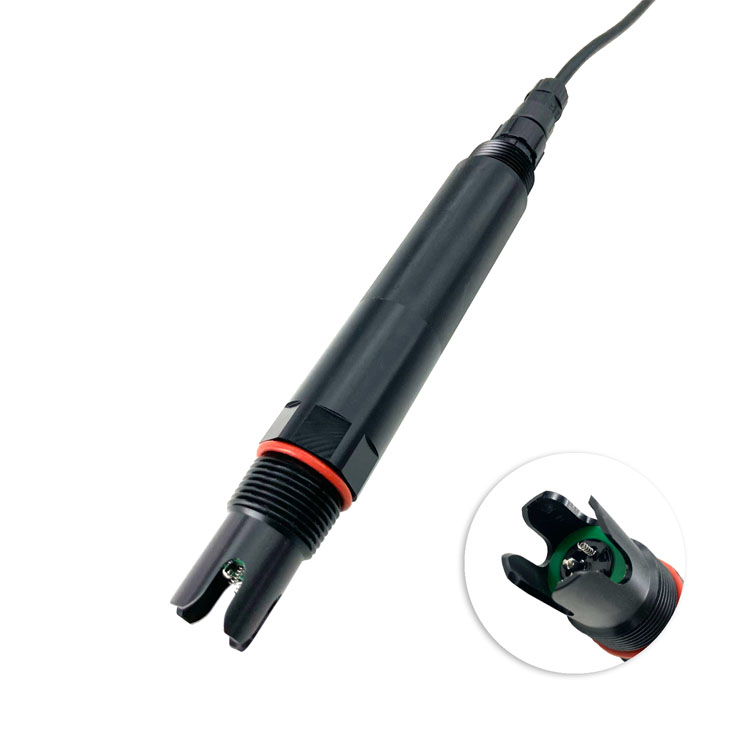
Industrial wastewater or abnormal temperature control in stripping towers causes sudden increase in influent ammonia nitrogen, resulting in excessively high free ammonia (FA) concentration (10–150 mg/L inhibits AOB, 0.1–60 mg/L is more sensitive to NOB), directly inhibiting the nitrification chain.
Rapid Recovery: While maintaining pH stability, simultaneously reduce system ammonia nitrogen concentration, add biochemical sludge, and perform aeration-only for better results. Pay attention to the possible odor from free ammonia volatilization during aeration.
In northern regions or wastewater treatment plants without insulation, when winter water temperature drops below 15°C, nitrification rate decreases significantly; below 5°C, nitrifying bacteria nearly enter dormancy. Domestic sewage is more affected by ambient temperature.
Prevention and Solution: Consider buried tank bodies in the design stage; increase MLSS concentration in advance; use homogeneous equalization tanks to heat influent (electric heating or steam heat exchange, requiring precise temperature control); small systems can consider preheating aeration air.
Simple aeration tanks, contact oxidation, or SBR processes struggle to balance economy and denitrification efficiency when HRT and SRT are insufficient.
Optimization Direction: Extend HRT/SRT or upgrade to MBR; add a denitrification tank in the front section to form a complete A2O or similar process.
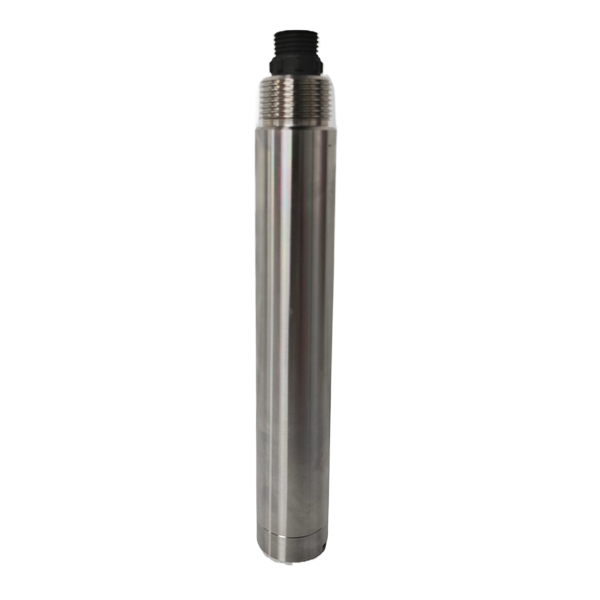
Total nitrogen exceedance is often an extension of ammonia nitrogen exceedance or incomplete denitrification. Core links include insufficient nitrate nitrogen generation from nitrification, lack of carbon source for denitrification, or destruction of anoxic environment.
Refer to the causes in the ammonia nitrogen section; nitrification obstruction inevitably affects subsequent denitrification.
Theoretical denitrification requires C/N ≈ 2.86; in actual operation, it is recommended to control it at 4–6. When influent BOD5/TKN is low, denitrification cannot proceed fully.
Solution: Precisely add carbon sources (such as methanol, sodium acetate, or composite carbon sources) according to C/N ratio 4–6. Online COD and total nitrogen monitoring can guide dosing to avoid excess or insufficiency.
Taking the A2O process as an example, denitrification efficiency is positively correlated with the internal reflux ratio r. Damage to the reflux pump or undersized selection leads to insufficient nitrate nitrogen reflux and low denitrification efficiency.
Engineering Adjustment: Increase the internal reflux ratio to 200%–400% while monitoring nitrate nitrogen trends.
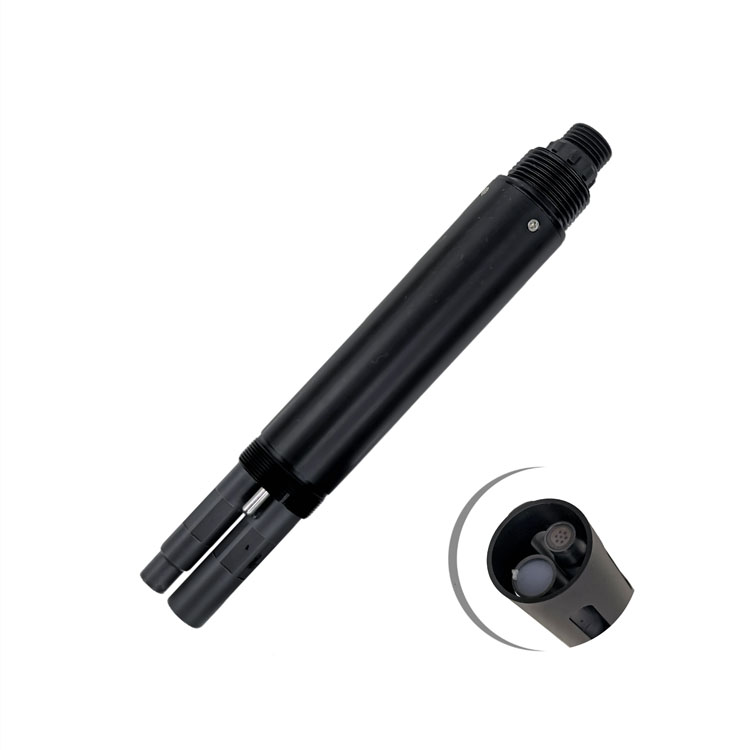
When DO > 0.5 mg/L in the denitrification tank, facultative heterotrophic bacteria preferentially use oxygen, and nitrate nitrogen cannot be reduced. Common causes include excessive internal reflux carrying DO and influent drop oxygenation.
Treatment Measures: Reduce internal reflux ratio or turn off aeration at the internal reflux point; lower influent height difference to reduce oxygenation. If necessary, add fillers in the denitrification tank to increase microbial attachment.
Certain industrial wastewater contains N-heterocyclic organic compounds that are difficult to break rings through conventional biochemical processes, leading to residual organic nitrogen.
Pretreatment Solution: Add a hydrolysis-acidification tank; for stubborn organic nitrogen, use advanced oxidation pretreatment.
Traditional manual sampling struggles to capture instantaneous fluctuations, while online monitoring systems can provide real-time multi-parameter data such as pH, DO, ammonia nitrogen, nitrate nitrogen, and total nitrogen, supporting trend analysis and automatic alarms. Seamless integration into existing control systems via the Modbus RTU protocol enables closed-loop optimization of parameters such as dosing, aeration, and reflux.
The NiuBoL water quality sensor series features IP68 protection, automatic temperature compensation, and high anti-interference capability. It is suitable for submersible or pipeline installation and helps engineering projects build stable and reliable denitrification monitoring platforms, reducing reagent waste and shortening system recovery time.
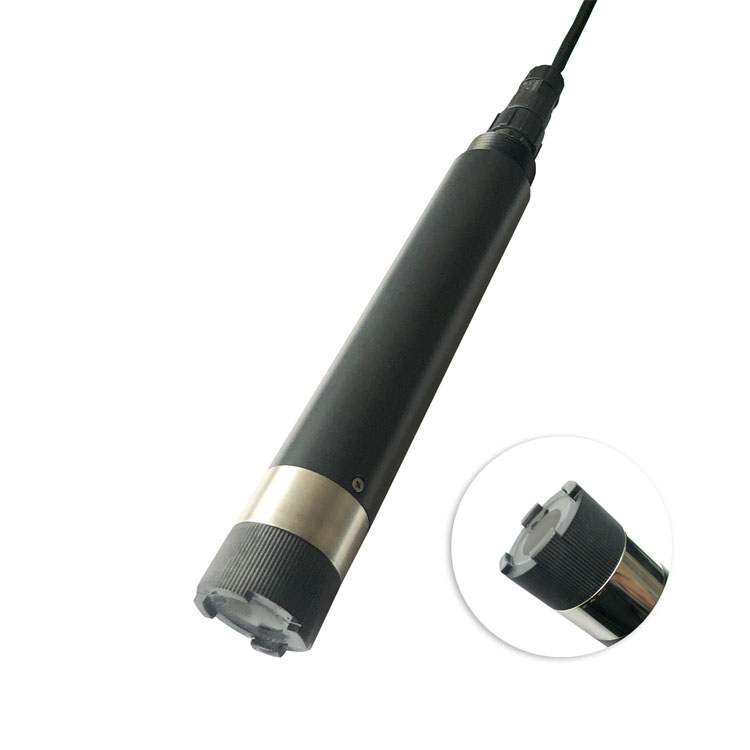
A: Organic matter shock and abnormal internal reflux are the most common causes, often accompanied by DO or pH fluctuations. Online multi-parameter monitoring can quickly locate the issue.
A: Not necessarily. Ammonia nitrogen compliance but incomplete denitrification (insufficient carbon source or destruction of anoxic environment) can also lead to total nitrogen exceedance.
A: Observe the trend of decreasing nitrate nitrogen in the anoxic tank, increasing nitrate nitrogen in the oxidation tank, and decreasing pH, combined with pump operation signals and actual flow verification.
A: Increase sludge concentration in advance, consider tank body insulation or influent heating, and intervene early through online temperature and ammonia nitrogen monitoring.
A: Target C/N ratio 4–6 and dynamically adjust based on online COD and total nitrogen data to avoid excess or insufficiency causing secondary problems.
A: It can be used as an emergency measure, but the root cause (such as DO carryover from internal reflux or insufficient influent alkalinity) must be investigated simultaneously to avoid masking the problem.
A: Low DO directly inhibits nitrification and also affects stirring uniformity. It is recommended to combine online DO monitoring for regular maintenance or aeration system modification.
A: Through RS-485 Modbus RTU output, it supports direct access to PLC/DCS for data collection, trend analysis, and automatic control, reducing integration complexity.

Ammonia nitrogen and total nitrogen exceedance are common process challenges in wastewater treatment projects. Their causes involve multiple dimensions such as water quality shock, equipment operation, environmental parameters, and process design. By deeply analyzing specific working conditions and combining reliable online water quality monitoring means, system integrators and engineering companies can achieve early warning, precise intervention, and process optimization, effectively ensuring compliant discharge and improving overall project stability.
The NiuBoL industrial sensor series focuses on providing high-reliability monitoring hardware for parameters such as pH, DO, and ammonia nitrogen, supporting standard industrial protocol integration and providing a data foundation for denitrification system control. For sensor selection, system integration solutions, or technical support tailored to specific processes, please contact the NiuBoL engineering team. We will provide professional solutions according to the actual project requirements.
 NBL-RDO-206 Online Fluorescence Dissolved Oxygen Sensor.pdf
NBL-COD-208 Online COD Water Quality Sensor.pdf
NBL-CL-206 Water Quality Sensor Online Residual Chlorine Sensor.pdf
Related recommendations
Sensors & Weather Stations Catalog
Agriculture Sensors and Weather Stations Catalog-NiuBoL.pdf
Weather Stations Catalog-NiuBoL.pdf
Agriculture Sensors Catalog-NiuBoL.pdf
Water Quality Sensor Catalog-NiuBoL.pdf
Related products
 Combined air temperature and relative humidity sensor
 Soil Moisture Temperature sensor for irrigation
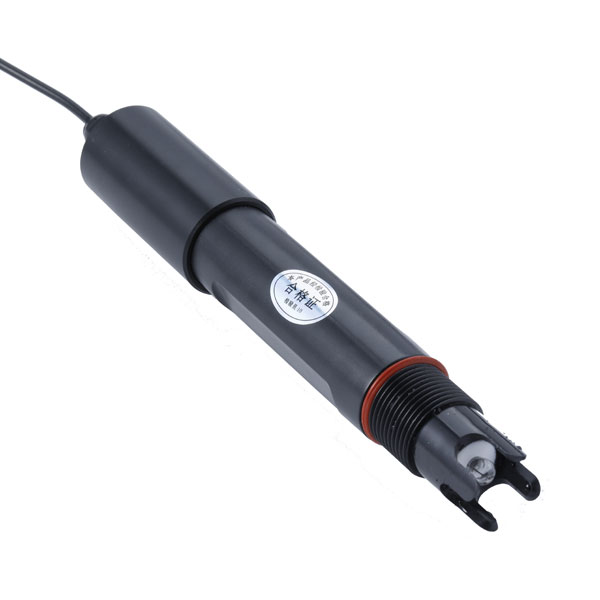 Soil pH sensor RS485 soil Testing instrument soil ph meter for agriculture
 Wind Speed sensor Output Modbus/RS485/Analog/0-5V/4-20mA
 Tipping bucket rain gauge for weather monitoring auto rainfall sensor RS485/Outdoor/stainless steel
 Pyranometer Solar Radiation Sensor 4-20mA/RS485

Screenshot, WhatsApp to identify the QR code
WhatsApp number:+8615367865107
(Click on WhatsApp to copy and add friends)

