





— Blogs —
—Products—
 Consumer hotline +8618073152920
 WhatsApp:+8615367865107
Address:Room 102, District D, Houhu Industrial Park, Yuelu District, Changsha City, Hunan Province, China
Product knowledge
Time:2026-04-20 15:31:53 Popularity:11
Biochemical Oxygen Demand (BOD) is a core indicator for measuring the degree of organic pollution in water bodies. It reflects the amount of dissolved oxygen consumed by microorganisms decomposing organic matter in water under aerobic conditions. For system integrators, environmental engineering contractors, and water quality testing institutions, mastering accurate BOD detection methods is not only a requirement for compliant discharge but also an important means to evaluate the operating efficiency of wastewater treatment processes.
The currently recognized standard method in the industry is the “5-day incubation method (BOD5)”. This article will break down the traditional chemical titration “three-step” process in detail and discuss how to achieve the leap from cumbersome experiments to automated monitoring through NiuBoL intelligent instruments.
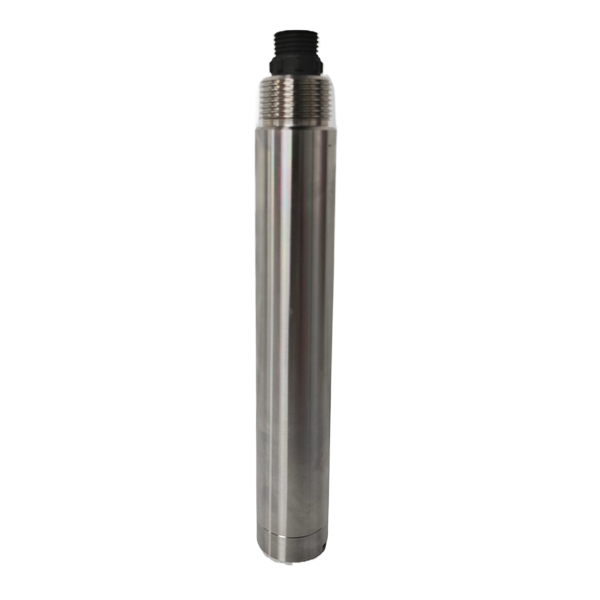
In a laboratory environment, BOD determination usually uses the iodometric method for comparative measurement of dissolved oxygen. The core lies in controlling variables to ensure that the microbial degradation process is not disturbed.
The accuracy of the experiment begins at the sampling stage. Dissolved oxygen and pH value in the water sample directly affect microbial activity.
Sampling and Rinsing: Use a 500 mL sampling bottle. Before formal sampling, rinse the bottle body twice with the water sample to be tested. When pouring the water sample, it should flow slowly along the wall of the beaker. It is strictly forbidden to generate bubbles to prevent oxygen from the air from dissolving into the water sample, which would cause the initial DO (dissolved oxygen) value to be too high.
pH Adjustment: Microorganisms are most active at a specific pH. Use a high-precision pH meter to monitor and precisely adjust the water sample pH to the neutral range of 6.5–7.5.
Siphon Dispensing: To minimize oxygen exchange as much as possible, the siphon method must be used for dispensing. Dispense the water sample into 250 mL and 100 mL iodine flasks respectively.
250 mL bottle: Used for measurement after five days. Fill to overflow and form a water seal, tighten the stopper, wrap with plastic wrap, and place in a 20°C constant temperature incubator in the dark for cultivation.
100 mL bottle: Used for initial dissolved oxygen measurement on the same day (day 0).
Measure the sample dispensed in the 100 mL iodine flask. This is the benchmark data for calculating BOD5.
Fixation and Precipitation: Add 0.5 mL manganese sulfate solution and 1.0 mL alkaline potassium iodide solution sequentially below the liquid surface. Invert and mix 15 times, then let stand until the brown flocculent precipitate settles to half the height of the bottle.
Acidification and Dissolution: Add 1.0 mL concentrated sulfuric acid and shake well to completely dissolve the precipitate. The solution is now yellow and must be placed in the dark for 5 minutes to complete the chemical reaction.
Titration Calculation: Pipette 50 mL of the solution and titrate with 0.025 mol/L sodium thiosulfate standard solution.
Endpoint Judgment: After titration to pale yellow, add starch indicator. Continue titration until the blue color just disappears and record the volume of sodium thiosulfate consumed as V1.
After 120 hours of constant temperature incubation, microorganisms have consumed part of the dissolved oxygen. At this time, the same titration analysis must be performed on the 250 mL culture bottle.
Repeat Operation: The steps are similar to Step 2, but due to the increased bottle capacity, chemical reagents need to be adjusted proportionally (1.0 mL manganese sulfate and 2.0 mL alkaline potassium iodide).
Record Endpoint: Record the volume of sodium thiosulfate consumed after five days as V2.
Result Calculation: Based on the difference between V1 and V2, combined with the dilution factor, calculate the final BOD5 concentration.
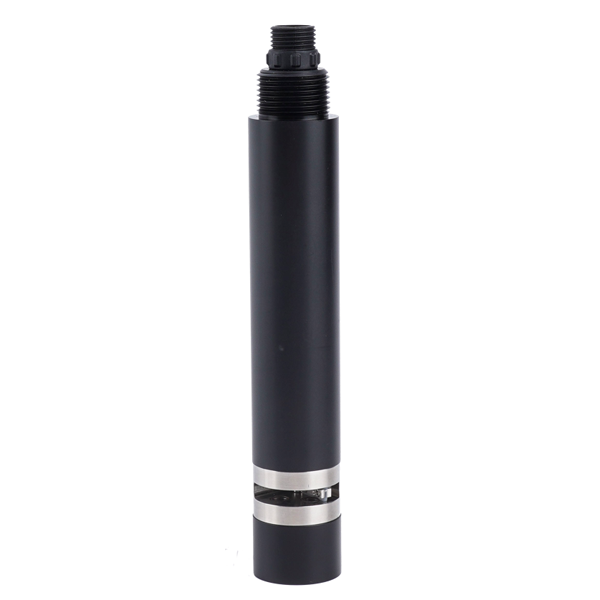
For engineering projects that need to be integrated into automated water treatment systems, NiuBoL provides multi-dimensional data support:
| Device Name | Measurement Parameter | Accuracy/Resolution | Typical Application |
|---|---|---|---|
| NiuBoL BOD Analyzer | BOD5/BOD7 | ±5% | Laboratory rapid detection |
| NiuBoL DO Sensor | Dissolved Oxygen / Temperature | ±0.1 mg/L | Real-time monitoring of aeration tanks |
| NiuBoL COD Monitor | Chemical Oxygen Demand | ±10% F.S. | Effluent quality early warning |
| NiuBoL Intelligent pH Meter | pH Value | ±0.01 pH | Influent pretreatment regulation |
A: Bubbles will increase the dissolved oxygen content in the water, causing the initial dissolved oxygen measurement to be too high. If the initial value is inaccurate, the final calculated BOD consumption will have a huge error and cannot reflect the true organic pollution level.
A: Nitrifying bacteria and aerobic bacteria are very sensitive to pH. Too high or too low pH will inhibit microbial respiration, resulting in measured BOD values far lower than actual values.
A: Yes. Sodium thiosulfate is unstable, and its concentration will change slightly after long storage. To ensure titration accuracy, its effective concentration should be re-standardized before the experiment.
A: Microbial metabolic rate increases with rising temperature. 20°C is the standard constant temperature environment to ensure that test results from different regions around the world are comparable.
A: Water seal is to prevent external air from entering the bottle to replenish dissolved oxygen. Wrapping with plastic wrap prevents evaporation of the sealing water, ensuring that the bottle mouth remains sealed throughout the five-day cultivation period.
A: Dilution must be performed. Use aerated and oxygenated dilution water to dilute the water sample in proportion to ensure that the remaining dissolved oxygen after five days is still greater than 2 mg/L.
A: Yes. NiuBoL sensors are all equipped with standard RS485 Modbus RTU protocols and can be seamlessly connected to PLC, SCADA systems, or the NiuBoL cloud platform to achieve remote data monitoring and early warning.
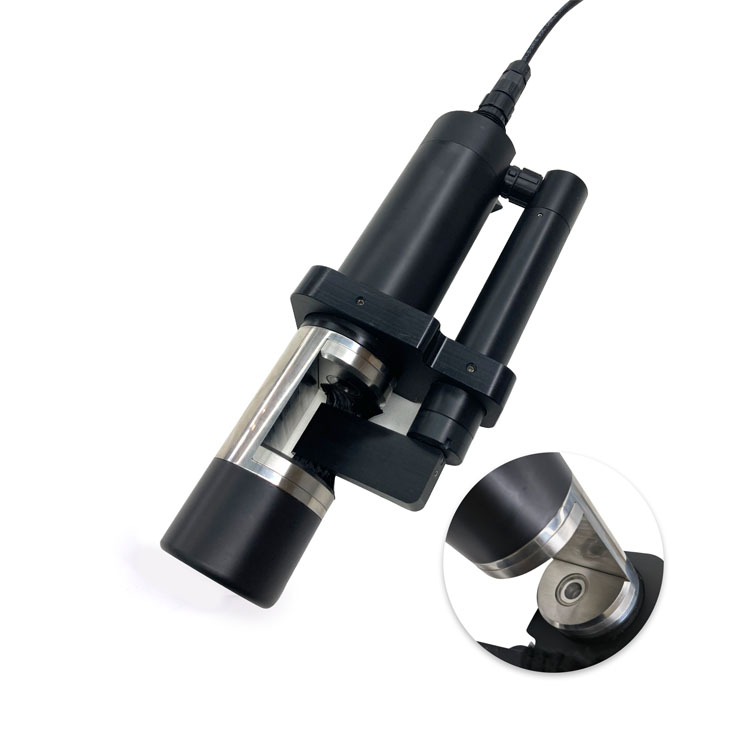
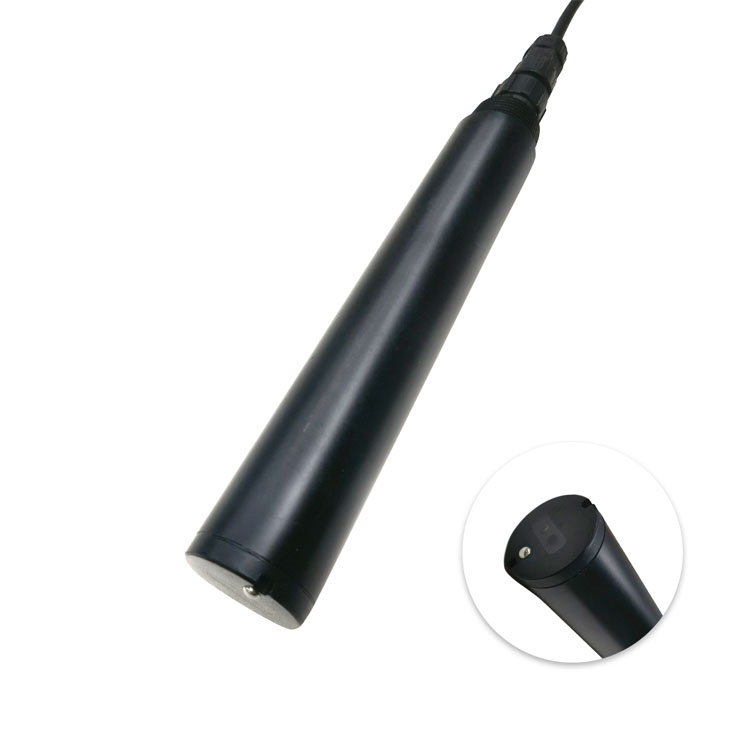
BOD5 detection is the “physical examination report” in wastewater treatment. Whether following the rigorous chemical titration “three-step” process or adopting NiuBoL’s intelligent mercury-free pressure difference sensing technology, the core goal is to obtain the most authentic biodegradation data.
For system integrators pursuing high efficiency and digitization, introducing automated determination equipment can not only reduce human error but also optimize aeration control through continuous data curves and reduce energy consumption. NiuBoL will continue to provide stable and reliable perception-layer hardware for the environmental protection industry to help comprehensively improve water environment quality.
 NBL-BOD-406-S Online BOD Sensor.pdf
Related recommendations
Sensors & Weather Stations Catalog
Agriculture Sensors and Weather Stations Catalog-NiuBoL.pdf
Weather Stations Catalog-NiuBoL.pdf
Agriculture Sensors Catalog-NiuBoL.pdf
Water Quality Sensor Catalog-NiuBoL.pdf
Related products
 Combined air temperature and relative humidity sensor
 Soil Moisture Temperature sensor for irrigation
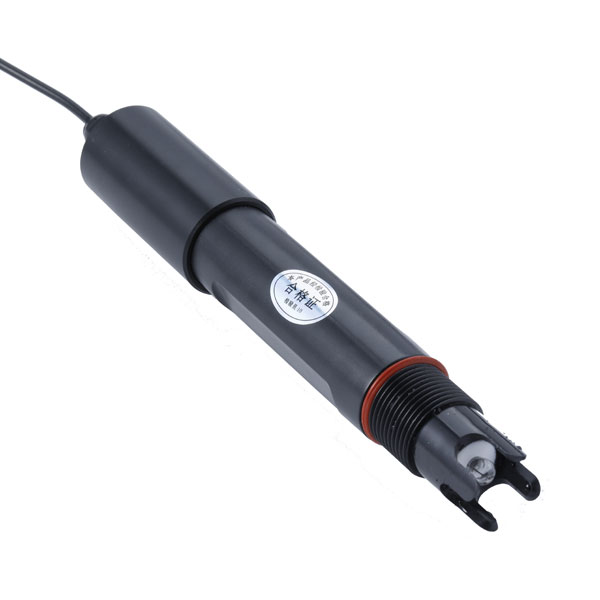 Soil pH sensor RS485 soil Testing instrument soil ph meter for agriculture
 Wind Speed sensor Output Modbus/RS485/Analog/0-5V/4-20mA
 Tipping bucket rain gauge for weather monitoring auto rainfall sensor RS485/Outdoor/stainless steel
 Pyranometer Solar Radiation Sensor 4-20mA/RS485

Screenshot, WhatsApp to identify the QR code
WhatsApp number:+8615367865107
(Click on WhatsApp to copy and add friends)

