





— Blogs —
—Products—
 Consumer hotline +8618073152920
 WhatsApp:+8615367865107
Address:Room 102, District D, Houhu Industrial Park, Yuelu District, Changsha City, Hunan Province, China
Product knowledge
Time:2026-04-20 15:17:18 Popularity:12
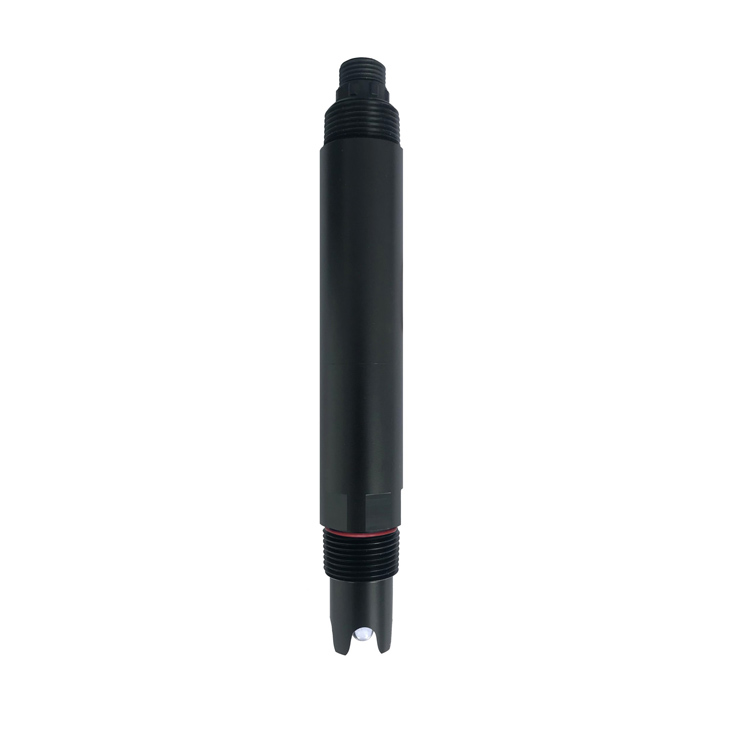
In the fields of industrial automation, water treatment engineering, and process control, pH value, as the core indicator of acidity and alkalinity in aqueous solutions, directly affects chemical reaction efficiency, equipment life, product quality, and environmental compliance. NiuBoL NBL-PHG-206 water quality pH sensor is developed specifically for system integrators, IoT solution providers, project contractors, and engineering companies. It provides reliable online continuous monitoring capability and supports standard industrial communication protocols for seamless integration with SCADA, PLC, and DCS systems.
The sensor focuses on engineering reliability and system compatibility, helping integration projects reduce maintenance costs and improve process stability to meet the stringent requirements of power, chemical, environmental protection, and other industries.
pH value is one of the most important physicochemical parameters of aqueous solutions. Almost all natural phenomena, chemical changes, and production processes involving aqueous solutions are closely related to pH value. In the fields of industry, agriculture, medicine, environmental protection, and scientific research, accurate pH measurement has become the foundation of process control and quality assurance.
The mathematical definition of pH is the negative common logarithm of hydrogen ion activity:
pH = -lg a(H⁺)
or approximately expressed as pH = -log₁₀[H⁺] (where [H⁺] is in mol/L).
This concept was proposed by Danish biochemist Sørensen in 1909 to convert extremely small hydrogen ion concentrations into numerically convenient values for engineering applications. For example, in pure water at 25°C, [H⁺] = 10⁻⁷ mol/L, yielding pH = 7, defined as neutral.
From a microscopic perspective, water molecules are constantly in ionization equilibrium:
H₂O ⇌ H⁺ + OH⁻ (or more precisely 2H₂O ⇌ H₃O⁺ + OH⁻)
The ion product constant K_w of water is 10⁻¹⁴ at 25°C, i.e.:
[H⁺] × [OH⁻] = 10⁻¹⁴ mol²/L²
This leads to three basic judgments:
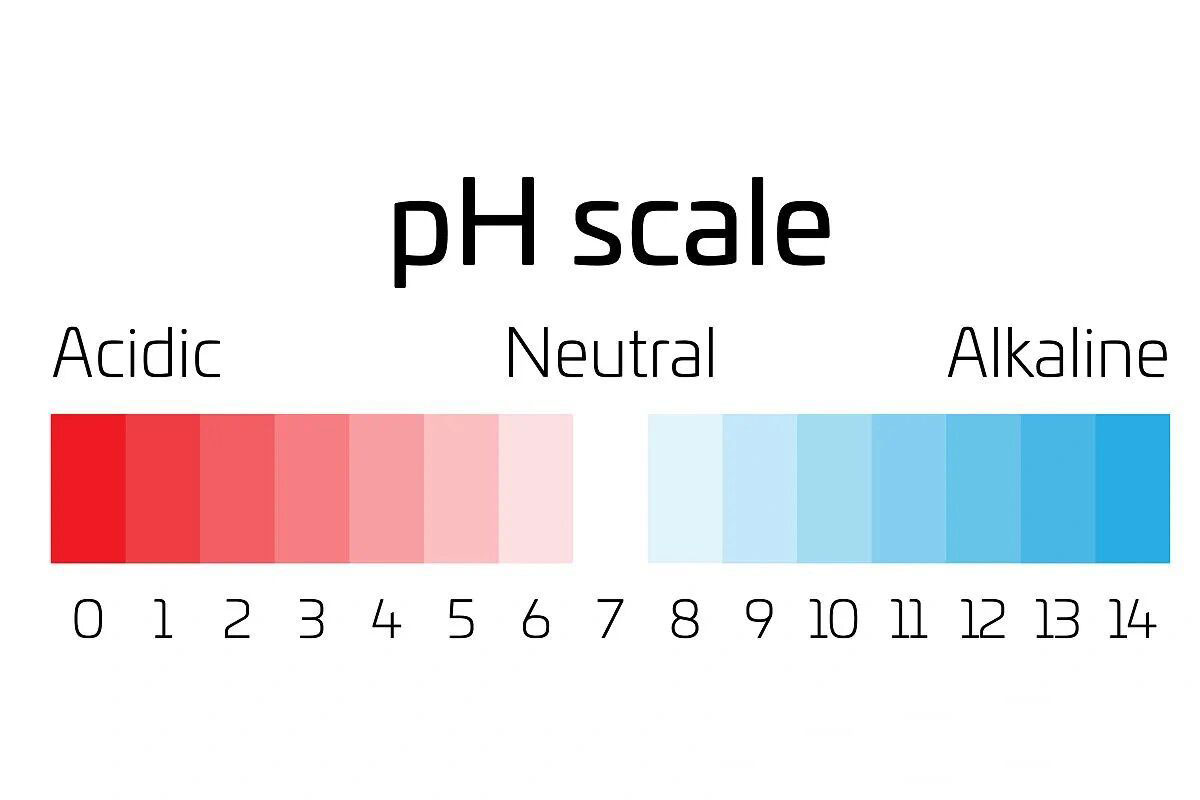
Neutral solution: pH = 7, [H⁺] = [OH⁻] = 10⁻⁷ mol/L
Acidic solution: pH < 7, [H⁺] > [OH⁻]; the smaller the pH, the stronger the acidity
Alkaline solution: pH > 7, [H⁺] < [OH⁻]; the larger the pH, the stronger the alkalinity
In actual industrial media, temperature, ionic strength, and coexisting substances affect hydrogen ion activity. Therefore, online measurement requires automatic temperature compensation (ATC) to ensure data accuracy. The logarithmic nature of pH results in non-linear changes: the amount of neutralizer required to adjust from pH 2 to pH 3 is far greater than from pH 6 to pH 7. This requires systems with high resolution and fast response monitoring capabilities to achieve precise closed-loop control.
In industrial processes, pH value directly affects multiple key indicators:
Coagulation and flocculation efficiency: The optimal pH range is usually 6.5–8.5; exceeding this range significantly reduces the effectiveness of coagulants such as PAC or aluminum sulfate.
Disinfection process: In hypochlorous acid disinfection, high pH reduces the proportion of effective HOCl, affecting sterilization performance.
Equipment corrosion protection: Low pH in boiler feedwater easily causes acidic corrosion; high pH may lead to alkaline embrittlement or scaling. The recommended pH range for boiler water is generally 8.5–11.0, depending on boiler pressure and treatment method.
Discharge compliance: Most environmental standards require effluent pH between 6 and 9; real-time monitoring can avoid exceedance risks.
Continuous online pH monitoring is far superior to intermittent sampling. It can promptly capture fluctuations and link with dosing systems to optimize reagent dosage and reduce manual intervention.
In industrial production, minor deviations in pH value can lead to changes in reaction rates, product quality fluctuations, or equipment damage. In wastewater treatment engineering, pH control affects pollutant neutralization, microbial activity, and final effluent quality. In the power industry, pH monitoring of boiler make-up water and condensate directly relates to unit safety and energy efficiency. In chemical process control, precise pH adjustment determines reaction selectivity and yield.
The NBL-PHG-206 sensor outputs data in the 0–14.00 pH range in real time through the glass electrode method, with a response time of less than 30 seconds and accuracy of ±0.1 pH. Combined with Pt1000 automatic temperature compensation, it meets the requirements for stable measurement under complex working conditions. After integrating this sensor, engineering teams can build closed-loop automatic regulation systems, significantly improving overall project efficiency and reliability.
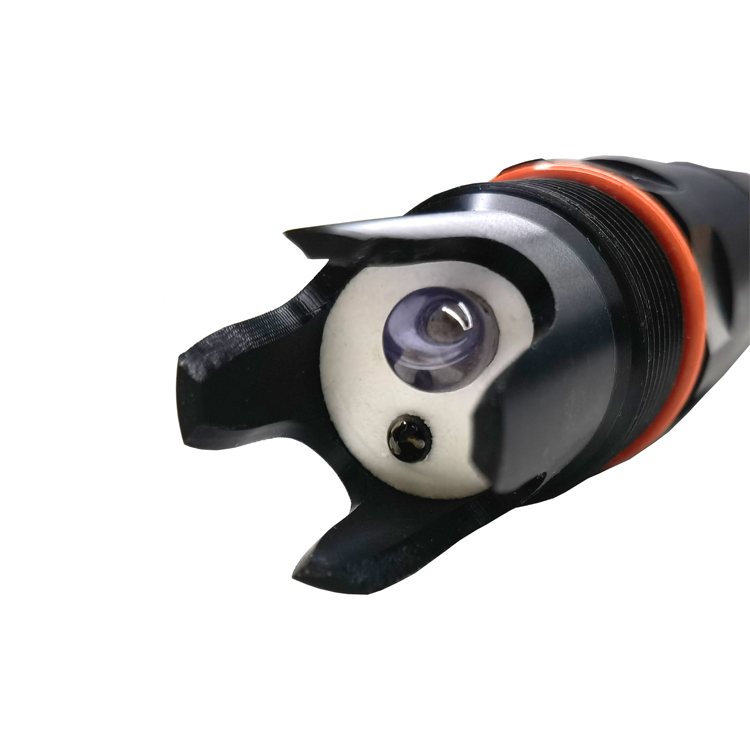
NBL-PHG-206 is designed for industrial field applications and possesses multiple engineering-grade features:
Dual high-impedance differential amplifier with strong anti-electromagnetic interference capability and fast response speed.
Patented pH electrode: The internal reference solution slowly seeps out through a microporous salt bridge under pressure ≥100 kPa, with positive seepage lasting more than 20 months, significantly extending electrode life compared to ordinary industrial electrodes.
IP68 protection rating, supporting long-term submersible installation.
Automatic temperature compensation (Pt1000) to eliminate the influence of temperature fluctuations.
Standard RS-485 Modbus RTU output, directly compatible with mainstream industrial controllers without additional conversion modules.
These features make the sensor perform excellently in system integration, especially suitable for projects requiring long-term stable operation.
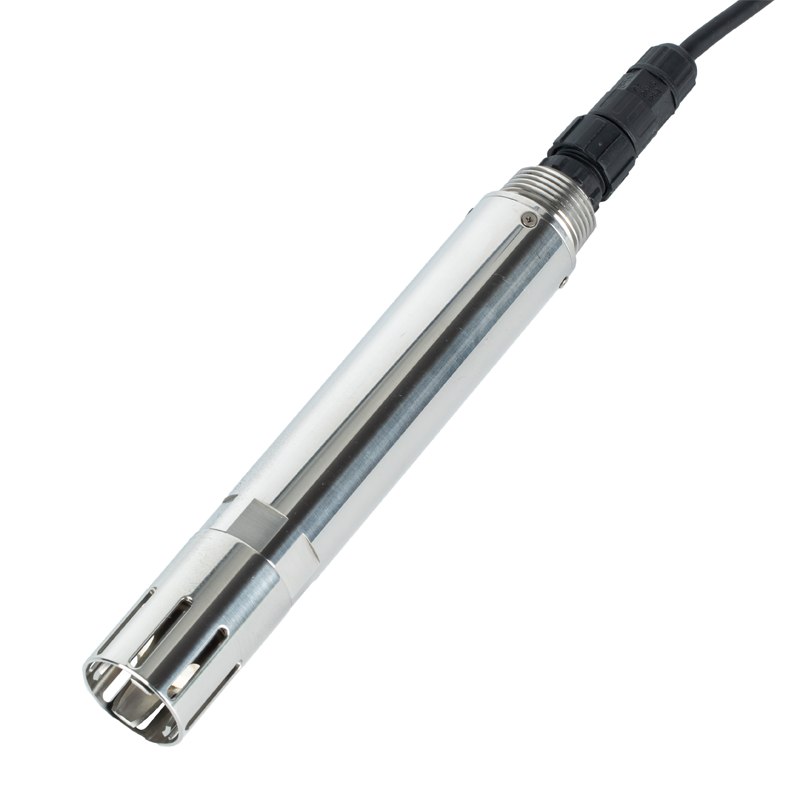
The following are the detailed technical parameters of the NBL-PHG-206 water quality pH sensor:
| Item | Value |
|---|---|
| Model | NBL-PHG-206 |
| Housing Material | ABS/PC Alloy |
| Measurement Principle | Glass Electrode Method |
| Range & Resolution | 0~14.00 pH, 0.01 |
| Accuracy | ±0.1 pH, ±0.3℃ |
| Response Time (T90) | <30 s |
| Minimum Detection Limit | 0.1 |
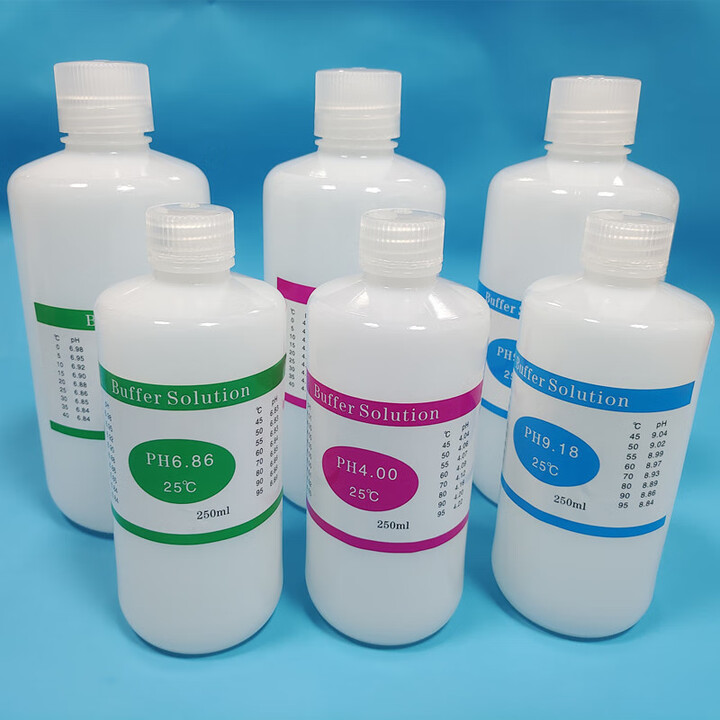
| Calibration Method | Two-point Calibration |
| Temperature Compensation | Automatic Temperature Compensation (Pt1000) |
| Output Method | RS-485 (Modbus RTU) |
| Storage Temperature | -5~65℃ |
| Operating Conditions | 0~50℃, ≤0.2 MPa |
| Installation Method | Submersible Installation, 3/4 NPT |
| Power Consumption | 0.2 W @ 12 V |
| Power Supply | 12~24 V DC |
| Protection Rating | IP68 |
| Cable Length | 5 meters (customizable) |
| Connector | M16-5 Pin Waterproof Male Connector |
Note: The sensor is suitable for most industrial water treatment and process monitoring scenarios and supports low-conductivity media measurement when paired with pure water/ultrapure water electrodes.
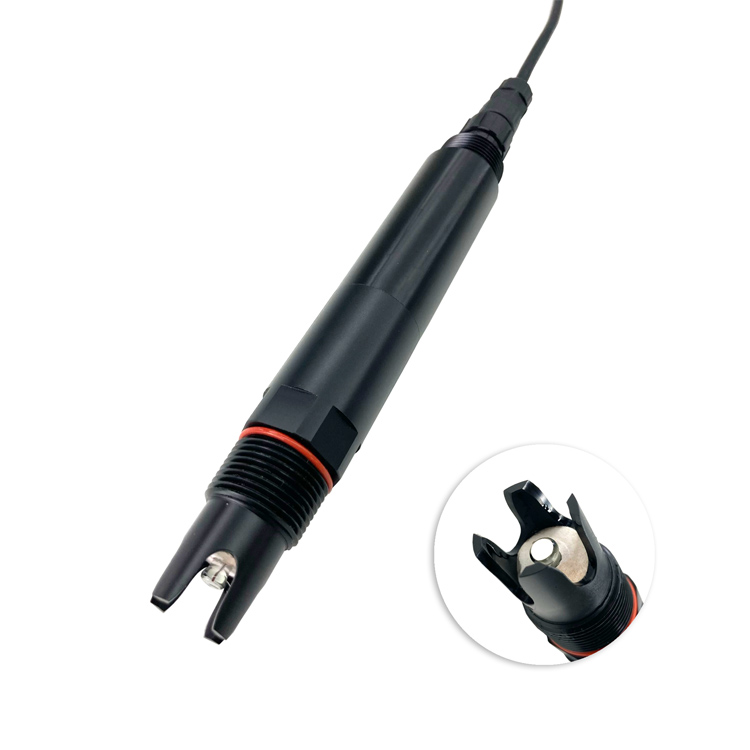
NBL-PHG-206 is widely used in the following industrial projects:
Environmental water treatment engineering: pH monitoring of influent and effluent in municipal and industrial wastewater treatment plants, supporting automatic dosing control to ensure compliant discharge.
Power industry boiler water monitoring: pH measurement of chemical make-up water, saturated steam, and condensate to prevent corrosion and ensure unit safety.
Chemical process control: Continuous monitoring of acid-base neutralization, salt solution preparation, and reaction kettles for easy access to DCS systems.
Food and pharmaceutical engineering: pH monitoring of process water to support QS/HACCP certification traceability.
Agriculture and aquaculture: Water quality regulation in large-scale irrigation or aquaculture systems, combined with IoT platforms for remote monitoring.
Scientific research and automation platforms: Embedded in multi-parameter monitoring stations to provide stable data acquisition.
In these scenarios, the sensor helps integrators quickly complete system setup and reduce on-site debugging time.
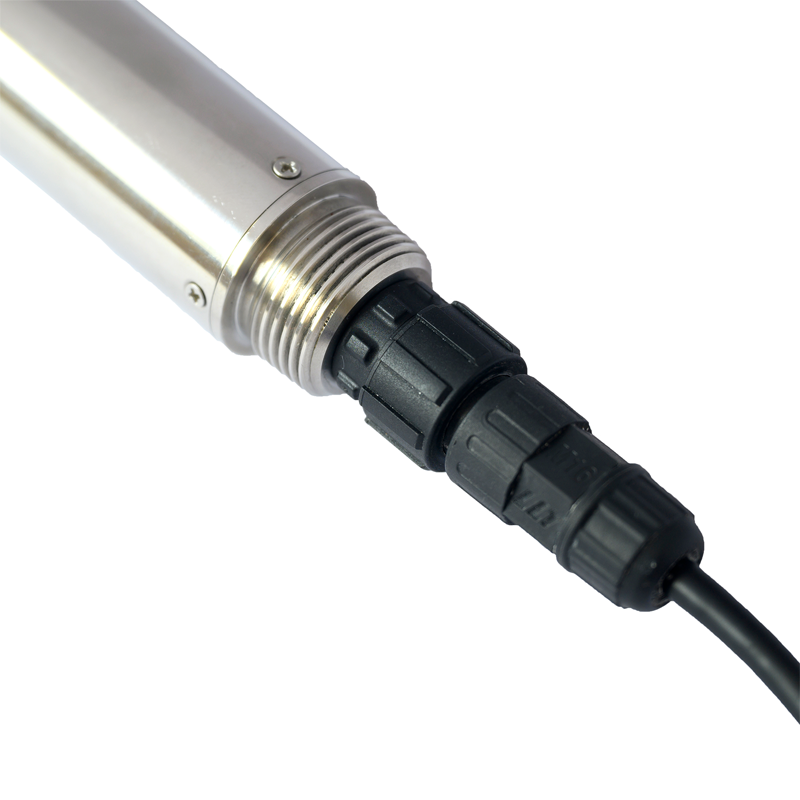
NBL-PHG-206 adopts the RS-485 Modbus RTU protocol with a default baud rate of 9600 and supports address modification. It is compatible with PLCs such as Siemens S7 and Schneider Modicon, as well as DCS systems from ABB and Honeywell.
Integration points include:
Use independent 12–24 V DC power supply to avoid common ground interference.
4-core twisted-pair shielded cable (red: power positive, black: GND, blue: 485A, white: 485B). For long-distance transmission, add a 120 Ω terminal resistor.
Support access to paperless recorders, touch screens, and IoT gateways for cloud data upload.
Before installation, confirm that the address and baud rate match to prevent bus conflicts.
The digital output design significantly reduces integration complexity and cost.
The sensor uses a 3/4 NPT interface and supports submersible installation in pipelines or tanks. The installation angle should be tilted more than 15° to avoid horizontal or inverted positions affecting reference solution seepage.
Electrical connection uses an M16-5 pin waterproof connector with clear wiring sequence. Waterproof sealing must be applied at the wiring point. For long-term immersion environments, corrosion-resistant cables are recommended.
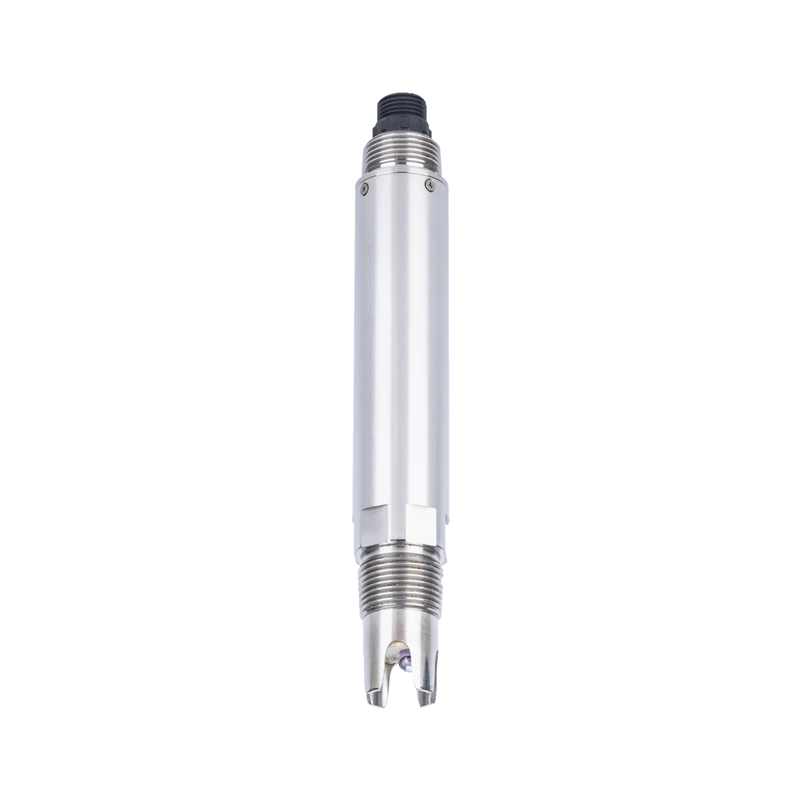
To maintain measurement accuracy, it is recommended to:
Clean with distilled water and blot dry before measurement.
Store in 3 mol/L potassium chloride solution when idle.
Clean glass membrane deposits with dilute hydrochloric acid and rinse.
Perform two-point calibration every 3–6 months.
Avoid long-term immersion in distilled water or protein solutions.
When significant deviation still occurs after calibration, replace the sensor promptly to ensure system reliability.
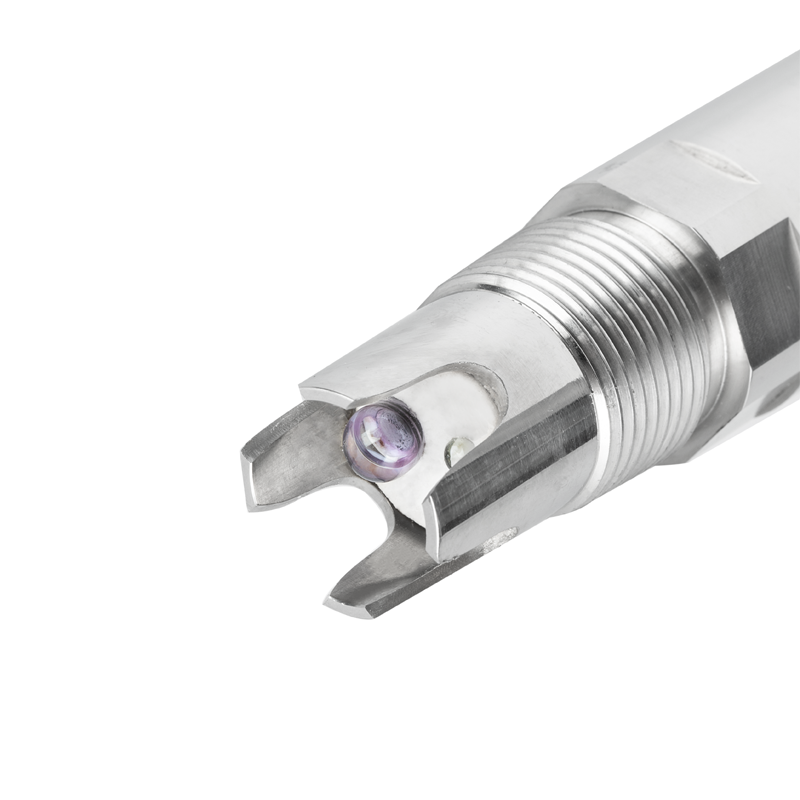
A: Standard RS-485 Modbus RTU, which can be directly connected to PLC, DCS, or IoT gateways.
A: When paired with a dedicated electrode, it can meet water quality monitoring with conductivity less than 3 μS/cm and is suitable for power boiler water.
A: It must be tilted more than 15° and cannot be horizontal or inverted.
A: Access the host computer via Modbus, set pH upper and lower limit alarms, and support unattended control.
A: The patented reference system allows seepage to last more than 20 months, significantly extending lifespan compared to ordinary electrodes.
A: Wide voltage 12~24 V DC, with power consumption as low as 0.2 W.
A: Standard 5 meters; other lengths can be customized according to project requirements.
A: Perform two-point calibration every 3–6 months, adjusted according to medium corrosiveness.
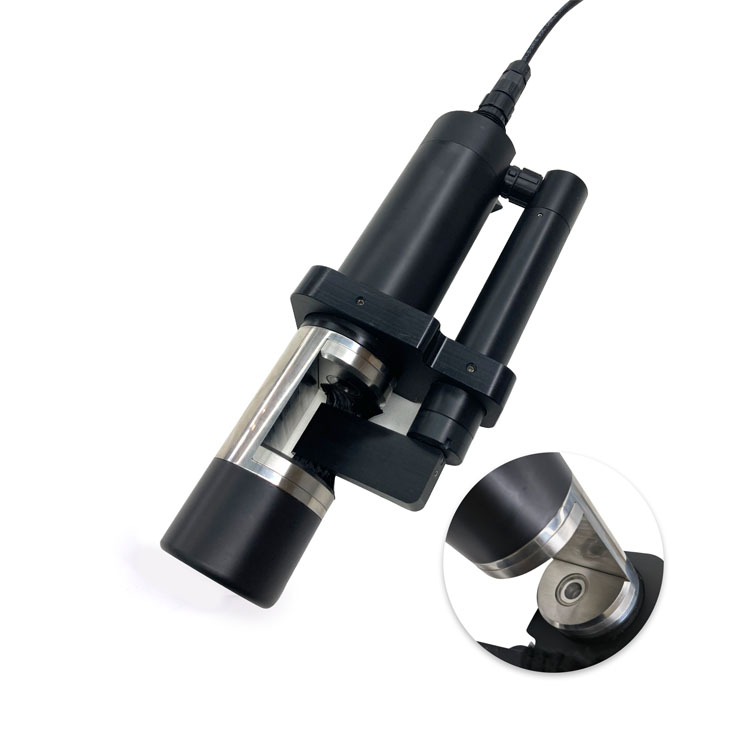
NiuBoL NBL-PHG-206 online water quality pH sensor organically combines the scientific principles of pH aqueous solution with industrial engineering requirements. It provides a reliable hardware foundation for online pH monitoring projects with stable measurement performance, standard communication interfaces, and long-term protection design. Whether for new water treatment systems or upgrades to existing equipment, this sensor can help system integrators and engineering companies achieve precise process control, reduce operation and maintenance costs, and enhance project competitiveness.
Choosing the NiuBoL industrial sensor series means choosing a professional and stable automation solution. For technical selection, sample verification, or batch integration support, please contact the NiuBoL engineering team. We will provide customized solutions according to specific working conditions.
 NBL-PHG-406-S online Water Quality pH Sensor.pdf
Related recommendations
Sensors & Weather Stations Catalog
Agriculture Sensors and Weather Stations Catalog-NiuBoL.pdf
Weather Stations Catalog-NiuBoL.pdf
Agriculture Sensors Catalog-NiuBoL.pdf
Water Quality Sensor Catalog-NiuBoL.pdf
Related products
 Combined air temperature and relative humidity sensor
 Soil Moisture Temperature sensor for irrigation
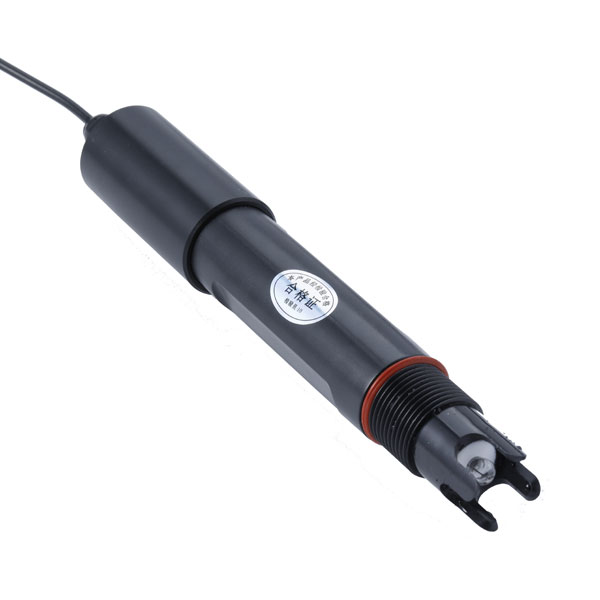 Soil pH sensor RS485 soil Testing instrument soil ph meter for agriculture
 Wind Speed sensor Output Modbus/RS485/Analog/0-5V/4-20mA
 Tipping bucket rain gauge for weather monitoring auto rainfall sensor RS485/Outdoor/stainless steel
 Pyranometer Solar Radiation Sensor 4-20mA/RS485

Screenshot, WhatsApp to identify the QR code
WhatsApp number:+8615367865107
(Click on WhatsApp to copy and add friends)

