





— Blogs —
—Products—
 Consumer hotline +8618073152920
 WhatsApp:+8615367865107
Address:Room 102, District D, Houhu Industrial Park, Yuelu District, Changsha City, Hunan Province, China
Product knowledge
Time:2026-02-02 10:53:40 Popularity:10
In the fields of drinking water safety, secondary water supply hygiene management, and industrial circulating water treatment, residual chlorine, as a disinfection residual indicator, directly relates to microbial safety, control of disinfection by-products, and pipe network water quality stability. When building water quality online monitoring systems, smart water management platforms, or industrial water treatment IoT solutions, system integrators need a residual chlorine sensor with fast response, long-term stability, and strong anti-interference capability.
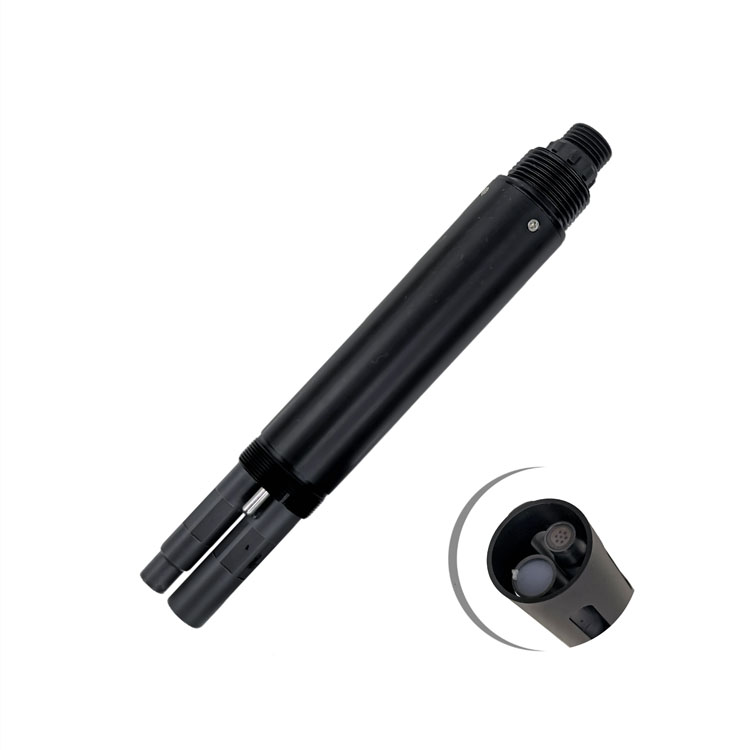
The NiuBoL NBL-CL-206 residual chlorine sensor is based on constant voltage three-electrode membrane technology, achieving precise online measurement of free residual chlorine (HClO). It supports automatic temperature compensation (Pt1000) and RS-485 Modbus RTU protocol, with IP68 protection level, particularly suitable for long-term submersible or flow-through pool installation.
From the perspective of system integrators, this sensor is not merely a single electrochemical probe but the core sensing layer for building a “disinfection-monitoring-regulation-tracing” closed loop. It can seamlessly access PLCs, RTUs, SCADA, or cloud platforms, providing real-time residual chlorine concentration data and supporting linkage with chlorinators and valve actuators to achieve closed-loop feedback control of the disinfection process.
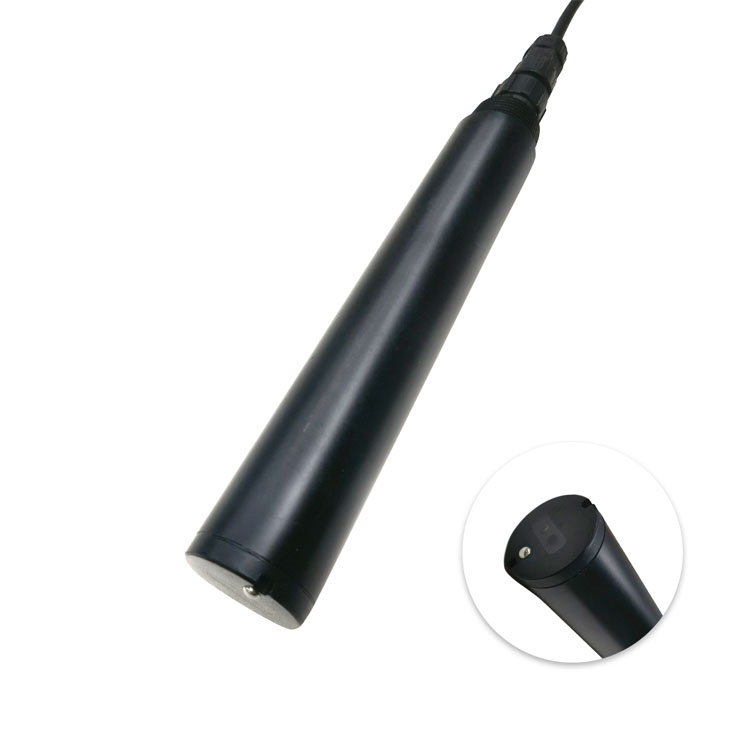
Residual chlorine (mainly free residual chlorine) is a direct indicator of disinfection effectiveness in drinking water and circulating water, and it is also a key parameter for controlling the formation of disinfection by-products such as trihalomethanes (THMs) and haloacetic acids (HAAs). The World Health Organization and national drinking water standards require residual chlorine at pipe network endpoints to be maintained above 0.3~0.5 mg/L to ensure microbial safety; however, excessively high residual chlorine not only produces a “bleach water” odor but also accelerates pipe network corrosion and increases carcinogenic risks.
The NBL-CL-206, through selective permeable membrane and constant voltage polarization technology, significantly reduces interference from environmental factors such as pH, temperature, and conductivity. With a response time T90<90s and minimum detection limit 0.05 mg/L, it meets the needs for high-frequency, continuous monitoring in scenarios such as municipal water supply, secondary water supply pumping stations, swimming pool circulation systems, and cooling tower water quality control. Integrators can use its data to drive disinfectant dosing strategies, avoiding the dual risks of “excessive chlorine dosing” or “too rapid residual chlorine decay.”
| Parameter Category | Parameter Item | Specification Value |
|---|---|---|
| Measurement Principle | Constant voltage method (three-electrode membrane) | |
| Measurement Target | Free residual chlorine (calculated as HClO) | |
| Range and Resolution | 0~2.000 mg/L, 0.001 mg/L | |
| Accuracy | ±5% or ±0.05 mg/L, temperature ±0.3℃ | |
| Response Time | T90 | <90 s |
| Minimum Detection Limit | 0.05 mg/L | |
| Temperature Compensation | Automatic (Pt1000) | |
| Output Method | RS-485 (Modbus RTU protocol) | |
| Power Supply Voltage | 12~24 VDC | |
| Power Consumption | 0.2 W @ 12 V | |
| Operating Conditions | 5~50℃, ≤0.2 MPa, pH 4~9 | |
| Protection Level | IP68 | |
| Installation Method | Flow-through pool installation, 3/4" NPT interface | |
| Housing Material | ABS/PC alloy | |
| Cable Length | Standard | 5 m (customizable) |

1. Municipal Water Supply Plants and Pipe Network Endpoint Monitoring
Deploy NBL-CL-206 residual chlorine sensors at finished water and key pipe network nodes. Integrators can build distributed residual chlorine monitoring networks. Data accesses RTUs or edge gateways via RS-485 and uploads to cloud platforms via 4G/NB-IoT. When endpoint residual chlorine falls below 0.3 mg/L, trigger remote chlorinator dosing or pumping station adjustment to achieve dynamic pipe network water quality balance. In multiple urban secondary water supply renovation projects, this solution significantly reduced microbial exceedance rates at pipe network endpoints.
2. Swimming Pools and Water Parks Circulating Water Treatment
Swimming pool water circulation systems are sensitive to residual chlorine fluctuations: too low risks pathogen growth, too high irritates skin and eyes. Integrators often install sensors in return pipes or post-filtration pipelines, combining with pH and ORP sensors to form multi-parameter water quality control stations. Residual chlorine data links with sodium hypochlorite dosing pumps to achieve automatic constant residual chlorine control (typical target 0.5~1.0 mg/L).
3. Industrial Cooling Circulating Water and Boiler Feedwater
Cooling tower systems need to maintain residual chlorine at 0.2~0.5 mg/L to inhibit microorganisms and biofilm. The NBL-CL-206's wide pH adaptability and anti-interference capability suit high-conductivity and variable-temperature conditions. Integrators can access it to DCS systems, supporting linkage with scale inhibitors and biocides dosing logic to reduce heat exchanger scaling and corrosion risks.
4. Drinking Water Plant Process Optimization and Disinfection By-Product Control
Deploy sensors in post-ozone-activated carbon process or chloramine disinfection sections to monitor free residual chlorine and total chlorine changes. Data is used to optimize chlorine dosing and contact time, controlling THMs/HAAs generation and meeting the requirements of the Standards for Drinking Water Quality (GB 5749-2022).
1. Range Selection: Municipal water supply/pipe networks recommend 0~2 mg/L range; swimming pools can extend to customized 0~5 mg/L versions.
2. Installation Form: Mainly flow-through pool installation, flow rate controlled at 30-60 L/h; avoid dead water zones or pressure pulse impacts.
3. Communication Compatibility: RS-485 Modbus RTU as standard, supports 0x03 read, 0x06/0x10 write, 0x0F coil control, facilitating docking with PLCs and RTUs.
4. Power Supply and Protection: 12-24 VDC wide voltage input, IP68 submersible design suitable for long-term underwater installation.
5. Extension Needs: For total chlorine measurement or multi-parameter integration, optional composite electrode versions are available.
6. Calibration Cycle: Recommended on-site two-point calibration every 3-6 months (zero point + slope), using 1-2 mg/L HClO standard solution.
1. Installation Location: Near flow-through pool inlet, sensor measurement surface avoids direct alignment with outlet to ensure stable flow velocity; avoid large particle impact, recommend pre-filtration.
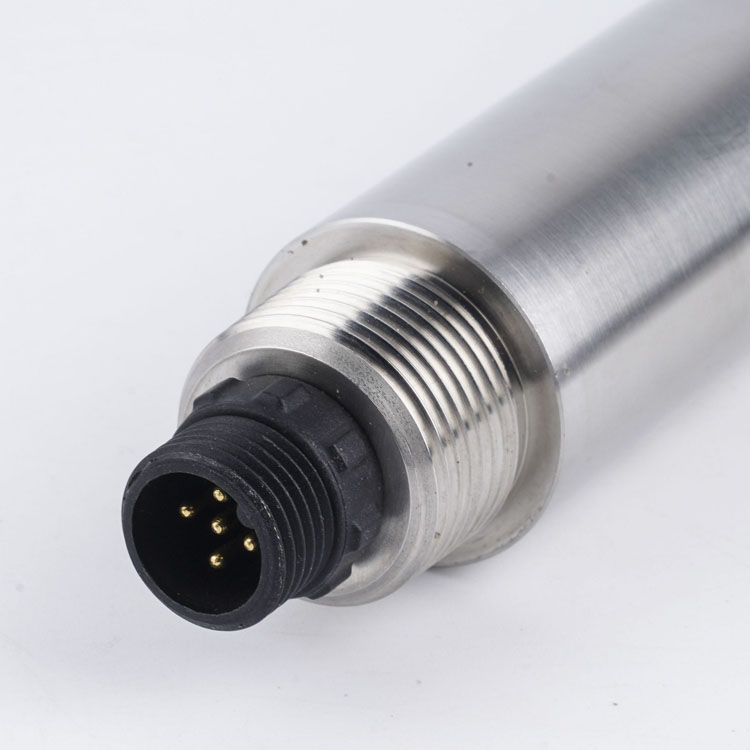
2. Electrical Connection: 4-core shielded cable (red: 12-24V, black: GND, blue: 485A, white: 485B); all connections waterproof sealed, long-term immersion environments recommend additional anti-corrosion sheaths.
3. Initial Activation: New electrodes or after long-term shutdown should be left static in tap water for 24 hours to activate; no-chlorine environments should not exceed 24 hours.
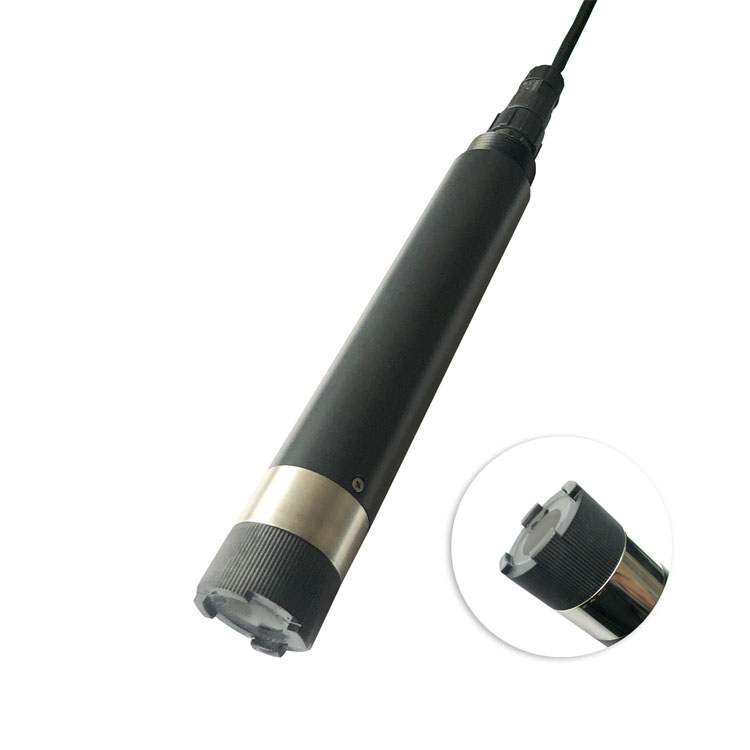
4. Routine Maintenance: Regularly (recommended monthly) check membrane cap cleanliness to avoid biofilm or metal deposits; zero point calibration in chlorine-free water, slope calibration with standard solution.
5. Shutdown Protection: During water shutdown, keep sensor immersed in chlorine-containing water; avoid pressure pulses and mechanical vibration.
6. Protocol Configuration: Modbus address default configurable, baud rate 9600 bps; during testing, verify holding register read and write functions.
Q1. Does the NBL-CL-206 measure free residual chlorine or total residual chlorine?
Standard configuration is free residual chlorine (HClO), achieved through selective permeable membrane for high selectivity; total chlorine measurement requires customized composite electrode.
Q2. How strong is the sensor's anti-interference ability against pH changes?
Constant voltage method combined with selective membrane design minimizes impact in pH 4~9 range; built-in Pt1000 temperature compensation further reduces environmental interference.
Q3. What function codes does RS-485 Modbus RTU support?
Supports 0x03 (read holding registers), 0x06 (single write), 0x10 (multiple write), 0x0F (write multiple coils), facilitating remote parameter configuration and control.
Q4. What is the flow rate requirement for flow-through pool installation?
Recommended 30-60 L/h to ensure sufficient sample water renewal and stable flow regime, avoiding dead zones or turbulence interference with measurement.
Q5. How long can the electrode remain in a no-residual-chlorine environment?
Continuous no-disinfectant environment should not exceed 24 hours, otherwise the membrane cap may be damaged; during shutdown, recommended immersion in chlorine-containing water.
Q6. How to perform on-site calibration?
Zero point calibration in chlorine-free water, slope calibration using 1~2 mg/L HClO standard solution; factory calibrated, recalibrate only when deviation is obvious.
Q7. Is the sensor suitable for high-turbidity or suspended solids-containing water samples?
Pre-filtration can effectively protect the membrane cap; large particle impurities accelerate wear, recommend installing 50-100μm filter screen.
Q8. Can it be installed submersed long-term under IP68 protection?
Yes, IP68 supports long-term immersion; however, wiring ends require additional waterproof treatment, cables recommended to use corrosion-resistant materials.
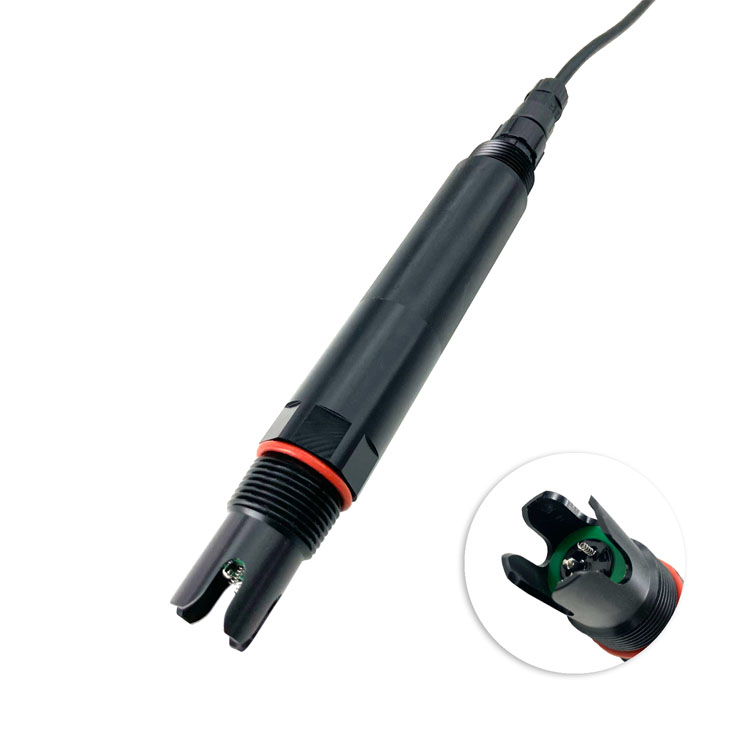
The NiuBoL NBL-CL-206 residual chlorine sensor, with constant voltage three-electrode membrane technology as the core, provides high-precision, fast-response, and strong environmental adaptability for online monitoring. In drinking water plants, secondary water supply, municipal pipe networks, swimming pools, and industrial circulating water systems, it provides key support for system integrators to build reliable water quality safety assurance platforms. Through RS-485 Modbus RTU interface and IP68 protection design, the sensor is easy to integrate and cost-controllable in maintenance, having demonstrated its stability and practicality in multiple water treatment projects.
If you are a system integrator, IoT solution provider, or water treatment engineering contractor planning or upgrading drinking water online monitoring, swimming pool water quality control, or circulating cooling water treatment projects, welcome to contact the NiuBoL team for detailed technical manuals, Modbus register mapping tables, typical wiring diagrams, or prototype testing support. We provide full-chain technical coordination from selection to commissioning to jointly ensure water quality safety and efficient system operation.
 NBL-RDO-206 Online Fluorescence Dissolved Oxygen Sensor.pdf
NBL-COD-208 Online COD Water Quality Sensor.pdf
NBL-CL-206 Water Quality Sensor Online Residual Chlorine Sensor.pdf
Prev:Industrial-Grade Online Turbidity Sensor Selection and Integration Guide
Next:no more
Related recommendations
Sensors & Weather Stations Catalog
 Agriculture Sensors and Weather Stations Catalog-NiuBoL.pdf
Weather Stations Catalog-NiuBoL.pdf
Agriculture Sensors Catalog-NiuBoL.pdf
Related products
 Combined air temperature and relative humidity sensor
 Soil Moisture Temperature sensor for irrigation
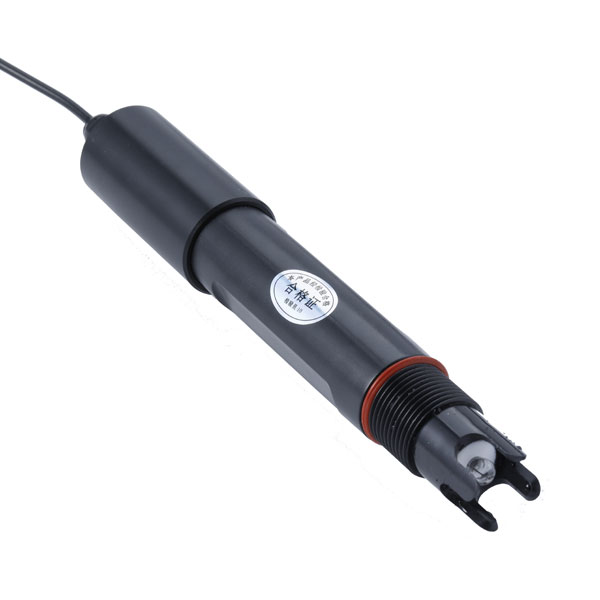 Soil pH sensor RS485 soil Testing instrument soil ph meter for agriculture
 Wind Speed sensor Output Modbus/RS485/Analog/0-5V/4-20mA
 Tipping bucket rain gauge for weather monitoring auto rainfall sensor RS485/Outdoor/stainless steel
 Pyranometer Solar Radiation Sensor 4-20mA/RS485

Screenshot, WhatsApp to identify the QR code
WhatsApp number:+8615367865107
(Click on WhatsApp to copy and add friends)

