





— Blogs —
—Products—
 Consumer hotline +8618073152920
 WhatsApp:+8615367865107
Address:Room 102, District D, Houhu Industrial Park, Yuelu District, Changsha City, Hunan Province, China
Product knowledge
Time:2026-04-19 19:49:36 Popularity:10
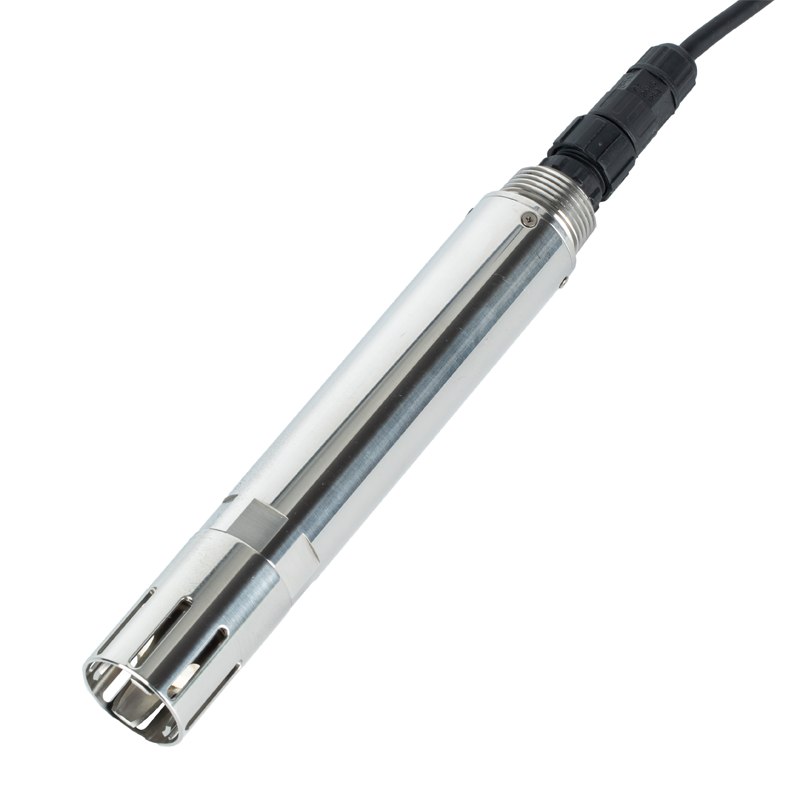
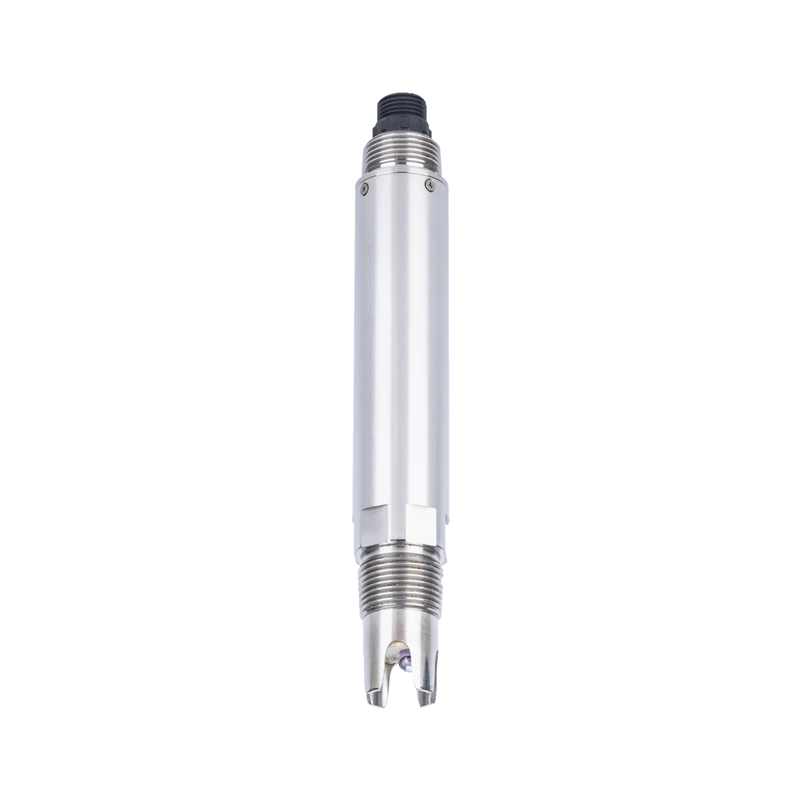
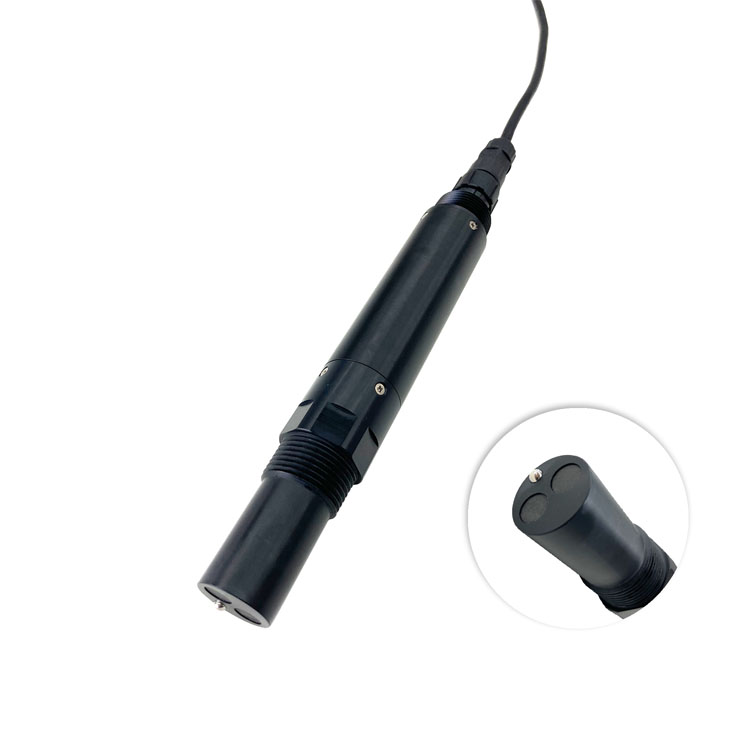
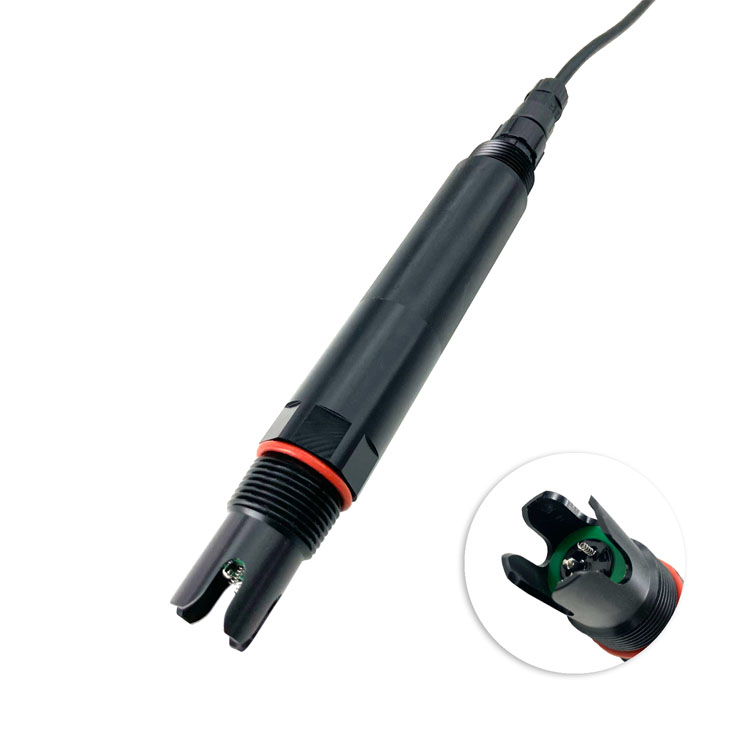
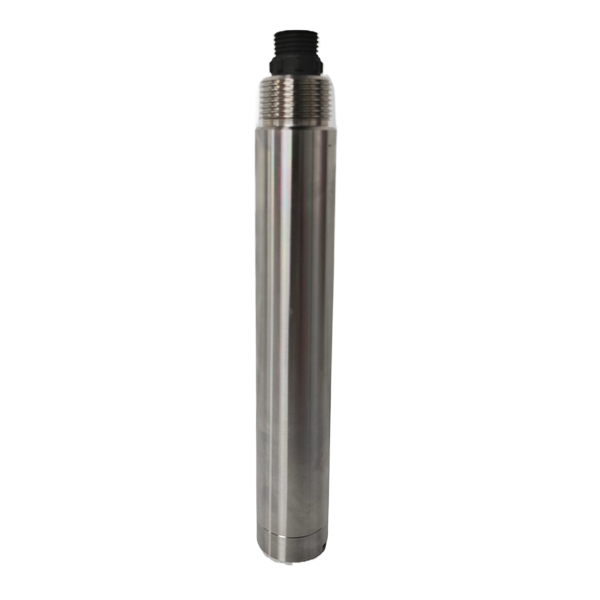
Sewage contains a wide variety of pollutants. Heavy metals, oxygen-consuming organic matter, nitrogen and phosphorus nutrients, and toxic inorganic substances directly affect the stability of treatment processes and discharge compliance. The 21 common sewage pollutants have wide sources, and treatment requires a combination of biochemical, chemical precipitation, and advanced oxidation methods. pH value, as the core control parameter, directly determines biological activity, precipitation efficiency, and equipment corrosion resistance. NiuBoL NBL-PHG-206 industrial online pH sensor adopts the glass electrode method, patented long-life reference system, and RS-485 Modbus RTU protocol, providing reliable sewage pH online monitoring solutions for system integrators, IoT solution providers, project contractors, and engineering companies. This article systematically sorts out the sources, treatment methods, and pH control points of 21 pollutants to help engineering teams optimize wastewater treatment processes and achieve precise process control and compliant discharge.
In the mixed treatment of industrial wastewater and domestic sewage, pollutant concentrations fluctuate greatly and the composition is complex. Traditional laboratory analysis cannot meet real-time control requirements. The online monitoring system supports PLC, DCS, or SCADA integration through continuous collection of key parameters to achieve over-limit early warning and linkage regulation. As a basic indicator, pH value directly affects COD removal rate, ammonia nitrogen nitrification and denitrification efficiency, and heavy metal precipitation rate. It is the core control point of wastewater treatment plants.
NiuBoL NBL-PHG-206 is suitable for wastewater monitoring in high-pollution industries such as chemical, printing and dyeing, electroplating, and pharmaceutical. The IP68 protection rating adapts to corrosive environments. The dual high-impedance differential amplifier has strong anti-interference ability, with a response time T90 < 30s. Combined with Pt1000 automatic temperature compensation, it ensures data accuracy. In engineering practice, the sensor can be linked with COD, ammonia nitrogen, and total phosphorus online instruments to form multi-parameter monitoring nodes, significantly reducing manual inspection costs and improving system stability.
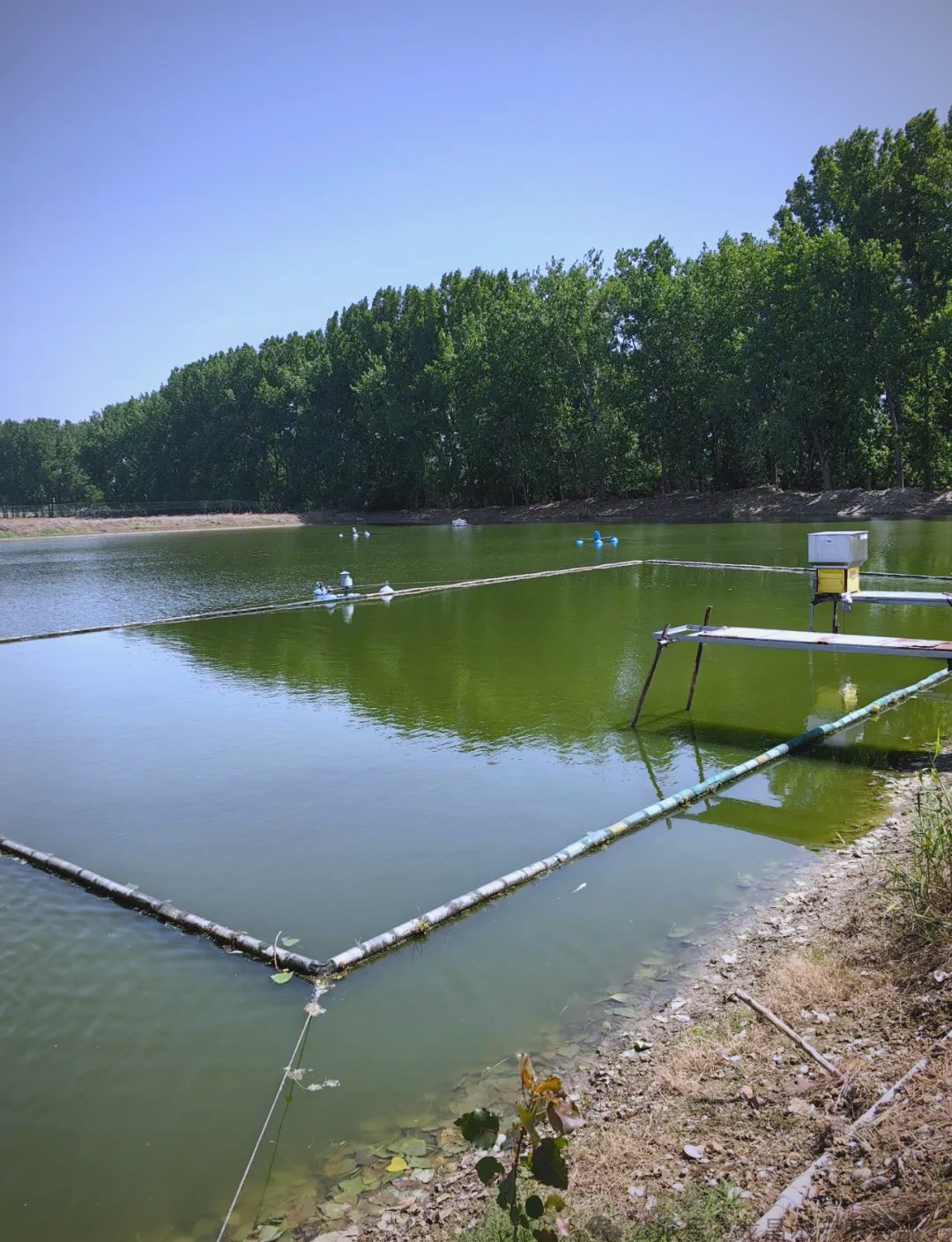
The following systematically sorts out 21 typical pollutants by category, focusing on sources, environmental impacts, mainstream treatment processes, and the role of pH control to provide references for engineering selection.
Sources: Domestic sewage, food processing, papermaking, petrochemical, chemical fiber, pharmaceutical, and printing and dyeing wastewater.
Impact: Microbial decomposition consumes dissolved oxygen, leading to black and odorous water bodies. When BOD5 > 10 mg/L, dissolved oxygen approaches zero.
Treatment Methods: Push-flow activated sludge method, SBR/CASS process, biofilm method, or MBR membrane bioreactor.
pH Control: Optimal pH 6.5–8.5. Too acidic or too alkaline inhibits microbial activity. NiuBoL sensors monitor inlet and outlet pH in real time to ensure efficient operation of biochemical tanks.
Sources: Organic chlorides, organophosphorus pesticides, organic heavy metal compounds, and aromatic long-chain compounds, mainly from pesticide, plastic, and chemical wastewater.
Impact: Conventional activated sludge is difficult to degrade, leading to persistent COD exceedance.
Treatment Methods: Special microbial cultivation, anaerobic pretreatment to improve biodegradability followed by secondary biochemical treatment, or advanced oxidation.
pH Control: Anaerobic section pH 6.5–7.5. Oxidation process requires precise control to optimize free radical generation.
Sources: Organic nitrogen such as protein and urea comes from leather and meat processing; ammonia nitrogen comes from steel, oil refining, fertilizer, and deamination reactions in fresh wastewater.
Impact: Leads to eutrophication of water bodies. Ammonia nitrogen toxicity inhibits fish respiration.
Treatment Methods: Biological nitrification-denitrification, stripping, air stripping, ion exchange.
pH Control: Optimal pH for nitrification is 7.5–8.5, and for denitrification 6.5–7.5. NiuBoL pH meters are used for precise regulation in nitrification tanks.
Sources: Phosphorus-containing detergents, domestic waste, and industrial wastewater (hypophosphite, organic phosphorus).
Impact: Causes eutrophication of water bodies and algal blooms.
Treatment Methods: Biological methods (AO, A2O, oxidation ditch) + chemical phosphorus removal (PAC, PFS). High-concentration organic phosphorus requires advanced oxidation pretreatment.
pH Control: Optimal pH for chemical phosphorus removal is 8–10. Biological phosphorus removal requires a stable neutral environment.
Sources: Chemical, chemical fiber, acid production, electroplating, metal processing (inorganic acid/organic acid) and papermaking, printing and dyeing, leather (alkali).
Impact: Corrodes pipelines and equipment, destroys ecological balance.
Treatment Methods: Neutralization treatment (for low concentration) or recycling (for high concentration).
pH Control: Core indicator. Discharge standard is 6–9. NiuBoL sensors provide real-time feedback on neutralization dosing.
Sources: Petroleum, textile, metal processing, food processing, and domestic sewage.
Impact: Forms oil film that blocks oxygen exchange.
Treatment Methods: Oil separator, air flotation, coarse granulation coalescence. Different devices are selected according to the form (free, emulsified, dissolved).
pH Control: Emulsified oil demulsification pH 4–6 or 8–10 to optimize coagulation effect.
Sources: Hospital, slaughter, leather, and biological product wastewater.
Impact: Spreads diseases.
Treatment Methods: Chlorine, chlorine dioxide, ozone, ultraviolet disinfection, and ultrafiltration if necessary.
pH Control: Disinfection efficiency is affected by pH. Optimal pH for residual chlorine disinfection is 6.5–7.5.
Sources: Fertilizer, steel, gunpowder, meat processing, and by-products of aerobic biological treatment.
Impact: Nitrite is carcinogenic. Children drinking high-nitrate water are prone to poisoning.
Treatment Methods: Biological denitrification, electrodialysis, reverse osmosis, ion exchange.
pH Control: Optimal pH for denitrification is 7–8.
Sources: Fluorine-containing products, coke, electronics, electroplating, glass, and pesticide production.
Impact: Causes skeletal fluorosis and other health hazards.
Treatment Methods: Precipitation (lime, alum) + adsorption.
pH Control: Optimal pH for precipitation is 8–9.
Sources: Oil refining, printing and dyeing, leather, and anaerobic reduction of sulfate wastewater.
Impact: Odor, corrosion, and toxicity.
Treatment Methods: Flocculation precipitation or stripping to convert to H₂S.
pH Control: Stripping requires alkaline environment.
Sources: Electroplating, mining, coking, plastic, and dye industries.
Impact: Highly toxic.
Treatment Methods: Chlorine oxidation, ozone oxidation, electrolytic oxidation.
pH Control: Oxidation efficiency is high under alkaline conditions.
Sources: Oil refining, chemical, coking, and papermaking industries.
Impact: Toxicity and carcinogenicity.
Treatment Methods: Extraction, activated carbon adsorption, biological method, chemical oxidation.
pH Control: Optimal pH for biodegradation is 7–8.
Sources: Electroplating, metallurgy, battery, pesticide, and plastic industries.
Impact: Bioaccumulation, carcinogenicity, and teratogenicity.
Treatment Methods: Chemical precipitation (hydroxide/sulfide), ion exchange, adsorption, electrolytic recovery.
pH Control: Key parameter. For example, after Cr(VI) reduction, trivalent chromium precipitation pH 8–10. Optimal pH for hydroxide precipitation of Cd, Pb, Ni, Hg, etc. is 8.5–11. Arsenic co-precipitation pH 6–8. NiuBoL sensors monitor sedimentation tank pH in real time to ensure removal rate compliance.
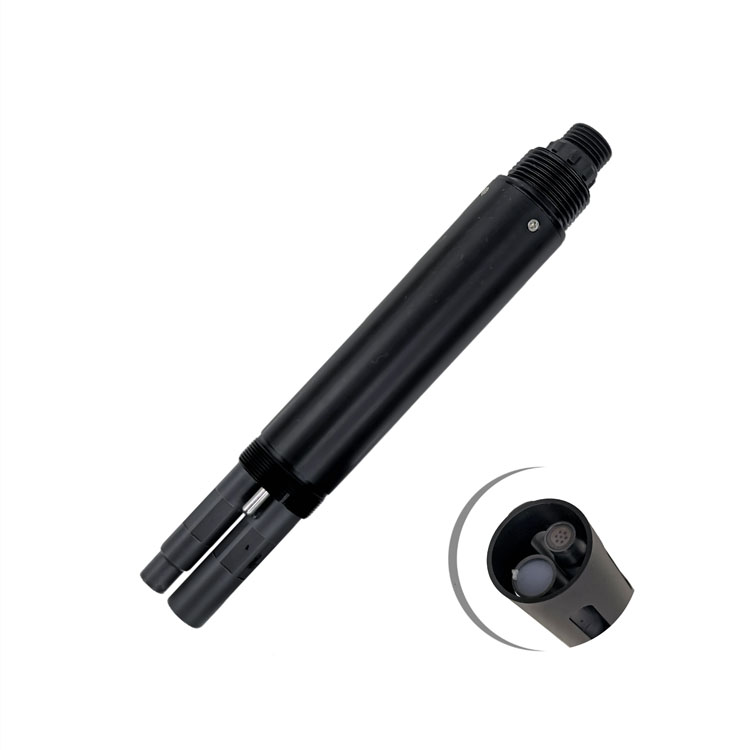
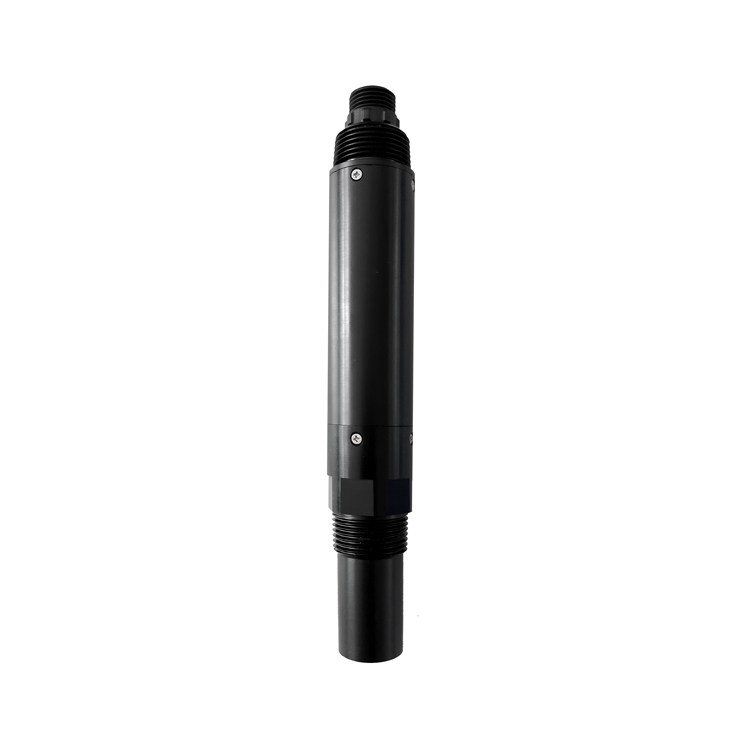
NBL-PHG-206 is suitable for monitoring inlet/outlet water, equalization tanks, biochemical tanks, and sedimentation tanks in sewage plants. The patented reference solution slowly seeps out (lasting more than 20 months), adapting to highly polluted environments. The 3/4 NPT interface supports submersible or pipeline installation. The Modbus RTU protocol facilitates integration with multi-parameter systems. In engineering projects, it can be linked with flow meters and COD/ammonia nitrogen instruments to achieve pH-dosing closed-loop control, reducing chemical consumption and ensuring compliant discharge.
Selection focus: Range 0~14.00, accuracy ±0.1 pH, operating temperature 0~50℃, pressure resistance ≤0.2 MPa. For highly corrosive wastewater, prioritize patented electrodes. During integration, RS-485 bus uses single-end grounding. Power supply 12~24V DC, low power consumption 0.2W@12V is suitable for distributed nodes. Clean the sensor and perform two-point calibration before installation. Regular maintenance ensures stable response.
| Parameter | Specification |
|---|---|
| Model | NBL-PHG-206 |
| Housing Material | ABS/PC Alloy |
| Measurement Principle | Glass Electrode Method |
| Range | 0~14.00 pH |
| Resolution | 0.01 pH |
| Accuracy | ±0.1 pH,±0.3℃ |
| Response Time (T90) | <30s |
| Calibration Method | Two-point Calibration |
| Temperature Compensation | Automatic Temperature Compensation (Pt1000) |
| Output Method | RS-485 (Modbus RTU) |
| Operating Temperature | 0~50℃ |
| Operating Pressure | ≤0.2MPa |
| Installation Method | Submersible Installation, 3/4 NPT |
| Power Supply Voltage | 12~24V DC |
| Power Consumption | 0.2W@12V |
| Protection Rating | IP68 |
| Cable Length | 5 meters (customizable) |
Before measurement, clean with distilled water and blot dry. When not in use, insert into 3mol/L KCl protective solution. Regularly check wiring terminals and wipe with anhydrous alcohol. Clean glass membrane deposits with dilute hydrochloric acid. Calibrate after maintenance. Replace promptly if response is abnormal.
A: Most heavy metals (such as lead, cadmium, nickel, chromium) have optimal pH 8–10 for hydroxide precipitation. NiuBoL sensors can adjust alkali dosing in real time to ensure stable removal rate.
A: Nitrifying bacteria have optimal pH 7.5–8.5. Activity drops significantly below 6.5. Sensors link with alkali dosing systems to maintain stability.
A: Real-time feedback on dosing amount avoids excess or insufficiency, ensuring effluent pH 6–9 and reducing chemical consumption.
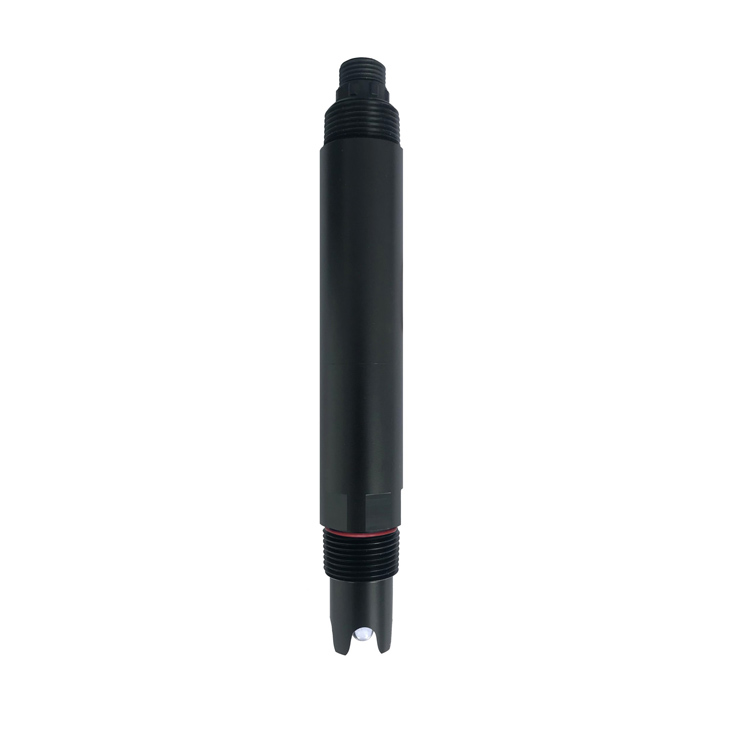
A: The patented reference system has long life. IP68 protection adapts to corrosive environments. It is widely used in electroplating, chemical, and printing and dyeing wastewater monitoring.
A: Standard protocol directly maps registers and supports multi-point networking without additional conversion modules.
A: Emulsified oil demulsification is usually controlled at pH 4–6 or 8–10. Sensors ensure optimal coagulation effect.
A: When response time in buffer solution exceeds 1 minute or calibration deviation exceeds indicators, replacement is recommended.
A: Wastewater composition, temperature and pressure, installation method, communication requirements, and integration platform to facilitate matching the optimal configuration.
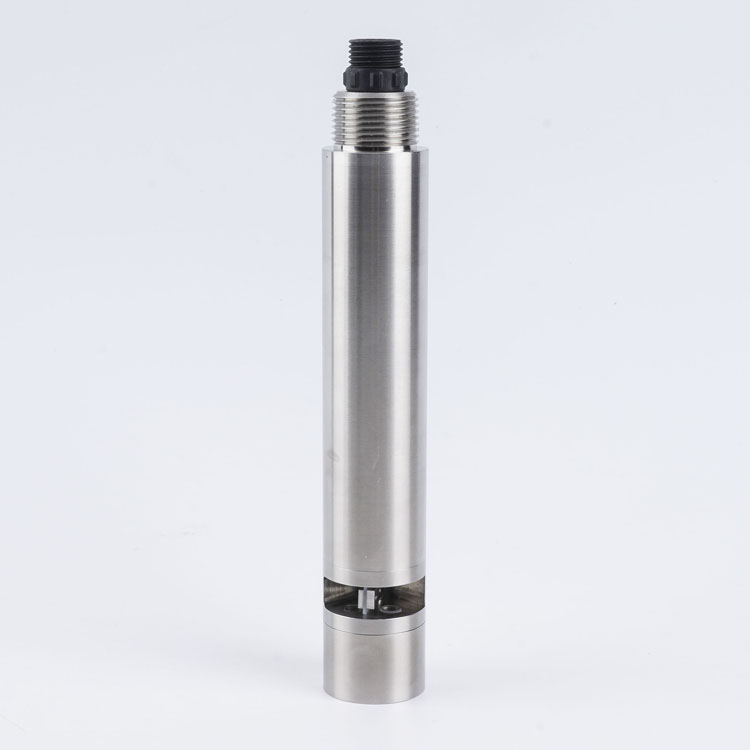
Treatment of 21 common sewage pollutants relies on precise process control, and pH value is the core parameter running through the entire biochemical, precipitation, and neutralization processes. NiuBoL NBL-PHG-206 online pH sensor provides reliable monitoring means for wastewater treatment projects with its high stability and easy integration characteristics. Standardized selection, installation, and maintenance can significantly improve treatment efficiency, reduce operating costs, and ensure compliant discharge. System integrators and engineering companies can rely on this solution to build intelligent wastewater treatment systems. For technical parameter confirmation, prototype testing, or customized integration solutions, please contact the NiuBoL professional team to jointly promote efficient project implementation.
 NBL-RDO-206 Online Fluorescence Dissolved Oxygen Sensor.pdf
NBL-COD-208 Online COD Water Quality Sensor.pdf
NBL-CL-206 Water Quality Sensor Online Residual Chlorine Sensor.pdf
Related recommendations
Sensors & Weather Stations Catalog
Agriculture Sensors and Weather Stations Catalog-NiuBoL.pdf
Weather Stations Catalog-NiuBoL.pdf
Agriculture Sensors Catalog-NiuBoL.pdf
Water Quality Sensor Catalog-NiuBoL.pdf
Related products
 Combined air temperature and relative humidity sensor
 Soil Moisture Temperature sensor for irrigation
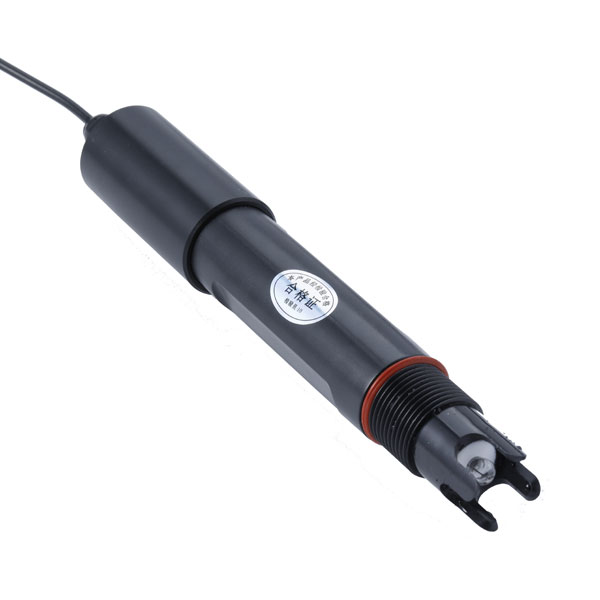 Soil pH sensor RS485 soil Testing instrument soil ph meter for agriculture
 Wind Speed sensor Output Modbus/RS485/Analog/0-5V/4-20mA
 Tipping bucket rain gauge for weather monitoring auto rainfall sensor RS485/Outdoor/stainless steel
 Pyranometer Solar Radiation Sensor 4-20mA/RS485

Screenshot, WhatsApp to identify the QR code
WhatsApp number:+8615367865107
(Click on WhatsApp to copy and add friends)

