





— Blogs —
—Products—
 Consumer hotline +8618073152920
 WhatsApp:+8615367865107
Address:Room 102, District D, Houhu Industrial Park, Yuelu District, Changsha City, Hunan Province, China
Product knowledge
Time:2026-04-19 20:14:18 Popularity:11
In the engineering logic of smart water management, water quality monitoring is not only data collection but also the “dashboard” of process control. For system integrators (SI) and project contractors, a deep understanding of the physical and chemical significance of the 9 core indicators is the foundation for designing highly reliable treatment systems.
NiuBoL focuses on the research and development of industrial-grade sensing technology and assists partners in seamlessly integrating underlying data into smart monitoring platforms through the RS485 (Modbus-RTU) standard protocol.
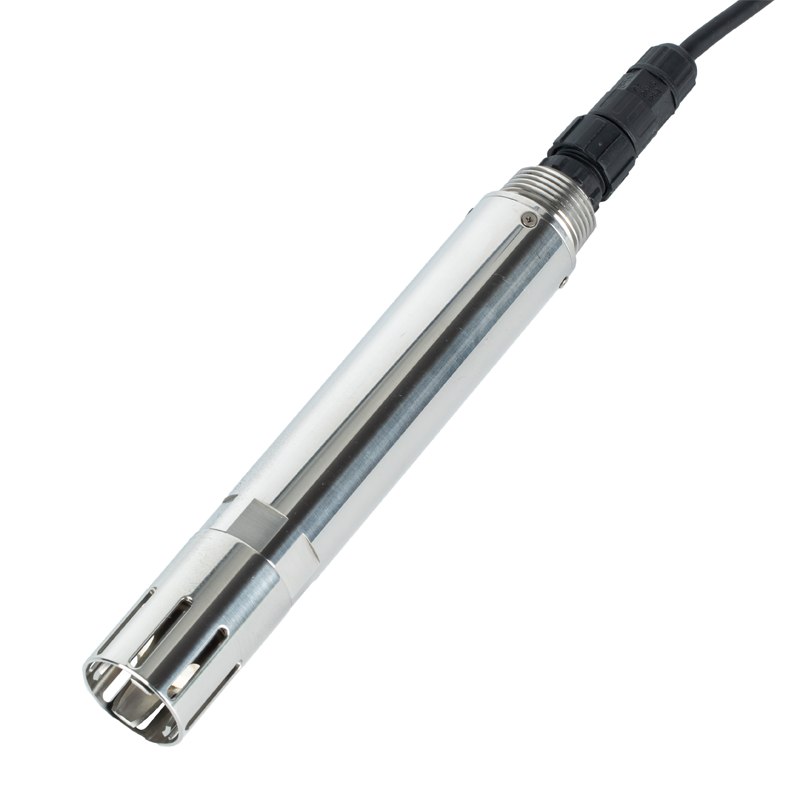
Turbidity is an expression of the optical properties of a water sample, reflecting the degree to which suspended matter in water scatters light.
Engineering Significance: It is the core basis for assessing the purification efficiency of filtration equipment. A decrease in turbidity means a simultaneous reduction in the content of organic matter, viruses, and other microorganisms, which can effectively improve disinfection efficiency and reduce the formation of halogenated organic compounds.
COD refers to the amount of oxygen required when chemical oxidants oxidize organic pollutants in water.
Application Logic: The higher the chemical oxygen demand, the more organic pollutants in the water. In pharmaceutical and chemical wastewater, COD monitoring is the primary red line for assessing biochemical system load and determining whether effluent meets standards.
It refers to the amount of chlorine remaining in water after chlorination contact for a certain period of time.
Protective Value: Residual chlorine has continuous bactericidal ability in water and can prevent self-pollution of water supply pipelines. In B2B dosing systems, residual chlorine data is often used for closed-loop control of chlorinator dosing volume.
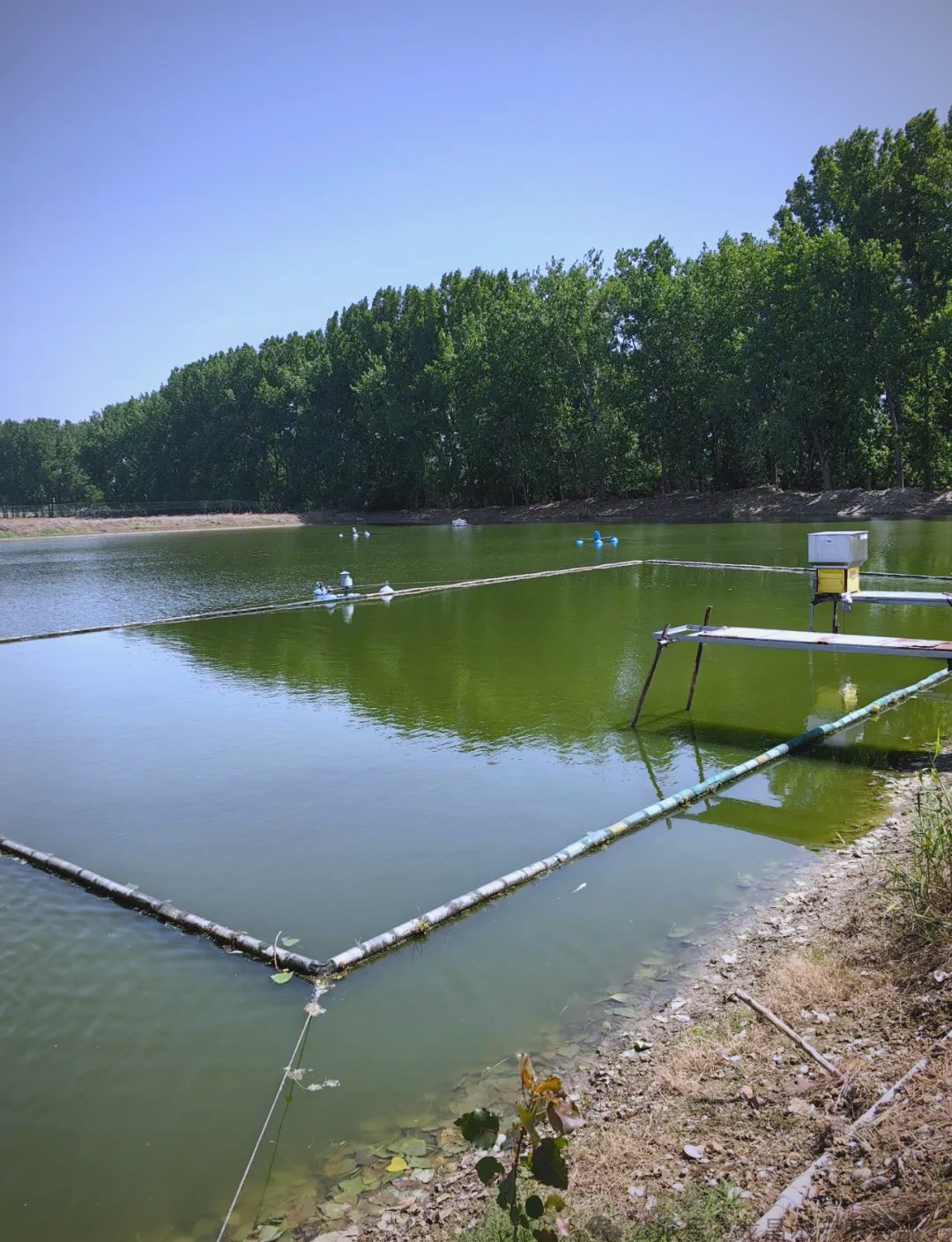
Colority reflects the absorption characteristics of dissolved substances to light.
Standard Requirements: Most people can detect drinking water colority above 15 degrees. In industrial reuse water projects, high colority often means the presence of complex aromatic compounds or heavy metal ions, requiring supporting advanced oxidation processes.
Mainly caused by the presence of organic matter, increased biological activity, or industrial pollution.
Signaling Role: Changes in the normal odor and taste of public water supply are often early warning signals of deterioration of raw water quality or failure of water treatment units (such as activated carbon adsorption).
Refers to particles or other suspended matter in water that can be observed with the naked eye.
Integrated Application: Used in conjunction with online turbidity meters as an intuitive assessment of interception efficiency of primary sedimentation tanks and grid units.
A comprehensive indicator measuring the overall degree of microbial pollution in water bodies.
Compliance Benchmark: Drinking water standards stipulate that the total count in 1 ml of water shall not exceed 100. It is the key data for evaluating the thoroughness of disinfection processes.
Indicator bacteria of fecal pollution.
Indicative Role: Detection indicates the degree of fecal pollution in water bodies. If this indicator meets the standard, it means other pathogenic bacteria are basically killed. In testing, it is required not to exceed 3 per liter.
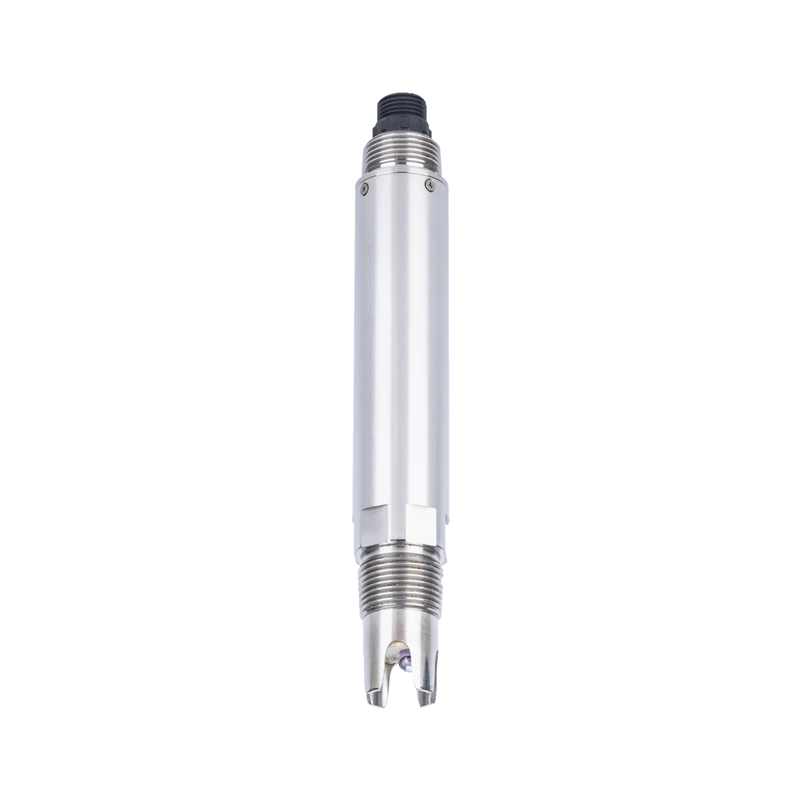
Compared with total coliforms, it more accurately reflects the real-time degree of fecal pollution from humans and animals in food or water bodies.
Monitoring Core: As an indicator bacterium of fecal pollution in water bodies, it is a mandatory item in environmental monitoring and pollution discharge assessment.
Targeting the characteristics of high inorganic salt content (Cl⁻, SO₄²⁻ exceeding standards) and high COD in pharmaceutical wastewater, integrators use NiuBoL conductivity sensors and COD analyzers for linkage:
Prevent sludge death: When salinity or COD exceeds the microbial tolerance threshold, automatically start dilution pumps or switch to accident regulation tanks.
In the sludge dewatering link, monitor heavy metal content and organic matter composition in sludge through online monitoring to prevent secondary pollution caused by improper treatment (such as heavy metals entering soil or organic matter flowing into groundwater with rainfall).
| Indicator | Measurement Principle | Maintenance Suggestion | Industrial Application Value |
|---|---|---|---|
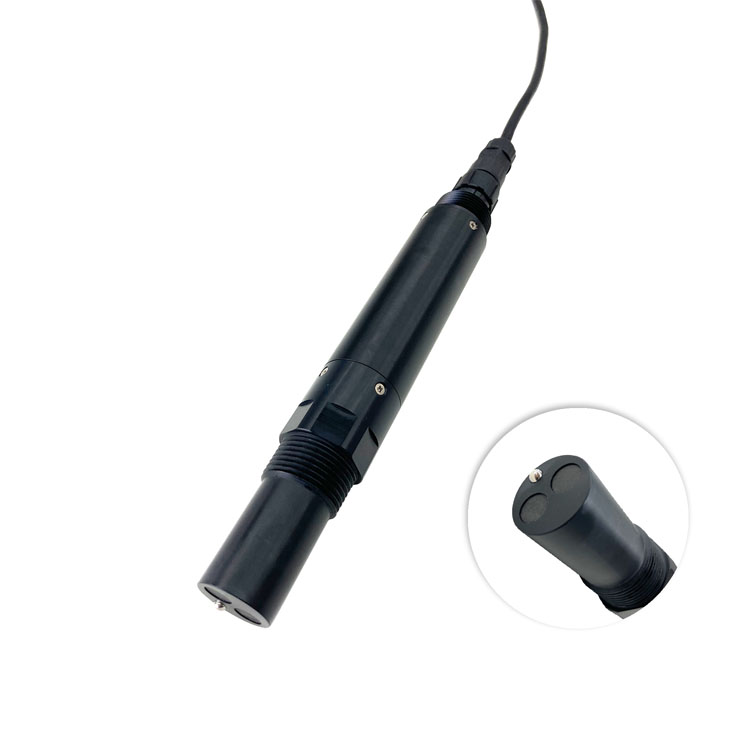
| Turbidity | 90° Scattered Light Method | Automatic cleaning/calibration every 3 months | Assessment of filtration and sedimentation efficiency |
| COD | UV254 / Chemical Digestion | Automatic cleaning as needed | Organic load early warning and compliance determination |
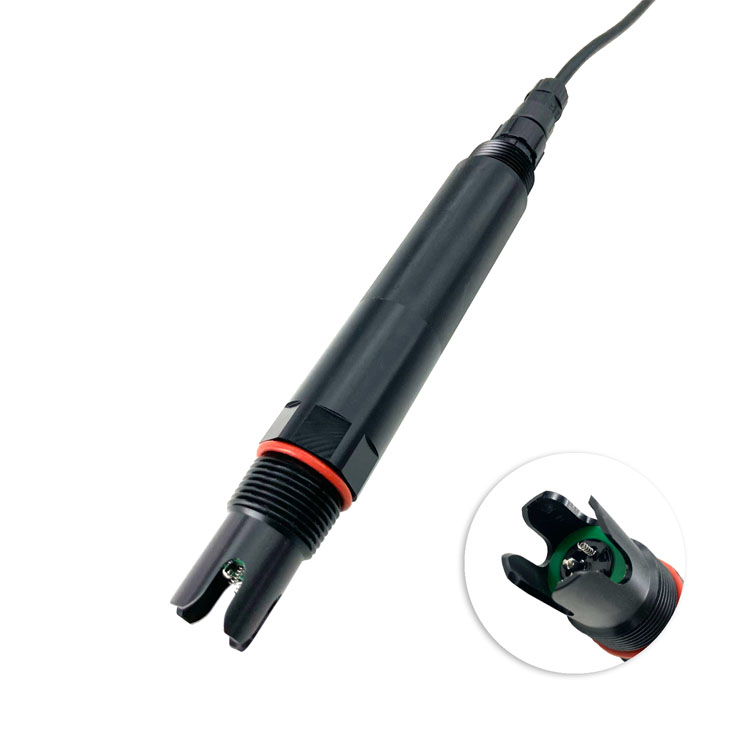
| Residual Chlorine | Constant Voltage Method | Replace membrane/electrolyte every 6 months | End-of-pipe safety assurance for water supply networks |
| pH/Temperature | Potentiometric Method | Regular calibration | Monitoring of chemical hydrolysis and process environment |
| Multi-parameter Gateway | Digital Integration | Remote OTA upgrade | Big data linkage and remote operation & maintenance |
Communication protocol transparency: Ensure all sensors output Modbus digital signals to avoid protocol conversion losses during integration.
Anti-corrosion and salt-resistant design: For pharmaceutical and chemical wastewater, sensor probes must use materials resistant to high-salt corrosion (such as titanium alloy or special plastics).
Automated maintenance: Prioritize optical sensors with automatic cleaning devices (brush head or air purge) to cope with fouling problems caused by sludge and high-concentration wastewater.
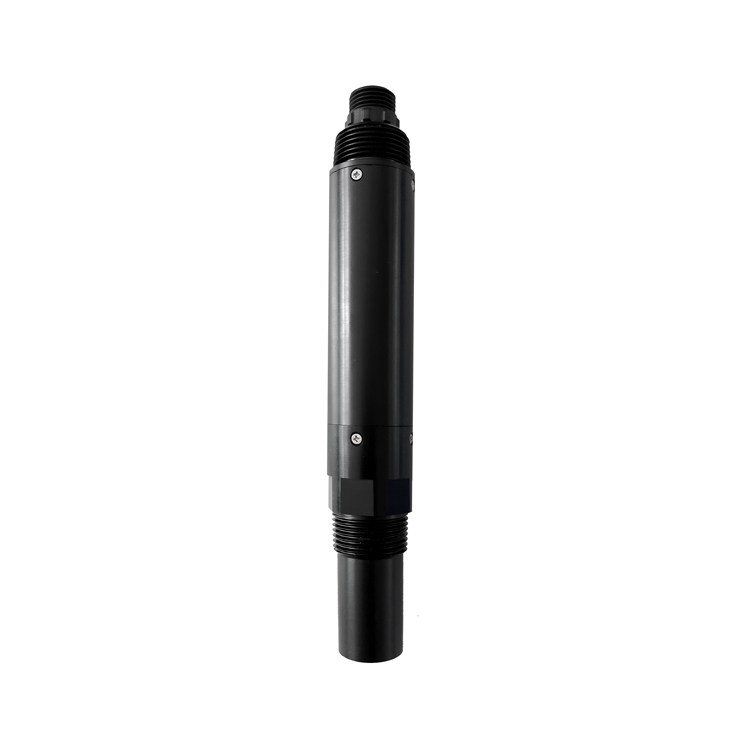
A: Turbidity represents particulate matter and organic load in water. The fewer particles, the fewer by-products (such as trihalomethanes) produced during chlorination disinfection, resulting in higher water quality safety.
A: Organic pollutants mainly originate from domestic sewage, industrial wastewater discharge, and decay of animals and plants. The higher the COD indicator, the heavier the pollution of the water body from these sources.
A: Residual chlorine maintains continuous oxidation capacity in the pipe network, inhibiting the growth of biological films on pipe walls and ensuring that microbial indicators do not rebound during water conveyance.
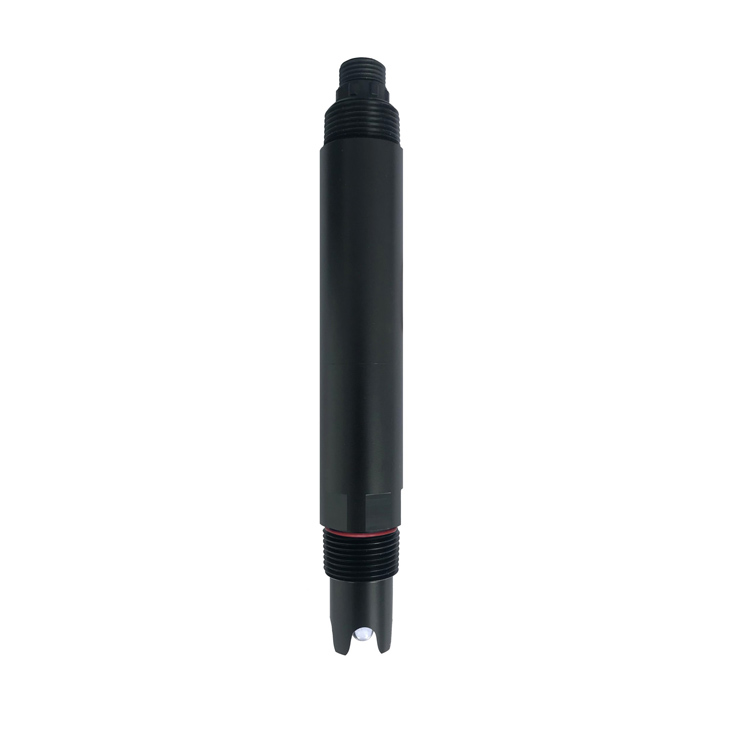
A: Fecal coliforms reflect more recent fecal pollution. When assessing water body safety, simultaneous compliance of both is a necessary condition for determining that water quality is drinkable.
A: Standard RS485 transmission can reach 1200 meters. For distributed river monitoring, it is recommended to use NiuBoL wireless DTU/RTU/gateway modules for cloud integration.
A: We recommend using inductive conductivity sensors in pharmaceutical and chemical wastewater projects to avoid electrode polarization, and use built-in salinity compensation algorithms to ensure the accuracy of pH and other indicators.
A: When the decomposition rate of organic matter in sludge exceeds the absorption rate of plants, excess nitrogen and phosphorus will enter surface water with water flow, causing eutrophication of water bodies and even polluting groundwater.
A: For process feedback, choose the UV method (no reagents, second-level response). For compliance discharge determination, choose the potassium dichromate high-temperature digestion method (complies with national standards and has high accuracy).
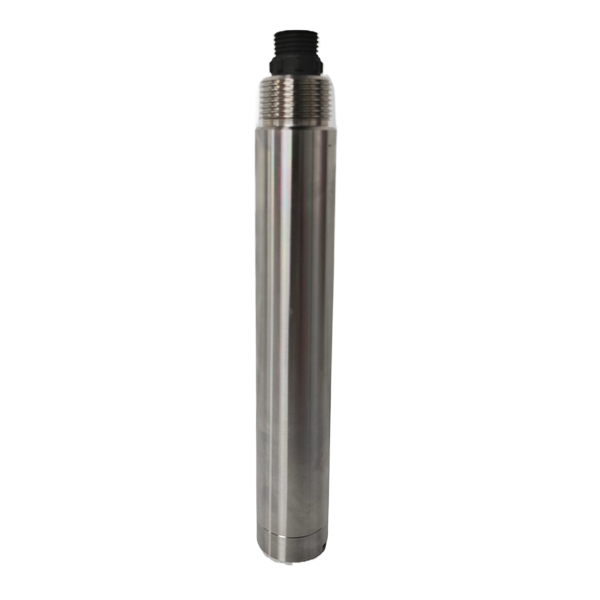
The 9 core indicators of water quality online monitoring constitute a complete evaluation system, covering physical, chemical, and microbiological dimensions. Through NiuBoL’s stable and reliable sensing technology, system integrators can build a closed-loop system from “real-time monitoring” to “automatic early warning” and then to “process optimization”. Under increasingly stringent environmental protection regulations, precise data is not only a guarantee of compliance but also a core digital asset for industrial enterprises to achieve cost reduction and efficiency improvement.
 NBL-RDO-206 Online Fluorescence Dissolved Oxygen Sensor.pdf
NBL-COD-208 Online COD Water Quality Sensor.pdf
NBL-CL-206 Water Quality Sensor Online Residual Chlorine Sensor.pdf
Next:no more
Related recommendations
Sensors & Weather Stations Catalog
Agriculture Sensors and Weather Stations Catalog-NiuBoL.pdf
Weather Stations Catalog-NiuBoL.pdf
Agriculture Sensors Catalog-NiuBoL.pdf
Water Quality Sensor Catalog-NiuBoL.pdf
Related products
 Combined air temperature and relative humidity sensor
 Soil Moisture Temperature sensor for irrigation
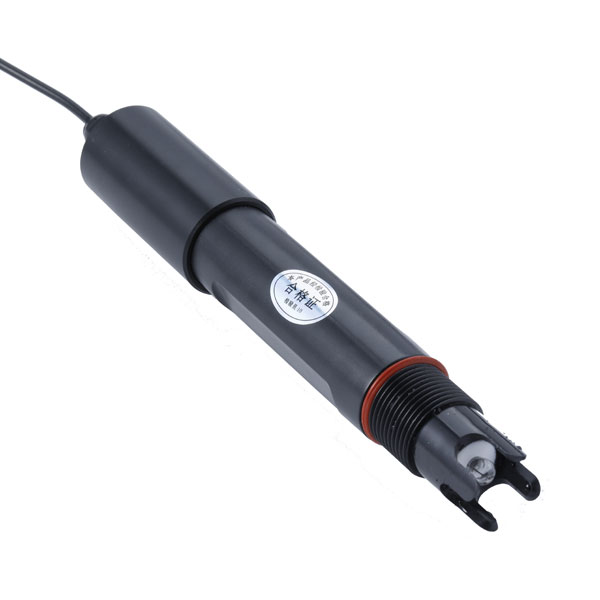 Soil pH sensor RS485 soil Testing instrument soil ph meter for agriculture
 Wind Speed sensor Output Modbus/RS485/Analog/0-5V/4-20mA
 Tipping bucket rain gauge for weather monitoring auto rainfall sensor RS485/Outdoor/stainless steel
 Pyranometer Solar Radiation Sensor 4-20mA/RS485

Screenshot, WhatsApp to identify the QR code
WhatsApp number:+8615367865107
(Click on WhatsApp to copy and add friends)

