






— Blogs —
—Products—
 Consumer hotline +8618073152920
 WhatsApp:+8615367865107
Address:Room 102, District D, Houhu Industrial Park, Yuelu District, Changsha City, Hunan Province, China
Product knowledge
Time:2026-04-19 19:58:32 Popularity:12
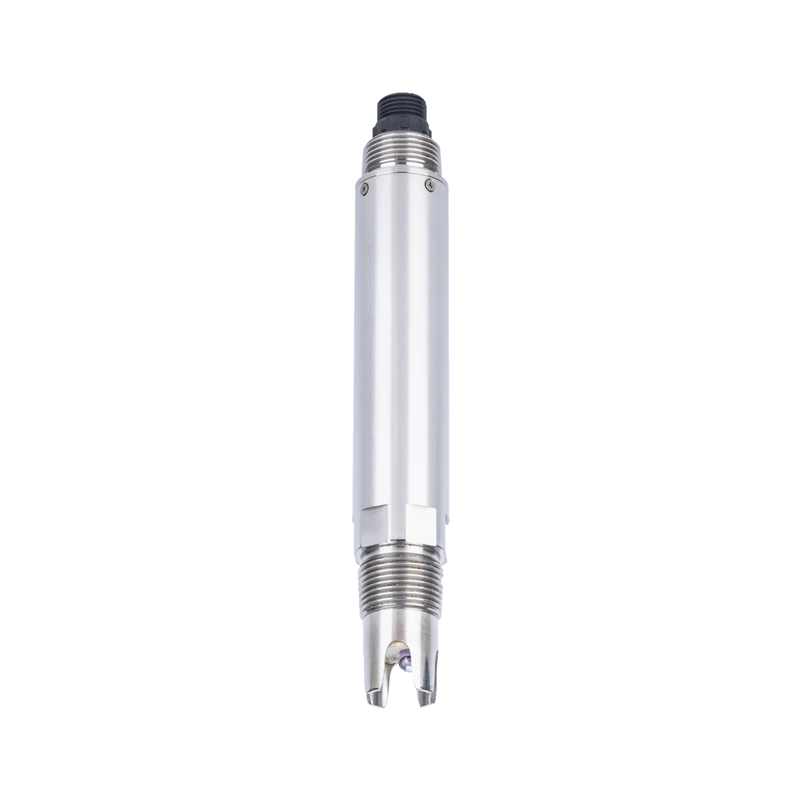
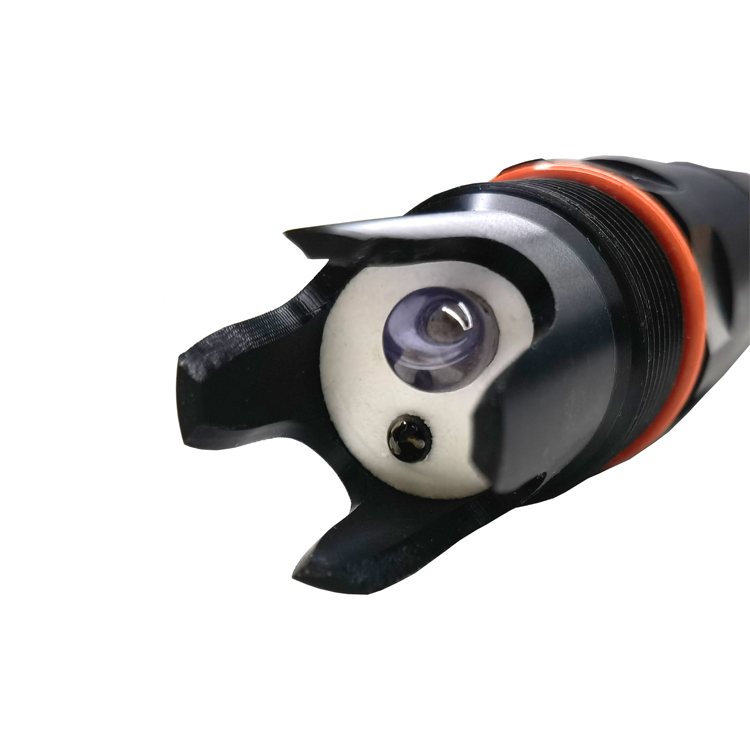
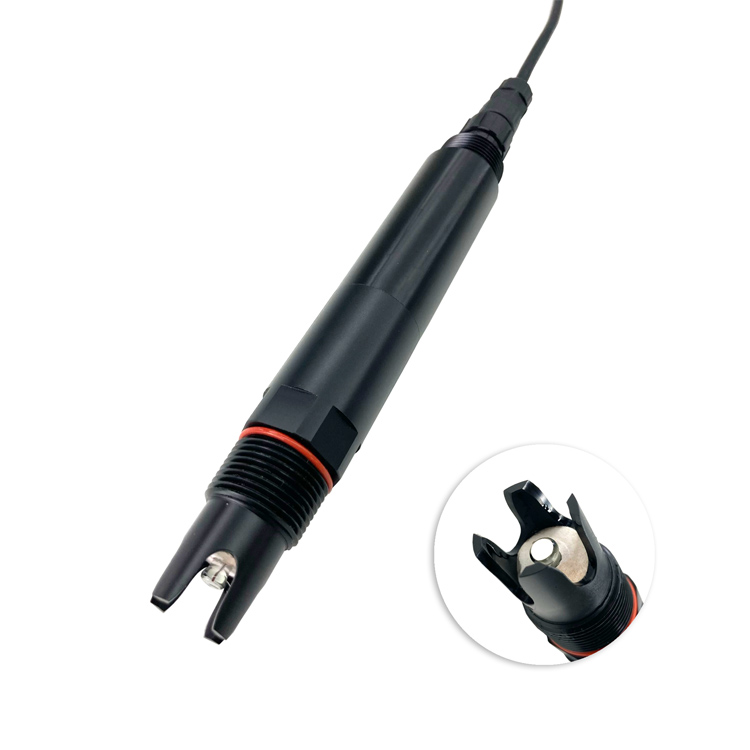
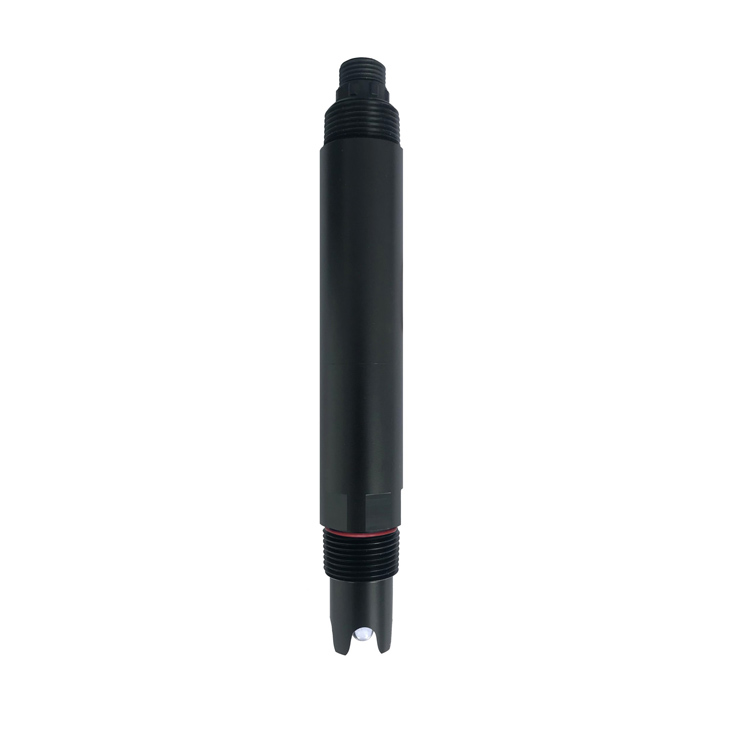
Groundwater, as an important drinking water source and ecological foundation, its water quality safety directly affects regional water supply security and environmental sustainability. Current groundwater monitoring faces practical challenges such as uneven distribution of monitoring stations, insufficient funding, relatively backward instruments and equipment, and single monitoring items. The water quality online monitoring system provides high-frequency and reliable data through real-time continuous collection of pH, temperature, and other key parameters, supporting IoT integration and remote decision-making. NiuBoL NBL-PHG-206 industrial online pH sensor provides stable solutions suitable for groundwater monitoring wells, observation networks, and pollution prevention and control projects for system integrators, IoT solution providers, project contractors, and engineering companies with its patented long-life reference technology, IP68 protection, and Modbus RTU protocol. This article analyzes the main problems in groundwater monitoring, elaborates the engineering value of the online monitoring system, and details product application, selection and integration, and maintenance points to help project teams build efficient and reliable groundwater monitoring networks.
Although China's groundwater monitoring network has reached a certain scale, structural deficiencies still exist, restricting improvements in data accuracy and management efficiency.
Unreasonable distribution of monitoring stations: Monitoring well density is low, with unbalanced north-south distribution and insufficient coverage in some key areas, resulting in limited data representativeness and difficulty in fully reflecting groundwater dynamic changes. Sparse monitoring points are prone to spatial interpolation errors under complex geological conditions, affecting pollution migration assessment and risk early warning accuracy.
Insufficient monitoring funding investment: For a long time, groundwater observation funding has been relatively limited, restricting equipment updates, station maintenance, and data analysis capability construction. Under funding constraints, some areas find it difficult to achieve high-frequency or multi-parameter monitoring, affecting dynamic tracking and emergency response.
Relatively backward monitoring instruments and equipment: Traditional manual sounding rope methods still account for a certain proportion, and accuracy and timeliness are difficult to meet modern needs. Manual sampling is greatly affected by human factors, with poor data continuity, making it impossible to timely capture sudden pollution events or seasonal changes. Equipment aging and maintenance difficulties further amplify monitoring bottlenecks.
Single monitoring items: Most stations focus on water level and water temperature monitoring, with insufficient coverage of water quality (such as pH, dissolved oxygen, conductivity) and water quantity and ecological related indicators. Single items make it difficult to support sustainable water resource utilization assessment, especially in urban water source areas or pollution-sensitive areas, where the lack of multi-parameter online monitoring leads to delayed ecological risk identification.
In addition, the overall work of water quality online monitoring also faces problems such as insufficient targeted standards, high costs, differences in the level of third-party institutions, and reliance on imported precision equipment. These challenges jointly promote the industry's transformation toward automation and digitalization. Online monitoring systems have become an important path to optimize groundwater management.
The online monitoring system achieves continuous data collection, automatic transmission, and cloud analysis through pipeline or wellhead sampling, supporting early warning, linkage control, and multi-party sharing. Compared with traditional manual monitoring, its advantages are reflected in real-time performance, continuity, and low intervention characteristics, which can significantly improve data timeliness and objectivity.
The NiuBoL solution focuses on typical groundwater working conditions and relies on RS-485 Modbus RTU digital output for easy access to PLC, DCS, SCADA, or IoT platforms to achieve remote monitoring and data visualization. For system integrators, it can quickly build distributed monitoring networks; IoT solution providers can expand cloud analysis and mobile query functions; project contractors benefit from standardized interfaces, shortening deployment cycles and reducing on-site construction and operation & maintenance costs.
The system is particularly suitable for groundwater observation wells, drinking water source protection areas, industrial park surroundings, and agricultural irrigation area monitoring. It supports combination with water level and water temperature sensors to form water level-water quality integrated monitoring nodes, meeting the requirements of the "Groundwater Quality Standard" (GB/T 14848) and related technical specifications.
In the construction of groundwater monitoring networks, NiuBoL sensors are suitable for the following engineering scenarios:
Drinking water source protection: Real-time monitoring of pH changes to assist in assessing water quality stability and support linkage with water level sensors to prevent pollution intrusion.
Pollution prevention and remediation: Deploy multi-parameter nodes in observation wells around industrial parks or landfills to capture pH anomalies and assist in pollution plume tracking and risk assessment.
Agricultural and ecological monitoring: Groundwater pH monitoring in irrigation areas, combined with conductivity data to assess salinization risks and support sustainable water resource utilization.
Urban water supply security: Integrate online systems in urban groundwater observation networks to achieve high-frequency data collection and meet dynamic evaluation and emergency management needs.
The system accesses existing platforms through the Modbus RTU protocol and supports data remote transmission and alarm linkage. For areas with insufficient monitoring station density, online nodes can be prioritized at key points to improve the overall coverage efficiency of the network. In engineering practice, combined with wireless transmission modules, unattended operation can be achieved, significantly reducing manual inspection costs.
Selection must be comprehensively evaluated based on groundwater working conditions, monitoring objectives, and system integration requirements:
Parameter priority: Basic monitoring takes pH as the core; NBL-PHG-206 is recommended. When expansion is needed, it can be paired with temperature, conductivity, and other sensors to form multi-parameter probes.
Installation environment: Observation well depth and water level fluctuation determine the feasibility of submersible installation. The 3/4 NPT interface adapts to most wellhead modifications. In low-flow groundwater environments, immersing 1/3 of the sensor is sufficient to meet measurement requirements.
Communication and power supply: RS-485 Modbus RTU supports long-distance bus transmission with configurable addresses to avoid conflicts. Low-power characteristics are suitable for solar-powered scenarios; prioritize in remote areas.
Durability considerations: Under long-term immersion conditions in groundwater, the patented reference system can extend the maintenance cycle. High mineralization or polluted areas require evaluation of electrode compatibility.
System scalability: Reserve Modbus address space for future addition of monitoring points or integration of other water quality parameters. Cable length can be customized according to well depth to reduce wiring complexity.
Engineering teams are advised to provide information such as medium characteristics (pH range, temperature, pressure), installation depth, communication protocol, and data platform type to obtain targeted configuration solutions. Compared with imported equipment, localized solutions have engineering advantages in cost control, adaptability, and after-sales response.
| Parameter | Specification |
|---|---|
| Model | NBL-PHG-206 |
| Housing Material | ABS/PC Alloy |
| Measurement Principle | Glass Electrode Method |
| Range | 0~14.00 pH |
| Resolution | 0.01 pH |
| Accuracy | ±0.1 pH,±0.3℃ |
| Response Time (T90) | <30s |
| Calibration Method | Two-point Calibration |
| Temperature Compensation | Automatic Temperature Compensation (Pt1000) |
| Output Method | RS-485 (Modbus RTU) |
| Operating Temperature | 0~50℃ |
| Operating Pressure | ≤0.2MPa |
| Installation Method | Submersible Installation, 3/4 NPT |
| Power Supply Voltage | 12~24V DC |
| Power Consumption | 0.2W@12V |
| Protection Rating | IP68 |
| Cable Length | 5 meters (customizable) |
| Storage Temperature | -5~65℃ |
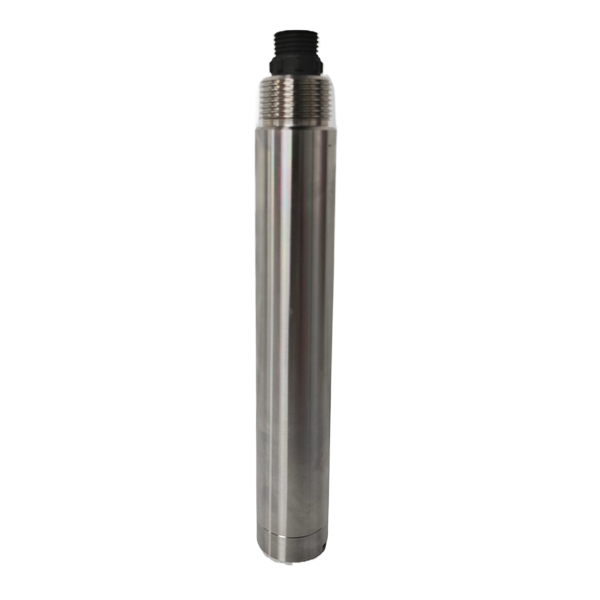
Before installation, evaluate wellhead sealing and water flow stability to avoid the influence of bubbles or sediments on sensor response. During submersible installation, ensure full contact between the glass bulb and the liquid junction, and use fixed brackets to prevent displacement. Keep wiring terminals dry, use shielded cables with single-end grounding to suppress electromagnetic interference.
During integration, the Modbus RTU protocol supports standard function codes to read pH value, temperature, and equipment status, which can be directly mapped to PLC registers or IoT gateways. Bus topology is recommended to adopt star or bus structure. When the length is long, configure repeaters. Separate the power supply circuit to avoid common ground interference. Before initial commissioning, complete two-point calibration using standard buffer solution and verify reading stability and alarm threshold settings.
For distributed monitoring networks, it is recommended to configure data acquisition units that support 4G wireless transmission to achieve cloud storage and visualization analysis. During system debugging, cross-verify multi-point data consistency to ensure overall network reliability.
Groundwater environments have high requirements for sensor durability. Standardized maintenance can maximize equipment life cycle. Before measurement, clean the sensor in distilled water or deionized water and blot dry with filter paper to prevent impurity adhesion. When not in use or during long-term storage, clean and insert into a protective sleeve containing 3mol/L potassium chloride solution.
Regularly check wiring terminals. If there is dirt, wipe with anhydrous alcohol and blow dry. Avoid long-term immersion in pure water or protein solutions and prevent contact with organic silicone grease. When deposits appear on the glass membrane, wash with dilute hydrochloric acid and rinse thoroughly. Perform periodic calibration with the instrument. If response time is prolonged or calibration deviation exceeds indicators, promptly evaluate replacement needs.
In engineering projects, it is recommended to establish maintenance logs and optimize calibration intervals based on historical data to reduce full life cycle costs.
A: Prioritize deployment of NiuBoL sensor nodes in key or blank areas and use the Modbus RTU protocol to quickly integrate with existing networks to improve data coverage density and spatial representativeness.
A: Low-power design and long-life patented electrodes reduce replacement frequency. Remote data transmission reduces manual inspection investment. Overall operation and maintenance costs are better than traditional manual monitoring.
A: Pt1000 temperature compensation and dual high-impedance amplifier suppress interference. The two-point calibration mechanism ensures accuracy. IP68 protection adapts to underground well environments, with response time shorter than 30 seconds.
A: NBL-PHG-206 can be combined with other parameter sensors to form multi-element monitoring nodes, covering indicators such as pH and water temperature to support sustainable utilization assessment needs.
A: The standard protocol supports direct data reading. Addresses are configurable and compatible with most PLCs and IoT gateways without complex conversion.
A: Ensure appropriate sensor immersion depth and stable water flow to avoid sediment coverage. Keep wiring dry and moisture-proof, and verify reading stability after calibration.
A: NiuBoL localized solutions have advantages in performance adaptation, cost control, and after-sales response, meeting the needs of most industrial and environmental protection projects.
A: Groundwater medium characteristics, monitoring well depth, temperature and pressure range, communication and power conditions, integration platform type, and key monitoring indicators to facilitate matching the best configuration.
The groundwater quality online monitoring system is an effective engineering means to address challenges such as uneven distribution of monitoring stations, funding, equipment, and single items. Through standardized selection, installation, and maintenance, data continuity and management efficiency can be significantly improved, supporting water resource protection, pollution prevention and control, and sustainable utilization decisions. Convenient Modbus RTU integration and high-protection design provide mature solutions for upgrading groundwater monitoring networks. System integrators and engineering companies can flexibly build monitoring systems adapted to projects of different scales relying on this series of products. For technical parameter verification or customized integration solutions, please contact the NiuBoL professional team to jointly promote high-quality implementation of groundwater monitoring projects.
 NBL-NHN-302 Industrial-grade Multi-parameter Online Ammonia Nitrogen Sensor.pdf
NBL-RDO-206 Online Fluorescence Dissolved Oxygen Sensor.pdf
NBL-COD-208 Online COD Water Quality Sensor.pdf
NBL-CL-206 Water Quality Sensor Online Residual Chlorine Sensor.pdf
Related recommendations
Sensors & Weather Stations Catalog
Agriculture Sensors and Weather Stations Catalog-NiuBoL.pdf
Weather Stations Catalog-NiuBoL.pdf
Agriculture Sensors Catalog-NiuBoL.pdf
Water Quality Sensor Catalog-NiuBoL.pdf
Related products
 Combined air temperature and relative humidity sensor
 Soil Moisture Temperature sensor for irrigation
 Soil pH sensor RS485 soil Testing instrument soil ph meter for agriculture
 Wind Speed sensor Output Modbus/RS485/Analog/0-5V/4-20mA
 Tipping bucket rain gauge for weather monitoring auto rainfall sensor RS485/Outdoor/stainless steel
 Pyranometer Solar Radiation Sensor 4-20mA/RS485

Screenshot, WhatsApp to identify the QR code
WhatsApp number:+8615367865107
(Click on WhatsApp to copy and add friends)

