





— Blogs —
—Products—
 Consumer hotline +8618073152920
 WhatsApp:+8615367865107
Address:Room 102, District D, Houhu Industrial Park, Yuelu District, Changsha City, Hunan Province, China
Product knowledge
Time:2026-04-19 19:43:37 Popularity:12
In the context of accelerating industrialization, water pollution control has shifted from simple “end-of-pipe compliance” to “full-process precise control”. For system integrators (SI), IoT solution providers, and engineering contractors, water quality online monitors are no longer isolated measurement tools but core sensing nodes for wastewater treatment process scheduling and environmental risk prevention.
NiuBoL focuses on providing industrial-grade water quality monitoring technology to assist partners in improving the scientific nature and early warning capability of environmental governance through digital means in complex industrial wastewater and sludge disposal projects.
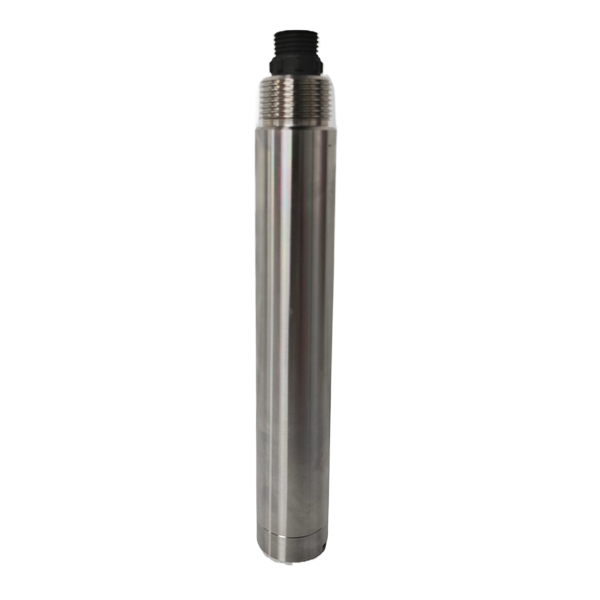
Quantification of wastewater quality characteristics is the prerequisite for formulating any treatment technology scheme. Conventional indicators (such as COD, BOD, SS, ammonia nitrogen, total phosphorus, etc.) not only describe the pollution load of wastewater but also determine the selection of backend processes.
Conventional indicators define the physical and chemical characteristics of wastewater. System integrators must rely on long-term online monitoring data in the design stage to determine:
Biochemical treatability assessment: Determine whether to adopt biochemical processes such as A2O and MBR through the BOD/COD ratio.
Load margin design: Real-time water quality fluctuation data helps engineers reasonably plan hydraulic retention time (HRT) and sludge age (SRT) in the early stage of the project.
Taking biological treatment as an example, each process unit has strict requirements on influent water quality.
Early warning of shock load: Online monitoring equipment can identify surges in influent COD or toxic substances in real time to prevent collapse of the activated sludge system.
Feedback control optimization: Use real-time pH, DO (dissolved oxygen), and ORP data to link with variable frequency aeration and dosing systems to achieve refined operation and significantly reduce energy consumption.
Wastewater treatment is not the end of pollution but the transfer of pollutants. During wastewater treatment, a large amount of organic matter, pathogens, and heavy metals will be enriched in sludge. Improper treatment will cause serious setbacks in environmental governance.
Sludge is enriched with refractory organic substances such as benzene, chlorophenols, polychlorinated biphenyls (PCBs), and dioxins. These substances have persistent bioaccumulation characteristics. Once they enter soil or water bodies, they will produce long-term ecological toxicity through the food chain.
Pathogenic bacteria and parasite eggs in wastewater are highly concentrated in sludge. Sludge that has not undergone reduction and harmless treatment may cause public health and safety risks through water source pollution, soil contact, and other pathways.
70%–90% of heavy metal elements (such as cadmium, chromium, copper, and zinc) will be transferred to sludge through adsorption or precipitation.
Industrial sources: Heavy metals such as cadmium and chromium mainly originate from electrical and metallurgical emissions.
Domestic sources: Copper and zinc often come from corrosion of household piping systems.
These heavy metals cannot be degraded in the environment and can only be treated through physical extraction or stabilization technology.
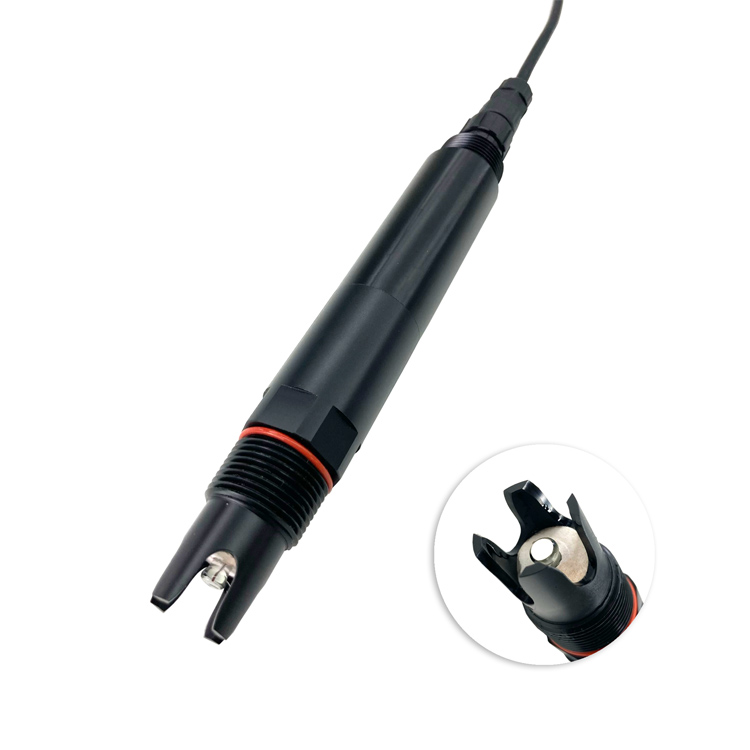
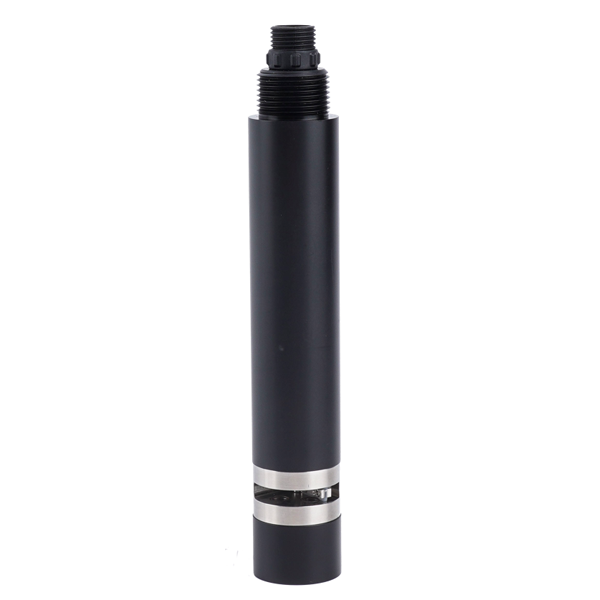
To meet complex monitoring needs, NiuBoL provides sensor integration solutions covering the entire process chain. For the needs of system integrators, the following are engineering parameter references for core monitoring units:
| Monitoring Parameter | Measurement Principle | Application Section | Typical Measurement Range |
|---|---|---|---|
| COD (Chemical Oxygen Demand) | UV254 Absorption Method / Chemical Digestion Method | Inlet / Discharge Outlet Monitoring | 0–1000 / 5000 mg/L |
| Sludge Concentration (MLSS) | Infrared 90° Scattered Light Method | Biochemical Tank Sludge Return Control | 0–10000 / 50000 mg/L |
| Ammonia Nitrogen (NH3-N) | Ion Selective Electrode Method | Denitrification Process Section Feedback | 0.1–1000 mg/L |
| pH/Temperature | Industrial Composite Electrode | Full Process Flow Control | 0–14 pH / 0–60°C |
| Dissolved Oxygen (DO) | Fluorescence Method (Optical) | Aeration Tank Energy-Saving Control | 0–20 mg/L |
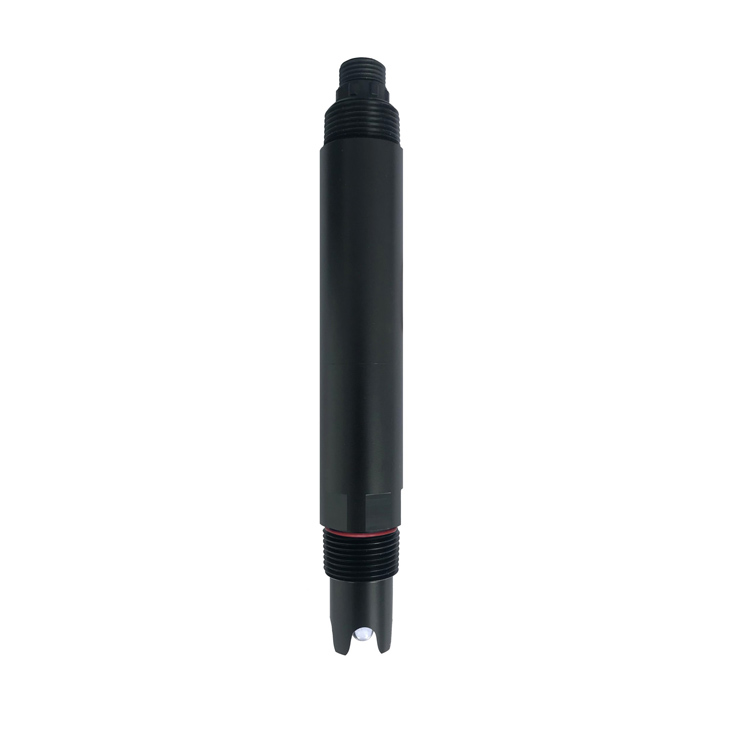
The NiuBoL water quality online monitoring system can adapt to a variety of harsh industrial and municipal application scenarios and provide closed-loop data support for B2B customers.
Integrators use online analyzers to monitor the influent C/N ratio, dynamically adjust the internal reflux ratio and external carbon source dosage, ensure stable compliance of effluent total nitrogen, and achieve preliminary prediction of sludge production.
Engineering contractors deploy multi-parameter monitoring terminals at the discharge outlets of various enterprises in the park, track illegal discharge behavior through real-time pH and heavy metal monitoring, and provide technical support for cross-administrative regional water quality assessment.
In drinking water source areas, low-power online monitoring buoys are deployed. Big data analysis is used to predict eutrophication trends, and timely warnings are triggered through abnormal changes in nitrogen and phosphorus indicators to prevent cyanobacterial blooms.
In the sludge dewatering link, the online sludge concentration meter is used to monitor the inlet sludge moisture content in real time, link with the dosing system to precisely control the dosage of polyacrylamide (PAM), reduce sludge disposal costs, and reduce the risk of secondary pollution.
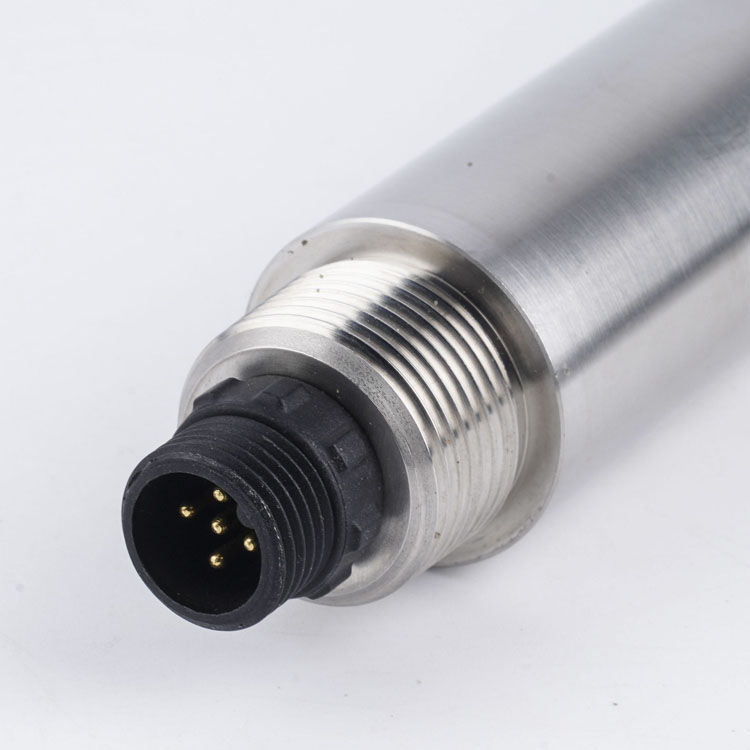
A: Mainly by monitoring the ratio of BOD5 to COD. Usually, a B/C ratio greater than 0.3 is considered to have good biodegradability. NiuBoL online COD analyzers can provide high-frequency data support to assist engineers in process judgment.
A: Excessive salt content in sludge will increase soil conductivity, leading to osmotic dehydration of plant roots, inhibiting nutrient absorption, and in severe cases, causing plant death.
A: Pharmaceutical wastewater contains a large amount of antibiotics and refractory organic matter, with obvious biological inhibition. Online COD monitoring of the oxidation process ensures that it has been broken and transformed before entering the biochemical system.
A: RS485 has extremely strong anti-interference ability and supports long-distance transmission. Based on the Modbus-RTU protocol, integrators can easily connect dozens of sensors to PLC or host computer systems, reducing wiring and gateway costs.
A: When the amount of sludge applied exceeds the plant absorption capacity and encounters heavy rainfall, nitrogen and phosphorus produced by the decomposition of organic matter will infiltrate with water flow and enter groundwater bodies through the soil layer, leading to excessive nitrate content.
A: Our MLSS and DO sensors adopt fluorescence or infrared scattering technology and are equipped with fully automatic scraper cleaning devices, which can effectively prevent biofilm and sludge adhesion and greatly extend the maintenance cycle.
A: Through real-time monitoring of influent suspended solids and biochemical load, precisely control sludge discharge frequency to reduce ineffective sludge production. At the same time, automatically adjust dosing amount according to sludge concentration in the dewatering link.
A: It provides a large amount of real-time underlying data. Through NiuBoL’s data interface, integrators can build water quality prediction models to achieve a leap from “real-time discovery” to “trend prediction”.
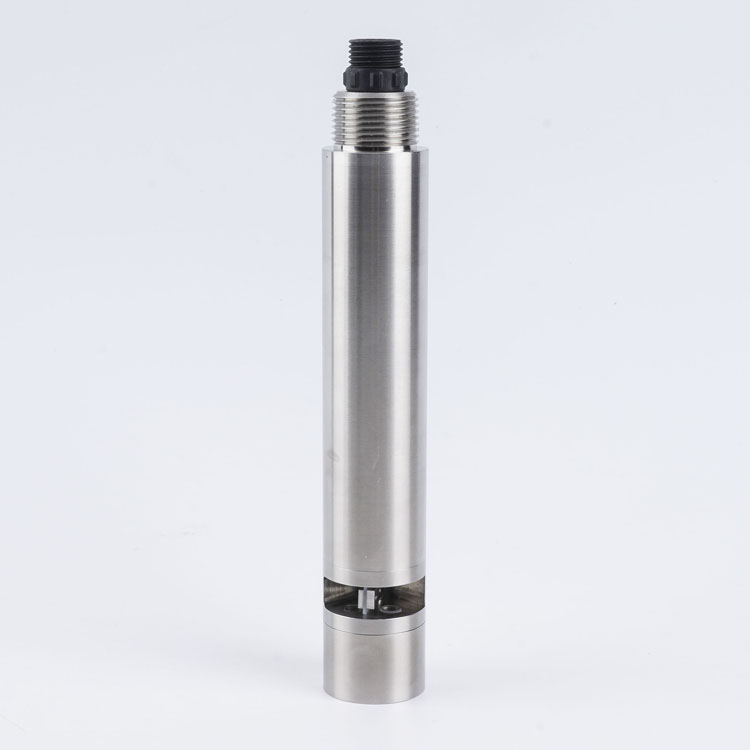
Water quality online monitoring is not only a “sentinel” for environmental protection but also the “brain” for optimizing industrial wastewater treatment and sludge disposal systems. Through NiuBoL’s stable and reliable sensing technology, system integrators can build a complete governance closed loop from water quality characteristic quantification to process logic control and then to secondary pollution prevention. In today’s pursuit of win-win economic and ecological benefits, intelligent water environment monitoring has become the only way to enhance the core competitiveness of environmental protection projects.
 NBL-NHN-302 Industrial-grade Multi-parameter Online Ammonia Nitrogen Sensor.pdf
NBL-RDO-206 Online Fluorescence Dissolved Oxygen Sensor.pdf
NBL-COD-208 Online COD Water Quality Sensor.pdf
NBL-CL-206 Water Quality Sensor Online Residual Chlorine Sensor.pdf
Related recommendations
Sensors & Weather Stations Catalog
Agriculture Sensors and Weather Stations Catalog-NiuBoL.pdf
Weather Stations Catalog-NiuBoL.pdf
Agriculture Sensors Catalog-NiuBoL.pdf
Water Quality Sensor Catalog-NiuBoL.pdf
Related products
 Combined air temperature and relative humidity sensor
 Soil Moisture Temperature sensor for irrigation
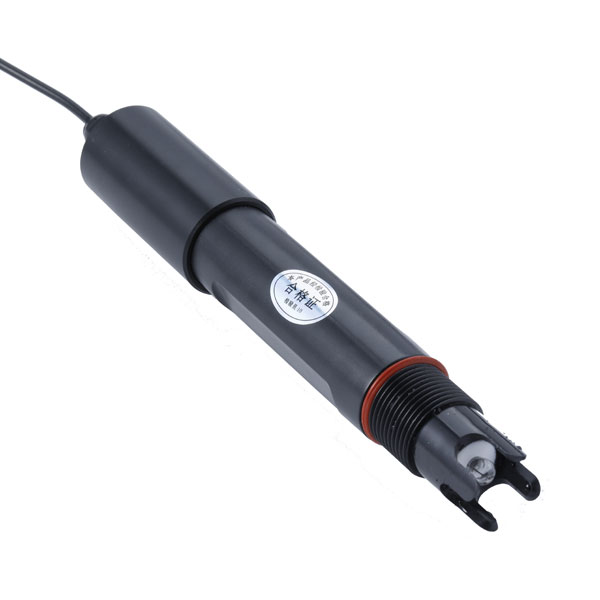 Soil pH sensor RS485 soil Testing instrument soil ph meter for agriculture
 Wind Speed sensor Output Modbus/RS485/Analog/0-5V/4-20mA
 Tipping bucket rain gauge for weather monitoring auto rainfall sensor RS485/Outdoor/stainless steel
 Pyranometer Solar Radiation Sensor 4-20mA/RS485

Screenshot, WhatsApp to identify the QR code
WhatsApp number:+8615367865107
(Click on WhatsApp to copy and add friends)

