





— Blogs —
—Products—
 Consumer hotline +8618073152920
 WhatsApp:+8615367865107
Address:Room 102, District D, Houhu Industrial Park, Yuelu District, Changsha City, Hunan Province, China
Product knowledge
Time:2026-04-16 11:48:49 Popularity:9
With the optimization of China’s energy structure and the continuous increase in capacity of large thermal power and cogeneration units, chemical water treatment in power plants has become a key link to ensure safe and economical boiler operation and prevent corrosion and scaling in steam-water systems. The traditional decentralized treatment mode can no longer meet the stringent requirements for water quality stability in high-parameter and large-capacity units. Based on engineering practice, NiuBoL focuses on the trends of equipment centralization, intelligent control, and process diversification, providing power plants with complete solutions from make-up water treatment to circulating water, condensate, and wastewater treatment, helping projects reduce total cost of ownership and improve system reliability.
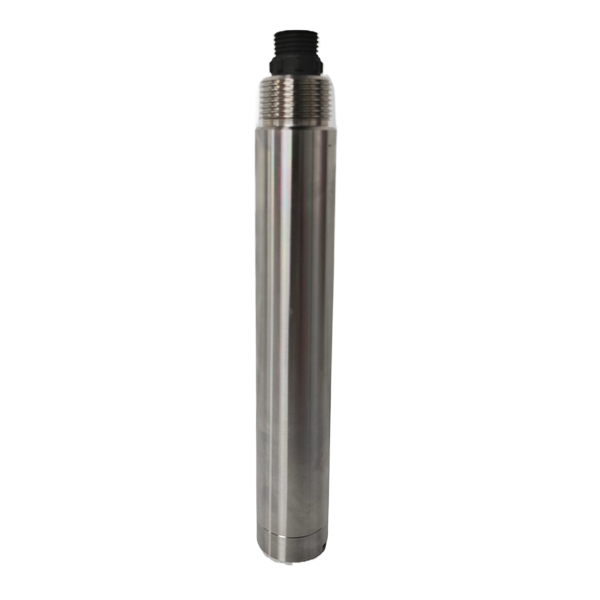
The chemical water treatment system in power plants covers subsystems such as boiler make-up water pretreatment, desalination, condensate polishing, circulating cooling water treatment, steam-water sampling and monitoring, dosing systems, comprehensive pump houses, chlorination, and wastewater treatment. With the popularization of 600 MW and above ultra-supercritical units, water treatment technology presents the following distinct engineering features:
Centralized Equipment Layout
The traditional planar and loose layout occupies a large area, with dispersed production positions and high management difficulty. The current mainstream trend is compact three-dimensional and centralized configuration, integrating pretreatment, desalination, condensate polishing, and circulating water stabilization units in a modular manner. In NiuBoL system design, plant space constraints are fully considered. Through three-dimensional stacking and shared pipe corridors, the footprint is reduced by more than 30% compared with traditional solutions, while improving overall equipment utilization and facilitating inspection and maintenance.
Centralized Production Control
The early analog panel control mode has been eliminated. NiuBoL recommends a PLC + host computer two-level control architecture. All subsystems are connected to the chemical main control room via industrial Ethernet or PROFIBUS bus, realizing centralized monitoring, remote operation, and fully automatic sequential control. The system supports seamless docking with the DCS/PLC main control system and can automatically adjust dosing volume, backwash cycle, and operation mode according to unit load and online water quality monitoring data (conductivity, pH, dissolved oxygen, turbidity, etc.), significantly reducing human intervention risks and improving response speed.
Diversified Processes
The traditional process dominated by coagulation filtration + ion exchange + phosphate treatment has gradually been supplemented by membrane methods (ultrafiltration + reverse osmosis), high-performance ion exchange resins, powdered resin covered filtration, and oxygenated treatment technologies. In membrane system selection, NiuBoL prioritizes anti-fouling composite membrane elements. Combined with powdered resin condensate treatment units, make-up water conductivity can be stably controlled below 0.1 μS/cm, providing qualified feedwater for high-parameter boilers.
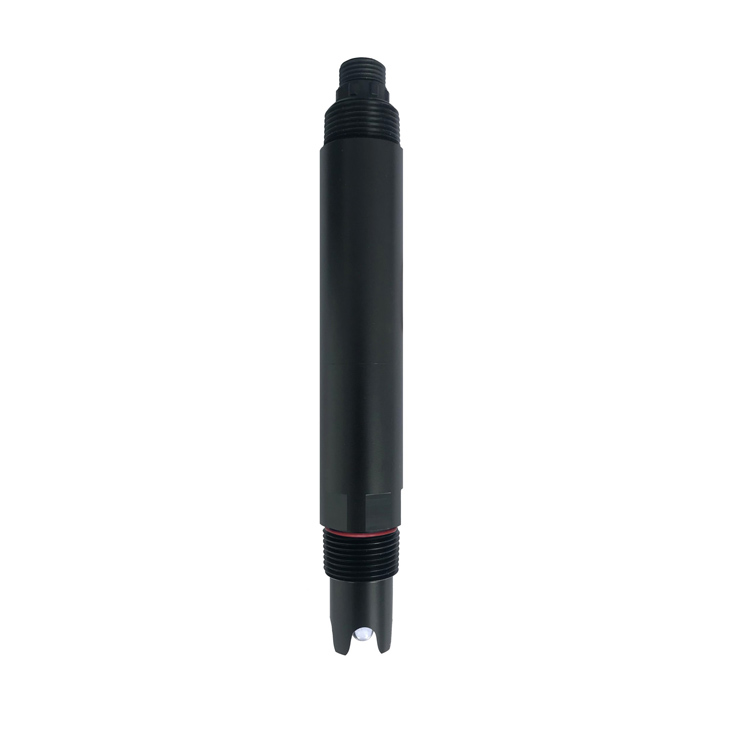
Oxygen corrosion in boiler feedwater systems is one of the common faults in power plants. For steam boilers with evaporation capacity ≥2 t/h and hot water boilers with water temperature ≥95℃, deoxygenation and anti-corrosion measures must be implemented. NiuBoL provides three mature paths:
1. Physical deoxygenation: Use thermal deaerators or vacuum deaerators to remove dissolved oxygen (DO) in water to ≤7 μg/L by heating or decompression.
2. Chemical deoxygenation: Add hydrazine, sodium sulfite, or new organic deoxidizers to convert dissolved oxygen into stable compounds.
3. Electrochemical protection: Use sacrificial anodes or impressed current cathodic protection technology to consume oxygen in water.
In actual engineering, a combination of physical + chemical methods is often used to ensure that feedwater DO indicators meet the requirements of GB/T 12145-2016 “Water and Steam Quality for Thermal Power Units and Steam Power Equipment”.
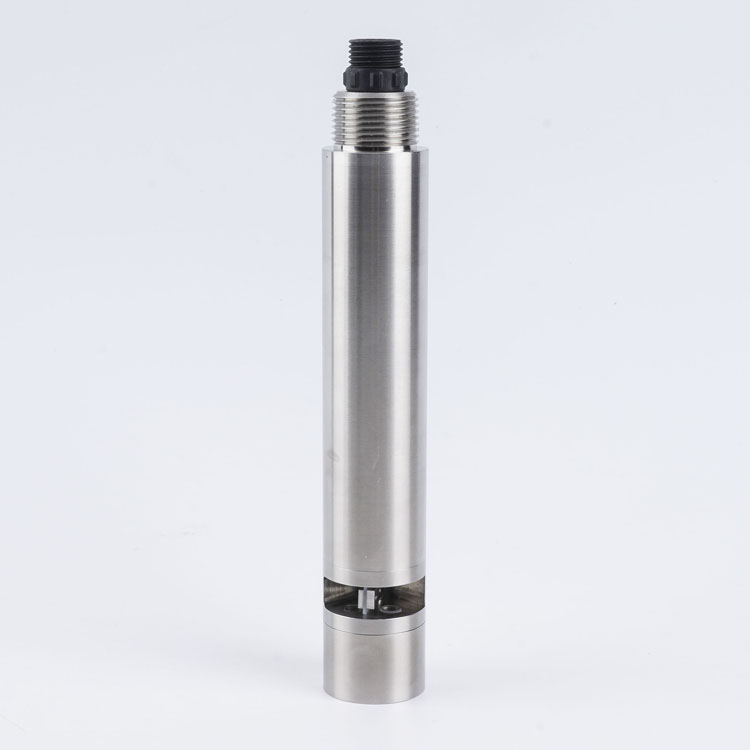
For once-through boilers and some drum boilers, feedwater oxygenated treatment (OT) has become the mainstream anti-corrosion technology. Its core principle is to add an appropriate amount of oxygen (usually 20–50 μg/L) under high-purity feedwater conditions to form a dense Fe₃O₄ double-layer protective film on the carbon steel surface, raising the natural corrosion potential by hundreds of millivolts to achieve passivation protection.
NiuBoL oxygenated treatment systems require strict control of key parameters such as inlet water conductivity ≤0.15 μS/cm, iron content ≤10 μg/L, and oxygen content. Full-flow condensate polishing is a prerequisite, which can effectively remove metal corrosion products and ions in condensate and prevent flow-accelerated corrosion (FAC) in the pre-boiler system and pressure difference rise caused by wavy oxide film inside water wall tubes after oxygenated treatment. Engineering practice shows that after standardized oxygenated treatment, boiler pressure difference can be reduced by 15%–25%, and the chemical cleaning cycle is significantly extended.
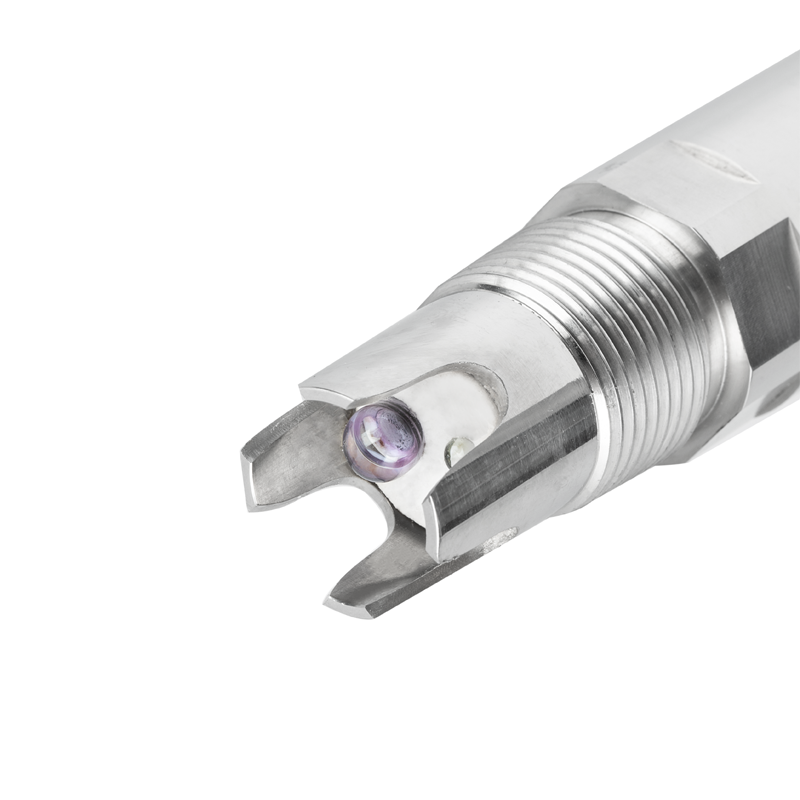
Drum Boiler Drum Water Dosing and Blowdown Control
To prevent calcium and magnesium ion scaling and acid-alkali corrosion, phosphate (or coordinated phosphate) is added to regulate drum water pH and phosphate. Continuous and intermittent blowdown are used to maintain drum water conductivity and chloride ions within control ranges. NiuBoL online monitoring instruments can provide real-time feedback on PO₄³⁻, pH, SiO₂, and other indicators, automatically optimizing blowdown rate to prevent “steam-water co-boiling” and salt deposition on turbine blades.
Feedwater Deoxygenation and Dosing Treatment
The feedwater system needs to simultaneously implement deoxygenation, ammonia addition (adjust pH to 9.0–9.6), and hydrazine (or alternative agent) treatment to inhibit free CO₂ acid corrosion and residual oxygen corrosion. NiuBoL dosing systems use precision metering pumps and static mixers to ensure uniform dosing. In special conditions (such as feedwater pump switching or valve leakage), multi-point online analyzers can quickly locate and adjust the dosing strategy.
Generator Internal Cooling Water Quality Supervision and Treatment
Generator internal cooling water is usually supplemented with condensate or demineralized water, requiring extremely high water quality. Key control indicators include:
Conductivity: For units of 200 MW and above, generally controlled at ≤2 μS/cm during operation to prevent leakage current from causing insulation aging and interphase flashover;
pH value: Controlled in the 7.6–9.0 range to inhibit copper conductor corrosion;
Cu²⁺ content: Prevent corrosion products from depositing and blocking hollow conductors, affecting cooling effect.
NiuBoL internal cooling water treatment units integrate precision filtration and ion exchange resin to maintain the above indicators stable for a long time.
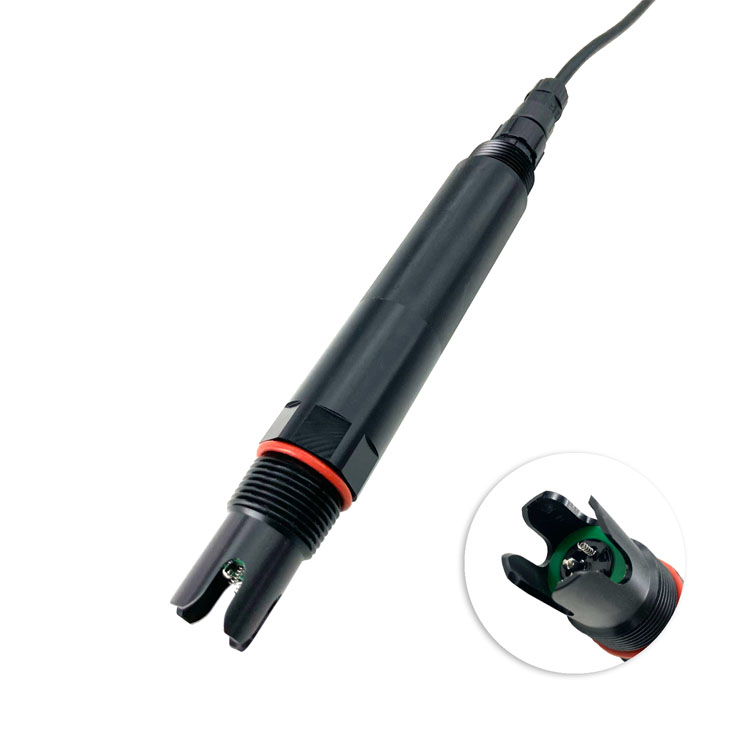
The circulating cooling water system has large water volume and high concentration ratio, making it an important part of power plant water treatment. NiuBoL adopts a combination of scale and corrosion inhibitors + bactericides + side filtration treatment to control heterotrophic bacteria count, Ca²⁺ hardness, and concentration ratio (usually 3–5 times), reducing blowdown volume and scaling risk. The system supports automatic dosing and online monitoring, adapting to high-salt and high-temperature conditions.
Acid-base regeneration wastewater, membrane concentrate, and domestic sewage are generated during chemical water treatment in power plants. NiuBoL Aerated Biological Filter (BAF) process has significant advantages in this field: it combines biological oxidation and physical filtration functions, with HRT of only 1–3 h and footprint 1/10–1/5 of traditional activated sludge processes. It can efficiently treat COD, ammonia nitrogen, and SS, achieving reclaimed water reuse and helping power plants achieve zero liquid discharge goals.
| Parameter | Typical Range | Unit | Remarks |
|---|---|---|---|
| Make-up Water Conductivity | ≤0.1 | μS/cm | Reverse osmosis + mixed bed deep desalination |
| Condensate Polishing Effluent Conductivity | ≤0.15 | μS/cm | Full-flow powdered resin covered filtration |
| Feedwater Dissolved Oxygen (Oxygenated Treatment) | 20–50 | μg/L | Dedicated control range for once-through boilers |
| Circulating Water Concentration Ratio | 3–5 | - | Optimized with scale and corrosion inhibitors |
| BAF Hydraulic Load | 5–15 | m³/(m²·d) | Advanced treatment of power plant wastewater |
| System Automation Level | PLC + Industrial Ethernet | - | Supports DCS linkage |
| Footprint Savings | 30–40 | % | Compared with traditional decentralized layout |
Parameters can be customized and optimized according to unit capacity, water source quality, and discharge standards.
In the early stage of the project, it is recommended to conduct full water quality analysis and pilot verification. NiuBoL provides full life-cycle services from process design, equipment integration, installation and commissioning to operation training. During the operation phase, focus on membrane fouling prevention, optimization of resin regeneration cycle, and prerequisite water quality conditions for oxygenated treatment to ensure long-term, efficient, and stable system performance.
Q1. What is the main advantage of centralized layout of chemical water treatment equipment in power plants?
It can significantly reduce the footprint by more than 30%, lower pipeline investment, improve operation and management convenience, and facilitate integration with the DCS system.
Q2. What requirements does feedwater oxygenated treatment technology have for condensate polishing?
A full-flow condensate polishing device must be configured to ensure feedwater conductivity ≤0.15 μS/cm and iron content ≤10 μg/L, providing high-purity prerequisites for protective film formation.
Q3. How to coordinately control drum water dosing and blowdown in drum boilers?
Through online monitoring of phosphate, pH, and conductivity, automatically adjust phosphate dosing and blowdown rate to prevent scaling, acid-alkali corrosion, and steam-water co-boiling.
Q4. What is the significance of controlling generator internal cooling water conductivity below 2 μS/cm?
It can effectively prevent leakage current from causing insulation aging and interphase flashover, ensuring electrical safety for units of 200 MW and above.
Q5. What is the economical concentration ratio for circulating cooling water treatment?
Generally controlled at 3–5 times, which reduces make-up water and blowdown volume while maintaining system stability through scale and corrosion inhibitors.
Q6. What are the advantages of using BAF process for power plant wastewater treatment?
It combines biological oxidation and filtration functions, with small footprint, strong impact load resistance, and fast startup. It is particularly suitable for advanced treatment of acid-base regeneration wastewater and domestic sewage in power plants, achieving reclaimed water reuse.
Q7. How does the NiuBoL system achieve centralized control?
Using PLC + host computer two-level architecture, all subsystems are connected to the main control room via industrial Ethernet, supporting automatic adjustment and remote monitoring.
Q8. What are the gaps between large-unit water treatment and international advanced levels?
Mainly in the depth of membrane technology application, standardization of oxygenated treatment, and intelligence level. NiuBoL solutions can effectively narrow the gap and achieve localized optimization.
Domestic power plant water treatment is evolving from the traditional decentralized mode toward equipment centralization, centralized production control, and process diversification. NiuBoL provides reliable, efficient, and economical complete solutions for large units by integrating mature technologies such as deoxygenation/oxygenated treatment, condensate polishing, circulating water stabilization, and BAF wastewater treatment. In the context of increasingly stringent environmental standards and higher energy efficiency requirements, choosing a professional water treatment system has become the key for power plants to reduce operation and maintenance costs, ensure safe operation, and achieve green and low-carbon development.
If you need technical scheme design for specific unit capacity, water source quality, or renovation requirements, please contact the NiuBoL engineering team. We will provide customized process routes and equipment configurations based on on-site data to help power plant projects land efficiently and operate stably in the long term.
 NBL-RDO-206 Online Fluorescence Dissolved Oxygen Sensor.pdf
NBL-COD-208 Online COD Water Quality Sensor.pdf
NBL-CL-206 Water Quality Sensor Online Residual Chlorine Sensor.pdf
Next:no more
Related recommendations
Sensors & Weather Stations Catalog
Agriculture Sensors and Weather Stations Catalog-NiuBoL.pdf
Weather Stations Catalog-NiuBoL.pdf
Agriculture Sensors Catalog-NiuBoL.pdf
Water Quality Sensor Catalog-NiuBoL.pdf
Related products
 Combined air temperature and relative humidity sensor
 Soil Moisture Temperature sensor for irrigation
 Soil pH sensor RS485 soil Testing instrument soil ph meter for agriculture
 Wind Speed sensor Output Modbus/RS485/Analog/0-5V/4-20mA
 Tipping bucket rain gauge for weather monitoring auto rainfall sensor RS485/Outdoor/stainless steel
 Pyranometer Solar Radiation Sensor 4-20mA/RS485

Screenshot, WhatsApp to identify the QR code
WhatsApp number:+8615367865107
(Click on WhatsApp to copy and add friends)

