





— Blogs —
—Products—
 Consumer hotline +8618073152920
 WhatsApp:+8615367865107
Address:Room 102, District D, Houhu Industrial Park, Yuelu District, Changsha City, Hunan Province, China
Product knowledge
Time:2026-04-16 11:39:02 Popularity:9
Black and odorous water bodies are not only sensory pollution visually but also an extreme manifestation of aquatic ecosystem collapse. Driven by both environmental protection policies and sustainable resource utilization, remediation of black and odorous water bodies has become a key focus in the field of environmental engineering. For government project contractors, environmental equipment integrators, and municipal engineering units, developing scientific remediation plans and supplementing them with high-precision digital monitoring means is the key to project acceptance and long-term operation.
As a professional brand in the field of environmental monitoring, NiuBoL is committed to providing real-time data support for black and odorous water body remediation through advanced digital sensing technology. This article explores the professional practice of black and odorous water body remediation from three dimensions: pollution status, remediation methodology, and monitoring solutions.
The formation of black and odorous water bodies is the result of the combined action of physical, chemical, and biological processes. Understanding its underlying logic is the prerequisite for formulating engineering solutions.
1.1 Loss of Ecosystem Functionality
When the pollutant load entering the river exceeds the self-purification threshold of the water body, aquatic vegetation shrinks, dissolved oxygen (DO) is depleted, and the water body shifts from aerobic to anaerobic state. Under anaerobic conditions, organic matter decomposition produces odorous substances such as hydrogen sulfide (H₂S), ammonia (NH₃), and mercaptans. At the same time, iron and manganese ions are reduced, causing the water body to appear black.
1.2 Challenges of Compound Pollution Sources
External direct discharge: Mixed rainwater and sewage in urban areas and illegal discharge of industrial wastewater are the main sources of instantaneous load.
Internal source release: Long-term accumulated river sediment is rich in nitrogen, phosphorus, and heavy metals. Even if external sources are cut off, sediment release can still cause repeated water quality deterioration.
Non-point source pollution: Urban garbage and livestock breeding wastewater carried by initial rainwater runoff increase the uncontrollability of remediation.
Targeting the characteristics of black and odorous water bodies — “sensory black and odor, extremely low dissolved oxygen, and high organic matter concentration” — the industry generally adopts the technical route of “source control and interception, internal source treatment, habitat restoration, and long-term monitoring”.
2.1 External Source Interception and Internal Source Control (Fundamental Source Control)
This is the foundation of remediation projects, aiming to reduce the total pollution load entering the river.
Interception and pipe connection: Improve municipal sewage pipe networks to divert direct discharge sewage to treatment plants, fundamentally blocking pollution.
Sediment dredging: Physically remove eutrophic sediment. Although it can improve transparency in the short term, attention must be paid to preventing pollutant diffusion during dredging.
Sponge city technology: Use ecological grass swales, permeable pavements, and other means to control non-point source pollution from runoff.
2.2 Physical Restoration: Artificial Aeration and Water Diversion Dilution
Artificial aeration and reoxygenation: Oxygen is supplied to the bottom water body through aeration boats or fixed aeration discs. This not only rapidly increases dissolved oxygen (DO) levels but also oxidizes sulfides and inhibits phosphorus release.
Water diversion and flushing: Use hydraulic regulation to increase water body fluidity, shorten pollutant residence time, and strengthen physical dilution.
2.3 Chemical Restoration: Rapid Emergency Treatment
In cases of sudden pollution or at the initial stage of the project, adding chemical agents (such as iron salts, aluminum salts, or polymer flocculants) can achieve rapid removal of phosphorus precipitation and suspended solids. This method takes effect quickly but requires strict monitoring of chemical residues to prevent secondary toxicity to aquatic organisms.
2.4 Biological-Ecological Restoration: Long-Term Self-Purification Construction
Microbial enhancement technology: Add targeted composite microbial agents to accelerate organic matter degradation.
Biofilm technology: Use artificial fillers as microbial attachment carriers and utilize the high activity of biofilms to degrade ammonia nitrogen and organic pollutants.
Ecological chain construction: Introduce submerged plants, omnivorous fish, and shellfish to rebuild the balance system of “producers-consumers-decomposers”.
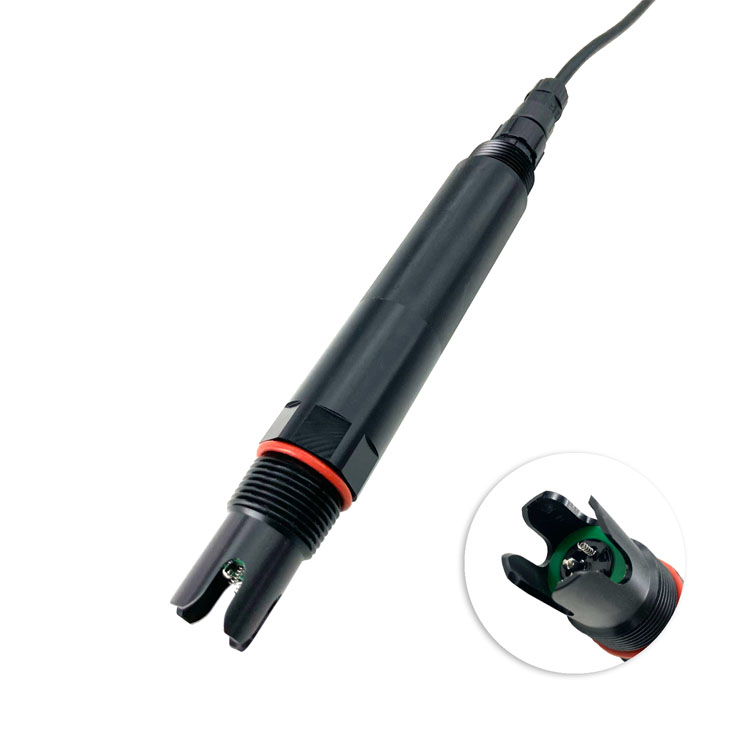
Black and odorous water body remediation is prone to the vicious cycle of “remediation–re-blackening–re-remediation”. Introducing the NiuBoL online monitoring system and using digital means to track water quality dynamics in real time is the key to achieving long-term cleanliness.
3.1 Core Monitoring Parameter Selection
During the remediation process, it is necessary to focus on indicators that reflect the water body’s oxidation-reduction state and organic load.
| Sensor Name | Measurement Technical Indicators | Communication Protocol | Core Value |
|---|---|---|---|
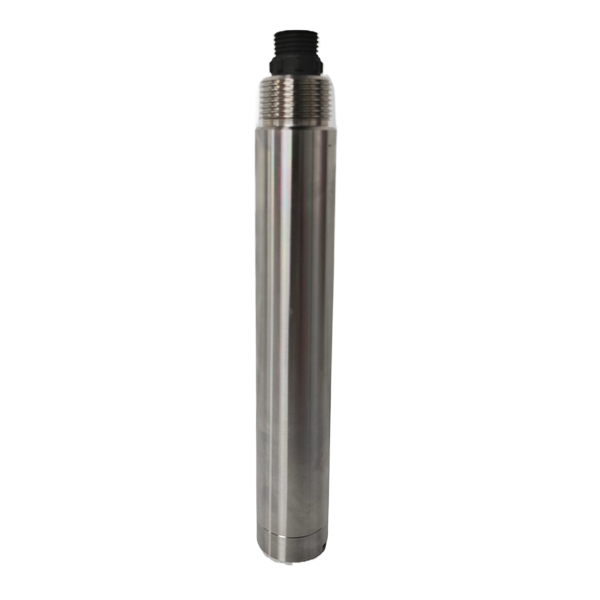
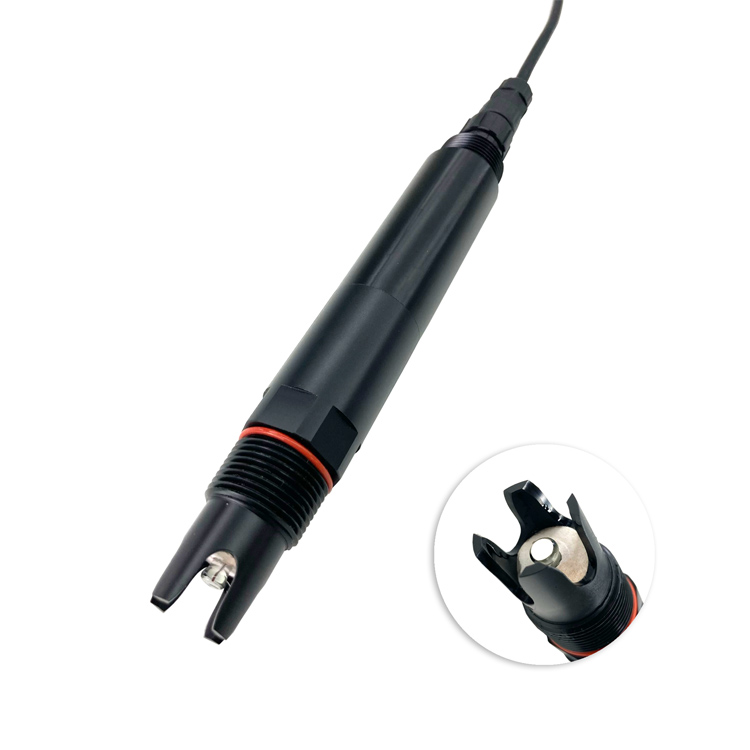
| Digital pH Sensor | 0 - 14 pH (±0.01) | RS485 / Modbus-RTU | Monitor pH fluctuations and warn of illegal acidic wastewater discharge |
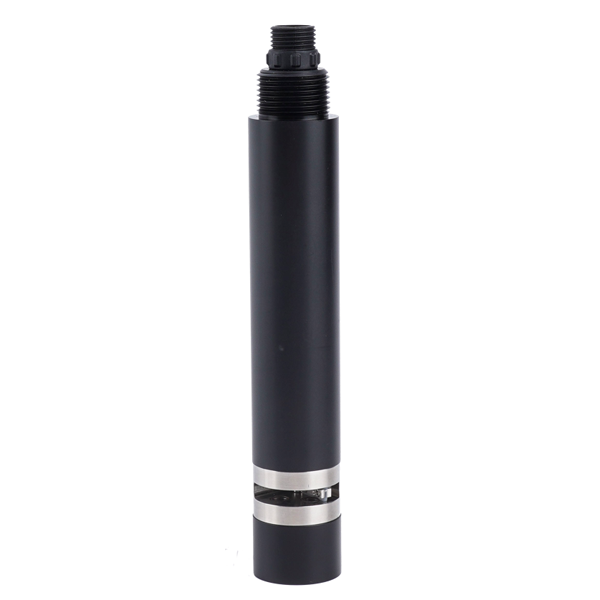
| Fluorescence Dissolved Oxygen (DO) | 0 - 20 mg/L | RS485 / Modbus-RTU | Evaluate reoxygenation effect and is the primary indicator for judging the elimination of black and odor |
| Turbidity Sensor | 0 - 1000 NTU (self-cleaning) | RS485 / Modbus-RTU | Monitor sediment disturbance and suspended solids concentration, evaluate transparency improvement |
| Conductivity Sensor | 0 - 20000 μS/cm | RS485 / Modbus-RTU | Monitor inorganic salt load and identify illegal discharge outlets |
| COD/TOC Online Analyzer | 254nm ultraviolet absorption method | RS485 / Modbus-RTU | Reflect organic pollution level in real time and evaluate degradation efficiency of remediation projects |
| Ammonia Nitrogen Monitor | Ion selective electrode method | RS485 / Modbus-RTU | Monitor sources of odorous factors and evaluate biodegradation effect |
3.2 Advantages of NiuBoL Digital Monitoring Solutions
For system integrators, NiuBoL digital sensors have the following professional features:
Anti-interference design: Targeted at the harsh environment of high color and high suspended solids in black and odorous water bodies, sensors have optical compensation functions.
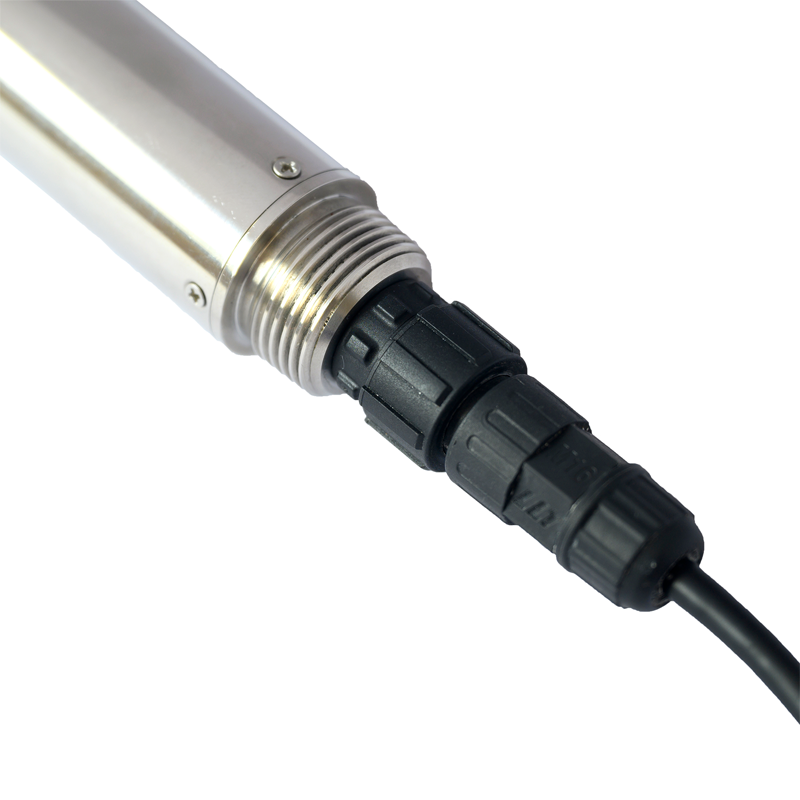
Modbus-RTU open protocol: Easy integration with PLC or 4G transmission terminals, supporting remote configuration and calibration.
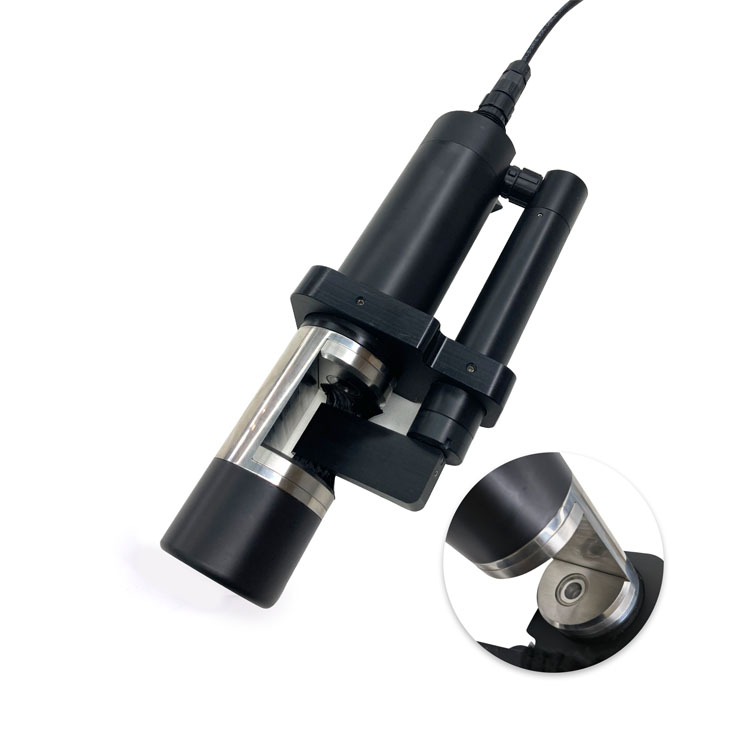
Extremely low maintenance frequency: Automatic scraping and cleaning functions solve the industry pain point of biological oil film attachment in black and odorous water bodies.
4.1 Automatic Closed-Loop Control of Aeration System
Using real-time data from NiuBoL dissolved oxygen sensors connected to the PLC control system. When DO falls below the preset threshold (e.g., 2 mg/L), the aeration equipment is automatically started; when DO reaches saturation, power is reduced. This feedback control based on real-time data can reduce electricity costs by more than 30%.
4.2 Pollution Outlet Traceability Monitoring
Deploy multiple monitoring nodes along the river. When downstream nodes show abnormal fluctuations in conductivity or pH while upstream is normal, the pollution discharge section can be accurately located, providing digital evidence for environmental law enforcement.
Q1. What level of dissolved oxygen (DO) indicates initial success in black and odorous water body remediation?
According to relevant standards, one of the indicators for eliminating black and odorous water bodies is dissolved oxygen not less than 2.0 mg/L. If DO remains stable above 5.0 mg/L for a long time, it indicates that the water body has restored good aerobic self-purification capacity.
Q2. Why do integrators prefer RS485 sensors over analog sensors in black and odorous river remediation?
Monitoring points in black and odorous rivers are usually scattered and far apart. RS485 digital signals have strong anti-interference capability, support multi-device networking, and can directly output physical values, avoiding attenuation and drift of analog signals during long-distance transmission.
Q3. Will sediment dredging cause secondary pollution? How to monitor it?
Yes. The dredging process disturbs deposited sulfides and heavy metals. It is recommended to set NiuBoL turbidity and ORP online monitoring points downstream of the operation area. Once data abnormalities trigger an alarm, construction intensity should be adjusted immediately.
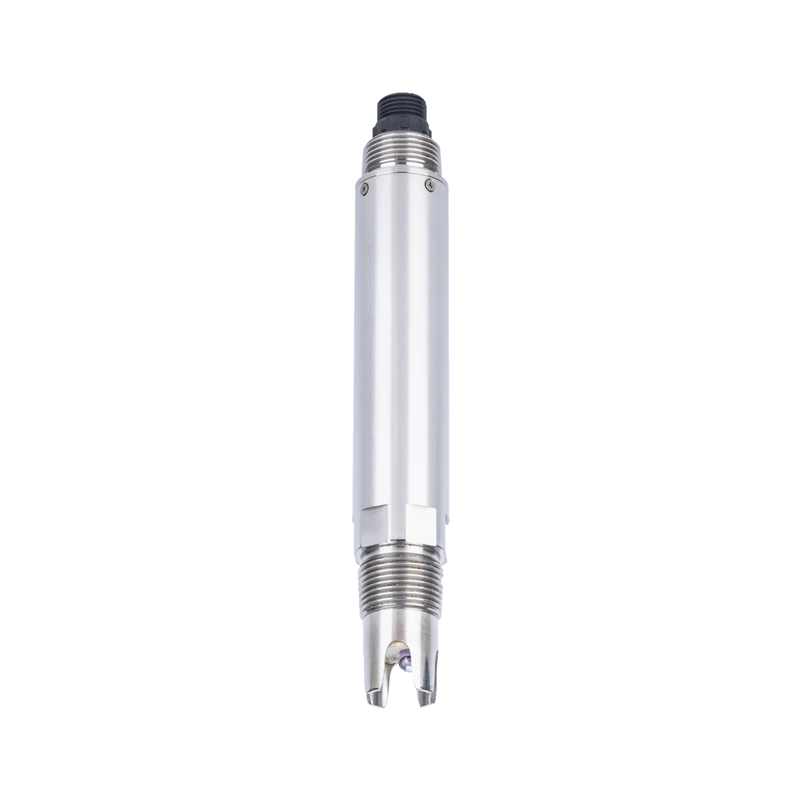
Q4. Does the fluorescence dissolved oxygen sensor require calibration?
NiuBoL fluorescence sensors are pre-calibrated at the factory and have no consumables. However, in highly polluted environments, air calibration is recommended every 3-6 months to ensure engineering-grade data accuracy.
Q5. Why can chemical treatment not be used as a long-term means for black and odorous water body remediation?
Chemical treatment is essentially the transfer rather than elimination of pollutants. Excessive dosing can change the chemical properties of sediment, inhibit native microbial activity, and incur extremely high operating costs. It is usually only used for emergencies.
Q6. In microbial remediation, how to evaluate whether the bacterial agent has been successfully added?
It can be evaluated by monitoring the COD degradation rate and ammonia nitrogen conversion rate. Using online multi-parameter monitors to record daily change curves before and after dosing is currently the most intuitive evaluation method.
Q7. Is it necessary to monitor ORP (oxidation-reduction potential) in black and odorous water body remediation?
It is very necessary. ORP is a sensitive indicator of the water body’s oxidation-reduction state. Generally, black and odorous water bodies have negative ORP values. When ORP rises to positive values after remediation, it indicates that the water body has escaped the anaerobic odorous state.
Q8. How to solve the power supply problem of sensors in harsh outdoor environments?
NiuBoL digital sensors have extremely low power consumption (usually <0.5W) and are very suitable for use with solar power systems and RTU terminals to achieve unattended remote monitoring.
Black and odorous water body remediation is a complex systematic project that must adhere to the principle of “strict source control, solid engineering implementation, and technology empowerment”. The organic combination of physical, chemical, and biological methods can solve existing pollution problems, while digital online monitoring technology represented by NiuBoL provides a scientific basis of “measurable, evaluable, and early-warning” for this process.
By deploying high-precision sensor networks, environmental engineering companies can not only enhance the technical content of projects but also ensure long-term stable water quality through digital operation and maintenance, truly achieving a win-win situation of ecological and social benefits.
 NBL-RDO-206 Online Fluorescence Dissolved Oxygen Sensor.pdf
NBL-COD-208 Online COD Water Quality Sensor.pdf
NBL-CL-206 Water Quality Sensor Online Residual Chlorine Sensor.pdf
Related recommendations
Sensors & Weather Stations Catalog
Agriculture Sensors and Weather Stations Catalog-NiuBoL.pdf
Weather Stations Catalog-NiuBoL.pdf
Agriculture Sensors Catalog-NiuBoL.pdf
Water Quality Sensor Catalog-NiuBoL.pdf
Related products
 Combined air temperature and relative humidity sensor
 Soil Moisture Temperature sensor for irrigation
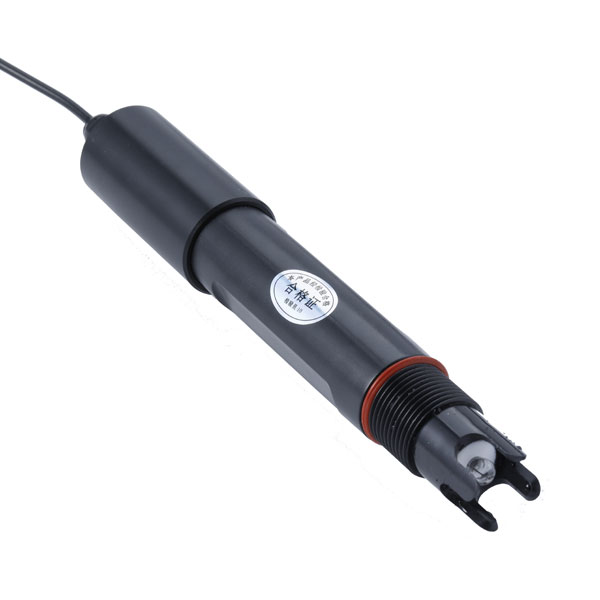 Soil pH sensor RS485 soil Testing instrument soil ph meter for agriculture
 Wind Speed sensor Output Modbus/RS485/Analog/0-5V/4-20mA
 Tipping bucket rain gauge for weather monitoring auto rainfall sensor RS485/Outdoor/stainless steel
 Pyranometer Solar Radiation Sensor 4-20mA/RS485

Screenshot, WhatsApp to identify the QR code
WhatsApp number:+8615367865107
(Click on WhatsApp to copy and add friends)

