





— Blogs —
—Products—
 Consumer hotline +8618073152920
 WhatsApp:+8615367865107
Address:Room 102, District D, Houhu Industrial Park, Yuelu District, Changsha City, Hunan Province, China
Product knowledge
Time:2026-04-16 11:33:23 Popularity:10
Wastewater generated during chemical production is one of the key areas of industrial pollution control. With large fluctuations in water quality and quantity, diverse pollutant types, high concentrations, and the presence of refractory and toxic substances, it imposes strict requirements on sewage treatment systems. Based on years of engineering practice, NiuBoL has developed highly adaptable treatment processes for different sub-industry wastewater characteristics to help enterprises meet upgraded discharge standards and reuse demands.
Chemical wastewater sources are extensive, including raw material processing, intermediate synthesis, product refining, and equipment cleaning. The overall engineering characteristics are as follows:
High pollutant concentration: COD can reach tens of thousands of mg/L; ammonia nitrogen, heavy metals, and organic toxins are significant;
Complex composition: contains phenols, cyanides, oils, sulfides, chromium, etc.; B/C ratio varies greatly, making biochemical treatment difficult;
Unstable water quality and quantity: production process changes cause frequent shock loads;
Toxicity and corrosiveness: wide pH range and substances that inhibit microbial growth;
High treatment difficulty: requires a combination of pretreatment + biochemical + advanced treatment to achieve stable compliance.
The NiuBoL system emphasizes source classification and collection, quality-based treatment, and resource recovery to reduce downstream load and improve overall economics.
The tanning process is divided into three major stages: preparation, tanning, and finishing. Wastewater is mainly generated from aqueous chemical treatment in the preparation and tanning stages. Raw materials are classified as cattle, pig, or sheep leather; products as light or heavy leather.
Key high-pollution wastewaters include: degreasing wastewater (pig leather), dehairing and liming wastewater, and chrome tanning wastewater. Although these three types account for only about 20% of total drainage volume, they account for 80% of the total pollution load.
Tanning wastewater has complex composition, deep color, high suspended solids concentration, high oxygen demand, and large water volume.
Suspended solids (SS): mainly lime, skin scraps, hair, oil residue, meat residue, etc.;
CODCr: from auxiliaries, lime, sodium sulfide, ammonium salts, vegetable tanning agents, acids/alkalis, proteases, chrome tanning agents, etc.; high concentration;
BOD5: soluble proteins, fats, blood, and other organic matter;
Sulfides: generated from sodium sulfide use in liming;
Chromium: high content of hexavalent/trivalent chromium in chrome tanning waste liquid, with strong toxicity.
NiuBoL recommends pretreatment (grille + air flotation + chemical precipitation for chromium removal) combined with BAF biofilm process for tanning wastewater to achieve efficient removal of organic matter and SS while controlling heavy metals to compliance levels.
There are many types of pesticides and complex production processes. Wastewater mainly comes from synthesis reactions, separation and refining, equipment cleaning, and mother liquor recovery.
Main characteristics:
High pollutant concentration, COD up to tens of thousands of mg/L;
High toxicity: contains pesticide active ingredients, intermediates, phenols, arsenic, mercury, and other toxic substances plus a large number of refractory components;
Obvious odor, irritating to respiratory tract and mucous membranes;
Large fluctuations in water quality and quantity, with frequent pH and temperature changes.
Treatment goals are to reduce pollutant concentration, improve recovery rate, and achieve harmlessness. NiuBoL’s solution uses advanced oxidation pretreatment to improve B/C ratio, followed by biochemical units such as aerated biological filter to ensure effective removal of refractory organic matter.
The metallurgical industry has long production processes and many product series, resulting in large wastewater discharge. Main sources include cooling water, pickling wastewater, dust removal and coal gas flue gas scrubbing wastewater, slag flushing wastewater, and condensation, separation, or overflow wastewater during the process.
Metallurgical wastewater has large volume, many types, and highly variable and complex water quality.
Large volume and strong mobility, mainly spreading pollution to soil and water bodies through surface water;
Complex composition: suspended and dissolved matter coexist, high COD, high heavy metal content (iron, zinc, lead, etc.), high toxicity;
Acidic wastewater, some containing radioactive substances;
Often colored, odorous, or prone to foaming.
The treatment process is complex and difficult. NiuBoL provides neutralization precipitation + heavy metal scavenger + BAF combined process for synergistic removal of heavy metals and organic matter.
Refineries have large industrial water consumption and dispersed water use points. Wastewater sources are closely related to crude oil type, processing technology, equipment condition, and water reuse degree. Mainly divided into:
1. Process wastewater: drainage from refining unit towers, tanks, and oil-water separators — the main pollution source, accounting for about 50% of total COD load;
2. Oily wastewater: machine pump cooling water, crude oil and heavy oil tank drainage, ground flushing water, tower and condenser drainage, oily rainwater, etc.;
3. Presumed clean water: boiler blowdown, pure water device regeneration waste liquid, circulating cooling water cooling tower blowdown.
Refining wastewater has large discharge volume, large fluctuations, diverse pollutant types with significant content changes, high toxicity, and wide pH range.
NiuBoL adopts high-efficiency air flotation + oil removal filtration pretreatment for oily wastewater, followed by aerated biological filter for biochemical degradation, achieving stable removal of oil and organic matter to meet reuse or discharge requirements.
Coal chemical wastewater mainly comes from coal purification, recovery processing, coking and high-temperature processing, pressurized gasification, etc. High-concentration coal gas scrubbing wastewater is the main pollution source.
Coal chemical wastewater is mainly high-concentration organic wastewater containing large amounts of toxic and harmful substances such as phenols, cyanides, oil, and ammonia nitrogen.
Comprehensive wastewater CODCr is generally around 5000 mg/L, ammonia nitrogen 200–500 mg/L. Organic pollutants include phenols, polycyclic aromatic compounds, and nitrogen-, oxygen-, and sulfur-containing heterocyclic compounds.
Easily degradable organics: phenols, benzene compounds;
Degradable: pyrrole, naphthalene, furan, imidazole compounds;
Refractory organics: pyridine, carbazole, biphenyl, terphenyl, etc.
Coal chemical wastewater is a typical refractory high-concentration organic wastewater. NiuBoL recommends anaerobic + aerobic combined biochemical process supplemented by BAF advanced treatment unit to improve total nitrogen and refractory organic matter removal rate.
Oilfield produced water is extracted from the reservoir along with crude oil. Under high temperature and pressure, it dissolves formation salts and gases while carrying suspended solids. Chemical agents are added during oil and gas gathering and transportation. Due to high organic content and suitable microbial environment, microorganisms proliferate significantly in the wastewater.
Characteristics include high mineralization, high oil content, high suspended solids, sulfides, and bacteria. Treatment must address oil removal, suspended solids removal, sterilization, and desalination.
NiuBoL provides an integrated solution of cyclone oil removal + air flotation + filtration + biochemical treatment, particularly suitable for produced water reinjection or discharge scenarios.
Given the above wastewater characteristics, a single process is difficult to achieve full compliance. NiuBoL recommends the “pretreatment + biochemical treatment + advanced treatment” combined route:
Pretreatment: grille, regulation, air flotation, chemical precipitation/oxidation — targeting SS, oil, chromium, heavy metals, and improving biodegradability;
Biochemical treatment: anaerobic hydrolysis acidification + A/O or aerated biological filter (BAF) — efficient removal of organic matter and ammonia nitrogen;
Advanced treatment: BAF, membrane separation, or advanced oxidation — achieving reuse or strict discharge.
NiuBoL Aerated Biological Filter (BAF) has significant advantages in chemical wastewater applications: it combines biological oxidation and physical filtration, with short HRT, small footprint, strong impact load resistance, and high oxygen utilization rate. It is particularly suitable for refractory organic matter and nitrification treatment under low-temperature conditions.
| Parameter | Typical Range | Unit | Remarks |
|---|---|---|---|
| Hydraulic Load | 5–15 | m³/(m²·d) | Adjusted according to influent load |
| Organic Load | 2.0–8.0 | kgCOD/(m³·d) | Suitable for medium-high concentration chemical wastewater |
| Air-Water Ratio | 4:1–8:1 | - | Optimized aeration system improves oxygen mass transfer efficiency |
| Hydraulic Retention Time (HRT) | 1–4 | h | Significantly lower than traditional activated sludge method |
| Backwash Cycle | 24–48 | h | Air-water combined backwashing |
| COD Removal Rate | 70–90 | % | Depends on influent concentration |
| Ammonia Nitrogen Removal Rate | 80–95 | % | Maintains good nitrification even under low temperature |
| Filler Specific Surface Area | ≥500 | m²/m³ | High-strength easy-to-biofilm composite filler |
Parameters can be optimized according to specific project water quality.
Chemical wastewater treatment projects should focus on water quality equalization and regulation, toxic substance pretreatment, sludge resource utilization, and system automation control. NiuBoL provides full-process services from laboratory pilot tests and pilot verification to engineering design, equipment supply, installation and commissioning, and operation guidance to ensure long-term stable system operation.
Q1. What is the most prominent treatment difficulty in chemical wastewater?
Diverse pollutant types, high concentrations, and large amounts of refractory and toxic substances, plus large water quality fluctuations, make it difficult for a single process to achieve stable compliance.
Q2. How to effectively remove chromium from tanning wastewater?
Use chemical reduction + precipitation pretreatment to convert hexavalent chromium to trivalent chromium and precipitate it, followed by BAF biofilm process for further purification.
Q3. Does the high toxicity of pesticide wastewater affect biochemical treatment?
Advanced oxidation or hydrolysis acidification is required first to improve biodegradability, then connect to efficient biological units such as BAF.
Q4. How to treat high ammonia nitrogen in coal chemical wastewater?
Combine short-cut nitrification-denitrification or anaerobic ammonia oxidation technology; BAF can serve as a deep denitrification unit.
Q5. What is the key pretreatment technology for oily refining wastewater?
High-efficiency air flotation combined with oil removal filtration to reduce oil content to the allowable range for biochemical influent.
Q6. What indicators must be met for crude oil extraction wastewater reinjection treatment?
Focus on controlling oil content, suspended solids, bacteria, and corrosive ions; NiuBoL solution can stably meet reinjection standards.
Q7. What are the advantages of BAF process in chemical wastewater?
Small footprint, fast startup, strong impact load resistance, high oxygen utilization rate, and integration of biological degradation and filtration.
Q8. How to select a suitable chemical wastewater treatment solution for an enterprise?
It must be based on specific wastewater quality, quantity, discharge or reuse standards, and site conditions. Professional water quality analysis and process comparison are recommended.
Chemical industry wastewater has diverse sources and complex characteristics, imposing high requirements on treatment technology and system stability. NiuBoL provides reliable, efficient, and economical solutions for enterprises by deeply understanding the wastewater characteristics of each sub-industry and relying on mature processes such as aerated biological filter. In the context of increasingly stringent environmental standards, scientific selection and professional implementation are the keys to reducing treatment costs, achieving compliant discharge, and resource reuse.
Welcome to contact the NiuBoL engineering team with your project water quality data and treatment requirements. We will provide customized optimized solutions to support the green sustainable development and compliant operation of chemical enterprises.
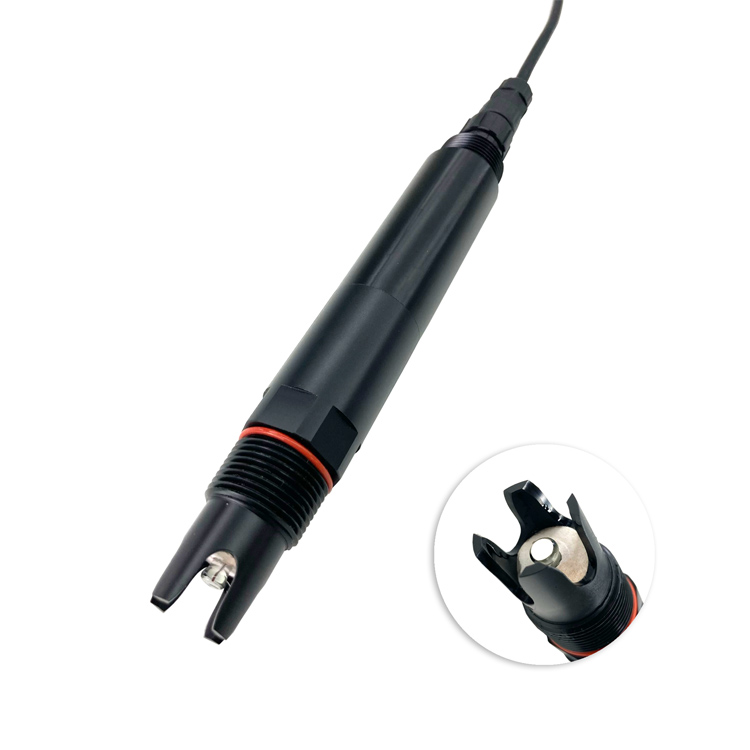
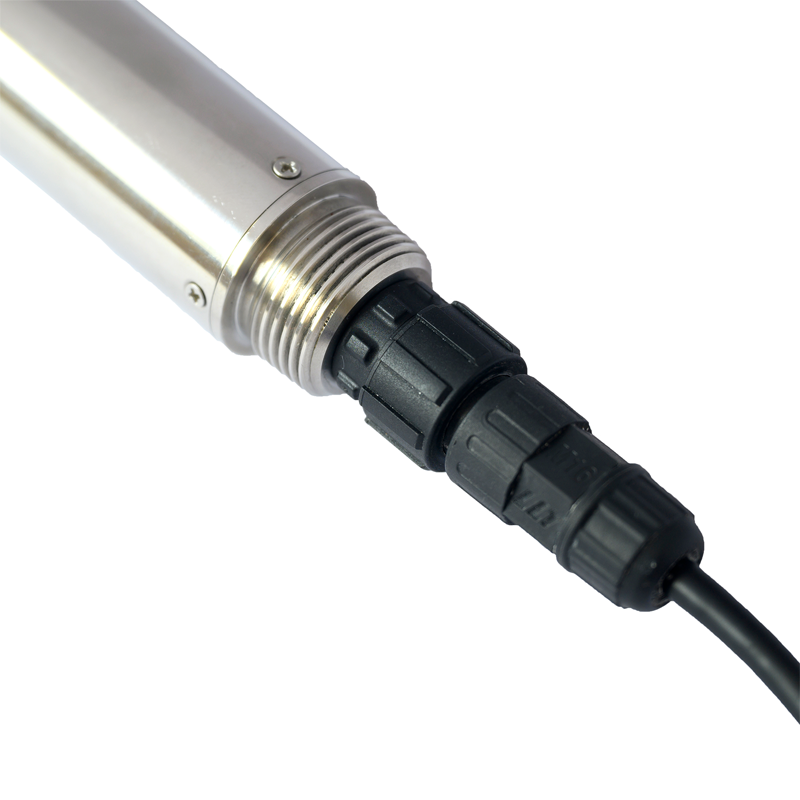
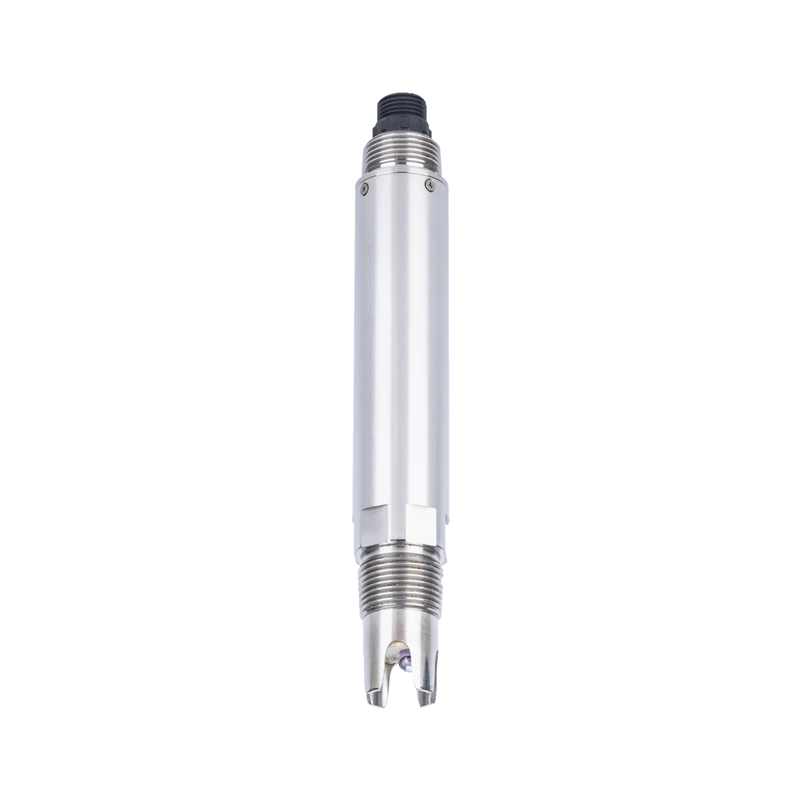
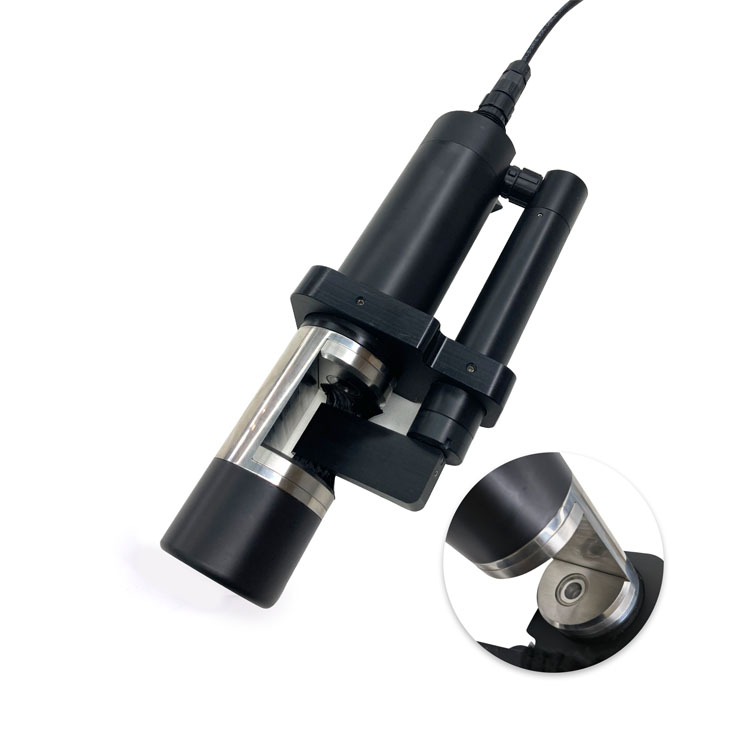
 NBL-RDO-206 Online Fluorescence Dissolved Oxygen Sensor.pdf
NBL-COD-208 Online COD Water Quality Sensor.pdf
NBL-CL-206 Water Quality Sensor Online Residual Chlorine Sensor.pdf
Related recommendations
Sensors & Weather Stations Catalog
Agriculture Sensors and Weather Stations Catalog-NiuBoL.pdf
Weather Stations Catalog-NiuBoL.pdf
Agriculture Sensors Catalog-NiuBoL.pdf
Water Quality Sensor Catalog-NiuBoL.pdf
Related products
 Combined air temperature and relative humidity sensor
 Soil Moisture Temperature sensor for irrigation
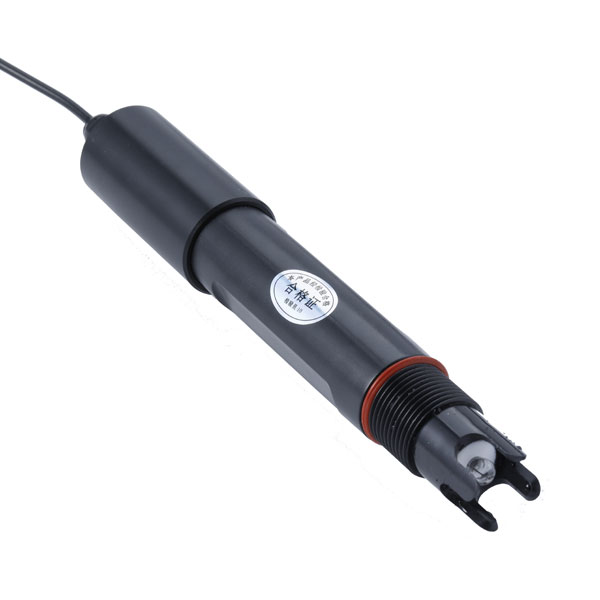 Soil pH sensor RS485 soil Testing instrument soil ph meter for agriculture
 Wind Speed sensor Output Modbus/RS485/Analog/0-5V/4-20mA
 Tipping bucket rain gauge for weather monitoring auto rainfall sensor RS485/Outdoor/stainless steel
 Pyranometer Solar Radiation Sensor 4-20mA/RS485

Screenshot, WhatsApp to identify the QR code
WhatsApp number:+8615367865107
(Click on WhatsApp to copy and add friends)

