





— Blogs —
—Products—
 Consumer hotline +8618073152920
 WhatsApp:+8615367865107
Address:Room 102, District D, Houhu Industrial Park, Yuelu District, Changsha City, Hunan Province, China
Product knowledge
Time:2026-04-16 11:27:50 Popularity:10
In the context of smart cities, environmental engineering, and Industry 4.0, water quality monitoring has shifted from traditional laboratory manual sampling to high-frequency, digital online monitoring. For system integrators and environmental engineering contractors, understanding the specific parameter requirements of different application scenarios is the core to ensuring stable project operation and compliant delivery.
As a global provider of water quality analysis solutions, NiuBoL is committed to providing bus-based digital sensing technology for industrial, commercial, and municipal projects. Below, we will deeply analyze the technical logic and practical applications of water quality monitoring from four core environments.
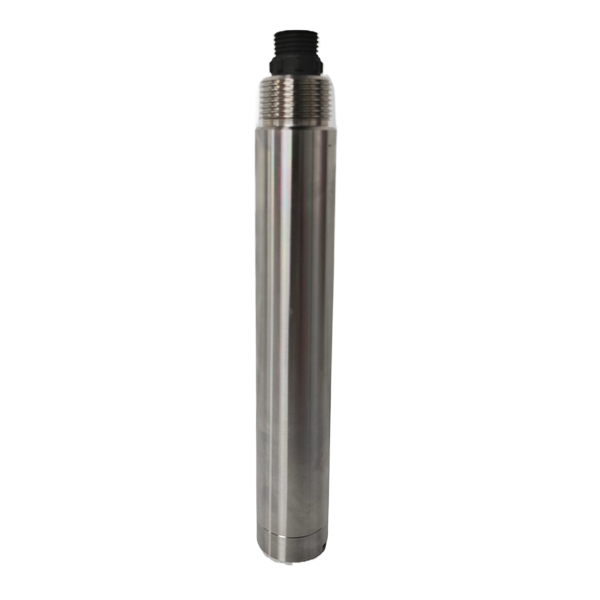
In surface water bodies flowing through chemical plants, industrial parks, or urban fringes, pollutant risks are sudden and complex. Online monitoring is not only a compliance requirement but also the key to preventing the expansion of environmental accidents.
1. Industrial Wastewater Discharge Monitoring
Industrial wastewater has complex composition; strong acids, strong alkalis, or high concentrations of organic matter can cause devastating damage to ecosystems. By deploying online monitoring points at discharge outlets, real-time data on COD (chemical oxygen demand), ammonia nitrogen, suspended solids (TSS), etc., can be obtained.
2. Groundwater and Soil Infiltration Monitoring
Surface pollutants may affect groundwater layers through infiltration. Around chemical storage areas, a monitoring network built with NiuBoL digital sensors can detect subtle pH drifts or conductivity fluctuations, triggering early warnings at the initial stage of pollution diffusion and reducing ecological restoration costs.
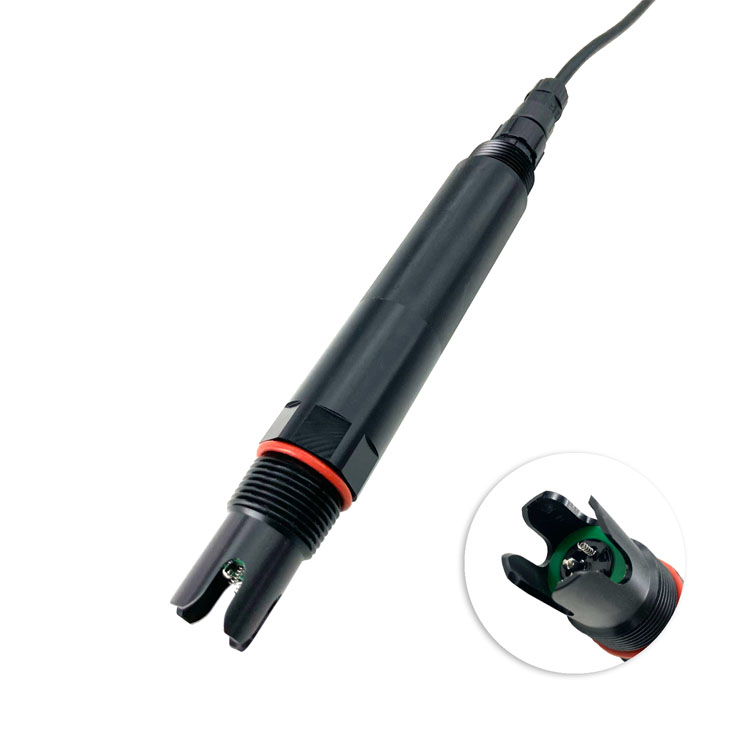
Water quality is the foundation for aquatic life survival; even minor environmental changes can cause migration, reproductive failure, or large-scale death.
1. Recirculating Aquaculture Systems (RAS)
In factory aquaculture, dissolved oxygen (DO) and temperature are indicators that directly affect yield. Since warm water has weaker oxygen-carrying capacity, real-time monitoring of the DO-temperature correlation curve is crucial. NiuBoL’s dissolved oxygen sensors use advanced physical principles and can effectively cope with biofouling problems in high-density aquaculture environments.
2. Commercial Recirculating Cooling Water
If water quality management is poor in large central air-conditioning and industrial cooling towers, scaling, corrosion, and biological slime will occur. Online monitoring of hardness (calcium and magnesium ions) and oxidation-reduction potential (ORP) can guide automatic dosing systems for precise operation, improving energy efficiency and extending equipment life.
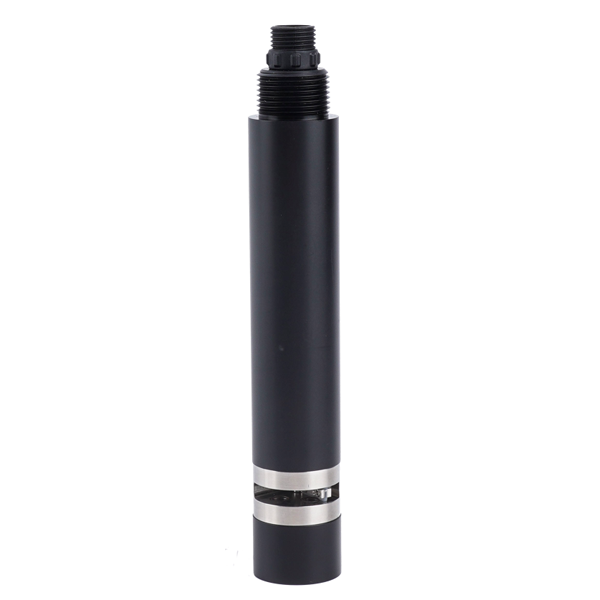
Water quality monitoring in public areas is not only about compliance but also a physical barrier against the growth environment of pathogens such as Legionella.
1. Secondary Water Supply and Water Storage Facilities
Cold water storage tanks in schools, hospitals, and other public buildings must be strictly controlled below 20°C, while hot water must be maintained above 60°C. The combination of online temperature sensors and residual chlorine monitors can effectively evaluate disinfection effectiveness.
2. Municipal Pipe Network Monitoring
Install online multi-parameter monitors at the end of the water supply, focusing on turbidity, residual chlorine, and pH. This can not only track secondary pollution caused by pipe network aging but also provide auxiliary decision support in the event of pipe bursts or abnormal flow.
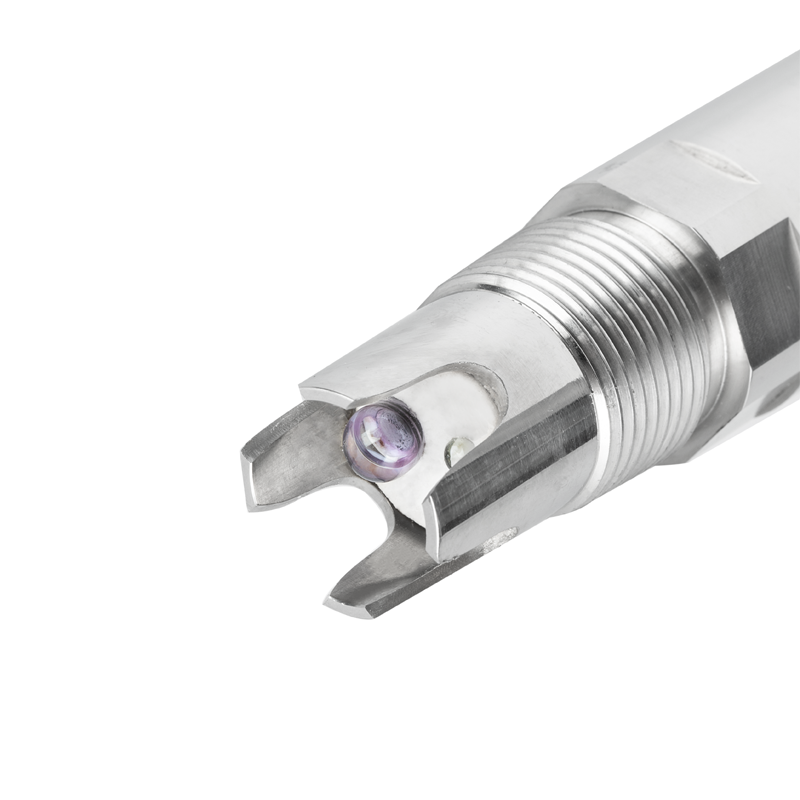
Climate change has altered global precipitation patterns and water body thermodynamics. Due to the strong adsorption properties of water bodies, airborne pollutants and environmental heat directly change their physical and chemical characteristics.
Thermal Pollution Monitoring: Water temperature rise caused by industrial waste heat discharge will disrupt local ecological balance.
Watershed Governance: Automatic monitoring stations are set up at cross-provincial and cross-border river sections. Data is transmitted to the central cloud platform using RS485 bus and Modbus-RTU protocol, providing long-term data assets for environmental supervision.
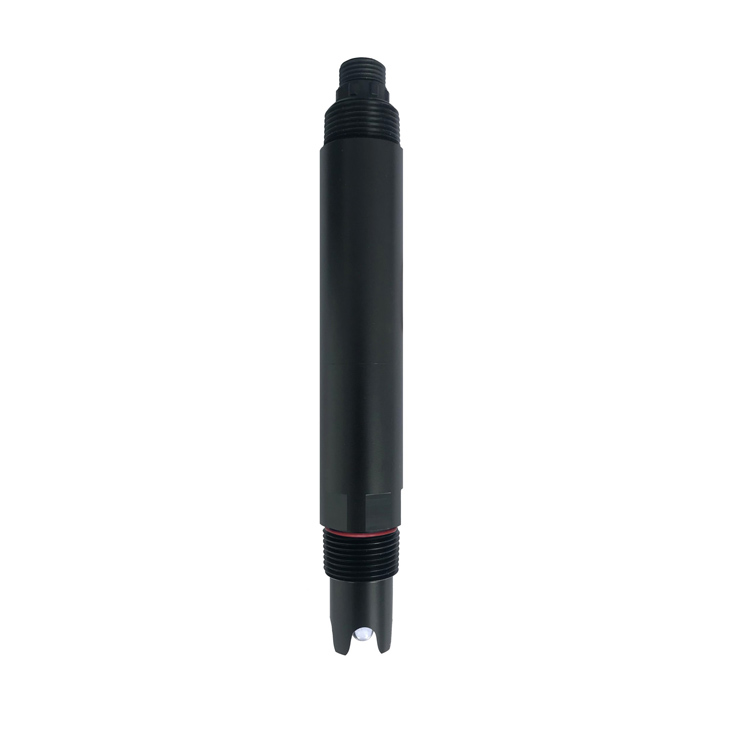
In the project design stage, selecting the appropriate sensor interface and range is the key to technical selection. NiuBoL’s product line fully supports industrial-grade Modbus communication protocol.
| Parameter Item | Measurement Principle | Common Range | Resolution | Application Scenario |
|---|---|---|---|---|
| pH Value | Electrode method | 0 - 14 pH | 0.01 pH | Wastewater treatment, industrial process, drinking water |
| Dissolved Oxygen (DO) | Fluorescence method / membrane method | 0 - 20 mg/L | 0.01 mg/L | Aquaculture, activated sludge monitoring |
| Turbidity | 90° scattered light method | 0 - 1000 NTU | 0.1 NTU | Waterworks, surface water monitoring |
| Conductivity (EC) | Four-electrode / inductive | 0 - 20000 μS/cm | 1 μS/cm | Agricultural irrigation, desalination projects |
| COD | Ultraviolet absorption method (UV254) | 0 - 1000 mg/L | 0.1 mg/L | River monitoring, industrial discharge outlets |
| Residual Chlorine | Constant voltage principle | 0 - 20 mg/L | 0.01 mg/L | Swimming pool water, secondary water supply disinfection |
Seamless Integration Capability: All sensors use RS485 physical interfaces and standard Modbus-RTU protocol, compatible with various PLC, DCS, and edge computing gateways.
Industrial-Grade Stability: Sensor housings mostly use 316L stainless steel or POM corrosion-resistant materials, with IP68 protection level, supporting long-term submerged operation.
Maintenance-Free Design: Such as fluorescence dissolved oxygen and self-cleaning turbidity meters, greatly reducing post-delivery operation and maintenance labor costs.
Digital Calibration: Built-in digital circuits support remote calibration and self-diagnosis, ensuring data consistency in harsh industrial environments.
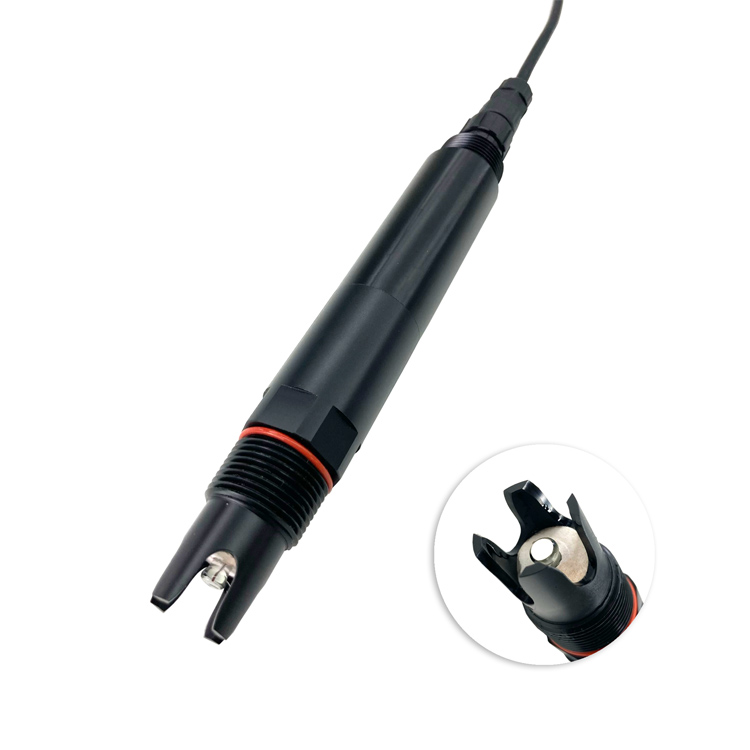
Q1. Why is RS485/Modbus-RTU communication preferred in industrial environments?
RS485 has extremely strong anti-common-mode interference capability and can transmit up to 1200 meters. Modbus-RTU is the most common protocol in the industrial field and can be directly connected to mainstream PLCs such as Siemens and Schneider, reducing software development costs for system integration.
Q2. What are the advantages of fluorescence dissolved oxygen sensors compared to traditional electrolytic membrane methods?
Fluorescence method does not consume electrolyte, requires no preheating, and is not affected by water flow speed. For projects requiring long-term online monitoring and inconvenient frequent maintenance, fluorescence method is a more reliable choice.
Q3. How does the online monitoring system cope with sensor probe scaling?
Some high-end NiuBoL models (such as turbidity meters and chlorophyll sensors) are equipped with automatic cleaning brushes that can clean surface attachments at regular intervals. For other sensors, it is recommended to adopt bypass flow cell mode in fluid design.
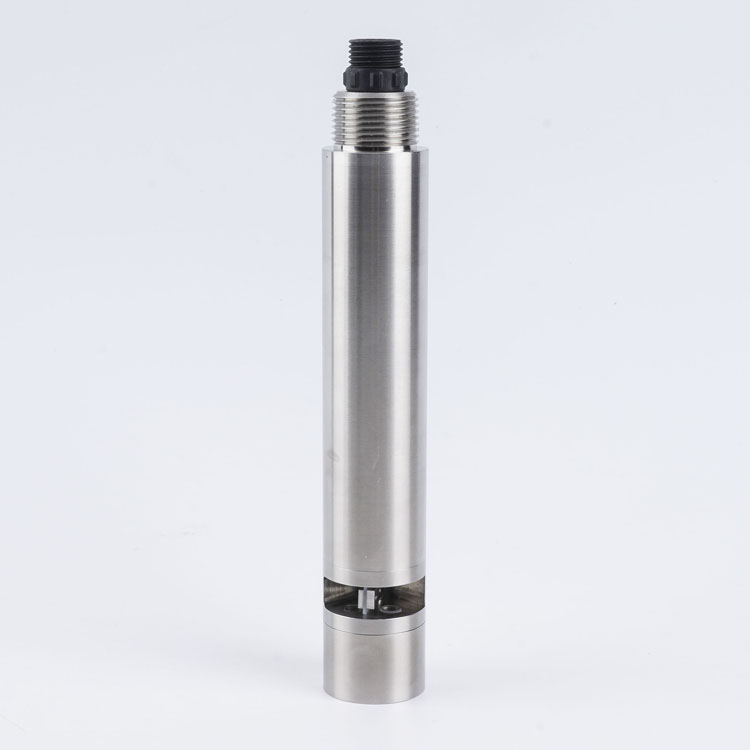
Q4. Why is hardness monitoring crucial for boiler systems?
Calcium and magnesium ions are extremely prone to scaling at high temperatures. 1 mm of scale can reduce boiler thermal efficiency by more than 10% and even cause tube burst risks. Real-time hardness data monitoring ensures that softening water equipment is in optimal condition.
Q5. How to ensure data transmission stability in field monitoring stations?
We recommend integrators use NiuBoL RTU data acquisition terminals to encapsulate Modbus data via 4G/5G networks and upload it to the cloud, with breakpoint resume mechanisms to ensure data continuity.
Q6. What is the typical response time (T90) of water quality monitors?
Most NiuBoL digital sensors have a response time of less than 30 seconds. For process control (such as neutralization tank dosing control), this real-time performance is sufficient to meet PID closed-loop regulation requirements.
Q7. How often does an online water quality monitoring system need calibration?
This depends on the application environment. In relatively clean tap water scenarios, the calibration cycle can be as long as 3-6 months; in sewage environments, monthly verification and necessary cleaning calibration are recommended.
Q8. Do NiuBoL sensors support access to third-party cloud platforms?
Yes. Because we follow open standard protocols, integrators can easily connect NiuBoL sensor data to AWS, Azure, or privately deployed smart water platforms.
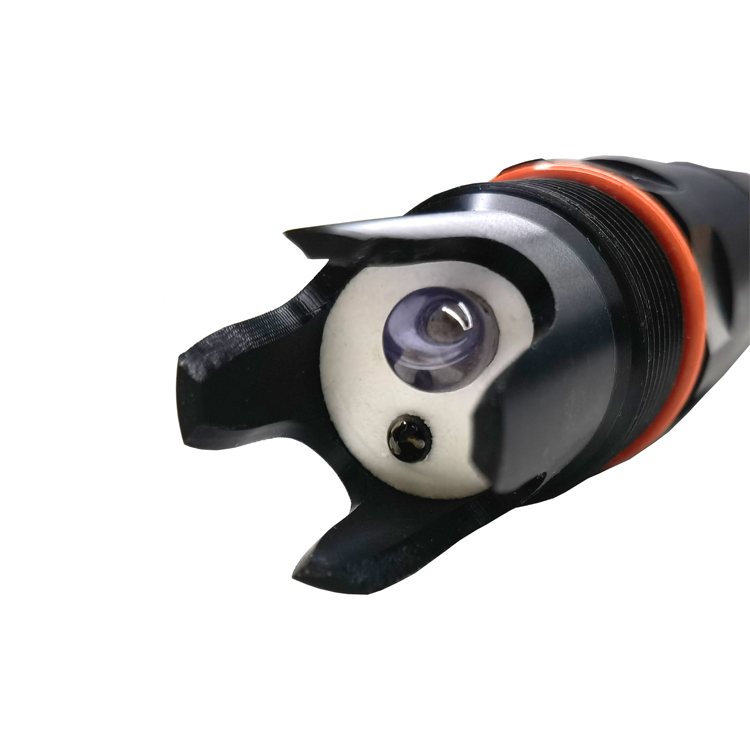
Online water quality monitoring is no longer just environmental data collection but a key infrastructure for digital production and resource protection. Whether to ensure public health and safety, optimize industrial production efficiency, or protect fragile natural water bodies, precise and reliable sensors are the “eyes” of the entire system.
As a deep cultivator of water analysis technology, NiuBoL continues to provide global partners with high cost-performance and high-stability monitoring hardware. If you are preparing a water treatment project or seeking a reliable OEM/ODM partner, NiuBoL’s professional team will provide you with full technical support from sensor selection to communication protocol debugging.
 NBL-RDO-206 Online Fluorescence Dissolved Oxygen Sensor.pdf
NBL-COD-208 Online COD Water Quality Sensor.pdf
NBL-CL-206 Water Quality Sensor Online Residual Chlorine Sensor.pdf
Related recommendations
Sensors & Weather Stations Catalog
Agriculture Sensors and Weather Stations Catalog-NiuBoL.pdf
Weather Stations Catalog-NiuBoL.pdf
Agriculture Sensors Catalog-NiuBoL.pdf
Water Quality Sensor Catalog-NiuBoL.pdf
Related products
 Combined air temperature and relative humidity sensor
 Soil Moisture Temperature sensor for irrigation
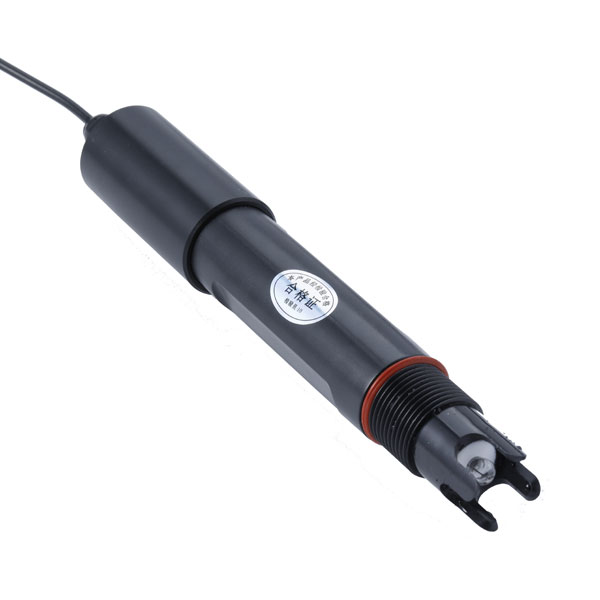 Soil pH sensor RS485 soil Testing instrument soil ph meter for agriculture
 Wind Speed sensor Output Modbus/RS485/Analog/0-5V/4-20mA
 Tipping bucket rain gauge for weather monitoring auto rainfall sensor RS485/Outdoor/stainless steel
 Pyranometer Solar Radiation Sensor 4-20mA/RS485

Screenshot, WhatsApp to identify the QR code
WhatsApp number:+8615367865107
(Click on WhatsApp to copy and add friends)

