






— Blogs —
—Products—
 Consumer hotline +8618073152920
 WhatsApp:+8615367865107
Address:Room 102, District D, Houhu Industrial Park, Yuelu District, Changsha City, Hunan Province, China
Product knowledge
Time:2026-04-16 11:43:04 Popularity:10
Under the continuous advancement of the “Beautiful Countryside” and “Urban-Rural Integration” strategies, rural domestic sewage treatment has shifted from a单纯 “facility construction” phase to a new stage that emphasizes both “quality improvement and efficiency” and “long-term operation and maintenance”. Due to low population density, scattered settlements, and complex terrain in rural areas, the traditional urban centralized sewage pipe network model is difficult to achieve full coverage.
As a professional brand in the field of environmental monitoring IoT, NiuBoL has long served engineering contractors and system integrators and deeply understands the core pain points of rural sewage treatment. This article provides in-depth industry insights from four dimensions: sewage source analysis, technical status assessment, mainstream process paths, and digital monitoring solutions.
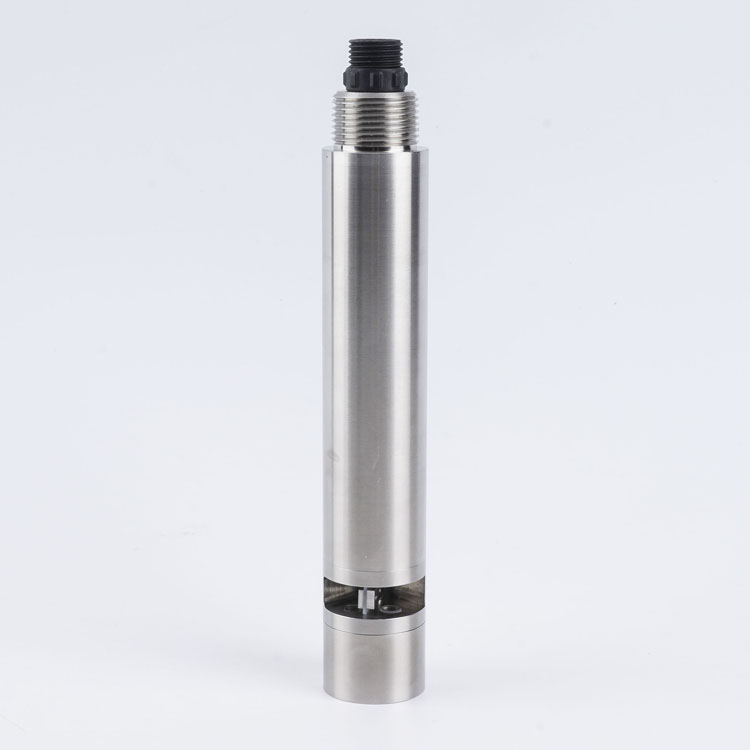
Compared with urban sewage, rural domestic sewage has significant differences in spatial-temporal distribution and water quality composition, which directly determines the selection of treatment technologies.
1.1 Core Source Analysis
Black water (high-concentration pollution): Mainly from human and livestock feces. With chemical fertilizers replacing farm manure, a large amount of black water has lost its agricultural reuse pathway and has become the main source of nitrogen, phosphorus, and pathogens.
Grey water (large-volume pollution): Includes bathing, laundry, and kitchen wastewater. This type of sewage has large fluctuations in organic matter concentration (BOD/COD) and contains a large amount of surfactants.
Breeding sideline sewage: Direct discharge of feces from scattered rural breeding households causes eutrophication of water bodies far exceeding self-purification capacity.
1.2 Current Challenges
“Sun-drying” of facilities: Early constructed pipe networks frequently suffer from pipe damage or terminal shutdown due to the lack of professional operation and maintenance personnel.
Poor adaptability: Blindly applying urban sewage treatment processes results in high operating costs and high energy consumption, making it difficult to sustain long-term in village collective economies.
Lack of monitoring: Sites are scattered, manual inspection efficiency is low, and there is no real-time data support for water quality compliance.
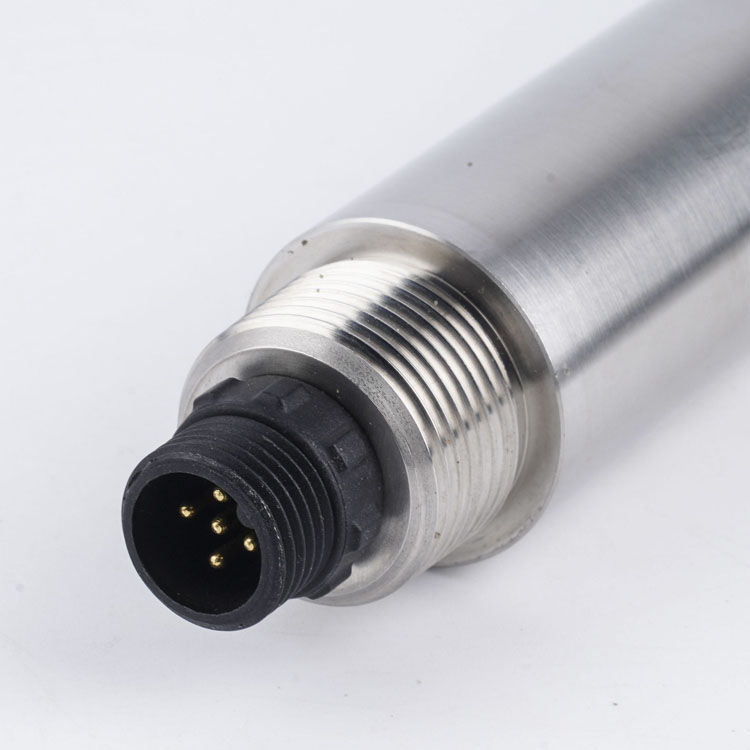
According to different village layouts, the engineering community currently mainly adopts three modes: “household treatment, village centralized treatment, and connection to pipe networks”.
2.1 Decentralized Treatment Technology (Suitable for Remote Scattered Households)
Using biofilm technology or integrated purification tanks to treat sewage from single households or several households on-site.
Advantages: No need to build long-distance pipe networks; flexible investment.
Technical Core: Small A/O (anaerobic/aerobic) process or constructed wetlands.
2.2 Centralized Treatment Process (Suitable for Central Villages)
Sewage is collected through pipe networks and then enters a small sewage treatment station (integrated equipment).
Typical Processes: MBBR (moving bed biofilm reactor), SBR (sequencing batch reactor activated sludge), and MBR (membrane bioreactor).
Engineering Requirements: Requires stable power supply and relatively professional equipment inspection.
2.3 Ecological Restoration Technology (Low-Carbon and Low-Energy Consumption)
Construct constructed wetlands, stabilization ponds, or ecological filter beds according to terrain.
Advantages: Almost zero operating cost and high landscape value.
Limitations: Large land occupation; treatment efficiency in winter is significantly affected by temperature.
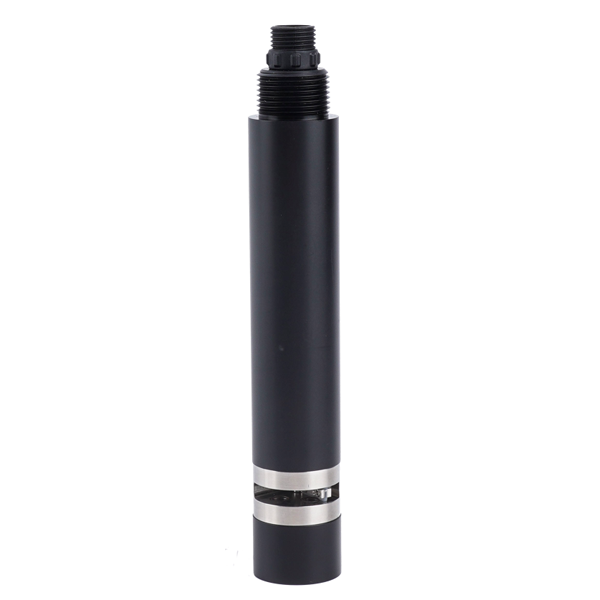
In rural sewage treatment projects, the introduction of digital monitoring equipment is the only way to solve the problems of “unmanned management” and “difficult-to-measure effectiveness”. NiuBoL’s RS485 bus sensors can be integrated into various integrated equipment or pump station monitoring systems.
3.1 Core Monitoring Parameter Selection Table
| Monitoring Parameter | Sensor Type | Signal Output | Application Value |
|---|---|---|---|
| COD (Chemical Oxygen Demand) | UV254 ultraviolet absorption method | RS485 (Modbus-RTU) | Real-time evaluation of organic matter removal rate and determination of process load |
| NH3-N (Ammonia Nitrogen) | Ion selective electrode method | RS485 (Modbus-RTU) | Monitor core indicators of black and odorous water bodies and verify denitrification effect |
| DO (Dissolved Oxygen) | Fluorescence method (maintenance-free) | RS485 (Modbus-RTU) | Guide variable-frequency operation of aeration fans for substantial energy saving |
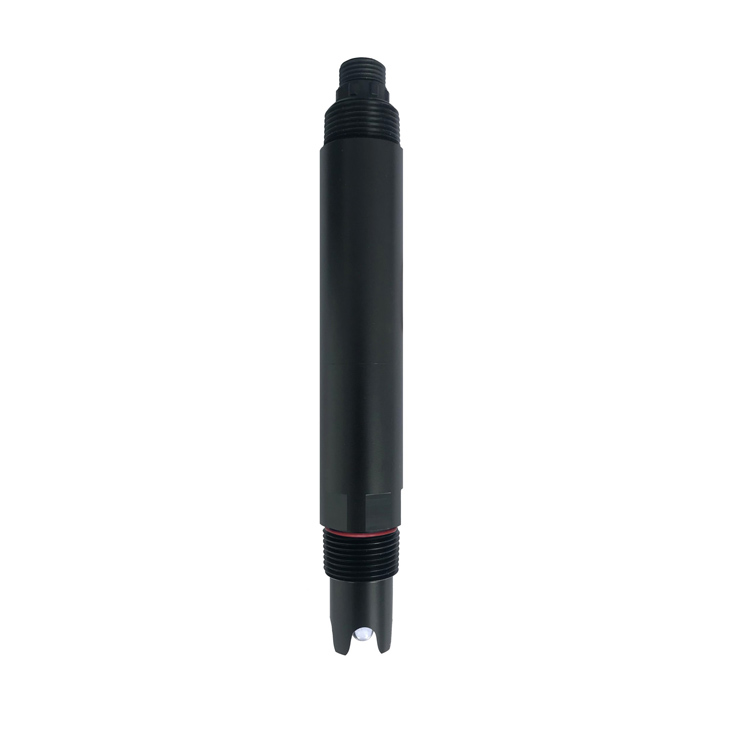
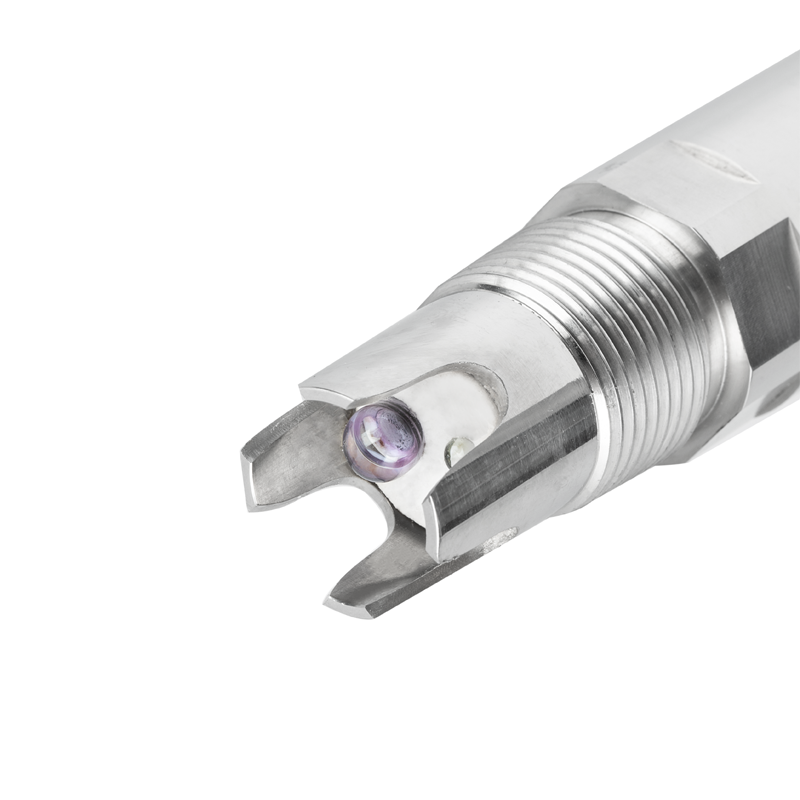
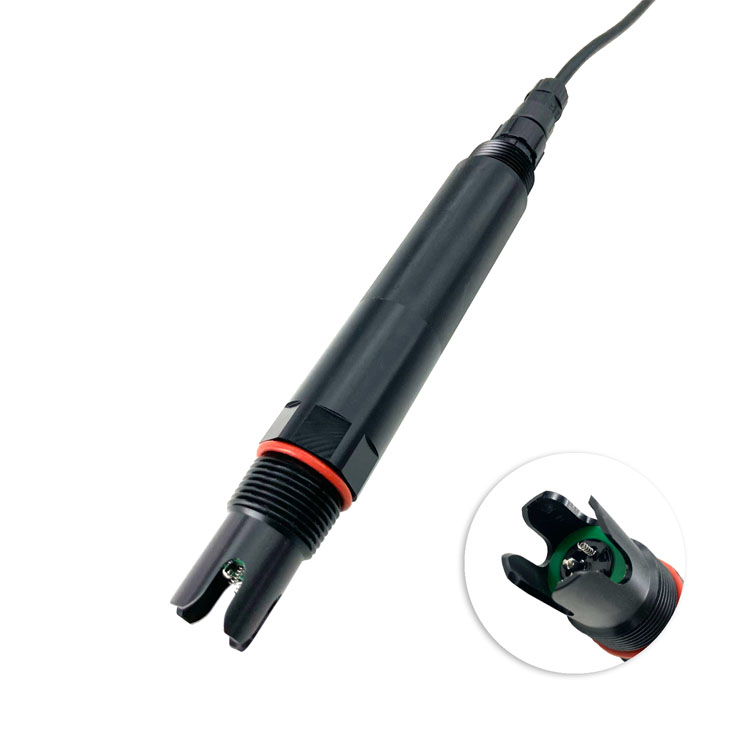
| pH Value | Digital electrode | RS485 (Modbus-RTU) | Monitor biochemical tank acid-base balance and warn of abnormal water quality |
| Turbidity/Suspended Solids (SS) | 90° scattering / infrared absorption | RS485 (Modbus-RTU) | Monitor effluent clarity and warn of membrane module damage or sludge loss |
| Water Temperature | Integrated thermistor | Output with digital protocol | Correct microbial activity parameters for low-temperature winter environments in northern China |
3.2 Technical Advantages of Digital Integration
Modbus-RTU Standardization: Compatible with all mainstream industrial PLCs (such as Siemens and Mitsubishi) and IoT gateways, greatly reducing system integration costs.
Anti-Interference Design: For unstable rural power grids and outdoor lightning environments, NiuBoL sensors have built-in complete power protection and communication lightning protection circuits.
Self-Cleaning Function: For the high suspended solids characteristics of rural sewage, NiuBoL turbidity and dissolved oxygen sensors can be optionally equipped with automatic cleaning brushes, extending the calibration cycle to more than 6 months.
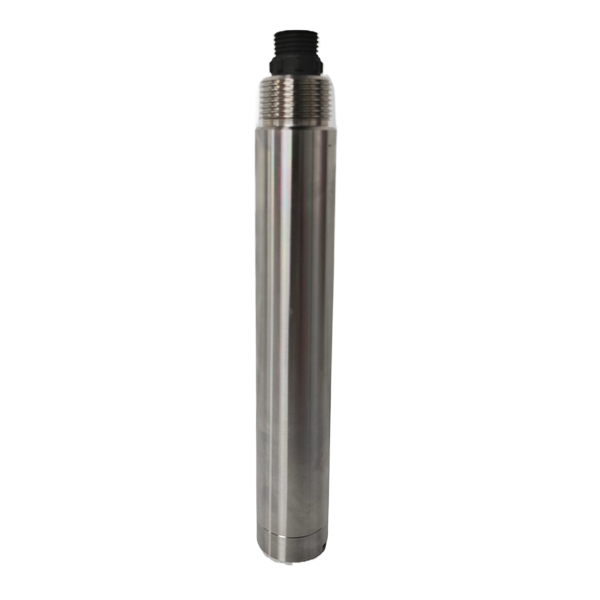
4.1 Precise Matching of Technology and Talent
The government should optimize talent introduction policies, lower entry barriers for rural environmental engineering positions (such as optimizing education requirements), and retain professionals who master RS485 communication debugging and biochemical process debugging through high salaries and supporting benefits.
4.2 Digital Transformation of Operation and Maintenance Models
Implement the “Internet + Monitoring” model. Use NiuBoL digital sensors to connect sewage treatment stations in each natural village to a county-level unified supervision platform, enabling remote fault diagnosis. This “centralized monitoring, decentralized inspection” model can reduce manual inspection costs by more than 50%.
4.3 R&D Investment Tilted Toward Low-Energy Consumption
Increase R&D investment in low-energy-consumption, high-impact-load-resistant biotechnology suitable for rural areas. For example, strengthen the nitrogen and phosphorus removal efficiency of constructed wetlands or develop low-power digital monitors suitable for distributed scenarios.
Q1. Why is RS485 signal transmission generally preferred for rural domestic sewage treatment?
RS485 has multi-point communication capability (one bus can connect 32 or more sensors) and strong anti-interference performance. In long-distance wiring (up to 1200 meters), data transmission remains stable, making it very suitable for decentralized sewage treatment stations.
Q2. Why is the fluorescence dissolved oxygen sensor the first choice in rural sewage operation and maintenance?
Membrane DO sensors require regular replacement of electrolyte and membrane heads, while rural areas lack professional maintenance. The fluorescence method has no consumables and is not affected by sulfides, making it almost “install and use”, perfectly suited for long-term unattended environments.
Q3. How to monitor effluent compliance for decentralized treatment equipment?
It is recommended to install a highly integrated multi-parameter digital water quality monitor (such as pH + turbidity + COD) at the effluent end and upload Modbus data to the cloud via a 4G gateway for real-time over-standard early warning.
Q4. How to reduce aeration power consumption in rural sewage treatment projects?
Monitor DO concentration in the biochemical tank through NiuBoL dissolved oxygen sensors. Transmit data to the frequency converter via Modbus communication to achieve on-demand aeration and avoid energy waste caused by excessive aeration.
Q5. What is the impact of detergents in domestic sewage on the biochemical system?
High concentrations of surfactants inhibit microbial activity and produce a large amount of foam. At the monitoring end, abnormal fluctuations in pH and conductivity can be used to promptly detect large-scale laundry wastewater discharge and take corresponding pretreatment measures.
Q6. What to do if the efficiency of rural sewage treatment stations in northern China declines in winter?
Due to low microbial activity at low temperatures, monitor water temperature through temperature sensors and extend aeration time or start electric heating insulation. NiuBoL sensors all have built-in temperature compensation to ensure measurement data is not affected by seasonal temperature differences.
Q7. Can NiuBoL sensors be directly connected to smart rural IoT platforms?
Yes. As long as the platform supports standard Modbus-RTU or MQTT after protocol conversion, NiuBoL sensors can be seamlessly connected.
Q8. How to protect monitoring equipment against unstable rural power supply?
NiuBoL recommends configuring small voltage stabilizers and UPS during system integration. The sensors themselves have reverse connection protection and over-voltage protection functions, which can minimize hardware damage risks.
Rural domestic sewage treatment is a long-term transformation involving engineering technology, management models, and digital means. Facing the current situation of backward technology and talent shortages, introducing “high-stability, low-maintenance” digital sensing technology is the key to turning sewage treatment facilities from “sun-drying projects” into “long-term assets”.
As a professional sensing equipment provider, NiuBoL will continue to focus on rural water environment governance scenarios. We not only provide high-precision digital sensors but are also committed to providing every engineering contractor with systematic monitoring consulting services based on the Modbus protocol. Let us use the power of technology to jointly build a digital beautiful countryside.
 NBL-RDO-206 Online Fluorescence Dissolved Oxygen Sensor.pdf
NBL-COD-208 Online COD Water Quality Sensor.pdf
NBL-CL-206 Water Quality Sensor Online Residual Chlorine Sensor.pdf
Next:Power Plant Water Treatment Methods and Characteristics Analysis: NiuBoL Professional Solutions
Related recommendations
Sensors & Weather Stations Catalog
Agriculture Sensors and Weather Stations Catalog-NiuBoL.pdf
Weather Stations Catalog-NiuBoL.pdf
Agriculture Sensors Catalog-NiuBoL.pdf
Water Quality Sensor Catalog-NiuBoL.pdf
Related products
 Combined air temperature and relative humidity sensor
 Soil Moisture Temperature sensor for irrigation
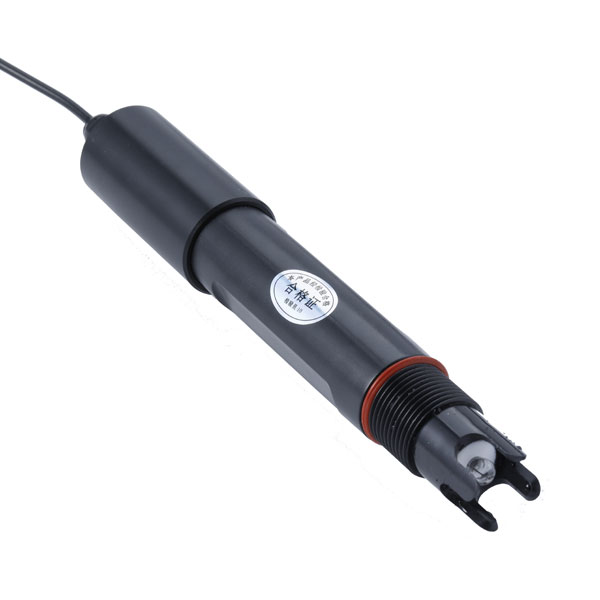 Soil pH sensor RS485 soil Testing instrument soil ph meter for agriculture
 Wind Speed sensor Output Modbus/RS485/Analog/0-5V/4-20mA
 Tipping bucket rain gauge for weather monitoring auto rainfall sensor RS485/Outdoor/stainless steel
 Pyranometer Solar Radiation Sensor 4-20mA/RS485

Screenshot, WhatsApp to identify the QR code
WhatsApp number:+8615367865107
(Click on WhatsApp to copy and add friends)

