





— Products —
 Consumer hotline +8618073152920
 WhatsApp:+8615367865107
Address:Room 102, District D, Houhu Industrial Park, Yuelu District, Changsha City, Hunan Province, China
Ambient Sensors
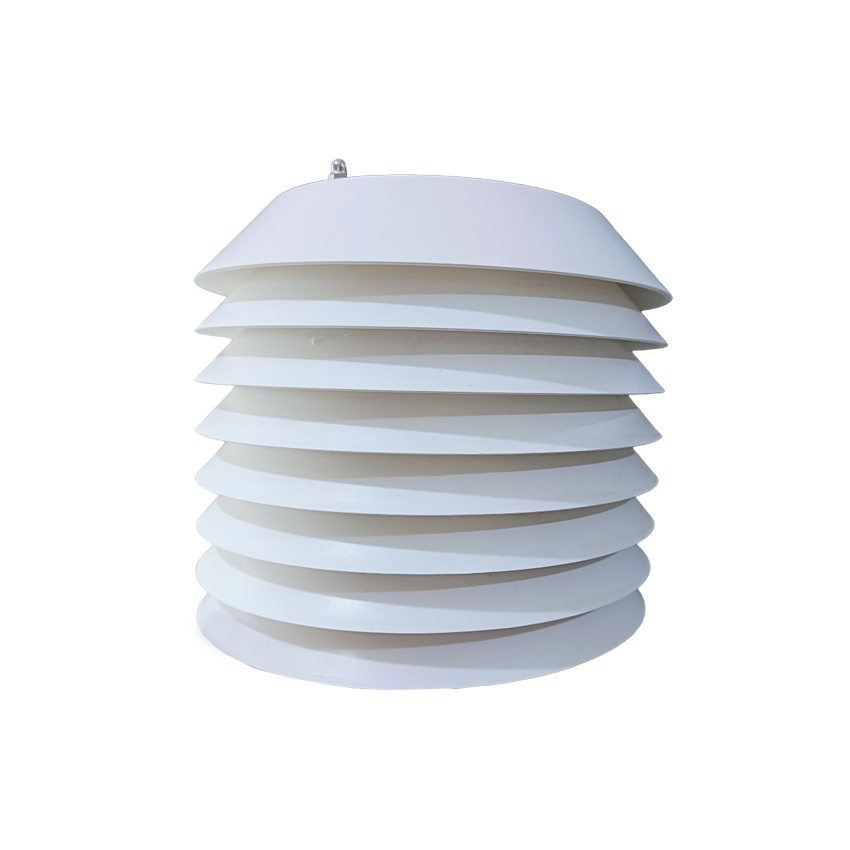
NiuBoL professionally provides industrial-grade integrated particulate matter sensors for PM1, PM2.5, and PM10. Based on advanced laser scattering principle with imported core components, supporting RS485 communication protocol, delivering stable and reliable air quality data for smart cities, environmental monitoring, air purification, and industrial automation.
Tel/WhatsApp:+8615367865107
Email:Arvin@niubol.com +Nearly 100 partner companies in more than 75 countries. We are committed to providing high-quality, practical products to meet your needs and help you solve problems. Our products comply with international standards and are certified with ISO, CE and RoHS.Product Details
With the acceleration of industrialization and the improvement of urbanization, air quality monitoring has become a crucial aspect of environmental protection and public health. Particulate Matter (PM), as a major component of air pollution, directly affects visibility, climate change, and human respiratory health through its concentration levels.
NiuBoL is committed to providing global customers with precise and durable environmental sensing devices. Our Particulate Matter Sensors series integrates multi-dimensional monitoring capabilities for PM1, PM2.5, and PM10. Through high-precision optical algorithms and stable hardware architecture, NiuBoL sensors can operate reliably for long periods in complex outdoor and industrial environments, providing solid underlying data assurance for scientific research data collection and engineering applications.
NiuBoL particulate matter sensors adopt the industry-leading laser scattering principle. This technology uses laser light to illuminate suspended particles in the air, producing scattered light that is received by photosensitive components. Based on Mie scattering theory, complex algorithms calculate the equivalent particle size and number of particles of different diameters per unit volume.
1. Imported Laser and High-Sensitivity Photosensitive Elements
To ensure long-term data stability, NiuBoL selects imported high-performance lasers. Compared to ordinary laser sources, they offer more uniform beam spots and longer attenuation cycles. Combined with high-gain photosensitive components, the sensor can detect particles as small as 0.3μm in diameter, effectively improving the detection lower limit and response speed in low-concentration environments.
2. Integrated Built-in Fan and Active Sampling
The sensor integrates a low-power, long-life axial fan. Unlike traditional passive diffusion sampling, the active sampling system ensures smooth airflow through the detection chamber, greatly reducing response time and avoiding measurement errors caused by localized air stagnation.
3. Highly Integrated Design
NiuBoL highly integrates the laser source, signal processing circuit, algorithm chip, and fan drive module into a compact housing. This integrated design not only reduces product size but also enhances anti-electromagnetic interference (EMI) capability, adapting to various harsh industrial electromagnetic environments.
| Parameter | Specification / Requirement |
|---|---|
| Brand | NiuBoL |
| Measurement Range | PM2.5: 0-1000μg/m³; PM10: 0-2000μg/m³ |
| Minimum Detectable Particle Size | 0.3μm |
| Relative Error | ±15% and ±10μg/m³ maximum error (25℃, 50%RH) |
| Power Supply Voltage | DC 12V-24V |
| Signal Output | RS485 (standard Modbus protocol) |
| Device Power Consumption | ≤ 350 mW |
| Operating Temperature | -20℃ to +60℃ |
| Operating Humidity | 0 to 99%RH (non-condensing) |
| Standard Cable Length | 2.5 meters (customizable) |
NiuBoL particulate matter sensors adopt standardized industrial interface design, greatly simplifying on-site deployment complexity:
Communication Interface: Uses RS485 bus, supporting standard Modbus RTU protocol, with signal transmission distance up to 1200 meters and strong common-mode interference resistance.
Wiring Definition:
Red wire: Power positive (DC 12V-24V)
Black wire: Power negative (GND)
Yellow wire: 485-A
Blue wire: 485-B
Data Compatibility: Easily connects to PLCs, host computer software, and various environmental monitoring hosts, supporting multi-device networked monitoring.
In air quality management, particulate matter of different sizes represents different pollution sources and health risks. In addition to directly monitoring PM2.5 and PM10, NiuBoL sensors provide scientific methods for users to derive PM1 (submicron particulate matter).
PM1: Particulate matter with aerodynamic diameter ≤ 1 micron. Due to its tiny size, it can penetrate deep into the alveoli and enter the bloodstream, posing significant health risks.
PM2.5: Fine particulate matter with diameter ≤ 2.5 microns, a key indicator for measuring Air Quality Index (AQI).
PM10: Inhalable particulate matter with diameter ≤ 10 microns.
Although some sensors on the market physically separate PM1 through channels, in many application scenarios, algorithmic estimation based on PM2.5 or PM10 concentration distribution is more efficient and cost-effective.
Method 1: Based on PM2.5 Proportional Relationship
Since PM1 is an important component of PM2.5, the two show strong correlation. According to environmental science research, in most urban backgrounds, PM1 accounts for approximately 50% to 80% of PM2.5.
Example estimation formula: PM1 = PM2.5 × 0.7 (assuming 70% ratio)
Method 2: Based on PM10 Correlation
In areas with relatively stable particle size distribution, inversion can also be performed using PM10. Typically, PM1 accounts for about 30% of PM10.
Example estimation formula: PM1 = PM10 × 0.3
Note: This proportional calculation method relies on regional environmental empirical coefficients. NiuBoL recommends users calibrate using data from local environmental protection department monitoring stations to obtain precise conversion coefficients for specific seasons and pollution sources (such as dust, exhaust, coal combustion, etc.).
Correct installation position and maintenance habits are prerequisites for ensuring long-term accurate operation of the sensor. For the characteristics of NiuBoL particulate matter sensors, please follow the following specifications:
1. Vertical Installation Principle
The sensor must be installed vertically. This is not only to comply with the internal airflow channel design but also to prevent dust accumulation on the optical lens surface due to gravity, which could cause data drift.
2. Avoid Artificial Airflow Interference
When used in air purifiers, air conditioning systems, or fresh air units, do not install the sensor directly in front of or behind the fan. Strong mechanical wind will disrupt the laminar sampling inside the sensor. It is recommended to install on the side of the equipment or in a relatively independent sampling space, ensuring sufficient ventilation openings in the housing for natural airflow from the external environment to the sensor.
3. Prevent Adhesive Particles and Foreign Objects
In environments such as textile factories (lint), kitchens (cooking fumes), or spray painting workshops, a pre-filter or protective device must be added. Once adhesive particles attach to the laser or photosensitive window, permanent measurement failure will occur.
4. Humidity and Protection
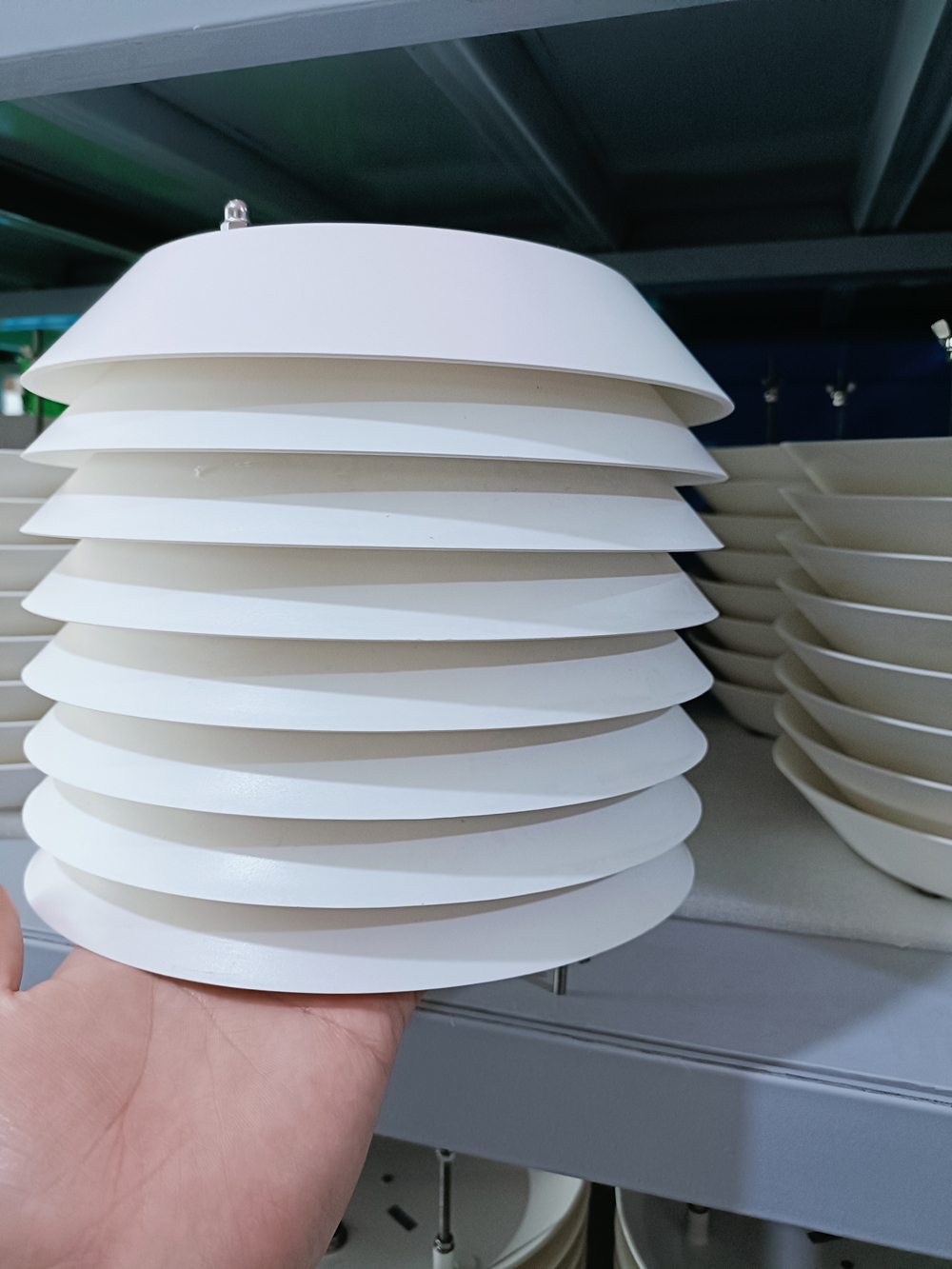
Although the sensor supports 0-99%RH humidity environments, liquid moisture must be strictly prevented from entering the internal circuit. In high-humidity areas, it is recommended to use NiuBoL professional protective cover (light louver box) to prevent condensation water from affecting optical components.
NiuBoL particulate matter sensors, with excellent stability and standardized RS485 output, are widely used in multiple fields:
Smart agriculture: Monitoring dust concentration in greenhouses to ensure crop photosynthesis efficiency and normal operation of automated equipment.
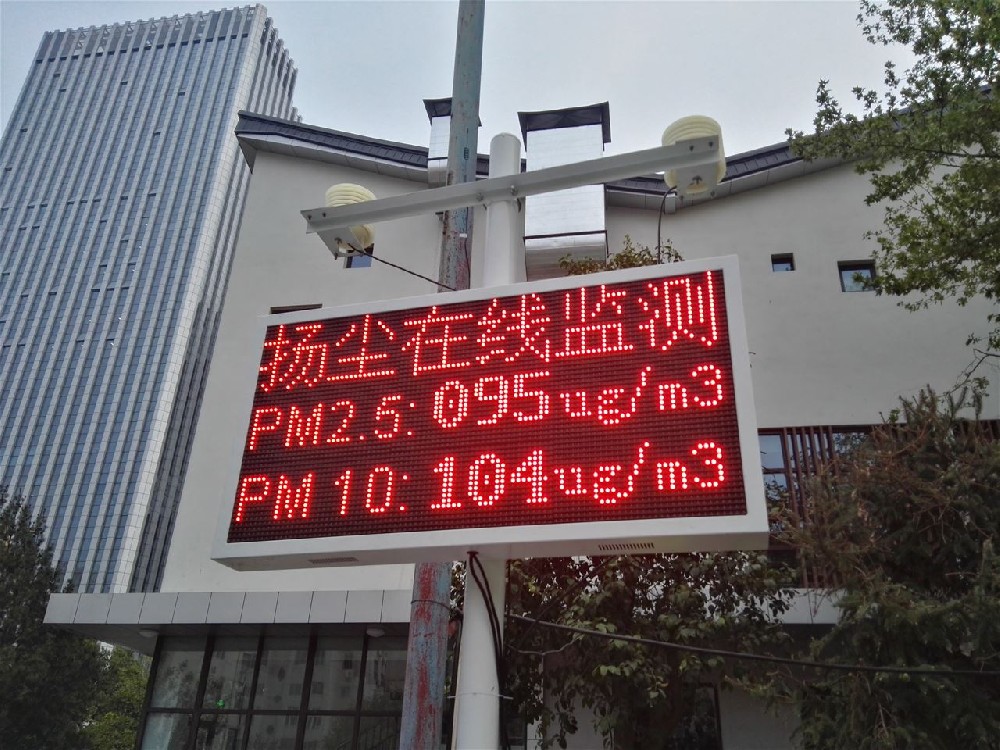
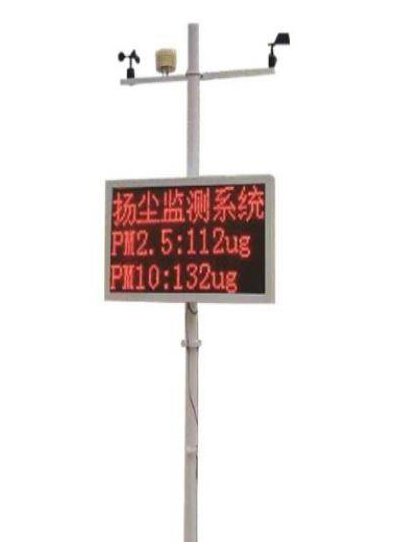
Urban environmental grid: Deployed on utility poles and streetlight poles to form dense urban air quality monitoring networks.
Industrial plant area monitoring: Used for workshop dust monitoring in mining, cement, woodworking, and other industries to ensure compliance with occupational health and safety standards.
Smart homes and buildings: Linking with fresh air systems to automatically start/stop purification equipment based on real-time PM2.5 concentration.
Traffic monitoring: Real-time sensing of road traffic-generated dust and exhaust particulate matter distribution.
Q1: Does the NiuBoL particulate matter sensor require regular calibration?
A: The sensor undergoes strict standardized calibration before leaving the factory. Due to the use of high-quality lasers, it can maintain accuracy for 1-2 years in normal environments. In heavily polluted or dusty environments, it is recommended to perform comparative calibration once a year.
Q2: Why does my sensor reading fluctuate in a short time?
A: Particulate matter distribution in air is not completely uniform, especially with local wind sources or pollution sources. NiuBoL sensors have extremely high sensitivity and can capture these minor changes, which reflect the real environment.
Q3: Can the sensor be used outdoors in rain and snow weather?
A: The sensor itself does not have full waterproof capability. For outdoor use, it must be paired with NiuBoL's rainproof sunshade cover (louver box) to ensure air circulation while preventing direct rainwater impact on the device.
Q4: What does the minimum detectable particle size of 0.3μm mean?
A: 0.3μm is a key indicator of laser particulate matter sensor performance. Most cigarette smoke and industrial dust core particle sizes are above 0.3μm. The ability to detect this size indicates that NiuBoL sensors have excellent resolution.
Q5: How does the sensor's 350 mW power consumption perform in solar-powered systems?
A: 350 mW is extremely low power consumption. This means even small solar power systems can easily support 24-hour continuous monitoring by the sensor, making it very suitable for remote field meteorological stations.
Q6: If I need to monitor PM1.0, does NiuBoL have a model with direct output?
A: NiuBoL's integrated sensor supports direct output of PM1.0, PM2.5, and PM10 values through algorithms. If you need PM1 data under specific protocols, please contact technical support during ordering for configuration.
The NiuBoL particulate matter sensor is the crystallization of environmental monitoring technology. It not only selects laser scattering technology and imported components in hardware to ensure measurement “accuracy” and “stability,” but also adapts to diverse needs from smart cities to industrial sites through RS485 signaling and wide voltage input in application flexibility.
Through multi-dimensional understanding and scientific calculation of PM1, PM2.5, and PM10, NiuBoL helps users shift from single concentration values to in-depth environmental data analysis. Choosing NiuBoL means choosing a professional, precise, and trustworthy partner—let us work together to protect every breath of fresh air.
Do you need sensor selection recommendations for specific scenarios (such as smart construction sites or indoor environmental monitoring)? Or do you want to learn about the connection wiring definitions between NiuBoL sensors and data collectors? I can provide detailed technical solution support for you.
Prev:6-in-1 Temperature, Humidity, Pressure, Illuminance, CO2, and CO Sensor
Next:no more
Sensors & Weather Stations Catalog
 Agriculture Sensors and Weather Stations Catalog-NiuBoL.pdf
Weather Stations Catalog-NiuBoL.pdf
Agriculture Sensors Catalog-NiuBoL.pdf
Water Quality Sensor Catalog-NiuBoL.pdf
Related recommendations
 Combined air temperature and relative humidity sensor Particulate Matter Sensors (PM1, PM2.5 & PM10)
 6-in-1 Temperature, Humidity, Pressure, Illuminance, CO2, and CO Sensor
 CO2 Humidity and Temperature Sensor
 Measures air temperature and relative humidity pressure Sensor
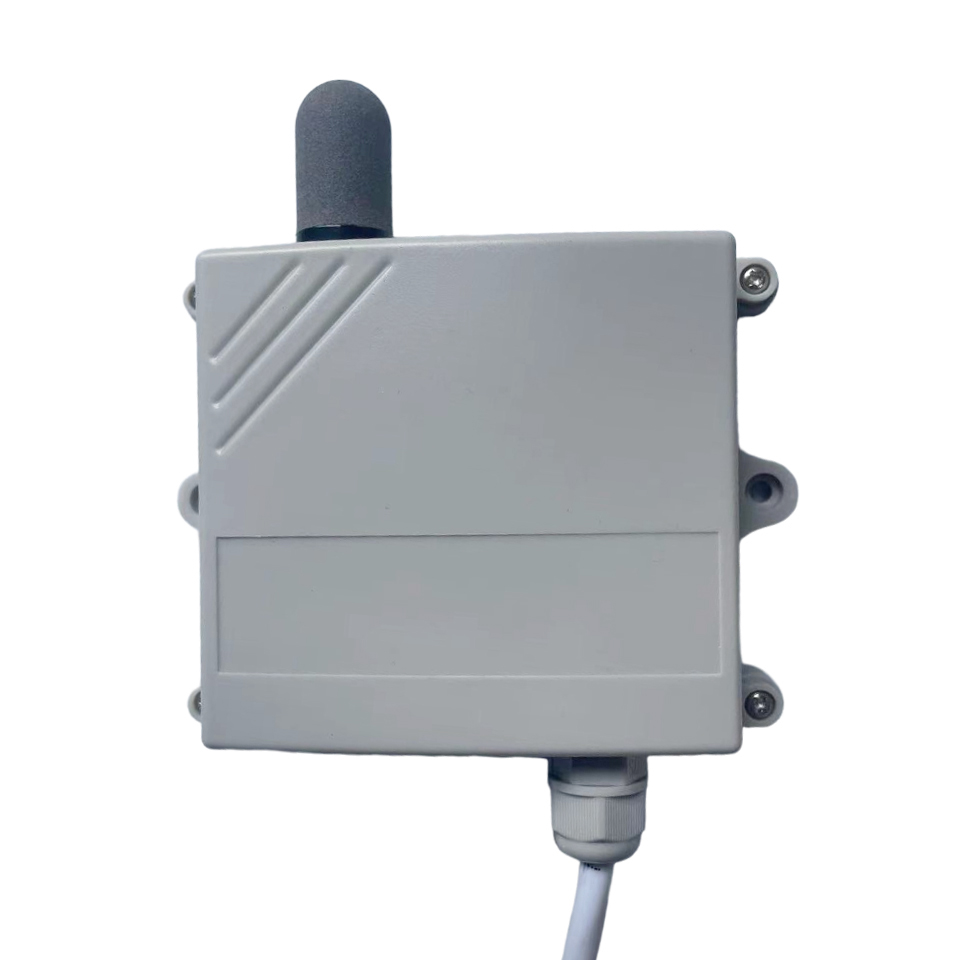 Wall-mounted temperature and humidity sensors used in storage warehouses, greenhouses

Screenshot, WhatsApp to identify the QR code
WhatsApp number:+8615367865107
(Click on WhatsApp to copy and add friends)

