





— Products —
 Consumer hotline +8618073152920
WhatsApp:+8615367865107
Address:Room 102, District D, Houhu Industrial Park, Yuelu District, Changsha City, Hunan Province, China
Level Sensors
NiuBoL provides water level sensors and level transmitters for continuous liquid-level and water-depth monitoring in rivers, reservoirs, groundwater wells, storage tanks, wastewater systems, irrigation projects and industrial processes.
The main measurement technologies include non-contact FMCW radar and submersible hydrostatic pressure sensing. Available signal options include RS485 Modbus, 4–20mA and HART depending on the selected sensor or transmitter.
Select the appropriate product according to the measurement range, liquid characteristics, contact or non-contact requirement, installation environment, required output, cable length and the PLC, RTU, data logger or monitoring system that will receive the level data.
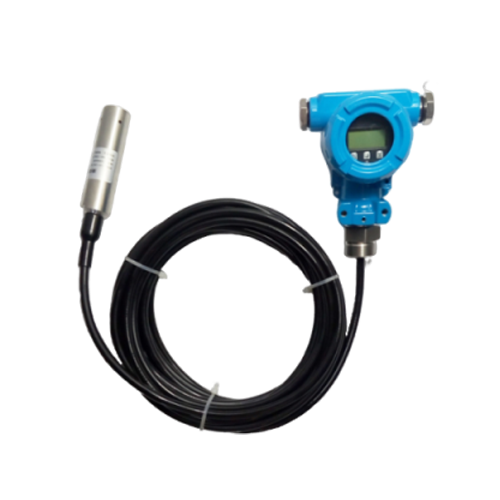 NBL-L-SMP4601 Split-Type Level Transmitter with Real-Time Level Display Output 4-20mA
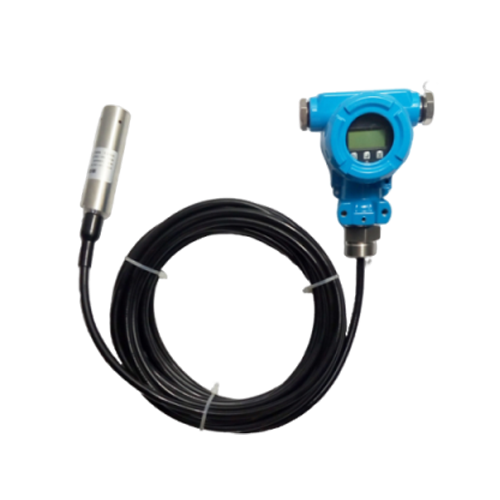 NBL-L-SMP4631 Series RS485/HART/Explosion-Proof Intelligent Split-Type Level Transmitter Sensor
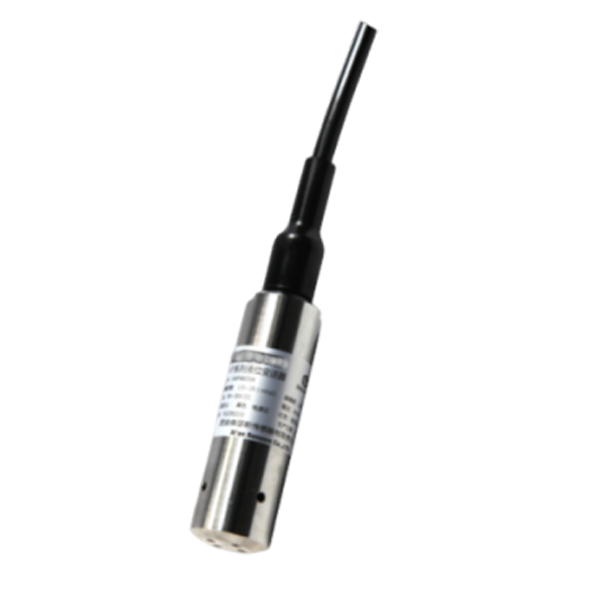 NBL-L-SMP4603 Submersible Level Transmitter Sensor 4-20mA
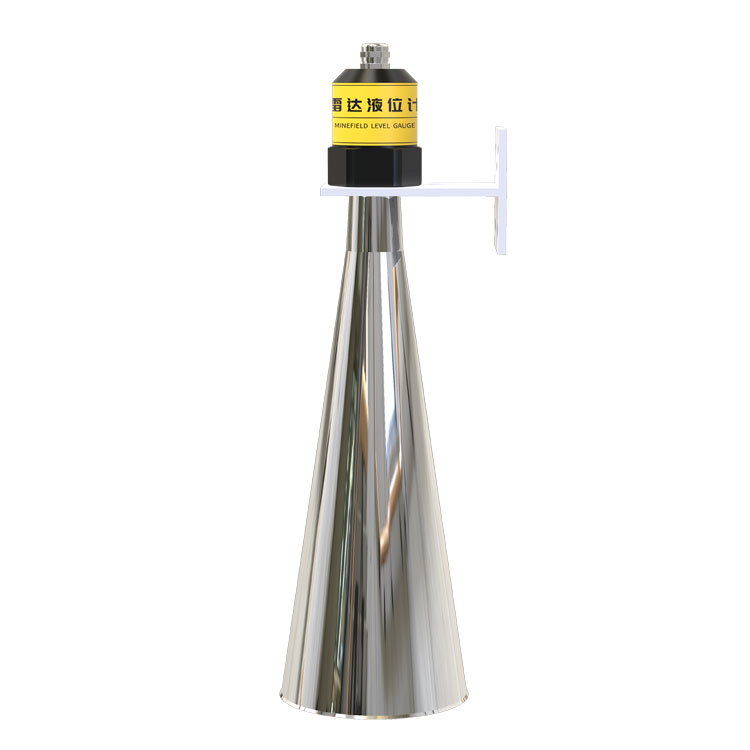 Non-Contact Radar Water Level Sensor RS485 Modbus FMCW | NiuBoL
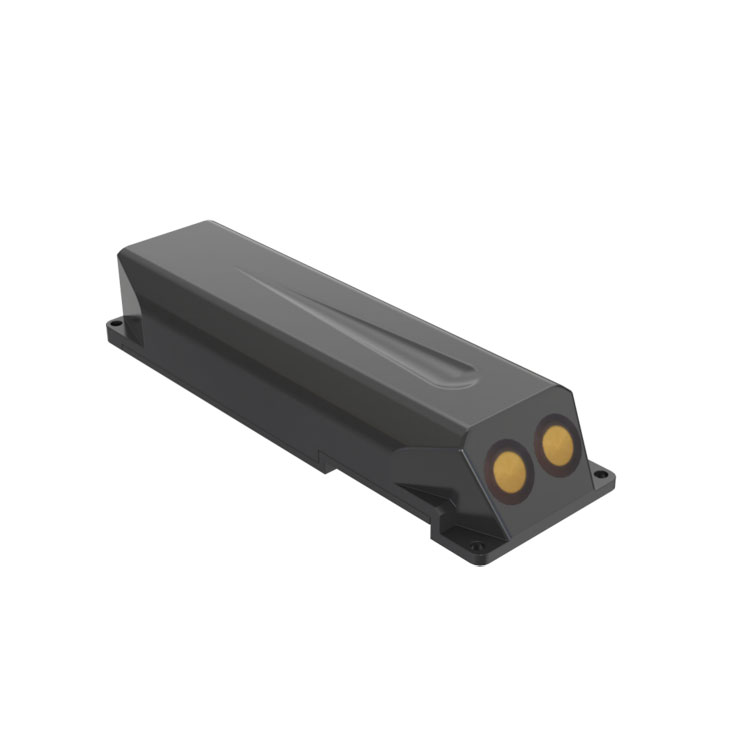 Doppler Velocity Meter for Open Channels, Rivers, and Non-Full Pipe Metering
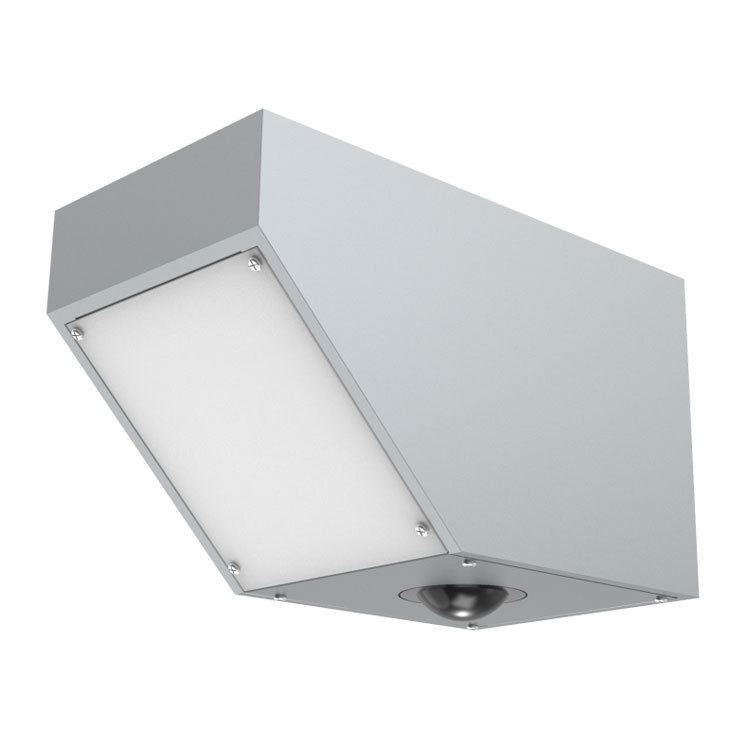 Non-Contact Radar Flowmeter Sensor: All-Weather Flow Monitoring Solution for Smart Water Conservancy
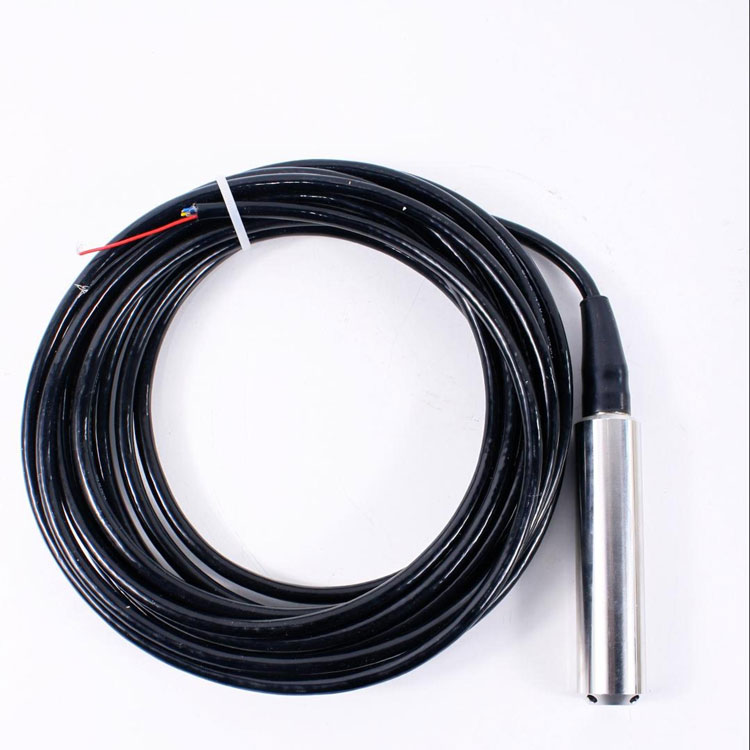 Submersible Level Transmitter: Industrial-Grade Tool for High-Precision Water Level Monitoring
The best water level sensor depends on whether the instrument can contact the liquid, where it can be installed and what signal the receiving system requires. A river monitoring station, groundwater well and industrial storage tank may therefore require different technologies.
| Application | Typical Technology | Why |
| River / Reservoir | Non-Contact Radar | Sensor remains above the water and avoids direct immersion in sediment, debris and flowing water |
| Groundwater Well | Submersible Hydrostatic | Compact probe can be lowered directly into the well for continuous water-depth measurement |
| Water Storage Tank | Radar or Hydrostatic | Selection depends on tank geometry, installation access and whether liquid contact is acceptable |
| Industrial Tank | 4–20mA / HART Transmitter | Suitable for industrial PLC, process-control and local-display systems |
| Remote Hydrology Station | RS485 Radar / Submersible | Suitable for RTUs, data loggers, IoT gateways and solar-powered monitoring systems |
Radar and hydrostatic sensors both provide continuous water-level measurements, but they use different measurement principles and installation methods.
| Selection Item | Radar Water Level Sensor | Submersible Level Sensor |
| Principle | Radar distance measurement | Hydrostatic pressure |
| Contact with Liquid | No | Yes |
| Installation | Mounted above the liquid surface | Probe immersed in the liquid |
| Liquid Density | Not used for radar distance measurement | Affects hydrostatic level conversion |
| Typical Use | Rivers, reservoirs, channels and non-contact monitoring | Wells, tanks, boreholes and submerged monitoring |
For non-contact outdoor water monitoring, see the radar water level sensor. For wells, tanks and submerged installations, see the submersible level transmitter.
The signal interface should match the PLC, RTU, data logger or process-control system that will receive the measurement. Output availability depends on the selected product.
| Output | Typical Connection | Typical Use |
| RS485 Modbus | PLC / RTU / Data Logger / Gateway | Digital monitoring and multi-device field networks |
| 4–20mA | PLC Analog Input / Controller / Display | Industrial process control and conventional analog instrumentation |
| HART | Compatible Process Instrumentation | Industrial configuration, diagnostics and intelligent transmitter applications |
Water level, water velocity and flow rate are related hydrological measurements, but they are not the same parameter. A complete river or open-channel monitoring station may use more than one type of instrument.
| Measurement | Typical Instrument | Typical Unit |
| Water Level | Radar / Hydrostatic Level Sensor | m / mm |
| Water Velocity | Doppler / Radar Velocity Sensor | m/s |
| Flow Rate | Flowmeter System | m³/s or m³/h |
For contact velocity measurement, see the Doppler Velocity Meter. For non-contact combined water-level and surface-velocity monitoring, see the Non-Contact Radar Flowmeter.
NiuBoL water level sensors and level transmitters are suitable for water-resource, industrial and environmental monitoring projects requiring continuous liquid-level or water-depth data.
River Monitoring
•
Reservoirs & Dams
•
Groundwater Wells
•
Industrial Tanks
Flood Monitoring
•
Irrigation Systems
•
Wastewater Treatment
•
Urban Drainage
A level sensor provides the local measurement signal. Remote 4G, Ethernet, MQTT, HTTP, cloud or private-server transmission normally requires a compatible RTU, PLC, data logger or IoT gateway.
Water Level Sensor → RS485 / 4–20mA → RTU / PLC / Data Logger → 4G / Ethernet → SCADA / Cloud Platform / Private Server
Remote hydrological stations can also combine water-level measurement with rainfall, surface velocity, flow, weather or water-quality sensors. Solar power and battery systems can be used for off-grid installations when sized for the complete station load.
For correct model selection, provide the main project conditions rather than only the required measurement range.
| Selection Item | Information to Provide |
| Measurement Range | Maximum and minimum level, water depth or sensor-to-water distance |
| Medium | Clean water, groundwater, wastewater, oil or exact chemical liquid |
| Measurement Method | Contact / submersible or non-contact measurement |
| Output | RS485 Modbus, 4–20mA or HART |
| Cable / Installation | Required cable length and well, tank, bridge, riverbank or process installation |
| Data System | PLC, RTU, data logger, local display, IoT gateway, SCADA or private server |
| Quantity | Sample, pilot site or project quantity |
A1. Common continuous water-level technologies include non-contact radar sensors and hydrostatic submersible pressure transmitters. The appropriate technology depends on the installation, measured liquid and required range.
A2. Radar measures the distance to the liquid surface without contact. A submersible sensor is immersed and measures hydrostatic pressure to determine liquid level or water depth.
A3. A submersible hydrostatic level transmitter is commonly used for wells because the probe can be lowered directly into the water. Measurement range, probe diameter and cable length should be confirmed before selection.
A4. Non-contact radar is useful where the sensor can be mounted above the water and direct immersion is undesirable. Submersible sensors can also be used where underwater installation is acceptable.
A5. Selected radar and submersible models support RS485 Modbus. Other level transmitters are available with 4–20mA or HART depending on the product configuration.
A6. Yes. A compatible level sensor can connect to an RTU, data logger or IoT gateway with cellular communication. The standard sensor itself should not be assumed to include 4G unless specifically configured.
A7. No. A water level sensor measures level or depth, a velocity sensor measures water speed, and a flowmeter measures or calculates flow rate. A complete hydrological station may combine several of these measurements.
A8. Provide the measurement range, liquid type, installation method, required output, cable length, power supply, receiving controller or data logger, quantity and whether remote communication is required.
For model selection and quotation, provide the measurement range, measured liquid, contact or non-contact requirement, output signal, cable length, installation method, power supply, receiving PLC / RTU / data logger and quantity.
For complete hydrological monitoring systems, also specify whether rainfall, water velocity, flow, solar power, 4G communication, cloud monitoring, SCADA or private-server integration is required.


Screenshot, WhatsApp to identify the QR code
WhatsApp number:+8615367865107
(Click on WhatsApp to copy and add friends)

