





— Products —
 Consumer hotline +8618073152920
 WhatsApp:+8615367865107
Address:Room 102, District D, Houhu Industrial Park, Yuelu District, Changsha City, Hunan Province, China
Level Sensors
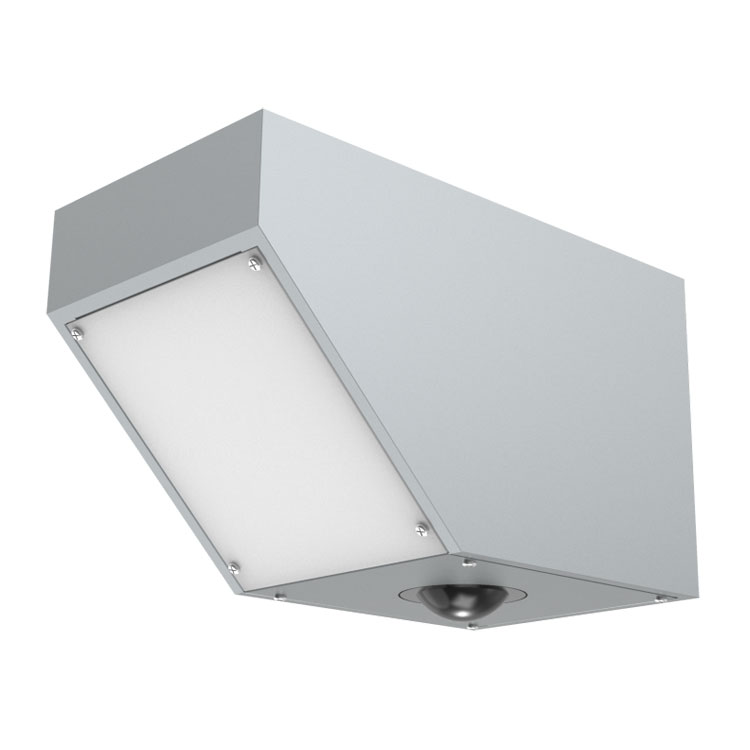
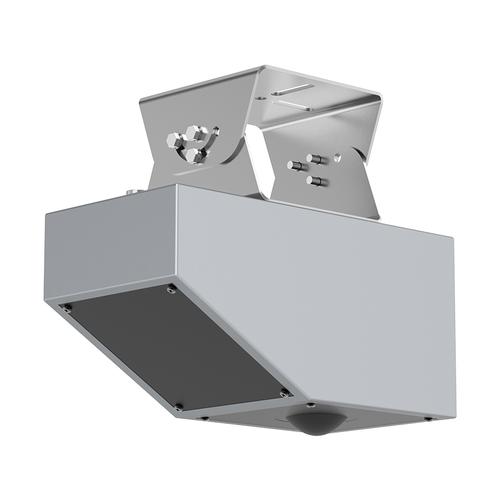
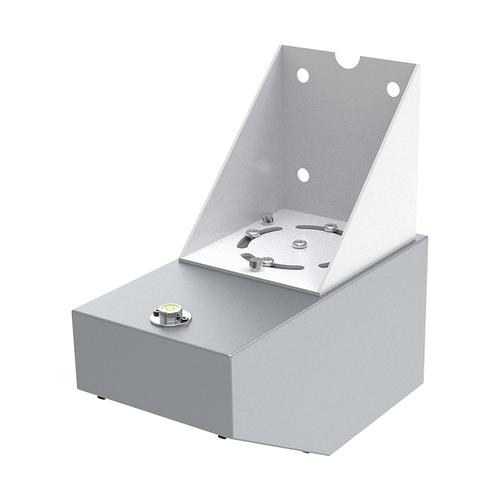
NiuBoL radar flowmeter integrates 24GHz velocity radar and 80GHz high-frequency water level radar, using non-contact measurement technology to effectively avoid sewage corrosion and sediment influence. It supports ModBus-RTU protocol, suitable for rivers, channels, urban flooding and other scenarios. This article details the technical parameters, core advantages, installation specifications and application value of NiuBoL radar flowmeter.
Tel/WhatsApp:+8615367865107
Email:Arvin@niubol.com +Nearly 100 partner companies in more than 75 countries. We are committed to providing high-quality, practical products to meet your needs and help you solve problems. Our products comply with international standards and are certified with ISO, CE and RoHS.Product Details
In the context of climate change and accelerated urbanization, water resource management imposes stringent requirements on the real-time performance, accuracy, and durability of monitoring equipment. The radar flowmeter series launched by NiuBoL brand is a high-precision monitoring terminal developed specifically for complex field water quality and harsh climatic environments.
The device integrates flow velocity monitoring, water level detection, and flow calculation functions. Through "non-contact" radar technology, it fundamentally solves the pain points of traditional invasive instruments (such as propeller velocity meters and ultrasonic Doppler flowmeters) that are susceptible to sewage corrosion, sediment abrasion, and floating object entanglement, making it the core sensing layer equipment for smart water affairs and water-rainfall monitoring systems.
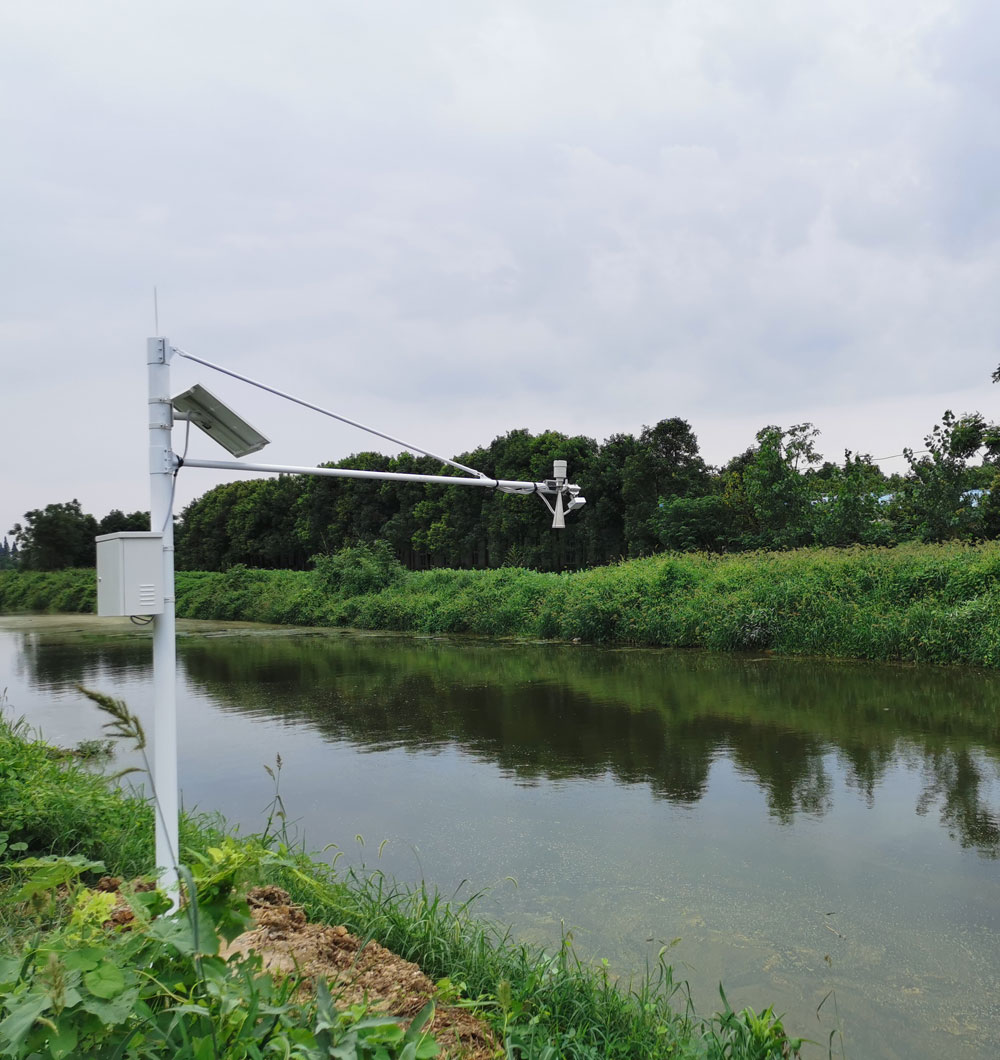
The high-precision performance of NiuBoL radar flowmeter stems from its precise optical and microwave design, mainly consisting of two core modules: velocity detection and water level ranging.
1. Doppler Velocity Measurement Principle
The radar velocity meter adopts the classic Doppler radar speed measurement principle. During operation, the sensor emits microwaves toward the water surface. When microwaves encounter the flowing liquid surface, part of the energy is absorbed, while another part is reflected. Due to the relative motion between the water surface and the sensor, the frequency of the reflected wave shifts (i.e., Doppler shift). After the probe receives the echo signal, it converts it into an electrical signal, and through high-performance processor signal processing algorithm analysis, accurately calculates the surface velocity of the water body.
2. FMCW Frequency-Modulated Continuous Wave Water Level Ranging
The radar water level gauge adopts advanced FMCW (Frequency-Modulated Continuous Wave) modulation method, using triangular wave as modulation signal. Through the frequency difference between transmitted and received signals, it achieves millimeter-level distance measurement. Compared to pulse radar, FMCW has stronger anti-interference capability and higher resolution.
3. Mathematical Conversion of Flow and Water Volume
After obtaining real-time data, the system performs conversion following rigorous hydrodynamic logic:
Flow Calculation: Obtain real-time water depth through radar water level gauge, combine with preset channel cross-section information to calculate flow area, combine with Doppler measured velocity, formula is:
Flow = Average Velocity × Flow Cross-Section Area × Correction Coefficient
Water Volume Statistics: After obtaining flow data, the system can perform cumulative calculation, i.e.:
Water Volume in a Period = Flow × Duration of This Period

| Performance Dimension | Parameter Index |
|---|---|
| Brand | NiuBoL |
| Power Supply Voltage | DC 10-30V Wide Voltage |
| Power Consumption | ≤1.3W (Low Power Design, Suitable for Solar Power Supply) |
| Velocity Range/Accuracy | 0.1 ~ 20m/s; ±2% |
| Water Level Range/Accuracy | 0.1 ~ 65m; ±1mm |
| Velocity Measurement Transmission Frequency | 24.00GHz |
| Ranging Transmission Frequency | 76GHz ~ 81GHz (High-Frequency FMCW) |
| Communication Interface | RS485 (Standard ModBus-RTU Protocol) |
| Temperature Resistance Range | -40℃ ~ +80℃ |
1. Extremely Low Maintenance Cost
Traditional sensors require regular cleaning of attachments on the probe surface. NiuBoL radar flowmeter is erected above the water surface without contacting the fluid, no mechanical wear. Even in rivers with extremely high sediment content during flood peaks, it can maintain continuous and stable data output.
2. High-Frequency 80GHz Series Water Level Radar
Compared to traditional 26GHz radar, 80GHz high-frequency radar has smaller beam angle (6×6°). This means it can more accurately lock onto the water surface in narrow channels or environments with vegetation interference, with resolution up to 1mm.
3. Intelligent Algorithm Correction
Built-in standard correction coefficients obtained from actual measurement environments. For different channel roughness, slope, and other factors, the system can dynamically adjust calculation models to ensure flow output infinitely approaches true values.
Environmental Selection Standards
Straight Channel Section: Sufficient straight sections before and after measurement point to avoid vortices and turbulence, ensuring uniform velocity distribution.
Hardened Cross-Section: Prioritize regular concrete hardened cross-sections, beneficial for precise modeling of cross-section area.
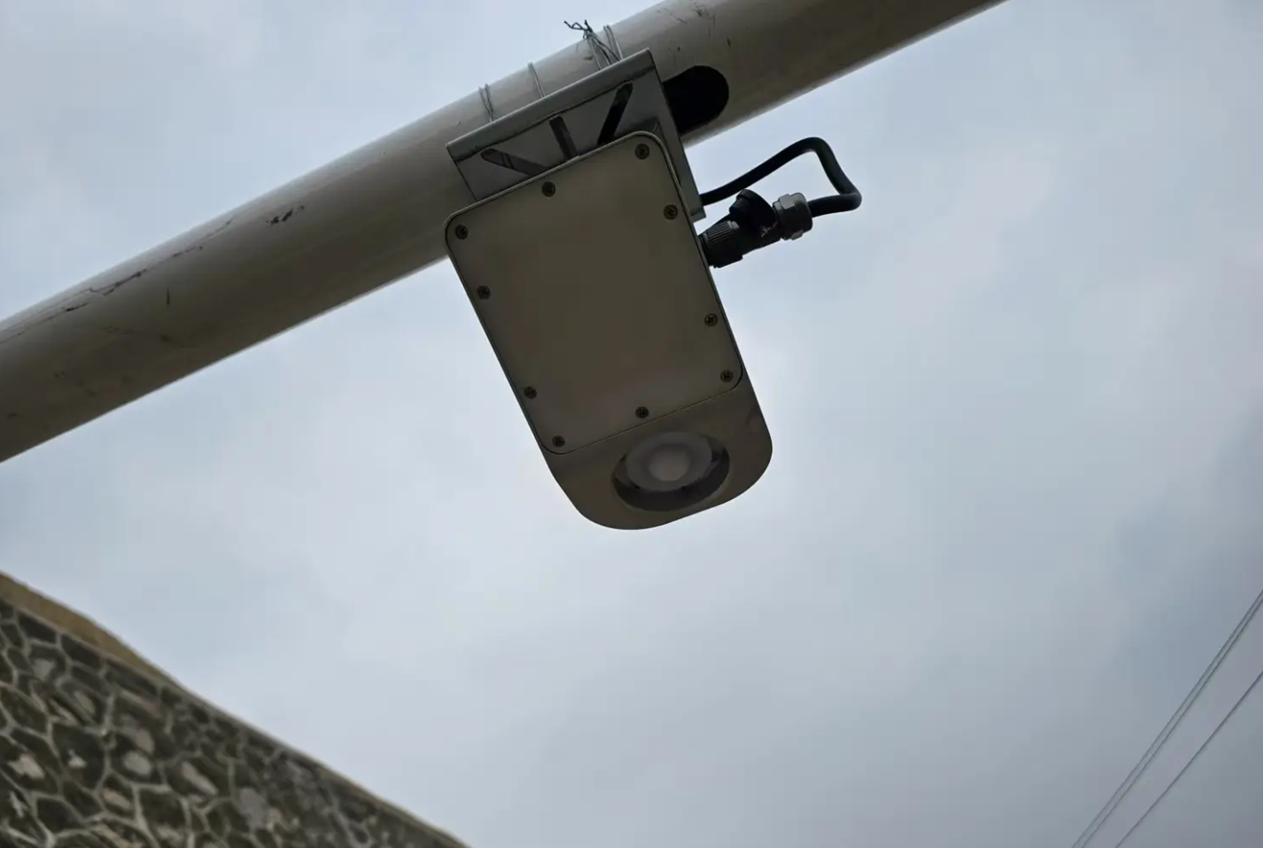
Antenna Beam: Water level gauge beam angle 6×6° (circular illumination area), velocity gauge beam angle 30×80° (elliptical illumination area). Ensure no swinging branches or other interference within illumination range.
Radar Flowmeter Sensor Installation Position and Posture
Centering Principle: Equipment should be installed in the center of channel section.
Level Adjustment: Ensure upper surface of housing remains level.
Height Recommendation: Recommended installation height 3-4 meters above water surface, both ensuring signal quality and anti-theft and flood prevention.
Q1: Can radar flowmeter measure in still water conditions?
When water body velocity is below 0.1m/s, velocity meter may not capture Doppler shift, flow display is 0. Water level monitoring is not affected by static state.
Q2: Will rain and snow weather affect measurement accuracy?
NiuBoL radar flowmeter has specific signal filtering algorithm that can effectively filter out vertical raindrop interference. However, extreme heavy rain may cause abnormal water surface ripples, at which time system performs data smoothing processing.
Q3: How to determine correction coefficient?
Correction coefficient usually depends on channel cross-section shape and roughness. Factory has default standard values. For important projects, recommend on-site manual flow measurement for one-time calibration.
Q4: Is non-contact measurement affected by sediment?
Not affected. Radar waves have strong penetration, and calculation is based on measured surface characteristic velocity. Physical factors such as sediment burial and debris entanglement are ineffective for radar flowmeter erected in air.
Q5: What is the maximum communication distance supported?
Equipment adopts RS485 bus, under standard shielded twisted pair, stable communication distance up to 2000 meters, very suitable for field pole remote transmission.
NiuBoL non-contact radar flowmeter integrates cutting-edge technology of Doppler velocity measurement and FMCW ranging. It is not only a measurement instrument but also the "eyes" of modern water conservancy decision-making. From irrigation district water distribution to urban flooding warning, we are committed to providing stable, precise, and maintenance-free flow monitoring solutions for global customers.
Communication Protocol: RS485 (ModBus-RTU)
Velocity Principle: Doppler Effect (24.00GHz)
Water Level Principle: FMCW (76GHz-81GHz)
Power Supply Specification: DC 10-30V
Data Units: m/s (velocity), m (water level), m³/s (flow), m³ (accumulated water volume)
If you have procurement intentions for NiuBoL radar flowmeter or need detailed cross-section configuration schemes, please feel free to contact our technical support team.
Prev:Submersible Level Transmitter: Industrial-Grade Tool for High-Precision Water Level Monitoring
Next:Doppler Velocity Meter for Open Channels, Rivers, and Non-Full Pipe Metering
Sensors & Weather Stations Catalog
 Agriculture Sensors and Weather Stations Catalog-NiuBoL.pdf
Weather Stations Catalog-NiuBoL.pdf
Agriculture Sensors Catalog-NiuBoL.pdf
Water Quality Sensor Catalog-NiuBoL.pdf
Related recommendations
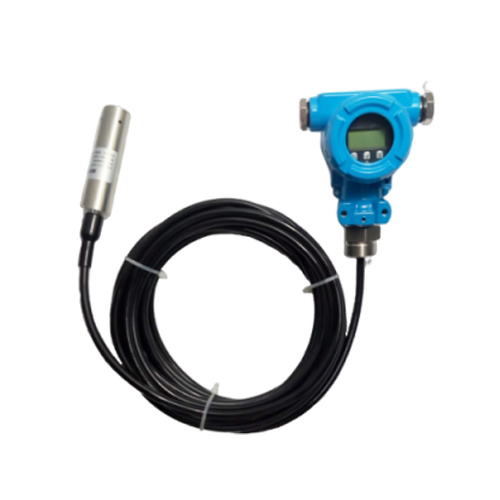 NBL-L-SMP4601 Split-Type Level Transmitter with Real-Time Level Display Output 4-20mA
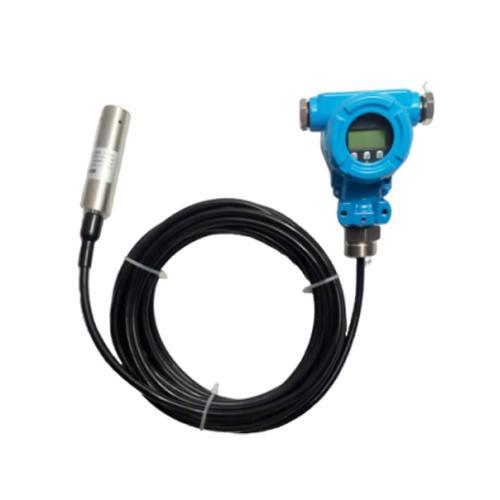 NBL-L-SMP4631 Series RS485/HART/Explosion-Proof Intelligent Split-Type Level Transmitter Sensor
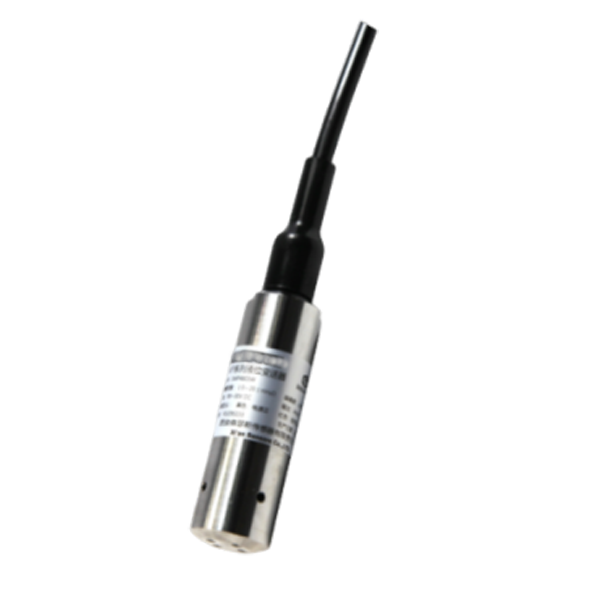 NBL-L-SMP4603 Submersible Level Transmitter Sensor 4-20mA
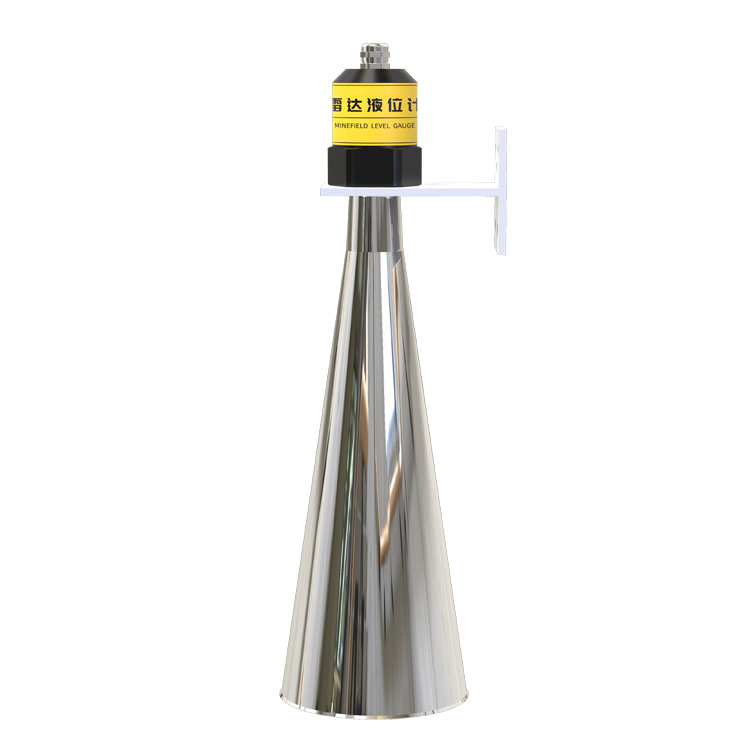 High-Frequency Millimeter-Wave Radar Level Gauge: Precise Hydrological Monitoring
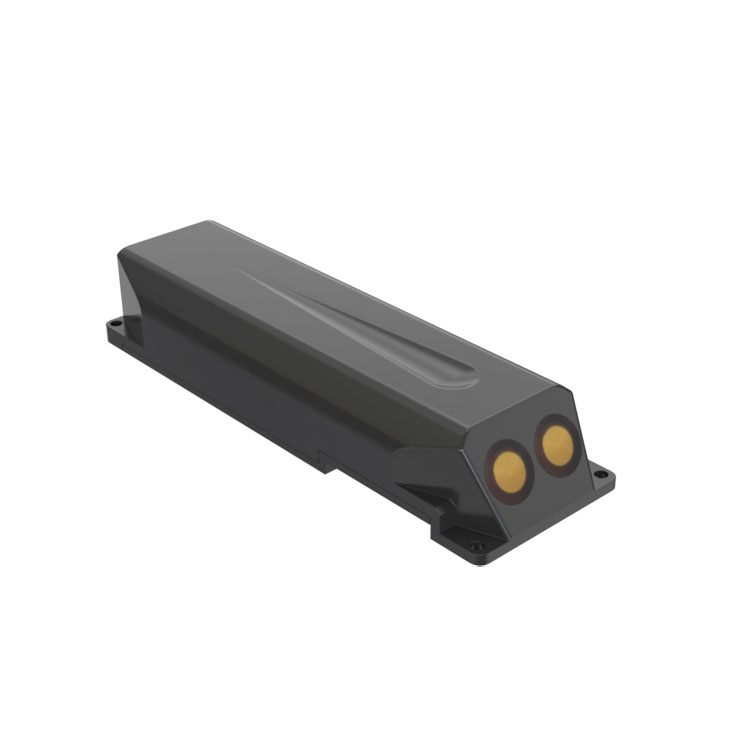 Doppler Velocity Meter for Open Channels, Rivers, and Non-Full Pipe Metering
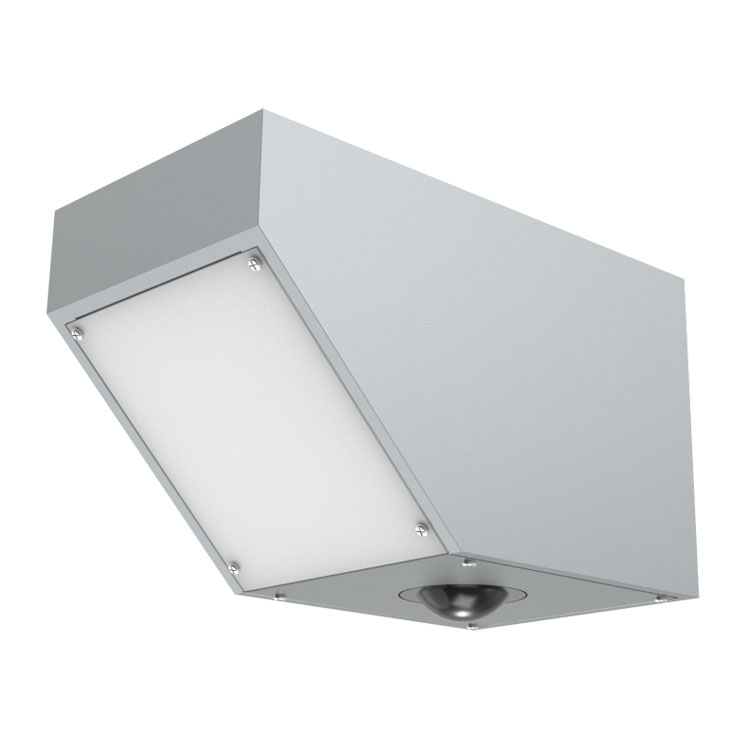 Non-Contact Radar Flowmeter Sensor: All-Weather Flow Monitoring Solution for Smart Water Conservancy

Screenshot, WhatsApp to identify the QR code
WhatsApp number:+8615367865107
(Click on WhatsApp to copy and add friends)

