





— Products —
 Consumer hotline +8618073152920
WhatsApp:+8615367865107
Address:Room 102, District D, Houhu Industrial Park, Yuelu District, Changsha City, Hunan Province, China
Wind Sensors
NiuBoL provides wind speed sensors, wind direction sensors and ultrasonic anemometers for weather stations, environmental monitoring, agriculture, renewable energy, marine, construction and industrial applications.
The product range includes mechanical cup anemometers, wind vanes, integrated ultrasonic wind sensors and 3D ultrasonic anemometers. The correct sensor depends on whether the project needs wind speed only, wind direction only, combined horizontal wind or three-dimensional U/V/W wind components.
Depending on the selected model, outputs can include RS485 Modbus, 4–20mA or other interfaces for connection to weather-station loggers, PLCs, RTUs and IoT gateways.
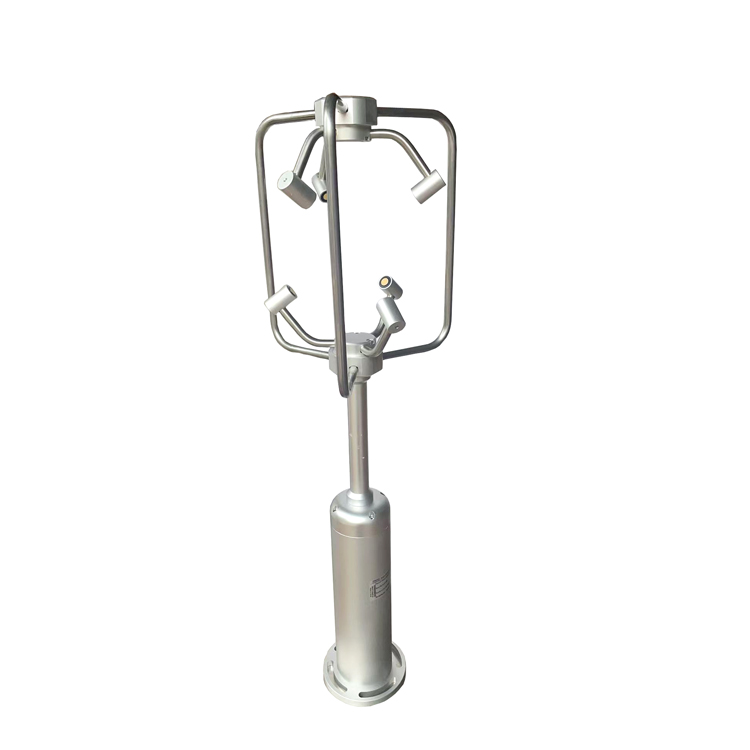 3D Ultrasonic Anemometer – 3 Axis RS485 Output
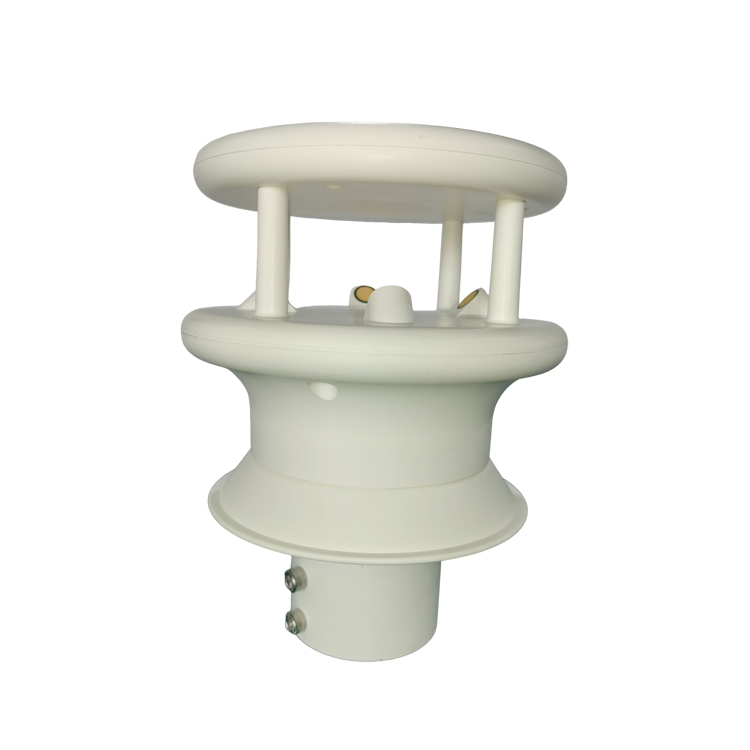 Ultrasonic Anemometer (Wind Speed and Direction Sensor)
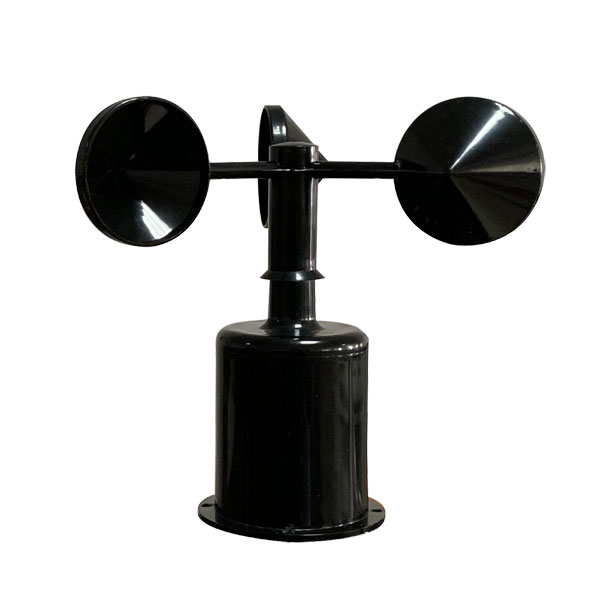 3 Cups Anemometer Wind Speed sensor Output Modbus/RS485/Analog/0-5V/4-20mA
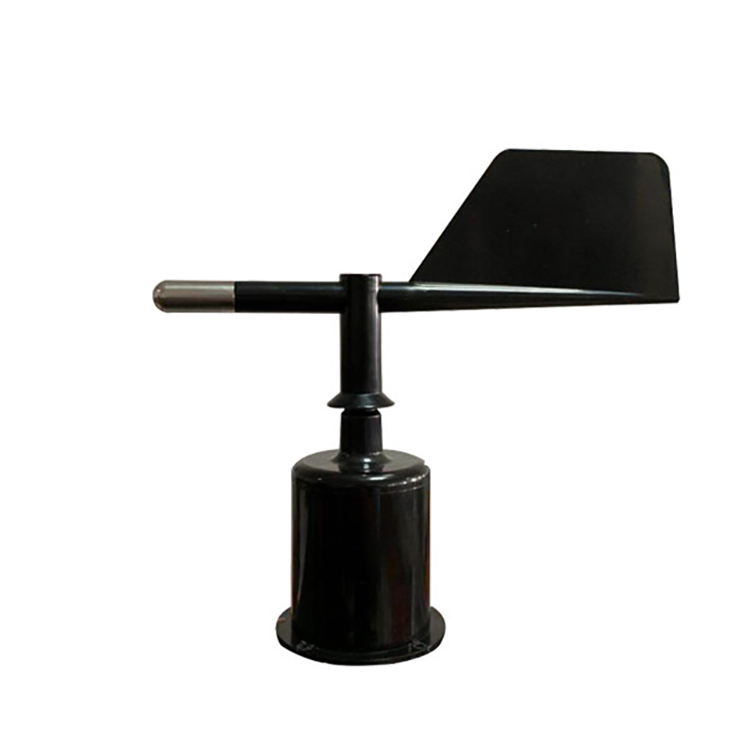 Wind direction sensor Output Modbus/RS485/Analog/0-5V/4-20mA
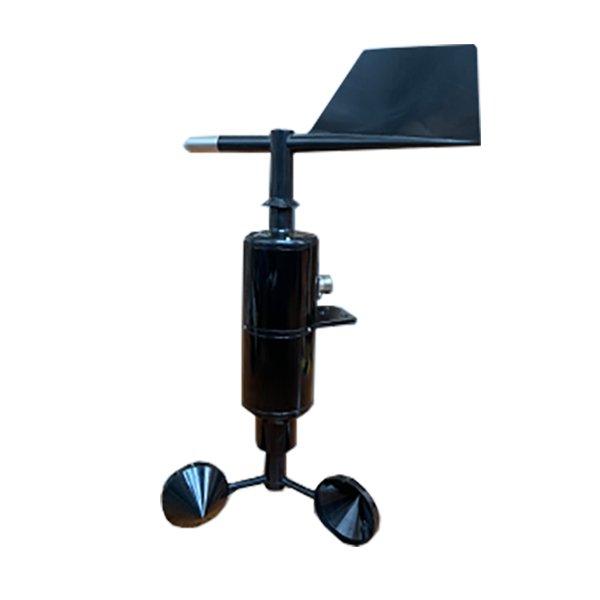 Anemometer Mechanical wind speed direction sensor for weather stations
 Ultrasonic wind speed and direction sensor RS485/MODBUS
 5 in1 Ultrasonic weather stations for Farming Meteorological observation
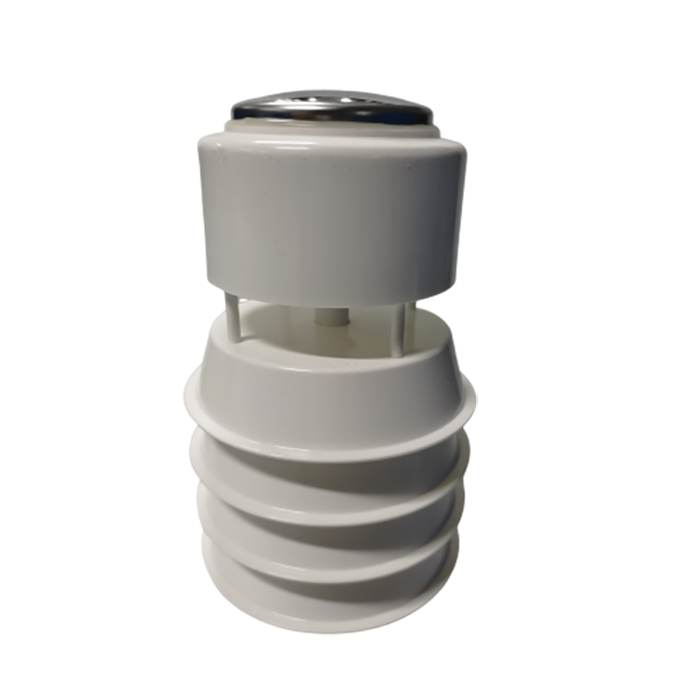 6 in1 Ultrasonic Wind speed and direction sensors NBL-W-71MUWS 7-in-1 Ultrasonic Weather Sensor | NiuBoL
 All-in-One Ultrasonic Weather Station RS485 Modbus
| Requirement | Typical Sensor | Typical Use |
| Wind Speed Only | Cup Anemometer / Wind Speed Sensor | Weather stations, agriculture, HVAC or industrial monitoring |
| Wind Direction Only | Wind Vane / Direction Sensor | Meteorological and environmental monitoring |
| Speed + Direction | 2D Ultrasonic Wind Sensor | Low-maintenance integrated wind monitoring |
| 3D Wind Components | 3D Ultrasonic Anemometer | Research, turbulence and three-dimensional airflow measurement |
| Selection Item | Cup / Mechanical | Ultrasonic |
| Moving Parts | Yes | No rotating cups or vane in the sensing method |
| Measurement | Typically wind speed; direction requires a separate vane | Wind speed and direction can be integrated |
| Maintenance | Mechanical parts should be inspected periodically | Lower mechanical wear; installation and transducer condition still matter |
| Typical Use | General weather stations and cost-sensitive monitoring | Integrated weather stations, remote sites and low-maintenance projects |
For a broader product comparison, see the wind speed and direction sensor selection guide.
A 2D ultrasonic sensor is generally used for horizontal wind speed and direction. A 3D ultrasonic anemometer additionally measures the vertical wind component and can provide U, V and W wind-vector data for research and advanced airflow applications.
| Output | Typical Connection | Typical Use |
| RS485 Modbus | Weather logger / PLC / RTU / Gateway | Digital multi-sensor systems and remote stations |
| 4–20mA | PLC analog input / Controller | Industrial control and conventional analog systems |
Install the sensor where airflow is representative of the monitoring site. Nearby buildings, trees, walls and equipment can create turbulence or shielding that changes the measured wind speed and direction.
The mounting structure should be rigid and correctly oriented. For direction measurements, confirm the sensor's north reference or installation alignment according to the product instructions.
Automatic Weather Stations • Agriculture • Environmental Monitoring • Renewable Energy
Marine • Construction • Industrial Safety • Research
| Selection Item | Information to Provide |
| Measurement | Wind speed, direction, both, or 3D U/V/W components |
| Range | Maximum expected wind speed and operating environment |
| Output | RS485 Modbus, 4–20mA or other required signal |
| Installation | Mast, pole, rooftop, weather station or industrial structure |
| Power | Available DC supply |
| Data System | Weather logger, PLC, RTU, IoT gateway or private server |
| Quantity | Sample, station quantity or project quantity |
A1. An anemometer measures wind speed. A wind direction sensor determines where the wind is coming from. Some ultrasonic instruments integrate both measurements.
A2. Neither is universally better. Cup sensors are simple and widely used, while ultrasonic sensors remove rotating parts and can integrate speed and direction in one instrument.
A3. Ultrasonic wind measurement does not require rotating cups or a mechanical vane.
A4. It is used when vertical wind and three-dimensional U/V/W components are required, such as research, turbulence and advanced airflow studies.
A5. Selected models support RS485 Modbus; other output options depend on the product.
A6. Yes, through a compatible 4G data logger, RTU or IoT gateway. The basic wind sensor should not be assumed to contain a cellular modem.
A7. Install it in representative airflow and away from nearby obstacles that can create shielding or turbulence.
A8. Provide the required measurement, wind-speed range, output, installation method, power supply, data system and quantity.
For product selection and quotation, provide the required wind parameters, range, output signal, installation method, power supply, quantity and receiving logger / PLC / RTU / gateway.


Screenshot, WhatsApp to identify the QR code
WhatsApp number:+8615367865107
(Click on WhatsApp to copy and add friends)

