

— Products —
 Consumer hotline +8618073152920
 WhatsApp:+8615367865107
Address:Room 102, District D, Houhu Industrial Park, Yuelu District, Changsha City, Hunan Province, China
Wind Sensors
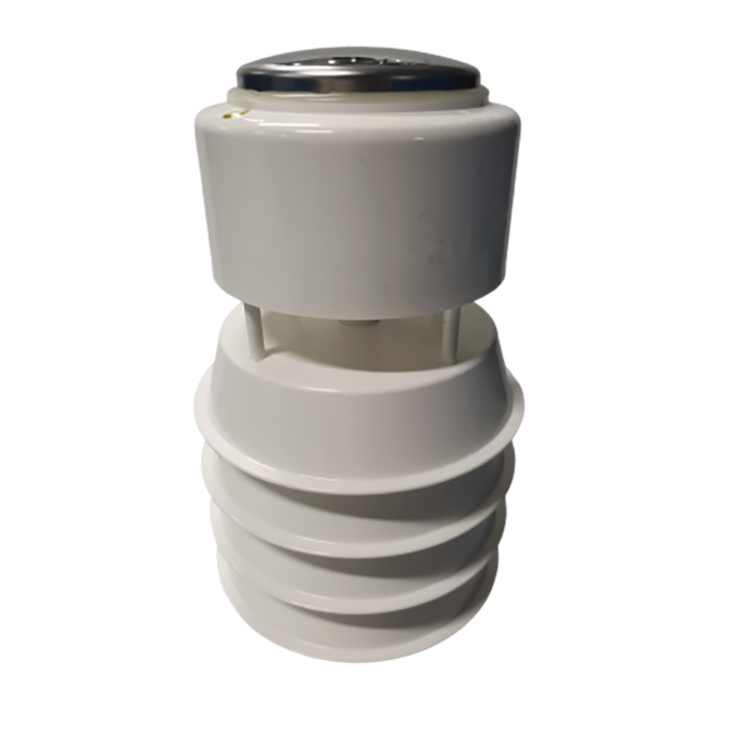
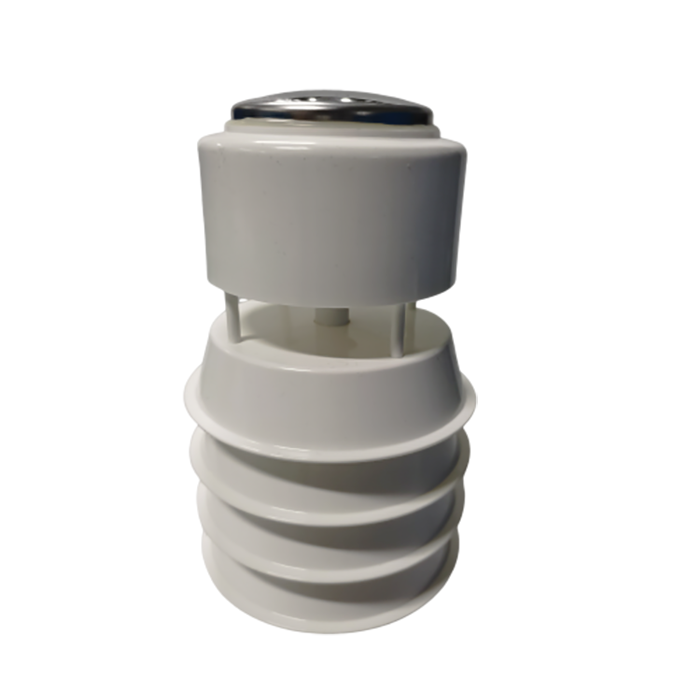
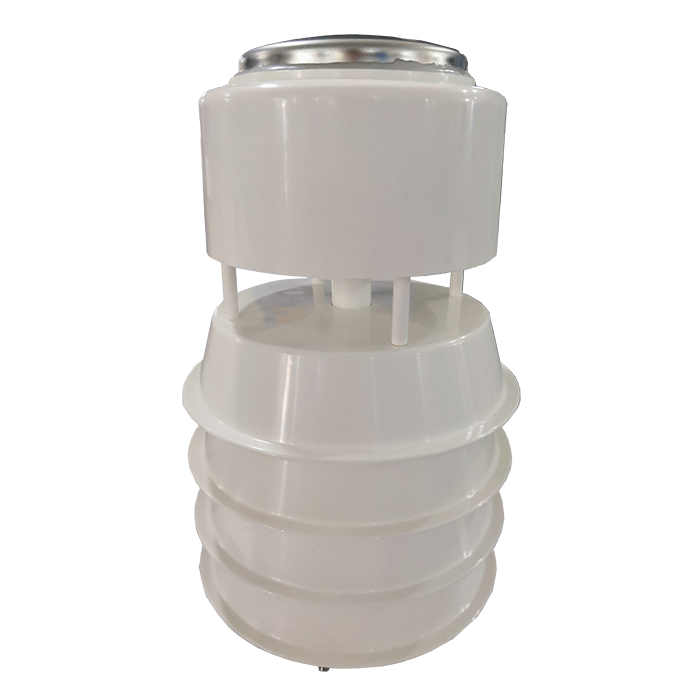
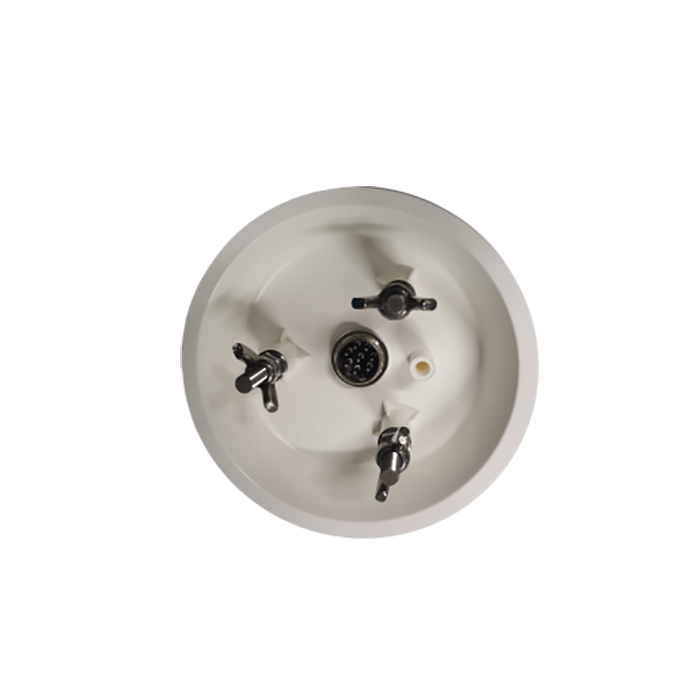
Integrate the NBL-W-71MUWS 7-in-1 ultrasonic weather sensor for wind, temperature, humidity, pressure, illuminance and rainfall monitoring via Modbus.
Tel/WhatsApp:+8615367865107
Email:Arvin@niubol.com +Nearly 100 partner companies in more than 75 countries. We are committed to providing high-quality, practical products to meet your needs and help you solve problems. Our products comply with international standards and are certified with ISO, CE and RoHS.Product Details
The NBL-W-71MUWS combines wind speed, wind direction, air temperature, humidity, pressure, illuminance and piezoelectric rainfall in one IP65 housing. It operates from 12-24 VDC, uses RS485 Modbus at a published 9600 baud and consumes about 0.3 W. Compact integration reduces mounting and cabling, but every channel still needs suitable exposure, register verification and an individual acceptance check.
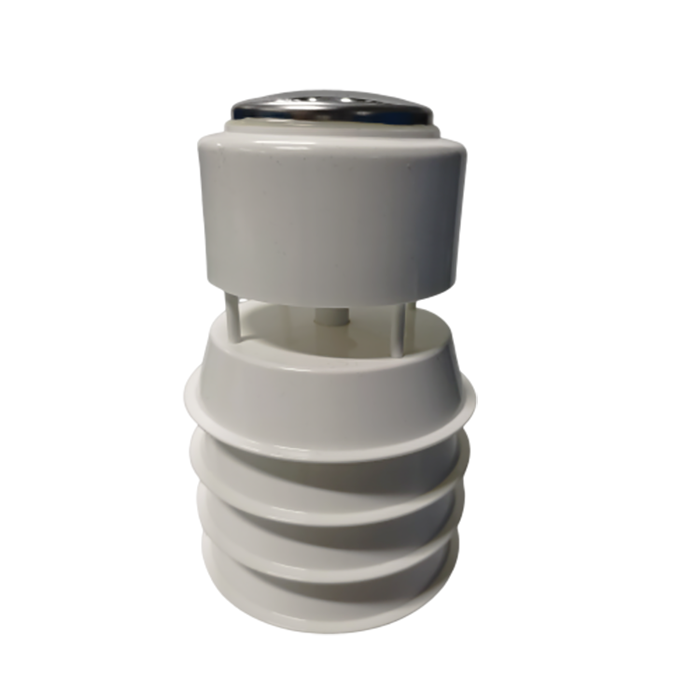
| Parameter | Specification |
|---|---|
| Supply / output | 12-24 VDC / RS485 Modbus |
| Baud rate / power | 9600 / about 0.3 W |
| Environment / protection | -40 to 80 degrees C; 0-95% RH; IP65 |
| Wind speed | 0-40 m/s; 0.01 m/s; published accuracy +/-0.5 m/s + 3% FS |
| Wind direction | 0-359 degrees; 1 degree; +/-3 degrees |
| Temperature | -40 to 80 degrees C; 0.1 degree C; +/-0.5 degree C |
| Humidity | 0-100% RH; 0.1% RH; +/-5% RH |
| Pressure | 10-1100 hPa; 0.1 hPa; +/-1.5 hPa |
| Rainfall | 0-8 mm/min; 0.01 mm; published accuracy +/-10% |
| Illuminance | 0-200000 Lux; 10 Lux; published accuracy +/-7% |
One housing simplifies a small station, mobile platform or retrofit. It does not make all seven measurements share the same ideal exposure. Review whether compactness or reference-grade siting is the stronger project requirement.
Keep the acoustic path clear and reduce wakes from the mast, roof and nearby structures. Point the direction reference to geographic north and verify whether the platform displays direction-from or another convention.
Create seven separate channel definitions using the published range, resolution and accuracy for the ordered NBL-W-71MUWS. Keep engineering units in tag names or metadata. Pressure, rainfall and illuminance scaling should not be inferred from the wind registers or from another integrated sensor model.
Wind gust review may require a shorter interval than slow pressure trends. If the logger stores only one common interval, determine whether it preserves the required wind statistic and rainfall event detail. Document whether values are instantaneous, averaged, maximum or accumulated during each record period.
A field sensor provides measurements through its ordered electrical interface. Remote transmission is a separate system layer:
Sensor → RS485 / analog signal → PLC, RTU or data logger → 4G / Ethernet / Wi-Fi → SCADA, cloud platform or private server
Confirm each interface boundary, including power, isolation, registers or analog scaling, polling interval, timestamp handling and recovery after an interruption.
Temperature and humidity can be biased by heated surfaces and stagnant air. Pressure values need a documented station or corrected reference. Avoid placing the unit beside exhausts or artificial heat sources.
Illuminance is a visible-light measurement, not solar irradiance in W/m2 or PAR. Piezoelectric rainfall uses impact detection rather than a tipping bucket. Match these methods to the intended decision.
Prepare one row for each parameter: register, data type, scale, unit, plausible field range and platform tag. Read all channels at the same time and compare them with local conditions. A correct wind-speed value does not confirm that pressure, rainfall or illuminance registers were mapped correctly.
Check clamp diameter, sensor verticality, cable bend radius and clearance around ultrasonic paths and the rain surface. Photograph the final orientation and surrounding obstructions from several directions. These records make later data review and replacement much more reliable.
Disconnect RS485 while leaving power on, then interrupt sensor power and gateway service separately. The logger should identify stale or missing values and recover polling without changing address or scale. Operational displays should not convert a failed channel into a valid zero.
Review wind direction distribution, pressure continuity, rainfall events and day-night illuminance after several representative days. Flat lines, impossible combinations or repeated limits can reveal mapping, exposure or contamination issues that were not visible during a short commissioning visit.
Operating condition: A farm needs core weather channels with limited mast space.
System approach: Mount the integrated sensor in representative exposure and add a local logger.
Project value: The farm gains synchronized weather inputs with reduced field wiring.
Operating condition: Wind and ambient conditions help explain array operation, while Lux is not sufficient for irradiance assessment.
System approach: Use the 7-in-1 for weather context and add a pyranometer where W/m2 is required.
Project value: Performance staff avoid treating unlike light measurements as interchangeable.
Operating condition: Exposed mounting and communications interruptions affect availability.
System approach: Use wind-rated hardware, surge protection and local storage.
Project value: Operators retain time-stamped records and identifiable fault states.
IP65 describes enclosure protection under specified tests. It does not correct poor drainage, cable water entry, icing, salt deposits or a blocked rainfall surface. Install the cable with a drip path, seal enclosure entries and retain access for visual inspection and cleaning.
Mark the mast, clamp and cable so a replacement sensor can reproduce the original height and orientation. Store the address and direction offset in the station file. After replacement, rotate or compare the direction channel and check every other register because the unit contains seven measurement functions.
Use the register table for the delivered unit. Confirm address, serial settings, data type, scale and units for all seven channels. Measure supply voltage at the sensor and verify local polling before remote transmission.
The ultrasonic channel has no cups or vane bearings, but the housing, acoustic paths, rain surface, mounting, cable and data plausibility still require inspection. Set frequency from dust, salt, insects, ice and access.
A compact seven-parameter unit reduces hardware and wiring and keeps channels synchronized. A modular station allows each instrument to be positioned, serviced and replaced independently. Select compact integration when installation constraints and operational needs outweigh the loss of separate optimal locations.
The product configuration can be selected when the following operating and interface requirements are defined:
No. Each channel has its own range, resolution, accuracy and measurement principle.
No. Lux measures visible illumination; solar irradiance requires a suitable W/m2 instrument.
No. Inspect acoustic paths, housing, mounting, cable and data plausibility.
Set the reference to geographic north and verify the displayed convention and register.
Only with attention to different principles, intervals and stated performance.
Model, cable, mounting, logger, power, protocol documents and site conditions.
Correct values, units, timestamps and fault behavior for all seven channels at the final platform.
For a quotation, provide the measurement range, application, required accuracy, output, supply voltage, cable length, quantity, installation conditions and controller or data logger. NiuBoL can then confirm the model-specific configuration and documentation.
Sensors & Weather Stations Catalog
 Agriculture Sensors and Weather Stations Catalog-NiuBoL.pdf
Weather Stations Catalog-NiuBoL.pdf
Agriculture Sensors Catalog-NiuBoL.pdf
Water Quality Sensor Catalog-NiuBoL.pdf
Related recommendations
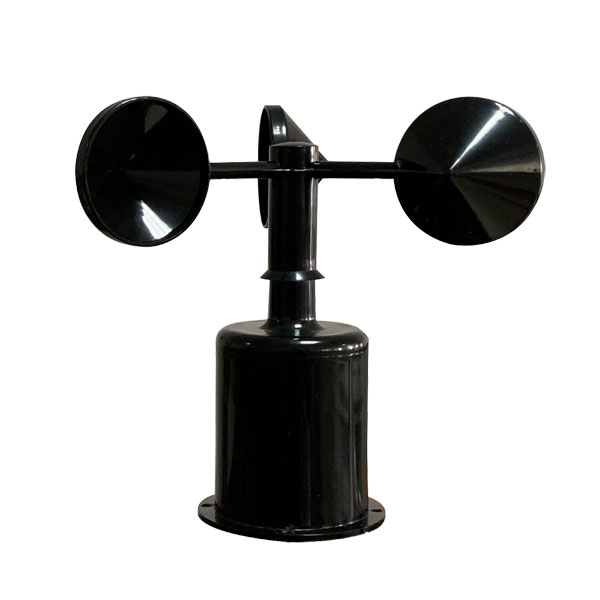 3 Cups Anemometer Wind Speed sensor Output Modbus/RS485/Analog/0-5V/4-20mA
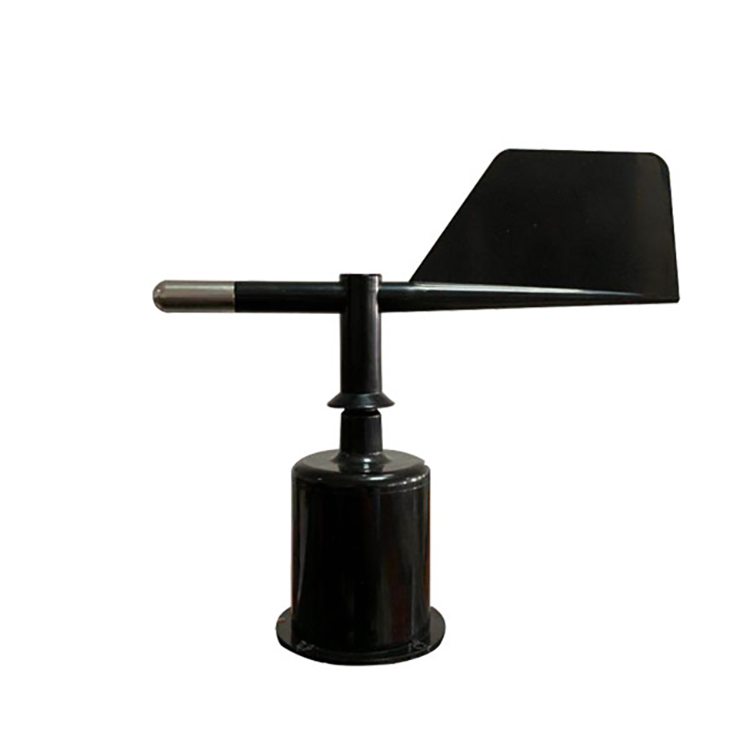 Wind direction sensor Output Modbus/RS485/Analog/0-5V/4-20mA NBL-W-71MUWS Installation and Modbus Integration Guide
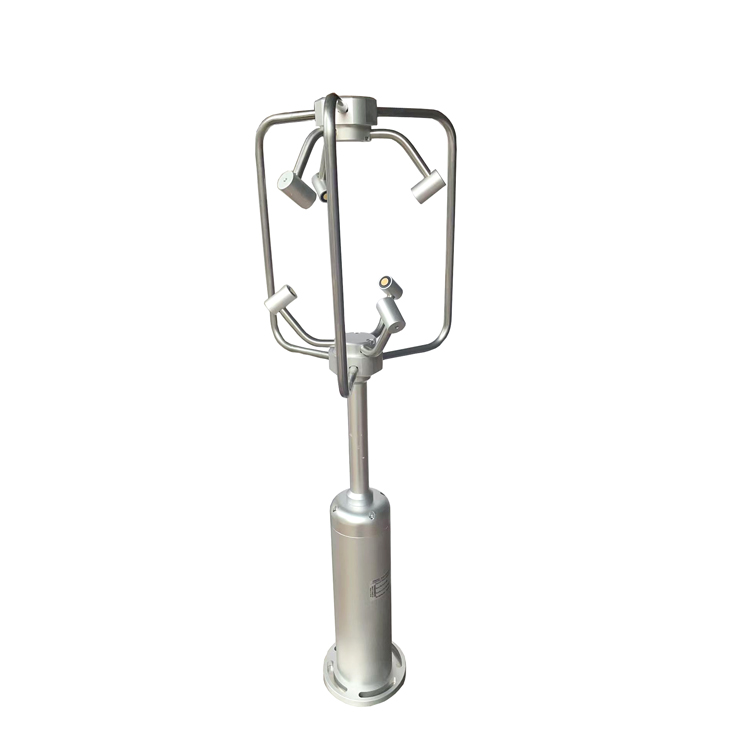 3D Ultrasonic Anemometer – 3 Axis RS485 Output
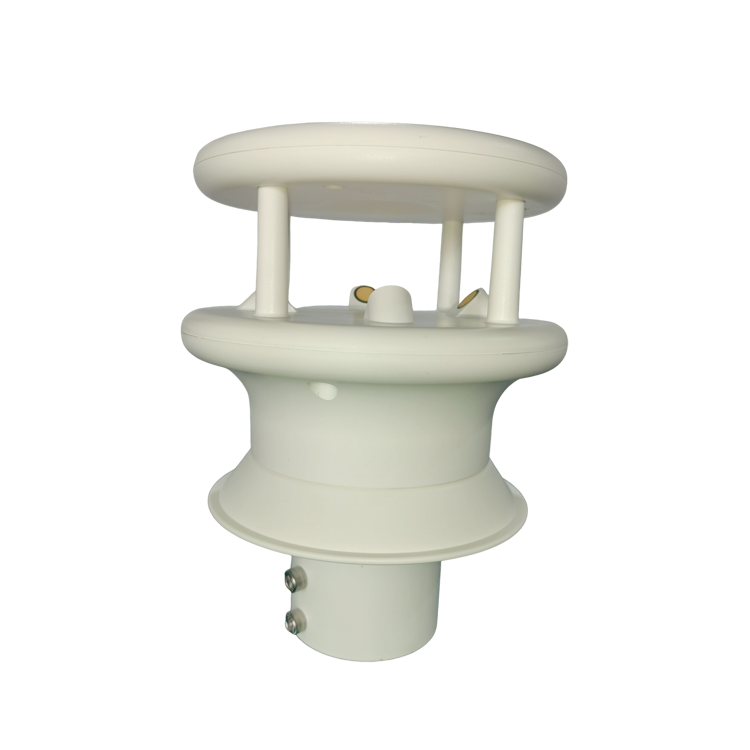 Ultrasonic Anemometer (Wind Speed and Direction Sensor)
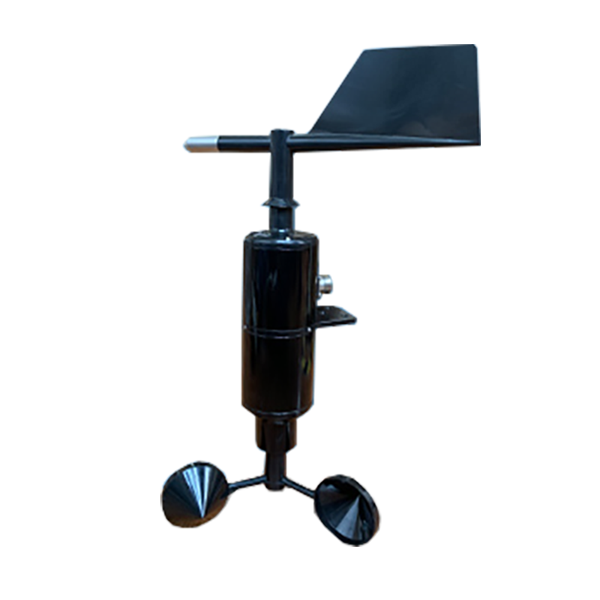 Anemometer Mechanical wind speed direction sensor for weather stations

Screenshot, WhatsApp to identify the QR code
WhatsApp number:+8615367865107
(Click on WhatsApp to copy and add friends)