





— Download —
 Consumer hotline +8618073152920
WhatsApp:+8615367865107
Address:Room 102, District D, Houhu Industrial Park, Yuelu District, Changsha City, Hunan Province, China
All products
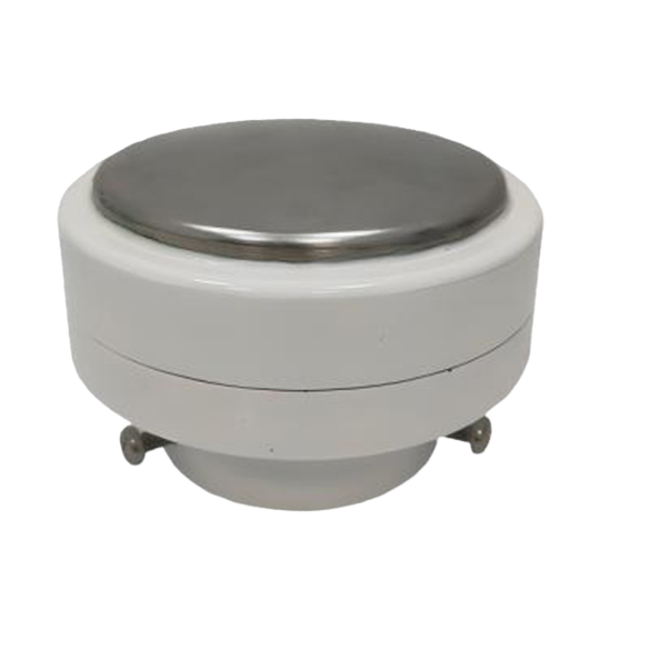
Piezoelectric rain sensor is a device that uses the piezoelectric effect to measure rainfall. When a raindrop falls on the sensor's sensing surface, it exerts pressure on the sensing surface, causing it to deform. Since the sensing surface is made of piezoelectric material, the deformation generates an electrical signal, the size of which is proportional to the size of the raindrop and the impact force. By measuring the size of this electrical signal, the amount of rainfall c···
Tel/WhatsApp:+8615367865107
Email:Arvin@niubol.com +Nearly 100 partner companies in more than 75 countries. We are committed to providing high-quality, practical products to meet your needs and help you solve problems. Our products comply with international standards and are certified with ISO, CE and RoHS.Product Details
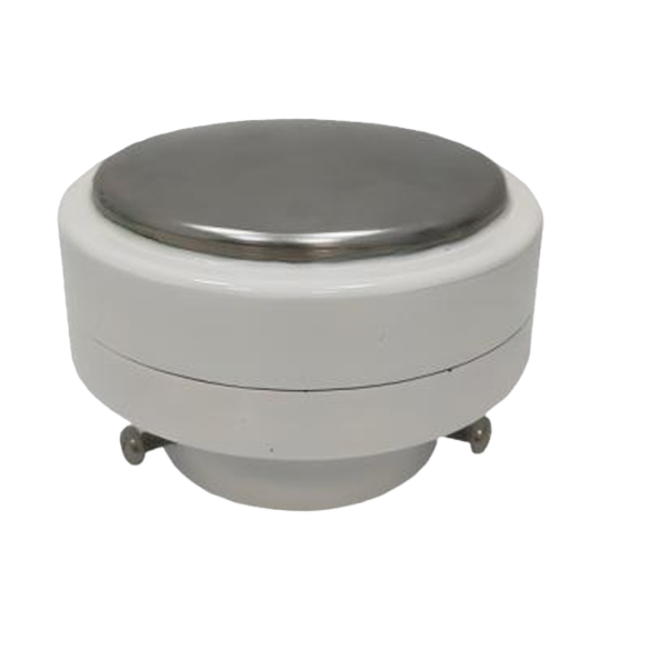
The NiuBoL NBL-W-PRS Piezoelectric Rain Sensor is designed for automated liquid rainfall monitoring in weather stations, agricultural projects, environmental monitoring networks and hydrological observation systems. It detects the impact of raindrops on a piezoelectric sensing surface and processes the resulting signals to estimate precipitation.
Unlike a conventional tipping bucket rain gauge, the NBL-W-PRS has no moving tipping mechanism. Its compact sensing structure is suitable for integration into outdoor monitoring equipment where digital rainfall data must be transmitted to a controller, data logger or gateway. The sensor has an RS485 interface with Modbus RTU communication and operates from a DC 12–24 V supply.
For a complete online monitoring solution, the rain sensor can be connected to a compatible RS485 data logger or IoT gateway. Network transmission and cloud dashboards are provided by the external acquisition system, not by the sensor alone.
Piezoelectric rainfall detection: estimates precipitation from raindrop impact signals without a mechanical tipping bucket.
Digital integration: RS485 Modbus RTU output for compatible weather station controllers, PLCs and data acquisition equipment.
Rainfall intensity range: 0–8 mm/min according to the NBL-W-PRS operator's manual.
Fine digital resolution: 0.01 mm rainfall resolution specified for the sensor output.
Outdoor operation: -40 to 80°C operating temperature, 0–100% RH and IP66 enclosure rating.
Low current consumption: less than 5 mA average current at 12 V under the stated specification.
Simple integration: four-wire power and RS485 connection, with Modbus register reading described in the operator's manual.
| Parameter | Specification |
|---|---|
| Model | NBL-W-PRS |
| Product Type | Piezoelectric Rain Sensor |
| Measurement Principle | Piezoelectric raindrop impact detection |
| Measured Quantity | Liquid rainfall; readings depend on the configured reading mode |
| Rainfall Intensity Range | 0–8 mm/min |
| Rainfall Resolution | 0.01 mm |
| Stated Measurement Accuracy | ±4% for daily cumulative rainfall (manufacturer's specification) |
| Power Supply | DC 12–24 V |
| Communication Interface | RS485 |
| Communication Protocol | Modbus RTU |
| Communication Baud Rate | 9600 bps |
| Average Current | Less than 5 mA at DC 12 V |
| Operating Temperature | -40 to 80°C |
| Operating Humidity | 0–100% RH |
| Ingress Protection | IP66 |
| Installation | Stable top-of-pole or compatible fixed mounting arrangement |
Specification note: The ±4% figure refers to daily cumulative rainfall as stated in the manufacturer's manual; it does not describe accuracy for every rain type, rainfall intensity or installation condition. Rainfall results may be affected by wind exposure, rain impact characteristics, splashing and structural vibration.
When a raindrop strikes the sensing surface, its impact produces a small mechanical deformation. The piezoelectric element converts this impact into an electrical signal. The sensor's internal processing electronics evaluate the impact signals and estimate rainfall information.
With this measurement method, the device does not need a funnel and moving bucket to count individual tipping events. This can reduce mechanical wear associated with a tipping mechanism, but correct mounting is still essential. Vibration from a flexible support, splash-back from nearby surfaces and obstruction of the rainfall exposure can introduce errors.
Piezoelectric measurement and tipping bucket measurement are different approaches; neither principle is universally more accurate under every condition. The appropriate rain gauge depends on the measurement objective, local climate, installation site and maintenance requirements.
The NBL-W-PRS uses an RS485 interface and Modbus RTU protocol. It can be integrated into compatible data loggers, PLC-based monitoring cabinets and weather station controllers. The communication parameters published in the NBL-W-PRS manual are listed below.
| Communication Item | Manual Reference |
|---|---|
| Interface | RS485, 2-wire communication pair |
| Protocol | Modbus RTU |
| Baud Rate | 9600 bps |
| Data Bits | 8 |
| Parity | None |
| Stop Bits | 1 or 2, as specified for the supplied configuration |
| Recommended Communication Interval | More than 1000 ms between communication requests |
| Read Rainfall | Function code 03, start register 0x0000, quantity 1 |
| Raw Data Scaling | Rainfall in mm = raw value × 0.01 (manual example) |
| Other Functions | Address setting, reading-mode selection and manual rainfall clearing are described in the operator's manual |
Reading example: The operator's manual illustrates that a returned rainfall data value of 0x0002 corresponds to 0.02 mm, using a 0.01 mm scaling factor. The active rainfall reading mode and accumulation or reset behavior must be checked before connecting the sensor to a third-party platform.
For a new data logging project, record the device address, serial settings, sampling frequency and rainfall accumulation method. Confirm whether the gateway should store interval rainfall, cumulative rainfall or both. Do not infer that the sensor transmits directly through Wi-Fi, 4G or LoRaWAN; these require separate, compatible communication equipment.
The NBL-W-PRS operator's manual specifies the following four-wire connection. Verify cable colors against the manual supplied with the actual unit before wiring.
| Wire Color | Function / Connection |
|---|---|
| Red | Power positive: DC +12–24 V |
| Black | Power negative: power GND / DC negative |
| Yellow | RS485 + |
| Blue | RS485 - |
Switch off the power supply before making connections. Route signal and power cables securely to prevent cable movement. Where long RS485 cables or multiple devices are used, follow the controller manufacturer's wiring, grounding and termination requirements.
Choose an open exposure: mount the sensor where nearby trees, roofs, equipment or walls do not obstruct rainfall or cause splash-back.
Use a stable support: the manual recommends installing the piezoelectric sensor at the top of the pole rather than on a flexible side arm. Structural vibration can interfere with impact detection.
Follow the specified mounting position: use a horizontal installation with the sensing surface properly oriented. The operator's manual references a mounting bracket more than 500 mm above ground.
Avoid vibration and electrical interference: keep the installation away from construction vibration, high-voltage facilities and high-power electrical equipment where practical.
Secure the cable: use internal pole routing when possible and fix exposed cables so wind cannot make them swing or strike the pole.
Commission the communication: check the power supply, device address, serial parameters and rainfall reading on the data logger before putting the monitoring station into service.
Do not strike or scrape the sensing surface during installation or testing. Do not open the sensor housing or modify factory-connected wiring without manufacturer guidance.
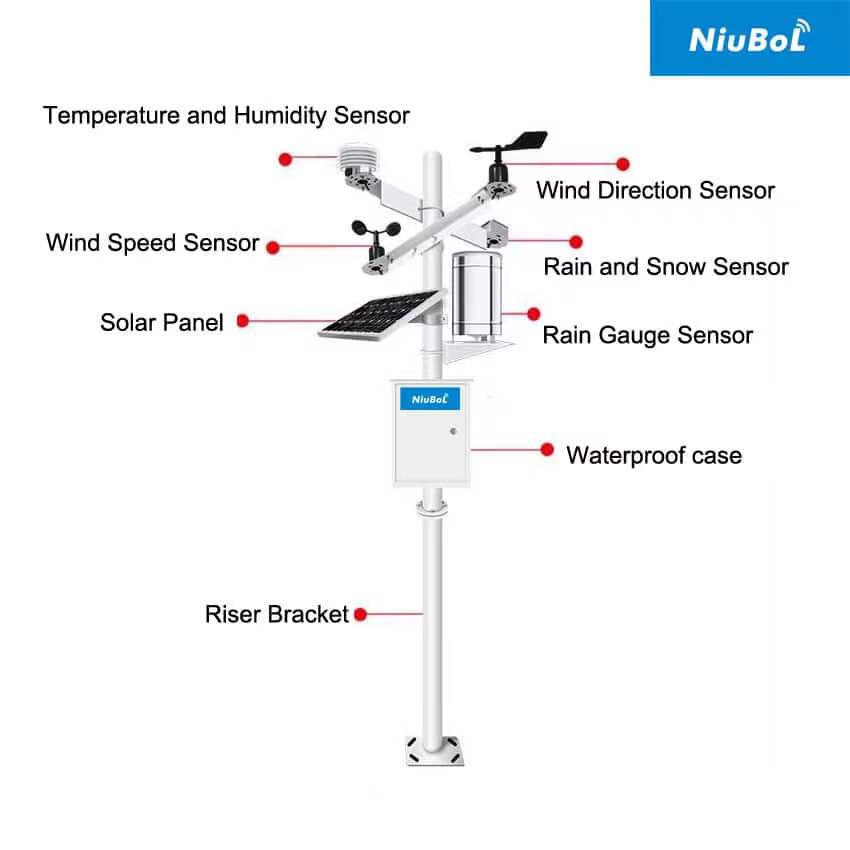
Collect rainfall observations alongside air temperature, humidity, wind, pressure and solar radiation sensors. RS485 communication enables connection to a compatible weather station data acquisition unit.
Rainfall records provide context for crop water management and irrigation scheduling. A weather and soil monitoring system can combine rainfall readings with soil moisture data to support local management decisions.
Rainfall measurements help document precipitation conditions at monitoring points in catchments, drainage networks and environmental projects. For critical hydrological decisions, system designers should also evaluate siting, measurement uncertainty and data continuity.
Integrate rainfall observations into roadside, construction-site or infrastructure monitoring systems where local precipitation information is useful. The mounting structure must be protected against continuous mechanical vibration.
Collect repeatable rainfall observations as part of multi-sensor monitoring networks, subject to consistent installation and validation procedures.
| Comparison | Technical Difference |
|---|---|
| Measurement Principle | NBL-W-PRS: raindrop impact detection; tipping bucket: collected water activates a mechanical bucket |
| Moving Measuring Mechanism | NBL-W-PRS: no tipping bucket; tipping bucket type: moving bucket assembly |
| Maintenance | NBL-W-PRS: inspect sensing surface and mounting stability; tipping bucket: clean funnel, inspect bucket and check leveling |
| Listed Intensity Range | NBL-W-PRS: 0–8 mm/min; NBL-W-RS/ARS reference variants: 0–4 mm/min |
| Listed Resolution | NBL-W-PRS: 0.01 mm digital rainfall resolution; NBL-W-RS/ARS: 0.2 mm per tip |
| Installation Focus | NBL-W-PRS: avoid vibration and splashing; tipping bucket: level the instrument and keep water path clear |
| Output | NBL-W-PRS: RS485 Modbus RTU; tipping bucket: switch or RS485, with additional output options on some variants |
View the NiuBoL Tipping Bucket Rain Gauge for an alternative rainfall measurement solution.
Confirm that piezoelectric impact measurement meets the project's rainfall measurement requirements.
Check the installation environment for vibration, splash-back, obstructions and wind exposure.
Confirm DC 12–24 V power availability and the RS485 input on the controller or data logger.
Determine the required data interval and whether cumulative or interval rainfall should be stored.
Request the correct operator's manual and verify serial parameters before third-party integration.
If cloud access is needed, select a compatible external IoT gateway, communication link and data platform.
It estimates liquid precipitation from raindrop impact signals. The sensor provides rainfall data through its RS485 Modbus interface, with reading modes documented in the operator's manual.
No. The device uses piezoelectric impact measurement and does not rely on a moving tipping mechanism.
The listed sensor uses DC 12–24 V power and RS485 Modbus RTU communication.
Yes, provided the receiving device supports the sensor's RS485 interface, protocol and register interpretation. Verify communication settings against the manual.
The stated digital rainfall resolution is 0.01 mm. Resolution should not be interpreted as guaranteed overall measurement accuracy.
Vibration can interfere with impact-based measurements. Use a rigid, appropriately positioned support and avoid mounting close to persistent vibration sources.
No. Remote data transmission needs a compatible data logger or IoT gateway connected to the RS485 interface.
The manufacturer's manual does not require routine field calibration after installation. Nevertheless, periodic inspection of the sensing surface, mount and recorded data is recommended as part of a monitoring system's maintenance program.
For the NBL-W-PRS piezoelectric rain sensor, please provide your project location, required quantity, power supply, RS485/Modbus integration requirements and data acquisition method. NiuBoL can help confirm the appropriate sensor configuration and provide the corresponding technical documentation.
Sensors & Weather Stations Catalog
 Agriculture Sensors and Weather Stations Catalog-NiuBoL.pdf
Weather Stations Catalog-NiuBoL.pdf
Agriculture Sensors Catalog-NiuBoL.pdf
Water Quality Sensor Catalog-NiuBoL.pdf
Related recommendations
 Multi-Depth Soil Sensor RS485
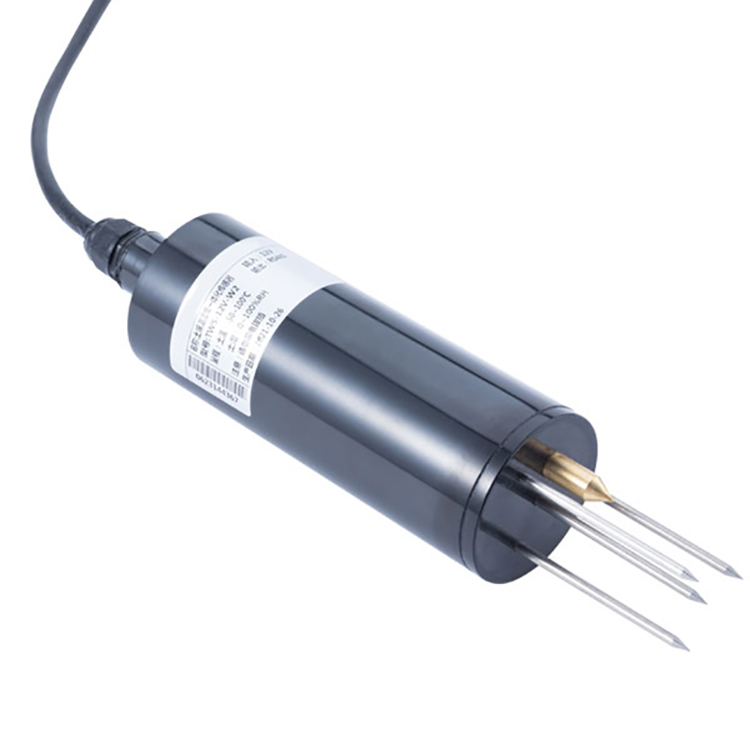 TDR Soil Moisture Sensor
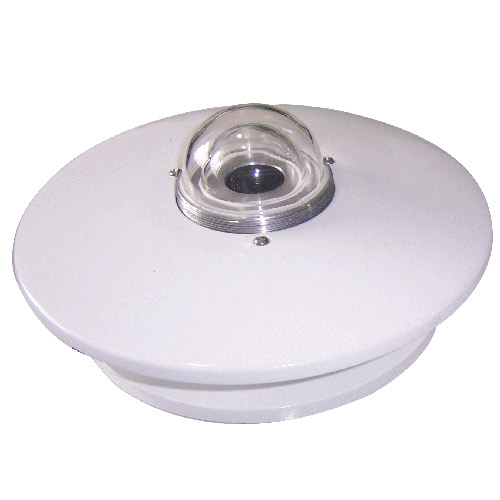 Pyranometer Solar Radiation Sensors
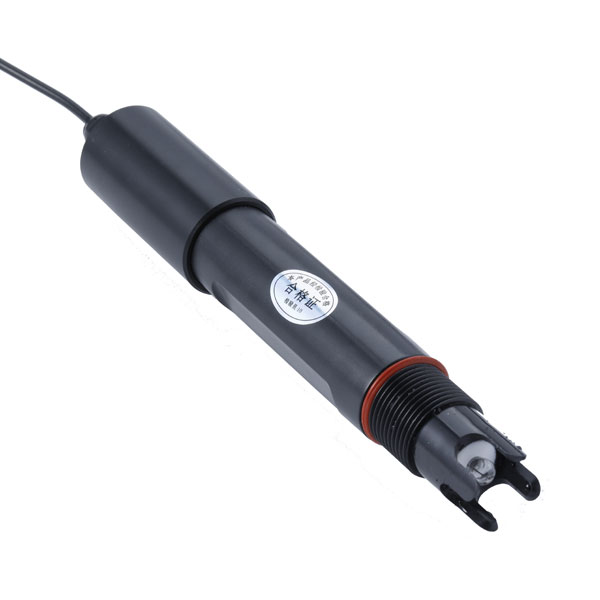 Soil ph sensor
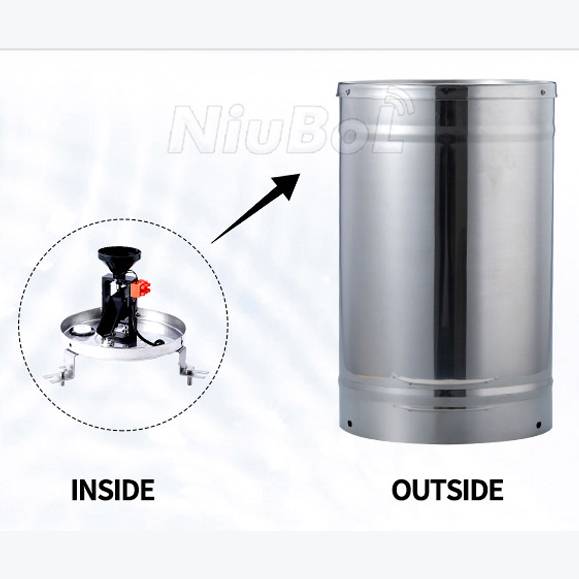 Tipping Bucket Rain Gauge - ABS and Stainless Steel
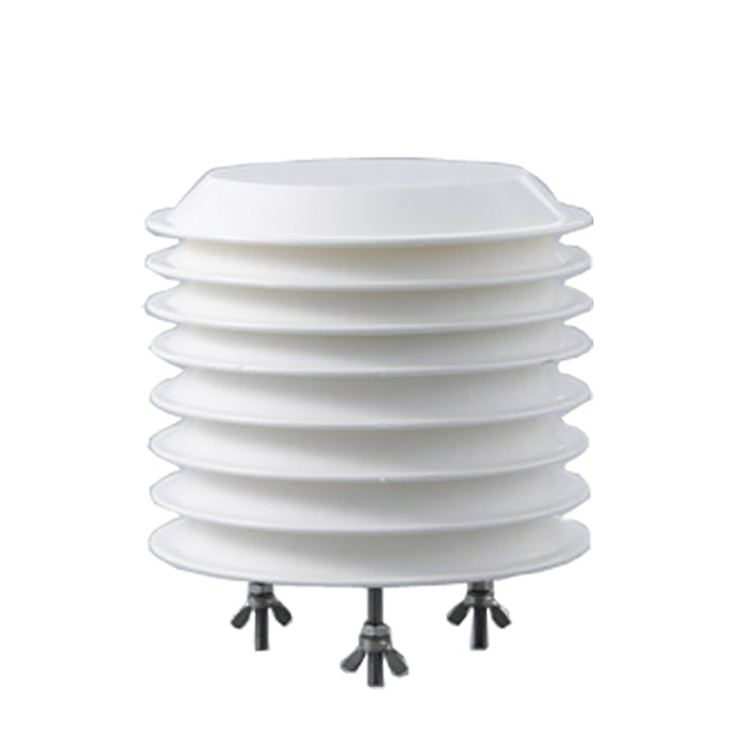 Air Temperature and Humidity Sensor


Screenshot, WhatsApp to identify the QR code
WhatsApp number:+8615367865107
(Click on WhatsApp to copy and add friends)


