





— Blogs —
—Products—
 Consumer hotline +8618073152920
WhatsApp:+8615367865107
Address:Room 102, District D, Houhu Industrial Park, Yuelu District, Changsha City, Hunan Province, China
Product knowledge
Time:2025-07-10 20:52:53 Popularity:1676
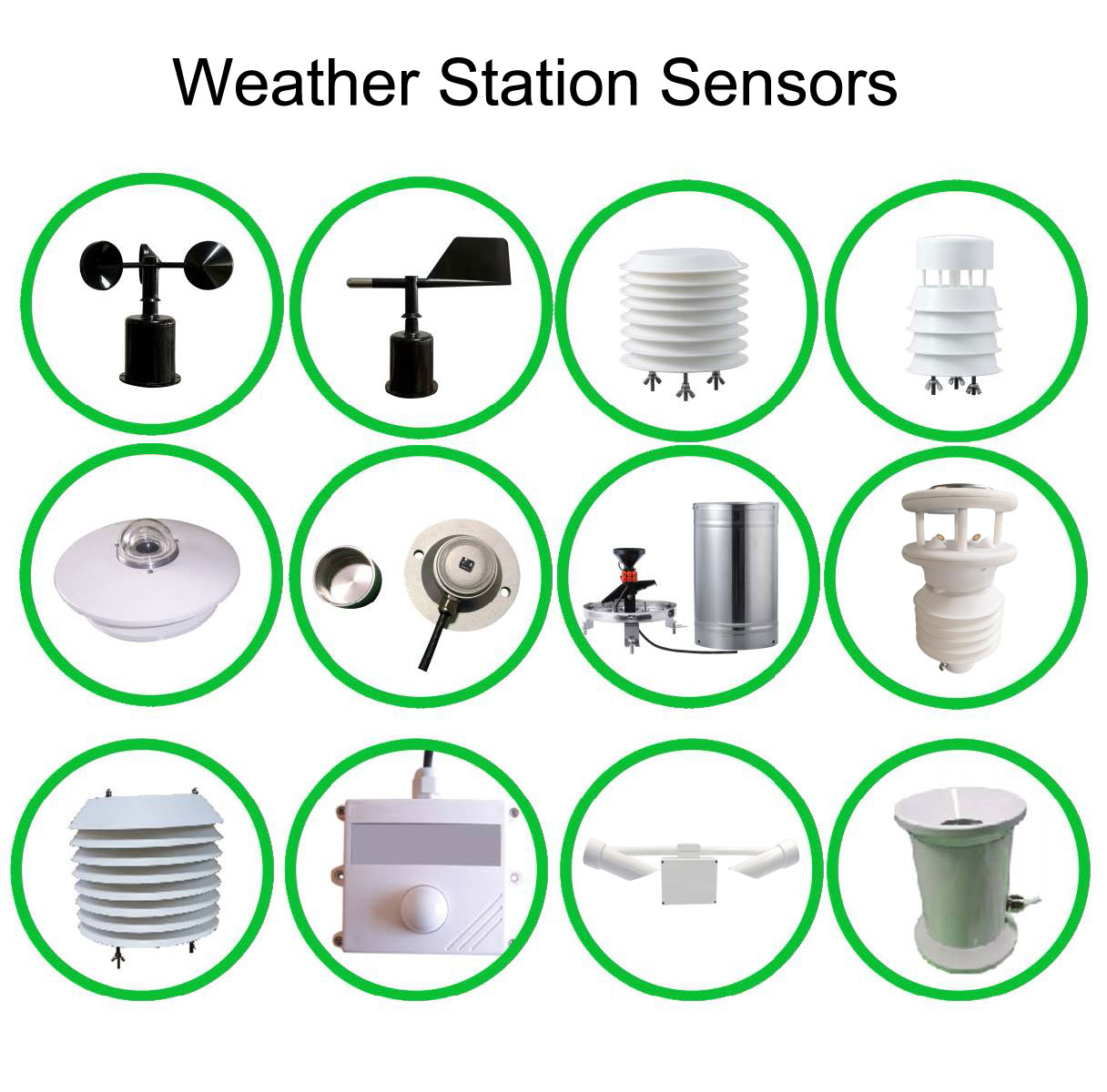
A compact weather sensor is appropriate when its shared location represents the observations the project needs. Integration reduces separate assemblies and connections, but it does not make one mounting point suitable for every wind, temperature, rainfall and radiation task. Use a compact head, separate instruments or a mixed arrangement according to the required exposure.
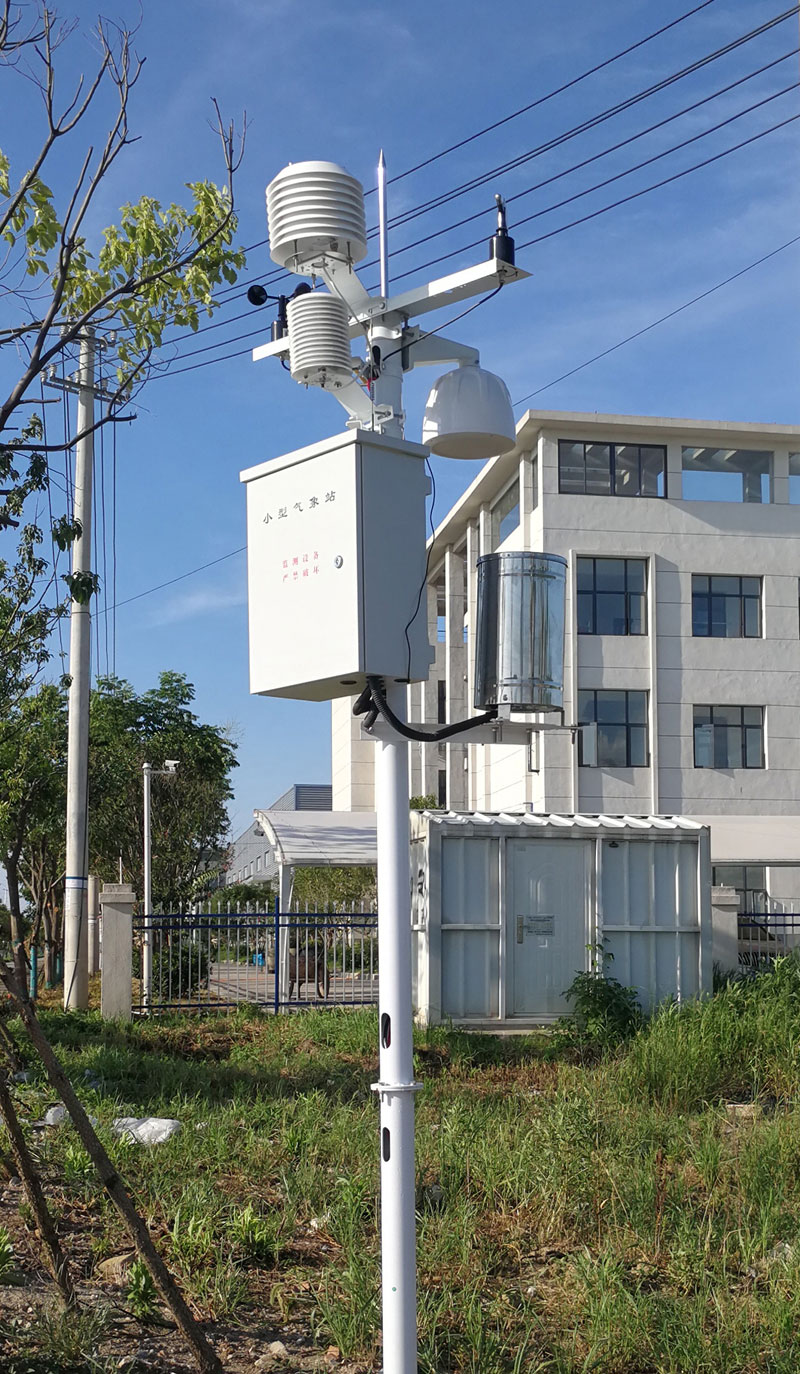
A buyer may prefer one compact head because it simplifies installation and replacement. The difficulty is that several measurements then share one position. A location selected for unobstructed wind may not represent crop-canopy temperature, a greenhouse compartment or irradiance on a tilted photovoltaic array.
Write the observation purpose beside each channel before choosing the mast position. Identify whether the result should describe open-site weather, a local microclimate, the conditions around a crop or a particular equipment surface. Those purposes can justify different sensor positions even within the same project.
The NiuBoL NBL-W-91GUWS is a specific nine-parameter option, not a specification for every compact weather sensor. It combines wind speed, direction, temperature, humidity, pressure, rainfall, PM2.5 and PM10 with one selected light parameter.
Solar radiation and illuminance are alternatives for the ninth parameter. They are not both included simply because a catalog table lists both ranges. PAR is another measurement and requires a suitable dedicated sensor where crop-light observations are needed.
| NBL-W-91GUWS item | Specification | Position-related decision |
|---|---|---|
| Wind | Ultrasonic speed 0-60 m/s; direction 0-359 degrees | Check obstruction, alignment and the exposure required by the project. |
| Air temperature / humidity | -40 to 80 degree C, +/-0.5 degree C; 0-100%RH, +/-5%RH | Determine whether the common head position represents the air volume of interest. |
| Pressure | 10-1100 hPa; +/-1.5 hPa | Keep the actual pressure quantity and site information with the record. |
| Rainfall | Piezoelectric impact detection; 0-8 mm/min; 0.01 mm resolution | Review vibration, precipitation exposure and the required observation method. |
| Ninth-channel alternatives | Solar radiation 0-1500 W/m2 or illuminance 0-200000 lux | Choose the physical quantity and measurement plane explicitly. |
| Communication / supply | RS485 Modbus RTU; 9-24 V DC or 12-24 V DC according to version | Confirm the ordered version and the receiving logger. |
| Power / protection | Approximately 1 W with particulate sensing; IP65 | Include other station loads separately; do not transfer this rating to the cabinet or whole installation. |
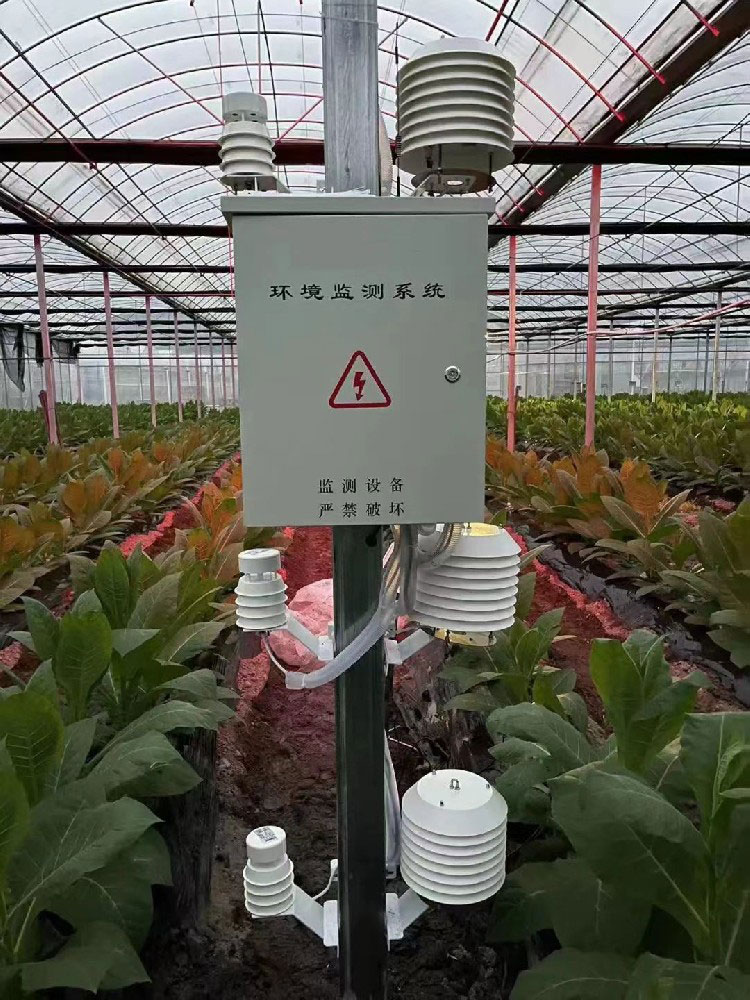
Placing a sensor outside a greenhouse can provide an external weather reference. It does not measure the air around leaves inside the structure. Placing the entire head inside may provide local temperature information while losing the open-weather wind and rainfall observations the project originally requested.
A mixed system can keep an external weather point and use separate internal temperature, humidity or crop sensors. The NBL-W-LBTH is one separate air-measurement option; its position should follow the actual monitoring purpose rather than the location of an available cable or cabinet.
An integrated light channel has an installed orientation. If the project needs irradiance in the plane of a photovoltaic array, confirm whether that orientation can be achieved while the other required channels remain suitable. A convenient level weather head is not automatically a plane-of-array radiation instrument.
A separate NBL-W-HPRS pyranometer allows the radiation measurement to be positioned for its own task. Its 0-2000 W/m2 range belongs to that model and should not be copied into the NBL-W-91GUWS specification. Instrument choice and positioning both affect the delivered quantity.
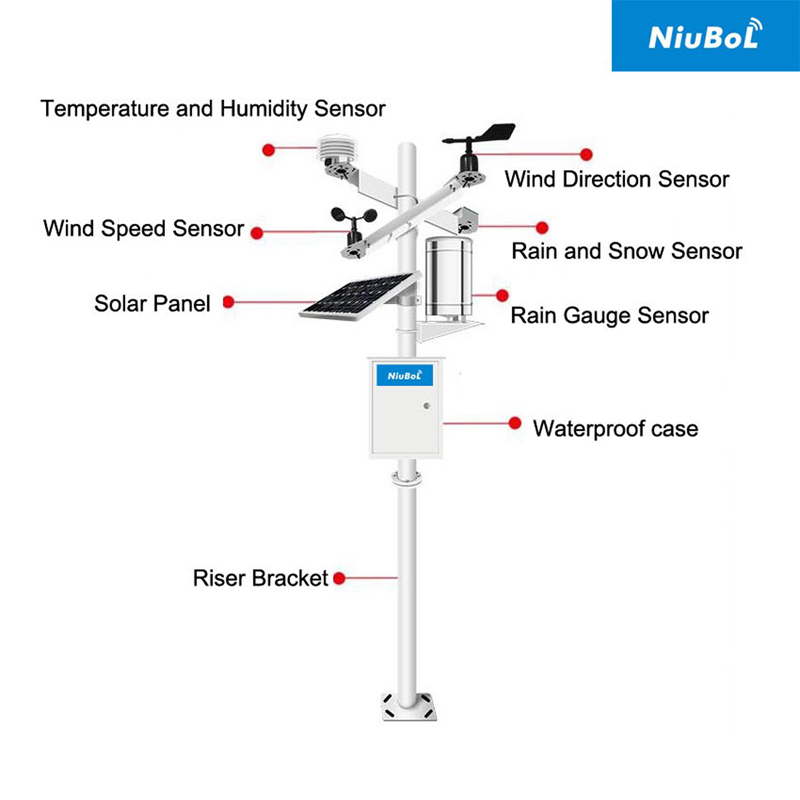
Nearby buildings, vegetation, crossarms and other equipment can alter the conditions at a sensor. An ultrasonic wind path removes rotating cups, but it still needs appropriate airflow. A piezoelectric rainfall channel removes a tipping bucket, but it still needs a suitable mechanical environment and precipitation exposure.
When those requirements conflict at the proposed head location, identify which observation should move. A separate wind or rain instrument can be a more useful addition than duplicating an entire compact station. Conversely, adding separate instruments without a specific measurement need creates extra acquisition and maintenance work.
A dashboard may show many fields, repeated channels or optional observations. Build the configured channel map from the ordered instruments, not from the number of tiles on a screen. Name the sensor, position and unit associated with every value.
For the RS485 Modbus RTU configuration, check decoding and orientation as part of commissioning. A valid reply cannot establish that the head is representative of the site. If integration details are the immediate task, use the separate compact weather station integration guidance after confirming the observation arrangement.
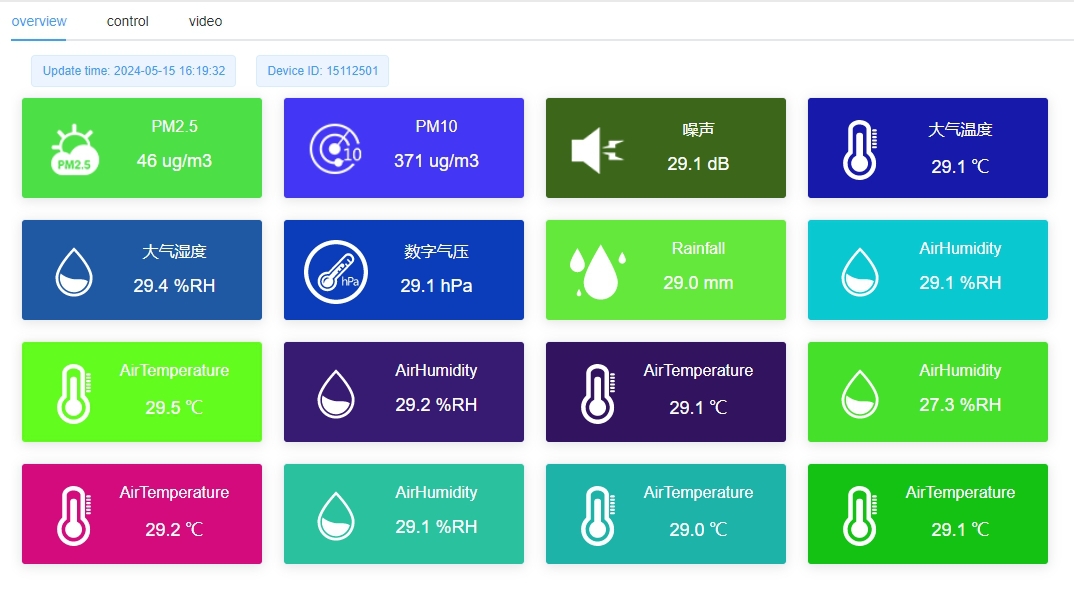
A roadside installation may need local wind and air observations, while a pavement task can require a separate surface measurement. A solar project may need a dedicated radiation plane. A crop study may need several air or root-zone points. Specify these quantities directly instead of expecting a compact head to infer them from its standard weather channels.
For regulated particulate monitoring or another method-specific task, identify the required evidence and measurement arrangement separately. The inclusion of PM2.5 and PM10 does not establish reference-method equivalence or a complete environmental compliance station.
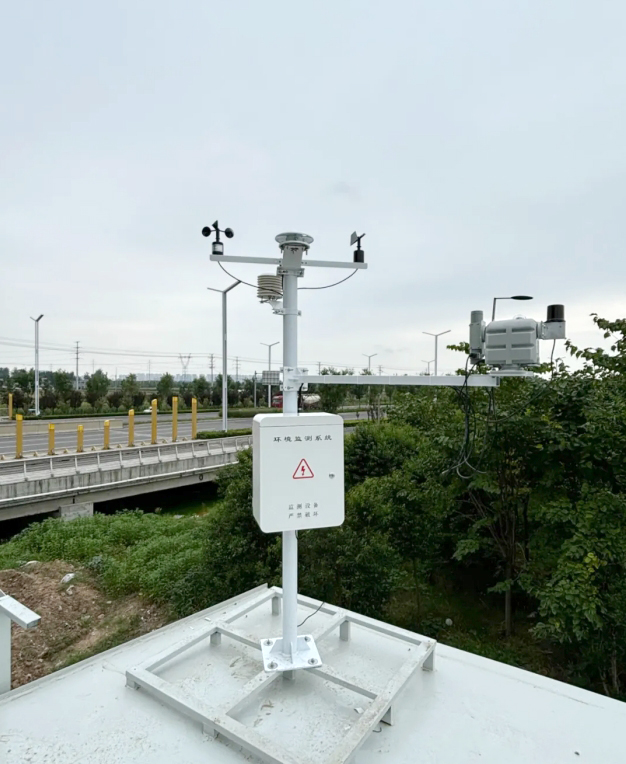
Give NiuBoL the required quantities, their intended locations, available power, receiving system and service constraints. Mark the channels that can share a position and those that cannot. Request a proposed arrangement and actual model list before comparing prices.
Include the effect of servicing a shared head. If an important observation must remain available during replacement, define the continuity requirement and appropriate spare or alternate measurement. Do not assume that every integrated channel can be replaced independently in the field.
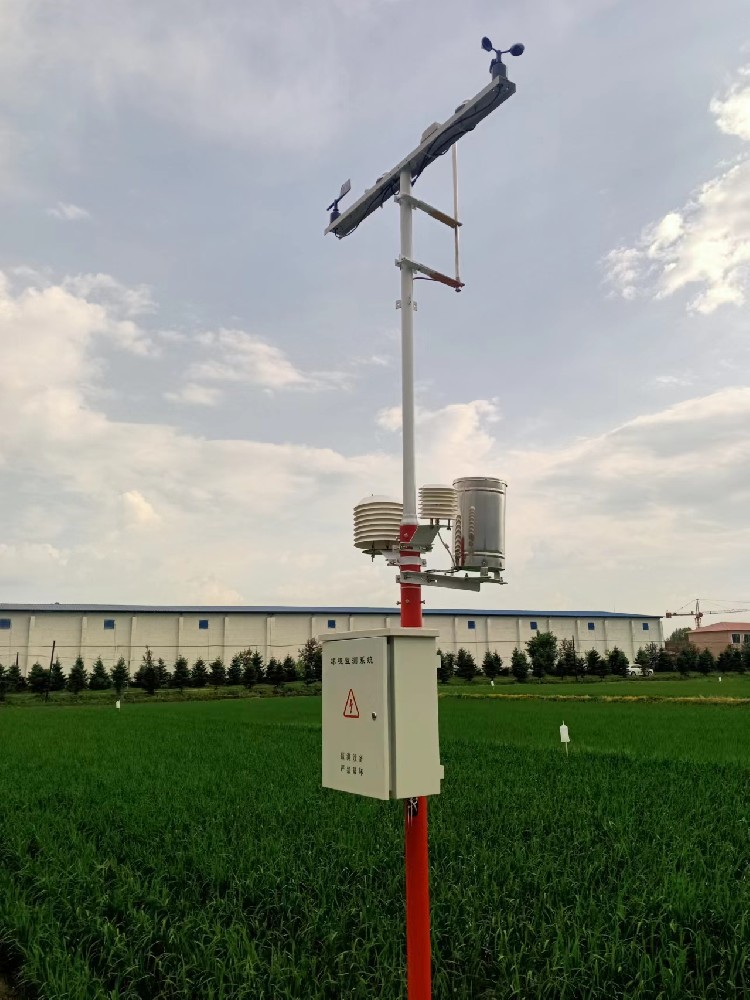
Not because it is compact. Compare model-specific performance and the exposure needed for each quantity. Integration and measurement accuracy are different properties.
Not at the same instant from one physical location when those environments differ. Use separate observation points for the internal crop environment and external weather where both records are required.
No. NBL-W-91GUWS uses solar radiation or illuminance as the alternative ninth parameter. Confirm the selected version and receiving channel name; PAR is a separate quantity.
Use one when the required radiation plane, spectral task or performance differs from the integrated channel. Confirm its mounting and acquisition separately rather than copying a general radiation range into every sensor specification.
Document each channel's purpose and position, inspect obstruction and mechanical conditions, and compare the saved record with actual installation details. Communication tests and a functioning display do not establish representativeness.
Provide the observation list, site layout, required measurement planes, receiving interface and any continuity or method-specific requirement. This allows a compact or mixed proposal to address the actual project instead of simply maximizing the advertised channel count.
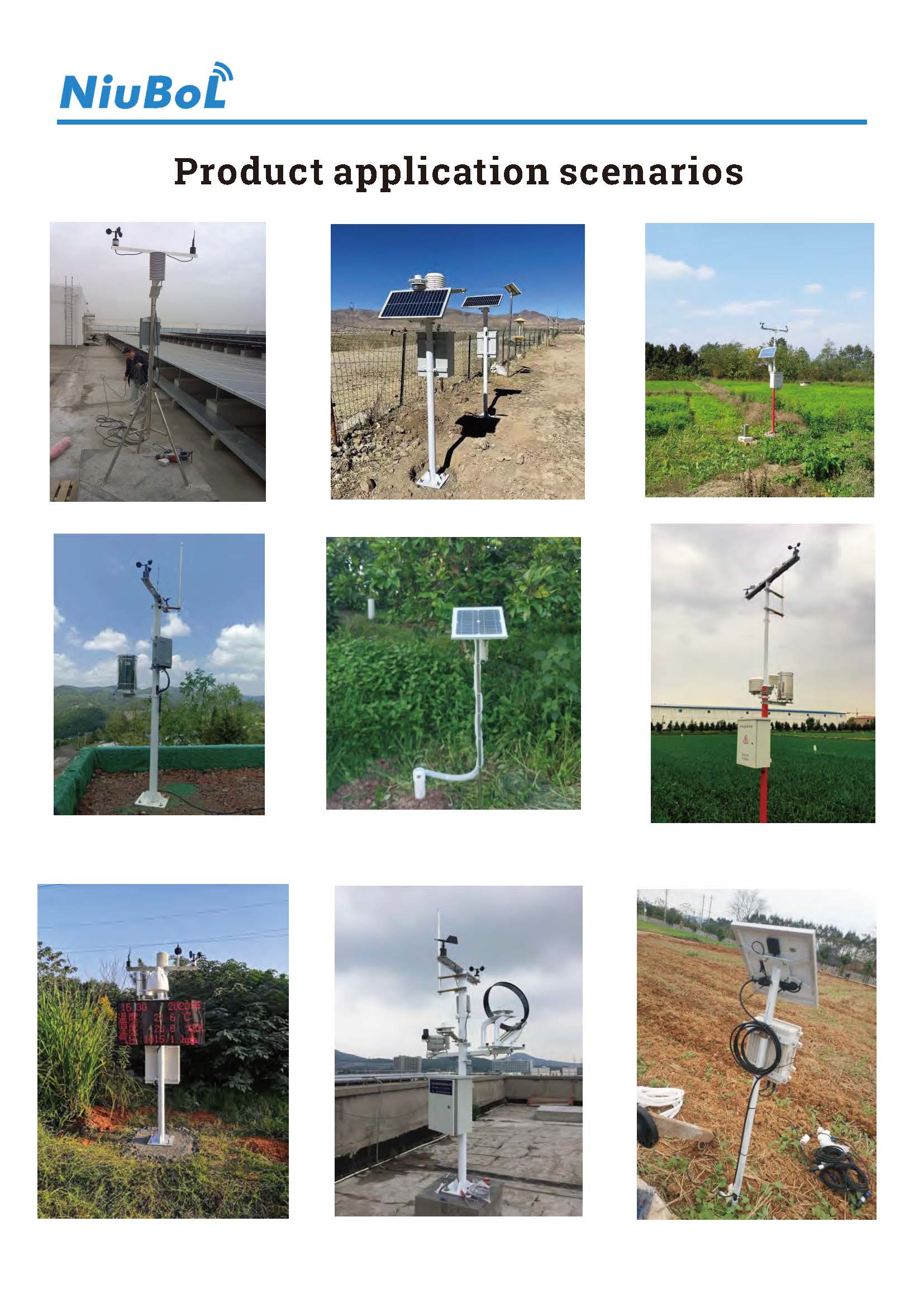
Select a compact weather sensor where its shared mounting position suits the required observations. Separate channels when the environment, measurement plane or service requirement demands it. An explicit observation layout makes the choice between compact and modular equipment easier to evaluate and integrate.
Prev:Professional Rain Gauge: Specify the Rainfall Record You Need
Next:PM2.5 PM10 Sensor Accuracy: Error Terms and Sampling Conditions
Related recommendations
Sensors & Weather Stations Catalog
 Agriculture Sensors and Weather Stations Catalog-NiuBoL.pdf
Weather Stations Catalog-NiuBoL.pdf
Agriculture Sensors Catalog-NiuBoL.pdf
Water Quality Sensor Catalog-NiuBoL.pdf
Related products
 Combined air temperature and relative humidity sensor
 TDR Soil Moisture & Temperature Sensor for irrigation| RS485 |4-20mA| NBL-S-THR
 Soil pH sensor RS485 soil Testing instrument soil ph meter for agriculture |NBL-S-PH
 Wind Speed sensor Output Modbus/RS485/Analog/0-5V/4-20mA
 Tipping bucket rain gauge for weather monitoring auto rainfall sensor RS485/Outdoor/stainless steel
 Pyranometer Solar Radiation Sensor 4-20mA/RS485


Screenshot, WhatsApp to identify the QR code
WhatsApp number:+8615367865107
(Click on WhatsApp to copy and add friends)

