





— Products —
 Consumer hotline +8618073152920
WhatsApp:+8615367865107
Address:Room 102, District D, Houhu Industrial Park, Yuelu District, Changsha City, Hunan Province, China
Ambient Sensors
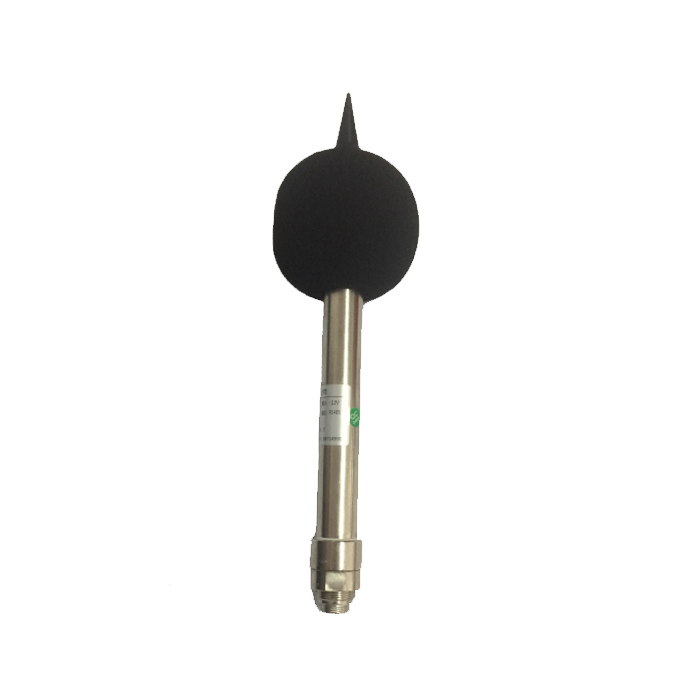
NBL-W-NS Noise sensors are devices that can realize precision measurements of sound, complex and sophisticated. This instrument has durable structure and can be used normally for several years under correct operation.Noise sensor main role:1.Monitor environmental noise levels to help protect workers and the public from the hazards of noise pollution.2. Detect the noise level of machines and equipment to help protect workers from hearing damage caused by long-term exposure to ···
Tel/WhatsApp:+8615367865107
Email:Arvin@niubol.com +Nearly 100 partner companies in more than 75 countries. We are committed to providing high-quality, practical products to meet your needs and help you solve problems. Our products comply with international standards and are certified with ISO, CE and RoHS.Product Details
The NBL-W-NS noise sensor is designed for continuous environmental and industrial sound-level monitoring. It measures noise levels from 30 to 130 dB over a frequency range of 31.5 Hz to 8 kHz using a 0.5-inch condenser microphone.
The sensor provides RS485 Modbus RTU communication for connection to compatible PLCs, data loggers, RTUs and IoT gateways. A 4–20mA output configuration is also available depending on the selected version.
With a 200 ms fast response, low power consumption and IP65 housing, the NBL-W-NS can be used for urban environmental monitoring, factories, construction sites, transportation, parks and other fixed noise-monitoring applications.
| Specification | Value |
| Model | NBL-W-NS |
| Product Type | Environmental Noise Level Sensor |
| Measurement Range | 30–130 dB |
| Frequency Range | 31.5 Hz–8 kHz |
| Microphone | Condenser Microphone |
| Microphone Size | 0.5 inch |
| Time Response | Fast Response, T = 200 ms |
| Output Options | RS485 Modbus RTU / 4–20mA depending on configuration |
| Power Supply | DC 12V |
| Power Consumption | Approx. 20 mW @ 12V DC |
| Maximum Output Impedance | 200 Ω |
| Operating Temperature | -15 to +50°C |
| Operating Humidity | <80% RH |
| Housing | ABS Plastic |
| Protection Rating | IP65 |
The NBL-W-NS uses a condenser microphone to detect changes in acoustic pressure. The microphone converts the incoming sound pressure into an electrical signal, which is processed by the internal electronics and converted into a noise-level measurement expressed in decibels (dB).
The instrument is intended for continuous sound-level monitoring rather than audio recording. It outputs a numerical noise measurement to the connected data-acquisition system and does not function as a voice recorder or audio surveillance device.
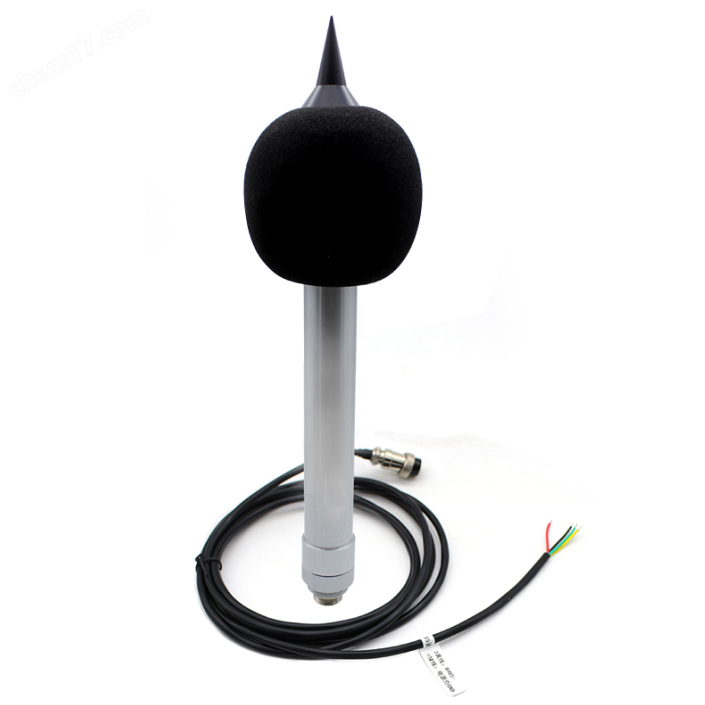
The acoustic sensing section uses a 0.5-inch condenser microphone protected by the external windscreen. The slim transmitter body allows the sensor to be mounted on a pole, bracket or environmental monitoring structure.
The NBL-W-NS specification states that its frequency weighting follows IEC 61672 Type 2 characteristics under the specified measurement conditions. The sensor is calibrated using a 94 dB reference signal over the specified frequency range, with calibration equipment such as the B&K Type 4226 multifunction sound calibrator.
For tenders, occupational-noise projects or regulatory monitoring where a specific calibration certificate, traceability requirement or independent Type 2 conformity document is required, provide the exact documentation requirement before ordering.
The RS485 version of the noise level sensor uses Modbus RTU communication and can be connected to compatible industrial controllers and remote monitoring systems.
| Communication Item | Specification |
| Interface | RS485 |
| Protocol | Modbus RTU |
| Baud Rate | 9600 bps |
| Data Bits | 8 |
| Parity | None |
| Stop Bits | 1 or 2 |
| Device Address | 0–255 |
| Minimum Communication Interval | ≥1000 ms |
| Read Function Code | 03 |
The instruction manual defines the real-time measurement request using Modbus function code 03, starting from register address 0x0000 and reading one register.
Device Address + 03 + 00 00 + 00 01 + CRC
The response contains one two-byte noise-data value in high-byte / low-byte order followed by the CRC. Use the protocol documentation supplied with the ordered sensor as the final reference for data scaling and interpretation.
| Selection Item | RS485 Modbus | 4–20mA |
| Signal Type | Digital | Analog Current |
| Typical Receiver | PLC, RTU, Data Logger, IoT Gateway | PLC or Analog Acquisition Module |
| Multi-Sensor Network | Multiple Modbus devices can share a properly designed RS485 bus | Normally requires one analog input channel per sensor |
| Typical Application | Digital monitoring and IoT systems | Existing industrial analog systems |
For the RS485 configuration, connect the sensor according to the supplied cable identification and verify all wiring before applying power.
| Wire Color | Function |
| Red | Power Positive |
| Black / Green | Power Ground |
| Yellow | RS485 A+ / TX |
| Blue | RS485 B− / RX |
The sensor has a slim cylindrical structure suitable for fixed installation on environmental monitoring equipment. The current structural drawing shows an overall length of approximately 286 mm, an acoustic windscreen section of approximately Φ80 mm and an M22 mounting connection.
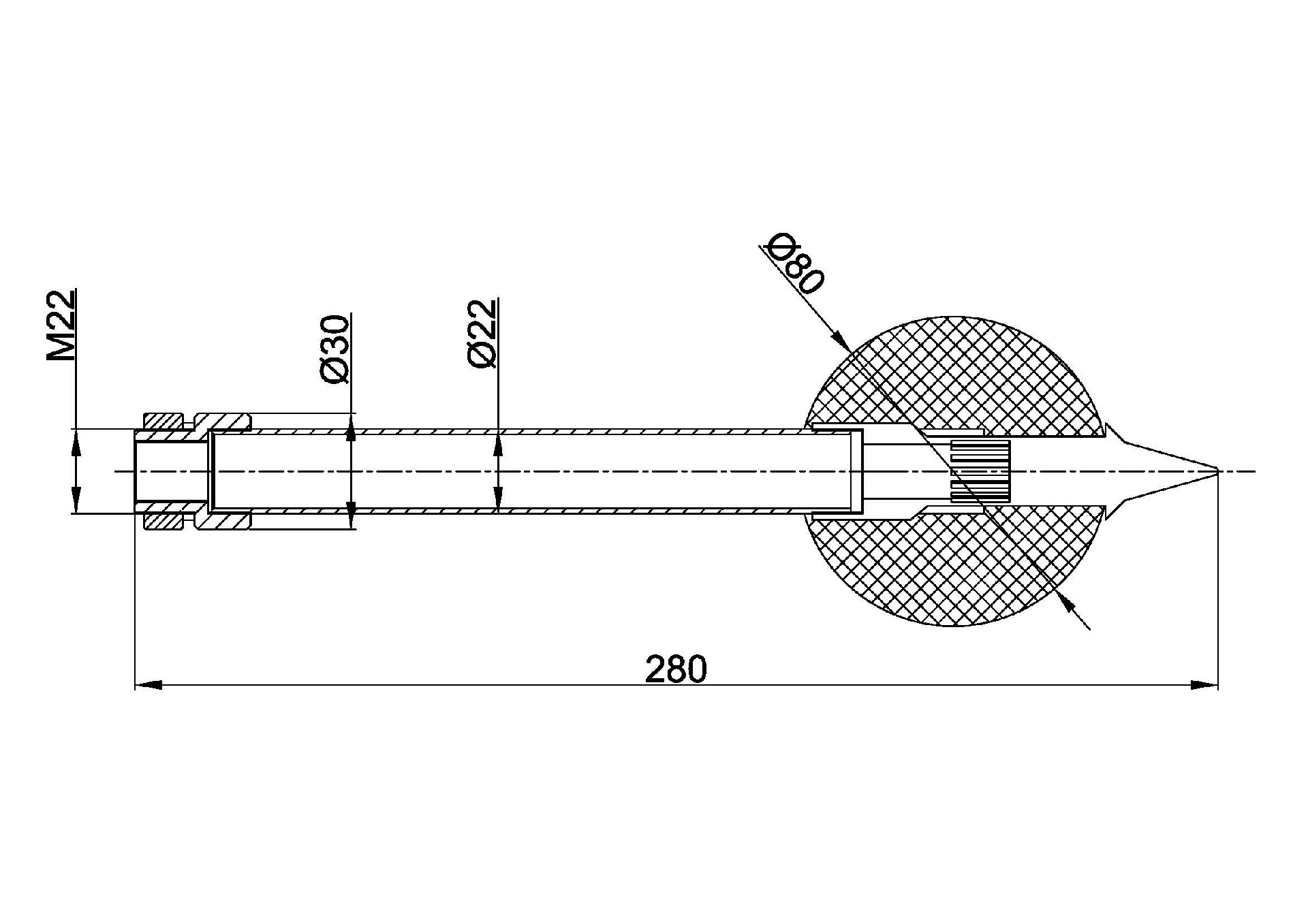
The sensor should be installed where the microphone is exposed to the sound environment being monitored while remaining protected from unnecessary physical obstruction, impact and unsuitable environmental conditions.
| Installation Item | Recommendation |
| Measurement Position | Choose a location representative of the noise environment being monitored. |
| Microphone Area | Do not obstruct or cover the acoustic sensing section. |
| Nearby Surfaces | Consider sound reflection from walls, machinery and structures when selecting the measurement point. |
| Outdoor Mounting | Secure the sensor firmly and keep connectors, cable joints and associated electronics appropriately protected. |
| Wiring | Complete and verify wiring before applying power. |
| Compliance Monitoring | Follow the applicable local standard for sensor height, distance from buildings, measurement duration and site selection. |
Noise Sensor → RS485 Modbus / 4–20mA → Data Logger / PLC / RTU → 4G / Ethernet → Cloud Platform / SCADA / Private Server
The NBL-W-NS provides the local noise measurement signal. Remote 4G, Ethernet, Wi-Fi, MQTT or HTTP communication requires a compatible data logger or IoT gateway and is not built into the basic noise sensor itself.
For multi-parameter environmental monitoring, the sensor can be integrated withambient environmental sensorsfor particulate matter, temperature, humidity, CO2 and other required parameters.
The NBL-W-NS measures environmental sound level in decibels. It is intended to provide a continuous numerical noise measurement for a monitoring or control system.
| Function | NBL-W-NS |
| Sound Level Measurement | Yes, 30–130 dB |
| Continuous Monitoring | Yes |
| RS485 Data Output | Yes |
| Audio / Voice Recording | No |
| Frequency Spectrum Analyzer | Not specified as a spectrum-analysis output |
The NBL-W-NS environmental noise sensor is suitable for fixed monitoring projects that require continuous sound-level data rather than occasional handheld measurements.
Urban Noise Monitoring • Construction Sites • Factories & Workshops • Traffic Monitoring
Parks & Public Areas • Industrial Facilities • Environmental Stations • Building Monitoring
| Selection Item | NBL-W-NS Fixed Sensor | Handheld Sound Level Meter |
| Monitoring Method | Continuous fixed monitoring | Portable spot measurement |
| Automatic Data Collection | Yes, with logger / PLC | Depends on meter model |
| RS485 Integration | Yes | Not normally the primary use |
| Typical Application | Long-term environmental and industrial monitoring | Inspection, testing and temporary measurements |
| Selection Item | Information to Confirm |
| Measurement Range | Confirm that 30–130 dB covers the expected noise environment |
| Output | RS485 Modbus or 4–20mA according to the receiving equipment |
| Power Supply | DC 12V |
| Installation Environment | Indoor, factory, construction site, roadside, park or environmental station |
| Monitoring Purpose | General environmental monitoring, industrial monitoring or regulatory project |
| Calibration Documents | Specify any required calibration certificate, traceability or tender documentation |
| Data Transmission | Local PLC / logger or remote 4G / Ethernet monitoring through a gateway |
| Quantity | Sample, pilot site or multi-point monitoring project |
A1. It continuously measures environmental sound level over a range of 30–130 dB and outputs the measurement to a compatible data-acquisition system.
A2. The specified frequency range is 31.5 Hz to 8 kHz.
A3. Yes. The NBL-W-NS supports RS485 Modbus RTU with a default baud rate of 9600 bps.
A4. A 4–20mA output configuration is available depending on the selected version. Confirm the required signal type when ordering.
A5. No. The sensor is designed to output numerical environmental noise-level data. It is not specified as an audio or voice recording device.
A6. The current product configuration is specified as IP65 and can be used in outdoor environmental monitoring when correctly installed. Cable connections and associated electronics should also be appropriately protected.
A7. Yes, when the logger supports multi-device Modbus communication. Each sensor should use a unique device address, and the RS485 network should be designed with suitable power, wiring and polling intervals.
A8. Yes, by connecting the RS485 sensor to a compatible 4G data logger or IoT gateway. Cellular communication is not built into the basic NBL-W-NS sensor.
A9. The product specification references IEC 61672 Type 2 frequency-weighting characteristics. Regulatory projects may have additional requirements for calibration, certification, installation and reporting, so those requirements should be confirmed before selection.
A10. Provide the quantity, application, required RS485 or 4–20mA output, installation environment, cable requirements, data logger or PLC model, communication requirements and any required calibration or tender documentation.
 NBL-W-NS-Noise-Sensor-Instruction-Manual.pdf
For model selection and quotation, provide the application, quantity, required RS485 or 4–20mA output, installation environment, cable requirement and receiving data logger, PLC or RTU.
For environmental monitoring projects, also specify whether you require PM2.5 / PM10, temperature and humidity, CO2, a data logger, 4G communication, cloud monitoring or private-server integration so the complete monitoring system can be configured.
Prev:CO2 sensor 4-20mA/RS485 for carbon dioxide Environmental Monitoring
Next:Wall-mounted temperature and humidity sensors used in storage warehouses, greenhouses
Sensors & Weather Stations Catalog
Agriculture Sensors and Weather Stations Catalog-NiuBoL.pdf
Weather Stations Catalog-NiuBoL.pdf
Agriculture Sensors Catalog-NiuBoL.pdf
Water Quality Sensor Catalog-NiuBoL.pdf
Related recommendations
 Combined air temperature and relative humidity sensor
 Particulate Matter Sensors (PM1, PM2.5 & PM10)
 6-in-1 Temperature, Humidity, Pressure, Illuminance, CO2, and CO Sensor
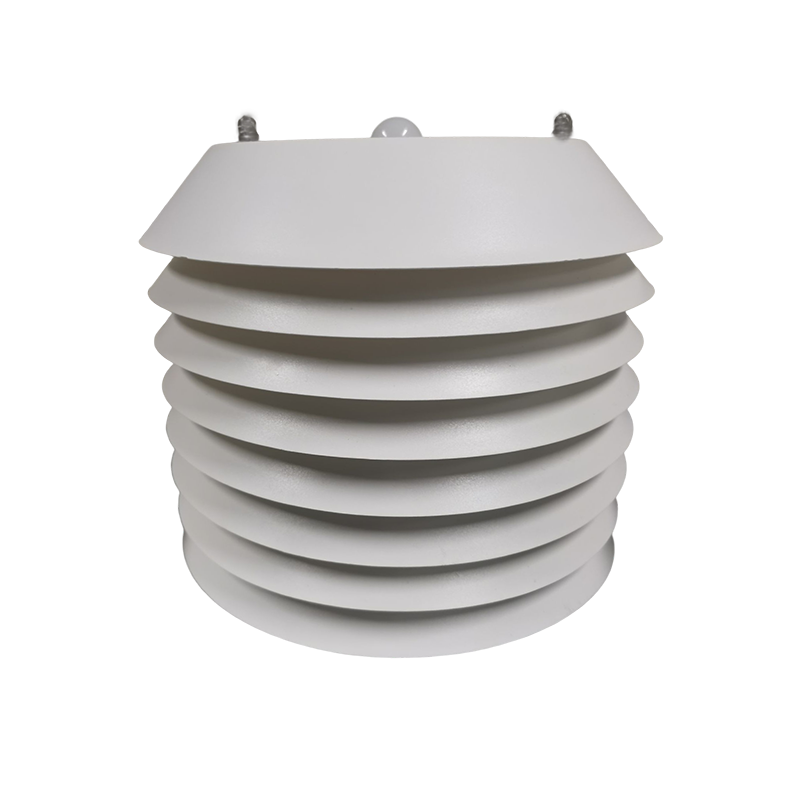 CO2 Humidity and Temperature Sensor
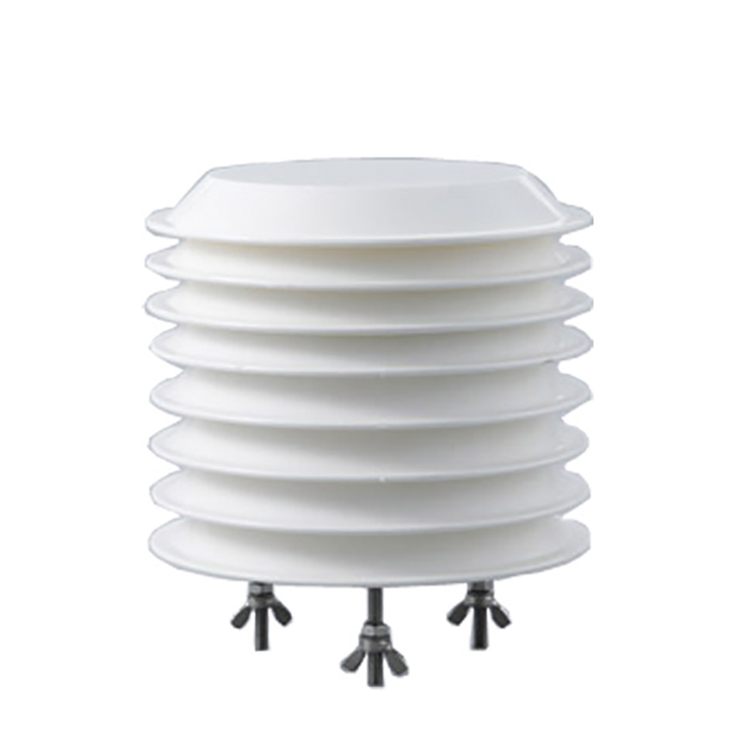 Measures air temperature and relative humidity pressure Sensor
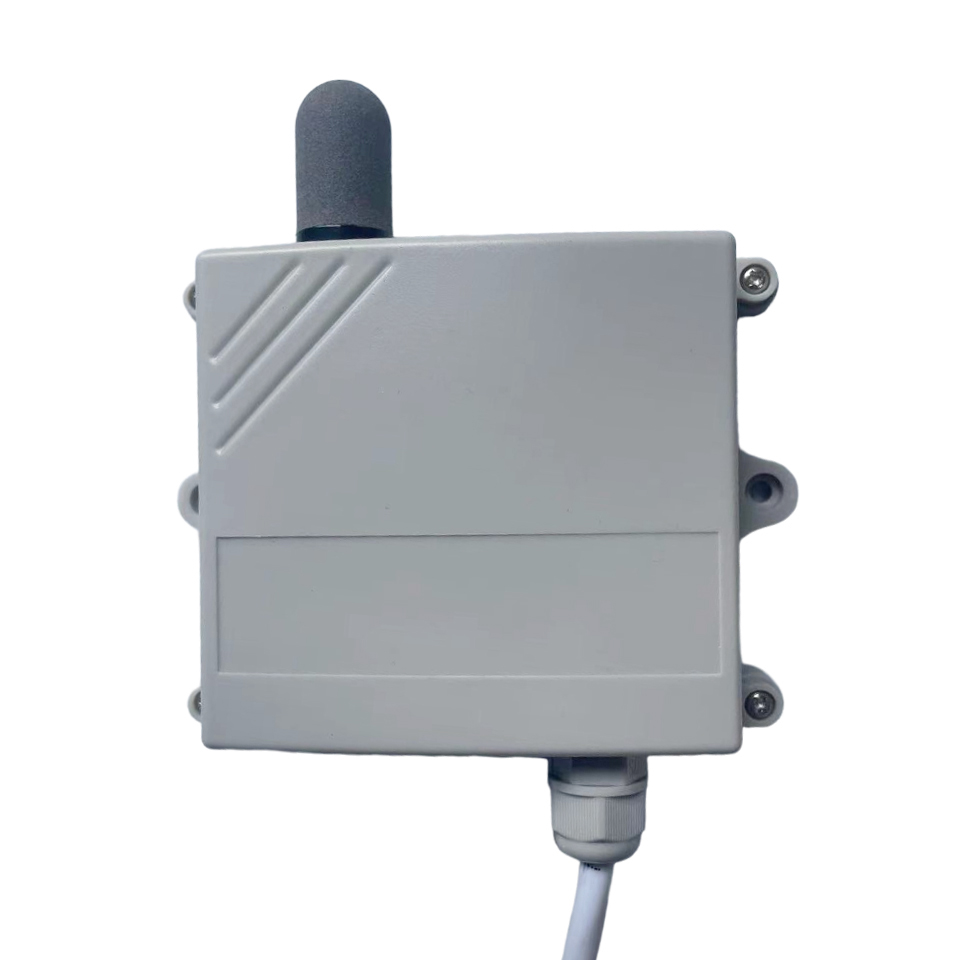 Wall-mounted temperature and humidity sensors used in storage warehouses, greenhouses


Screenshot, WhatsApp to identify the QR code
WhatsApp number:+8615367865107
(Click on WhatsApp to copy and add friends)

