





— Download —
 Consumer hotline +8618073152920
WhatsApp:+8615367865107
Address:Room 102, District D, Houhu Industrial Park, Yuelu District, Changsha City, Hunan Province, China
All products
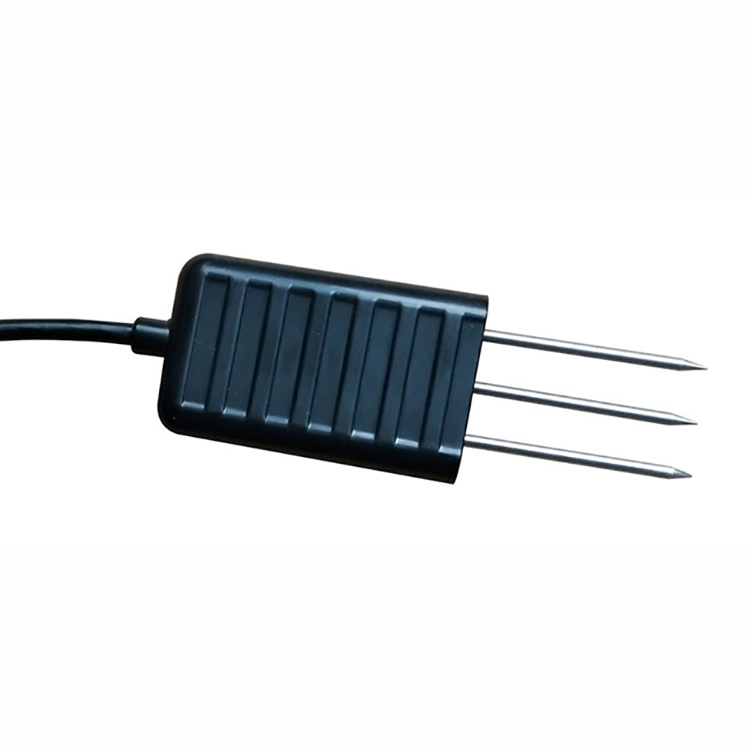
EC Soil Sensor usually usually consists of two electrodes which are inserted into the soil, it is a sensor used to measure the electrical conductivity (EC) of the soil, which provides information about the salt content and electrical conductivity of the soil. The sensor converts the measured conductivity into an electrical signal that is transmitted via a data cable to a reading device.EC Soil SensorThe sensor determines the salt content of the soil by measuring the ability o···
Tel/WhatsApp:+8615367865107
Email:Arvin@niubol.com +Nearly 100 partner companies in more than 75 countries. We are committed to providing high-quality, practical products to meet your needs and help you solve problems. Our products comply with international standards and are certified with ISO, CE and RoHS.Product Details
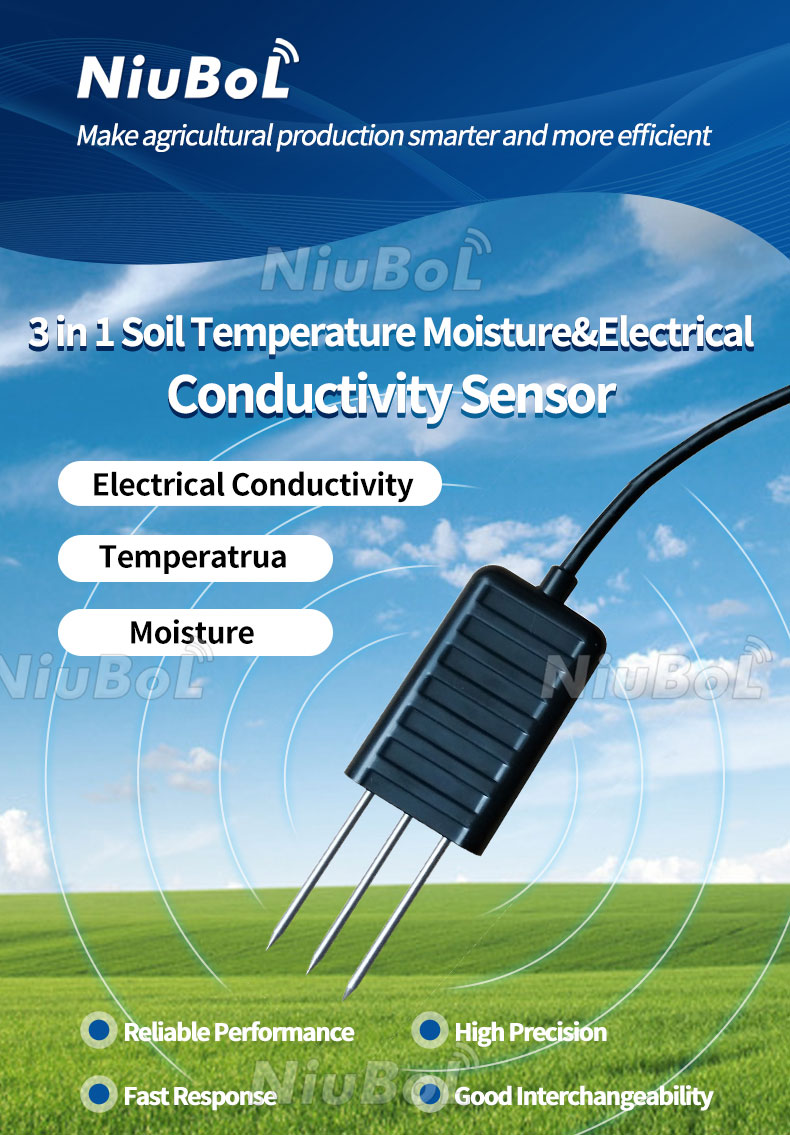
The NiuBoL NBL-S-TMC EC Soil Sensor combines soil electrical conductivity, volumetric water content and temperature measurements in a single probe for agricultural irrigation, greenhouse cultivation, fertigation and environmental monitoring.
By monitoring these three parameters simultaneously, growers and agricultural system integrators can better understand changes in root-zone water and salt conditions than by relying on electrical conductivity alone.
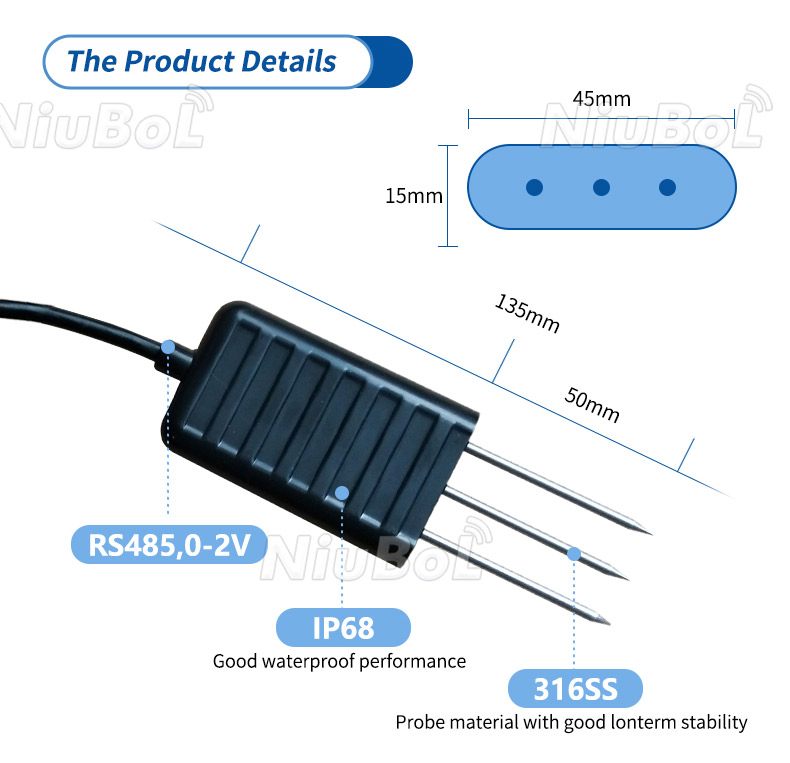
The sensor supports RS485 Modbus RTU communication and features IP68 protection for suitable long-term buried soil monitoring installations.
| Parameter | Specification |
|---|---|
| Model | NBL-S-TMC |
| Measured Parameters | Soil Temperature, Moisture and EC |
| EC Measurement Range | 0–10,000 μS/cm (0–10 mS/cm) |
| EC Accuracy | ±5% |
| EC Resolution | 1 μS/cm |
| EC Temperature Compensation | 0–50°C |
| Soil Moisture Range | 0–100% VWC |
| Soil Moisture Accuracy | ±5% |
| Soil Moisture Resolution | 0.1% |
| Soil Temperature Range | -40 to +80°C |
| Temperature Accuracy | ±0.5°C |
| Temperature Resolution | 0.1°C |
| Moisture Measurement Principle | FDR |
| EC Measurement Principle | AC Bridge Method |
| Power Supply | DC 5–24 V or DC 12–24 V, Depending on Configuration |
| Output Interface | RS485 Modbus RTU |
| Operating Environment | -40 to +85°C |
| Probe Material | Corrosion-Resistant Alloy Electrodes |
| Sealing Material | Black Flame-Retardant Epoxy Resin |
| Protection Rating | IP68 |
| Standard Cable Length | 5 m |
| Dimensions | 45 × 15 × 135 mm |
| Electrode Length | 50 mm |
The stated accuracy values are nominal instrument specifications. Actual field measurement performance depends on soil properties, moisture conditions, calibration and probe contact.
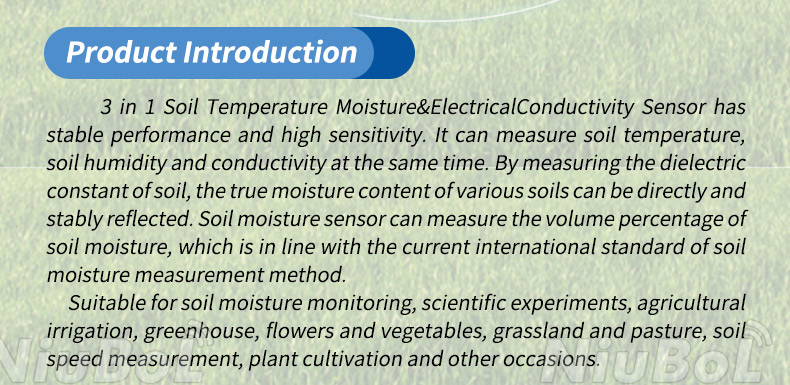
EC stands for electrical conductivity. Soil EC describes the ability of soil to conduct electrical current and is influenced by dissolved ions, soil moisture, temperature and soil structure.
The NBL-S-TMC uses separate measurement functions to obtain soil conductivity, temperature and moisture data from the same monitoring location.
Its combined measurements help users interpret conductivity changes under varying soil water conditions.
Soil EC does not directly identify individual nutrient concentrations, fertilizer composition or specific pollutants. It should not be used as a standalone replacement for laboratory nutrient or salinity analysis.
Soil electrical conductivity often changes following rainfall, irrigation or fertilizer application. Monitoring soil moisture alongside EC helps growers distinguish possible changes in salt conditions from changes caused by soil wetting or drying.
For example, increasing EC under comparable soil moisture conditions may indicate salt accumulation. A falling EC reading during soil drying does not necessarily indicate that salts have been removed.
Install sensors at representative crop root-zone depths to observe the local response to irrigation and fertigation.
Measurements at multiple depths can help investigate water infiltration, drainage and changes in soil conductivity below the active root zone.
Repeated EC measurements can help identify changes in overall ionic conditions following fertilizer application.
Fertilizer decisions should also consider crop requirements, irrigation water quality and appropriate soil nutrient analysis.
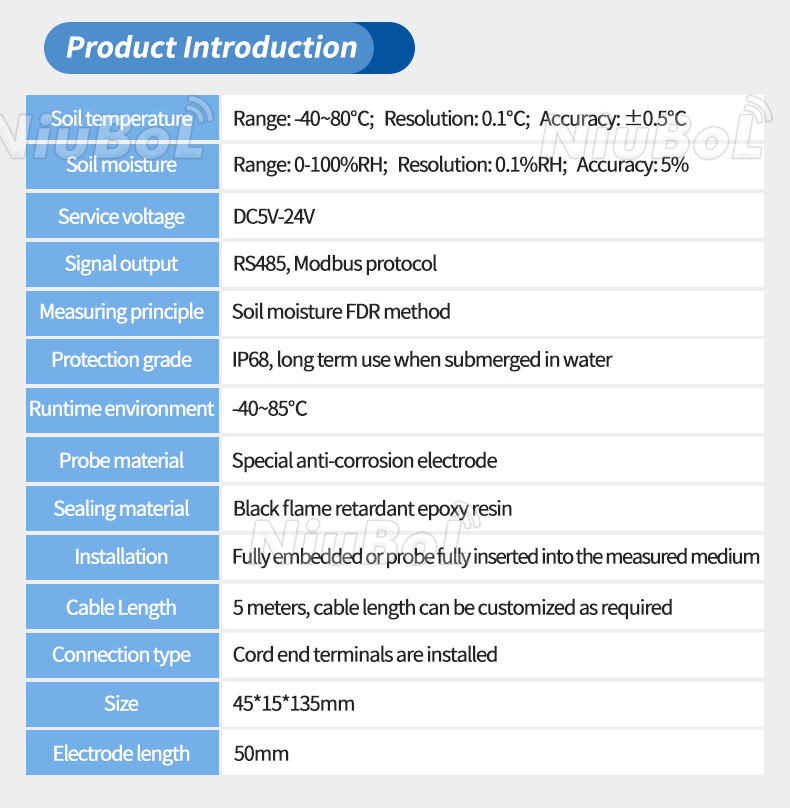
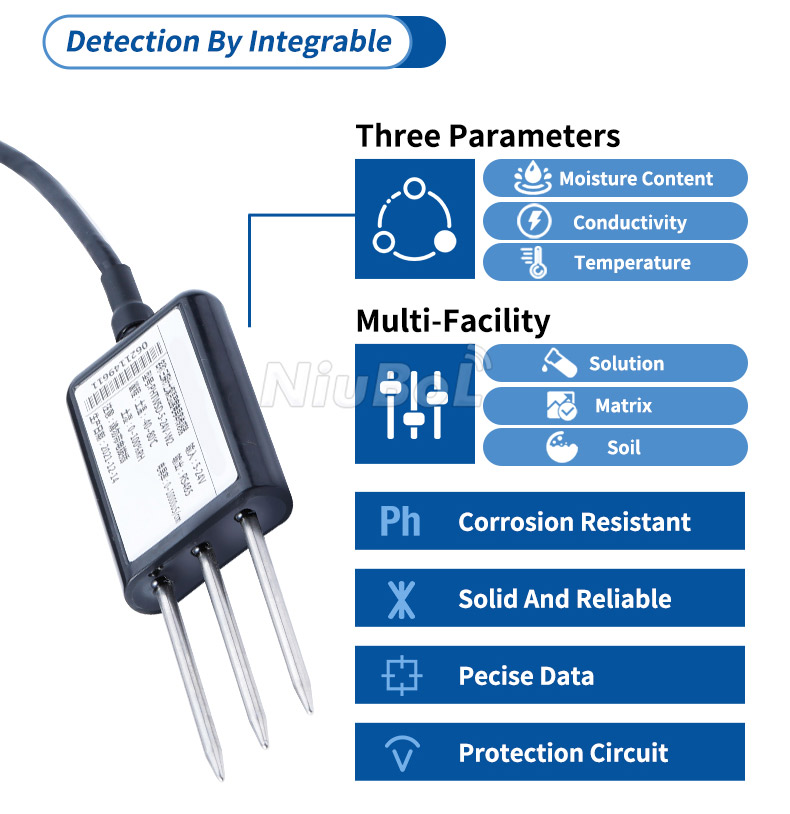
Integrated soil temperature, moisture and EC measurement.
FDR moisture sensing and AC bridge conductivity measurement.
Built-in conductivity temperature compensation.
Corrosion-resistant electrodes and sealed epoxy resin construction.
IP68 probe protection for suitable buried monitoring applications.
RS485 Modbus RTU interface for compatible industrial controllers and data loggers.
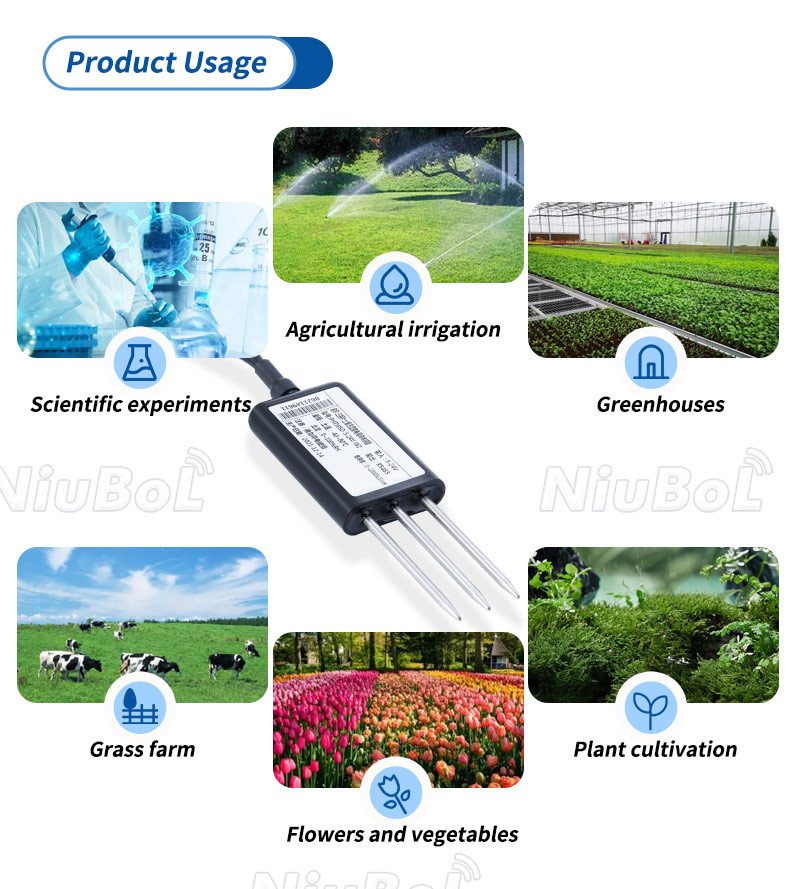
Precision agriculture: Monitoring soil water and conductivity variations.
Greenhouse cultivation: Evaluating growing conditions and irrigation response.
Fertigation systems: Observing root-zone conductivity changes following nutrient solution application.
Orchards and vineyards: Monitoring representative soil layers and irrigation zones.
Soil salinity studies: Investigating conductivity trends associated with irrigation, drainage and salt accumulation.
Environmental research: Recording changes in soil electrical properties.
Agricultural education: Supporting soil measurement demonstrations and field experiments.
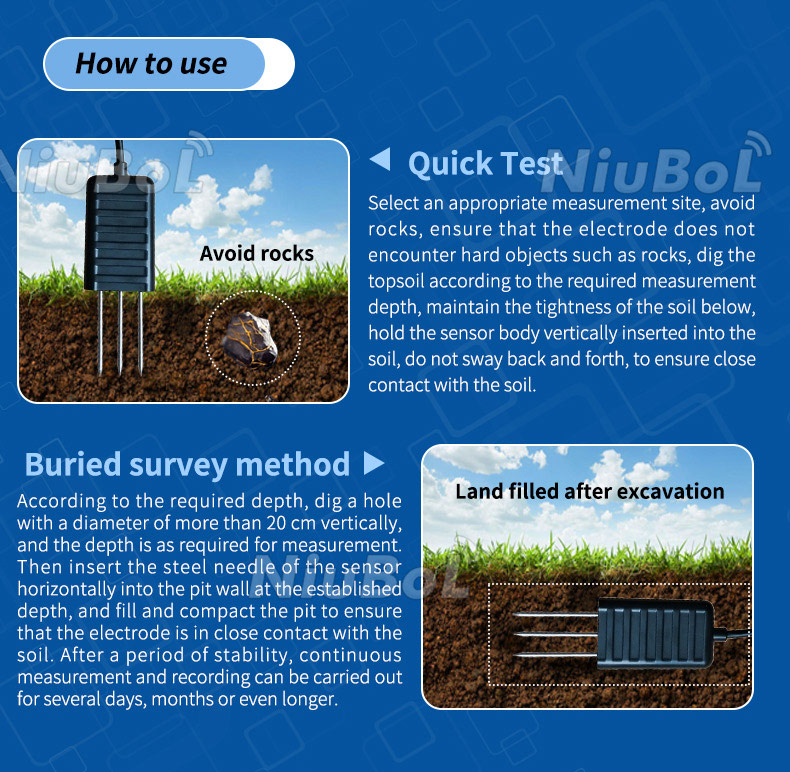
For quick measurements, insert all sensing electrodes into representative soil and maintain close contact between the electrodes and surrounding material.
For continuous monitoring, install the sensor horizontally at the required soil depth and restore the surrounding soil carefully.
Avoid stones, air gaps and excessive disturbance of the original soil structure.
Very dry soil may produce unstable or low conductivity readings. For the NBL-S-TMC, soil moisture above approximately 20% VWC is an initial reference condition for obtaining more representative EC measurements.
This reference is not a universal moisture threshold for every soil type. When comparing EC measurements, consider the corresponding soil moisture and temperature conditions.
The NBL-S-TMC supports RS485 Modbus RTU communication for connection to compatible PLCs, RTUs, agricultural controllers and data loggers.
Remote monitoring can be implemented using suitable external communication gateways.
For projects requiring continuous agricultural monitoring, explore NiuBoL data acquisition equipment and compatible monitoring system configurations.
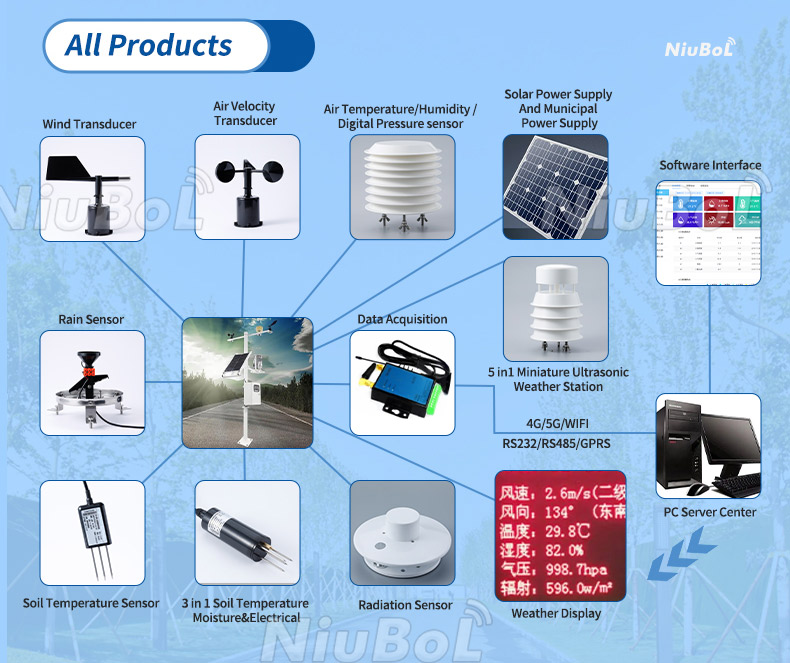
The NBL-S-TMC is suitable for projects requiring simultaneous soil moisture, temperature and electrical conductivity measurements.
For applications requiring additional salinity information or alternative conductivity measurement ranges, compare the available soil electrical conductivity sensor configurations.
When requesting a quotation, please specify your soil type, required measurement range, monitoring depth, cable length, receiving equipment and sensor quantity.
For detailed product information, see the NBL-S-TMC Soil EC Sensor or explore the complete range of NiuBoL agricultural soil sensors.
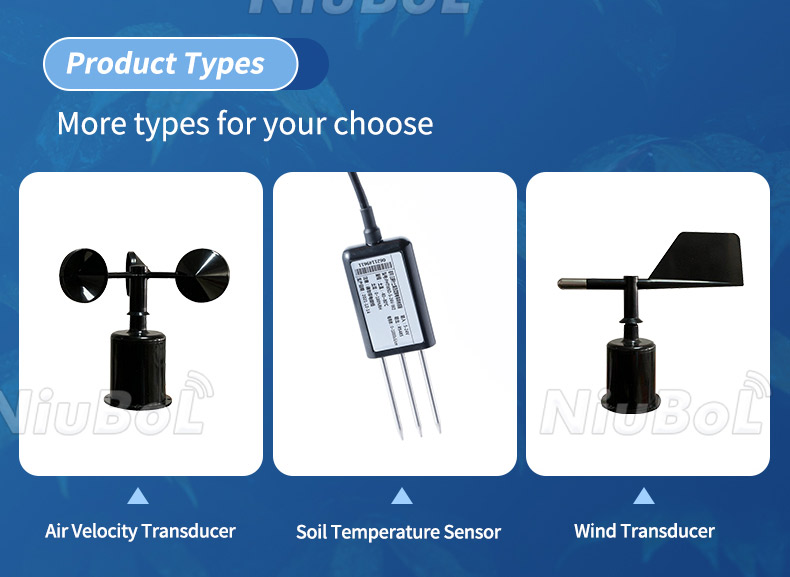
An EC soil sensor measures the electrical conductivity of the surrounding soil. The NBL-S-TMC also measures soil moisture and temperature, providing additional information for interpreting root-zone conditions.
The measurement range is 0–10,000 μS/cm (0–10 mS/cm), with a resolution of 1 μS/cm and a specified accuracy of ±5%.
Soil EC measurements reflect overall electrical conductivity influenced by dissolved ions, moisture and soil properties. They cannot independently determine fertilizer composition or individual nutrient concentrations.
Irrigation changes soil moisture, dissolved salt concentration and electrical conductivity pathways. Monitoring soil moisture and EC together helps users interpret these changes more effectively.
Yes. The sensor features IP68 protection and is designed for suitable long-term buried soil monitoring installations. External cable connections must be appropriately protected.
Yes. The NBL-S-TMC supports RS485 Modbus RTU communication for integration with compatible PLCs, RTUs, irrigation controllers and data loggers.
The sensor can provide soil moisture, temperature and EC measurements to a compatible fertigation control system. Automatic fertilizer dosing requires additional controllers, dosing equipment and appropriate control logic.
NBL-S-TMC-Soil-temperature-and-moisture-conductivity-sensor.pdf
Prev:PAR Sensor
Sensors & Weather Stations Catalog
 Agriculture Sensors and Weather Stations Catalog-NiuBoL.pdf
Weather Stations Catalog-NiuBoL.pdf
Agriculture Sensors Catalog-NiuBoL.pdf
Water Quality Sensor Catalog-NiuBoL.pdf
Related recommendations
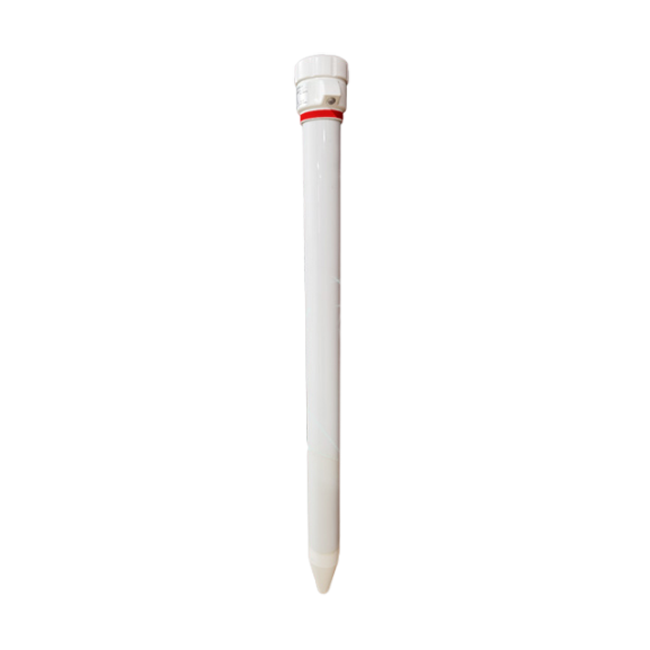 Multi-Depth Soil Sensor RS485
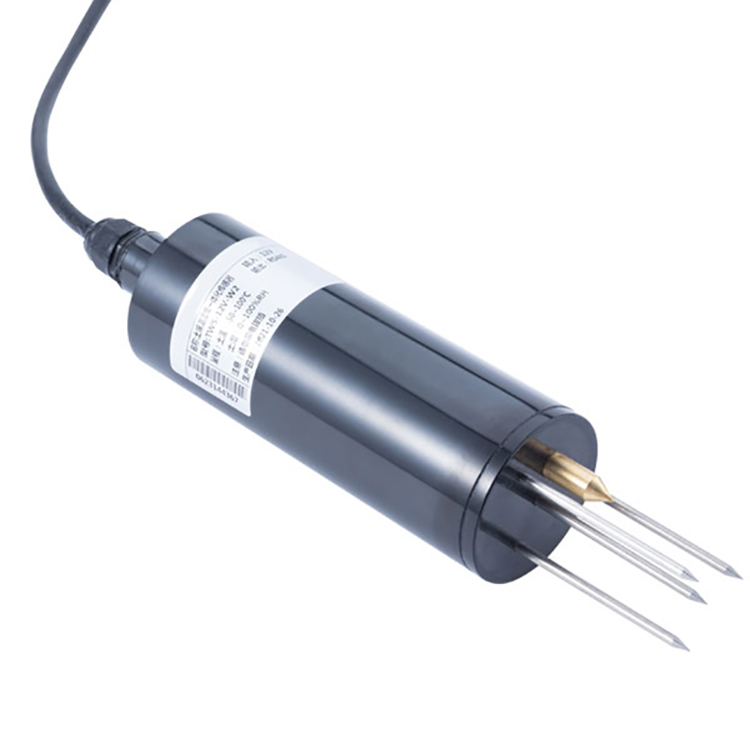 TDR Soil Moisture Sensor
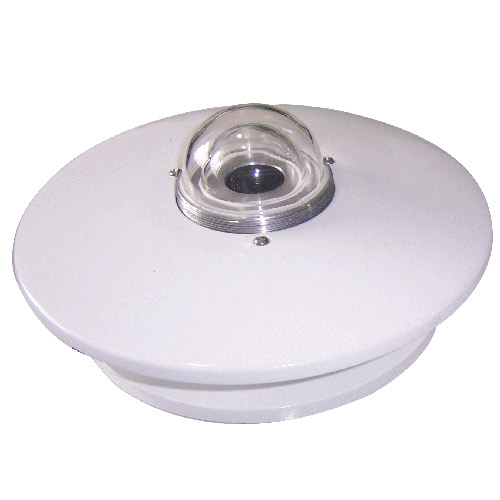 Pyranometer Solar Radiation Sensors
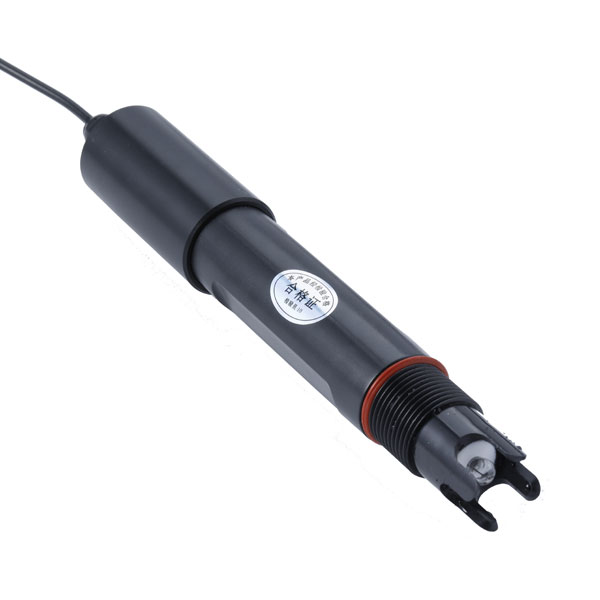 Soil ph sensor
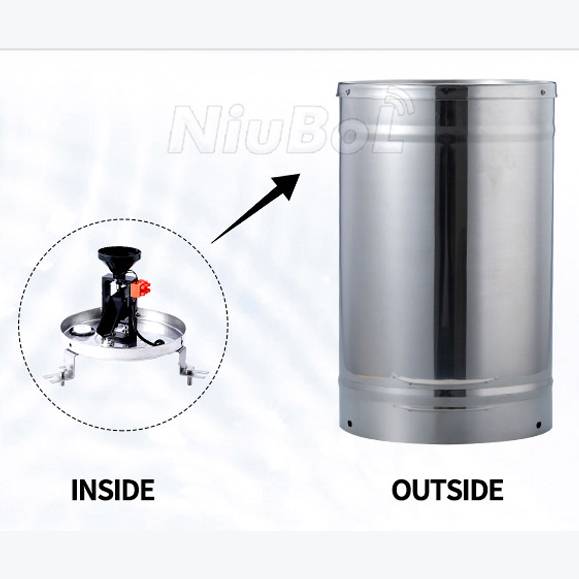 Tipping Bucket Rain Gauge - ABS and Stainless Steel
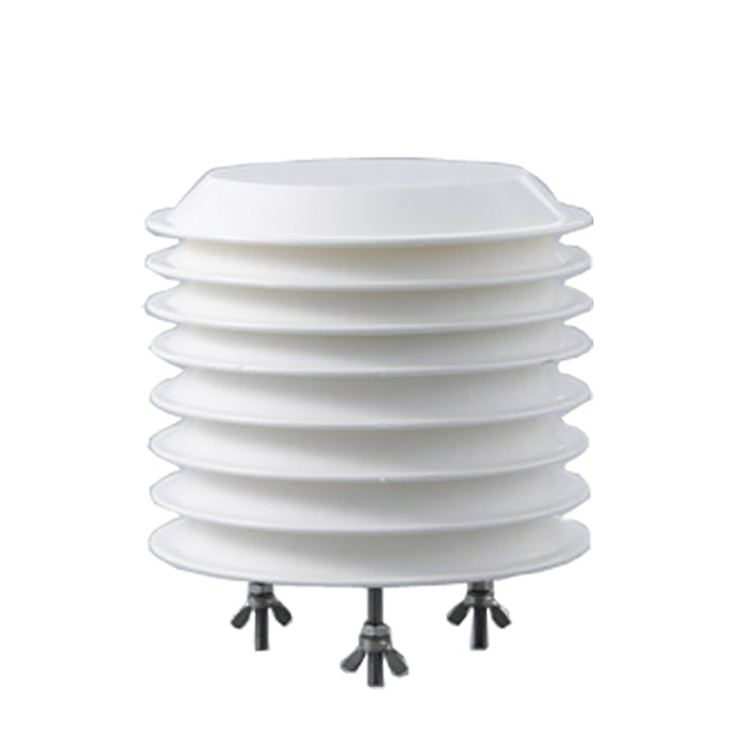 Air Temperature and Humidity Sensor


Screenshot, WhatsApp to identify the QR code
WhatsApp number:+8615367865107
(Click on WhatsApp to copy and add friends)

