





— Products —
 Consumer hotline +8618073152920
 WhatsApp:+8615367865107
Address:Room 102, District D, Houhu Industrial Park, Yuelu District, Changsha City, Hunan Province, China
Temp & Humidity Sensors
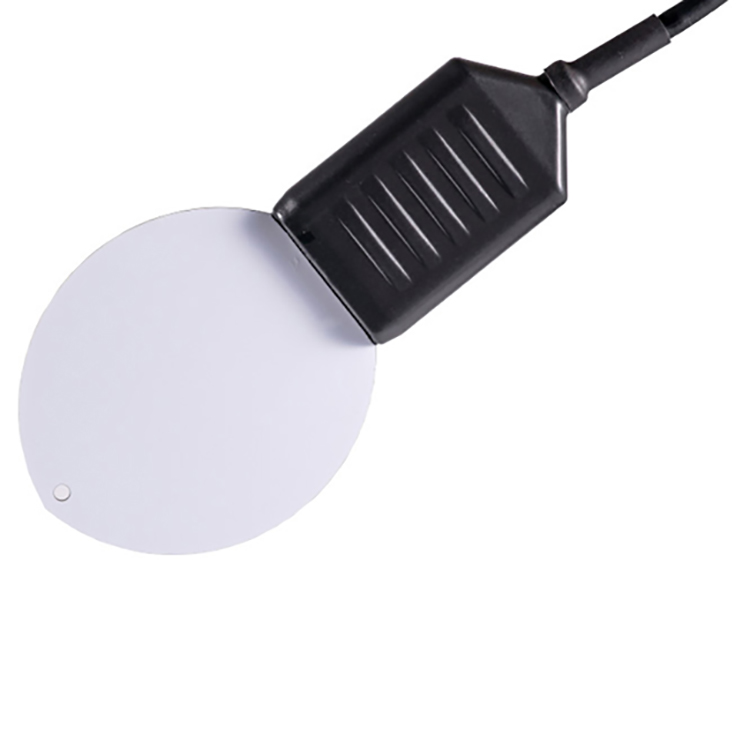
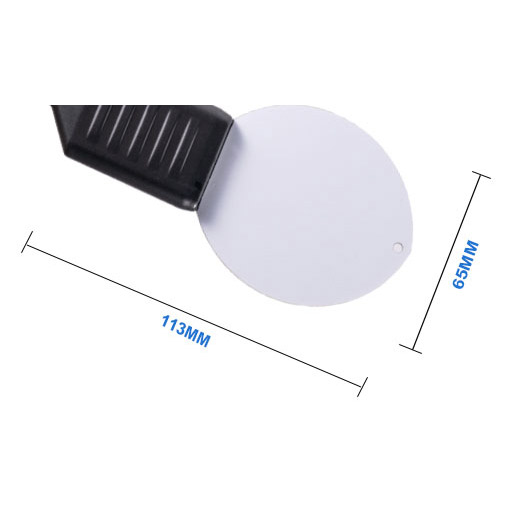
NBL-W-LM The leaf wetness sensor can accurately measure the leaf surface humidity, Explore how the NiuBoL Leaf Temperature and Humidity Sensor, through its biomimetic leaf design, enables comprehensive support for crop pest and disease early warning, precision irrigation, and scientific research monitoring. This article provides an in-depth analysis of its working principles, core advantages, and application scenarios in smart agriculture, helping agricultural producers achie···
Tel/WhatsApp:+8615367865107
Email:Arvin@niubol.com +Nearly 100 partner companies in more than 75 countries. We are committed to providing high-quality, practical products to meet your needs and help you solve problems. Our products comply with international standards and are certified with ISO, CE and RoHS.Product Details
In the transition from traditional agriculture to smart agriculture, we often focus a great deal of attention on soil moisture, air temperature and humidity, or light intensity. However, for plants, the micro-environment most directly related to their growth status and pathological changes often occurs on the leaf surface—the "leaf microclimate."
Leaf Wetness Duration (LWD) is a key factor determining whether pathogens (such as fungal spore germination or bacterial infection) can successfully invade plant tissues. The NiuBoL leaf temperature and humidity sensor was developed precisely to fill this monitoring gap. It is not only a precision instrument but also an "electronic doctor" for crop health, providing core data support for precision agriculture by sensing subtle changes on the leaf surface in real time.
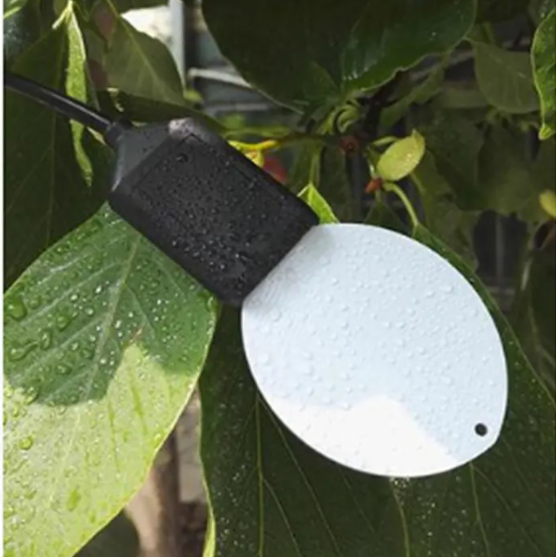
Biomimetic Leaf Design: Restoring the Real Environment
The NiuBoL leaf temperature and humidity sensor features a unique biomimetic leaf shape in its exterior design. This design is not merely for aesthetics but to simulate the fluid dynamics characteristics and thermal capacity of real leaves. When morning dew condenses or rainfall occurs, the moisture retention state on the sensor surface remains highly consistent with that of actual crop leaves, ensuring the representativeness of the monitoring data.
The sensor detects the presence of water or ice crystals by sensing changes in the dielectric constant of the medium on its surface:
High-sensitivity detection: Capable of capturing trace amounts of moisture or even tiny ice crystal residues that are difficult to detect with the naked eye.
Multi-dimensional monitoring: Combined with integrated temperature detection, the sensor can intelligently distinguish whether the current covering is liquid water or solid ice. This is of crucial importance for frost prevention monitoring in northern regions.
The NiuBoL sensor uses rugged, weather-resistant aging encapsulation materials, allowing long-term exposure to intense sunlight, heavy rain, or low temperatures without degradation. Its low-power design (standby only 72 mW) supports long-term uninterrupted monitoring in remote fields using solar power systems, solving the challenge of power supply in the wild.
When selecting agricultural sensors, parameter stability and communication convenience are core considerations. The following are the technical specifications of the NiuBoL NBL-W-LM model:
| Parameter | Specification |
|---|---|
| Power Supply Voltage | DC 12V-24V |
| Communication Interface | Standard RS485 bus (Modbus protocol), supports protocol customization |
| Power Consumption Control | Peak 120 mW, standby 72 mW |
| Temperature Range and Accuracy | -40 to 80 ℃, error within ±0.5 ℃ |
| Humidity Range and Accuracy | 0–100% RH, accuracy ±5% RH |
| Baud Rate | 9600 bps |
Most fungal and bacterial diseases (such as downy mildew and powdery mildew) require leaves to remain wet for several hours to outbreak. With the NiuBoL sensor, farmers can set alarm thresholds:
When leaf wetness duration exceeds the critical danger point, the system automatically sends warnings.
Preventive spraying before pathogens complete infection, shifting from "treatment" to "prevention," significantly reducing pesticide usage.
The utilization rate of pesticides and foliar fertilizers largely depends on the leaf surface state during spraying.
Avoid waste: If the sensor detects that the leaf surface is already saturated with moisture, spraying at this time will cause liquid runoff.
Enhance efficacy: Monitor leaf moisture evaporation rate to select the optimal application window, extending agent retention time on leaves and improving absorption efficiency.
In winter and spring seasons, the temperature detection function can monitor real-time ice crystal formation on leaf surfaces. This plays an irreplaceable role in frost disaster reduction for tea gardens, orchards, and other cash crops. Meanwhile, researchers use NiuBoL sensor data to study plant physiological metabolism patterns under different day-night temperature differences, providing a data foundation for variety improvement.
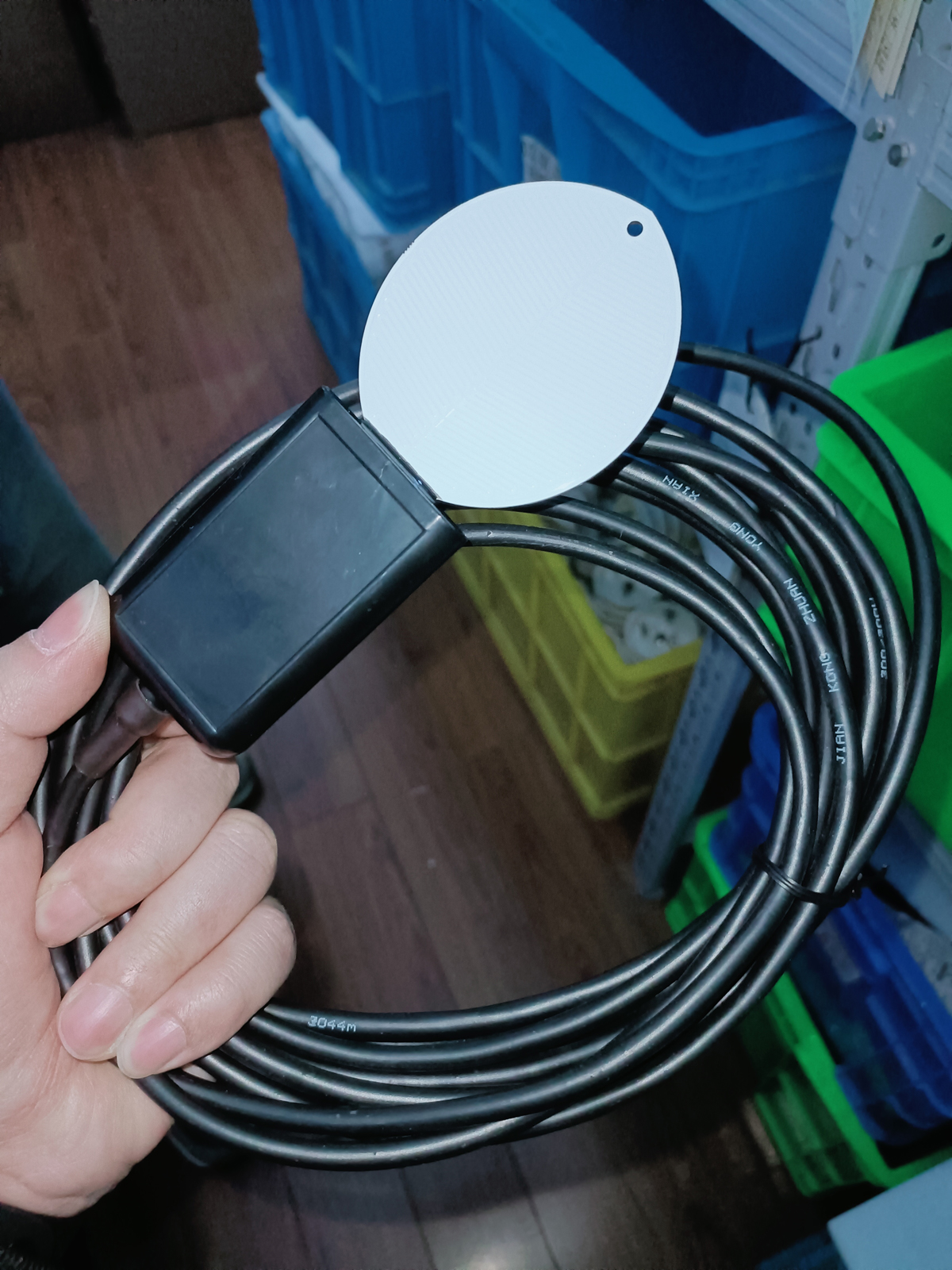
In the field of environmental monitoring equipment, NiuBoL consistently adheres to the product development orientation of "precision, stability, and ease of use."
1. High-Precision Simulation: Compared to simple humidity probes, NiuBoL's leaf shape better aligns with plant physiological characteristics, making data more valuable for reference.
2. Easy Installation and Deployment: The device is compact and lightweight, suitable for vertical hanging in greenhouse sheds or mounting on weather station brackets or masts, with strong adaptability.
3. Digital Integration Capability: Comprehensive RS485 communication solution makes the process from field to cloud simple and direct, easily integrable with various agricultural IoT platforms.
4. Full Environment Support: Operating temperature tolerance from -40 to 85 ℃, stable performance in harsh northern winters or hot southern summers.
It is recommended to install it in the middle-upper part of the crop canopy, where it is most affected by the environment. For monitoring specific diseases, install it at the height of high-incidence leaf layers and maintain a similar tilt angle to surrounding leaves to simulate real water reception states.
The NiuBoL sensor has a built-in temperature monitoring module. When a change in dielectric constant is detected (presence of covering) and the temperature is below 0 ℃, the system determines it as ice crystal residue; otherwise, it is moisture.
To maintain high sensitivity, regularly check the sensor surface for bird droppings, heavy dust accumulation, or spider webs. Simply wipe the surface gently with a soft damp cloth.
Under standard industrial shielded twisted pair cable, RS485 theoretical transmission distance reaches 1200 meters. For large-scale farm deployments, add repeaters at intervals or connect to wireless collection terminals.
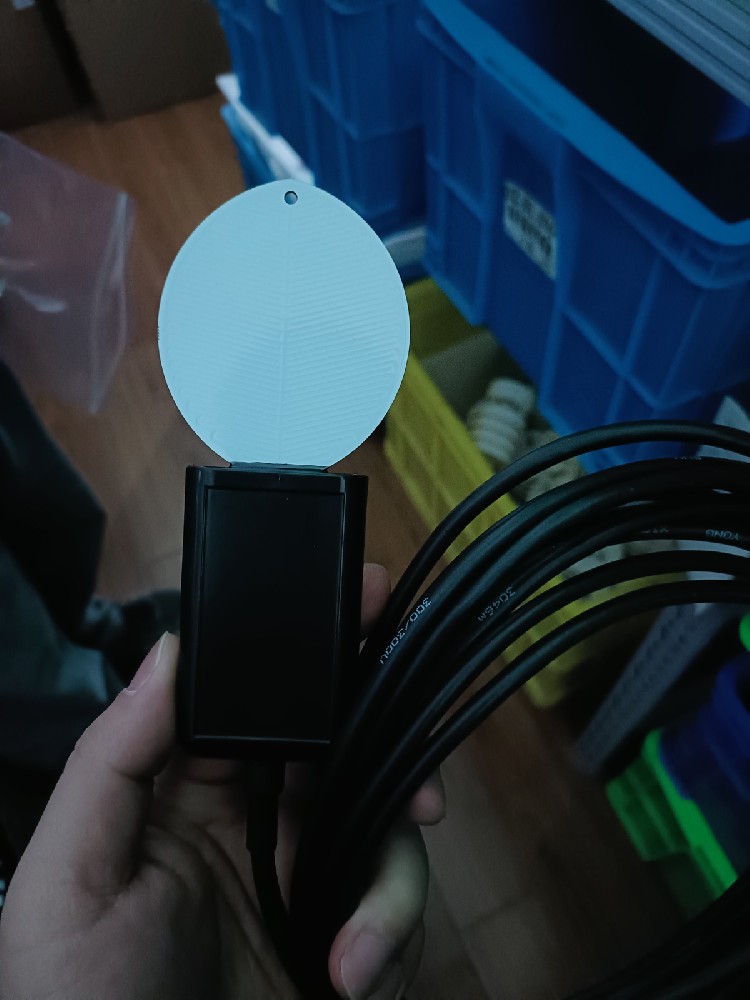
The digital wave is reshaping every aspect of agricultural production. The NiuBoL leaf temperature and humidity sensor transforms experience-dependent planting management into data-dependent precision decision-making by accurately capturing the "leaf micro-environment."
Whether to reduce pesticide use for green production or to protect crop yields from disease and frost disasters, introducing a professional leaf monitoring system is a key step toward modern agriculture. NiuBoL will continue to provide smarter and more reliable sensing solutions, helping global agriculture achieve sustainable development.
You can consult the NiuBoL team for more customized solutions and technical manuals on leaf monitoring.
NBL-W-LM Leaf wetness sensor data sheet
 NBL-W-LM-Leaf-Temperature-and-Humidity-Sensor-Instruction-Manual.pdf
Prev:NBL-W-PPT Photovoltaic Module Temperature Sensor
Next:no more
Sensors & Weather Stations Catalog
Agriculture Sensors and Weather Stations Catalog-NiuBoL.pdf
Weather Stations Catalog-NiuBoL.pdf
Agriculture Sensors Catalog-NiuBoL.pdf
Water Quality Sensor Catalog-NiuBoL.pdf
Related recommendations
 Three-in-One Temperature, Humidity, and Atmospheric Pressure Sensor
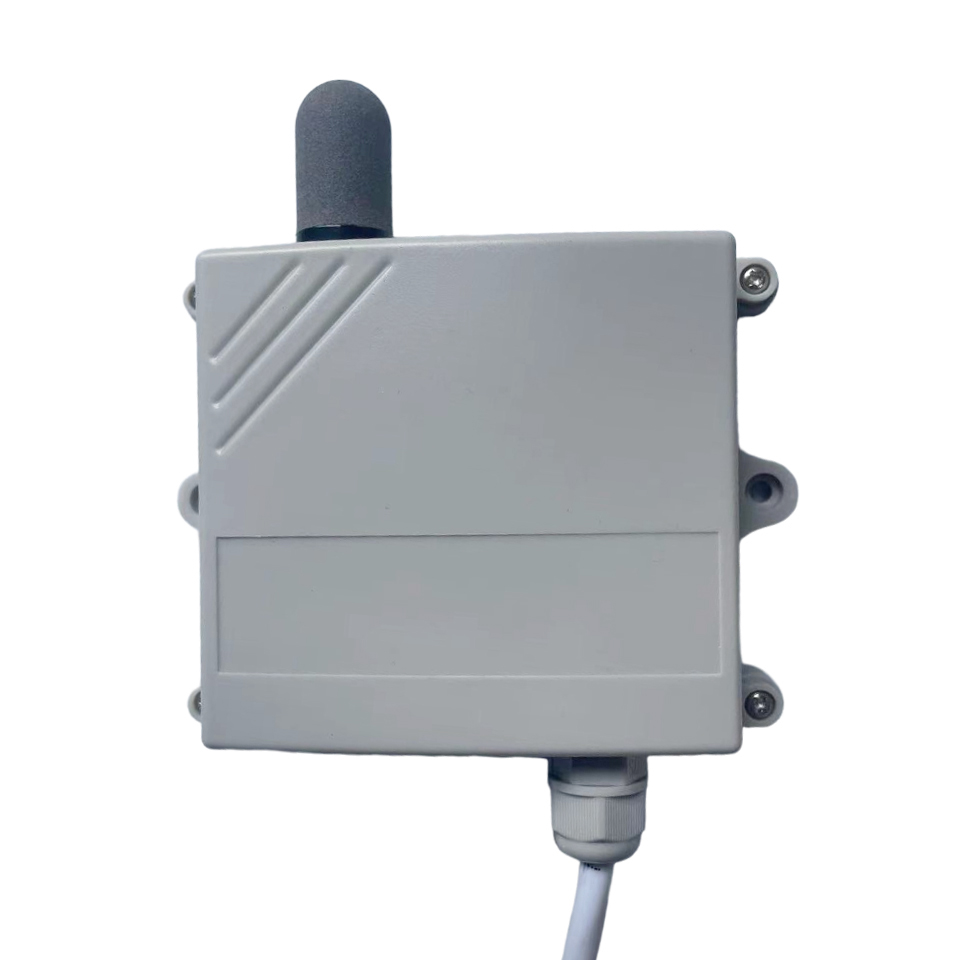 NBL-W-WTH Wall-Mounted High-Precision Temperature and Humidity Sensor
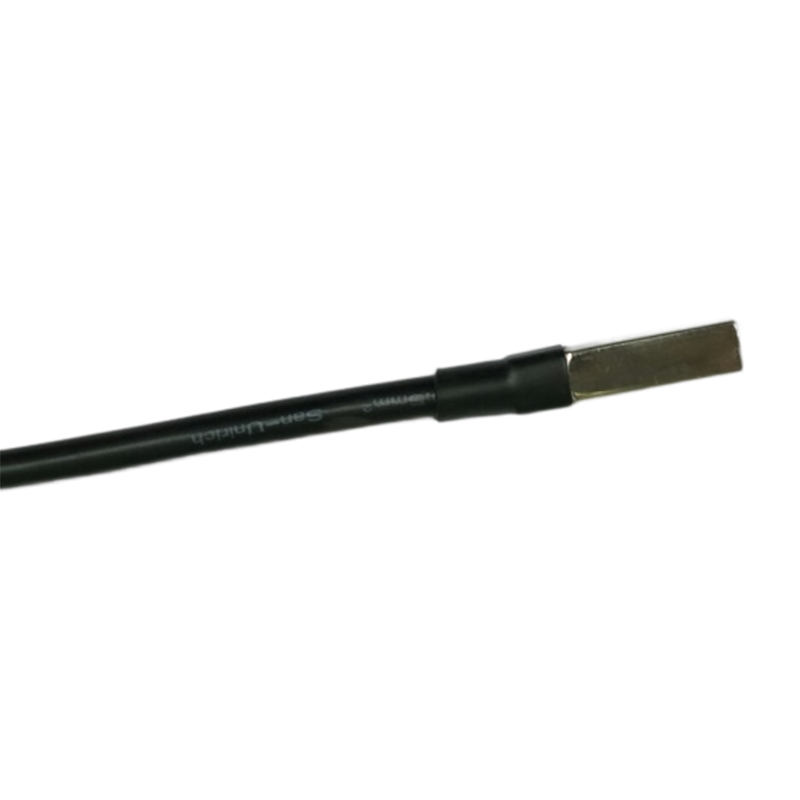 NBL-W-PPT Photovoltaic Module Temperature Sensor
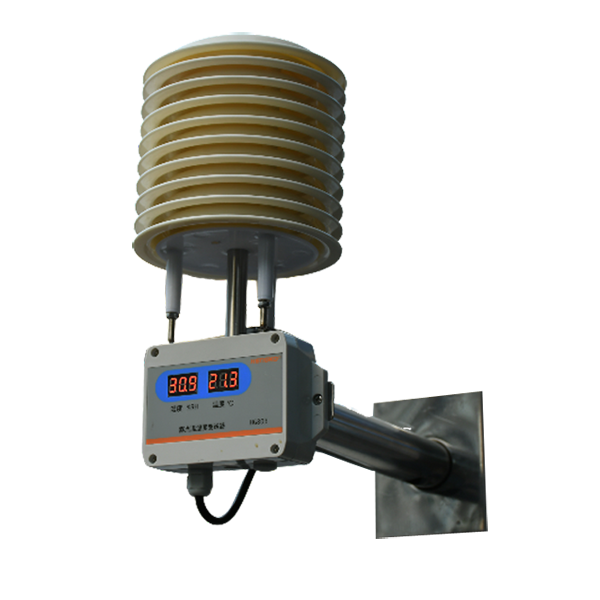 High-precision Temperature and humidity sensor with display
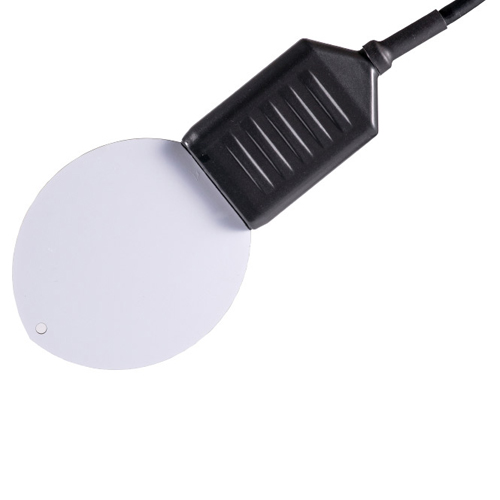 Leaf Temperature and Humidity Sensor For Smart Agriculture

Screenshot, WhatsApp to identify the QR code
WhatsApp number:+8615367865107
(Click on WhatsApp to copy and add friends)

