





— Products —
 Consumer hotline +8618073152920
 WhatsApp:+8615367865107
Address:Room 102, District D, Houhu Industrial Park, Yuelu District, Changsha City, Hunan Province, China
Temp & Humidity Sensors
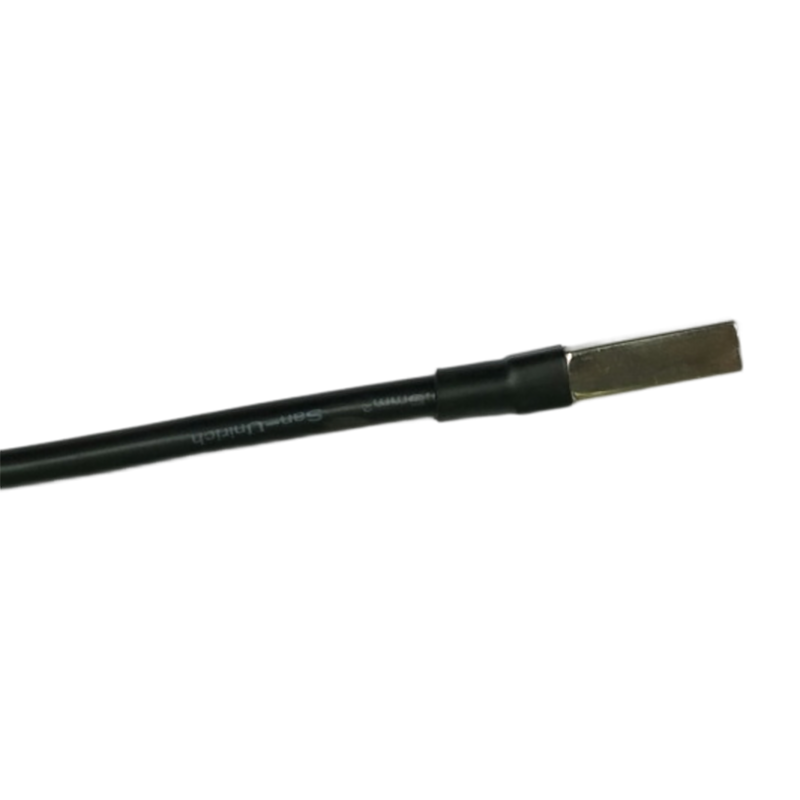
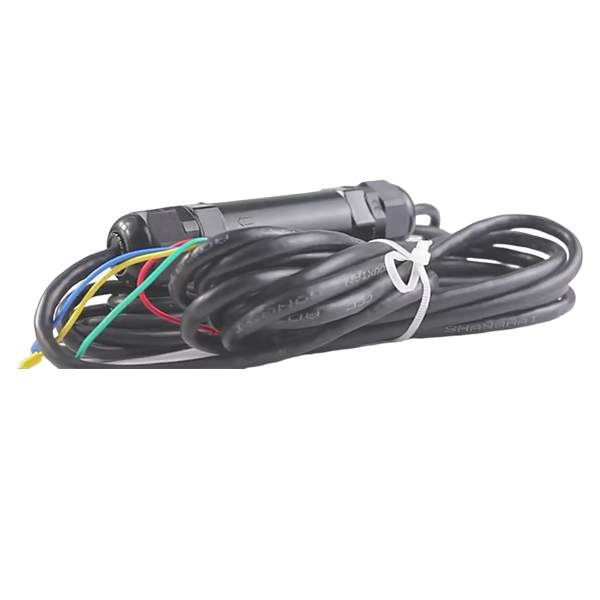
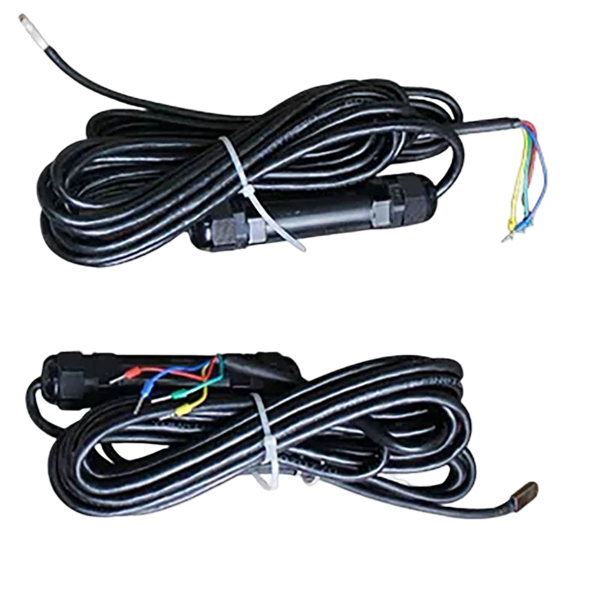
NBL-W-PPT PV Module Temperature Sensor is a temperature monitoring device specifically designed for photovoltaic power stations and other applications. This article details its critical role in improving power generation efficiency of photovoltaic power stations, preventing hot spot effects, and enabling intelligent operations and maintenance. It covers multiple signal outputs such as RS485 and 4-20mA, along with a simple installation guide, helping photovoltaic systems achie···
Tel/WhatsApp:+8615367865107
Email:Arvin@niubol.com +Nearly 100 partner companies in more than 75 countries. We are committed to providing high-quality, practical products to meet your needs and help you solve problems. Our products comply with international standards and are certified with ISO, CE and RoHS.Product Details
Overcoming the Temperature Efficiency Bottleneck: A Key Step in Photovoltaic Power Station Digitization
In the field of photovoltaic power generation, temperature is one of the most active and destructive variables affecting energy conversion efficiency. According to physical characteristics, the power output of crystalline silicon photovoltaic modules is negatively correlated with their surface temperature— for every 1°C increase in module temperature, the output power decreases by approximately 0.4%–0.5%.
This means that without real-time and accurate monitoring of the actual operating temperature of the modules, the operations and maintenance team of the power station will be in an "information blind spot," unable to effectively assess system losses or promptly detect potential faults. The NiuBoL NBL-W-PPT photovoltaic module temperature sensor is a professional-grade monitoring device designed precisely to address this pain point. It provides real-time and reliable data support for power stations through high-precision backplate contact measurement.
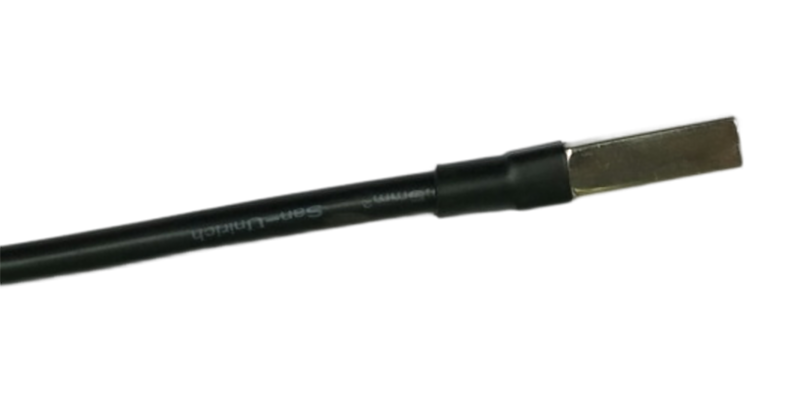
High-Precision Sensing Element: Accurately Capturing Subtle Fluctuations of 0.5°C
The NBL-W-PPT employs a high-stability thermistor as its core sensing element. In an ultra-wide operating range of -50 to 100°C, its measurement accuracy reaches ±0.5°C. This high sensitivity is crucial for research-grade testing and refined operations of large-scale power stations.
To meet the needs of different SCADA systems and PLC controls, NiuBoL has integrated advanced circuit modules into this sensor, supporting multiple signal formats:
Digital signal: RS485 (Modbus-RTU protocol), suitable for long-distance transmission and digital integration.
Analog current: 4–20mA, with extremely strong anti-interference capability, ideal for complex industrial electromagnetic environments.
Analog voltage: 0–2.5V or 0–5V, compatible with low-power acquisition systems.
Photovoltaic power stations are typically deployed in extreme environments, such as high-altitude areas, deserts, or coastal salt fog zones. The NBL-W-PPT features 0–100% RH humidity adaptability, with its housing and cables treated for UV resistance and aging resistance, ensuring long-term stable operation under harsh outdoor conditions without signal drift.
For the convenience of system integrators, the key technical specifications of the NBL-W-PPT are listed below.
| Parameter | Specification |
|---|---|
| Measurement Range | Standard -50°C to 100°C (optional -20°C to 50°C) |
| Measurement Accuracy | ±0.5°C |
| Power Supply Voltage | DC 5V / 12V / 24V (wide voltage adaptation) |
| Signal Output | RS485 / 4–20mA / 0–2.5V / 0–5V |
| Cable Length | Standard 5 meters (customizable) |
| Load Capacity | Voltage type RL ≥ 1KΩ; Current type RL ≤ 250Ω |
| Overall Power Consumption | Only 0.15W, compliant with green power station low-power standards |
| Probe Weight | 125g, lightweight design without adding mechanical burden to modules |
Using real-time data obtained from the NiuBoL sensor, station managers can calculate the actual maximum output power of modules at the current temperature. Combined with irradiance data, they can accurately determine if the station has abnormal power drops, thereby optimizing power allocation and grid connection strategies.
Abnormal temperature rises in modules are often signals of physical damage, junction box failures, or surface shading. Real-time monitoring with the NBL-W-PPT helps operations personnel detect anomalies before severe meltdown (hot spot phenomenon) occurs, reducing fire risks and extending module lifespan.
Temperature data can serve as a decision indicator for "when to clean panels" or "whether to enhance ventilation." In extreme high-temperature seasons, monitoring results can evaluate whether to activate active cooling systems to achieve higher generation.
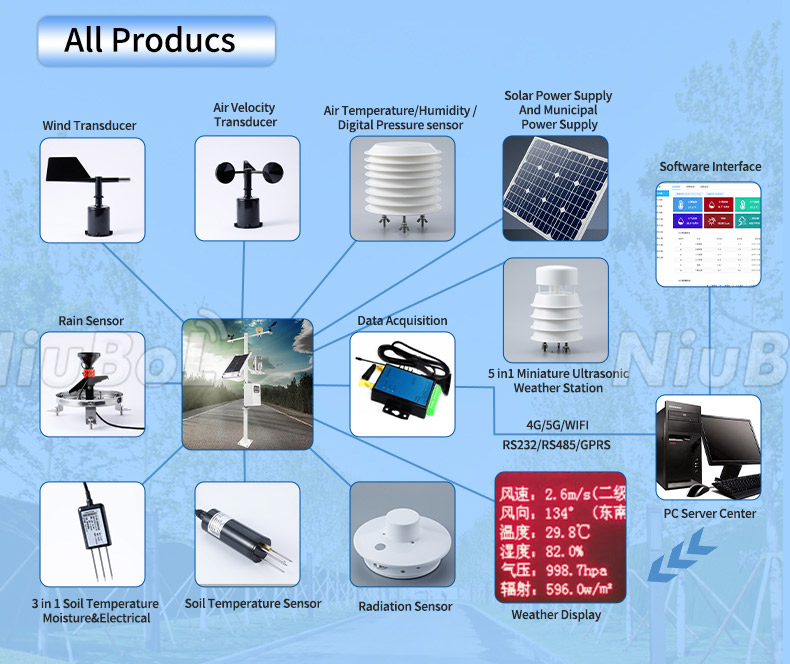
In modern smart power station digital platforms, temperature is a core dimension of the IoT network. The RS485 communication protocol allows NiuBoL sensors to easily integrate into cloud systems, enabling unattended automated monitoring.
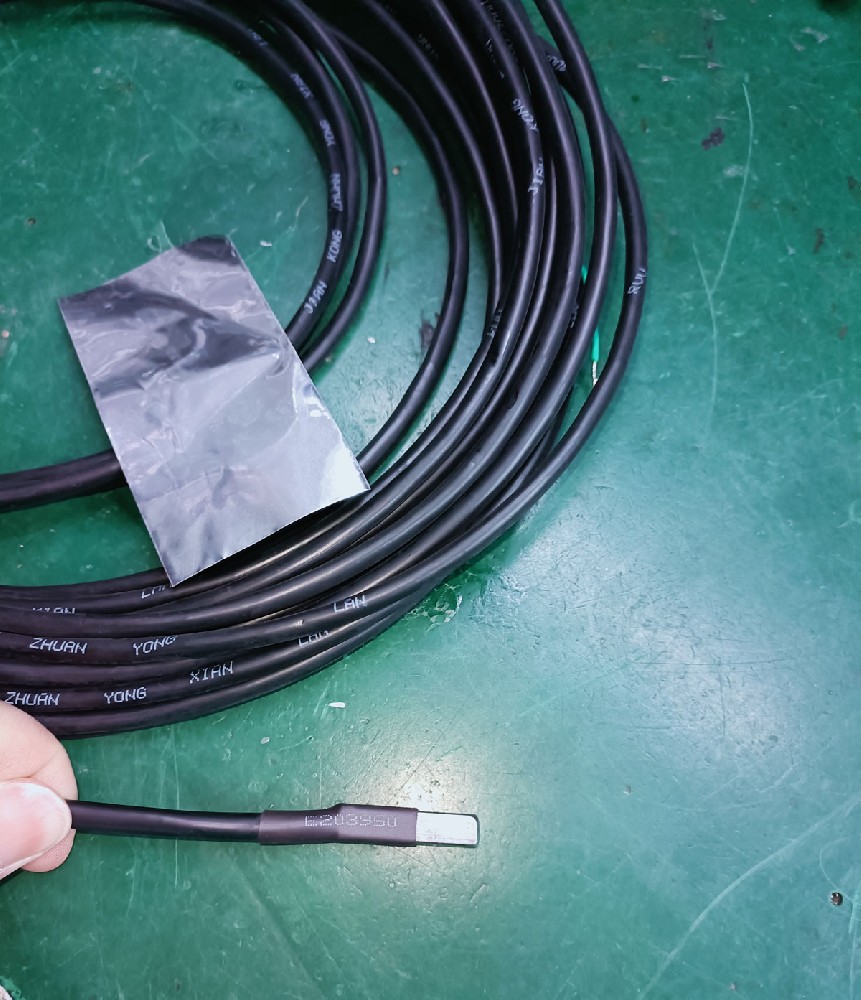
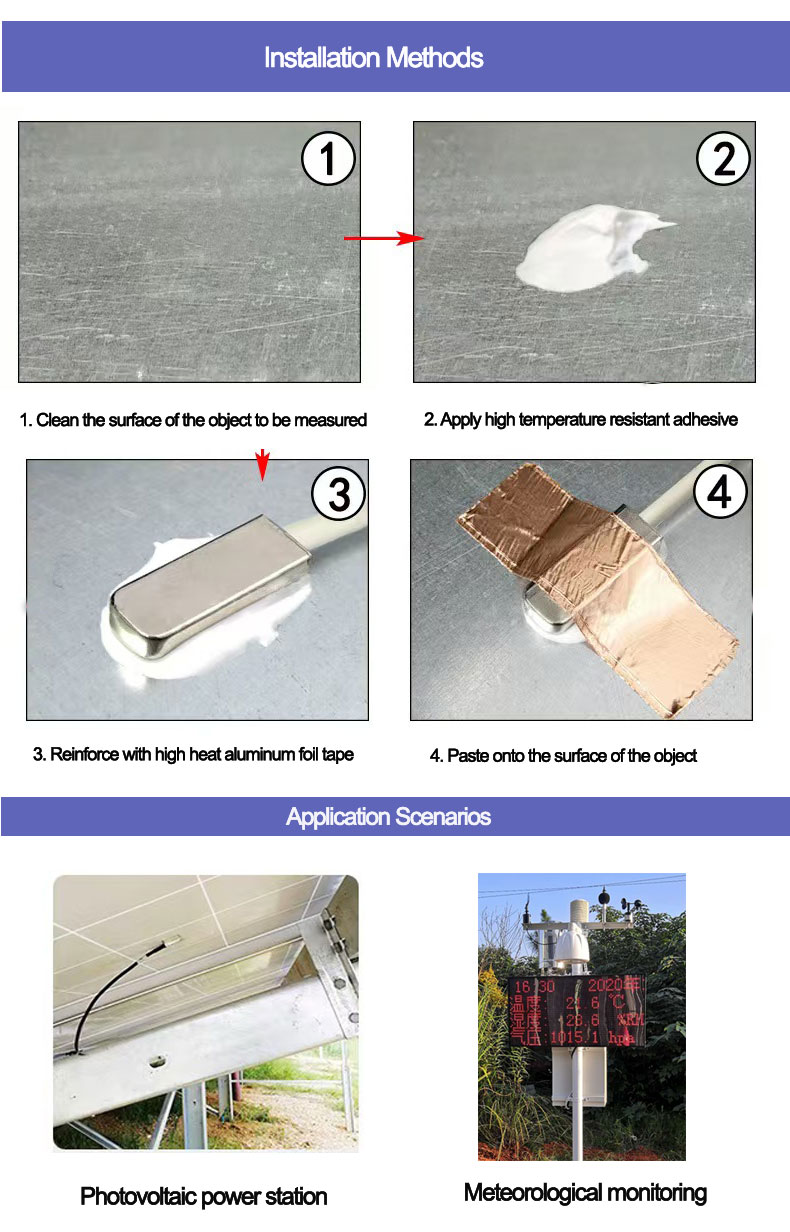
The installation process of the NBL-W-PPT emphasizes "thermal conduction efficiency" and "connection stability." The specific steps are as follows:
1. Determine Position: Select the center of the photovoltaic module backplate, avoiding bracket shading.
2. Clean and Apply: Apply the included special thermal conductive silicone grease at the selected position (recommended coverage area about 22×12mm). Thermal silicone grease is key to ensuring heat transfer from the backplate to the probe.
3. Attach and Fix: Attach the sensor to the silicone area, gently press and hold for 5–10 minutes. Ensure no air gaps between the sensor and backplate.
4. Cable Management: Fix the 5-meter shielded cable along the bracket direction to prevent damage from strong winds or loose connections.
Centralized desert power stations: Monitor efficiency degradation in high-temperature environments and optimize maintenance cycles.
Distributed rooftop photovoltaics: Provide intuitive operational health reports for residential and commercial users.
Meteorological and environmental monitoring: Combine ambient temperature and module temperature to study photothermal conversion characteristics under different climate conditions.
Research laboratories: Provide high-precision thermodynamic validation data during new material battery development.
Marine and coastal photovoltaics: Reliable operation in humid, high-salt fog environments thanks to high anti-interference capability.
A: Under illumination, the backplate temperature of photovoltaic modules is typically 20°C to 30°C higher than the ambient air temperature. Only direct monitoring of module temperature can truly reflect the physical state and efficiency loss of the cells.
A: The thermal silicone grease included with NiuBoL has extremely high chemical stability and weather resistance. It is recommended to observe during annual routine inspections whether the sensor is loose; if loosened due to physical external forces, reapply and fix.
A: Based on the RS485 bus and Modbus protocol, theoretically up to 32 (or more with repeaters) NiuBoL sensors can be connected to one bus network, making it very suitable for distributed monitoring in large-scale arrays.
A: It is recommended to measure backplate temperature. Direct installation on the front side would cause shading (shadow effect), severely affecting power generation and potentially triggering hot spots. Backplate temperature has a very strong correlation with front-side temperature and is the industry standard measurement method.
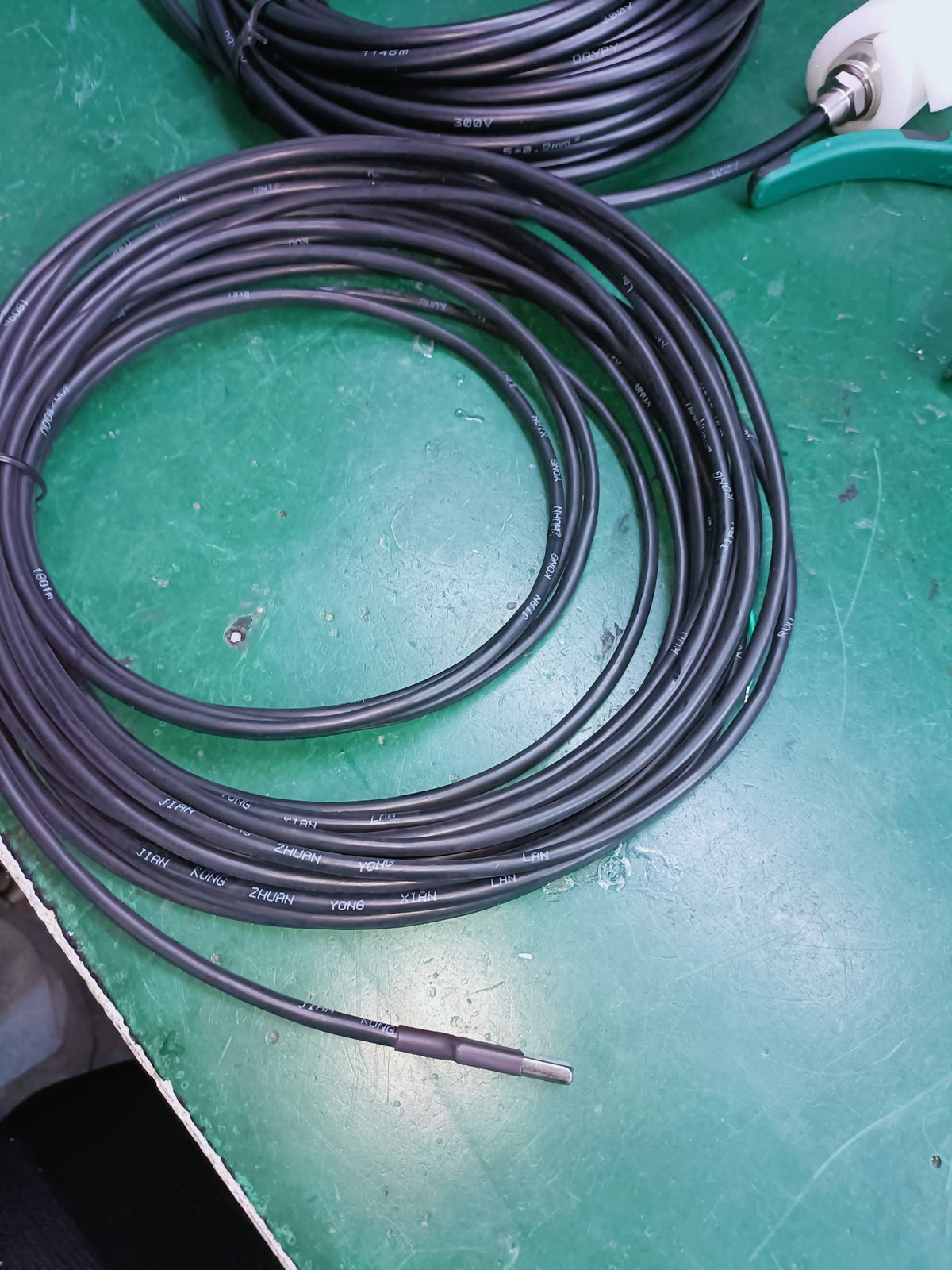
The NiuBoL NBL-W-PPT photovoltaic module temperature sensor is not just a thermometer; it is the tentacle of digital operations and maintenance for photovoltaic systems. In today's pursuit of grid parity and quality improvement of existing assets, every incremental kilowatt-hour depends on extreme control of the operating environment. Through high-precision measurement, stable industrial-grade output, and simple deployment solutions, NiuBoL helps global photovoltaic power stations transition from "extensive operation" to "intelligent management."
If you are looking for reliable photovoltaic environmental monitoring solutions, please contact the NiuBoL team for more technical support and bulk customization advice.
Prev:High-precision Temperature and humidity sensor with display
Next:Leaf Temperature and Humidity Sensor For Smart Agriculture
Sensors & Weather Stations Catalog
 Agriculture Sensors and Weather Stations Catalog-NiuBoL.pdf
Weather Stations Catalog-NiuBoL.pdf
Agriculture Sensors Catalog-NiuBoL.pdf
Water Quality Sensor Catalog-NiuBoL.pdf
Related recommendations
 Three-in-One Temperature, Humidity, and Atmospheric Pressure Sensor
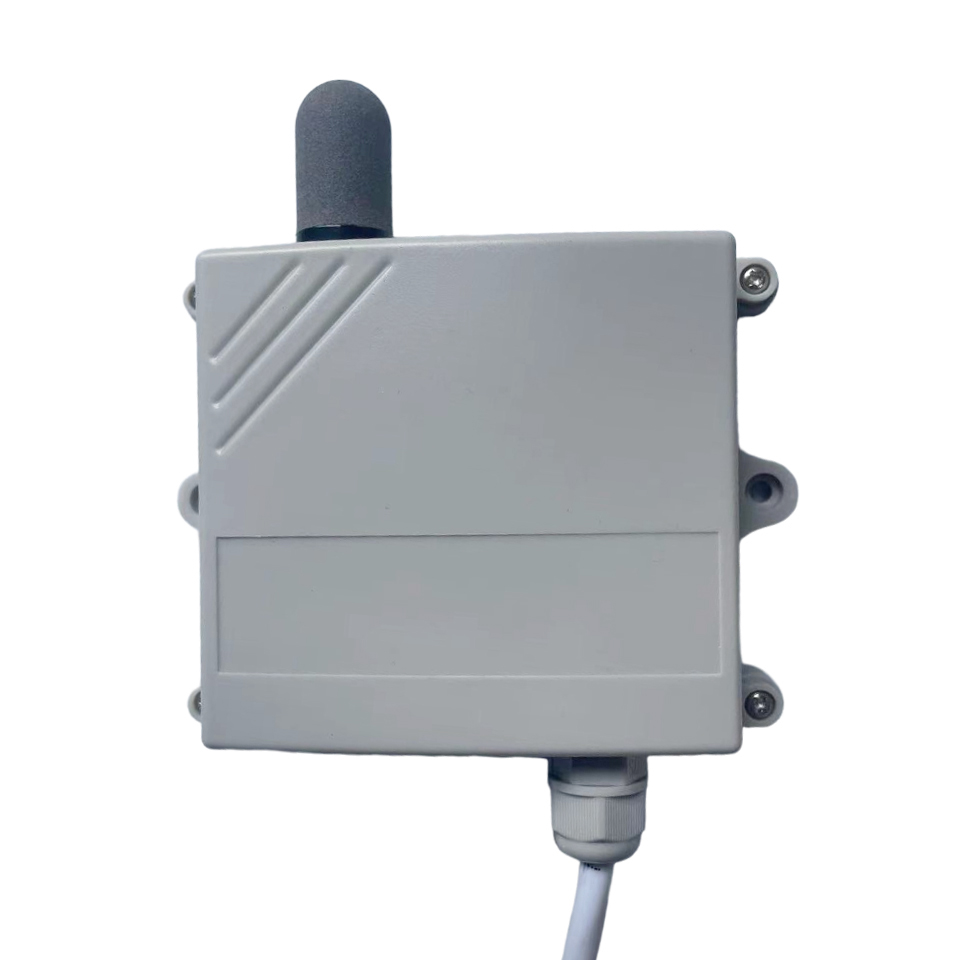 NBL-W-WTH Wall-Mounted High-Precision Temperature and Humidity Sensor
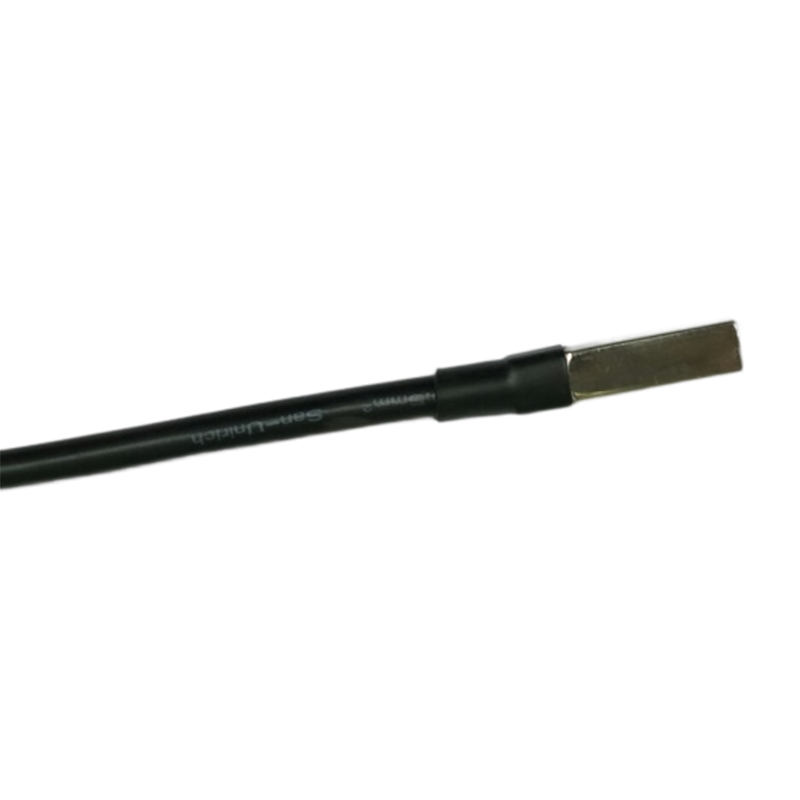 NBL-W-PPT Photovoltaic Module Temperature Sensor
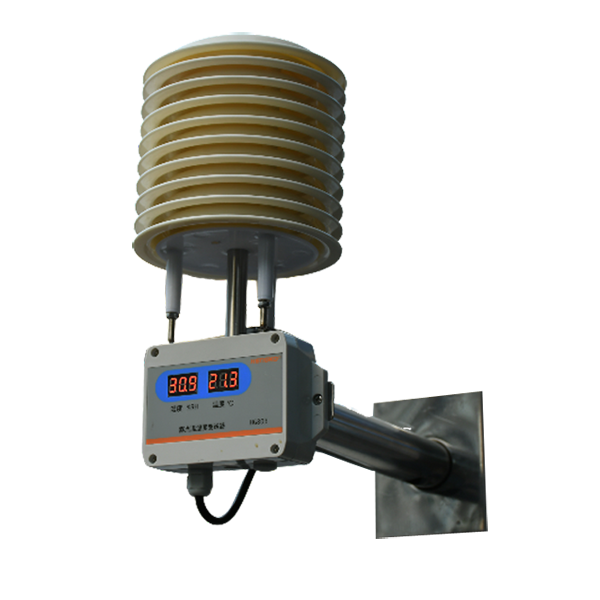 High-precision Temperature and humidity sensor with display
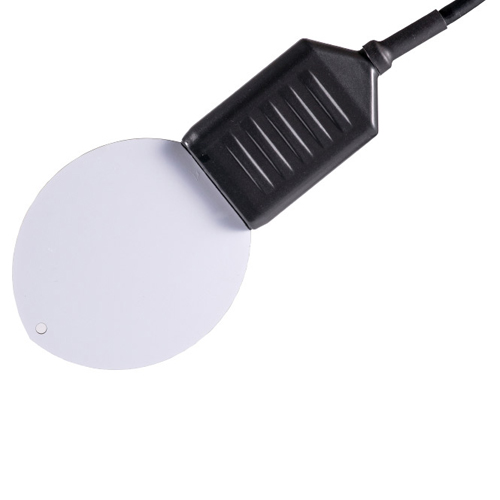 Leaf Temperature and Humidity Sensor For Smart Agriculture

Screenshot, WhatsApp to identify the QR code
WhatsApp number:+8615367865107
(Click on WhatsApp to copy and add friends)

