





— Products —
 Consumer hotline +8618073152920
WhatsApp:+8615367865107
Address:Room 102, District D, Houhu Industrial Park, Yuelu District, Changsha City, Hunan Province, China
Rain Gauge Sensors
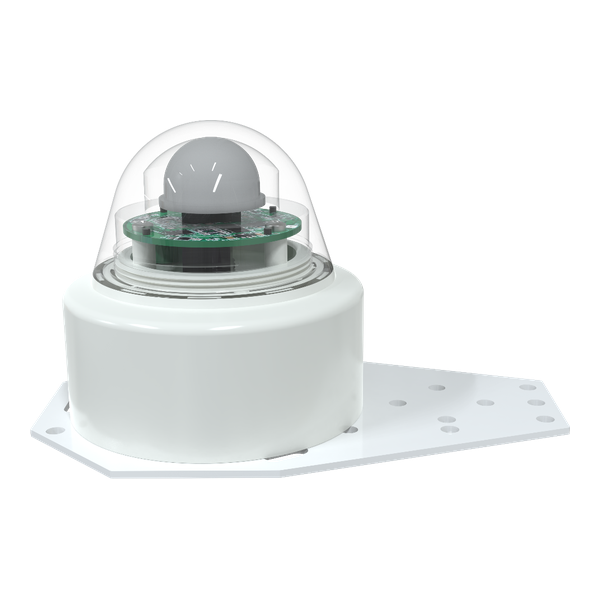
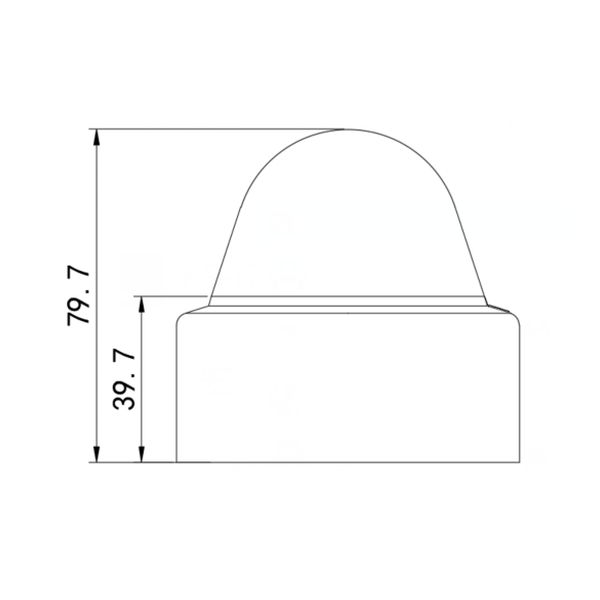
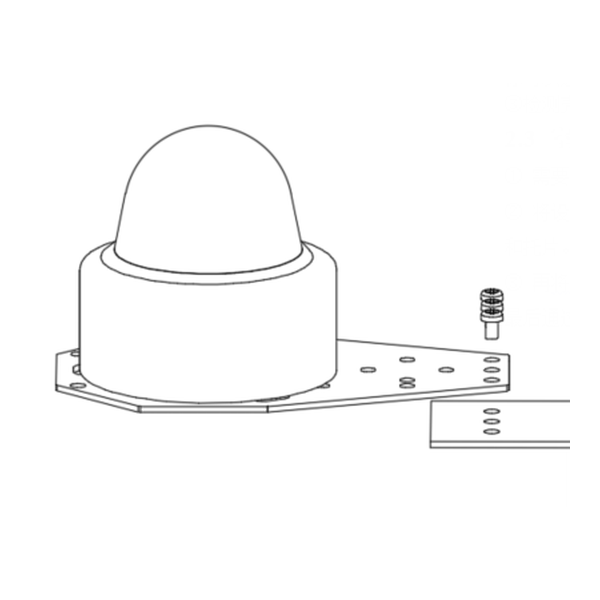
NiuBoL NBL-W-ORG optical rain gauge with 0.1 mm rain resolution, 0–200,000 lux illuminance and RS485 Modbus RTU for weather stations and irrigation.
Tel/WhatsApp:+8615367865107
Email:Arvin@niubol.com +Nearly 100 partner companies in more than 75 countries. We are committed to providing high-quality, practical products to meet your needs and help you solve problems. Our products comply with international standards and are certified with ISO, CE and RoHS.Product Details
The NiuBoL NBL-W-ORG Optical Rain Gauge and Illuminance Sensor combines accumulated rainfall and ambient illuminance in one RS485 Modbus RTU transmitter. It suits automatic weather stations, irrigation monitoring and other installations that need rain and daylight measurements at the same point. The combined ORGIL configuration reports rainfall in millimetres and illuminance in lux.
The optical rain gauge detects drops with multiple optical probes beneath the dome. The illuminance channel uses a separate photosensor. One power supply and one RS485 connection serve both channels, which simplifies wiring and polling at compact stations.
| Parameter | Specification |
|---|---|
| Model | NBL-W-ORG |
| Rain sensing diameter | 60 mm |
| Rainfall resolution | 0.1 mm (standard) |
| Typical rainfall accuracy | ±5% |
| Maximum instantaneous rainfall rate | 24 mm/min |
| Illuminance range | 0–200,000 lux |
| Illuminance resolution | 1 lux |
| Typical illuminance accuracy | ±7% at 25°C |
| Long-term illuminance stability | ≤5% per year |
| Supply voltage | 9–30 V DC |
| Power consumption | Below 0.24 W |
| Output | RS485, Modbus RTU |
| Transmitter component temperature and humidity limits | −40 to +80°C, 0–95% RH, non-condensing |
| Operating pressure | Standard atmospheric pressure ±10% |
Typical accuracy values are from the test conditions described in the product manual, version 1.1. The rainfall rate limit describes instantaneous rain, while the Modbus rainfall register reports accumulation. The documented register map provides no separate instantaneous rain-rate reading.
| Wire colour | Connection |
|---|---|
| Brown | DC supply positive, 9–30 V DC |
| Black | DC supply negative |
| Yellow | RS485 A |
| Blue | RS485 B |
The factory serial setting is 9600 bit/s, 8 data bits, no parity and 1 stop bit (8N1). The default device address is 1. Supported baud rates are 2400, 4800 and 9600 bit/s. For shared RS485 buses, configure a unique device address on each sensor before connecting the full network.
| Reading | Modbus address | Interpretation |
|---|---|---|
| Accumulated rainfall | 0x0000 (40001) | Read one register with function 0x03. Divide the raw value by 10 to obtain millimetres. |
| Illuminance | 0x0002–0x0003 (40003–40004) | Read two registers with function 0x03. Combine as one unsigned 32-bit value, high word first, in lux. |
| Illuminance, coarse scale | 0x0006 (40007) | Read one register with function 0x03. Multiply the raw value by 100 to obtain lux. |
For example, a raw rain value of 10 equals 1.0 mm. For a logger that uses zero-based offsets, start the full-resolution illuminance read at offset 2. A 16-bit value cannot represent the full 200,000 lux range at 1 lux resolution.
Modbus RTU reference frames for device address 1. These examples are from the NBL-W-ORG manual (V1.1). Actual response data and CRC vary with the readings.
01 03 00 00 00 01 84 0A. Example response 01 03 02 00 0A 38 43 represents 1.0 mm.01 03 00 02 00 02 65 CB. Example response 01 03 04 00 03 0D 40 0F 53 represents 200,000 lux.Rainfall logging after a restart. The transmitter clears the accumulated rainfall value at power-up and starts counting again. A logger that needs daily or event totals should retain its own history and handle a counter reset before calculating the next increment. The manual also documents a Modbus command for deliberate reset.
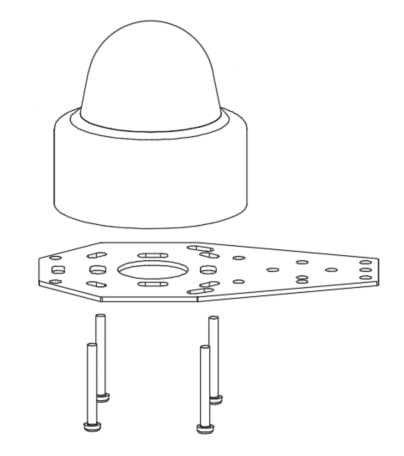
Wipe the dome with a soft cloth. The manual recommends monthly cleaning during long-term outdoor use and a cleaning interval no longer than three months. Sites with dust, pollen or salt deposits may require more frequent inspection. Use the instrument for monitoring and keep any emergency-stop or personnel-protection function on an independent safety system.
| Application | How the readings are used |
|---|---|
| Automatic weather station | Record rain accumulation and daylight conditions on the same logger and time base. |
| Smart irrigation | Combine rainfall totals with soil moisture records to review irrigation schedules. Use illuminance to compare daylight exposure between monitoring periods. |
| Mobile environmental monitoring | Use the compact mounting plate and one serial connection where installation space and cable routes are limited. |
| Greenhouse or building monitoring | Record outside rain and light conditions as inputs to supervisory controls. Provide separate protective devices for equipment or personnel. |
Projects that specify solar irradiance in W/m² or photosynthetically active radiation (PAR) require a separate instrument for that variable.
The manual distinguishes two configurations. ORG is the optical rainfall version. ORGIL adds the 0–200,000 lux illuminance channel. This page covers the combined ORGIL configuration in the NBL-W-ORG family. N01 identifies the RS485 output in the manual's ordering table.
For projects comparing optical, tipping-bucket and other precipitation instruments, see the rain gauge selection guide.
The transmitter detects drops optically beneath its dome. This design eliminates the mechanical tipping mechanism.
The ORGIL configuration covers 0–200,000 lux at 1 lux resolution. Use the two-register reading for the full range at that resolution.
Yes. The controller needs an RS485 port that supports Modbus RTU and a 9–30 V DC supply for the instrument. Its register map must support the rainfall scale factor and the 32-bit illuminance value.
The transmitter starts its accumulation from zero at power-up. For totals that span power cycles, store readings and handle resets in the logger.
It is the standard reported rainfall increment. The typical rainfall accuracy is ±5% under the manual's test conditions.
Check supply polarity and voltage, RS485 A/B wiring, device address, baud rate and 8N1 framing. On a shared bus, also check for duplicate addresses and verify the line termination design.
Mount the plate horizontally in an open location and keep the dome free of obstructions and deposits. The manual illustrates the mounting plate and the enclosure fixing points.
Select ORGIL for rainfall and illuminance. The ORG configuration supplies optical rainfall measurements.
Contact NiuBoL with your mounting location, required measurements and logger model for configuration and quotation support.
Prev:0.5mm Tipping Bucket Rain Gauge
Next:no more
Sensors & Weather Stations Catalog
 Agriculture Sensors and Weather Stations Catalog-NiuBoL.pdf
Weather Stations Catalog-NiuBoL.pdf
Agriculture Sensors Catalog-NiuBoL.pdf
Water Quality Sensor Catalog-NiuBoL.pdf
Related recommendations
NBL-W-ORG Optical Rain Gauge & Illuminance Sensor | RS485 Modbus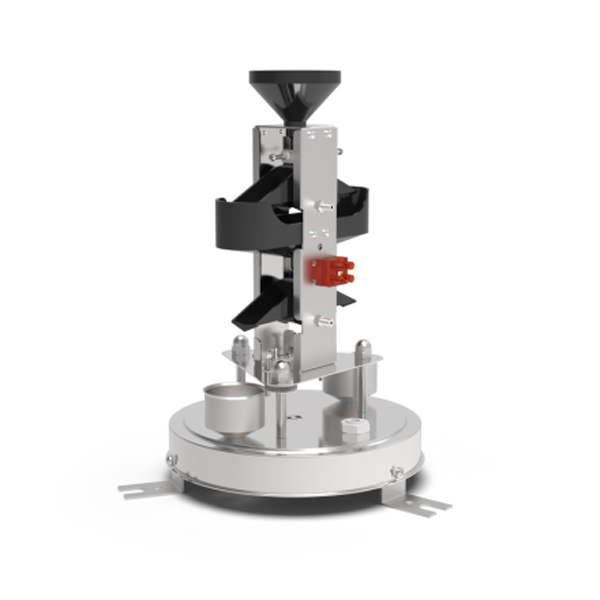 Double tipping bucket rain sensor 0.1mm output RS485
 Tipping bucket Rain gauge sensor for weather stations
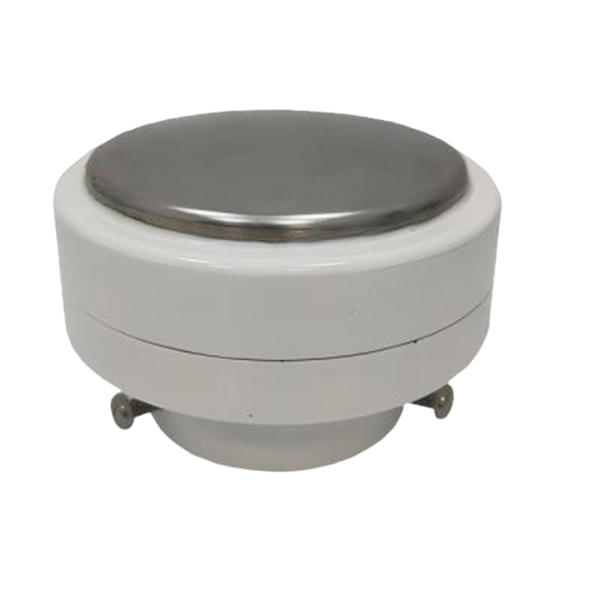 Piezoelectric Rain Gauge | RS485 Rainfall Sensor | NBL-W-PRS
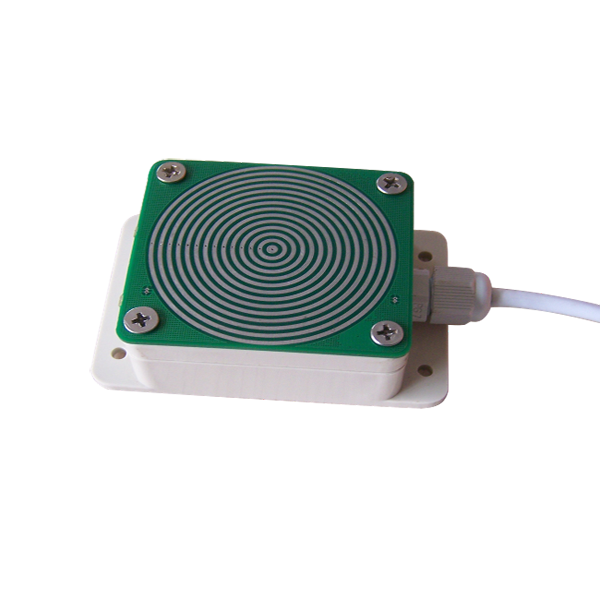 Rain and Snow Sensor with Automatic Heating
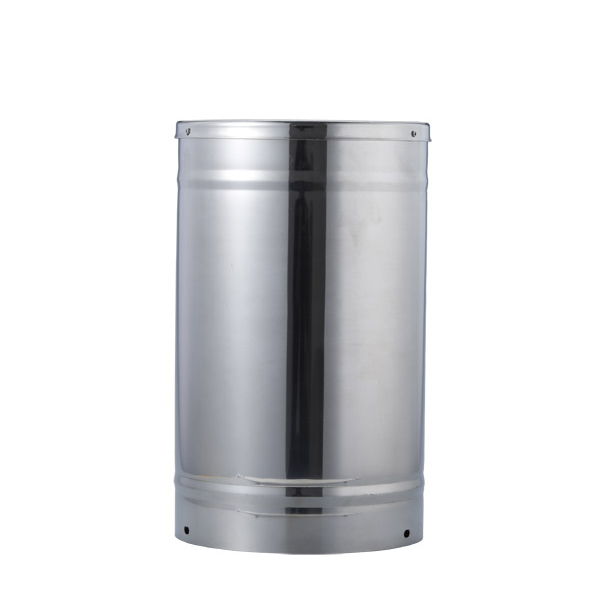 0.5mm Tipping Bucket Rain Gauge


Screenshot, WhatsApp to identify the QR code
WhatsApp number:+8615367865107
(Click on WhatsApp to copy and add friends)

