

— Download —
 Consumer hotline +8618073152920
 WhatsApp:+8615367865107
Address:Room 102, District D, Houhu Industrial Park, Yuelu District, Changsha City, Hunan Province, China
All products
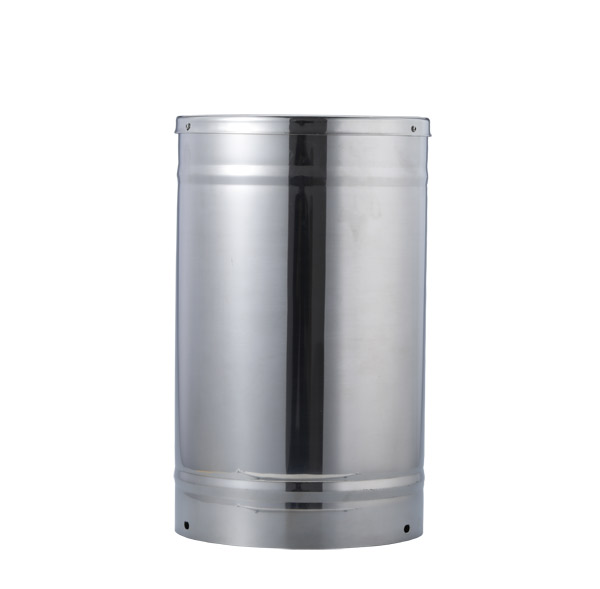
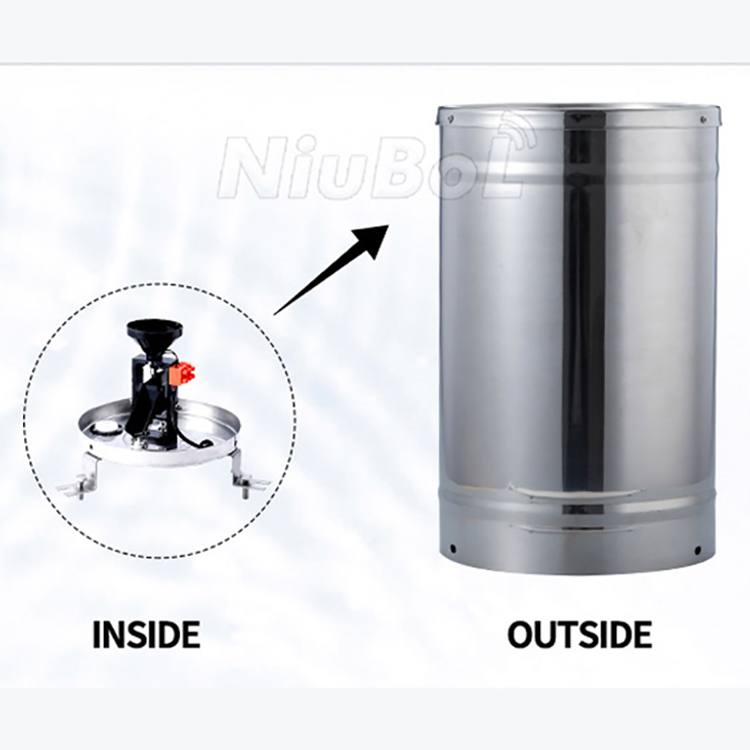
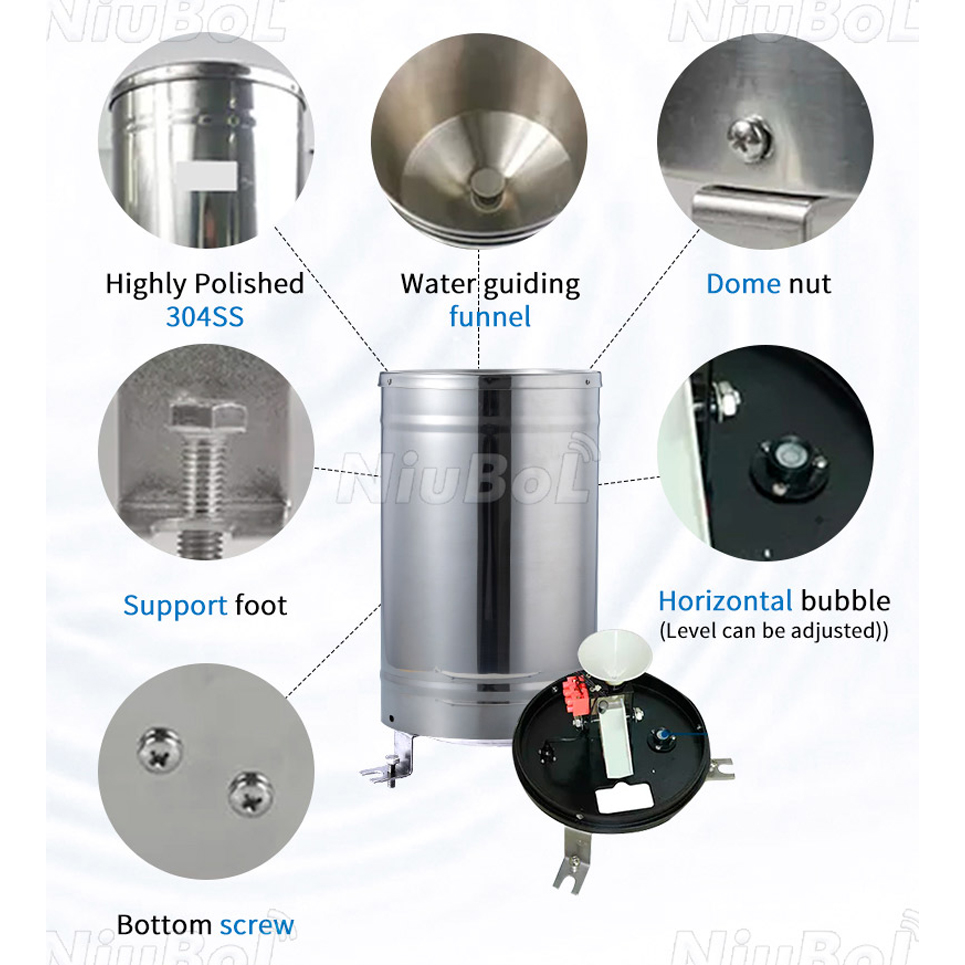
Automatic rain gauge is an instrument used to measure and record the amount of precipitation, which automatically monitors and records data on rainfall. This type of rain gauge is able to accurately measure the amount of precipitation without human intervention and transmit the data to a data center or other device for further analysis and utilization.Automated rain gauges typically use digital sensor technology to accurately measure the number and size of raindrops, and then···
Tel/WhatsApp:+8615367865107
Email:Arvin@niubol.com +Nearly 100 partner companies in more than 75 countries. We are committed to providing high-quality, practical products to meet your needs and help you solve problems. Our products comply with international standards and are certified with ISO, CE and RoHS.Product Details
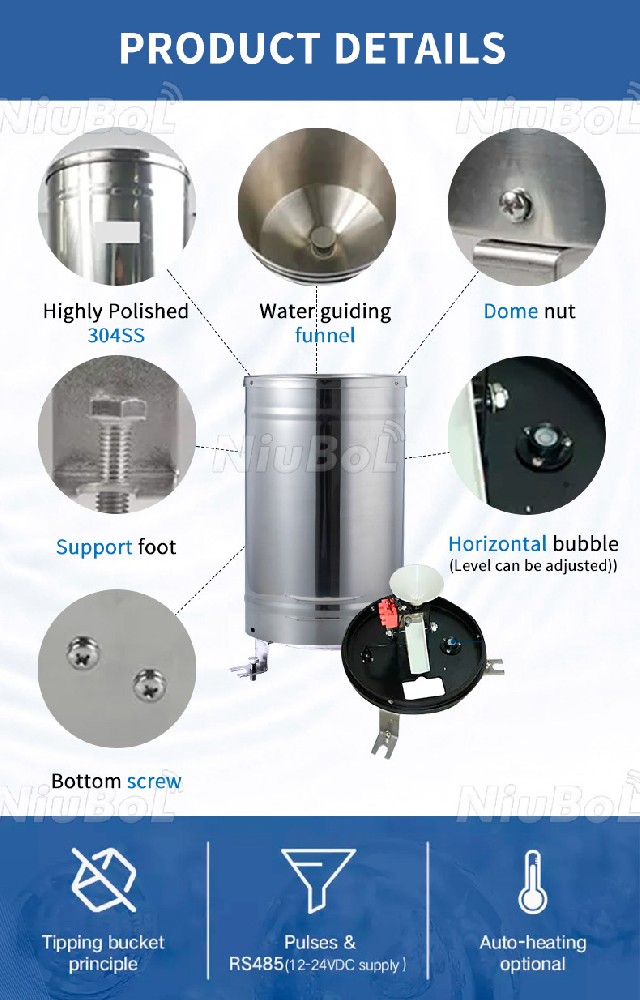
NiuBoL automatic rain gauge is a tipping bucket rainfall sensor designed for continuous measurement of liquid precipitation. Rainwater is collected through a calibrated funnel and directed into a tipping bucket mechanism. Each bucket tip represents a known amount of rainfall, allowing the sensor to calculate accumulated precipitation automatically.
The rain gauge can be configured with pulse/dry-contact output or RS485 Modbus RTU and integrated with automatic weather stations, PLCs, data loggers, IoT gateways and private monitoring platforms. It is suitable for meteorological monitoring, hydrology, agriculture, irrigation, flood monitoring and environmental projects.
For the NBL-W-RS tipping bucket rain gauge, the standard resolution is 0.2 mm, the precipitation intensity range is 0–4 mm/min, and the collector diameter is approximately 200 mm. Output and power options vary by configuration.
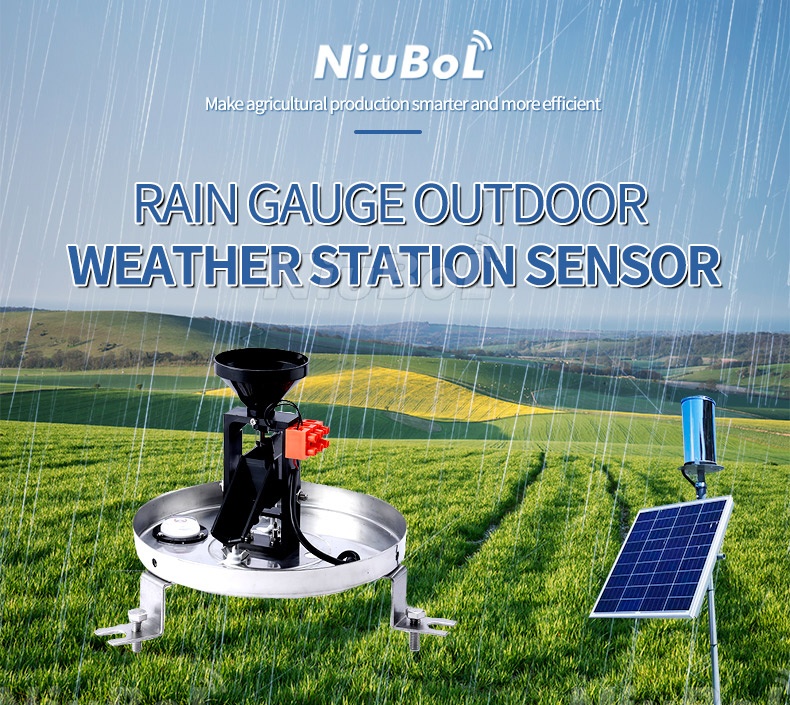
| Measurement Principle | Tipping bucket |
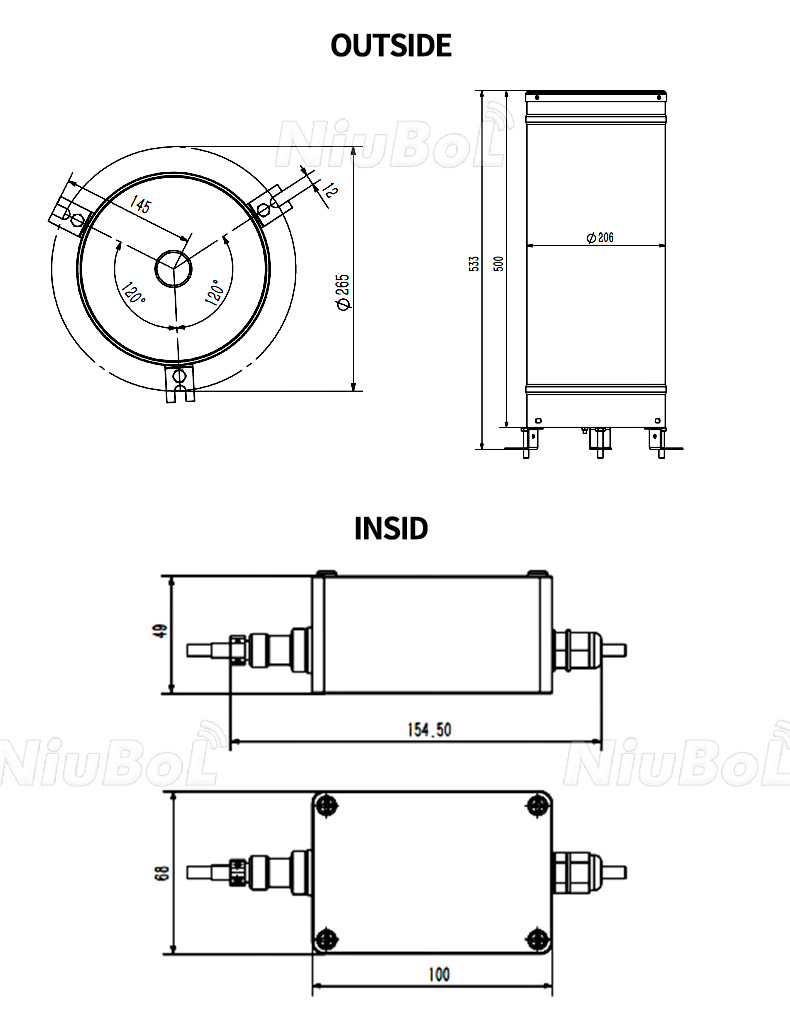
| Collector Diameter | Φ200 ±0.6 mm |
| Rainfall Intensity Range | 0–4 mm/min |
| Resolution | 0.2 mm |
| Accuracy | ±4% under specified indoor static test conditions at 2 mm/min rainfall intensity |
| Output Options | Dry reed switch / pulse, RS485 Modbus, 0–2.5 V or 0–5 V depending on model |
| Power Supply | 5 V DC or 12–24 V DC depending on output configuration |
| Standard Cable | 5 m |
| Working Temperature | 0–50°C for the standard NBL-W-RS model |
| RS485 Protocol | Modbus RTU |
| Default Baud Rate | 9600 bps |
Note: Specifications and available outputs may differ between NBL-W-RS, NBL-W-ARS/ABS and customized versions. Confirm the required output and power supply before ordering.
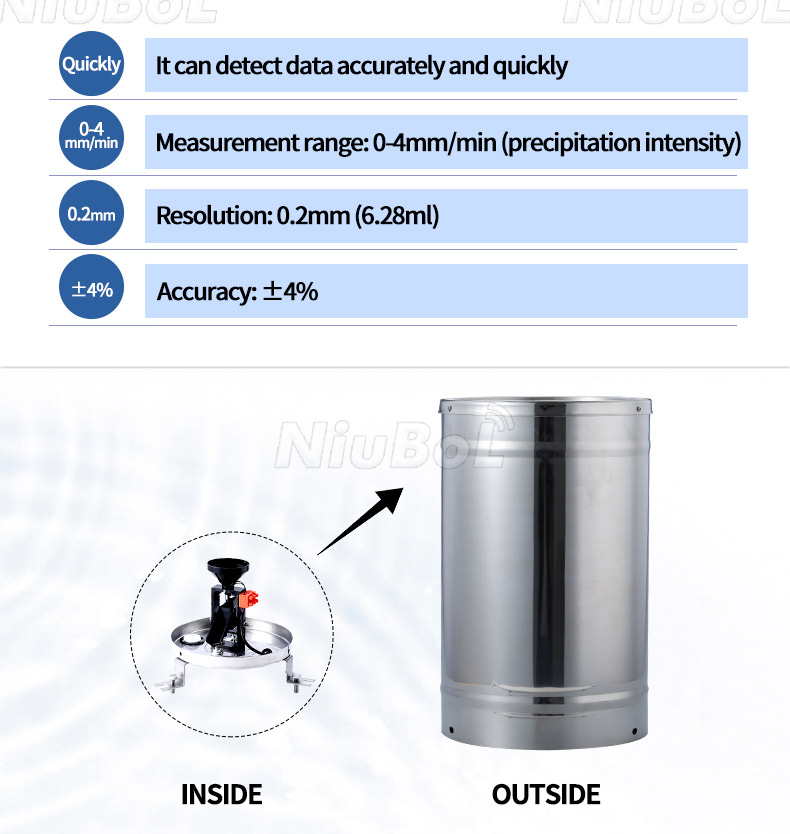
A tipping bucket rain gauge does not count individual raindrops. Instead, rainfall enters through the upper collector and flows into a small two-sided tipping bucket inside the instrument.
When one side of the bucket collects a calibrated volume of water, the bucket tips. The opposite side then moves into position to collect the next volume of rain. Each tip generates an electrical pulse or measurement event.
For a rain gauge with 0.2 mm resolution, each completed tip represents 0.2 mm of accumulated rainfall. The controller, weather station or data logger counts these events and converts them into rainfall data.
For an RS485 version, the internal transmitter processes the measurement and provides rainfall data through Modbus RTU, allowing the sensor to connect directly to compatible PLCs, data loggers and IoT gateways.
| Feature | Pulse / Dry Contact | RS485 Modbus |
|---|---|---|
| Signal | One switching event for each bucket tip | Digital Modbus RTU data |
| Typical Integration | Pulse counter, weather station or dedicated logger | PLC, RTU, data logger or IoT gateway |
| Power Requirement | Depends on configuration; passive reed-switch versions are simple to integrate | Requires DC power for the transmitter |
| Best For | Traditional rainfall loggers and pulse-counting systems | Industrial monitoring and IoT systems |
The RS485 version supports Modbus RTU communication and can be integrated into existing environmental monitoring systems.
Typical architecture:
Automatic Rain Gauge → RS485 Modbus → Data Logger / PLC → 4G / Ethernet / Wi-Fi → MQTT / HTTP → Cloud or Customer Server
The standard Modbus communication rate is 9600 bps. Device addresses can be configured so multiple compatible RS485 sensors can share the same communication network when the bus, power supply and addressing are designed correctly.
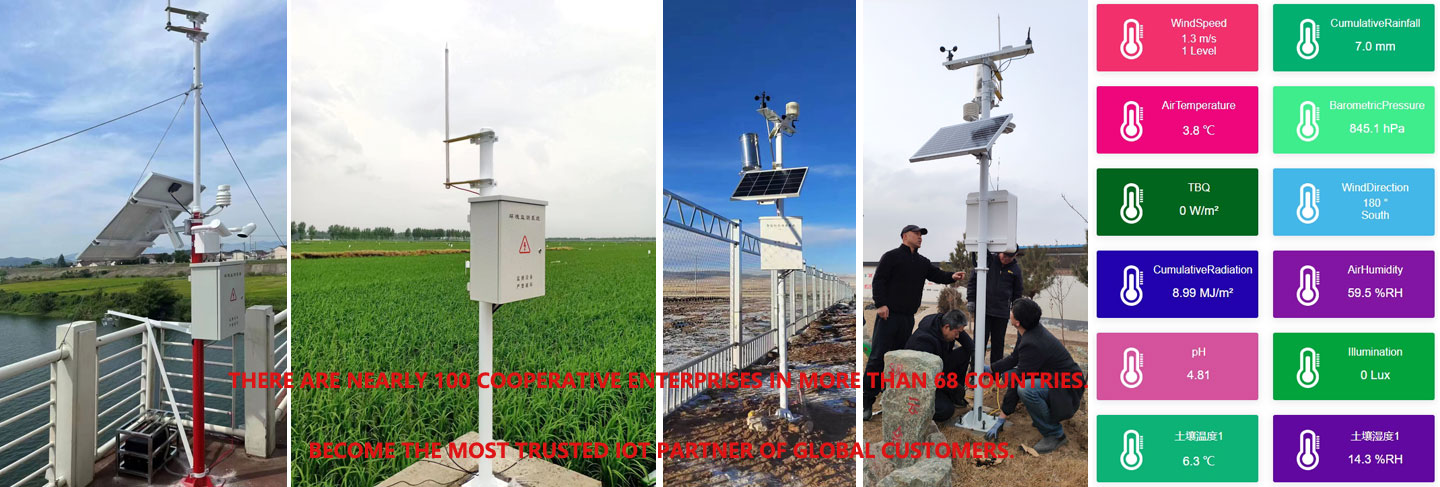
For a complete station, the rain gauge can also be integrated with anautomatic weather stationtogether with wind, temperature, humidity, pressure and solar radiation sensors.
Correct installation is important because a high-quality sensor can still produce poor rainfall data if the collector is tilted, obstructed or installed in an unsuitable location.
Avoid locations where buildings, trees, walls or other structures significantly disturb rainfall entering the collector. The installation point should represent the rainfall conditions that the project needs to monitor.
Use the leveling screws and built-in level indicator to keep the collector horizontal. An incorrectly leveled tipping bucket can affect measurement performance.
The rain gauge can be mounted on a suitable foundation, column, flange or other stable support according to site conditions. The mounting structure should remain stable during wind and severe weather.
After installation, slowly add clean water and confirm that the tipping mechanism moves freely and that the connected data-acquisition device receives measurement events correctly.
A tipping bucket rain gauge contains a funnel and mechanical water path, so periodic inspection is necessary. It should not be described as a maintenance-free sensor.
Check the collector for leaves, insects, dust, mud and other debris.
Remove and rinse the filter with clean water when necessary.
Check that the tipping bucket moves freely.
Keep the internal water path clean.
Do not scratch or contaminate the tipping bucket surface.
Check cables and connectors for damage or loose connections.
Confirm that the instrument remains level after long-term outdoor installation.
Perform a controlled water test if the rainfall value appears abnormal.
The standard model is intended for liquid precipitation. For freezing conditions, snow or solid precipitation, confirm whether a heated or specialized precipitation gauge is required rather than assuming the standard tipping bucket model is suitable.
Automatic rain gauges are commonly integrated into weather stations to record accumulated rainfall and rainfall intensity together with other meteorological parameters.
Rainfall measurements can be combined with river level, reservoir level and flow monitoring to support hydrological observation and flood-warning systems.
Measured rainfall can be used together with soil moisture and weather data to evaluate irrigation requirements and avoid unnecessary irrigation after significant rainfall.
Rainfall information is useful for environmental monitoring stations, watershed studies, research projects and long-term climate observations.
RS485 rain gauges can be connected to 4G or other IoT gateways for remote sites where rainfall data must be sent automatically to a cloud platform or private server.
Before selecting a rain gauge, confirm the following project requirements:
Required rainfall resolution
Expected rainfall intensity
Pulse, RS485 or analog output
Power supply available at the site
Connection to a PLC, weather station or data logger
Required cable length
Remote communication such as 4G or LoRaWAN through a gateway
Installation environment and temperature
Whether snow or freezing precipitation must also be measured
Whether a complete weather station is required
For most IoT and industrial monitoring systems, RS485 Modbus is convenient because it can be integrated with common PLCs, RTUs, data loggers and gateways. Pulse output remains useful for existing rainfall loggers and simple counting systems.
The price of an automatic rain gauge should not be estimated only from the rainfall sensor itself. The final project cost depends on the sensor material, output type, data logger, communication method, solar power system, mounting structure, cable length and quantity.
For a standalone RS485 rain gauge, provide the required quantity, output, cable length and destination country. For a complete rainfall monitoring station, also specify whether a data logger, 4G communication, cloud or private-server integration, solar panel, battery and mounting pole are required.
For this tipping bucket configuration, one completed bucket tip represents 0.2 mm of accumulated rainfall. The monitoring system counts successive tips to calculate total precipitation.
Yes. The RS485 Modbus version can be connected to a compatible PLC, RTU or data logger. Pulse-output versions require a suitable pulse-counting input.
Yes, provided each sensor has a unique Modbus address and the RS485 bus, wiring, power supply and termination are designed correctly.
Yes. The funnel and water path should be checked periodically for leaves, dust, insects and other debris. The tipping bucket mechanism should also move freely and the instrument should remain level.
The standard tipping bucket model is primarily designed for liquid precipitation. Snow, freezing rain and low-temperature applications may require a heated or specialized precipitation gauge.
Yes. An RS485 rain gauge can connect to a compatible data logger or IoT gateway. Depending on the gateway configuration, data can be transmitted through 4G or Ethernet using protocols such as MQTT, HTTP or TCP.
Download the technical manuals for wiring, Modbus communication, installation and maintenance information.
Download NBL-W-ARS Tipping Bucket Rain Gauge Instruction Manual
Download NBL-W-RS Rain Sensor Instruction Manual
NiuBoL provides tipping bucket rain gauges, rainfall sensors, automatic weather stations and IoT data-acquisition equipment for meteorological, agricultural, hydrological and environmental monitoring projects.
For product selection and quotation, provide the required quantity, output signal, power supply, cable length, installation location and whether a data logger, 4G communication, solar power system or complete weather station is required.
Sensors & Weather Stations Catalog
 Agriculture Sensors and Weather Stations Catalog-NiuBoL.pdf
Weather Stations Catalog-NiuBoL.pdf
Agriculture Sensors Catalog-NiuBoL.pdf
Water Quality Sensor Catalog-NiuBoL.pdf
Related recommendations
 Multi-Depth Soil Sensor RS485
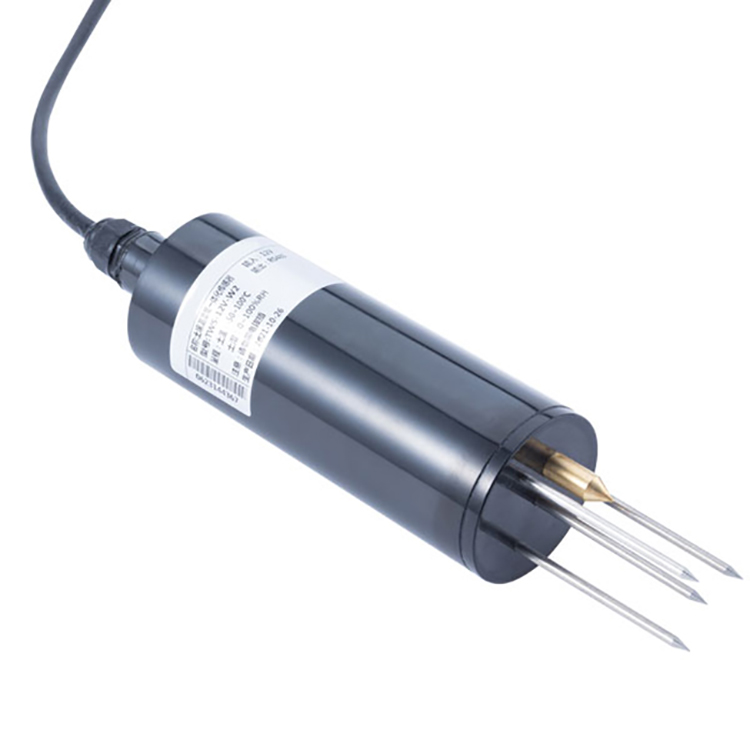 TDR Soil Moisture Sensor
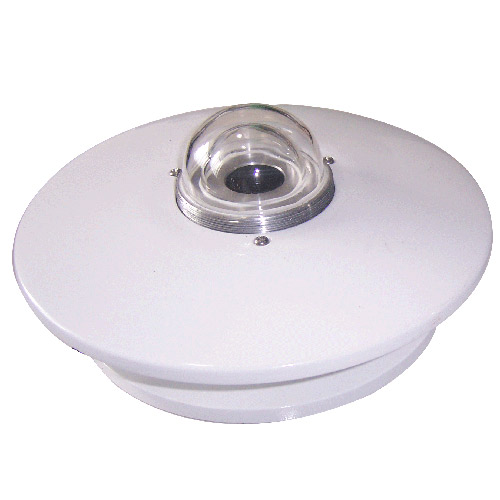 Pyranometer Solar Radiation Sensors
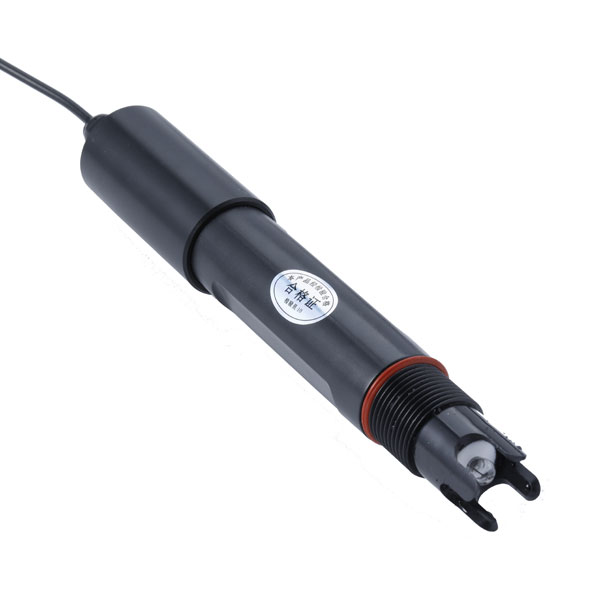 Soil ph sensor
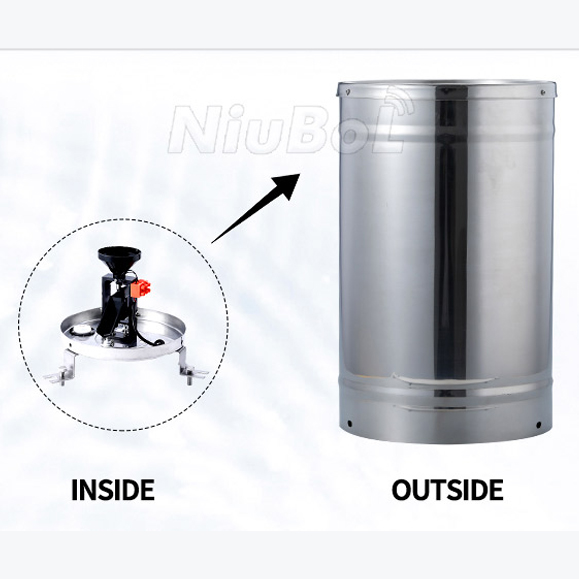 Tipping Bucket Rain Gauge
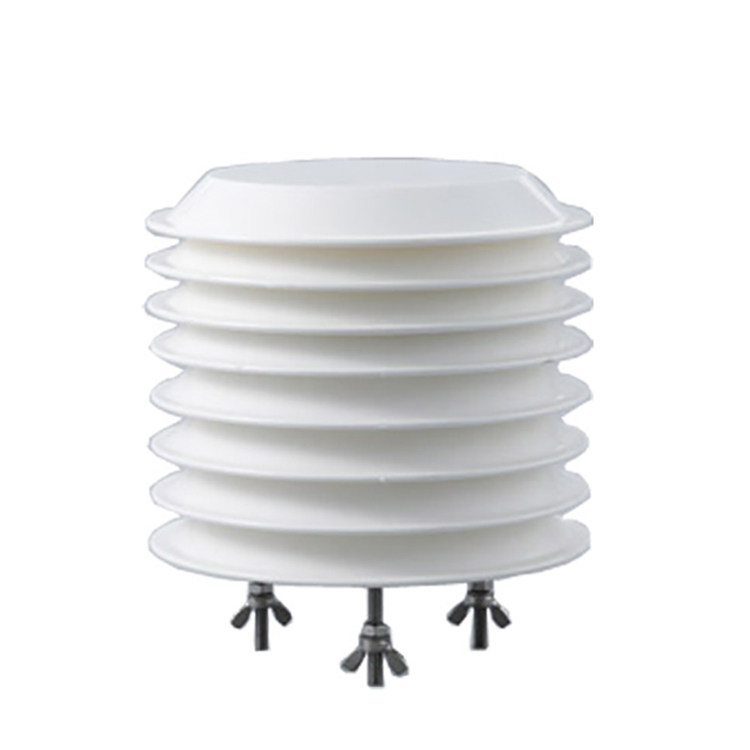 Air Temperature and Humidity Sensor
Screenshot, WhatsApp to identify the QR code
WhatsApp number:+8615367865107
(Click on WhatsApp to copy and add friends)