

— Download —
 Consumer hotline +8618073152920
 WhatsApp:+8615367865107
Address:Room 102, District D, Houhu Industrial Park, Yuelu District, Changsha City, Hunan Province, China
All products
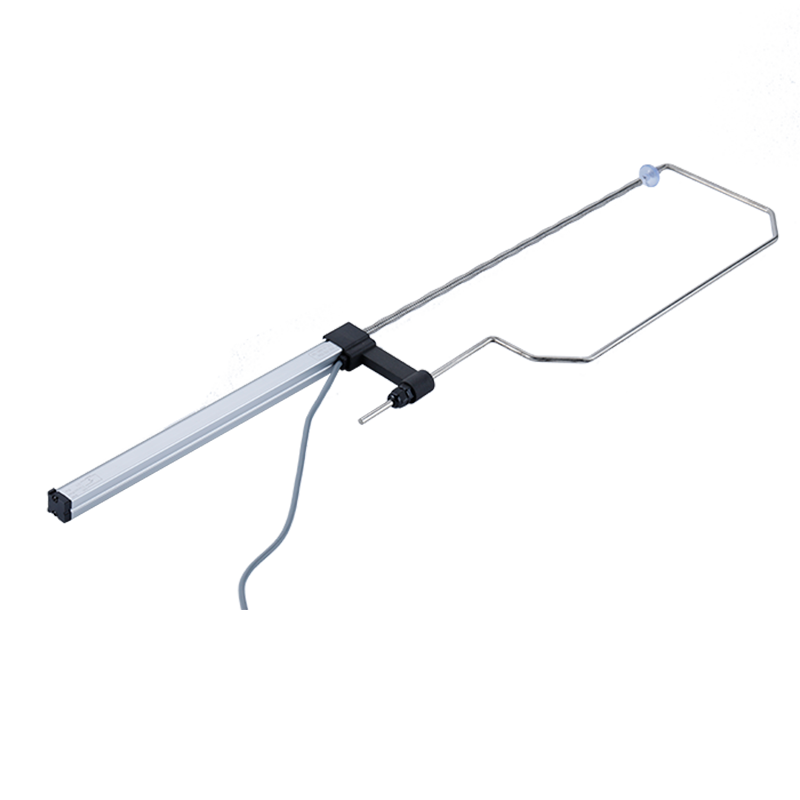
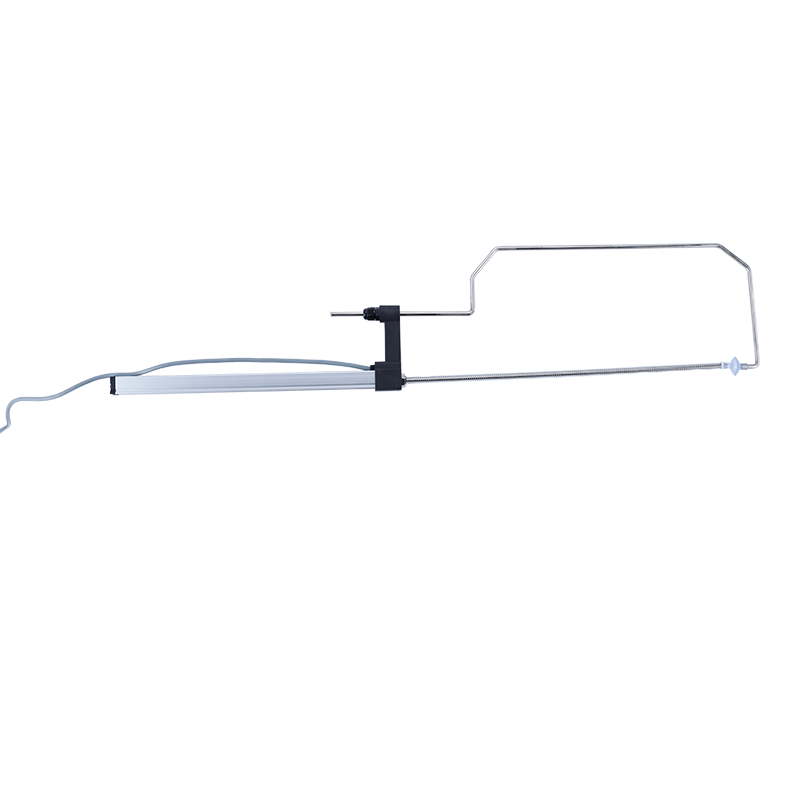
Monitor fruit and stem diameter changes with the NiuBoL NBL-GS01. Compare frame size, usable stroke and logger outputs for orchard and greenhouse research projects.
Tel/WhatsApp:+8615367865107
Email:Arvin@niubol.com +Nearly 100 partner companies in more than 75 countries. We are committed to providing high-quality, practical products to meet your needs and help you solve problems. Our products comply with international standards and are certified with ISO, CE and RoHS.Product Details
Quick Answer: The NiuBoL NBL-GS01 fruit and stem growth sensor records displacement as the measured plant part expands or contracts. Choose the frame to fit the specimen, then separately check the usable measuring travel. The listed frame options reach 250 mm, but the displacement stroke is listed as +3 mm; those are not interchangeable specifications. RS485, 4-20mA and 0-5V versions connect to a compatible logger for orchard or greenhouse trials.
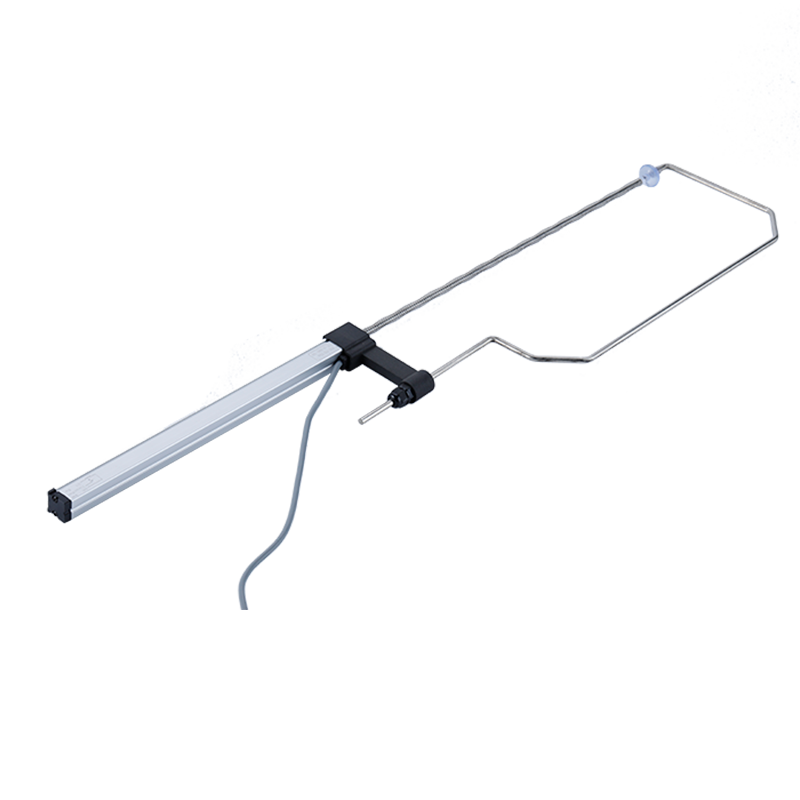
| Item | Specification |
|---|---|
| Model | NBL-GS01 |
| Supply | 12-24 VDC |
| Outputs | RS485, 4-20mA or 0-5V |
| Frames | Type A 0-50 mm; B 0-100 mm; C 0-150 mm; D 0-250 mm |
| Protocol | Modbus; 9600 baud for the RS485 version |
| Power | 0.3 W average |
| Accuracy | +/-1% |
| Maximum stroke | +3 mm |
| Environment | -40 to 80 degrees C; 0-95% RH |
| Cable and enclosure | 2.5 m standard cable; IP65 |
The NBL-GS01 records displacement as a fruit or stem expands and contracts. A time series can show growth rate, short-term water stress response and recovery after irrigation. The value depends on the mounting point and frame tension, so it is strongest for change analysis on the same specimen. It should not be treated as an automatic grading measurement for harvested fruit unless the project has validated that use.
Frame size determines which specimen can be accommodated. Stroke determines how much movement can be followed in one setup. For example, an 80 mm fruit is within the listed Type B frame interval, but that does not establish that the same setup can follow another 20 mm of growth. Review the starting position, remaining travel and expected movement between inspections before selecting a frame.
If the expected change exceeds the available travel, discuss a suitable measurement arrangement with NiuBoL before ordering. Do not assume automatic recentring or full-season measurement without adjustment. If adjustment is part of the agreed method, mark the event and begin a documented measurement segment; moving the frame must not appear as biological growth in the exported record.
For a trial with a defined displacement tolerance, request resolution and the basis of the +/-1% accuracy. Frame opening is not necessarily the reference span for that percentage. Compare the displacement calibration and travel of the ordered assembly with the required tolerance.
The mechanism must move freely without pinching tissue. Support the cable independently and allow for branch movement. Check after wind, pruning or field work. Clean debris with a damp soft cloth or soft brush and avoid direct reflected sunlight as stated in the product information.
Choose a stable contact position away from an irregular surface or a point likely to be handled during routine work. The mechanism should follow diameter change without supporting the weight of a fruit or restraining a branch. Inspect contact and free movement after fastening, and again after the first period of normal plant movement.
Protect the instrument from direct and reflected sunlight. Arrange protection for the instrument without shading the study specimen differently from the comparison plants. An improvised cover that changes the fruit's exposure can change the biological response the trial is intended to measure.
Do not establish zero by forcing the mechanism against its travel limit. Confirm the adjustment and reference procedure for the supplied frame. A small supervised movement check on a suitable fixture can verify the direction of the electrical response before installation; it is not a reason to compress the fruit to obtain a test signal.
Choose the interval from the biological question. Long-term growth studies may use slower logging, while irrigation-response work needs enough resolution to see contraction and recovery. Faster polling does not automatically create more useful information; it increases storage and can make mechanical vibration more visible. Retain raw data before applying smoothing.
Interpret diameter with air temperature, humidity, radiation, soil moisture and irrigation records. Daily contraction can be a normal water-balance response. A sustained growth change may have several causes, including load, crop stage or mechanical movement. The sensor provides evidence, not a standalone diagnosis.
Define the comparison before calculating growth. A maximum-to-minimum difference within one day describes a different feature from the difference between comparable readings on successive days. Comparing yesterday's morning maximum with today's afternoon minimum can mix daily water-related contraction with longer-term growth.
As a calculation example, a displacement channel that changes from 0.4 to 1.0 mm between two comparable observations has increased by 0.6 mm. That is a change from the installed reference, not proof that the fruit diameter is 1.0 mm. An absolute diameter estimate needs an independent starting measurement and a validated relationship between mechanism displacement and the dimension of interest.
Before using a contraction threshold to influence irrigation, observe the crop under the intended management conditions. Variety, stage, fruit load and weather can change the pattern. The NBL-GS01 is a measuring input; it does not determine a universal irrigation threshold or operate valves by itself.
The RS485 version is appropriate for digital networks and preserves the reported value through the field bus. Give each device a unique address and document the register map. A 4-20mA version is familiar to industrial loggers and makes open-circuit diagnostics possible when designed correctly. A 0-5V version requires attention to voltage drop and common reference.
Do not splice a moving plant cable without strain relief. Route it so workers, irrigation lines and pruning tools do not pull the frame. At the logger, label channels with plant ID and frame type rather than a generic number.
The listed average power is 0.3 W. At 12 V that corresponds to an average current of approximately 25 mA, before adding logger and communications consumption. Use the actual operating requirements for battery design; average power alone does not define startup demand or a remote station's daily energy budget.
For an analog channel, obtain the displacement span assigned to 4-20mA or 0-5V. Do not map the signal to 0-250 mm simply because a Type D frame was ordered. For RS485, confirm the delivered data definition and units with a controlled displacement check before several sensors are installed on plants.
A compatible logger can store the measurements and provide onward transmission. The sensor's RS485 output does not by itself provide cellular communication, a web dashboard or a treatment-control algorithm.
Select plants before installation and record variety, treatment, position and crop stage. Include enough replicates to separate one plant's behaviour from the treatment effect. A sensor on a vigorous edge plant may not represent the plot. Keep manual diameter observations as periodic checks and note any pruning, fruit removal or branch support changes.
Use channel names that remain meaningful after export, such as block, treatment and plant number. A list of Modbus addresses alone is difficult to analyse. Synchronise the logger with irrigation and weather data and preserve the original time zone. Where several sensors share an RS485 bus, calculate polling time and avoid duplicate addresses.
Inspect trends for steps that coincide with handling, wind events or cable work. Biological growth is normally continuous at the scale of the mechanism; an instantaneous permanent jump may indicate that the frame moved. Flag the event instead of editing the raw record without explanation.
For an orchard irrigation trial, compare plants with known treatment and emitter conditions and retain the irrigation timing. In a greenhouse variety trial, record fruit stage and handling so a removed fruit or changed support is not interpreted as an instrument trend. For stem monitoring, check whether nearby ties or supports alter contact as the stem grows. These are different installation questions even when the logger uses the same electrical interface.
At installation, inspect free movement, confirm the starting value is within stroke and apply a gentle known displacement check without damaging the plant. Watch the trend through the first irrigation cycle. When the fruit is harvested or the stem outgrows the frame, remove the sensor before it restricts growth.
After removal, clean the mechanism, inspect travel and store it without load. Keep the season's mounting notes and final configuration. Reusing a sensor without checking free movement can carry a mechanical fault into the next trial.
No. The frame interval and the listed +3 mm displacement stroke describe different limits. Confirm specimen fit, starting position and usable travel together. Do not base a full-season measurement plan on the frame interval alone.
It follows a selected specimen at a defined contact position. Commercial grading can require several dimensions, shape or other properties. Use a separate validated grading method rather than extrapolating one installed displacement channel to a complete harvest.
Check contact, frame movement, cable tension and recent handling before changing calibration. Retain the original record and mark the event. If the instrument was repositioned, treat the new reference as a new segment unless a validated correction links the two.
Select RS485 only if the logger can poll the delivered Modbus format. Select 4-20mA or 0-5V when a suitable analog input and the correct displacement scaling are available. The three versions are ordering options, not a promise that every unit supplies all outputs simultaneously.
Determine replication from the treatment comparison and expected plant variability. One sensor can follow one installation point but cannot establish the average response of a whole block. Agree the trial design before using device count as the principal budget decision.
Provide crop and measured organ, starting diameter, expected change between inspections, contact constraints, output and logger. State whether field mounting, calibration documentation and spare frames are required. These details help distinguish a suitable measuring arrangement from a frame that merely fits.
Select NBL-GS01 by specimen fit and displacement travel together. Mount it without loading the plant, distinguish changes from absolute diameter and compare readings under a defined trial method. Send NiuBoL the crop dimensions and acquisition requirements to review the frame and output before purchase.
Sensors & Weather Stations Catalog
 Agriculture Sensors and Weather Stations Catalog-NiuBoL.pdf
Weather Stations Catalog-NiuBoL.pdf
Agriculture Sensors Catalog-NiuBoL.pdf
Water Quality Sensor Catalog-NiuBoL.pdf
Related recommendations
 Multi-Depth Soil Sensor RS485
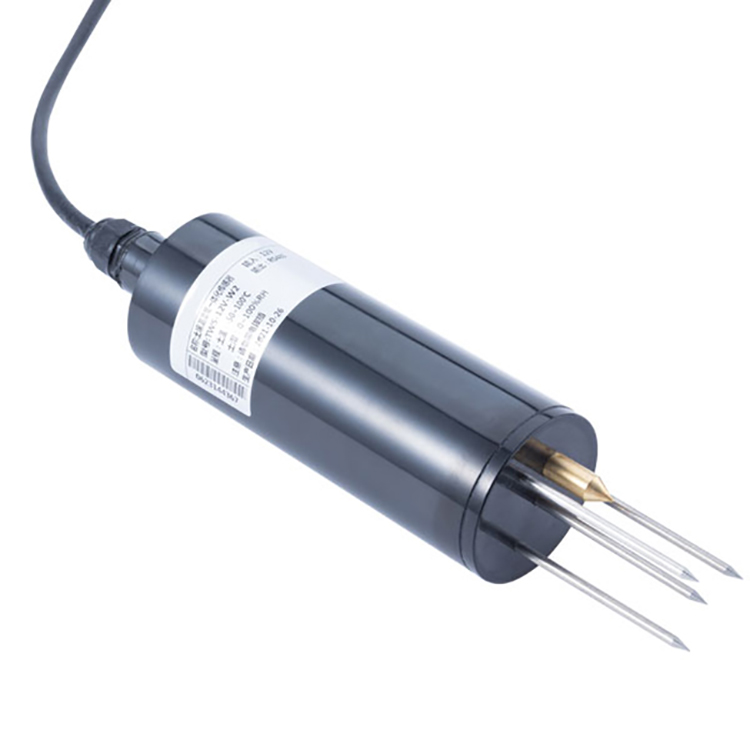 TDR Soil Moisture Sensor
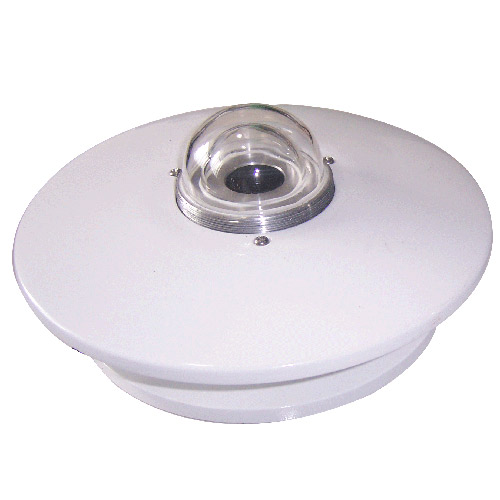 Pyranometer Solar Radiation Sensors
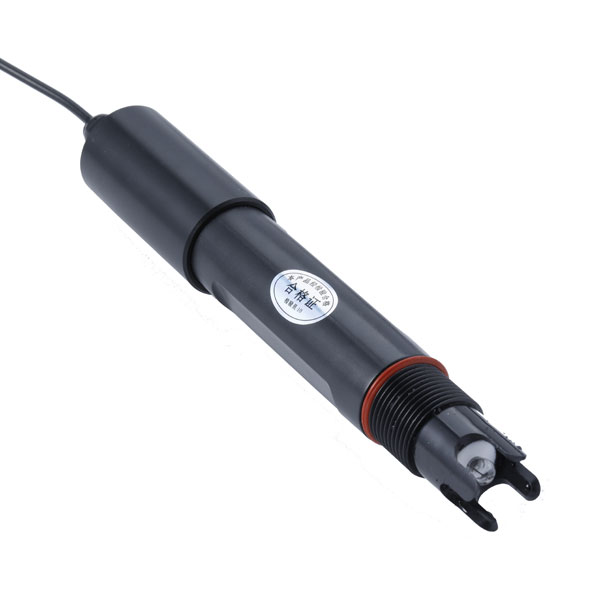 Soil ph sensor
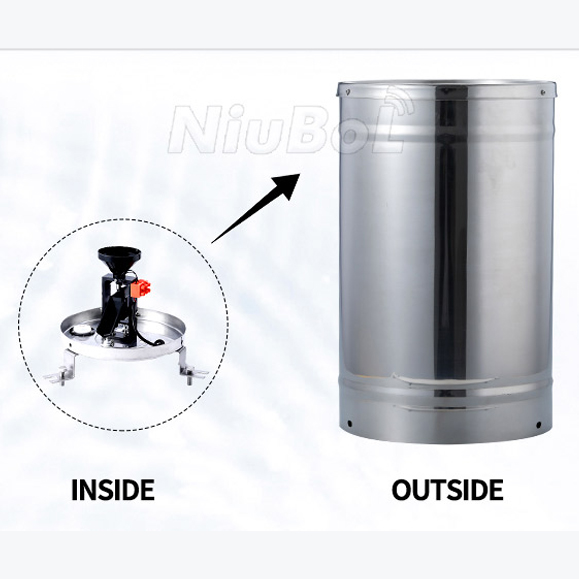 Tipping Bucket Rain Gauge
 Air Temperature and Humidity Sensor

Screenshot, WhatsApp to identify the QR code
WhatsApp number:+8615367865107
(Click on WhatsApp to copy and add friends)