





— Download —
 Consumer hotline +8618073152920
WhatsApp:+8615367865107
Address:Room 102, District D, Houhu Industrial Park, Yuelu District, Changsha City, Hunan Province, China
All products


Use a NiuBoL portable soil pH tester for field surveys and identified USB records. Compare sampling methods, probe checks and export requirements before ordering a kit.
Tel/WhatsApp:+8615367865107
Email:Arvin@niubol.com +Nearly 100 partner companies in more than 75 countries. We are committed to providing high-quality, practical products to meet your needs and help you solve problems. Our products comply with international standards and are certified with ISO, CE and RoHS.Product Details
Quick Answer: The NiuBoL portable soil pH tester is a battery-powered field instrument with a 0-14 pH range, +/-0.1 pH specified accuracy, 0.01 pH resolution and USB record transfer. It suits identified spot measurements across a survey area. Select it with a sampling and checking method, not as an assumed replacement for laboratory soil testing or an unattended RS485 monitoring point.

| Item | Specification |
|---|---|
| Measurement | Soil pH; 0-14 pH range |
| Specified accuracy | +/-0.1 pH |
| Resolution | 0.01 pH |
| Battery | 4000 mAh lithium-ion |
| Host communication | USB |
| Record storage | Up to 40,960 records |
| Display | 128 x 64 LCD; Chinese and English language options |
| Host size | 200 x 105 x 28 mm |
| Weight | 0.5 kg |
| Operating environment | -20 to 80 degrees C; 5-95% RH |
The host's USB interface and battery specification do not establish continuous online communication, waterproof operation or a particular number of hours per charge. Confirm the supplied probe, charging limits, usable campaign duration and compatible computer software before planning a remote survey.
A mapping survey, fertilizer investigation and pre-planting assessment need different spacing and depth. Define the management decision and divide the site by soil, crop, slope and treatment history before collecting values.
For an orchard, identify whether the question concerns the whole management block, a fertilizer band or an individual poorly performing tree. Those points should not be pooled without labels. A targeted reading near a fertilizer application answers a different question from a representative background-soil reading.
For greenhouse substrates, compare beds or containers at a defined stage of watering and treatment. For a land-evaluation project, use field screening to identify zones and plan confirmatory sampling; it does not automatically establish a site's suitability or contaminant status.
Decide which locations need repeat visits and mark them accordingly. Keep the same depth and position relative to rows or emitters when comparing dates. A changed sampling position can produce a changed value without any instrument fault or real change at the original point.
Remove unusual surface debris, use a consistent insertion depth and obtain firm contact with representative soil. Record whether soil was dry, recently irrigated or fertilized because these conditions affect interpretation.
Check that the probe is suitable for the intended medium and insertion method. Do not force a delicate sensing end into hard soil or use the probe as a digging tool. Prepare access using the supplied instrument procedure and maintain the required contact with the measured sample.
If the agreed method requires a prepared sample or added liquid, keep preparation, liquid composition and proportions consistent. Adding an arbitrary amount of water just to obtain a reading changes the test condition. Record that preparation rather than comparing it directly with an unprepared field insertion.
A direct field reading and a laboratory extraction can legitimately differ because their methods and sample conditions differ. Establish which method the agronomic or contractual limit refers to. Do not apply an unexplained offset merely to make all field results equal a laboratory value.
The display changes in 0.01 pH increments, while the stated accuracy is +/-0.1 pH. Do not rank small differences as meaningful without considering method repeatability, spatial variation and the accuracy statement.
Use the reference checks, calibration procedure and storage method specified for the supplied probe. Confirm that the checking supplies are appropriate and serviceable. Do not assume another pH instrument's procedure, storage liquid or cleaning chemistry is suitable for this assembly.
Keep a checking result before a survey and another after a demanding campaign where the quality plan requires it. If the second check is unsatisfactory, identify the affected readings and investigate contamination, contact or damage before accepting the entire day as a soil change.
Where a probe specification gives a response time in water, it is not a fixed waiting time for every soil point. Observe the instrument's stabilization criterion under the selected method. Repeatedly recording a number before adequate contact or stabilization can create apparently precise but poorly repeatable data.
For unusual results, repeat with the same preparation and inspect the probe before changing the field classification. Use retained or additional samples for the appropriate confirmatory method when an amendment decision or acceptance limit depends on the result. Soil pH alone does not specify a lime or fertilizer application rate.
Remove adhered soil without abrasive or corrosive cleaning. Follow the ordered instrument instructions for checking and storage. A damaged, dry or contaminated sensing interface can create smooth but misleading readings.
Remove residual material using the instrument's cleaning method before moving between contrasting samples. Carryover from one bed or fertilizer band can affect the next test. Keep cleaning and checking materials separate from the soil containers used for sampling.
Inspect the cable, strain relief and sensing end before packing. Avoid allowing the case lid or other accessories to load the probe. The stated operating humidity is not permission to wash or immerse the handheld unit, and the host's environmental range is not a battery-charging specification.
Assign every reading a sample or location ID, depth, date, operator and field condition. Export records by USB after each campaign and keep an untouched master file before cleaning or averaging the data.
Save a small identified test series and transfer it using the compatible computer and software intended for the project. Check that the exported values can be linked back to the field notes in their correct order. A successful connection alone does not prove that identifiers, timestamps or units survive the transfer.
| Field information | Reason to retain it |
|---|---|
| Location and sample ID | Connects a stored number to the correct bed, row, block or sampling point. |
| Depth and sample preparation | Distinguishes measurements made under different procedures or soil layers. |
| Recent watering and treatment | Helps interpret a change between visits without attributing it automatically to instrument drift. |
| Probe check and repeat result | Identifies questionable readings that require investigation or confirmation. |
Keep information outside the instrument in a field log if the delivered software does not provide a corresponding field. Storage capacity does not guarantee GPS coordinates, custom sample names or a specific export format. Confirm these workflow requirements instead of inferring them from a large record count.
For continuous remote pH monitoring, review a suitable installed probe and acquisition arrangement separately. This portable tester's USB download process should not be specified as native Modbus RTU, cellular telemetry or automatic cloud synchronization.
Yes, as a portable sampling workflow, provided the probe is suitable for the media and the operator follows consistent preparation, cleaning and checking. Keep each block and depth identified; moving one kit between points does not produce a continuous record at every location.
Not from display resolution alone. Review the +/-0.1 pH accuracy specification, method repeatability and variation between samples. A treatment decision needs the relevant agronomic method and evidence, not just two different final digits.
Only when added liquid is part of a defined preparation method. Keep the liquid and proportions consistent and record the preparation. Arbitrary wetting makes comparisons harder and can separate the field test from the method behind a management limit.
No. USB record transfer and RS485 Modbus acquisition are different interfaces and workflows. Request a suitable online sensor configuration if the project requires unattended PLC polling.
The capacity alone is insufficient to calculate operating hours. Confirm consumption, display use, logging mode and battery conditions for the delivered kit, then test a representative campaign. Include the correct charger and charging procedure in acceptance.
Inspect the host, probe and accessories, perform the specified reference check, store identified readings and verify USB export on the intended computer. Check cleaning and storage instructions and confirm the kit can repeat the required field workflow before deployment.
State soil or substrate, direct or prepared-sample method, survey volume, computer environment and reporting requirements. Request the compatible probe, carrying case, charger, USB cable, checking supplies and operating instructions as applicable, with inclusions clearly identified.
Use the portable soil pH tester for a defined field survey, with consistent sample conditions, probe checks and identified USB records. Confirm critical results with the method appropriate to the decision. NiuBoL can review the sampling and reporting requirements when specifying the kit and accessories.
Sensors & Weather Stations Catalog
 Agriculture Sensors and Weather Stations Catalog-NiuBoL.pdf
Weather Stations Catalog-NiuBoL.pdf
Agriculture Sensors Catalog-NiuBoL.pdf
Water Quality Sensor Catalog-NiuBoL.pdf
Related recommendations
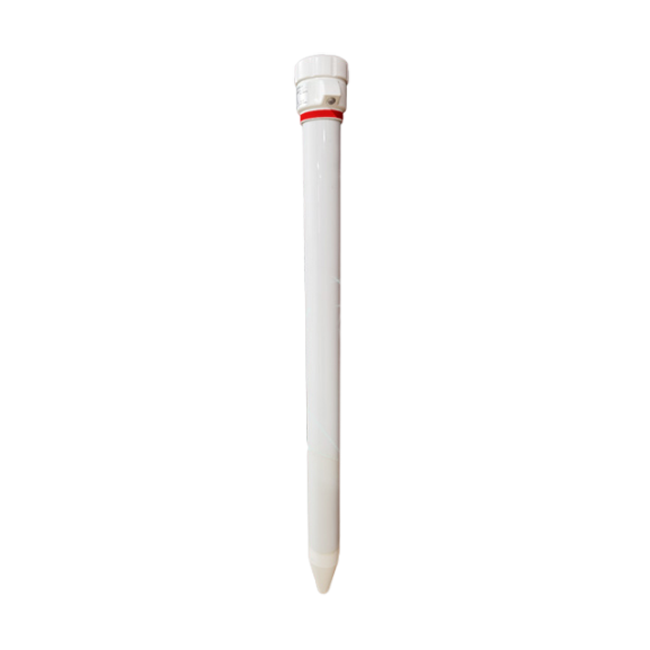 Multi-Depth Soil Sensor RS485
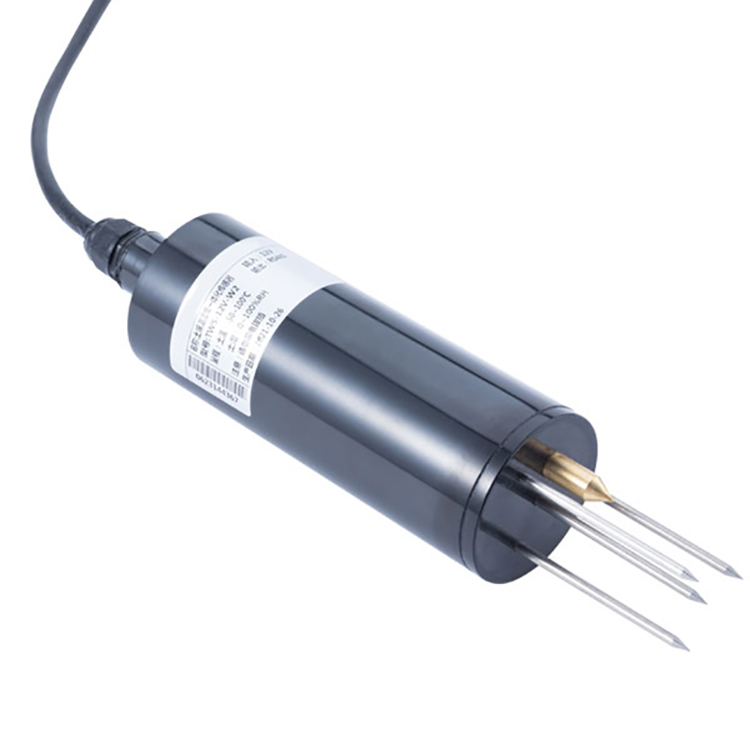 TDR Soil Moisture Sensor
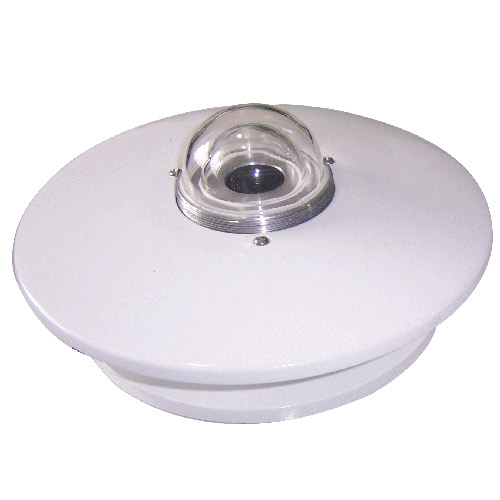 Pyranometer Solar Radiation Sensors
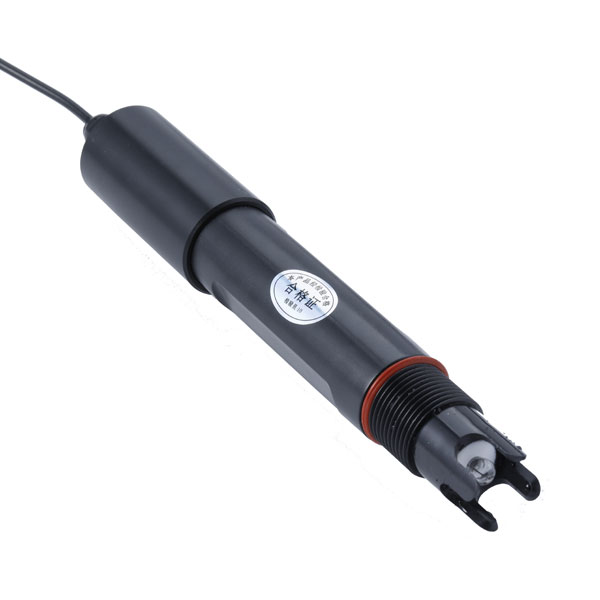 Soil ph sensor
 Tipping Bucket Rain Gauge
 Air Temperature and Humidity Sensor


Screenshot, WhatsApp to identify the QR code
WhatsApp number:+8615367865107
(Click on WhatsApp to copy and add friends)

