





— Download —
 Consumer hotline +8618073152920
WhatsApp:+8615367865107
Address:Room 102, District D, Houhu Industrial Park, Yuelu District, Changsha City, Hunan Province, China
All products
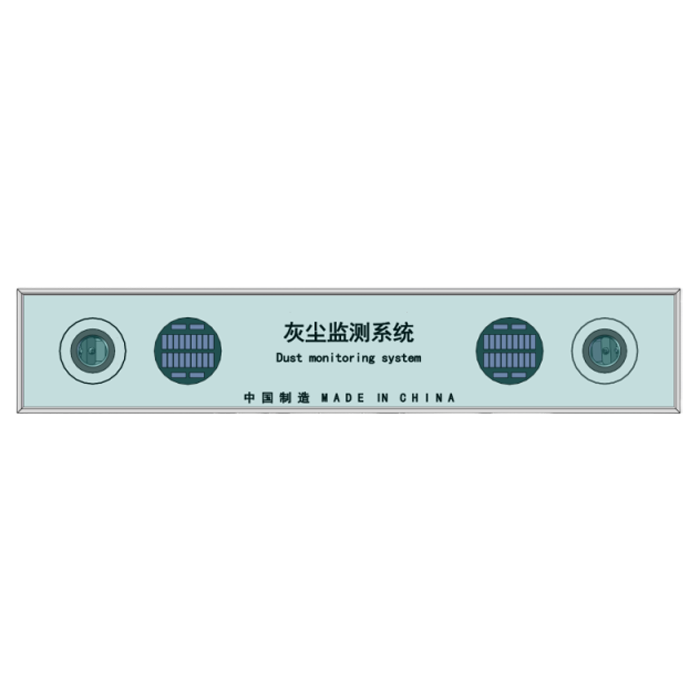
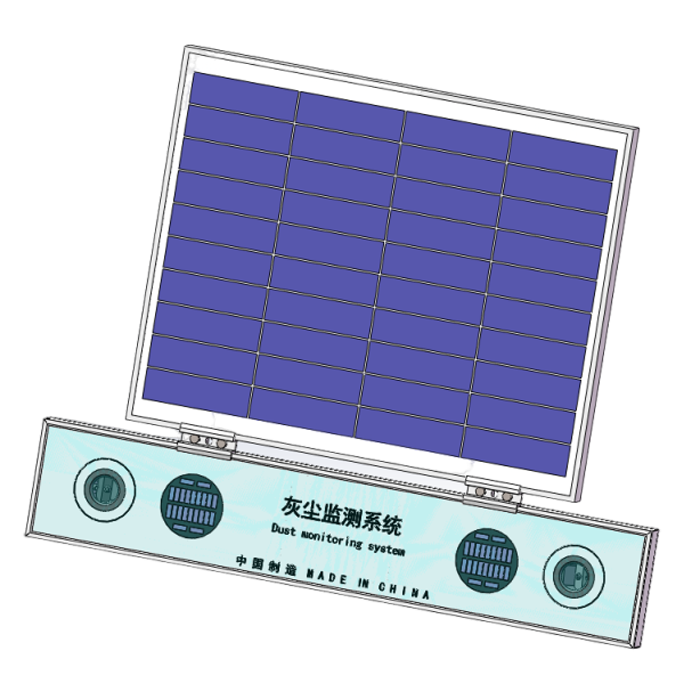
Contaminants on the glass surface of solar modules are a key factor affecting the power generation efficiency of photovoltaic (PV) power plants. Dust, sand, bird droppings, and other pollutants accumulate on the module surface, obstructing effective sunlight exposure and reducing power generation efficiency. To address this issue, our Solar-Module Soiling Sensor employs advanced blue light contamination optical closed-loop measurement technology to accurately monitor the soil···
Tel/WhatsApp:+8615367865107
Email:Arvin@niubol.com +Nearly 100 partner companies in more than 75 countries. We are committed to providing high-quality, practical products to meet your needs and help you solve problems. Our products comply with international standards and are certified with ISO, CE and RoHS.Product Details
The NiuBoL NBL-W-PSS PV Module Soiling Sensor is a dual-channel optical monitoring instrument designed to observe dust and dirt accumulation affecting photovoltaic module surfaces. It provides cleanliness or soiling ratio information for solar power plant operation, maintenance planning and PV monitoring system integration.
The instrument uses blue-light optical measurement technology and compares two sensing channels to monitor changes in surface cleanliness. It is mounted alongside a photovoltaic module and communicates through RS485 Modbus using an external DC 12V power supply.
With a reported cleanliness range of 50–100%, the NBL-W-PSS can help operators identify soiling trends and evaluate when a panel-cleaning inspection may be appropriate.
The sensor measures optical cleanliness indicators. It does not directly measure the photovoltaic array's electrical output, determine the chemical composition of deposits or independently calculate verified energy-production losses.

Dust, sand, pollen, salt deposits and other contaminants can accumulate on photovoltaic module glass and change the amount of light reaching the solar cells.
The NBL-W-PSS uses two optical sensing channels and blue-light measurement technology to observe cleanliness conditions.
The output provides numerical cleanliness indications that can be monitored over time. Comparing readings under a consistent measurement procedure can support the assessment of surface contamination.
In this product's data output, cleanliness is reported as a percentage. A value closer to 100% generally indicates a cleaner optical measurement condition, while a lower value indicates a greater reduction relative to the reference condition.
The terms cleanliness ratio and soiling ratio should be interpreted according to the instrument's documented measurement definition. Different PV monitoring standards and instruments may use different conventions.
A reported cleanliness reading of 95% should not automatically be interpreted as an exactly 5% reduction in actual PV energy generation.
The NBL-W-PSS provides two cleanliness readings through its documented Modbus measurement frame.
These values allow the data acquisition system to observe both optical measurement channels rather than relying on an undocumented single-value estimate.
The receiving equipment should retain the individual readings so that changes can be reviewed and compared over time.
Consistent calibration and cleaning procedures help establish a meaningful reference for later contamination measurements.
Calibration should be performed with clean sensing surfaces under suitable conditions. Repeatedly establishing a new baseline after the surfaces have become soiled can make historical comparisons less meaningful.
| Parameter | Specification |
|---|---|
| Model | NBL-W-PSS |
| Product Type | PV Module Soiling Sensor |
| Measurement Technology | Blue-Light Optical Measurement |
| Measurement Arrangement | Dual Optical Sensing Channels |
| Cleanliness Measurement Range | 50–100% |
| Accuracy at 90–100% | ±1% |
| Accuracy at 80–90% | ±3% |
| Accuracy at 50–80% | ±5% |
| Power Supply | DC 12V |
| Signal Output | RS485 |
| Communication Protocol | Modbus RTU |
| Baud Rate | 9600 bps |
| Average Power Consumption | 1W |
| Optional Temperature Range | −50 to +100°C |
| Optional Temperature Accuracy | ±0.5°C at 25°C |
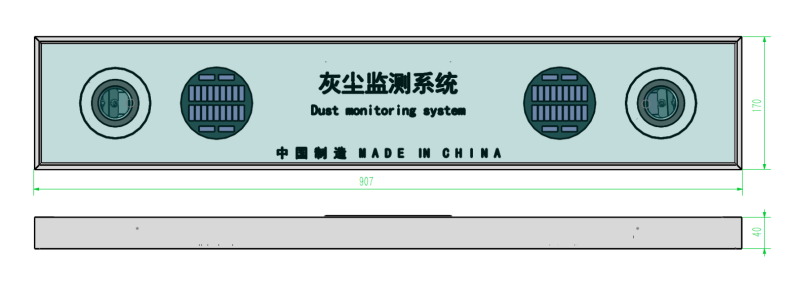
| Published Dimensions | 907 × 170 × 40 mm |
| Minimum Communication Interval | More than 1000 ms |
The optional temperature channel should be confirmed before ordering. The stated cleanliness accuracy ranges are product measurement specifications and do not establish an equivalent accuracy for electrical power or energy loss.
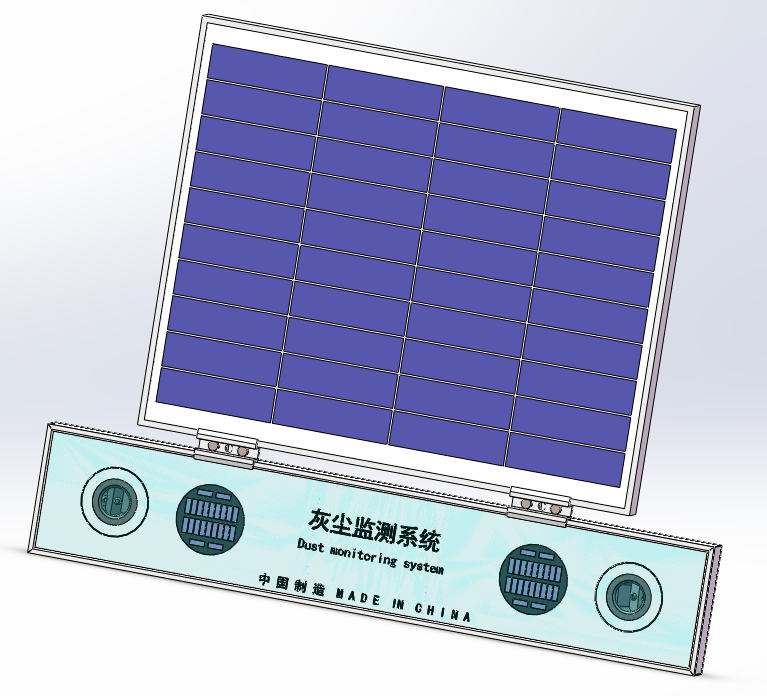
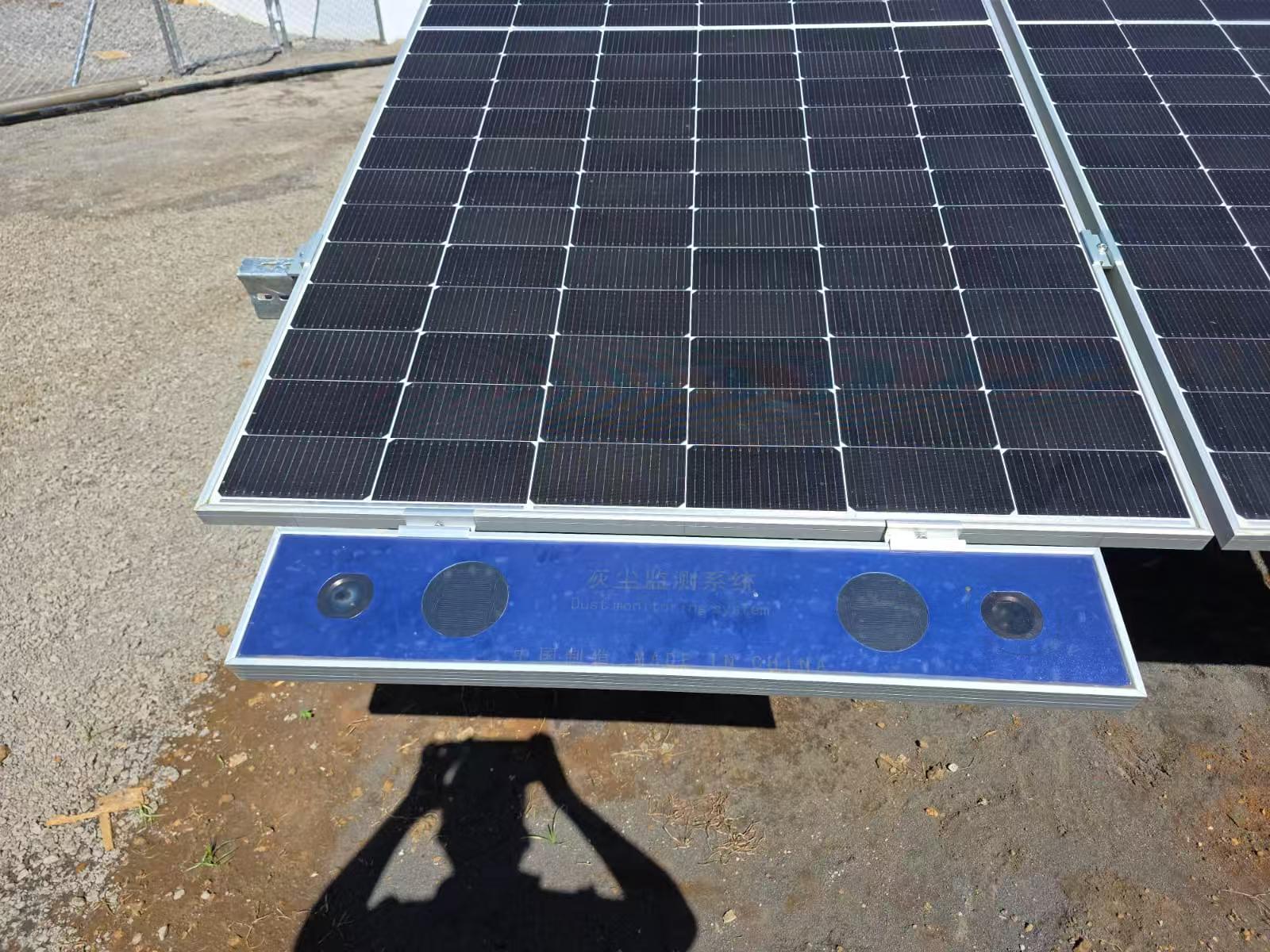
The NBL-W-PSS uses an elongated monitoring assembly designed to be mounted on a suitable photovoltaic module frame.
The installation arrangement should keep the sensing surfaces in the intended plane relative to the adjacent photovoltaic module glass.
Before mounting, check the available frame space, structural compatibility and cable routing.
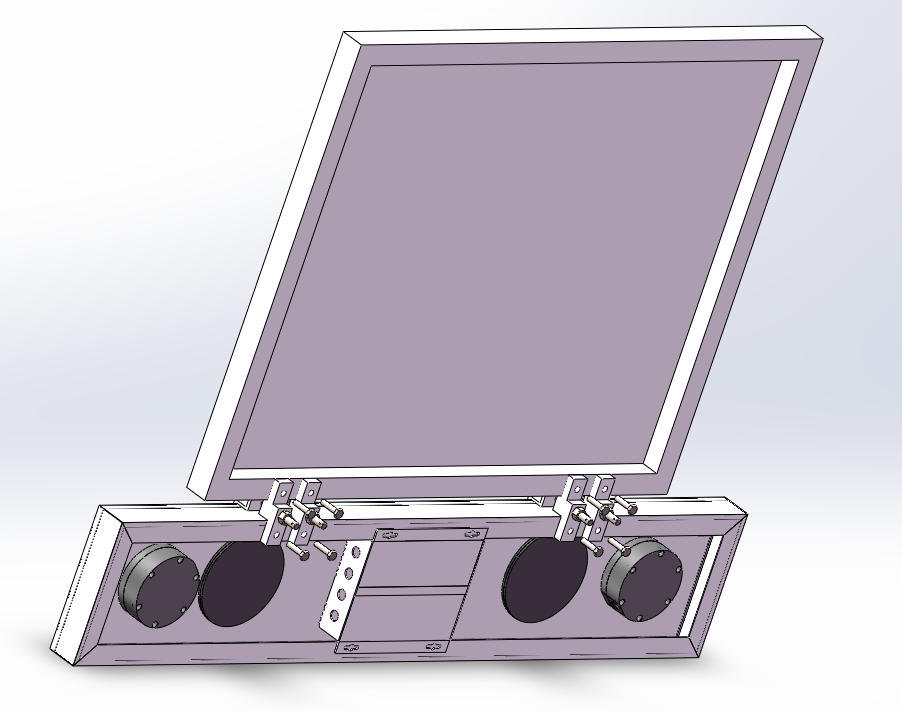
The NBL-W-PSS requires suitable mounting, electrical connection and baseline calibration before reliable monitoring can begin.
Install the soiling monitoring assembly on the top or side of a suitable photovoltaic module using the specified clamps and mounting hardware.
The sensing surfaces should be aligned with the intended module plane so that the monitoring conditions are representative of the adjacent solar panels.
Check that mounting hardware does not damage the PV module or interfere with its frame, electrical cables or drainage.
Supply the instrument with DC 12V and connect the RS485 communication lines to compatible monitoring equipment.
If the site provides only AC mains power, a suitable outdoor-rated AC-to-DC power supply may be used.
Do not connect AC mains directly to the sensor's DC power input.
After installation, carry out baseline calibration under suitable sunny conditions, preferably between 12:00 and 14:00.
Clean the optical sensing surfaces, then press and hold the calibration button for approximately 10 seconds before releasing it.
Record the calibration date and initial readings for maintenance and data comparison.
Avoid unnecessary recalibration when ordinary soiling accumulation is the condition being monitored.
Clean the optical sensing sections according to the intended maintenance procedure, particularly when the adjacent PV modules are cleaned.
The NBL-W-PSS supports RS485 communication using a Modbus RTU data format.
It can be connected to a compatible PLC, RTU, environmental monitoring data logger or PV plant monitoring gateway.
| Wire Color | Function |
|---|---|
| Red | DC Power Positive |
| Black / Green | DC Power Negative |
| Yellow | RS485 A (+) |
| Blue | RS485 B (−) |
The wire identification supplied with the actual product takes precedence over generic color conventions.
The documented Modbus response includes two cleanliness values and a backplane temperature value for the corresponding configuration.
Each returned measurement uses a scaling factor of 0.1.
For example, a raw cleanliness value of 965 corresponds to a displayed cleanliness value of 96.5%, while a raw temperature value of 235 corresponds to 23.5°C.
These are data-format examples, not recorded field performance results.
The sensor itself uses a wired RS485 interface. Remote monitoring requires a compatible external gateway or data logger with suitable network connectivity.
The receiving system can store the readings, compare historical cleanliness values and combine them with other PV plant operating measurements.
Automatic cleaning alarms and electrical power-loss calculations are not standalone functions confirmed for the NBL-W-PSS sensor. Such features require suitable external monitoring logic and supporting measurements.
Soiling ratio measurements can help maintenance teams identify changes in surface cleanliness over time.
They can be considered together with other operational information when deciding whether to inspect or clean an installation.
Useful supporting data may include solar irradiance, PV production, rainfall, wind conditions, inspection results and cleaning costs.
At large solar facilities, a representative soiling monitoring point can help indicate contamination trends in a selected part of the array.
Different areas of the plant may experience different dust exposure, so additional monitoring locations may be required.
Frequent airborne dust and sand can contribute to surface contamination. Monitoring can help operators compare accumulation between cleaning events.
Rooftop modules may be affected by localized dust, nearby construction or industrial activities. Soiling measurements can support inspections and cleaning planning.
PV arrays near agricultural fields can be exposed to soil particles and seasonal farming activities. Localized monitoring can provide supporting information on module cleanliness.
After a cleaning event, inspect the optical surfaces and record the new measurements.
Comparing values before and after cleaning can help establish whether optical cleanliness has changed at the monitored point.
Understanding the measurement limits is important when selecting a PV monitoring system.
Electrical power: The NBL-W-PSS does not independently measure DC or AC electrical power from the PV plant.
Energy loss: A cleanliness reading is not a verified calculation of actual lost kWh. Such an estimate requires additional electrical, irradiance or performance-model information.
Dust mass concentration: The instrument is not a PM2.5 or PM10 ambient air pollution sensor.
Chemical composition: It does not identify whether deposits contain silica, salt, pollen, industrial residue or other substances.
Solar irradiance: A dedicated pyranometer is required when broadband solar irradiance in W/m² must be measured.
Automatic cleaning: Operation of cleaning robots or washing equipment requires a compatible external controller and cleaning system.
Inspect the NBL-W-PSS installation periodically to ensure the mounting remains secure and the sensing surfaces are in suitable condition.
Clean the sensor's two optical sensing sections according to the required maintenance procedure.
The sensing surfaces should also be inspected during scheduled PV module cleaning.
Keep a record of cleaning and calibration events so that changes in the measurement baseline can be distinguished from ordinary contamination trends.
If readings are abnormal, check the DC supply voltage, RS485 wiring, communication settings, mounting condition and optical surface cleanliness.
It reports optical cleanliness or soiling-related values for PV monitoring. It does not directly measure airborne dust mass concentration.
The specified range is 50–100%.
Yes. It supports RS485 communication using Modbus RTU at 9600 bps.
DC 12V, with an average specified consumption of 1W.
No. The cleanliness measurement may support soiling-related loss assessment, but a verified electrical energy-loss calculation requires other appropriate data or models.
A temperature measurement configuration is listed as optional. Confirm inclusion before ordering.
The sensor provides measurement data. Automatic alerts require external monitoring software or controllers configured for that function.
Yes. The optical sensing surfaces require appropriate inspection and cleaning to maintain reliable monitoring conditions.
Download the NBL-W-PSS product documentation for technical parameters, mounting information, calibration procedure and RS485 Modbus communication.
 NBL-W-PSS Soiling Sensor Photovoltaic Dust Monitoring Instrument Data Sheet.pdf
The NiuBoL NBL-W-PSS supports optical cleanliness monitoring for photovoltaic power plants, commercial solar installations and suitable PV maintenance systems.
For product selection, confirm the required quantity, monitoring locations, mounting arrangement, DC power supply, RS485 data acquisition system and optional temperature channel.
For projects requiring a complete PV environmental monitoring system, complementary instruments may include a solar radiation sensor and a PV module temperature sensor.
To request pricing or technical support, contact NiuBoL with your project requirements.
Sensors & Weather Stations Catalog
 Agriculture Sensors and Weather Stations Catalog-NiuBoL.pdf
Weather Stations Catalog-NiuBoL.pdf
Agriculture Sensors Catalog-NiuBoL.pdf
Water Quality Sensor Catalog-NiuBoL.pdf
Related recommendations
 Multi-Depth Soil Sensor RS485
 TDR Soil Moisture Sensor
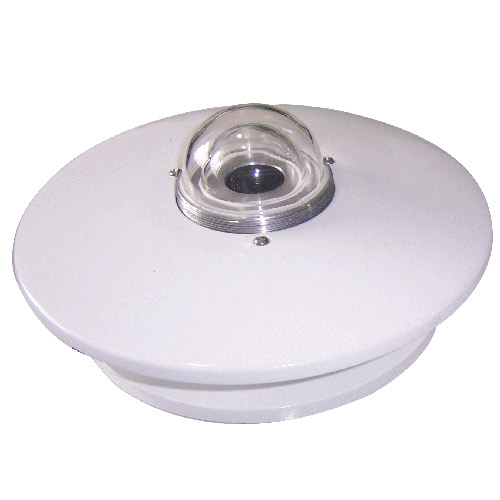 Pyranometer Solar Radiation Sensors
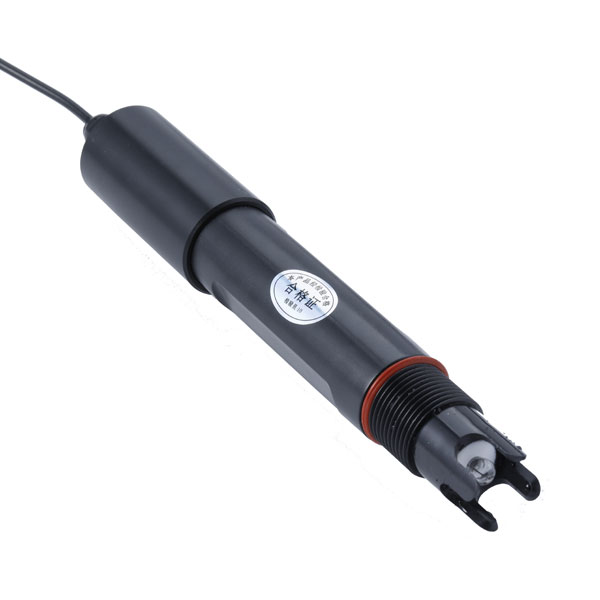 Soil ph sensor
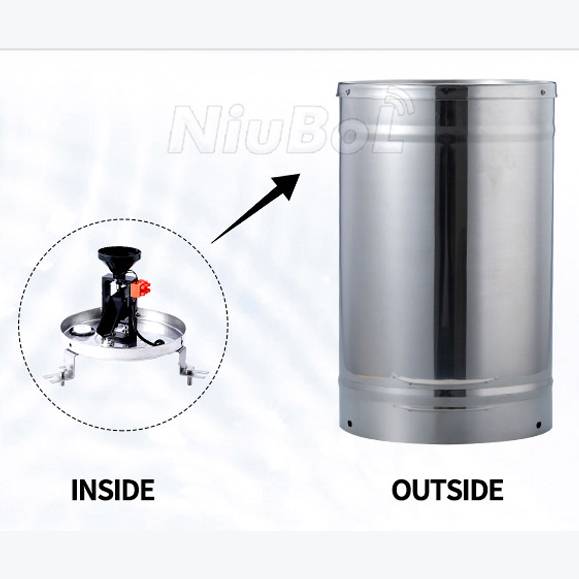 Tipping Bucket Rain Gauge - ABS and Stainless Steel
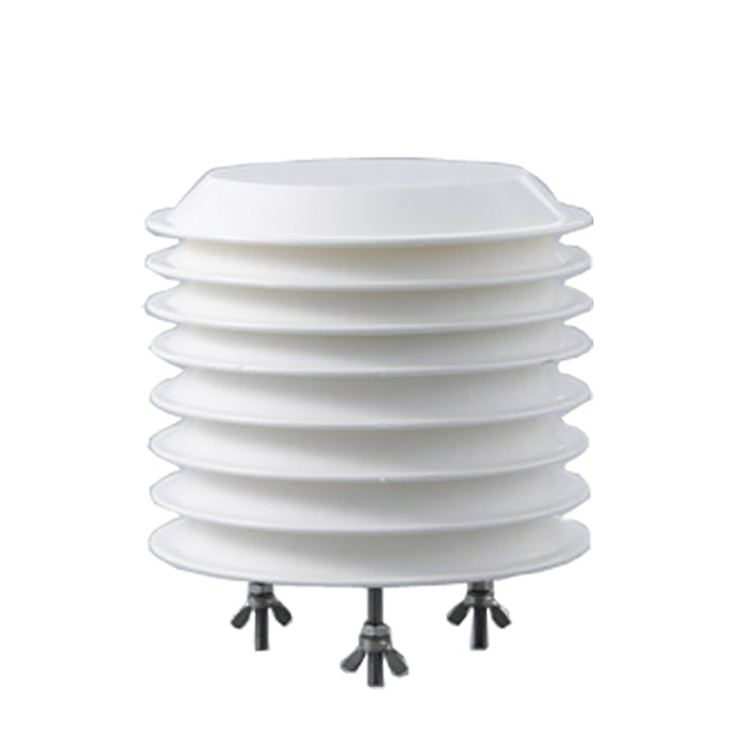 Air Temperature and Humidity Sensor


Screenshot, WhatsApp to identify the QR code
WhatsApp number:+8615367865107
(Click on WhatsApp to copy and add friends)

