





— Download —
 Consumer hotline +8618073152920
 WhatsApp:+8615367865107
Address:Room 102, District D, Houhu Industrial Park, Yuelu District, Changsha City, Hunan Province, China
All products
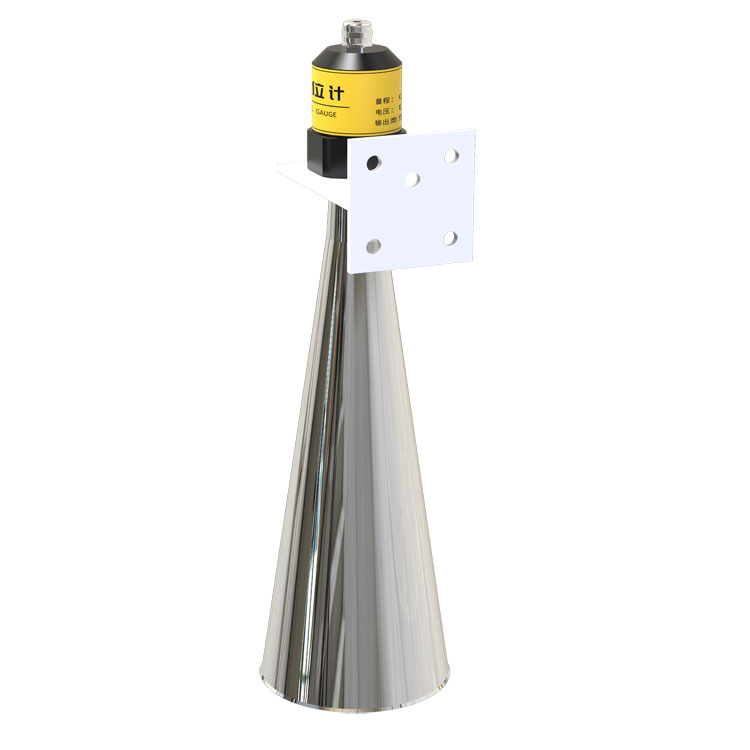
This article details the working principle, technical advantages, and installation guide of NiuBoL high-precision radar water level gauge (Water Depth Level Sensor). Using 77GHz-79GHz FMCW millimeter wave technology, it features 1mm measurement accuracy and 65-meter ultra-long range, suitable for river hydrological monitoring, urban flooding, reservoir water level warning, and industrial level control. Learn how NiuBoL enhances water management efficiency through non-contact ···
Tel/WhatsApp:+8615367865107
Email:Arvin@niubol.com +Nearly 100 partner companies in more than 75 countries. We are committed to providing high-quality, practical products to meet your needs and help you solve problems. Our products comply with international standards and are certified with ISO, CE and RoHS.Product Details
In modern hydraulic engineering and smart city construction, water level monitoring is one of the core links. Traditional submersible water level gauges are susceptible to sediment accumulation and water body corrosion, while ultrasonic water level gauges are easily interfered by temperature and humidity fluctuations. The 77GHz millimeter wave radar water level gauge (Water Depth Level Sensor) developed by NiuBoL, with its non-contact measurement, high precision, and strong anti-interference capability, is gradually becoming the preferred solution in complex hydrological environments.
As an FMCW (Frequency Modulated Continuous Wave) radar product operating in the 77GHz~79GHz frequency band, the NiuBoL water level gauge not only achieves a leap from centimeter-level to millimeter-level accuracy but also reaches industrial-grade standards in device stability and installation convenience.
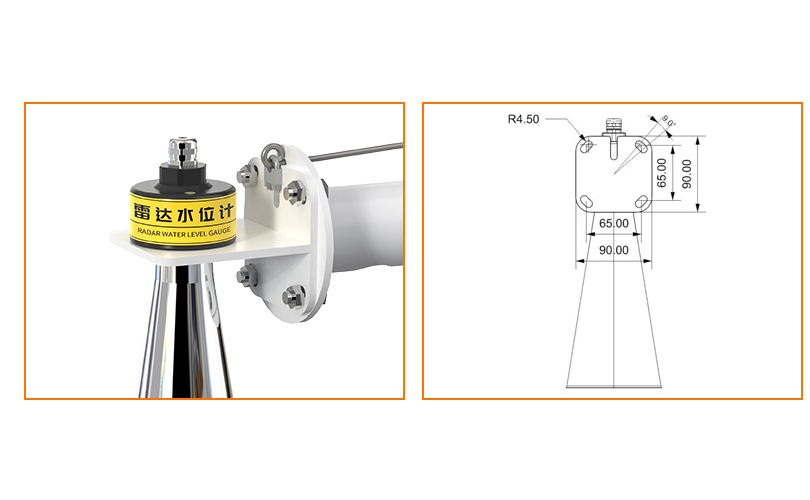
The NiuBoL radar water level gauge adopts advanced FMCW modulation technology. The device transmits a continuous wave whose frequency changes linearly over time. When the radio wave encounters the water surface, it reflects and is captured by the receiver, resulting in a frequency difference between the transmitted signal and the echo signal.
Through high-precision processing and Fast Fourier Transform (FFT) of this frequency difference (beat frequency), the system can greatly filter out environmental clutter, thereby accurately calculating the distance between the sensor and the water surface.
Higher Resolution: Compared to traditional 24GHz radar, 77GHz has greater available bandwidth, meaning higher measurement resolution and the ability to capture finer water level fluctuations.
Narrower Beam Angle: NiuBoL products achieve an extremely narrow antenna beam angle of 8°. In narrow channels, dry-season riverbeds, or environments with vegetation obstruction, the narrow beam effectively avoids sidewall interference, ensuring measurement accuracy.
Smaller Blind Zone: Based on self-developed CMOS millimeter wave RF chips, the NiuBoL water level gauge compresses the blind zone to within 15cm, excelling in low water level or close-range level monitoring.
To meet the needs of different working conditions, NiuBoL pursues excellence in hardware design. The following are the core technical specifications of the device:
| Indicator Item | Technical Parameter |
|---|---|
| Transmission Frequency | 77GHz ~ 79GHz |
| Measurement Range | 0.15m ~ 65m |
| Measurement Accuracy | ±1mm (under specific conditions) |
| Resolution | 1mm |
| Power Supply Voltage | DC 10-30V (recommended 12V) |
| Maximum Power Consumption | 0.6W |
| Communication Interface | RS485 (Modbus protocol) |
| Protection Rating | IP67 |
| Temperature & Humidity Resistance | -40℃ ~ +80℃; 0% ~ 95%RH |
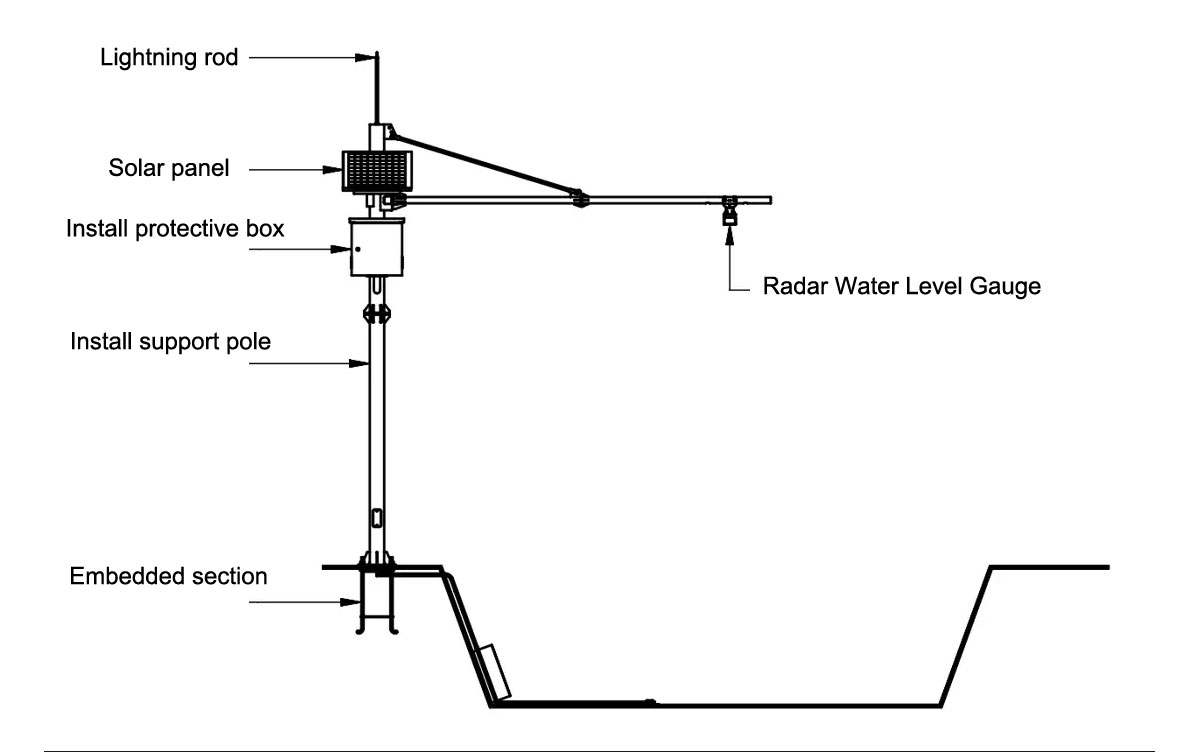
Many users ask when first using the Water Depth Level Sensor: The sensor is installed in the air and measures distance—how does it obtain the “water depth”?
This is actually a simple physical quantity conversion process. In practical engineering applications, NiuBoL recommends implementing the following logic:
Determine Installation Reference Height (H): After device installation, determine the vertical distance from the sensor radiating surface to the riverbed (or tank bottom) through manual measurement or historical data, and input it as a fixed parameter into the backend system or PLC.
Measure Empty Height (L): The radar water level gauge measures the vertical distance from the sensor to the current water surface in real time (i.e., empty height).
Calculate Water Depth (D): Use the formula D = H - L to obtain the current accurate water depth in real time.
Since the NiuBoL radar is unaffected by air density, temperature gradients, or water vapor, the measured “L” value is extremely stable, ensuring the calculated water depth data is true and reliable.

1. Compact RF Architecture and High Signal-to-Noise Ratio
Thanks to the self-developed CMOS chip, NiuBoL highly integrates the RF front-end and signal processing unit. This architecture not only reduces device size but also significantly improves the signal-to-noise ratio (SNR), enabling clear extraction of water surface reflection signals even in complex echoes from rain and snow weather.
2. Integrated Lens and Compact Size
The product adopts an integrated lens antenna design, with a smooth appearance that is less prone to water accumulation and dust adhesion. This compact design allows easy installation on bridge pier sides, riverbank extension arms, or sealed tank tops.
3. Low Power Consumption and Long Lifespan
In field hydrological stations, power supply often relies on solar energy. The NiuBoL water level gauge has a maximum power consumption of only 0.6W, with extremely low operating current ensuring stable system operation even on rainy days.
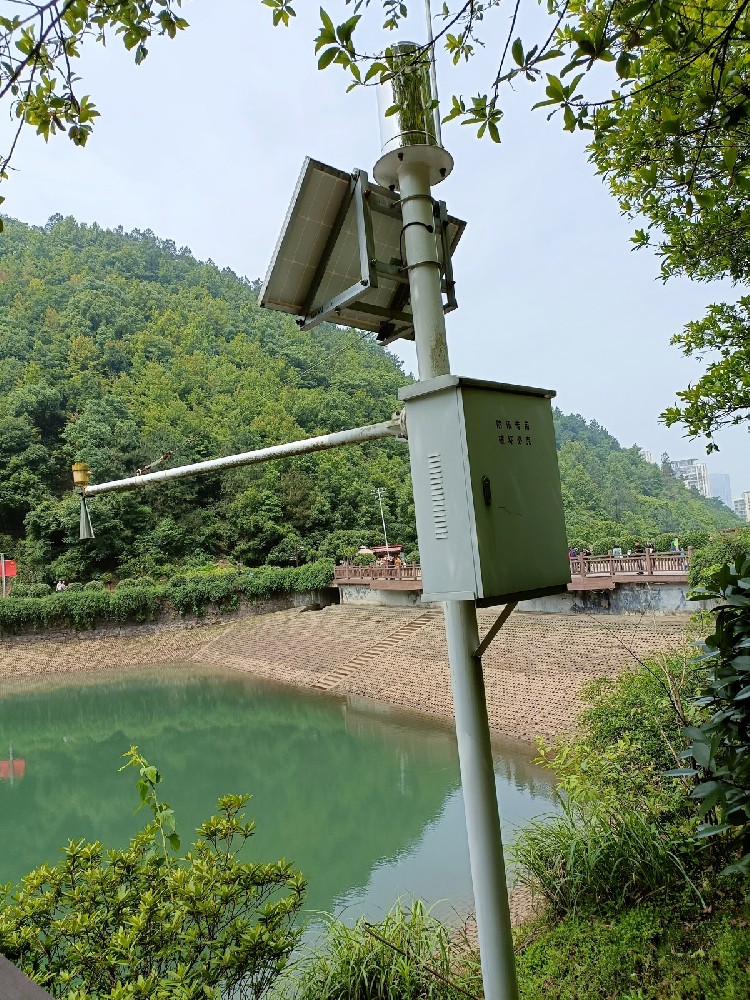
Even with excellent performance sensors, incorrect installation can lead to data anomalies.
Before construction, please verify the following checklist:
NiuBoL radar water level gauge host 1 unit (including matching fixing nuts).
Check if the housing has transport bumps and if the lens surface is clean.
Verticality Assurance: The instrument radiating surface must be completely parallel to the water surface (i.e., installed perpendicular to the water surface). Tilting will prevent effective echo reflection back to the receiver, causing significant signal attenuation or measurement failure.
Avoid Interference Objects: Although the 8° beam angle is narrow, ensure no crossbeams, branches, riverbank protrusions, or cables in the path.
Installation Position Selection: It is recommended to choose areas with relatively stable water flow. If the water surface fluctuates violently or has a lot of foam, contact the NiuBoL technical team to assist in configuring filtering parameters.
Power Supply: Supports 10-30V wide voltage, recommended to use standard 12V industrial power supply.
Communication: Uses standard RS485 output, default baud rate 9600, 8, N, 1.
Wiring Notes: Strictly prohibit reversing A/B lines; when connecting multiple NiuBoL devices on the 485 bus, modify respective addresses via software to avoid address conflicts.
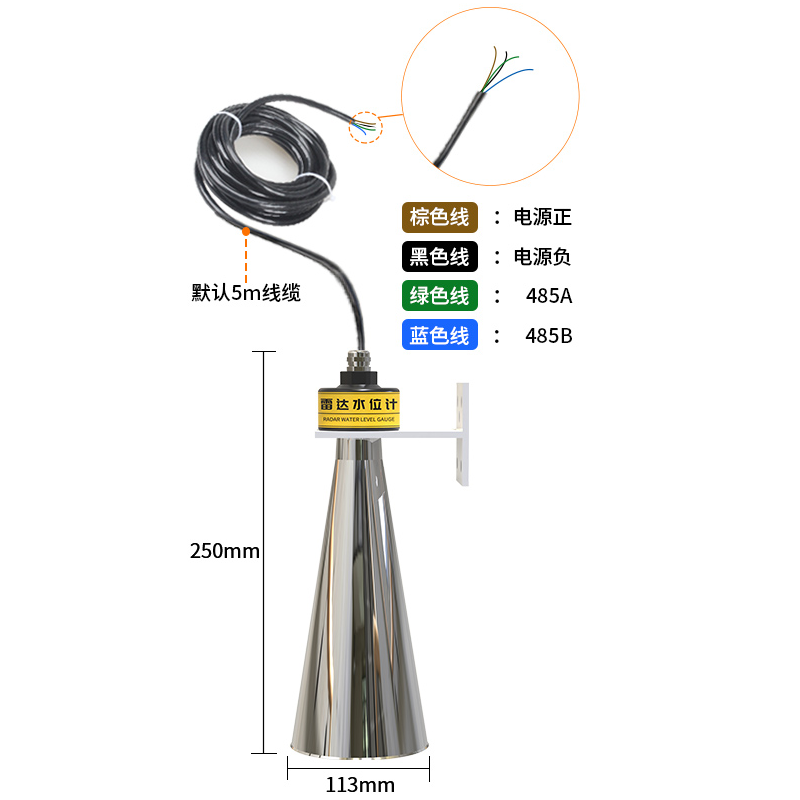
The NiuBoL 77GHz radar water level gauge, with its excellent industrial performance, has been widely applied in the following fields:
Natural Hydrological Monitoring: Real-time monitoring of river, lake, and reservoir water levels, providing data support for flood control and drought relief.
Urban Flooding Warning: Installed under overpasses and flood-prone points to monitor accumulated water depth in real time, linking with urban traffic dispatching.
Irrigation District Informatization: Monitoring water volume in open channels and irrigation canals, assisting precise agricultural water fee metering.
Industrial Level Control: Monitoring levels in sewage treatment tanks, chemical storage tanks (corrosion resistance needs evaluation), and cooling tower water levels.
Mountain Flood Disaster Warning: Combined with wireless gateways, achieving second-level alarms for sudden water level fluctuations in remote mountainous areas.
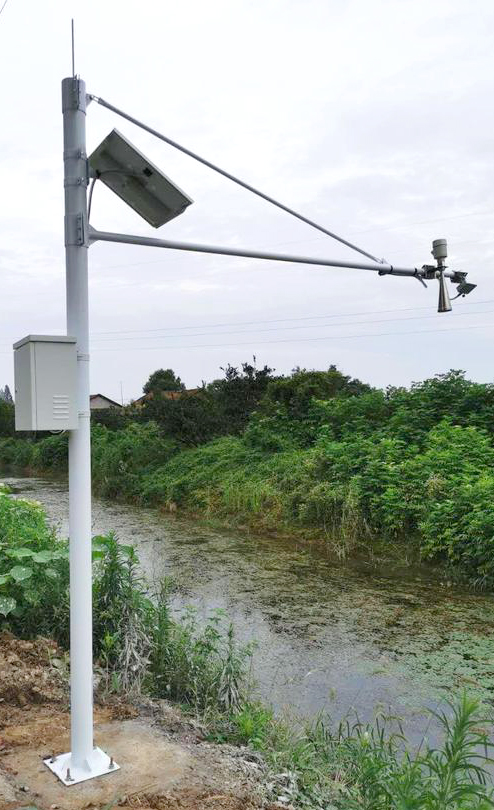
Q1: Will the 77GHz radar water level gauge fail in heavy rain?
A: No. Compared to ultrasonic waves, millimeter wave radar has extremely strong penetration through rain and fog. NiuBoL has optimized signal processing algorithms to effectively filter random interference noise from rainfall, ensuring stable water level data.
Q2: Can this sensor measure water bodies with impurities or oil contamination?
A: Yes. Radar measures the interface with abrupt dielectric constant changes. As long as a water surface exists (regardless of oil contamination or impurities), radar waves can reflect. The non-contact design also avoids sensor failure due to oil fouling coverage.
Q3: How to transmit signals over long distances on the RS485 bus?
A: Under standard industrial shielded twisted pair, RS485 can transmit up to 1200 meters. For longer distances, it is recommended to use NiuBoL's wireless transmission terminal (RTU).
Q4: Does the radar water level gauge require regular calibration? Is maintenance frequency high?
A: The NiuBoL 77GHz radar water level gauge uses non-contact measurement design, with the sensor not directly contacting the water body, thus avoiding scaling, sediment accumulation, or entanglement by aquatic plants. Due to the very stable physical characteristics of millimeter wave radar, after installation and setting the reference height, regular calibration is usually not required. It is recommended to check the lens surface for foreign object obstruction (such as bird nests or ice in extreme environments) every six months. Daily maintenance costs are extremely low.
Q5: Will measurement results be affected if the water surface has large areas of aquatic plants or duckweed?
A: Radar wave reflection depends on the target's dielectric constant. Water has a much higher dielectric constant than plants and air, so radar can usually penetrate sparse floating plants to directly measure the water surface height. However, if the water surface is completely covered by extremely dense, thick vegetation (e.g., duckweed layers thicker than several centimeters), radar signals may reflect on the vegetation surface. In such special conditions, it is recommended to set up a small cleaning area below the installation point or optimize compensation through NiuBoL backend algorithms.
Q6: What specific advantages does the NiuBoL radar water level gauge's 8° beam angle offer in narrow channel installation?
A: In narrow irrigation channels or small urban inspection wells, if the beam angle is too large (e.g., common 24° or 30°), the radar's electromagnetic waves will illuminate the channel or well walls, producing strong interference echoes and causing measurement jumps. NiuBoL's 8° narrow beam angle concentrates energy more, with the signal acting like a flashlight beam vertically toward the water surface, greatly reducing environmental clutter interference and maintaining ±1mm extreme precision even in narrow spaces.
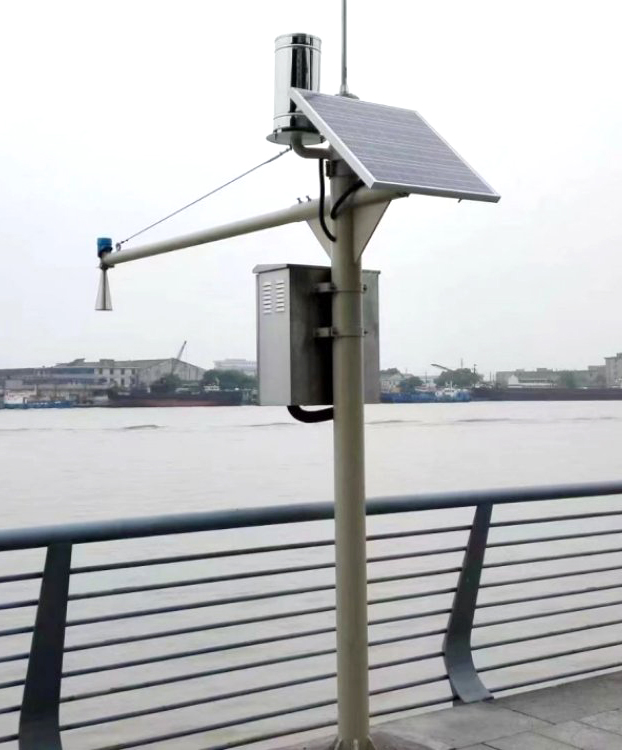
The NiuBoL high-frequency radar water level gauge (Water Depth Level Sensor) represents the cutting-edge level in current water level measurement technology. It not only solves the pain points of high maintenance frequency and susceptibility to environmental influences in traditional measurement methods but also provides reliable data “insurance” for water resources, municipal, and industrial users with 1mm high precision and 65m large range.
In the wave of digital transformation, precise data collection is the foundation of decision-making. Choosing NiuBoL means choosing a smarter and more efficient way of water resource monitoring.
If you need more customized solutions for NiuBoL water level monitoring systems or related technical drawings, please contact our technical support team. We can provide one-stop services from sensors to cloud platforms based on your specific working conditions.
Sensors & Weather Stations Catalog
 Agriculture Sensors and Weather Stations Catalog-NiuBoL.pdf
Weather Stations Catalog-NiuBoL.pdf
Agriculture Sensors Catalog-NiuBoL.pdf
Water Quality Sensor Catalog-NiuBoL.pdf
Related recommendations
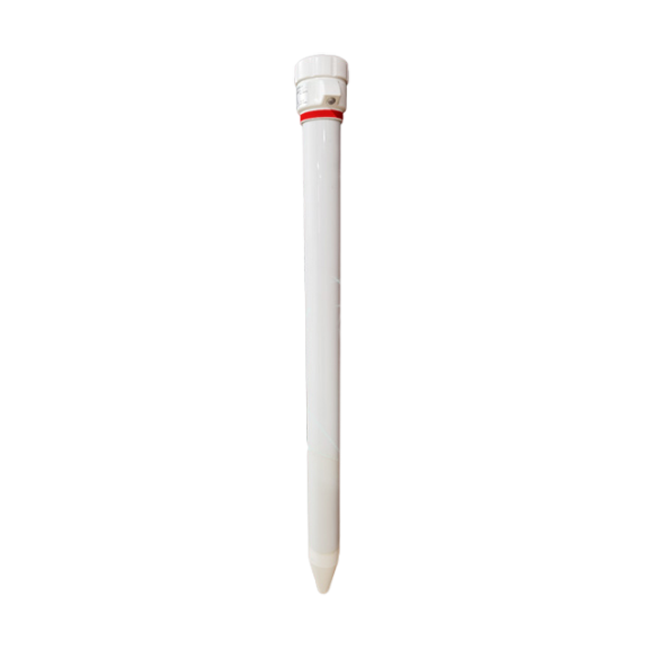 Multi-Depth Soil Sensor RS485
 TDR Soil Moisture Sensor
 Pyranometer Solar Radiation Sensors
 Soil ph sensor
 Tipping Bucket Rain Gauge
 Air Temperature and Humidity Sensor

Screenshot, WhatsApp to identify the QR code
WhatsApp number:+8615367865107
(Click on WhatsApp to copy and add friends)

