





— Products —
 Consumer hotline +8618073152920
 WhatsApp:+8615367865107
Address:Room 102, District D, Houhu Industrial Park, Yuelu District, Changsha City, Hunan Province, China
Pyranometers
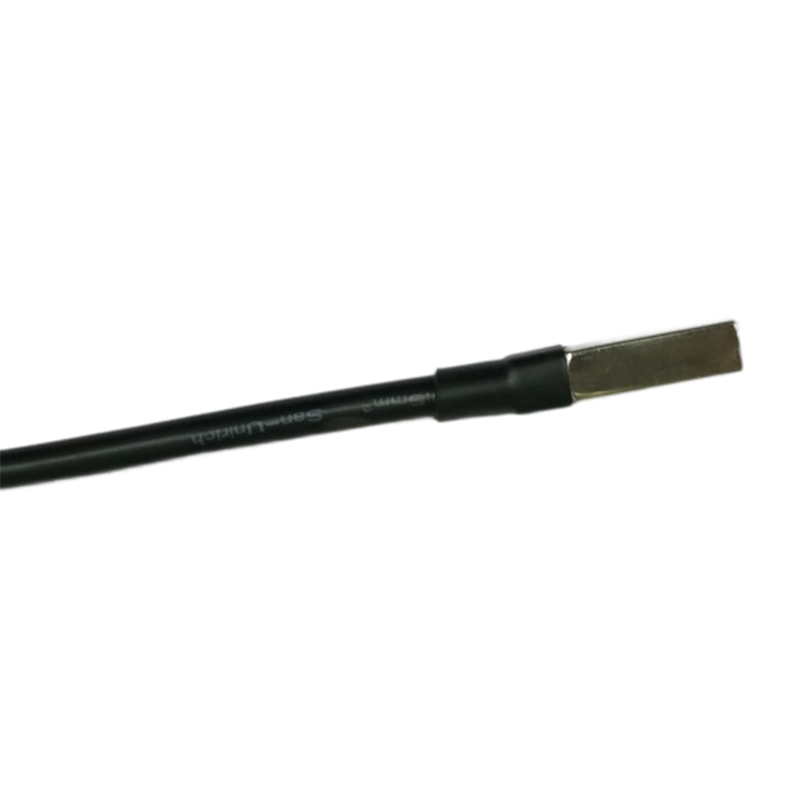
NiuBoL PT1000 Temperature Sensor for PV Modules is a patch-type temperature sensor specifically designed for photovoltaic module backsheet temperature measurement. Based on high-stability PT1000 platinum resistance, it supports industrial output methods such as 4–20mA, 0–5V, RS485, with accurate measurement and long-term stability. Widely used in photovoltaic power stations, meteorological monitoring, and new energy systems.
Tel/WhatsApp:+8615367865107
Email:Arvin@niubol.com +Nearly 100 partner companies in more than 75 countries. We are committed to providing high-quality, practical products to meet your needs and help you solve problems. Our products comply with international standards and are certified with ISO, CE and RoHS.Product Details
NiuBoL NBL-W-PPT PT1000 Temperature Sensor for PV Modules is a patch-type temperature sensor (integrated signal transmitter) specifically designed for monitoring the operating temperature of photovoltaic modules (PV Modules). The product uses a high-precision PT1000 platinum resistance as the sensing core, combined with a high-reliability signal conditioning circuit, which can stably convert temperature signals into standard industrial signals, suitable for long-term and continuous operation environments in photovoltaic systems.
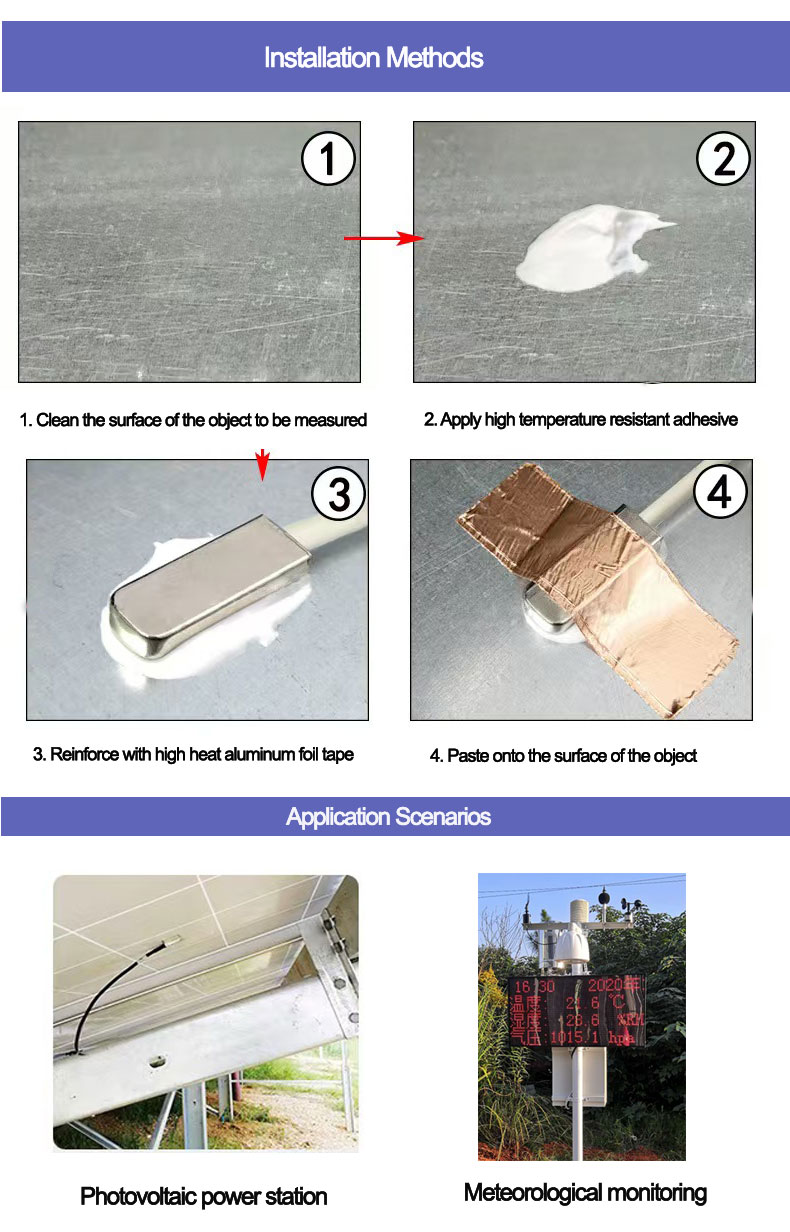
The sensor is directly attached to the back of the solar panel using thermally conductive silicone, accurately reflecting the actual operating temperature of the photovoltaic module, providing key data support for power generation efficiency evaluation, system performance analysis, and operation and maintenance.
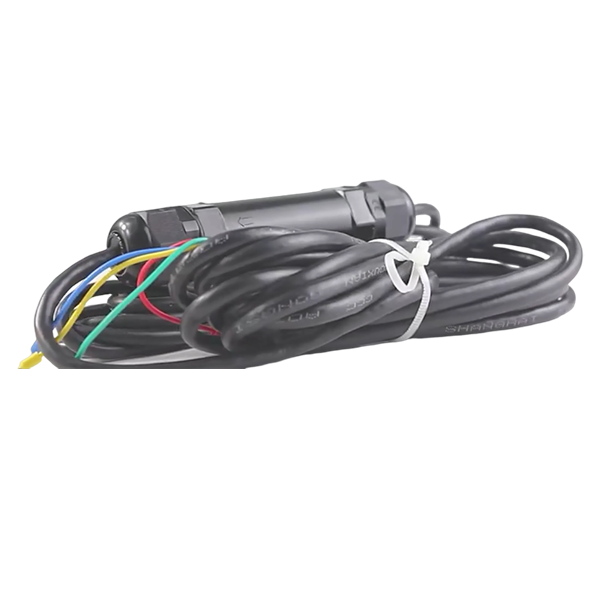
PT1000 is a typical platinum resistance temperature sensor (RTD). Its core characteristic is the highly linear and repeatable resistance change relationship of platinum resistance with temperature.
At 0℃, the nominal resistance value of PT1000 is 1000Ω
The resistance change follows the international standard (IEC 60751)
The temperature measurement method is based on resistance change, rather than direct voltage or current sensing
Compared to thermocouples or ordinary thermistors, PT1000 is more suitable for industrial and new energy applications that require high stability, high consistency, and long-term reliability.
Long-term Stability, Suitable for Photovoltaic System Lifecycle
Photovoltaic power stations are typically designed to operate for 20–25 years. PT1000 sensors have extremely low aging rates and long-term drift, suitable for long-term fixed installation.
Stronger Anti-Interference Capability
PT1000 has high resistance (1000Ω), offering significantly better anti-interference performance than PT100 and NTC solutions in outdoor complex electromagnetic environments and long-distance wiring conditions.
Good Temperature Measurement Consistency
High consistency between different sensors, suitable for multi-module and multi-array temperature comparison analysis, beneficial for system-level performance evaluation.
Easy Integration into Industrial Systems
PT1000 seamlessly integrates with standard industrial signals such as 4–20mA, 0–5V, RS485, facilitating connection to data collectors, PLCs, or photovoltaic monitoring systems.
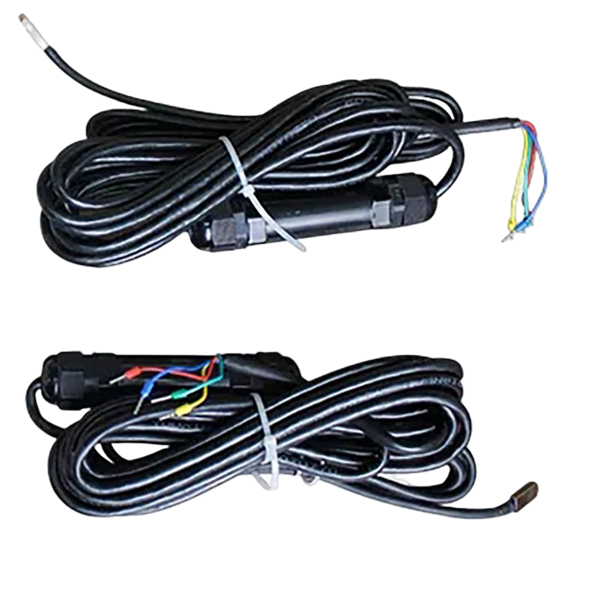
1. Accurately Reflects Module Operating Status
Photovoltaic module temperature is usually higher than ambient air temperature. Relying solely on ambient temperature cannot accurately reflect the actual operating condition of the module. The patch-type PT1000 temperature sensor directly measures the backsheet temperature, closer to the actual operating conditions of the cells.
2. Improves Accuracy of Power Generation Efficiency Evaluation
For every 1℃ increase in module temperature, output power typically decreases. Accurate module temperature data is an important basis for power correction and PR (Performance Ratio) calculation.
3. Assists Operation and Maintenance and Fault Diagnosis
By comparing temperatures of different modules or arrays, it can assist in identifying:
Abnormal module heating
Partial shading
Poor contact
Aging or performance degradation
4. Provides Key Input for Meteorological and Energy Models
In photovoltaic meteorological stations, module temperature is one of the important parameters for radiation, power, and efficiency models.
High-precision PT1000 platinum resistance sensing element
Patch-type structure for fast response and easy installation
Multiple industrial standard signal outputs available
Excellent linearity and long-term stability
Suitable for outdoor complex environments and long-term operation
Highly compatible with photovoltaic monitoring and meteorological systems
| Parameter | Specification |
|---|---|
| Measurement Range | -50 ~ 100 ℃ -20 ~ 50 ℃ (optional) |
| Measurement Accuracy | ±0.5 ℃ |
| Power Supply | DC 5V DC 12V DC 24V |
| Output Signal | 4 ~ 20 mA 0 ~ 2.5 V 0 ~ 5 V RS485 (Modbus RTU optional) |
| Cable Length | Standard 5 meters (customizable) |
| Load Resistance | Voltage type: RL ≥ 1 kΩ Current type: RL ≤ 250 Ω |
| Operating Temperature | -50 ℃ ~ 100 ℃ |
| Relative Humidity | 0 ~ 100 %RH (non-condensing) |
At the center of the back of the photovoltaic module, use the included thermally conductive silicone to apply an approximately 22 × 12 mm area along the direction of the module bracket;
Immediately after application, attach the patch temperature sensor in the direction of application and hold it in place without moving for 5–10 minutes;
After fixation, first secure the sensor cable along the module routing direction to the bracket, then perform overall wiring;
Depending on site wind speed, vibration, and temperature differences, appropriately add fixation points to ensure long-term reliable operation.
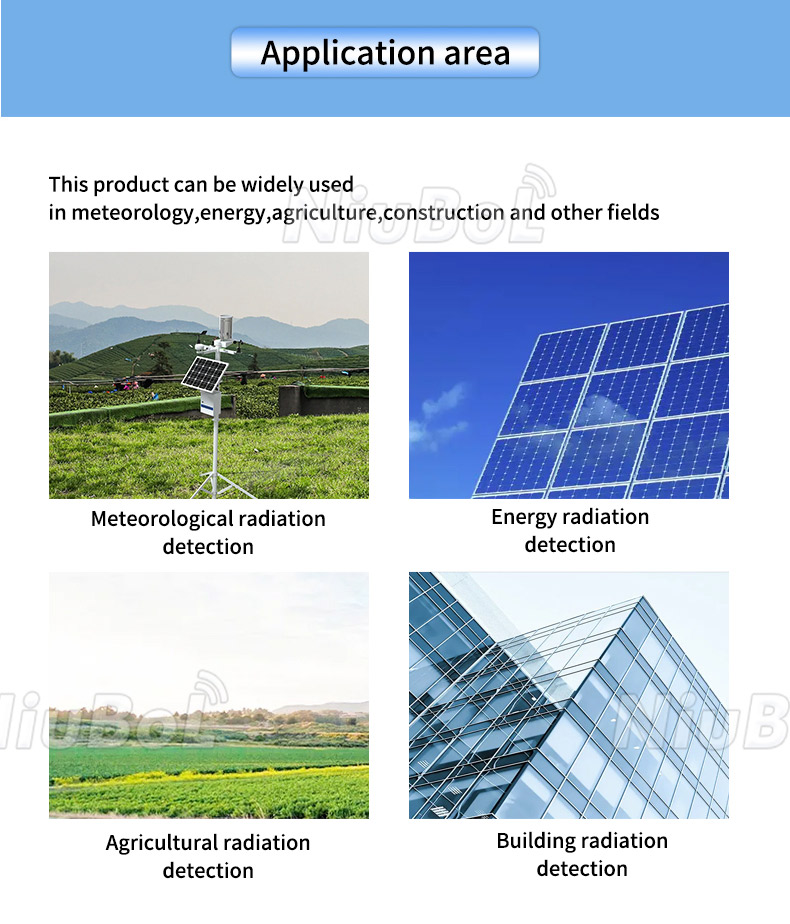
Photovoltaic power station module temperature monitoring
Distributed rooftop photovoltaic systems
Photovoltaic meteorological stations (module temperature/POA temperature)
New energy performance testing and evaluation
Environmental and meteorological monitoring systems
Industrial and laboratory temperature measurement
Q1. Which is more suitable for photovoltaics: PT1000 or PT100?
In photovoltaic systems, PT1000 is more suitable for long-distance transmission and outdoor environments, with stronger anti-interference capability.
Q2. Is patch-type measurement accurate?
Through tight adhesion with thermally conductive silicone, it can accurately reflect the backsheet temperature of the module and is a common solution in the photovoltaic industry.
Q3. Is customization supported?
Yes, output signal, range, cable length, and communication protocol can be customized.
Q4. What systems is RS485 suitable for?
Suitable for centralized monitoring, multi-point acquisition, and long-distance communication photovoltaic monitoring systems.
Q5. Will there be drift after long-term use?
PT1000 platinum resistance has an extremely low drift rate and is suitable for long-term operation.
Q6. Does it affect module safety?
The sensor is small in size and light in weight. Correct installation will not affect the module structure and performance.
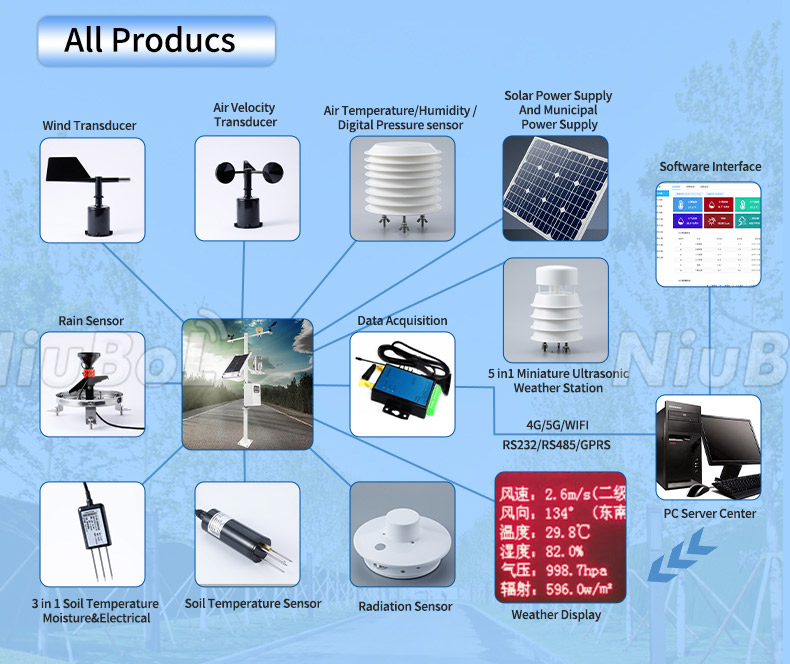
The NiuBoL PT1000 Temperature Sensor for PV Modules achieves precise and long-term monitoring of photovoltaic module operating temperature through high-stability PT1000 platinum resistance and reliable signal transmitter design. The product performs balanced in measurement accuracy, system compatibility, and outdoor adaptability, making it an ideal temperature measurement solution for photovoltaic power station operation monitoring, performance evaluation, and new energy meteorological systems.
Sensors & Weather Stations Catalog
 Agriculture Sensors and Weather Stations Catalog-NiuBoL.pdf
Weather Stations Catalog-NiuBoL.pdf
Agriculture Sensors Catalog-NiuBoL.pdf
Water Quality Sensor Catalog-NiuBoL.pdf
Related recommendations
 Pyranometer Solar Radiation Sensor 4-20mA/RS485
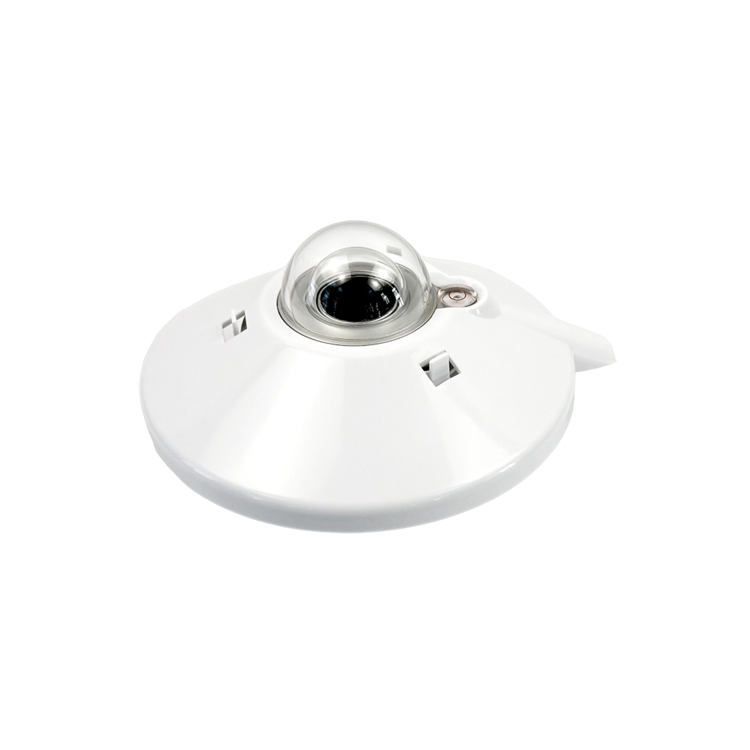 Solar Radiation Sensor (Pyranometer) A-Class PT1000 Temperature Sensor for PV Modules PT100 Solar Module Temperature Sensor
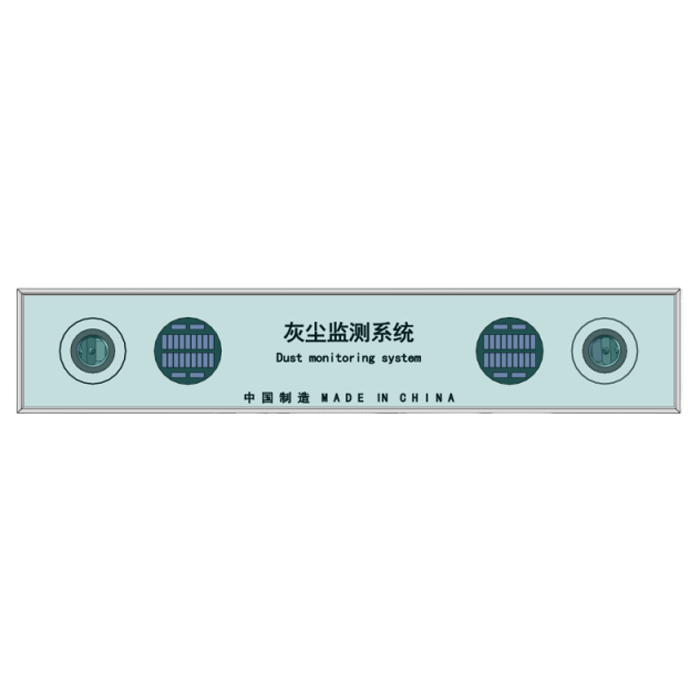 Soiling Sensor Photovoltaic Dust Monitoring Instruments
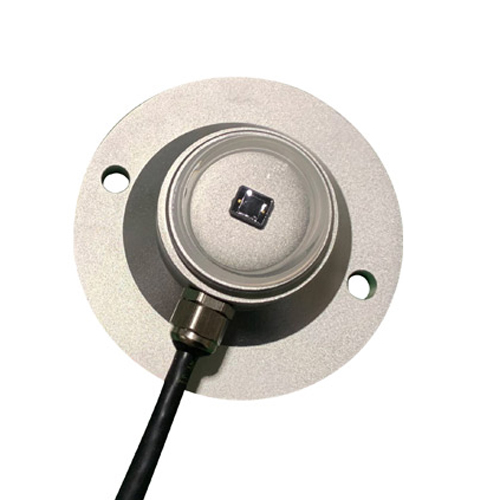 Pyranometer Solar Radiation Sensor for solar energy utilisation, meteorology, agriculture

Screenshot, WhatsApp to identify the QR code
WhatsApp number:+8615367865107
(Click on WhatsApp to copy and add friends)

