





— Download —
 Consumer hotline +8618073152920
WhatsApp:+8615367865107
Address:Room 102, District D, Houhu Industrial Park, Yuelu District, Changsha City, Hunan Province, China
All products
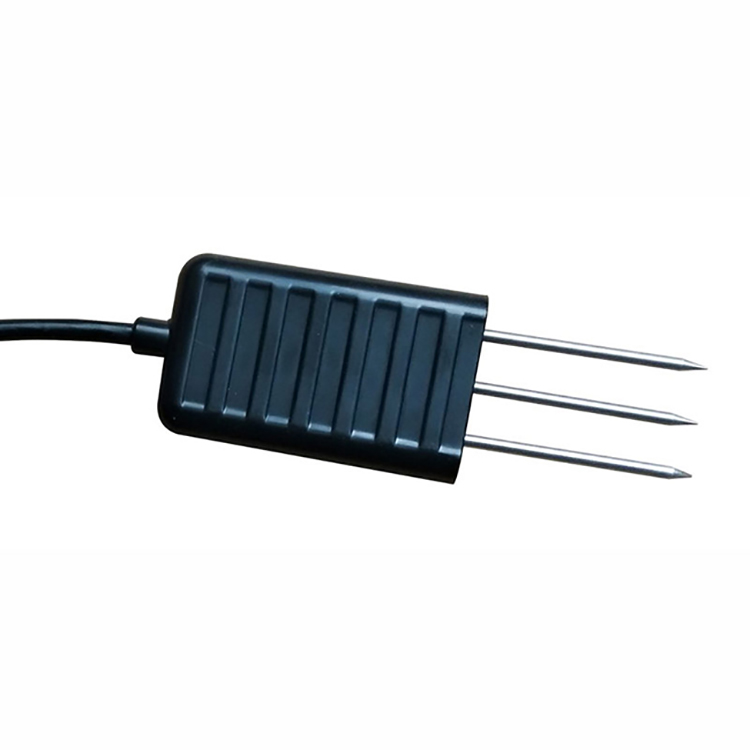
The 3-in-1 Soil Temperature Moisture EC Sensor RS485 is a powerful tool that combines soil temperature, moisture, and electrical conductivity measurements into a single, compact unit. This versatility makes it an indispensable part of any soil monitoring system, providing valuable data on the essential factors that affect plant health. 3-in-1 Soil Temperature Moisture EC Sensor Versatile Application for Various Solutions
Tel/WhatsApp:+8615367865107
Email:Arvin@niubol.com +Nearly 100 partner companies in more than 75 countries. We are committed to providing high-quality, practical products to meet your needs and help you solve problems. Our products comply with international standards and are certified with ISO, CE and RoHS.Product Details
The NiuBoL NBL-S-TMC 3-in-1 Soil Sensor measures soil temperature, volumetric water content and electrical conductivity (EC) at one monitoring location. It is designed for agricultural irrigation, greenhouse cultivation, fertigation monitoring, horticulture and soil research.
The sensor combines three measurement channels in one buried probe and communicates through RS485 Modbus RTU. It can connect to compatible agricultural data loggers, PLCs, irrigation controllers and IoT gateways.
The NBL-S-TMC uses the Frequency Domain Reflectometry (FDR) method for soil moisture measurement and an AC bridge method for soil conductivity measurement. Its sealed IP68 probe and standard 5 m cable support suitable field installations.
The sensor measures three physical parameters. It does not independently provide soil pH, nitrogen, phosphorus, potassium or a separate salinity concentration measurement.
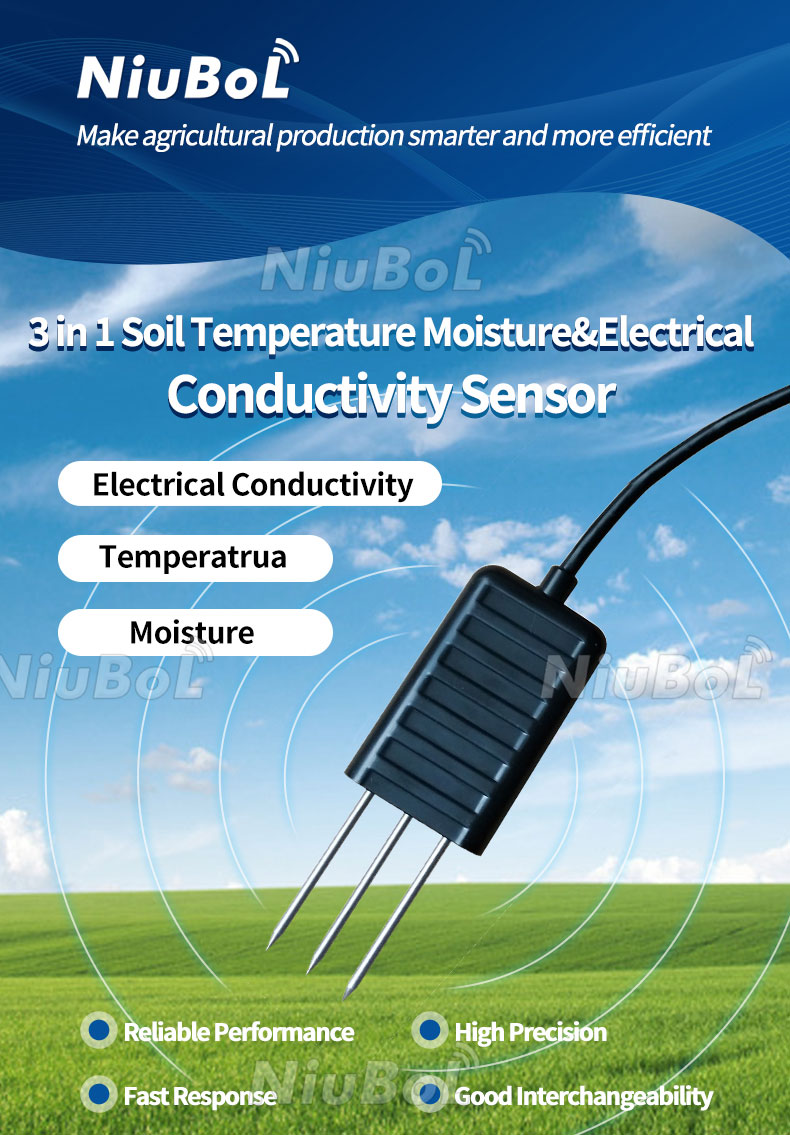
The NBL-S-TMC provides related root-zone measurements from the same location. This arrangement helps users observe soil water conditions together with temperature and electrical conductivity.
The moisture channel measures volumetric soil water content using an FDR sensing method.
Water content influences the dielectric response of soil. The sensor processes this response and estimates moisture using its calibration relationship.
The published moisture measurement range is 0–100%, with 0.1% resolution and ±5% specified accuracy.
Soil water content is different from atmospheric relative humidity. Moisture readings must not be expressed as %RH.
The temperature channel measures soil temperature from −40 to +80°C, with 0.1°C resolution and ±0.5°C specified accuracy.
Temperature measurements provide additional context when interpreting changes in soil moisture and conductivity.
The conductivity channel measures the electrical response of soil using an AC bridge method.
The specified EC range is 0–10,000 µS/cm, equivalent to 0–10 mS/cm.
Electrical conductivity is influenced by dissolved ions and soil water conditions. It can support observation of salt-related changes under suitable and comparable measurement conditions.
EC is not an independent measurement of NPK nutrients or individual salt concentrations.
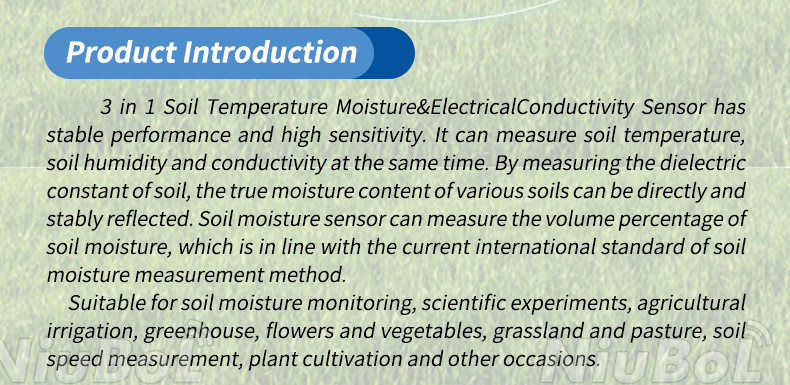
Soil moisture and EC provide different information about root-zone conditions.
Soil moisture indicates the amount of water within the measured soil volume. EC reflects the electrical response associated with dissolved ions and the surrounding soil medium.
Monitoring both parameters can help identify changes associated with irrigation, rainfall and fertilizer application.
However, EC readings are affected by soil moisture. A change in EC does not necessarily mean that the actual quantity of dissolved salts has changed by the same proportion.
For meaningful comparisons, consider the following conditions:
Soil moisture at the time of measurement.
Soil temperature and the applicable EC temperature compensation.
Soil texture, compaction and installation conditions.
Irrigation and rainfall history.
Fertilizer application and drainage conditions.
The sensor provides measurement data for evaluation by the user or an external monitoring system. It does not independently determine fertilizer application rates or control irrigation valves.
| Parameter | Specification |
|---|---|
| Model | NBL-S-TMC |
| Measured Parameters | Soil Temperature, Moisture and EC |
| Soil Temperature Range | −40 to +80°C |
| Temperature Accuracy | ±0.5°C |
| Temperature Resolution | 0.1°C |
| Soil Moisture Range | 0–100% VWC |
| Moisture Accuracy | ±5% |
| Moisture Resolution | 0.1% |
| Moisture Measurement Principle | FDR |
| EC Measurement Range | 0–10,000 µS/cm |
| EC Accuracy | ±5% |
| EC Resolution | 1 µS/cm |
| EC Measurement Principle | AC Bridge |
| EC Temperature Compensation Range | 0–50°C |
| Power Supply | DC 5–24V or DC 12–24V, by configuration |
| Output Interface | RS485 Modbus RTU |
| Default Baud Rate | 9600 bps |
| Minimum Communication Interval | 1000 ms |
| Protection Rating | IP68 |
| Operating Temperature | −40 to +85°C |
| Probe Dimensions | 45 × 15 × 135 mm |
| Electrode Length | 50 mm |
| Sealing Material | Black Epoxy Resin |
| Standard Cable Length | 5 m |
Soil measurement accuracy depends on the stated calibration conditions and the actual soil environment. Different soil textures, moisture conditions and salinity levels may affect field measurement performance.
The IP68 specification applies to the sensor probe. Cable joints, connectors and external electronic equipment require suitable independent protection.
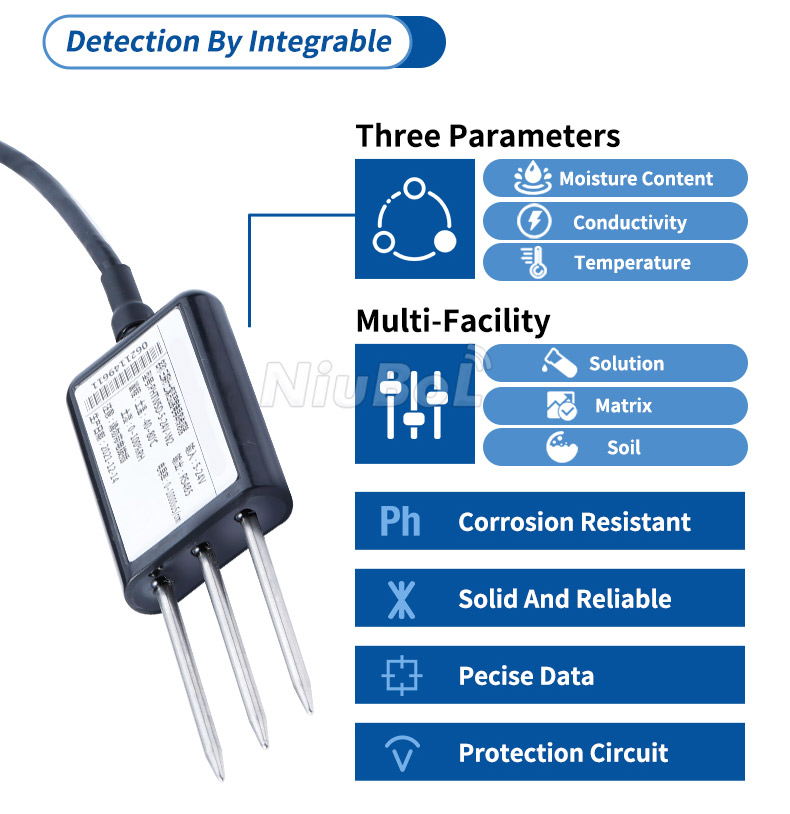
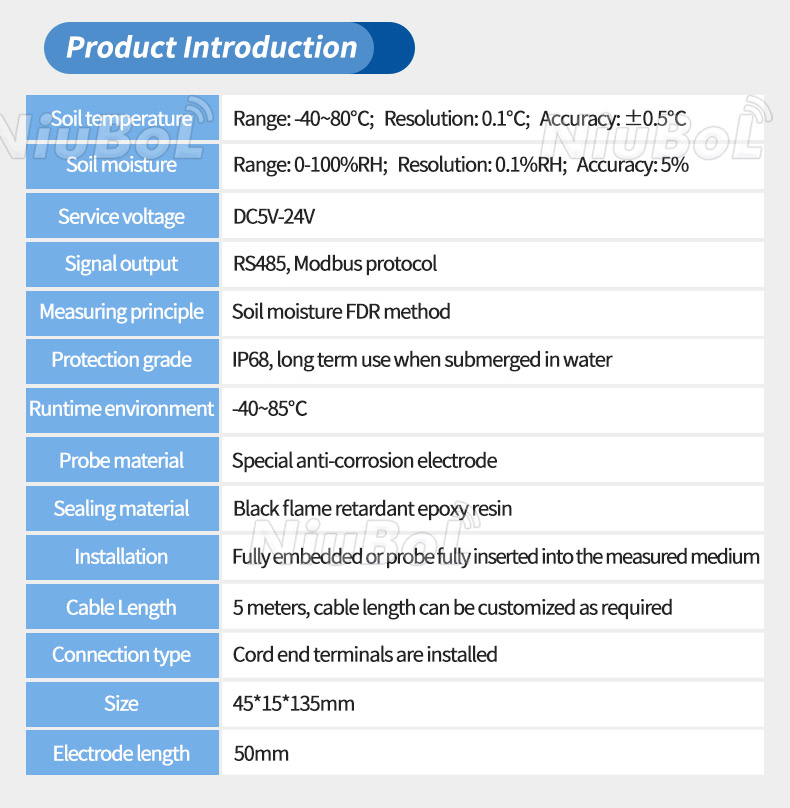
The NBL-S-TMC uses a rectangular sensing body with three metal electrodes extending into the soil.
The published dimensions are approximately 45 × 15 × 135 mm, including 50 mm sensing electrodes.
The sensor is designed for insertion into soil or suitable buried installation. Good contact between the electrodes and soil is important for reliable measurements.
Although the probe has an IP68 protection rating, accurate soil measurements require an appropriate soil installation and calibration basis. Immersing the sensor in water does not automatically provide validated soil-equivalent moisture or EC readings.
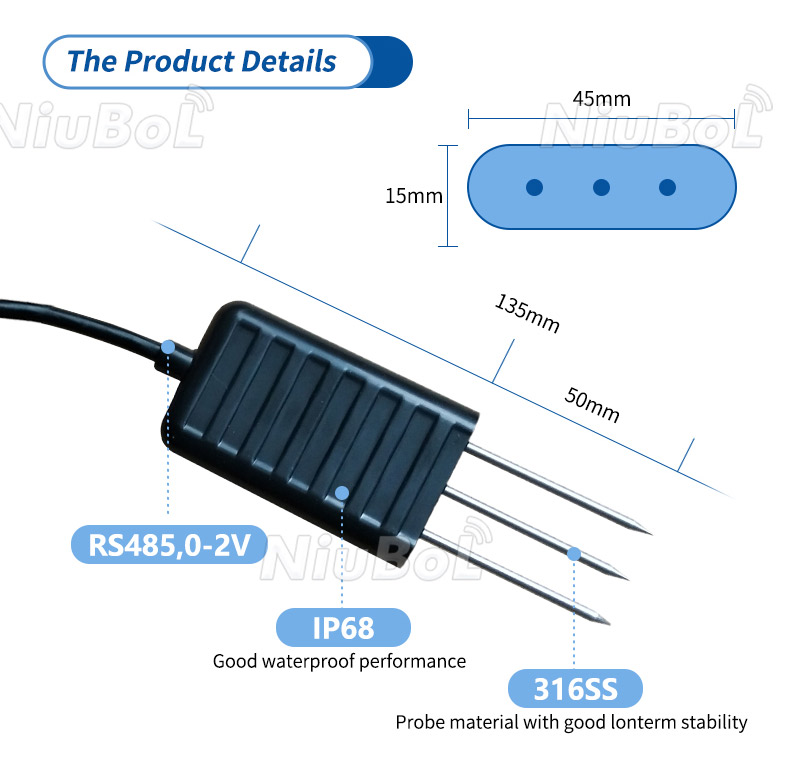
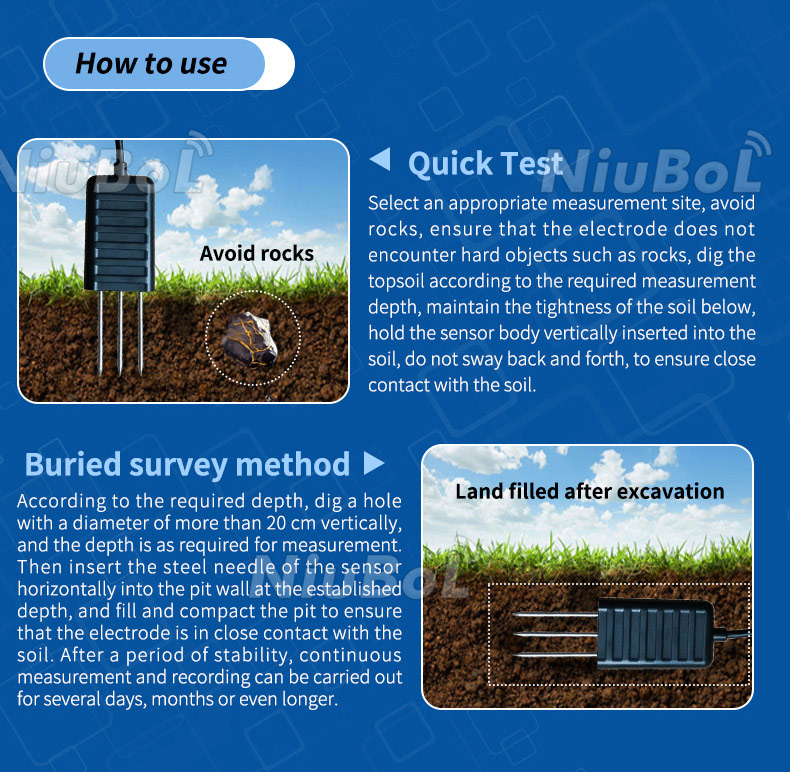
The NBL-S-TMC can be installed for temporary field measurements or continuous soil monitoring at a selected depth.
Select a representative monitoring location and avoid stones or hard objects that could damage the electrodes.
Insert the sensing rods carefully into the soil. Avoid shaking the probe sideways after insertion because this may create air gaps around the electrodes.
For comparisons, use consistent measurement depths and consider taking readings at more than one location.
For long-term monitoring, prepare a soil pit at the required depth.
Insert the electrodes horizontally into undisturbed soil at the side of the pit, ensuring close contact between the sensing surfaces and surrounding soil.
Carefully backfill the excavation while protecting the cable and maintaining the original soil structure as much as practical.
Record the installation depth and location for later interpretation of the data.
EC measurements can be affected by the amount of water surrounding the sensing electrodes.
Under very dry conditions, the electrical contact and dissolved-ion response may differ from measurements taken after irrigation or rainfall.
When comparing EC trends, consider soil moisture conditions and use a consistent observation procedure.
The NBL-S-TMC provides soil temperature, moisture and EC measurements through RS485 Modbus RTU communication.
It can connect to compatible PLCs, agricultural data loggers, irrigation controllers and RS485 communication gateways.
| Wire Color | Connection |
|---|---|
| Red | DC Power Positive |
| Black | DC Power Negative |
| Yellow | RS485 A (+) |
| Blue | RS485 B (−) |
The cable label and wiring instructions supplied with the ordered sensor should be followed if they differ from the standard configuration.
The RS485 version supports Modbus RTU with a default communication rate of 9600 bps, 8 data bits and no parity.
For a device address of 01, the following example request reads three measurement registers:
01 03 00 00 00 03 05 CB
The three returned registers correspond to soil temperature, soil moisture and electrical conductivity.
| Register | Parameter | Data Scaling |
|---|---|---|
| 0000 | Soil Temperature | Raw Value ÷ 10 = °C |
| 0001 | Soil Moisture | Raw Value ÷ 10 = % |
| 0002 | Soil EC | Raw Value = µS/cm |
The temperature channel uses signed-value interpretation, and the controller must handle invalid or missing measurement codes correctly.
The interval between communication requests should be at least 1000 ms.
The NBL-S-TMC is a wired soil measurement probe. A compatible data logger or RTU can collect its temperature, moisture and EC readings.
For remote monitoring, an external gateway may transfer collected data using supported 4G, Ethernet or Wi-Fi communications.
The NBL-S-TMC itself does not include independent cellular communication or a built-in cloud connection.
In an irrigation monitoring system, soil moisture and EC readings can be used as inputs for external decision-making or control logic.
Automatic pump or valve operation requires compatible controllers, actuators and an appropriate irrigation system.
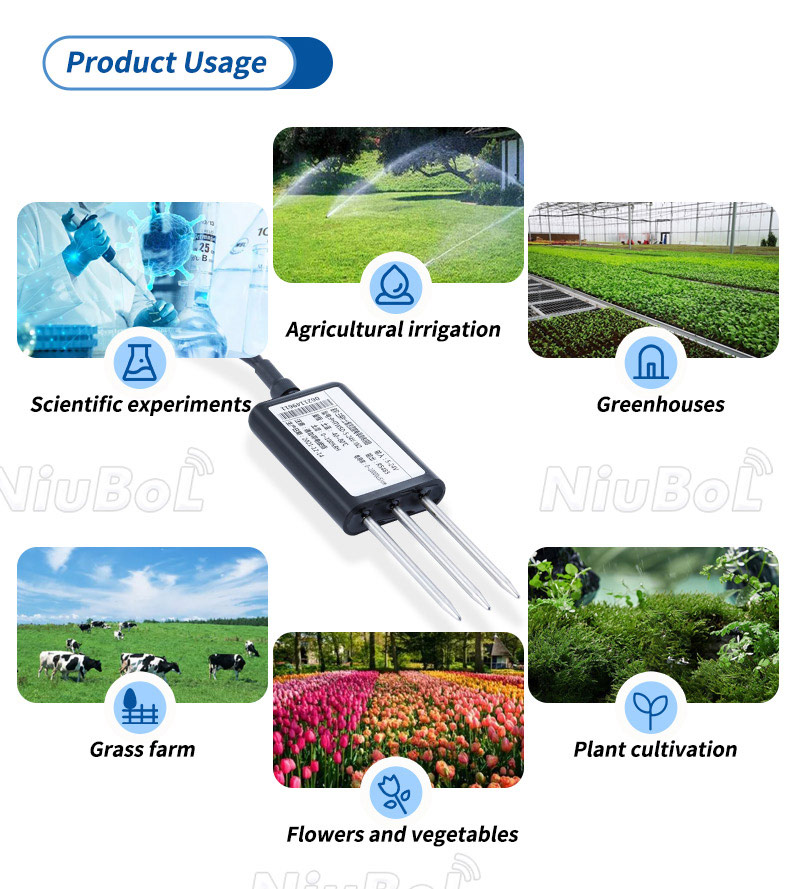
Drip irrigation: Observe moisture changes and EC conditions near selected crop root-zone locations.
Greenhouse cultivation: Collect temperature, moisture and EC data from representative soil beds.
Orchards: Monitor selected soil depths to observe changes associated with irrigation and seasonal water availability.
Fertigation monitoring: Use EC trends as supporting information when evaluating irrigation and fertilizer application, together with appropriate soil and irrigation-water measurements.
Soil research: Collect three related soil measurements from a defined location using a compatible data acquisition system.
A single probe measures conditions near its sensing region. Large fields or variable root zones may require multiple probes at different positions or depths.
The NBL-S-TMC is suitable when a project requires temperature, moisture and electrical conductivity from one soil monitoring point.
For moisture and temperature without EC, a two-parameter soil sensor may be sufficient.
For an additional salinity-related output, the NBL-S-TMCS four-parameter configuration can be considered.
| Model | Measurements | Selection Purpose |
|---|---|---|
| NBL-S-TM | Temperature, Moisture | Basic Root-Zone Monitoring |
| NBL-S-TMC | Temperature, Moisture, EC | Irrigation and EC Monitoring |
| NBL-S-TMCS | Temperature, Moisture, EC, Salinity | Water-Salt Monitoring |
The three models have different measurement channels and technical characteristics. Verify the selected model's measuring range, accuracy and output before ordering.
For the detailed model family, see the NBL-S-TMC 3-in-1 Soil Sensor and NBL-S-TMCS 4-in-1 Soil Sensor.
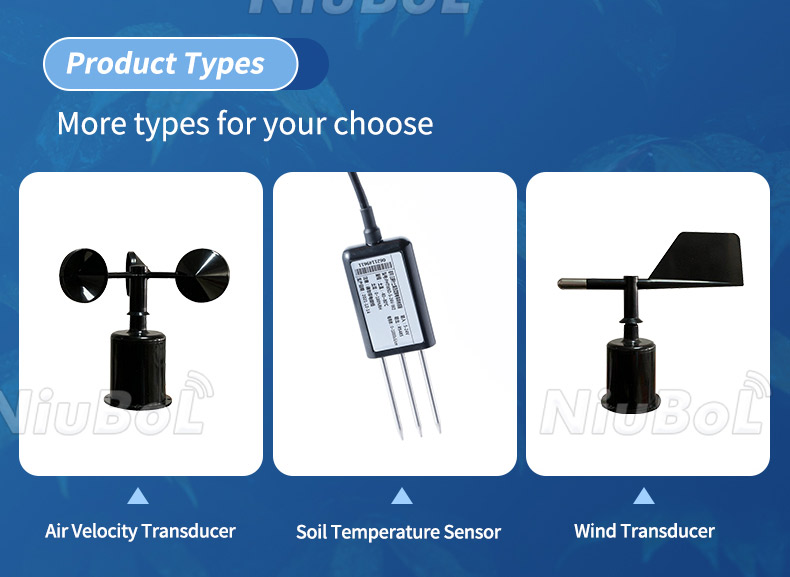
Download the NBL-S-TMC instruction manual for model specifications, wiring, installation procedures and RS485 Modbus RTU communication information.
 NBL-S-TMC Soil Temperature, Moisture and Conductivity Sensor Instruction Manual V4.0.pdf
For product selection and quotation, please provide the required quantity, soil conditions, monitoring depths, output interface, power supply, cable length and receiving data acquisition equipment.
For agricultural IoT projects, also specify whether data logging, remote communication or connection to a customer-owned controller or server is required.
The NBL-S-TMC provides soil temperature, volumetric moisture and EC measurements. It can be integrated into monitoring and irrigation systems through compatible external equipment.
To request technical details or pricing, contact NiuBoL with your project requirements.
Sensors & Weather Stations Catalog
 Agriculture Sensors and Weather Stations Catalog-NiuBoL.pdf
Weather Stations Catalog-NiuBoL.pdf
Agriculture Sensors Catalog-NiuBoL.pdf
Water Quality Sensor Catalog-NiuBoL.pdf
Related recommendations
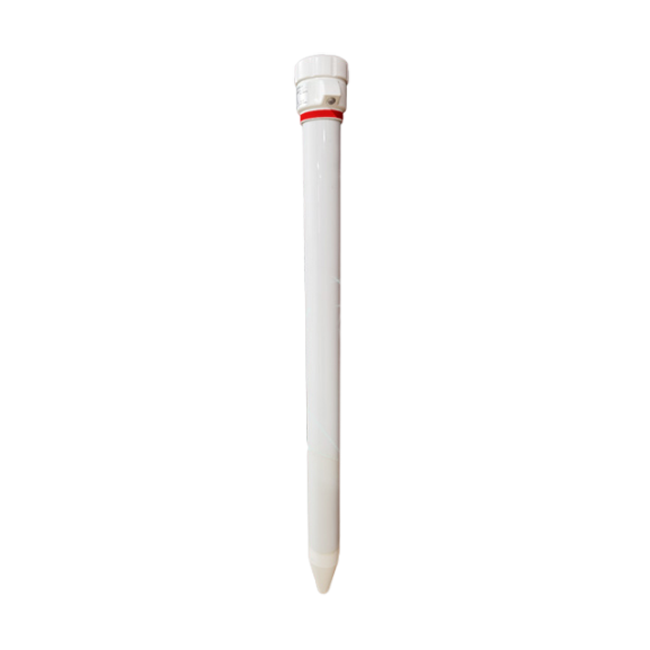 Multi-Depth Soil Sensor RS485
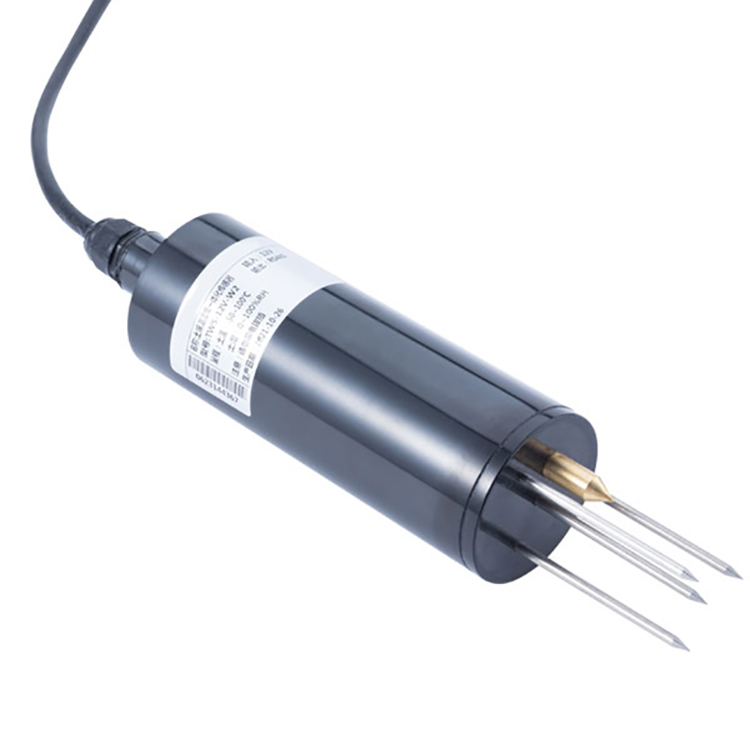 TDR Soil Moisture Sensor
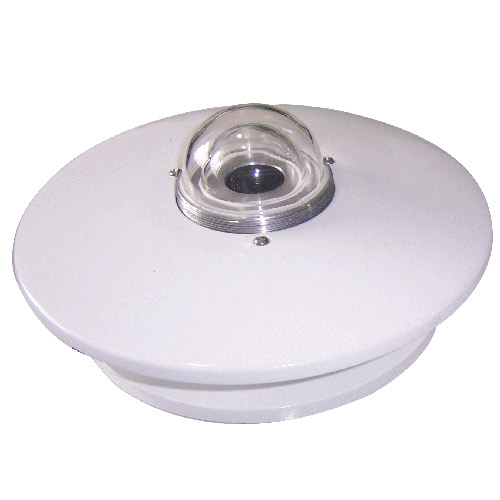 Pyranometer Solar Radiation Sensors
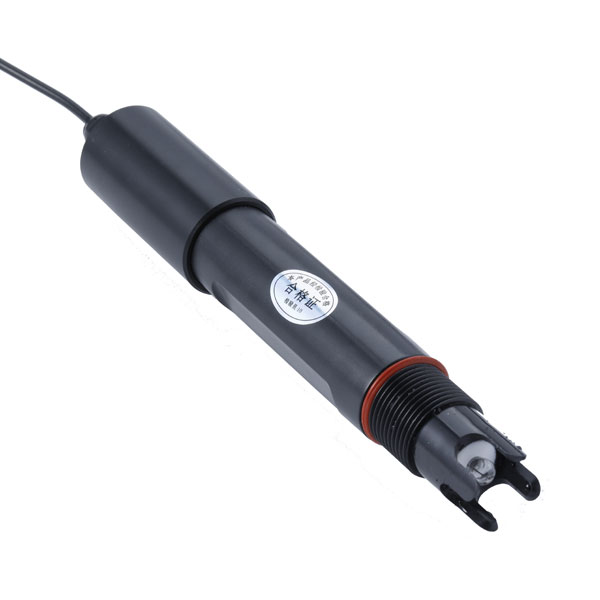 Soil ph sensor
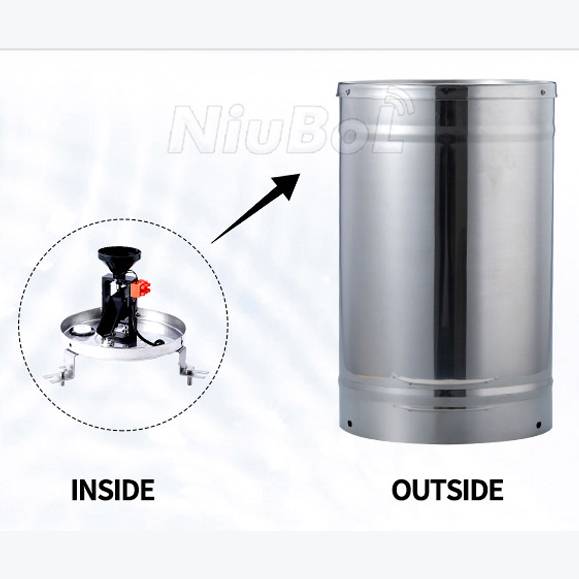 Tipping Bucket Rain Gauge - ABS and Stainless Steel
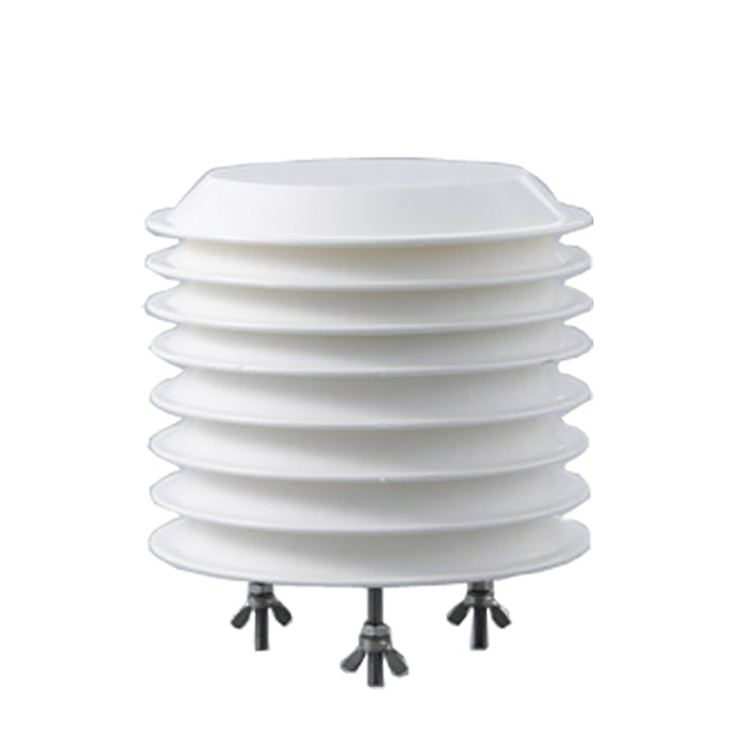 Air Temperature and Humidity Sensor


Screenshot, WhatsApp to identify the QR code
WhatsApp number:+8615367865107
(Click on WhatsApp to copy and add friends)

