





— Download —
 Consumer hotline +8618073152920
WhatsApp:+8615367865107
Address:Room 102, District D, Houhu Industrial Park, Yuelu District, Changsha City, Hunan Province, China
All products


Select a NiuBoL nitrogen dioxide sensor for industrial ambient monitoring. Compare gas exposure, interference and sampling requirements before requesting a project quote.
Tel/WhatsApp:+8615367865107
Email:Arvin@niubol.com +Nearly 100 partner companies in more than 75 countries. We are committed to providing high-quality, practical products to meet your needs and help you solve problems. Our products comply with international standards and are certified with ISO, CE and RoHS.Product Details
Quick Answer: Select a nitrogen dioxide sensor by the air or gas stream it must measure and the decision the reading supports. A NiuBoL electrochemical diffusion configuration can monitor NO2 in surrounding air and feed compatible acquisition equipment. Direct combustion exhaust, extracted samples and protective alarms require separate assessment; they are not interchangeable applications of an ambient sensor.

Ambient trend reporting, combustion-process diagnosis, boundary monitoring and worker-safety alarms are different measurement tasks. Each has a different representative location, response-time expectation, range and acceptance basis. Write the operational decision first. A general environmental sensor should not be presented as a certified safety instrument unless the exact ordered system and applicable approval support that use.
An industrial site can contain several different measurement environments. Air beside a boiler building is not the same sample as gas inside the flue. A perimeter point may help investigate changing ambient conditions but cannot directly report the boiler's emission concentration. Identify which of those quantities the project actually needs before choosing a range or mounting bracket.
The nitrogen dioxide sensor measures NO2, not automatically nitric oxide or total NOx. If a process specification asks for NOx, establish the required species and calculation or measurement method. Renaming an NO2 tag as NOx in the PLC does not supply the missing measurement.
| Required task | Suitable starting point | Selection boundary |
|---|---|---|
| Ambient trend near industrial equipment | Exposed diffusion inlet at a representative air location | Review concentration performance and interfering gases. |
| Hot or wet combustion exhaust | Process measurement design for the actual gas stream | Do not insert an ambient assembly directly into the flue. |
| Extracted gas at an accessible cabinet | Engineered sample path with suitable materials and conditioning | Validate concentration recovery and delay through the complete path. |
| Personnel protection or mandatory reporting | Equipment and method meeting the project's applicable requirements | A communication interface or industrial housing is not approval for this duty. |
The NBL-W-6GAS assembly provides a defined NO2 option alongside other gas channels, with optional particulate measurements. Its NO2 channel is one available configuration for ambient monitoring; the following specifications should not be transferred to an independently ordered probe or another transmitter simply because it measures the same gas.
| Item | NBL-W-6GAS NO2 configuration | Practical implication |
|---|---|---|
| Measurement principle | Four-electrode electrochemical sensing | Obtain the interference information for the actual cell. |
| Sampling method | Diffusion | The intended air must reach the inlet. |
| NO2 range / resolution | 0-5 ppm / 0.001 ppm | Check the required concentration differences, not only decimal places. |
| Gas accuracy | +/-5% FS | Equivalent to +/-0.25 ppm over the 5 ppm span. |
| Power supply | 12 VDC | Provide a suitable external supply at the assembly. |
| Output | RS485 Modbus RTU | Connect through a compatible PLC, RTU or data logger. |
| Operating conditions | -30 to 50 degrees C; 15-90% RH | Assess heat, fog and condensation at the intended air point. |
| Housing / mounting | IP65; pole mounting | Field connections and the acquisition cabinet need their own protection. |
| Power consumption / cable jacket | Confirm for the ordered assembly and cable arrangement | Complete the supply and cable design before installation. |
A 0.001 ppm increment is 1 ppb, whereas +/-0.25 ppm is +/-250 ppb. An application needing small differences at low ambient concentrations therefore needs performance evaluation against those requirements. The display increment alone cannot establish suitability. Request an appropriate comparison when the concentration decision is more demanding than the stated specification supports.
An electrochemical cell produces an electrical response when target gas reaches its electrodes. Temperature, humidity, ageing, gas flow and cross-sensitive compounds can influence the result. List other oxidizing gases, solvents, cleaning agents and combustion products expected at the site. The supplier can then review whether the selected channel, filter or sampling arrangement fits the gas mixture.
Send the likely gas composition with the inquiry, including ozone where relevant. Ask for cross-response information and any filtering or compensation used in the offered version. Several gas names on one display do not establish that each cell responds exclusively to its named gas.
Distinguish an expected process change from a possible interference event. For example, cleaning work may change the surrounding air without a corresponding change in normal equipment operation. Record the event and compare it with the measurement before changing a calibration or interpreting the excursion as an NO2 release.
If a correction depends on another channel, clarify what happens when that channel is missing, unavailable or replaced. Obtain the applicable configuration before acceptance. Do not invent a cross-sensitivity coefficient or apply a generic subtraction from another gas reading; a plausible-looking corrected value can still be unsupported.
A diffusion sensor is exposed directly to surrounding air and avoids sampling-line losses. A duct or pumped system can bring gas to an accessible analyser but introduces tubing compatibility, flow, filtration, condensation and transport delay. Nitrogen dioxide is reactive, so long or unsuitable sample lines can change the concentration before it reaches the cell.
For diffusion monitoring, preserve air exchange around the intended opening. A sealed cabinet protects electronics but changes the air being measured. Locate the sensing assembly separately from the protected logger where necessary, and avoid a bracket or rain cover that encloses the inlet.
For an extracted sample, describe inlet temperature, moisture, pressure, flow, line length and expected contaminants. Any proposed cooler, dryer, filter or tubing must be assessed for its effect on the target concentration. A successful bench check at the sensing element does not validate an upstream sample line.
Transport delay also changes the meaning of a timestamp. If gas takes time to reach an analyzer, a response cannot automatically be aligned with the same instant in a combustion-control log. Establish the overall timing before using the readings to investigate a short operating event. Do not prescribe a universal line length or delay without an actual sample-system design.
At an industrial perimeter, compare candidate locations with the sources, surrounding buildings and wind exposure. Beside equipment, distinguish the normal air environment from a direct exhaust jet. The useful position depends on whether the operator wants a representative trend or a deliberately source-influenced diagnostic point.
For combustion or boundary projects, interpret NO2 alongside operating load, fuel, exhaust condition, wind direction and atmospheric stability. Time synchronization is essential. A ten-minute clock error between the gas channel and process historian can create a false cause-and-effect conclusion even when both instruments are functioning correctly.
Use the same averaging period when comparing NO2 with production or weather records. A short peak and an hourly average describe different time scales. Keep missing periods visible rather than replacing every unavailable reading with zero. Those decisions affect the interpretation of an industrial ambient trend even when the sensor is correctly installed.
For the RS485 configuration, confirm the NO2 channel identity, numeric conversion and serial settings against the delivered version. Check the value in the archived record, including its unit. The NiuBoL multi-gas integration page covers channel mapping for the combined assembly; the application decision here remains whether that assembly suits the intended gas environment.
Use a suitable reference comparison or an approved controlled test when concentration performance is part of acceptance. Check the complete sample path if one is fitted. A valid Modbus response tests communication, while a current or digital simulation at the receiving equipment tests only part of the acquisition chain.
Agree who performs calibration checks and who can replace the sensing element or assembly. Service access should permit work without exposing personnel to an uncontrolled gas stream. Use qualified personnel and an approved procedure for gas tests; releasing gas around a field sensor is not an acceptable informal demonstration.
To request a NiuBoL quotation, identify ambient or process duty, NO2 concentration requirements, other gases, exposure conditions, sampling arrangement and receiving equipment. Include the verification work and any required approval. Compare quotations on that defined duty, rather than treating a bare gas channel and an engineered analyzer as equivalent purchases.
The system illustration below includes optional weather and soil instruments as well as acquisition equipment. Those devices are not included automatically in an NO2 assembly. Add weather measurements only when they support the site's interpretation or reporting task.
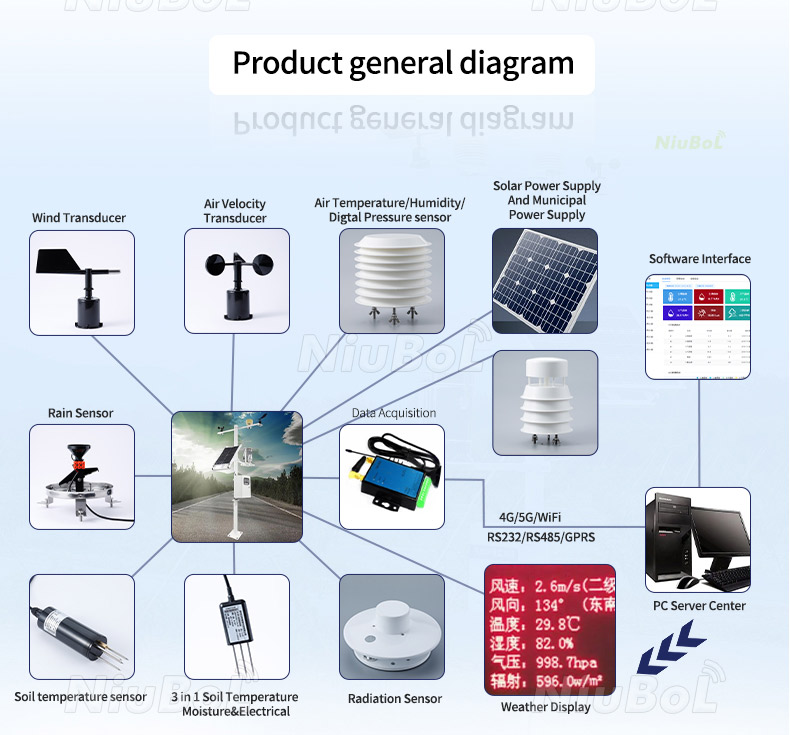
An NO2 channel measures nitrogen dioxide. Total NOx requires the specified treatment of other nitrogen oxides and an appropriate method. A software tag change cannot turn an NO2 measurement into total NOx.
Not as a general substitution. Flue temperature, moisture, concentration and gas composition need a process-specific measurement design. The stated ambient operating limits and diffusion inlet do not establish suitability for direct exhaust measurement.
It is a resolution specification, not an accuracy guarantee at that concentration. Compare the required differences with the complete accuracy statement and suitable reference results before accepting the configuration.
Only an assessed sampling design can establish that. Tubing, flow, moisture and delay can change the gas reaching the element. Moving an inlet through an arbitrary hose does not preserve the original diffusion configuration.
It provides a data interface. Any required alarm needs suitable sensing performance, receiving logic, fault handling and tested indication or action. Specify that complete function separately.
Provide expected gases, normal and unusual operating events, cleaning chemicals and concentration bands where known. Request information for the actual cell and compensation arrangement rather than assuming all electrochemical NO2 channels are interchangeable.
The sensing configuration, inlet arrangement, field exposure, acquisition, required checks and approvals determine the scope. Provide those requirements so NiuBoL can distinguish an ambient monitoring assembly from a sampled or protective detection project.
A nitrogen dioxide sensor is useful when its sample environment and concentration performance match the industrial question. Choose ambient diffusion, process analysis or protective detection deliberately, then verify the actual channel and sample path. NiuBoL can review an ambient NO2 configuration and its acquisition requirements without assuming that one sensing assembly covers every industrial gas duty.
Prev:Carbon Monoxide Sensor for Industrial CO Monitoring
Next:Ozone O3 Sensor for Continuous Ambient Monitoring | NiuBoL
Sensors & Weather Stations Catalog
 Agriculture Sensors and Weather Stations Catalog-NiuBoL.pdf
Weather Stations Catalog-NiuBoL.pdf
Agriculture Sensors Catalog-NiuBoL.pdf
Water Quality Sensor Catalog-NiuBoL.pdf
Related recommendations
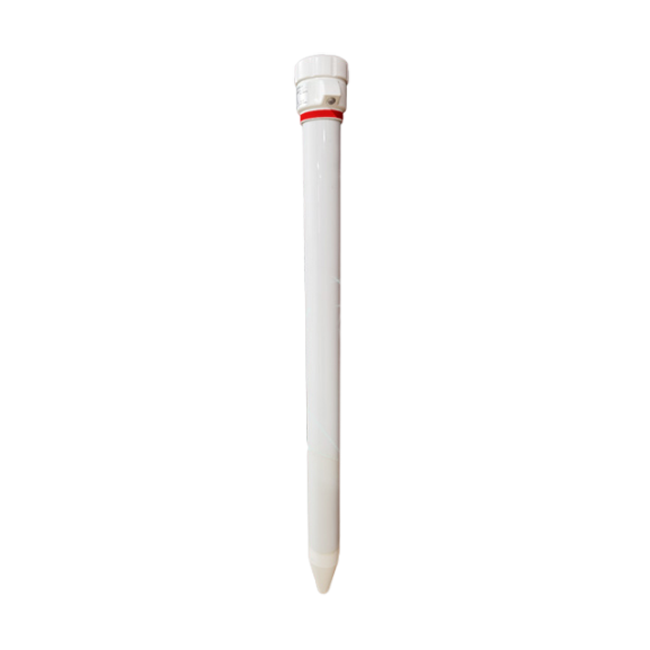 Multi-Depth Soil Sensor RS485
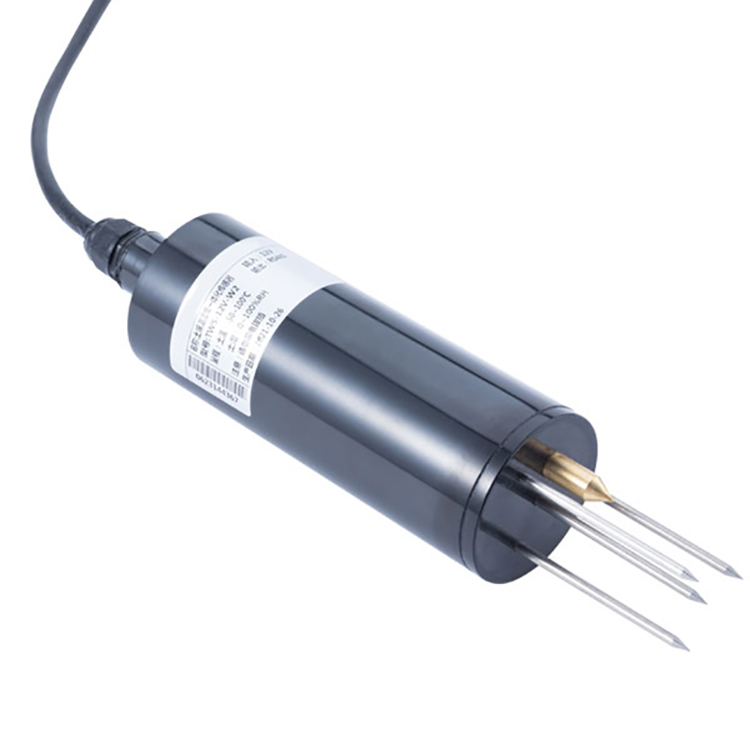 TDR Soil Moisture Sensor
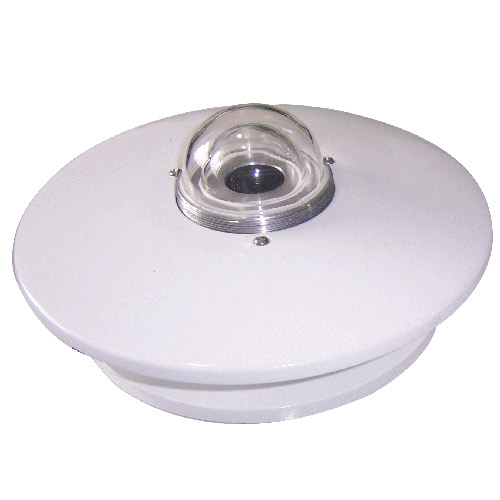 Pyranometer Solar Radiation Sensors
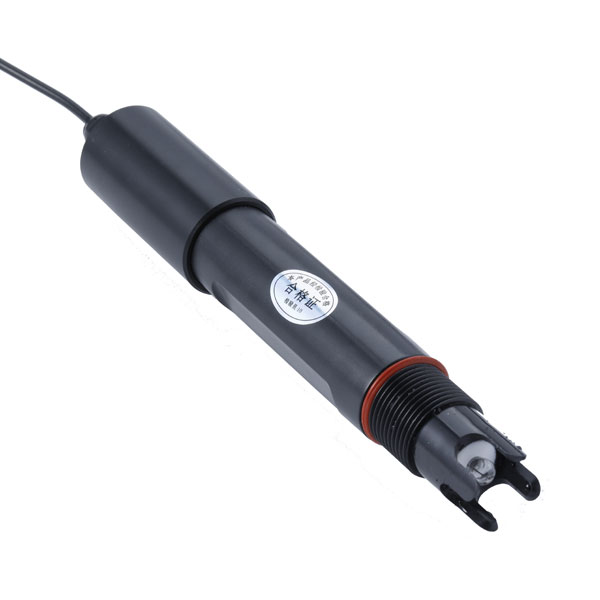 Soil ph sensor
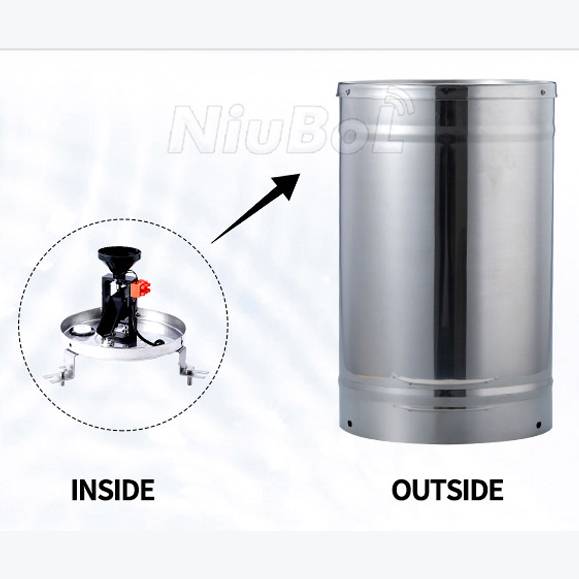 Tipping Bucket Rain Gauge
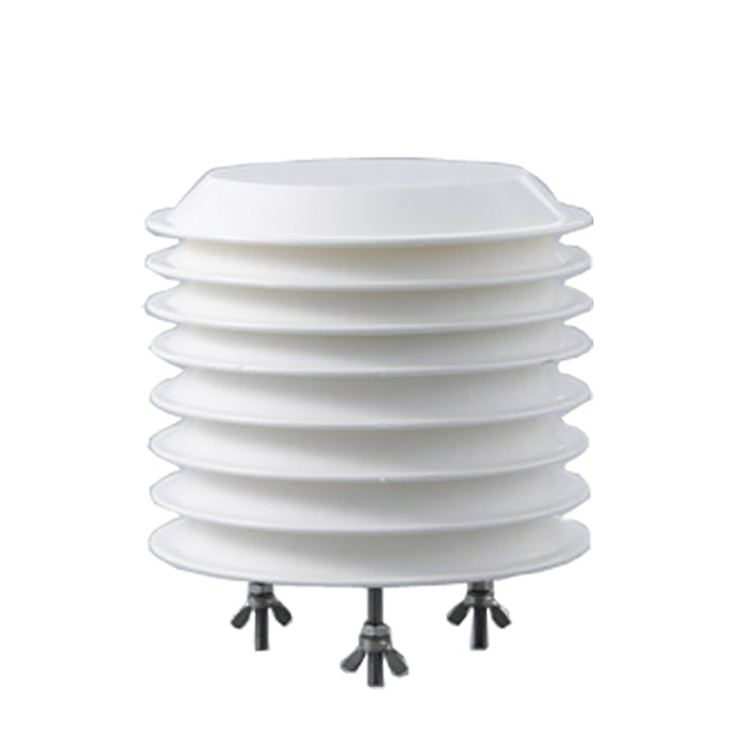 Air Temperature and Humidity Sensor


Screenshot, WhatsApp to identify the QR code
WhatsApp number:+8615367865107
(Click on WhatsApp to copy and add friends)

