

— Download —
 Consumer hotline +8618073152920
 WhatsApp:+8615367865107
Address:Room 102, District D, Houhu Industrial Park, Yuelu District, Changsha City, Hunan Province, China
All products
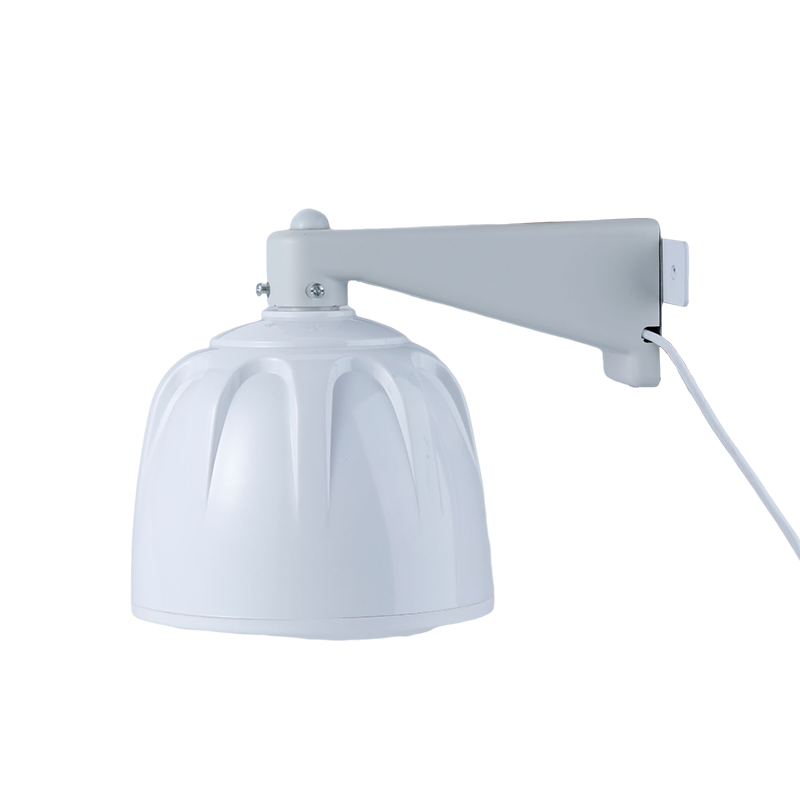
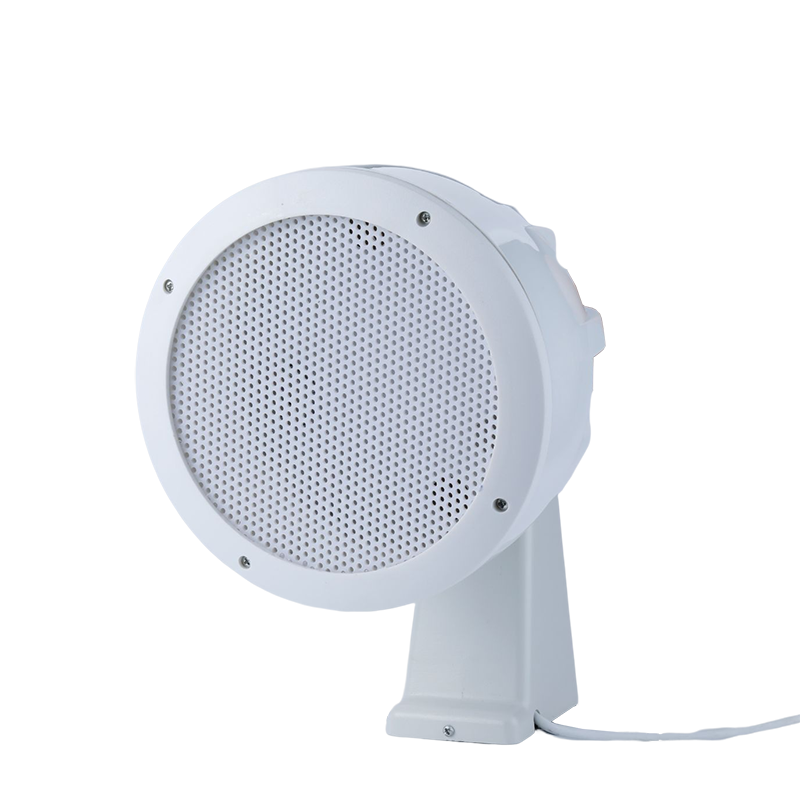
Install a NiuBoL outdoor ozone sensor with suitable airflow and RS485 acquisition. Review the 5 ppm range, IP65 limits and maintenance checks before specifying a site.
Tel/WhatsApp:+8615367865107
Email:Arvin@niubol.com +Nearly 100 partner companies in more than 75 countries. We are committed to providing high-quality, practical products to meet your needs and help you solve problems. Our products comply with international standards and are certified with ISO, CE and RoHS.Product Details
Quick Answer: The NiuBoL outdoor ozone sensor configuration uses diffusion sampling, a 0-5 ppm O3 range and RS485 Modbus output from a 12 VDC supply. Its IP65 housing does not remove the need for suitable air exposure or operation within -30 to 50 degrees C and 15-90% RH. Install the inlet where it represents the monitoring task, then maintain air access, field connections and the O3 record as separate parts of the installation.
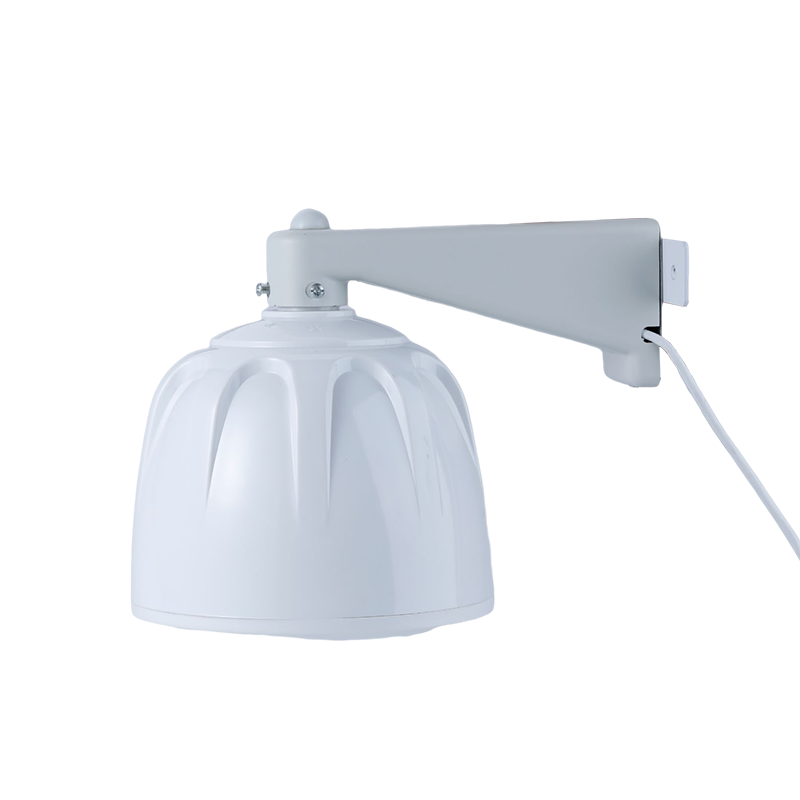
| Item | Configuration | Installation consequence |
|---|---|---|
| Target / method | O3; four-electrode electrochemical sensing | Review expected interfering gases and the required comparison method. |
| Sampling | Diffusion | Ambient air must reach the intended inlet without an added unapproved sample path. |
| Range / resolution | 0-5 ppm / 0.001 ppm | Do not interpret the decimal increment as low-concentration accuracy. |
| Accuracy | +/-5% FS | Equivalent to +/-0.25 ppm over the 5 ppm span; review suitability for the required concentration differences. |
| Supply / output | 12 VDC / RS485 Modbus RTU | A compatible logger or RTU is needed for acquisition. |
| Environment | -30 to 50 degrees C; 15-90% RH | Assess extended fog, condensation and site extremes before accepting the application. |
| Housing protection | IP65 | Not an immersion rating or a promise of measurement performance with a wet, blocked inlet. |
| Mounting | Pole-mounted assembly | Use the intended bracket orientation and preserve the inlet opening. |
| Power demand / cable | Confirm for the ordered channel set, jacket, length and termination | Complete the remote-power and field-connection design before installation. |
This is an ambient gas-monitoring configuration, not a dissolved-ozone instrument or a direct concentrated-process analyzer. If the task requires a prescribed reference method or a protective detection function, establish the complete performance and approval requirements separately. An industrial housing or a successful Modbus connection does not establish those capabilities.
Ambient trend monitoring, industrial boundary review and process-area screening do not have the same siting or evidence requirements. Define the decision, expected concentration band, averaging interval and comparison method before selecting the point.
For a general environmental point, nearby exhaust, walls or vegetation can influence the air reaching the sensor. Vegetation can also act as an ozone sink. A position beside a local feature may be useful for investigating that feature but should not silently become the representative value for an entire industrial perimeter.
Select the exposure and service access together. A location that cannot be inspected after weather changes can become difficult to maintain, while placing the inlet inside a convenient cabinet changes the sample. Record the height and surrounding features relevant to the chosen monitoring purpose (EPA air sensor siting guidance).
The sensing element relies on surrounding air reaching the inlet. A fan outlet, purifier discharge, stagnant box or obstructed opening changes the sample. Vertical mounting and open airflow help the reading represent the selected location.
Do not add foam, filters, a sealed cover or a long hose simply to keep dirt and rain away. An added part can restrict air exchange or interact with ozone before it reaches the element. Use a protection arrangement approved for the sensor and application rather than turning a diffusion inlet into an unverified sampling system.
Inspect the mounting position for splash paths, runoff from structures and objects that can collect against the inlet. Provide suitable cable support and a route that does not pull water toward exposed connections. The external power supply, surge devices, logger and field joints need their own appropriate protection; the sensing housing's IP65 rating is not a rating for the whole station.
A hood or equipment support must not create a stagnant pocket around the air opening. After installation, check that the final bracket, cables and neighboring equipment have not obstructed the intended air path. The actual completed arrangement matters more than the unobstructed sensor photograph used during selection.
Power and communication can remain available when the inlet is wet or the point is outside its specified environmental conditions. A new data packet therefore does not, by itself, confirm that a gas measurement is ready for use. Establish stabilization and recovery requirements for the supplied assembly and mark periods requiring investigation.
For the shared gas-monitoring configuration, verify the O3 channel identity and its delivered numeric conversion at the logger. Keep concentration in the intended unit; do not label a ppm value as ppb or mg/m3 without the correct conversion. Where an RTU or data logger sends records onward, check the archived value rather than accepting only a local display.
Keep the measurement timestamp distinct from the later upload time. If a remote link is unavailable, determine whether the acquisition device retains observations or simply leaves a gap. A chart filled with repeated last values should not be interpreted as a period of constant outdoor ozone.
| Observed condition | First checks | Next decision |
|---|---|---|
| A flat low value after wet weather | Inlet condition, local humidity, channel status and any substituted zero. | Distinguish a sampling or data fault from a genuine concentration change before applying a correction. |
| A step after work on the mast | Orientation, inlet obstruction, location change and logger configuration. | Restore or document the changed installation before joining the records as one unchanged point. |
| Two sites disagree | Exposure, timestamps, averaging periods and whether they sample the same air. | Use an appropriate common-exposure comparison rather than forcing their traces to match. |
| Communication is intermittent | Voltage at the instrument, terminations, cable condition and receiving settings. | Repair the acquisition path before interpreting gaps as environmental behavior. |
These checks narrow the investigation; they do not diagnose every low reading as a wet inlet or every spike as a release. Nearby work, changing air masses and instrument condition can all matter. Use the local inspection and an appropriate reference comparison when the concentration is important to the project's decision.
Electrochemical response can be affected by age, temperature, humidity and interfering gases. Set periodic plausibility review, reference comparison and replacement criteria according to exposure and the consequence of a wrong decision.
During a routine visit, inspect external obstruction, bracket movement, cable damage and the condition of exposed joints. Follow the approved cleaning method for accessible surfaces. Do not push tools into the inlet, apply corrosive cleaner or assume the sensing element can be washed because the housing is rated IP65.
A clear inlet does not prove that an aged or affected electrochemical channel remains accurate. Conversely, replacing a cell does not correct an unsuitable mounting position. Establish which findings call for cleaning, electrical repair, a reference check or component replacement, and retain the relevant service event with the affected observations.
Choose service frequency from actual exposure and the consequence of unreliable readings. A dusty industrial perimeter, a humid site and a cleaner research location do not necessarily need the same visit schedule. Do not treat an unverified fixed lifetime or replacement interval as a guaranteed property of every installation.
Verify supply voltage at the instrument, obtain a stable local value, confirm the same ppm value at the logger and platform, and test missing-data behavior. Time stamps and sensor identity should survive a gateway or power restart.
Check the assembled point after installation, not only the instrument on a bench. Verify its air opening and mounting, actual supply, recorded O3 identity and an agreed response or reference comparison. Keep controlled gas work within an approved procedure performed by qualified personnel; do not create an uncontrolled outdoor ozone release for a demonstration.
Review the point after nearby construction, changed exhaust operation, vegetation growth or relocation of other mast equipment. A previously acceptable position can change without a sensor fault. If the probe or assembly is exchanged, compare the replacement and mark the transition instead of hiding the change inside a continuous trend.
For NiuBoL configuration review, provide the monitoring purpose, expected concentration band, environmental extremes, interfering gases and proposed inlet position. Add power, cable distance, receiving interface and service access. For the concentration-performance assessment itself, use the O3 sensor range and accuracy information; this page focuses on keeping the outdoor sampling point usable.
No. Housing protection does not override the specified temperature and humidity range or establish accuracy with a blocked or wet inlet. Assess the actual exposure, including persistent condensation, and protect the associated joints and acquisition equipment separately.
Not when the task is measuring surrounding outside air through the standard diffusion inlet. A sealed cabinet creates another air environment. Use the intended exposed arrangement or a separately assessed sampling design.
Only after confirming compatibility with the sensor and measurement task. Added materials and restricted flow can change the ozone reaching the element. The standard diffusion specification does not validate an arbitrary extracted-sample arrangement.
No. The stated accuracy is +/-5% FS, equivalent to +/-0.25 ppm for a 5 ppm span. Evaluate whether that performance and an appropriate comparison support the concentration differences the project needs to resolve.
They may have different exposure, nearby sources or sinks, averaging periods or measurement condition. Check those factors before assuming a failed sensor. A comparison intended to assess instruments needs sufficiently comparable air conditions and an appropriate reference.
No. Communication readiness and measurement stabilization are different. Apply the supplied version's startup and recovery requirements, verify channel conversion and avoid passing unavailable or repeated values off as new valid observations.
Separate external inspection and cleaning from gas-response or reference checks. Set the frequency from local contamination, weather and data use, and obtain the applicable replacement procedure. Do not assume a universal cell lifetime or service interval.
Send the purpose, concentration band, site temperature and humidity, other gases, mounting position, power and acquisition details. Include field access and required verification so the quotation covers the actual sensing point and its integration needs.
An outdoor ozone sensor needs an appropriate sample location as well as working electronics. Preserve free air access, respect the environmental limits, distinguish concentration records from communication status and service the inlet and electrochemical element appropriately. These steps help NiuBoL and the integrator specify an outdoor point that can be inspected and evaluated throughout its use.
Sensors & Weather Stations Catalog
 Agriculture Sensors and Weather Stations Catalog-NiuBoL.pdf
Weather Stations Catalog-NiuBoL.pdf
Agriculture Sensors Catalog-NiuBoL.pdf
Water Quality Sensor Catalog-NiuBoL.pdf
Related recommendations
 Multi-Depth Soil Sensor RS485
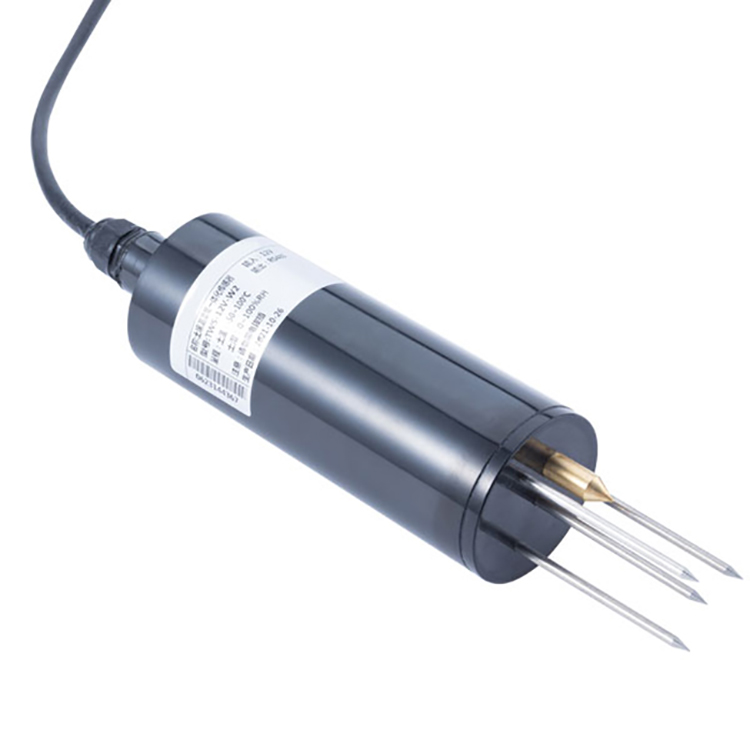 TDR Soil Moisture Sensor
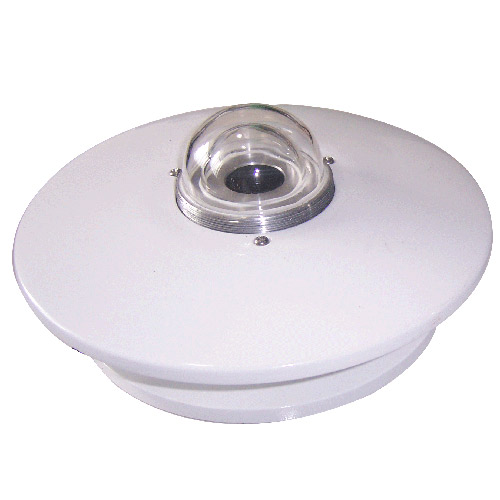 Pyranometer Solar Radiation Sensors
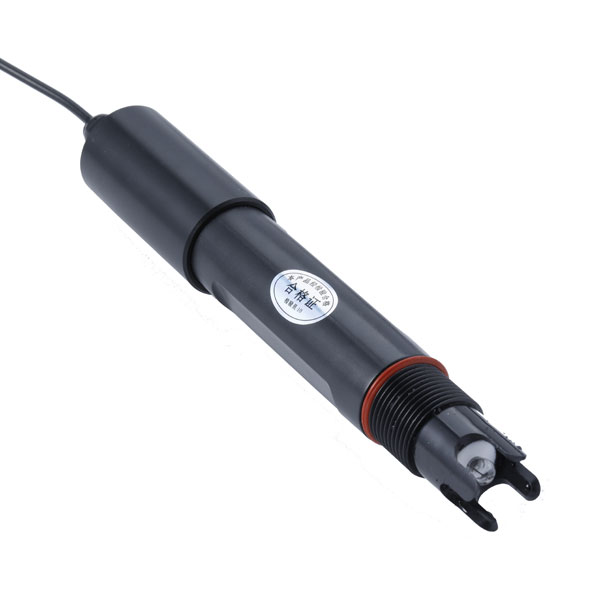 Soil ph sensor
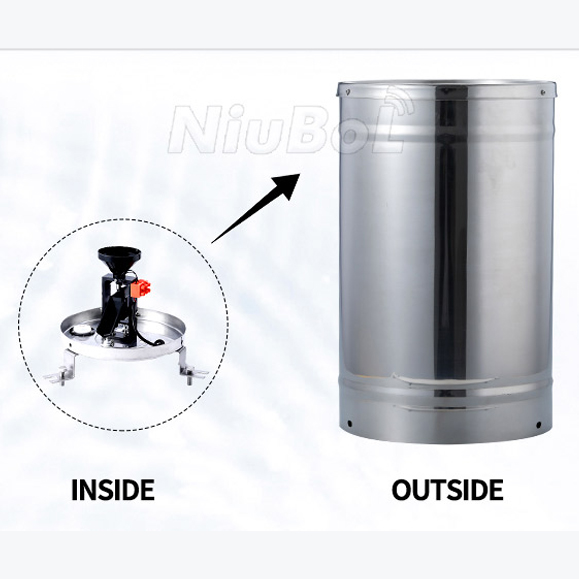 Tipping Bucket Rain Gauge
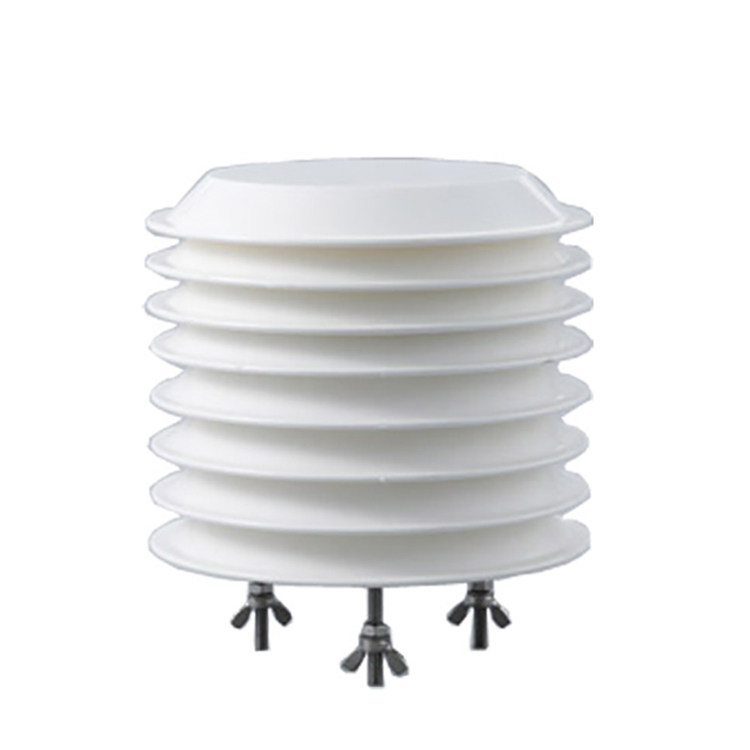 Air Temperature and Humidity Sensor

Screenshot, WhatsApp to identify the QR code
WhatsApp number:+8615367865107
(Click on WhatsApp to copy and add friends)