





— Download —
 Consumer hotline +8618073152920
WhatsApp:+8615367865107
Address:Room 102, District D, Houhu Industrial Park, Yuelu District, Changsha City, Hunan Province, China
All products

Use the NiuBoL NBL-S-TMC soil EC sensor to compare moisture, temperature and conductivity. Check installation depth and Modbus integration for your irrigation project.
Tel/WhatsApp:+8615367865107
Email:Arvin@niubol.com +Nearly 100 partner companies in more than 75 countries. We are committed to providing high-quality, practical products to meet your needs and help you solve problems. Our products comply with international standards and are certified with ISO, CE and RoHS.Product Details
Quick Answer: The NBL-S-TMC combines soil temperature, volumetric moisture and EC in one RS485 Modbus probe. Use the three channels together to investigate root-zone wetting and conductivity changes; EC alone does not identify a nutrient or a fertilizer dose. The EC range is 0-10000 microSiemens/cm, equivalent to 0-10 mS/cm. Soil contact, depth and water conditions determine whether readings from different points are meaningfully comparable.

| Parameter | NBL-S-TMC specification |
|---|---|
| Soil temperature | -40 to 80 degrees C; 0.1 degree C resolution; +/-0.5 degree C accuracy |
| Volumetric soil moisture | 0-100%; 0.1% resolution; specified accuracy 5% |
| Soil EC | 0-10000 microSiemens/cm; 1 microSiemens/cm resolution; +/-5% accuracy within this range |
| EC temperature compensation | Built-in; specified compensation range 0-50 degrees C |
| Methods | FDR moisture measurement; AC bridge conductivity measurement |
| Supply | 5-24 VDC or 12-24 VDC depending on the ordered configuration |
| Interface | RS485 Modbus RTU |
| Housing protection and environment | IP68; operating environment -40 to 85 degrees C |
| Construction | Corrosion-resistant electrodes; black flame-retardant epoxy sealing |
| Dimensions and cable | 45 x 15 x 135 mm; 50 mm electrode section; 5 m standard cable |
The NBL-S-TMC V4.0 probe has +/-5% EC accuracy over 0-10000 microSiemens/cm. A 1 microSiemens/cm output increment does not mean the same measurement accuracy. Agree the complete accuracy basis and reference method when the project requires an acceptance tolerance.
The environmental temperature limit, temperature measurement range and EC compensation range are different specifications. Operation within the housing's environmental range does not establish that the EC compensation is specified across that entire range.
Electrical current passes through conducting pathways around the electrodes. Irrigation changes both the continuity of those water pathways and the movement of dissolved ions. An EC increase immediately after watering can therefore have more than one cause; it is not automatically evidence of excess fertilizer.
| Observed trend | What to investigate |
|---|---|
| Moisture and EC rise together after irrigation | Review wetting, irrigation-water chemistry and any applied nutrient solution before assigning the EC increase to salt accumulation. |
| EC remains elevated at comparable moisture on later visits | Check repeated events, sensor position, temperature treatment and a suitable soil analysis when a management limit is involved. |
| Dry soil gives a low EC value | Check continuity of the soil-water path and probe contact. Do not conclude that low conductivity proves low salt content. |
| One point differs from neighboring probes | Compare depth, texture, emitter distance and disturbed soil before assuming the probe requires a calibration offset. |
Conductivity readings depend on connected water pathways around the electrodes. In dry soil, broken pathways can make a low EC reading difficult to distinguish from genuinely low dissolved-salt conductivity. Do not use approximately 20% moisture as a universal irrigation threshold. Soil texture, substrate and the crop's management method still determine how water status and EC should be interpreted.
A conductivity reading does not identify sodium, chloride, nitrate or another individual ion. Nor is an installed soil reading automatically equivalent to a laboratory saturated-paste extract or another extraction method. Use the method associated with the agronomic limit rather than applying a universal conversion between unlike measurements.
Select locations from soil texture, crop, slope, emitter layout and root depth. A single probe in an easy-to-reach corner rarely describes a large block. Use multiple depths where the project needs to distinguish surface wetting, active-root moisture and drainage. Record coordinates, depth and orientation so the dataset can survive staff changes.
A prepared pilot hole can support short comparison work when it matches the probe geometry and preserves close contact. Long-term monitoring benefits from an excavated profile or carefully drilled installation with compacted backfill. Avoid hammering the probe or leaving voids around the electrode section. Protect the cable from tools, rodents and tension.
For drip irrigation, the point under an emitter answers a different question from a point near the edge of the wetted zone. Choose the position from the intended decision. Two depths can help distinguish shallow wetting from water movement deeper in the profile, but they do not directly measure the total irrigation volume.
Keep the sensing electrodes fully in contact with the measured medium. A loose pilot hole, rocking during insertion or stones around an electrode can change the result. After burial and backfilling, review stabilization and the response to a known wetting event before enabling any automated decision based on that point.
For portable checks, record soil preparation and recent watering. Adding water just to obtain a stable conductivity result changes the measurement condition and must be part of an agreed method. Compare repeat visits using the same procedure rather than treating every inserted reading as an interchangeable field sample.
Commission one probe with the delivered protocol document before connecting a field network. The V4.0 communication settings are 9600 baud, 8 data bits and no parity, with at least 1000 ms between communications. Give the installed nodes distinct supported addresses and use the exact data definitions for the supplied revision.
Temperature, moisture and EC use different units and resolutions. Check each decoded value at the logger and again at the receiving platform. For EC, 1568 microSiemens/cm equals 1.568 mS/cm. Relabeling 1568 as mS/cm creates a factor-of-1000 error, regardless of how plausible the plotted trend looks.
In the V4.0 protocol, 0x7FFF denotes invalid or missing measurement data. Recognize that state before applying decimal scaling; it is not a genuine very high soil value. Confirm the handling on the delivered firmware and do not copy a generic register template without checking signed temperature, units and invalid-data behavior.
Check supply voltage at the remote probe under load. The 5-24 VDC and 12-24 VDC variants are not interchangeable on a 5 V supply. For battery sizing, obtain the current requirement of the ordered probe and include the logger and communications load rather than calculating from the voltage range alone.
A compatible logger or gateway handles remote transport. Keep the field channel identity tied to its zone and depth so a replaced address or swapped cable does not silently assign one irrigation zone's values to another.
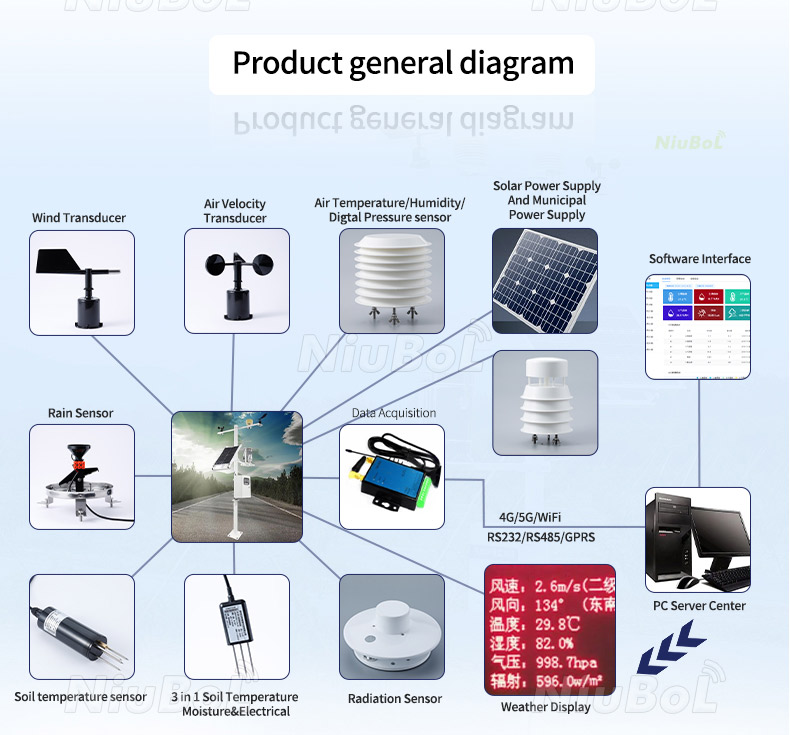
Confirm that the intended valve actually supplies the area containing the probe, then record valve operation and all three measurements. A deep point can respond later than a shallow one; a probe outside the wetted volume may not respond at all. Check placement and hydraulic delivery before interpreting a flat moisture trace as electronic failure.
Compare EC at defined stages of wetting and redistribution rather than accepting the first peak as a final salt result. Where a threshold will drive treatment, pair the installed record with a suitable reference sampling method. Keep the reference depth and preparation consistent with the decision being made.
Test loss and restoration of the sensor connection. The controller should identify invalid or stale data instead of converting it to zero moisture or zero EC. If the data will control irrigation, maintain independent limits on valve runtime and the response to a failed measurement; the probe itself does not switch the hydraulic system.
If the project only needs temperature and moisture, compare a two-channel irrigation probe and its receiving interface. Select NBL-S-TMC when the EC channel answers a real monitoring question, rather than adding a third channel that the control method never uses.

Not as a universal conversion. Different ions contribute to conductivity, and soil water pathways also affect the reading. Use water chemistry, fertilizer records and a suitable analysis when the concentration or identity of a nutrient determines the decision.
No. This channel reports volumetric soil moisture derived from dielectric response. Air relative humidity is a different quantity. Confirm the receiving unit as a soil percentage rather than assigning an atmospheric RH tag to the register.
No. Water content affects the conductive pathways around the electrodes, but a 20% reading alone does not determine when irrigation should start. An irrigation threshold depends on the soil or substrate, crop, depth and control method and needs local validation.
Only after checking whether the installed sensor and the laboratory result use comparable methods. An extract-based EC value and an in-situ soil reading can differ because of preparation and water conditions. Establish the relationship appropriate to the project before applying a limit.
The sensor's sealing does not define the protection of a field-made connection. Specify connectors or junctions, cable strain relief and burial protection separately. Inspect exposed sections that cultivation, animals or maintenance tools can damage.
Provide monitoring zones, depths, expected EC range, supply variant, cable routes and the receiving controller or logger. State how EC will be interpreted and whether the scope includes communications, enclosures or supervised commissioning. These requirements determine the complete measurement package.
Use NBL-S-TMC to review conductivity together with soil moisture and temperature at a defined root-zone point. Match the EC method to the management question, create firm soil contact and verify all three decoded channels. Send NiuBoL the zone layout and acquisition requirements for a configuration review.
Sensors & Weather Stations Catalog
 Agriculture Sensors and Weather Stations Catalog-NiuBoL.pdf
Weather Stations Catalog-NiuBoL.pdf
Agriculture Sensors Catalog-NiuBoL.pdf
Water Quality Sensor Catalog-NiuBoL.pdf
Related recommendations
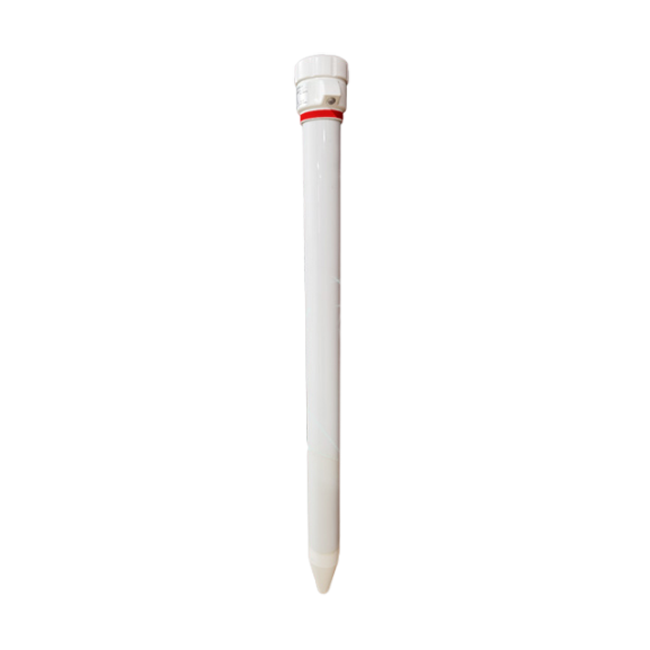 Multi-Depth Soil Sensor RS485
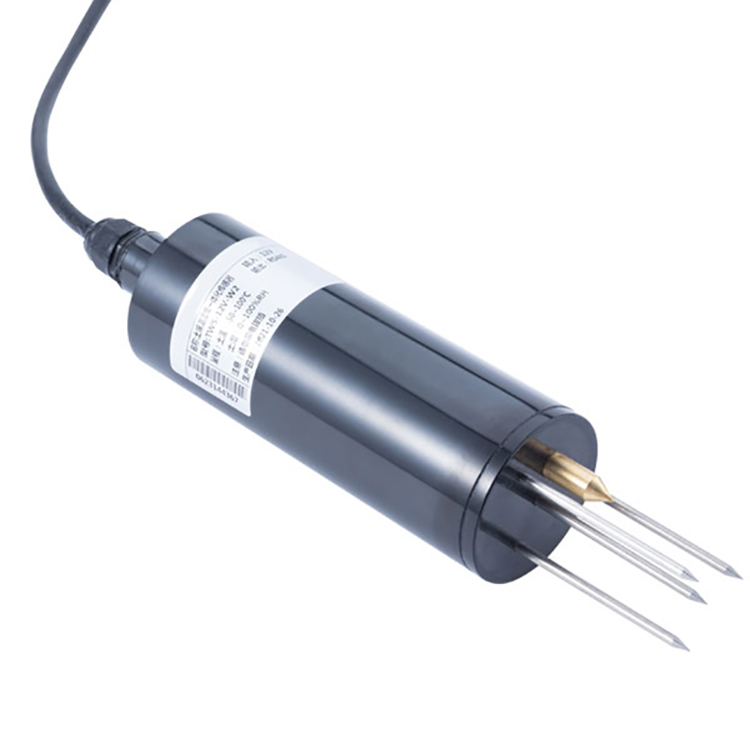 TDR Soil Moisture Sensor
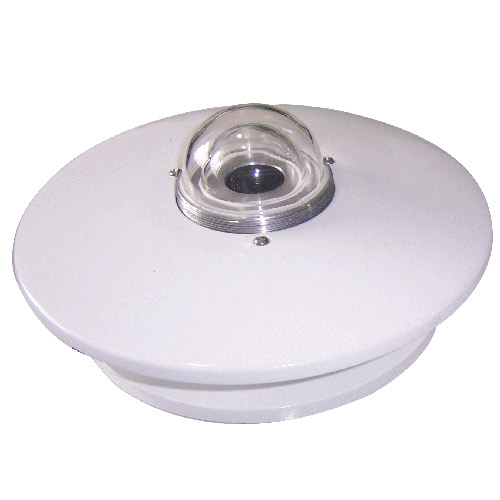 Pyranometer Solar Radiation Sensors
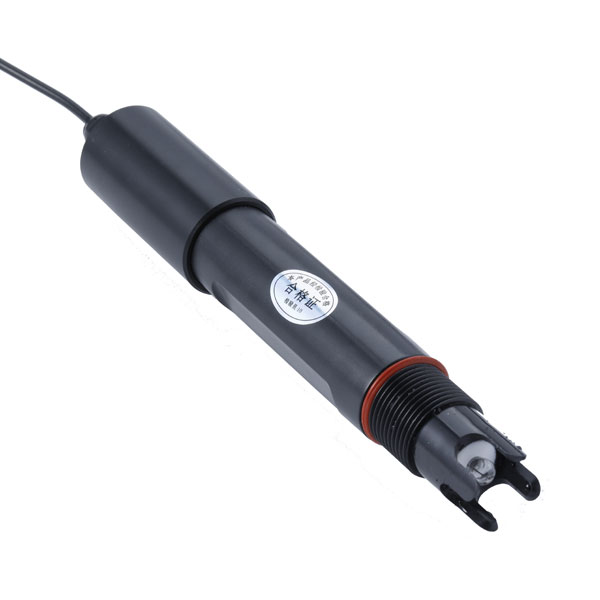 Soil ph sensor
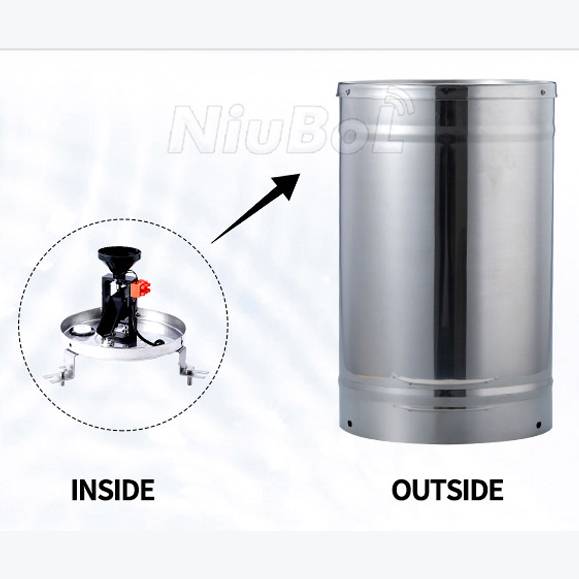 Tipping Bucket Rain Gauge
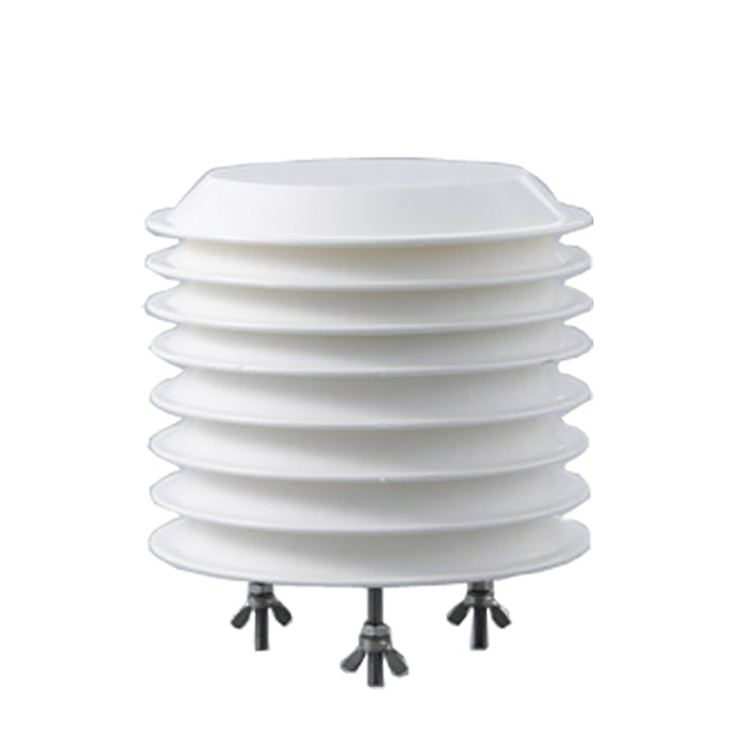 Air Temperature and Humidity Sensor


Screenshot, WhatsApp to identify the QR code
WhatsApp number:+8615367865107
(Click on WhatsApp to copy and add friends)

