





— Blogs —
—Products—
 Consumer hotline +8618073152920
 WhatsApp:+8615367865107
Address:Room 102, District D, Houhu Industrial Park, Yuelu District, Changsha City, Hunan Province, China
Product knowledge
Time:2026-06-16 14:17:54 Popularity:208
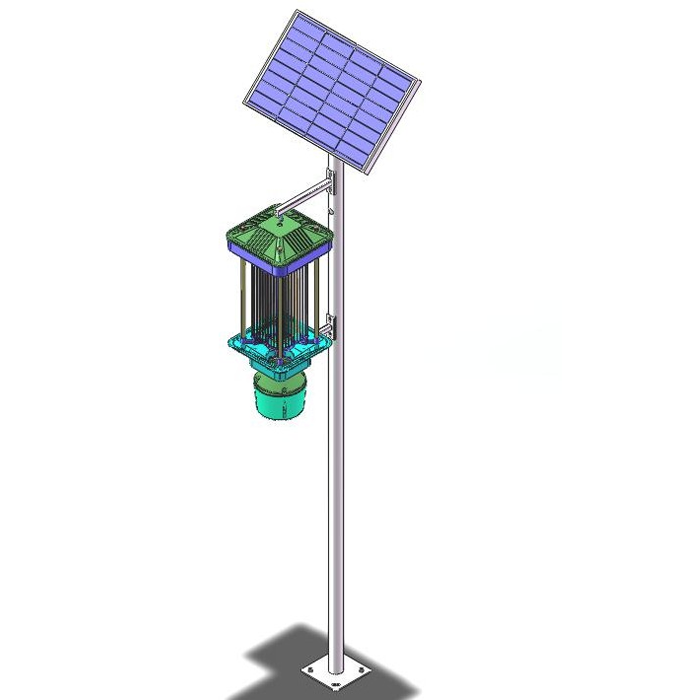
A solar insect killer lamp is a field device for low-pesticide pest control. It attracts target pests with selected light wavelengths and uses a high-voltage grid to kill or stun insects, reducing reliance on repeated chemical spraying.
Agricultural pests can damage crops quickly, while repeated pesticide use increases residue risk, harms beneficial organisms and raises operating cost. Solar insect killer lamps provide a physical control method that can work as part of integrated pest management.
The buyer should view the lamp as an infrastructure device rather than a simple consumable. Its value depends on light spectrum, solar power, battery capacity, grid safety, rain protection, installation density and maintenance access.
The lamp uses insect phototaxis and wavelength preference. The reference attraction range is 320 to 680 nm, with a main wavelength around 365 nm for many target pests. A high-voltage grid surrounds the light source and collects insects into a box.
Frequency vibration solar insect traps are used for agriculture, forestry, vegetables, tobacco, orchards, gardens, storage and green spaces. They can target many nocturnal moths and beetles when the installation plan matches pest activity.
Solar panels charge the battery during the day, and the controller manages light control, time control, rain protection, overcharge and over-discharge protection. This is important for fields where wiring AC power would be expensive or impractical.
Procurement teams should confirm working hours and local weather. If night operation is long and sunlight is weak, the solar panel and battery should be reviewed before purchase.
| Item | Engineering Reference |
|---|---|
| Device type | Frequency vibration solar insect trap for physical pest control |
| Applicable standard | GB/T 24689.2-2017 plant protection machinery insecticidal lamp reference |
| Solar panel | Monocrystalline silicon panel, >=40 Wp, conversion efficiency >=21% |
| Battery | Solar lithium iron phosphate battery, 12 Ah, DC 12.8 V |
| Grid voltage | >=4000 V high-voltage grid |
| Lamp wavelength | 320 to 680 nm, main wavelength around 365 nm depending on target pest |
| Lamp power | <=20 W |
| Control area | About 30 to 50 mu depending on terrain, crop and pest pressure |
| Protection rating | IP65 |
| Control functions | Light control, time control, rain protection, temperature protection |
| Pole | Galvanized pipe, diameter 60 mm, wall thickness 2.0 mm, full height about 3 m |
| Safety note | High-voltage grid short-circuit current not exceeding 10 mA |
Site environment challenge: Frequent pest occurrence makes repeated spraying expensive and difficult to manage.
System integration scheme: Deploy solar insect killer lamps with planned spacing and nightly operation schedule.
User value delivered: The grower reduces pesticide pressure and gains a visible green control measure.
Site environment challenge: Tree canopy and fruit quality requirements make chemical control sensitive.
System integration scheme: Install lamps at appropriate canopy height with rain protection and collection-box access.
User value delivered: Operators suppress adult pests while protecting orchard management records.
Site environment challenge: Enclosed environments need physical control with controlled operating time.
System integration scheme: Set lamp height above crop canopy and use time control to reduce unnecessary operation.
User value delivered: Managers improve pest prevention while limiting chemical residue concerns.
Site environment challenge: AC power and manual patrol are limited.
System integration scheme: Use solar-powered lamps with battery storage and scheduled maintenance.
User value delivered: The owner gets field pest control infrastructure without trenching cables.
Acceptance should include solar charging, night start-up, time control, rain protection, high-voltage grid operation and collection-box condition. A lamp that turns on once should not be considered fully accepted.
The maintenance plan should define cleaning interval, lamp inspection, battery check and seasonal operation schedule. This is especially important in large fields where equipment may be unattended for long periods.
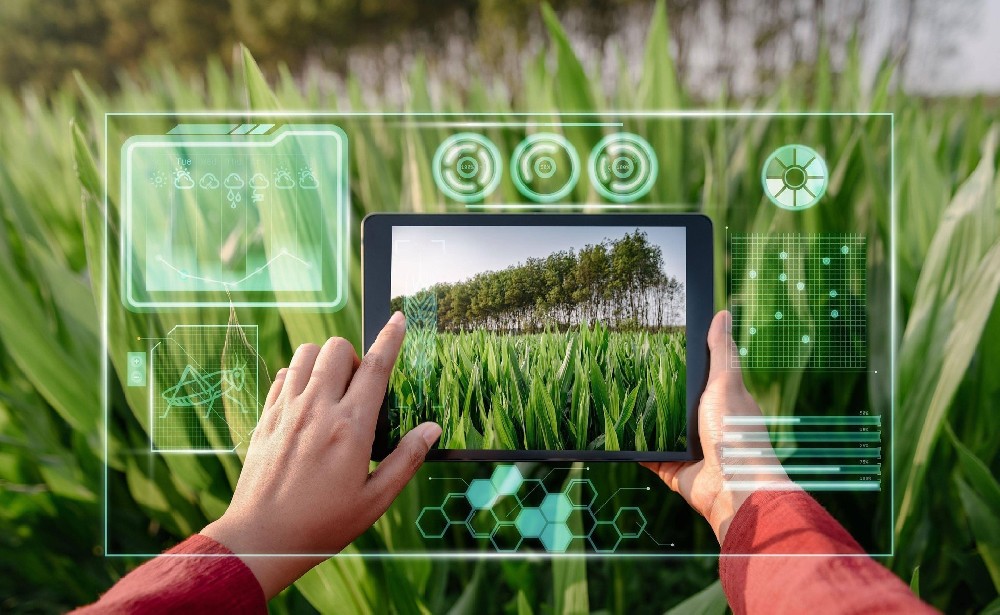
A farm should choose it when physical pest control, reduced chemical pressure and cable-free outdoor operation are required.
Compare solar panel power, battery capacity, attraction wavelength, grid voltage, protection rating, rain control, time control, pole material and collection-box design.
A practical reference is about 30 to 50 mu, but real coverage depends on crop type, terrain, pest species, lamp power and installation height.
The reference attraction range is 320 to 680 nm, with a main wavelength around 365 nm for many nocturnal pests.
Acceptance should check night start-up, light control, rain protection, time control, battery charging, grid operation and collection-box access.
No. It supports integrated pest management and pesticide reduction, but severe pest outbreaks may still need additional control measures.
Maintenance includes cleaning the collection box, checking the lamp source, inspecting the grid, reviewing battery condition and confirming rain-control function.
Common mistakes include installing too low, placing lamps behind obstacles, using too few lamps, ignoring artificial lights and failing to clean collection boxes.
Yes, but spacing and height should be adjusted for tree canopy, row structure and maintenance access.
Provide field area, crop type, pest type, terrain, expected operating season, sunlight condition and whether unattended operation is required.
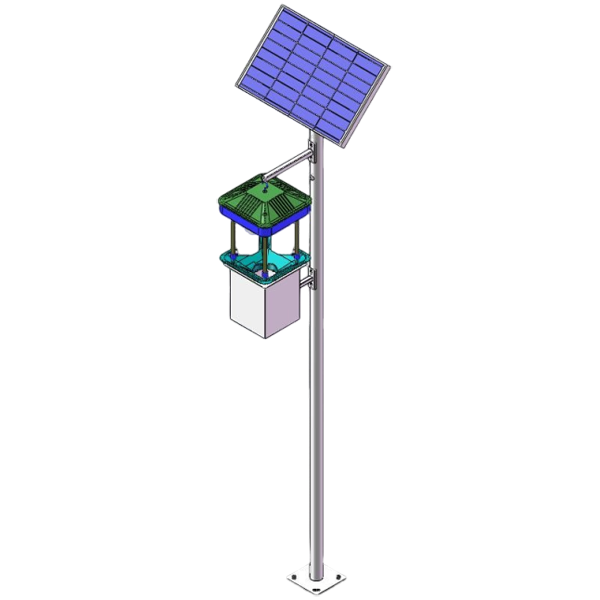
For a B2B project, documentation is part of the product value. The buyer should keep the product model, installation point, wiring record, control settings, inspection method, maintenance interval and acceptance screenshots in one project file.
This documentation helps distributors, system integrators and end users discuss the same technical facts when troubleshooting or expanding the system. It also makes later procurement easier because the original design assumptions are visible.
A quotation should be compared by application fit, not only unit price. Buyers should check whether the supplier has considered the site environment, power supply, control functions, battery configuration, maintenance path and expected service life.
When two proposals use similar product names, the better proposal is usually the one that explains installation, data use and acceptance more clearly. That is the difference between buying a device and buying a usable monitoring point.
Before the solar insect killer lamp procurement guide project is accepted, the commissioning team should test power supply, equipment start-up, light control, rain control, time control and high-voltage grid operation. If the system includes solar power, battery voltage and working schedule should be checked under real field conditions.
Acceptance should include photos of the installation point, photos of the installation point, a rain-control test and confirmation that the end user knows how to clean, inspect or restart the equipment. These small steps reduce later disputes between supplier, contractor and owner.
Operation records should be reviewed on a schedule. Daily checks help operators confirm lamp start-up, weekly cleaning records show maintenance quality, and seasonal pest-control notes help the buyer decide whether more lamps or different spacing are required.
For solar insect killer lamp projects, the operation record should focus on lamp start-up, night working time, insect collection, battery condition and cleaning history so the buyer can judge real field effect.
Every outdoor monitoring or field-control device needs a named maintenance responsibility. The owner should define who checks cables, who cleans the collection or sensing area, who checks the collection box and who contacts the supplier when the lamp does not start normally.
For distributors and project contractors, providing a maintenance schedule improves customer trust because it shows that the system is designed for long-term operation rather than a one-time installation.
Many pest-control projects begin with one field block, then expand after the buyer confirms lamp coverage, cleaning workload and pest reduction effect. The initial layout should therefore keep a clear numbering rule for additional lamps and future field blocks.
A scalable design is especially useful for farms, orchards and agricultural parks because they often start with one pilot area and later copy the lamp spacing and maintenance method to other plots. Clear numbering and installation records make this expansion easier.
Outdoor devices are affected by rain, dust, insects, vibration, sunlight, corrosion, human interference and unstable power. The supplier should explain how the selected equipment handles these conditions, and the buyer should check whether the installation method matches the actual site.
If the field block is far from the farm office, the project should define how often lamps are inspected and how quickly maintenance can arrive. A technically suitable lamp still needs an operating plan that fits the service distance.
Procurement teams often receive several quotations with similar model names but different project assumptions. A useful technical article helps them ask better questions: what pest is targeted, where each lamp is installed, how it is powered, who maintains it and how the field effect will be reviewed.
When those questions are answered before purchase, the project is easier to approve internally and easier to implement on site. This is the practical value of writing the specification around engineering use rather than around product labels alone.
Solar insect killer lamp procurement should evaluate light attraction, solar energy balance, safety, installation density and maintenance. NiuBoL frequency vibration solar insect traps support agricultural projects that want practical physical pest control.
Next:Smart Tea Garden Monitoring Solution: IoT Pest Control, Weather Data and Ecological Field Management
Related recommendations
Sensors & Weather Stations Catalog
 Agriculture Sensors and Weather Stations Catalog-NiuBoL.pdf
Weather Stations Catalog-NiuBoL.pdf
Agriculture Sensors Catalog-NiuBoL.pdf
Water Quality Sensor Catalog-NiuBoL.pdf
Related products
 Combined air temperature and relative humidity sensor
 Soil Moisture Temperature sensor for irrigation|NBL-S-THR
 Soil pH sensor RS485 soil Testing instrument soil ph meter for agriculture |NBL-S-PH
 Wind Speed sensor Output Modbus/RS485/Analog/0-5V/4-20mA
 Tipping bucket rain gauge for weather monitoring auto rainfall sensor RS485/Outdoor/stainless steel
 Pyranometer Solar Radiation Sensor 4-20mA/RS485

Screenshot, WhatsApp to identify the QR code
WhatsApp number:+8615367865107
(Click on WhatsApp to copy and add friends)

