





— Blogs —
—Products—
 Consumer hotline +8618073152920
 WhatsApp:+8615367865107
Address:Room 102, District D, Houhu Industrial Park, Yuelu District, Changsha City, Hunan Province, China
Product knowledge
Time:2026-08-01 10:17:35 Popularity:161
MLSS is not only a laboratory number in sewage treatment. For aeration tanks, return sludge and process control, an MLSS sensor can reduce blind operation if it is placed correctly and kept clean. A practical NiuBoL quotation for MLSS sensor should show how the probe sits in the monitoring system, how the data is transmitted, and what the site team must maintain after commissioning.
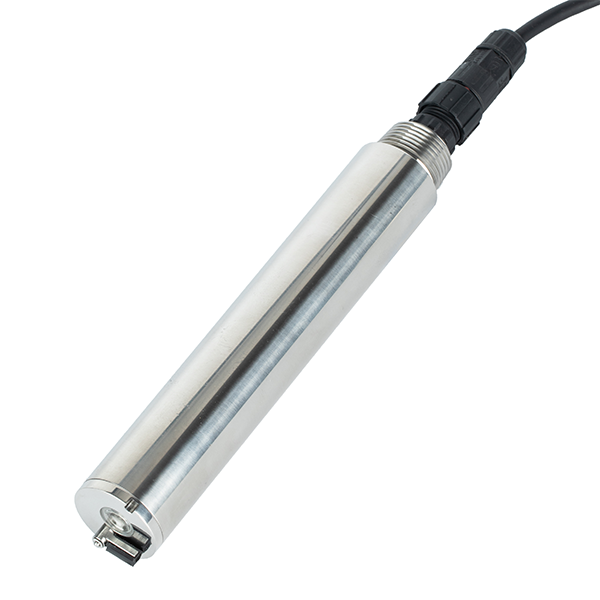
For Project teams, the value of MLSS sensor is not the product name. The buying value is measured by how clearly MLSS process control supports biomass concentration change decisions at aeration tanks and return sludge lines. For that reason, the RFQ should include water condition, installation photos and the acceptance method before NiuBoL prepares the MLSS process control quotation.
The MLSS sensor is the wet-end measuring point. In aeration tanks and return sludge lines, it may report through a controller, PLC, RTU, data logger, IoT gateway or SCADA screen depending on the cabinet design. A reliable MLSS process control station also needs stable power, protected cable routing, correct register scaling, realistic alarms and a service path for the probe.
It is suitable for municipal wastewater plants, industrial biological treatment, return sludge monitoring and STP automation packages. It is less suitable where sludge is extremely non-homogeneous and the project refuses any site correlation or cleaning plan. Writing the MLSS process control boundary into the project file makes later disputes easier to judge when water, installation or maintenance changes at aeration tanks and return sludge lines.
| MLSS sensor decision | Engineering effect | Buyer action |
|---|---|---|
| Measurement purpose | Defines whether the value is used for display, alarm, control, reporting or investigation | State the operating decision in the RFQ |
| Mounting location | Controls representativeness, cleaning access and cable route | Send a site drawing or photo |
| Output and protocol | Affects PLC, RTU, gateway and dashboard work | Confirm RS485 Modbus RTU, register map and address plan |
| Service method | Controls drift, downtime and ownership cost | Define cleaning, calibration and spare parts before purchase |
For industrial projects, MLSS sensor should be specified with communication details before panel production. For MLSS process control, confirm the selected NiuBoL model's RS485 Modbus RTU support and whether the project needs any optional 4-20 mA channel. For MLSS sensor, ask for baud rate, address setting, register list, unit scaling, shield termination and grounding notes before panel drawings are released.
Analog output remains useful on retrofit panels when the owner has spare input channels and wants a simple one-loop signal for MLSS process control. For new aeration tanks and return sludge lines stations with several probes, RS485 Modbus RTU reduces cable runs and leaves room for related parameters.
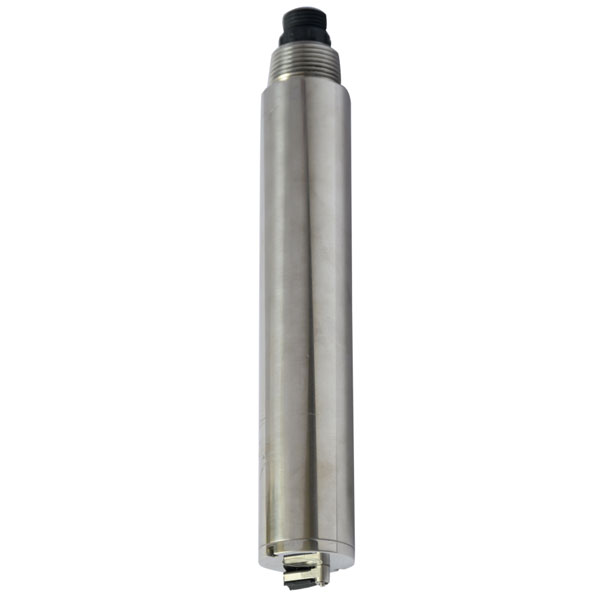
| Parameter | Referenced value or procurement check |
|---|---|
| Measurement principle | 90-degree scattered light method |
| Measurement range | 0-20.000 g/L, equal to 0-20000 mg/L |
| Resolution | 0.001 g/L |
| Accuracy | ±5% of reading, depending on sludge homogeneity; temperature ±0.3 °C |
| Response time | T90 less than 30 s |
| Cleaning | Built-in automatic mechanical cleaning brush |
| Output | RS485 digital signal or 4-20 mA analog signal |
| Power supply | 12-24 V DC |
| Protection | IP68 within 20 m water depth; 3/4 NPT thread; standard 5 m cable |
The table above uses values published on NiuBoL product pages or product manuals where available. If aeration tanks and return sludge lines falls outside the stated limits, ask NiuBoL to verify model, wetted material, mounting and service interval before purchase approval.
| Application | Field challenge | System integration approach | User value |
|---|---|---|---|
| Aeration tank monitoring | Suspended solids are not evenly distributed and sensor windows foul quickly. | Use self-cleaning MLSS sensor with fixed immersion depth and PLC connection. | Operators can adjust process conditions with fewer manual blind spots. |
| Return sludge control | Concentration changes affect sludge age and process stability. | Install at a representative return sludge line or basin point. | Control teams get continuous trend data for operational review. |
| Industrial biological treatment | Load fluctuation creates unstable biomass concentration. | Route RS485 or 4-20 mA data to existing SCADA. | Faster response to abnormal solids conditions. |
| STP contractor delivery | Acceptance requires clear calibration and maintenance records. | Include bracket, cleaning interval, Modbus map and comparison procedure. | Reduced commissioning disputes. |

Selecting MLSS sensor starts with the water decision, not the catalog. If biomass concentration change only needs occasional confirmation, portable testing or laboratory sampling may be the more economical route. If MLSS sensor data drives alarms, treatment changes, equipment protection or records, specify documented communication and maintenance ownership.
Buyers should compare suppliers by complete scope. Compare the MLSS sensor probe price with the complete package price because controller, holder, cable, gateway, standards, spares, manuals, packing and freight change the real budget. Distributors should separate repeat stock from engineered orders, while contractors should submit wiring, bracket and acceptance notes with the MLSS process control proposal.
| Mlss process control selection issue | Project effect | RFQ detail to provide |
|---|---|---|
| What water condition affects MLSS process control? | Changes range, materials, fouling risk and mounting | Describe aeration tanks and return sludge lines and normal operating condition |
| What response follows a biomass concentration change alarm? | Determines threshold, delay, contacts and platform design | Define the owner and response time for MLSS process control |
| How will the MLSS process control probe be serviced? | Affects lifetime and data credibility | List cleaning method, calibration tools and spare parts |
| Who will integrate MLSS process control data? | Prevents Modbus and scaling disputes during commissioning | Provide PLC, RTU, gateway or SCADA requirements |
Do not install MLSS sensor at the easiest physical location if that point does not represent the water decision. Avoid locations where stagnant water, bubbles, deposits, direct chemical dosing or exposed cable routes can distort the MLSS process control record. For immersion mounting at aeration tanks and return sludge lines, confirm depth, bracket strength and whether technicians can remove or clean the probe safely. For MLSS sensor flow cells or bypass loops, review pressure, flow stability, sample representativeness and maintenance isolation.
Acceptance for MLSS process control should include a wet test, stable trend review, communication screenshot, alarm demonstration, comparison or calibration record, site photos and spare-part check. Store this record with the project file. When data later changes unexpectedly, the handover record helps separate real biomass concentration change from fouling, wiring fault, range mismatch or missed maintenance.
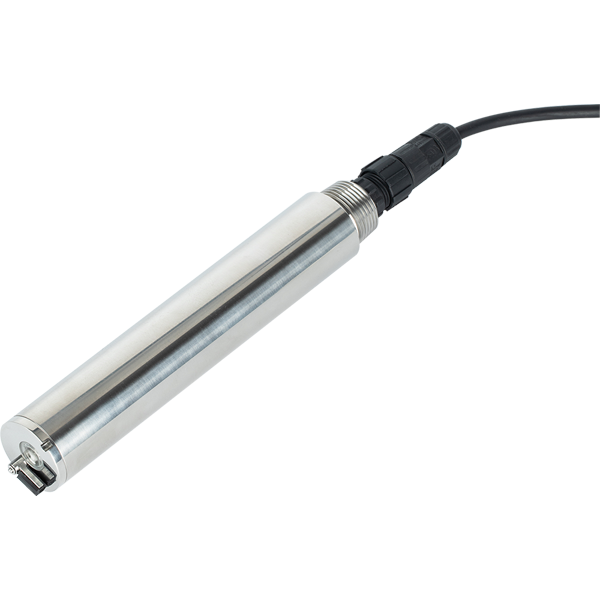
An MLSS sensor can improve sludge concentration visibility, but only if the measuring point represents the process. Aeration tanks have mixing patterns, bubbles and biological variation. Return sludge lines may have high solids and changing flow. A procurement document should state whether the sensor supports aeration review, sludge age control, return sludge monitoring or contractor acceptance.
Self-cleaning is valuable in sludge service, but it does not remove the need for inspection. Buyers should define brush condition checks, cleaning interval, cable protection and bracket removal method. If the plant has high grease, fibers or irregular solids, include those facts in the RFQ because they affect maintenance and installation design.
For SCADA integration, confirm whether RS485 or 4-20 mA is preferred. RS485 is useful for digital register polling and multi-sensor stations; 4-20 mA can be simpler for older PLC panels. Acceptance should include stable trend review, comparison with laboratory MLSS, output scaling and maintenance handover.
For package suppliers, include a short note on where manual samples will be taken during comparison. If the laboratory sample comes from a different tank zone than the sensor, disagreement may reflect sludge distribution rather than sensor error. This small acceptance detail prevents unnecessary replacement requests after commissioning.
A useful RFQ for MLSS sensor should include tank or pipe location, expected MLSS range, solids homogeneity, cleaning interval, cable length, output type, controller model, mounting bracket and acceptance comparison plan. Include quantity, destination, documents, target delivery date, packing requirement and whether the quote should cover only the probe or the full MLSS process control monitoring point.
The MLSS process control budget changes with range, output, wetted material, cable, cleaning design, controller, gateway, enclosure, certificates, spares and shipping schedule. For supplier comparison on MLSS sensor, request itemized pricing so missing accessories or service assumptions are visible.

Confirm the measurement purpose, installation environment, signal output, power supply, cable route, data platform, maintenance access, and acceptance record. These details help the project team avoid field changes after procurement.
Match the communication interface, address plan, polling interval, unit display, alarm rule, and cabinet wiring with the existing gateway or controller. The integration document should be approved before site work starts.
Temperature, moisture, fouling, vibration, flow condition, cable distance, enclosure position, and service access can all affect long-term stability. The final selection should follow the real installation point, not only the catalog text.
The RFQ should include target parameter, range, output protocol, supply voltage, cable length, mounting method, enclosure requirement, quantity, project location, and any platform or data format requirement.
Acceptance should verify live value, unit, timestamp, wiring, address, platform channel, alarm action, photos, and the first stable data records. Keeping this evidence makes later operation easier to support.
Define cleaning, inspection, calibration or comparison method, spare parts, responsible team, and service interval according to the medium and site access. A clear plan reduces unexpected downtime.
Yes, but each site should use a consistent naming rule, address list, installation photo standard, and data template. This keeps commissioning and future expansion easier to manage.
NiuBoL can review the application condition, help match the sensor package, provide interface information, and support model selection for project teams that need reliable field data.
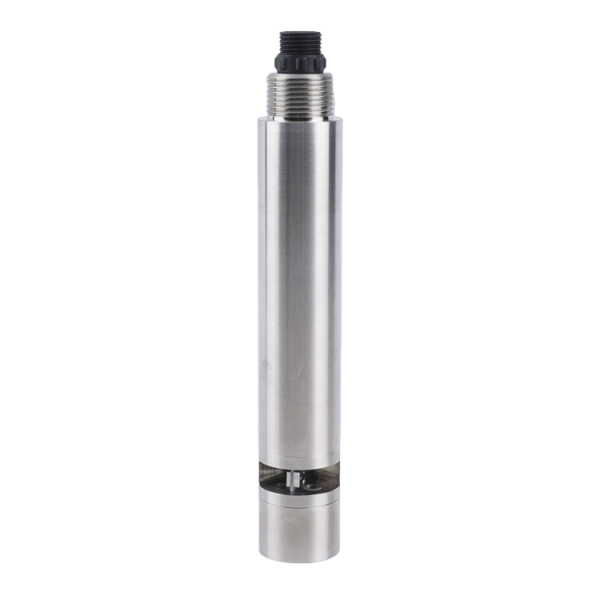
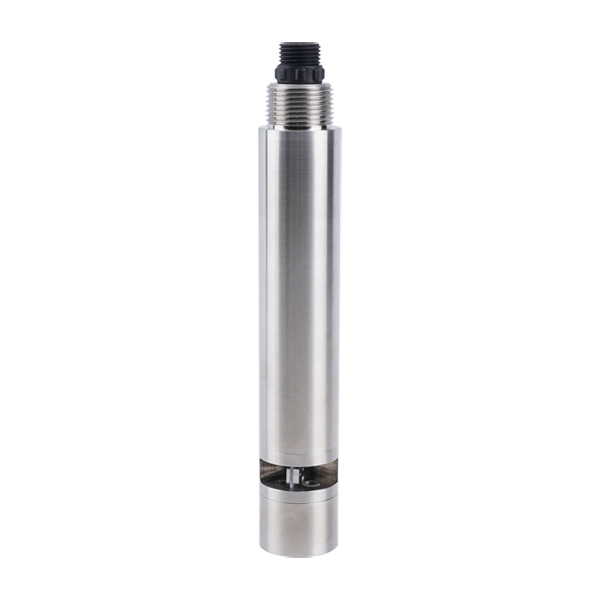

MLSS Sensor Selection for Sludge Concentration Control in STP Projects should help buyers compare project scope, not only sensor names. The practical value of MLSS sensor depends on water conditions, installation, communication compatibility, maintenance planning and acceptance evidence.
For a NiuBoL quotation, send the MLSS process control goal, water body, expected range, installation method, output, cable length, power, quantity and delivery target. NiuBoL can then separate probe, controller, gateway, mounting accessories and spares so the buyer compares a realistic MLSS process control package.
Prev:Online Total Hardness Sensor Guide for Boiler Makeup and RO Protection
Next:Full Spectrum Water Quality Sensor for COD, TOC and Turbidity Monitoring
Related recommendations
Sensors & Weather Stations Catalog
 Agriculture Sensors and Weather Stations Catalog-NiuBoL.pdf
Weather Stations Catalog-NiuBoL.pdf
Agriculture Sensors Catalog-NiuBoL.pdf
Water Quality Sensor Catalog-NiuBoL.pdf
Related products
 Combined air temperature and relative humidity sensor
 Soil Moisture Temperature sensor for irrigation|NBL-S-THR
 Soil pH sensor RS485 soil Testing instrument soil ph meter for agriculture |NBL-S-PH
 Wind Speed sensor Output Modbus/RS485/Analog/0-5V/4-20mA
 Tipping bucket rain gauge for weather monitoring auto rainfall sensor RS485/Outdoor/stainless steel
 Pyranometer Solar Radiation Sensor 4-20mA/RS485

Screenshot, WhatsApp to identify the QR code
WhatsApp number:+8615367865107
(Click on WhatsApp to copy and add friends)

