





— Products —
 Consumer hotline +8618073152920
 WhatsApp:+8615367865107
Address:Room 102, District D, Houhu Industrial Park, Yuelu District, Changsha City, Hunan Province, China
Water Quality Sensors
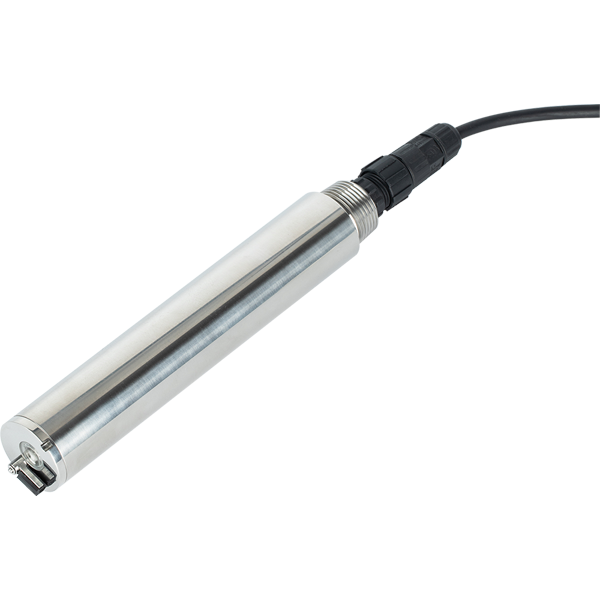
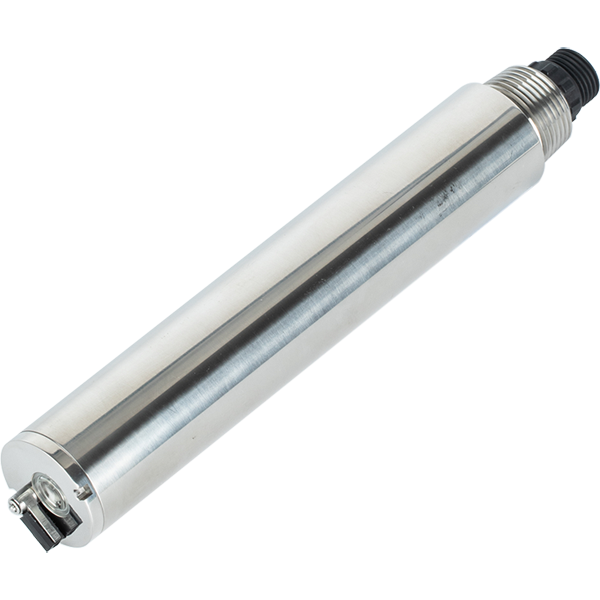
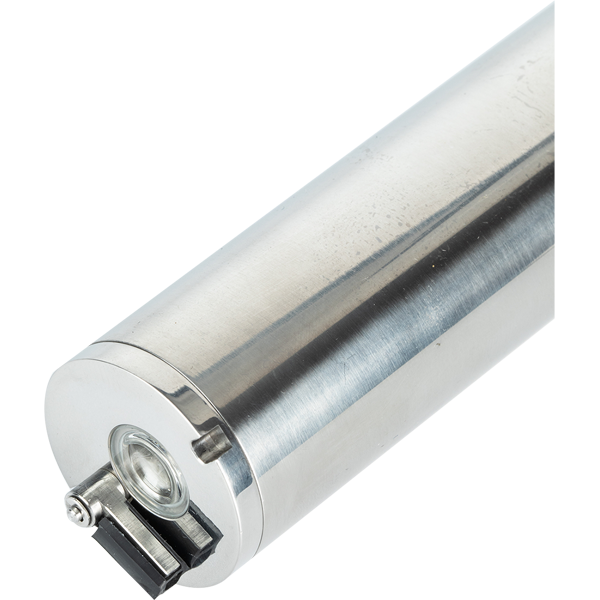
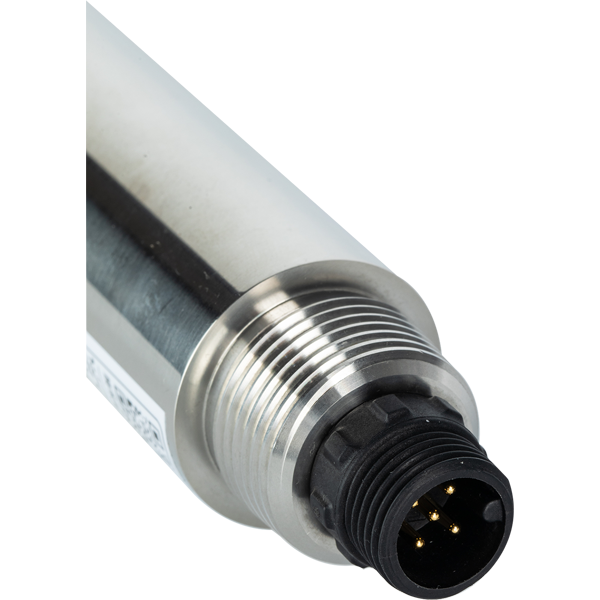
NiuBoL NBL-WQ-TS-408-S online turbidity sensor adopts 90° scattered light method, supports RS485/Modbus RTU protocol and 4-20mA output. 316L shell and IP68 protection ensure high precision and strong anti-interference ability, specially designed for industrial IoT and water treatment engineering integration.
Tel/WhatsApp:+8615367865107
Email:Arvin@niubol.com +Nearly 100 partner companies in more than 79 countries. We are committed to providing high-quality, practical products to meet your needs and help you solve problems. Our products comply with international standards and are certified with ISO, CE and RoHS.Product Details
NiuBoL NBL-WQ-TS-408-S online turbidity sensor adopts 90° scattered light method, supports RS485/Modbus RTU protocol and 4-20mA output. 316L shell and IP68 protection ensure high precision and strong anti-interference ability, specially designed for industrial IoT and water treatment engineering integration.
In municipal sewage, industrial circulating water or surface water monitoring projects, do you often encounter turbidity data drifting due to external light interference? Is the sensor protection level insufficient leading to frequent water ingress damage? Or when docking with PLC or SCADA systems, additional development costs due to incompatible communication protocols?
NiuBoL NBL-WQ-TS-408-S integrated online turbidity sensor directly addresses the core pain points in engineering integration. The product comes standard with RS-485 (Modbus RTU) protocol and 4-20mA current output, plug and play; pure quartz optical path combined with infrared light source fundamentally resists environmental light interference; IP68 protection and 316L stainless steel body meet the most stringent online monitoring needs.
Seamless Integration: Standard RS-485 Modbus RTU protocol, reducing system integrator development and debugging cycles.
Anti-Interference Optical Path: Pure quartz optical path + 90° angle infrared scattering principle, eliminating the influence of external natural light on low turbidity measurements.
Extremely Low Maintenance Cost: Built-in cleaning brush design, effectively reducing manual cleaning frequency, ensuring long-term operational stability.
NBL-WQ-TS-408-S is a professional-grade online turbidity measurement instrument developed by NiuBoL for industrial IoT and automated water treatment scenarios. The sensor is designed based on the classic 90° scattered light method principle. When turbidity substances in the water sample cause the incident light to scatter, a high-precision photodetector captures the scattered light intensity in the direction perpendicular to the incident light, and combines it with the internal calibration curve for linearization processing, ultimately outputting accurate turbidity values.
Built-in Pt1000 temperature sensor realizes automatic temperature compensation, ensuring measurement consistency under different water temperature environments. Whether it is low-turbidity drinking water or high-turbidity industrial wastewater, this sensor can provide reliable and continuous data support, making it an ideal choice for engineering contractors to build stable water quality monitoring networks.
Traditional turbidity meters are easily affected by stray light in outdoor or bright factory environments. The NBL-WQ-TS-408-S uses an infrared LED light source and a pure quartz optical path system. The scattering characteristics of infrared light on turbidity substances are more stable, and the pure quartz material has excellent light transmittance and extremely low thermal expansion coefficient. Combined with the 90° angle scattered light receiving architecture, it precisely shields direct and refracted light, significantly improving data anti-interference capability in complex lighting environments.
The sensor housing is fully made of 316L stainless steel material, with strong corrosion resistance and mechanical strength, easily handling various harsh water qualities (including seawater). The entire machine reaches IP68 protection level, supporting long-term stable operation at water depths up to 20 meters, effectively isolating water vapor, dust, and corrosive gases, greatly reducing equipment failure rates.
Considering the docking efficiency of system integrators, the sensor natively supports the industrial standard RS-485 (Modbus RTU) communication protocol, seamlessly connecting to various PLCs, DTUs, data collectors, and cloud platforms. It also provides optional 4-20mA analog output, perfectly compatible with traditional old monitoring systems. Wide voltage power supply design (12~24V DC) and ultra-low power consumption of only 0.2W make it perform excellently in solar-powered remote monitoring stations.
Pollution of the measurement window is the primary cause of turbidity meter data distortion. This machine innovatively integrates a mechanical automatic cleaning brush, which can automatically remove attached objects, algae, or sludge on the window surface during measurement intervals, greatly extending the manual maintenance cycle and ensuring data continuity and authenticity.
| Parameter | Specification |
|---|---|
| Measurement Principle | 90° Scattered Light Method |
| Light Source | Infrared LED |
| Range | 0-100/0-1000/0-4000 NTU (optional) |
| Resolution | 0.01 NTU (low range) |
| Output | RS485 (Modbus RTU) / 4-20mA (optional) |
| Protection Level | IP68 |
| Material | 316L Stainless Steel + Quartz |
Municipal water supply and drainage and sewage treatment plants: Used for continuous turbidity monitoring at key nodes such as sedimentation tank effluent, secondary sedimentation tank, before and after disinfection, to ensure effluent quality compliance.
Industrial circulating cooling water and boiler feed water: Real-time monitoring of suspended solids content in industrial water systems, preventing pipeline scaling and equipment wear, optimizing sewage discharge cycles.
Surface water and water source automatic monitoring stations: Suitable for unattended monitoring stations in rivers, lakes, reservoirs and other field environments, anti-interference optical path design is not afraid of outdoor strong light.
Food and beverage and pharmaceutical water: In low range mode (0-20 NTU, resolution 0.01), meets high-precision detection requirements for extremely low turbidity in production processes such as purified water and injection solutions.
The sensor lead wire is a 5-core shielded cable, and the standard wire sequence is defined as follows:
Red wire: Power positive pole (12~24V DC)
Black wire: Power ground (GND)
Blue wire: RS-485 A terminal
White wire: RS-485 B terminal
Yellow wire: 4-20mA current output (can be left floating when not selected)
Engineering tips: Since the cable is often in underwater or high-humidity environments, all wiring terminals must be reliably waterproof and anti-corrosion treated (it is recommended to use waterproof tape or waterproof junction boxes). User-extended cables should also have corresponding anti-corrosion and waterproof capabilities. Before powering on, be sure to check the wire sequence to prevent reverse connection or short circuit from causing device damage.
When using 3/4 NPT thread for pipeline or bracket installation, pay attention to spatial avoidance: The sensor measurement end face must maintain at least 5cm distance from the pool or pipeline side wall, and at least 10cm distance from the bottom to avoid measurement distortion caused by water flow dead zones or bottom sludge deposition. The cable in water should remain naturally slack and must not be tightened under tension to prevent internal core wire breakage.
Q1. What communication protocols does the sensor support? Can it be directly connected to the cloud platform?
The sensor natively supports the standard RS-485 (Modbus RTU) protocol. If direct connection to the cloud platform is required, an RS485 to TCP/IP or RS485 to 4G DTU data transmission unit needs to be added in between.
Q2. Why is the influence of external light large during low turbidity measurement? How does this product solve it?
Low turbidity water samples have high light transmittance, and external stray light can easily penetrate the water sample and be captured by the receiver, causing false high values. NiuBoL uses a specific wavelength infrared LED light source, combined with a narrow viewing angle design of the pure quartz optical path, only receiving 90° angle specific scattered light, isolating visible light interference from the physical hardware level.
Q3. What water depth can the device's IP68 protection level support for underwater operation?
Under conventional working pressure within 0.2MPa, the sensor can operate stably for a long time at water depths up to 20 meters, fully meeting the installation needs of various deep wells, large caissons or underwater integrated cabinets.
Q4. Does the automatic cleaning brush require external control?
The operation control command of the cleaning brush has been integrated into the sensor's internal logic or Modbus registers. The host computer can trigger the cleaning action by sending instructions. Please refer to the product manual appendix for specific control register addresses.
Q5. What is the general calibration cycle? How to perform calibration?
It is recommended to formulate a calibration cycle (usually 1-3 months) according to environmental protection department requirements or actual water quality severity. Use the two-point method: first perform zero point calibration in zero turbidity liquid, then slope calibration in standard liquid. Wait for the reading to stabilize for 3-5 minutes each time.
Q6. When the measurement window is dirty but the cleaning brush cannot completely remove it, how to clean manually?
You can use a mixture of household detergent and tap water, and gently wipe the outer surface and measurement window with a damp soft cloth. Do not use hard objects to scrape, so as not to scratch the pure quartz glass and cause permanent degradation of optical performance.
Q7. If the site only needs analog signal, how to connect the yellow wire?
If the system only collects 4-20mA signal, connect the yellow wire to the analog input positive pole of the acquisition device, and the acquisition device negative pole shares ground with the sensor black wire (GND). If this function is not purchased, the yellow wire is directly left floating and does not affect RS485 communication.
Q8. What is the warranty period of the product?
NiuBoL provides one-year warranty service from the date of sale. Each device has undergone 72-hour aging and stability testing before leaving the factory. During the warranty period, faults caused by non-human damage are provided with free repair or replacement.
In today's rapid development of industrial IoT, a stable, precise and easy-to-integrate underlying sensing device is the cornerstone of the success of the entire water quality monitoring system. NiuBoL NBL-WQ-TS-408-S online turbidity sensor truly achieves "worry-free, labor-saving, and low-maintenance" for system integrators through rigorous optical design, sturdy protection and standard communication protocols.
If you are currently planning municipal sewage, surface water stations or industrial water treatment projects and facing challenges of unstable turbidity data or difficult equipment docking, click the button on the right or below to obtain the product selection manual and Modbus register table. Our technical engineers will provide you with a free networking integration solution evaluation.
Sensors & Weather Stations Catalog
 Agriculture Sensors and Weather Stations Catalog-NiuBoL.pdf
Weather Stations Catalog-NiuBoL.pdf
Agriculture Sensors Catalog-NiuBoL.pdf
Water Quality Sensor Catalog-NiuBoL.pdf
Related recommendations
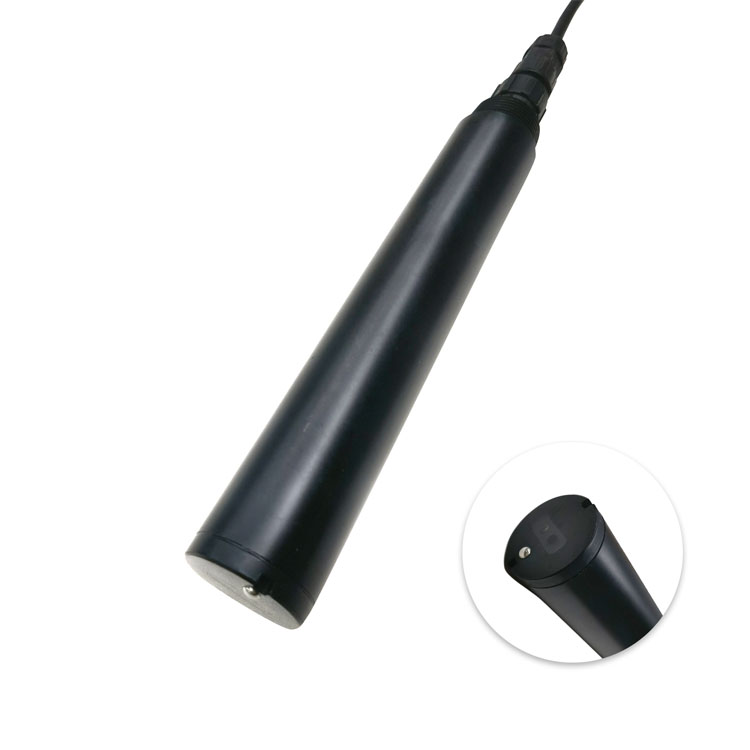 NBL-WQ-TS Online Turbidity Water Quality Sensor
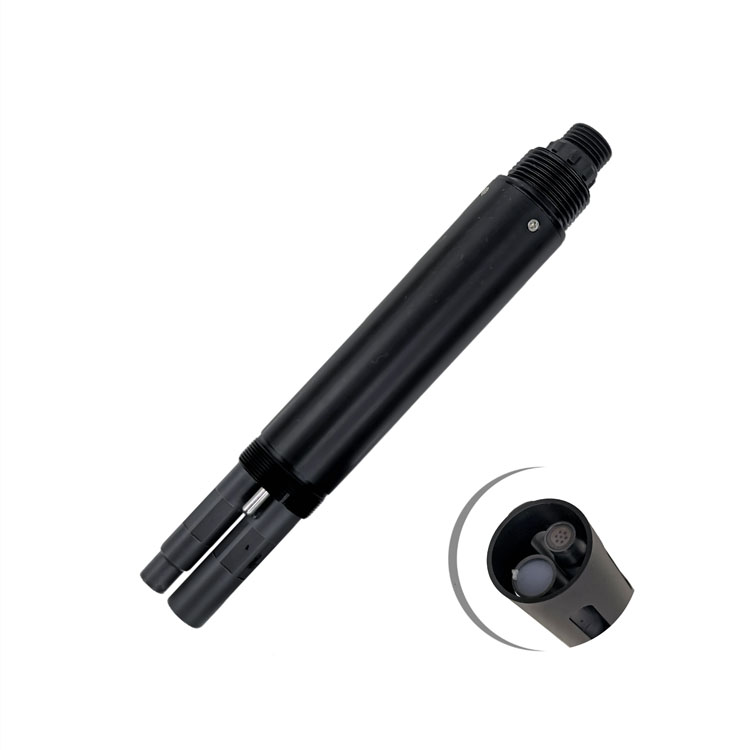 NBL-WQ-NHN Online Water Quality Ammonia Nitrogen Sensor
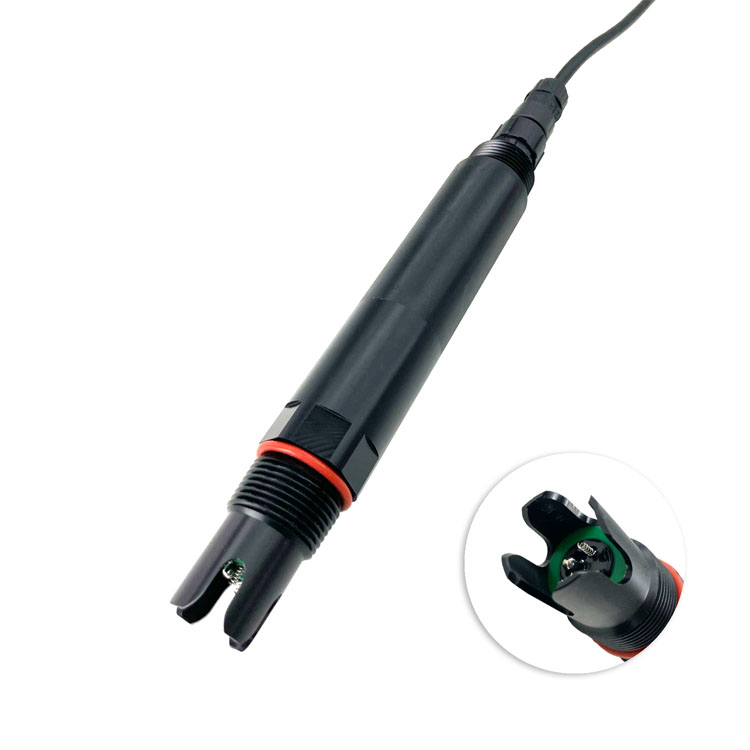 NBL-WQ-CL Water Quality Sensor Online Residual Chlorine Sensor
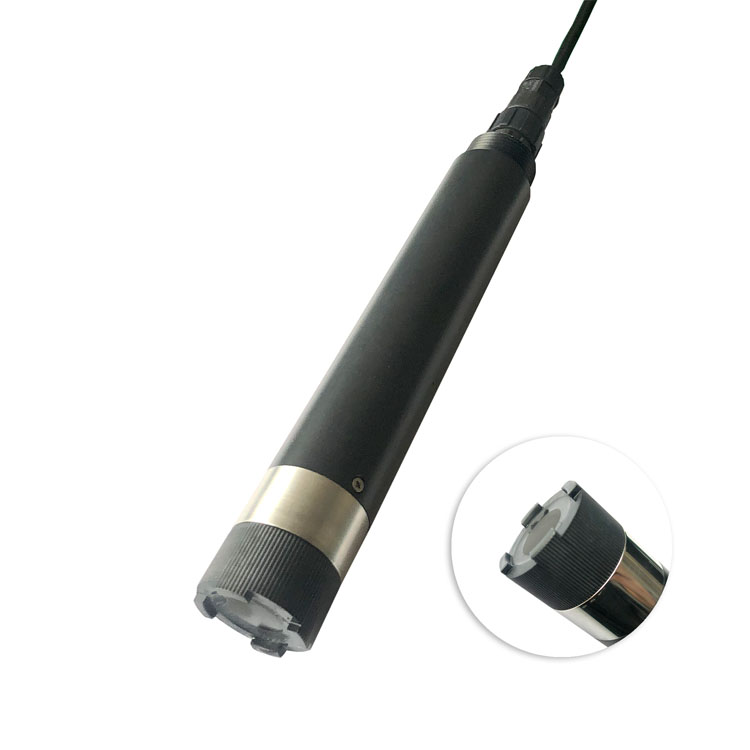 NBL-WQ-DO Online Fluorescence Dissolved Oxygen Sensor
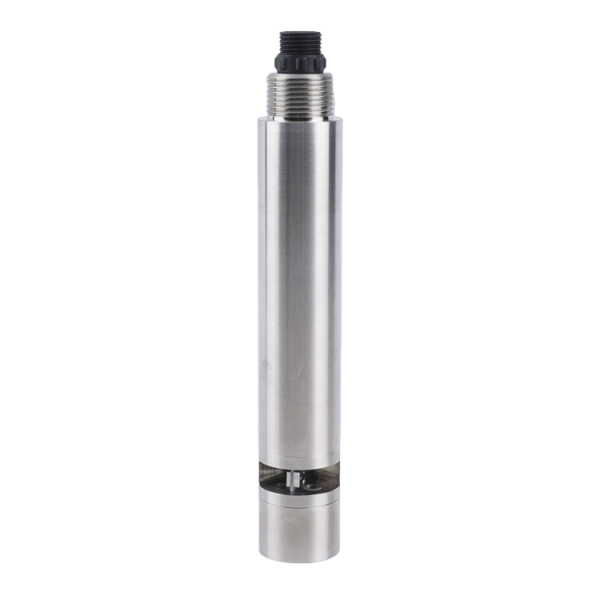 NBL-WQ-COD Online COD Water Quality Sensor
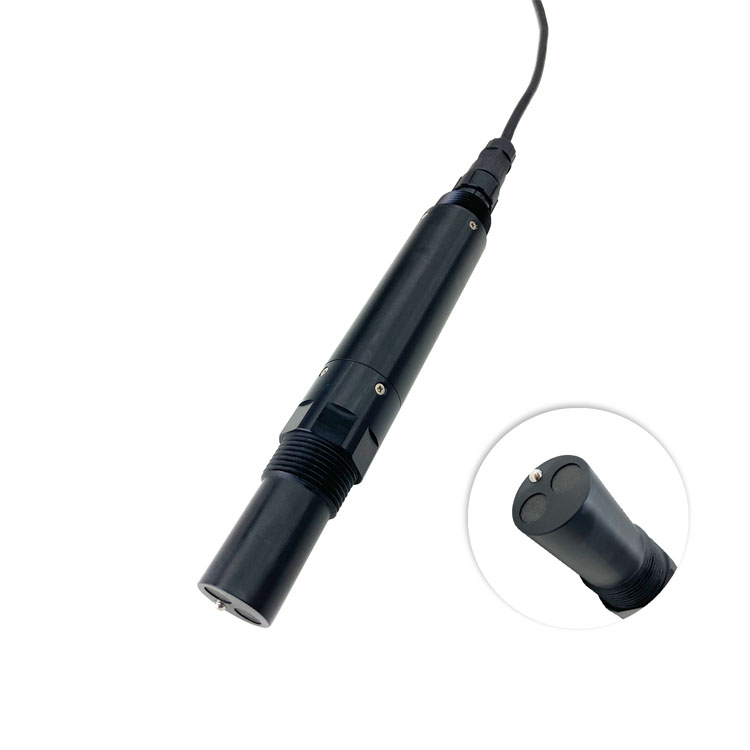 NBL-WQ-EC Online Water Quality Conductivity Sensor

Screenshot, WhatsApp to identify the QR code
WhatsApp number:+8615367865107
(Click on WhatsApp to copy and add friends)

