





— Products —
 Consumer hotline +8618073152920
 WhatsApp:+8615367865107
Address:Room 102, District D, Houhu Industrial Park, Yuelu District, Changsha City, Hunan Province, China
Water Quality Sensors
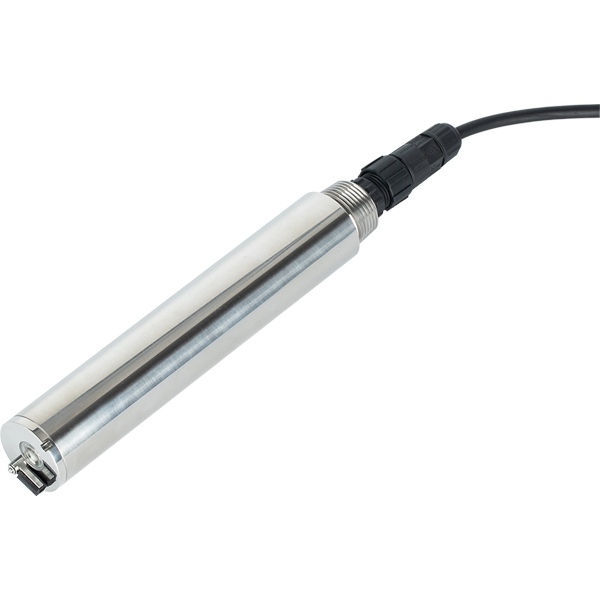
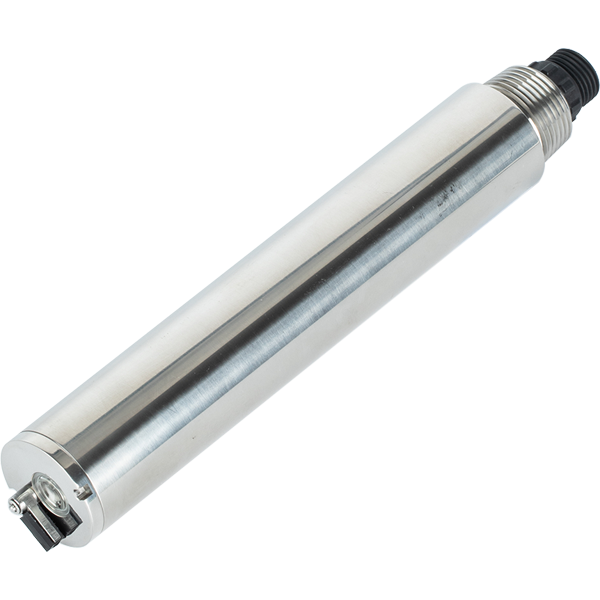
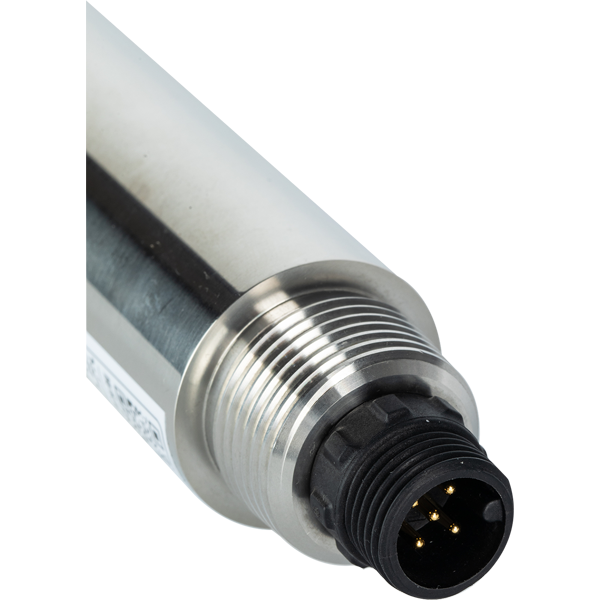
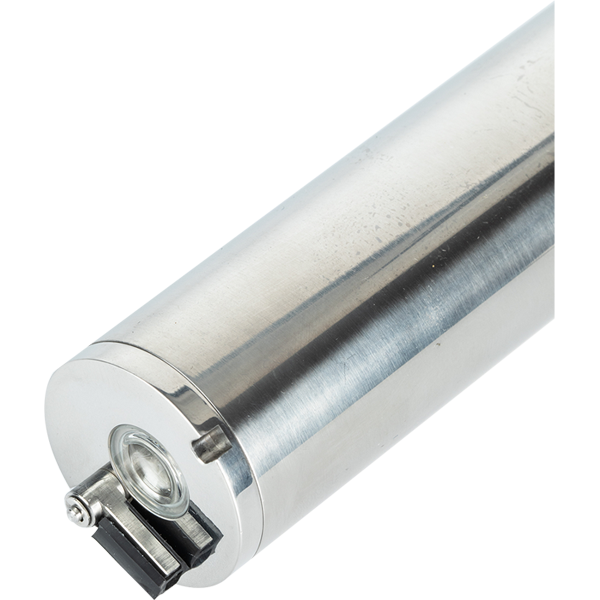
NiuBoL NBL-WQ-TS-4S online turbidity sensor adopts 90° scattered light principle, combined with infrared LED technology and optical fiber structure, effectively reducing external light interference. The sensor is specially designed for industrial-grade environments, with a built-in cleaning brush, supports RS485 Modbus-RTU protocol and IP68 protection rating. It is suitable for system integration projects such as tap water monitoring, wastewater treatment, and industrial pro···
Tel/WhatsApp:+8615367865107
Email:Arvin@niubol.com +Nearly 100 partner companies in more than 75 countries. We are committed to providing high-quality, practical products to meet your needs and help you solve problems. Our products comply with international standards and are certified with ISO, CE and RoHS.Product Details
90° Scattered Light Measurement: Follows industrial-grade optical standards, providing ultra-high resolution of 0.01 NTU.
Built-in Automatic Cleaning Brush: Completely solves the pain point of reading drift caused by scaling and film attachment on the optical window, reducing operation and maintenance costs.
Fully Digital Integrated Architecture: Standard RS485 Modbus-RTU output supports long-distance transmission and easily connects to PLC or cloud platforms.
In water treatment integration projects and environmental monitoring systems, the stability of turbidity often determines the success or failure of process regulation. However, traditional turbidity sensors often suffer from data distortion due to contamination of the optical window by water impurities or interference from external natural light.
The NiuBoL NBL-WQ-TS-4S online turbidity sensor is a digital intelligent instrument developed to address these engineering site difficulties. It adopts the mature 90° scattered light measurement principle and is equipped with an infrared LED light source, which can effectively penetrate complex water quality and resist interference from ambient stray light. More importantly, it integrates an efficient self-cleaning mechanical arm that can regularly remove microorganisms or suspended matter from the measurement window surface, ensuring that the equipment can still maintain laboratory-level precision in harsh unmanned sites. For system integrators (SI), this means lower after-sales frequency and better user trust.
1. Deeply Optimized Infrared Optical Fiber Structure
The core of NBL-WQ-TS-4S adopts an innovative optical fiber structure. Compared with traditional direct-light sources, the optical fiber structure can more precisely control the beam divergence angle, significantly enhancing the sensor’s resistance to external stray light interference. Combined with the 860nm infrared LED light source, it effectively avoids absorption interference from water color, ensuring that true turbidity values are output in water samples of any color.
2. Intelligent Self-Cleaning Mechanism (Solving Engineering Pain Points)
In sewage monitoring or secondary water supply monitoring, the “film attachment” phenomenon on the optical window is the primary cause of sensor failure. NiuBoL has equipped this model with a robust automatic cleaning brush. Users can set the cleaning frequency according to on-site water quality, and the mechanical arm will regularly clean the optical window. This design greatly extends the sensor’s maintenance-free cycle, especially suitable for remote areas or underground pipe network monitoring points that are difficult to reach.
3. Multi-Range Automatic Adaptation and High-Precision Compensation
The sensor supports multiple range selections from 0-20 NTU to 0-4000 NTU. It has a built-in high-precision Pt1000 temperature sensor that enables full automatic temperature compensation. The sensor undergoes multi-point nonlinear calibration before leaving the factory, ensuring high-precision performance within ±3% of reading (low range) across the full range.
4. Strict Industrial-grade Encapsulation
Housing Material: Combination of ABS and 316L stainless steel, balancing structural strength and chemical stability.
Protection Rating: Reaches IP68 standard, can work stably for a long time within 20 meters water depth, with no risk of leakage.
Low Power Consumption Design: Ultra-low operating power consumption of 0.2W (at 12V), making it excellent in solar wireless monitoring stations.
| Parameter Item | Technical Specification |
|---|---|
| Model | NBL-WQ-TS-4S |
| Brand | NiuBoL |
| Measurement Principle | 90° Scattered Light Method |
| Range | 0-20/200/1000/4000 NTU (optional) |
| Resolution | 0.01 / 0.1 NTU (depending on range) |
| Accuracy | 0-20 NTU: ±3% or ±1.5 NTU; 200-1000 NTU: ±5% |
| Temperature Compensation | Automatic temperature compensation (built-in Pt1000) |
| Output Interface | RS-485 (Modbus-RTU); 4-20mA (optional) |
| Cleaning Method | Automatic cleaning brush |
| Working Conditions | 0~60℃; Pressure <0.2MPa |
| Protection Rating | IP68 (supports 20 meters water depth) |
| Housing Material | 316L stainless steel + ABS |
| Power Supply Voltage | 12~24V DC |
| Power Consumption | 0.2W @12V |
| Physical Dimensions | 3/4 NPT pipe thread installation interface |
Municipal Tap Water Plant Monitoring: Deployed in pre-filter, post-filter and factory water sections to ensure drinking water turbidity meets national hygiene standards.
Wastewater Treatment Plant Process Control: Real-time monitoring of suspended solids at the secondary sedimentation tank outlet to timely detect sludge loss risks and optimize dosing processes.
Surface Water and Environmental Monitoring: Applied to river chief system station rooms and river discharge outlets for 24-hour water quality fluctuation early warning through RS485 networking.
Circulating Cooling Water System: Monitoring water quality in industrial cooling towers to prevent excessive turbidity from causing heat exchanger scaling or corrosion and ensure production line safety.
To obtain the best measurement results, please strictly follow the following physical distance requirements during engineering installation:
Side Wall Distance: The sensor should be at least 5cm away from the container wall or pipe inner wall.
Bottom Distance: The sensor front end should maintain at least 10cm from the bottom to prevent interference from bottom sediment.
Installation Direction: Submerged installation is recommended, and ensure the water flow direction can carry away large particles that may accumulate, making the cleaning brush more effective.
The NBL-WQ-TS-4S adopts standard digital signal definition with simple and clear wiring:
Red wire: Power positive (12~24V DC)
Black wire: Ground (GND)
Blue wire: RS485-A
White wire: RS485-B
Note: Before electrical connection, please confirm that the supply voltage is within 12-24V. High voltage connection is strictly prohibited. Wiring connector points must be waterproof encapsulated to avoid capillary phenomenon causing moisture intrusion into the sensor interior.
Q1: What is the service life of the cleaning brush of NiuBoL turbidity sensor? Can it be replaced?
A: The cleaning brush uses high-strength wear-resistant material and can work continuously for more than 12 months under normal water quality. The brush head is a replaceable spare part, convenient for integrators to perform regular maintenance according to operation and maintenance contracts.
Q2: Can the sensor directly measure high-turbidity seawater?
A: Yes. The NBL-WQ-TS-4S uses 316L stainless steel and ABS materials, with good corrosion resistance to seawater. However, in high-salinity environments, it is recommended to shorten the maintenance inspection cycle to prevent excessive biological attachment.
Q3: Does this sensor support direct 4-20mA analog signal output?
A: The standard version provides RS485 digital output. If your system only supports PLC analog modules, we can optionally equip 4-20mA output function at the factory.
Q4: Why does the sensor’s measured value fluctuate frequently?
A: This is usually caused by two reasons: first, a large number of air bubbles in the water sample (scattered light is extremely sensitive to bubbles); second, the sensor is too close to the side wall causing reflection. It is recommended to adjust the installation angle or add a defoaming device.
Q5: What are the benefits of digital sensors?
A: Digital sensors (RS485) have stronger anti-interference capability than analog ones and can transmit over longer distances (up to 1000 meters or more). In addition, they can remotely read sensor status and modify calibration slopes.
Q6: How to perform calibration on site?
A: You need to prepare zero-turbidity water (deionized water) and Formazin standard solution. Use the upper computer software provided by NiuBoL or write zero point and slope values through Modbus commands.
Q7: Does the sensor’s protection rating really reach IP68?
A: Yes. Our encapsulation process has passed 72-hour pressure immersion aging tests, guaranteeing no water seepage under static water pressure within 20 meters depth.
Q8: Can it be used in low-temperature cold regions?
A: The sensor’s rated working temperature is 0~60℃. In cold northern regions, as long as the water body does not freeze, the sensor can work normally. If the ambient temperature is below -5℃, it is recommended to drain water during storage to prevent internal circuits from being affected by extreme low temperatures.
The NiuBoL NBL-WQ-TS-4S online turbidity sensor has become the standard selection for many water quality monitoring projects due to its unique self-cleaning design and highly stable digital protocol. Its “install-and-work” design concept not only saves expensive on-site debugging costs for engineering contractors but also improves end-user satisfaction through its high robustness.
If you are looking for a cost-effective, low-maintenance turbidity solution for your next water treatment bidding project, or need to obtain a detailed Modbus communication register table, please contact our expert team immediately. We look forward to providing you with more competitive technical support and bulk procurement solutions!
Sensors & Weather Stations Catalog
 Agriculture Sensors and Weather Stations Catalog-NiuBoL.pdf
Weather Stations Catalog-NiuBoL.pdf
Agriculture Sensors Catalog-NiuBoL.pdf
Water Quality Sensor Catalog-NiuBoL.pdf
Related recommendations
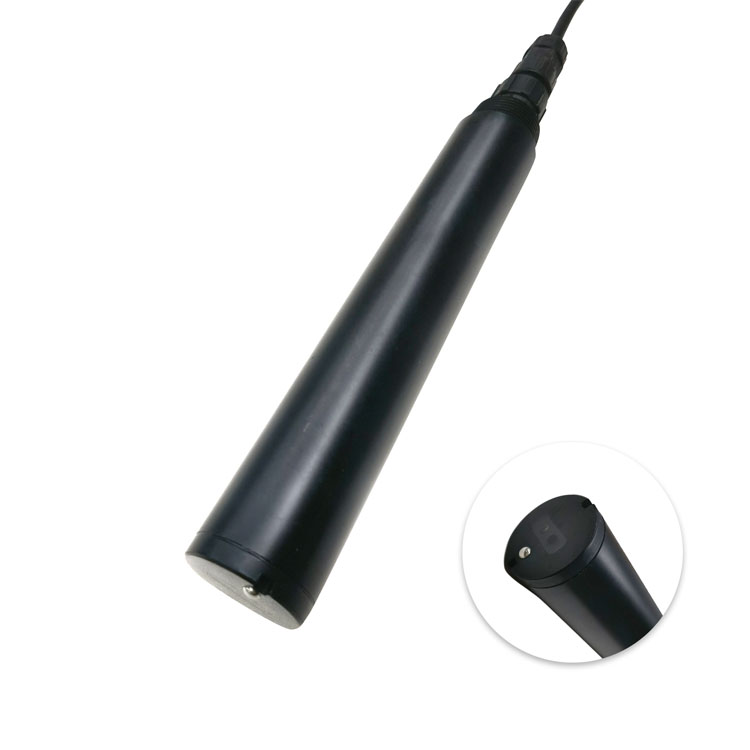 NBL-WQ-TS Online Turbidity Water Quality Sensor
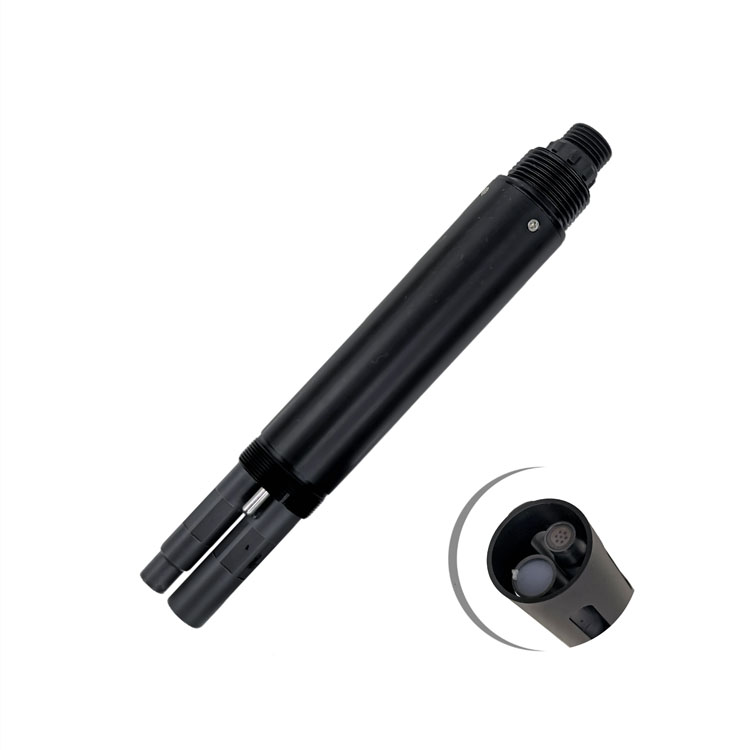 NBL-WQ-NHN Online Water Quality Ammonia Nitrogen Sensor
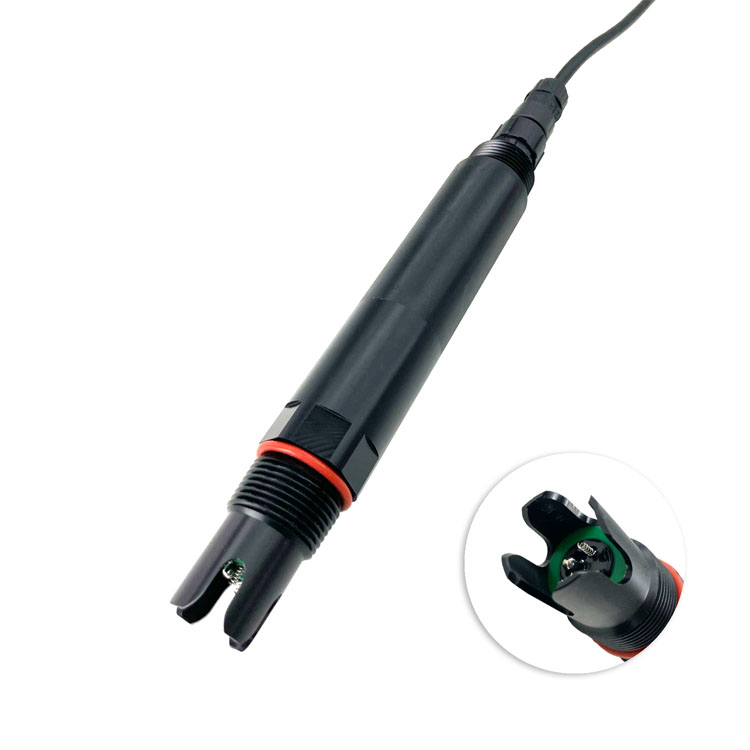 NBL-WQ-CL Water Quality Sensor Online Residual Chlorine Sensor
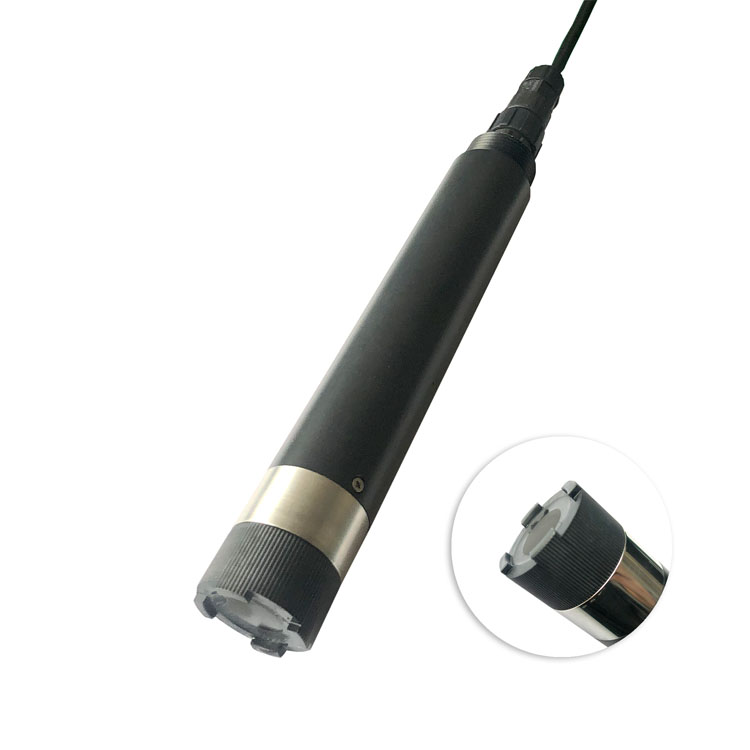 NBL-WQ-DO Online Fluorescence Dissolved Oxygen Sensor
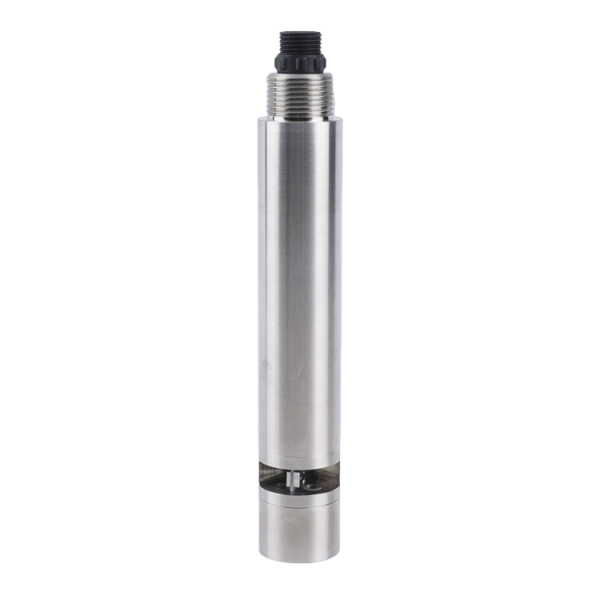 NBL-WQ-COD Online COD Water Quality Sensor
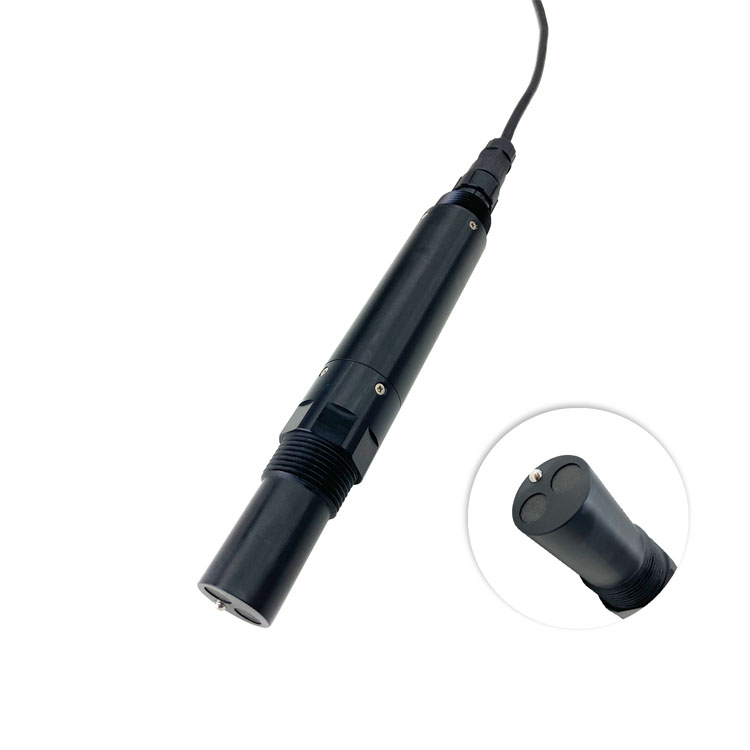 NBL-WQ-EC Online Water Quality Conductivity Sensor

Screenshot, WhatsApp to identify the QR code
WhatsApp number:+8615367865107
(Click on WhatsApp to copy and add friends)

